

A lemon jumper pulled on in a hurry in a fitting room last week, and the mirror gave its verdict straight away: a greyish complexion, shadows carved under the eyes. Two days later, the same routine with a butter-yellow shirt — and there it was, an instant healthy glow. So yellow isn't a colour to cross off your wardrobe list: it's a shade we get wrong, too saturated or too cool for our complexion. Let's take it from the top.

Yellow is a family, not a single shade
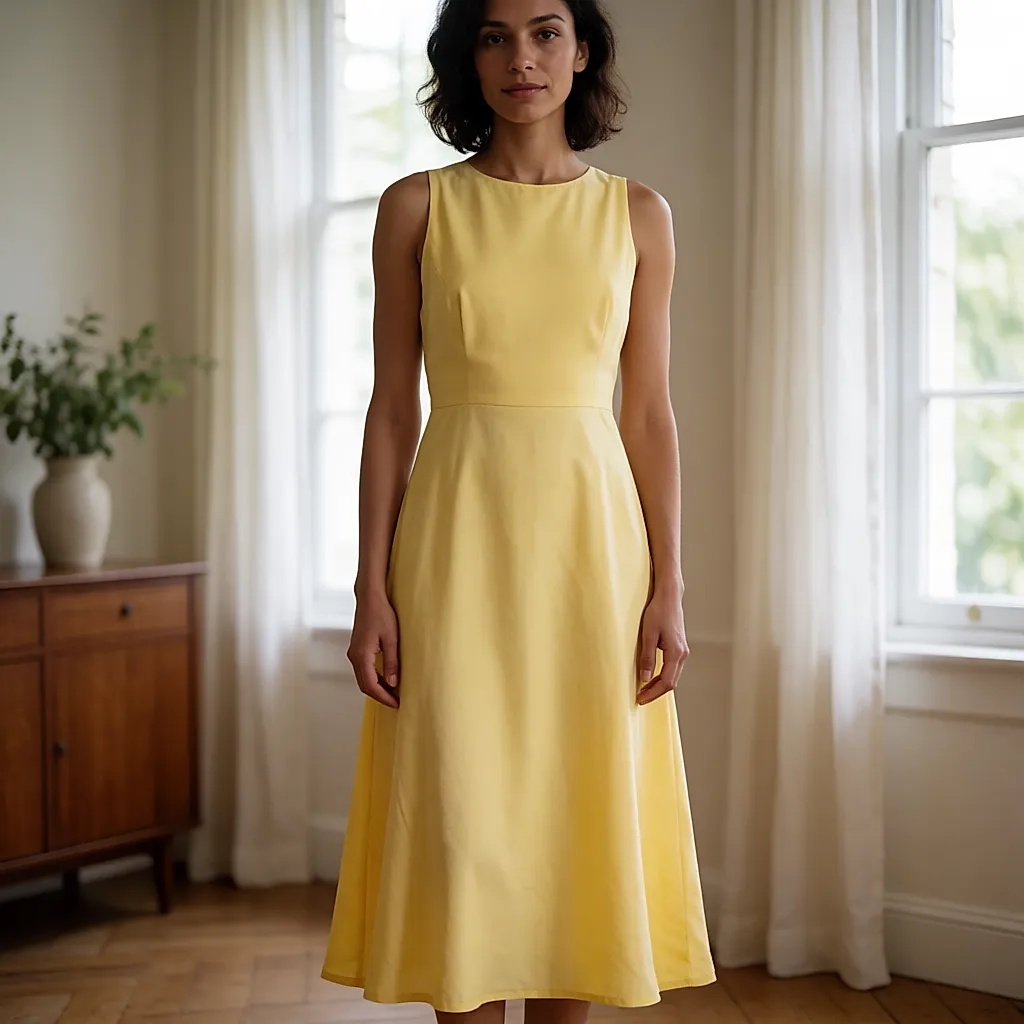
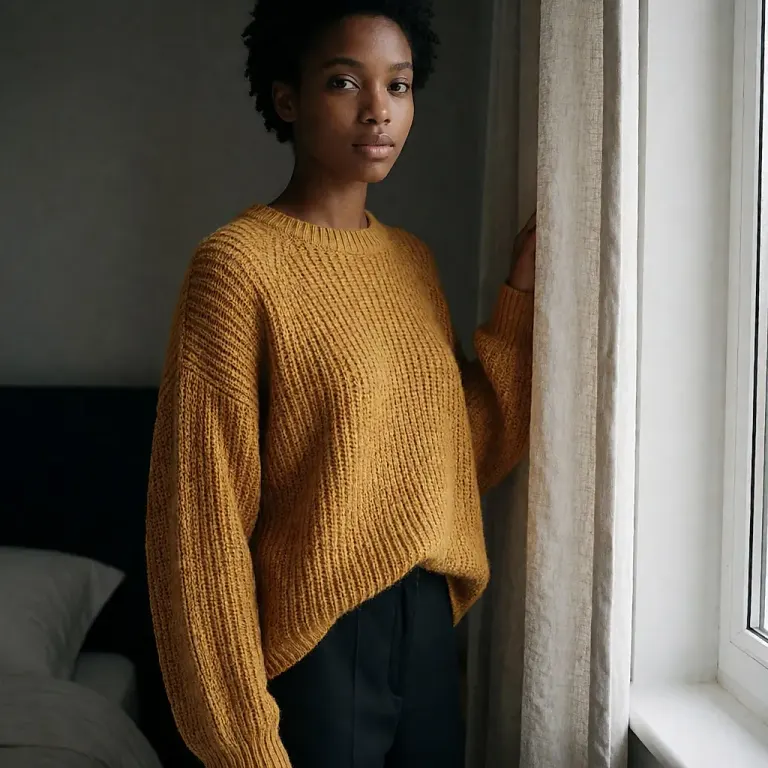
Mustard, mimosa, saffron, butter, vanilla — between the boldest and the palest, there are dozens of shades. What decides everything is the undertone: warm or cool. Warm yellows — mustard, turmeric, golden butter — throw light onto matte or golden complexions. Pale yellows with a faint green cast, cooler in tone, brighten a fair complexion. As for neon lemon, it's unforgiving: it only works on skin that's already radiant, or worn well away from the face.
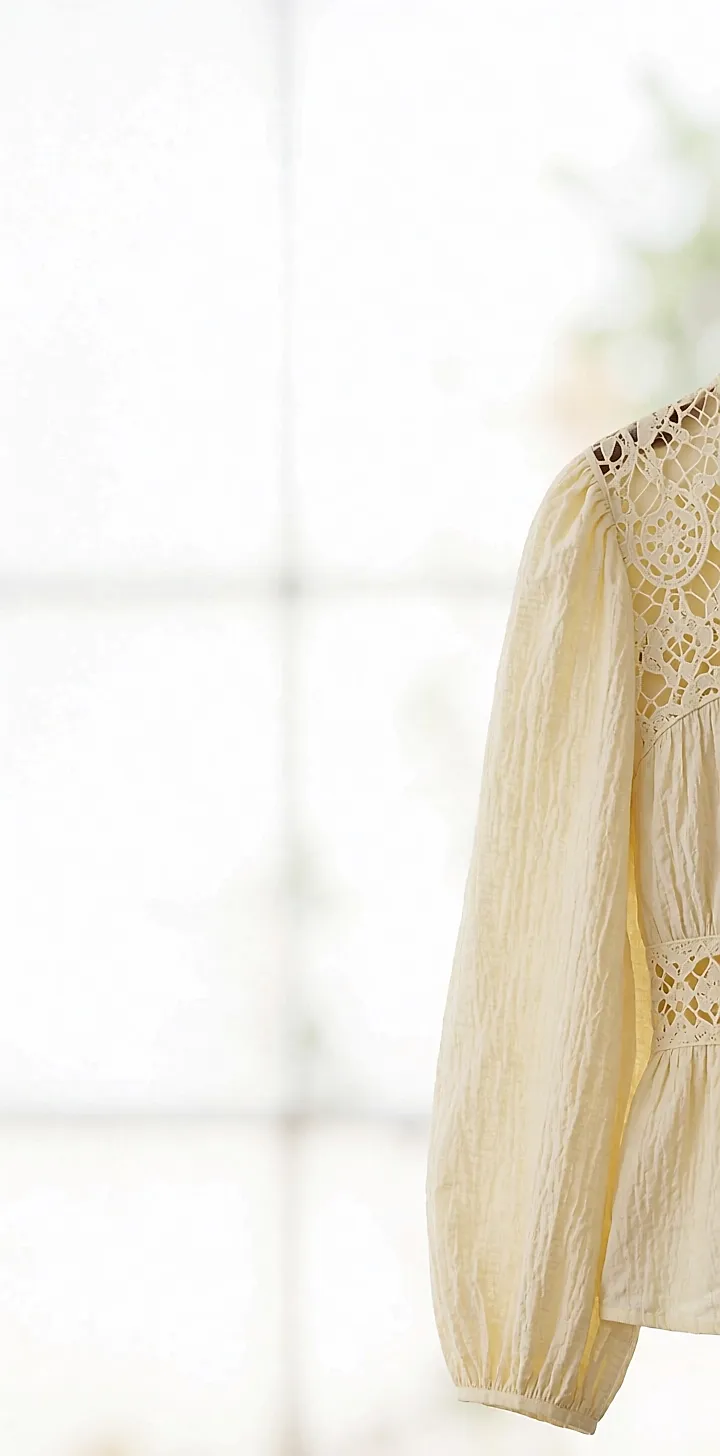
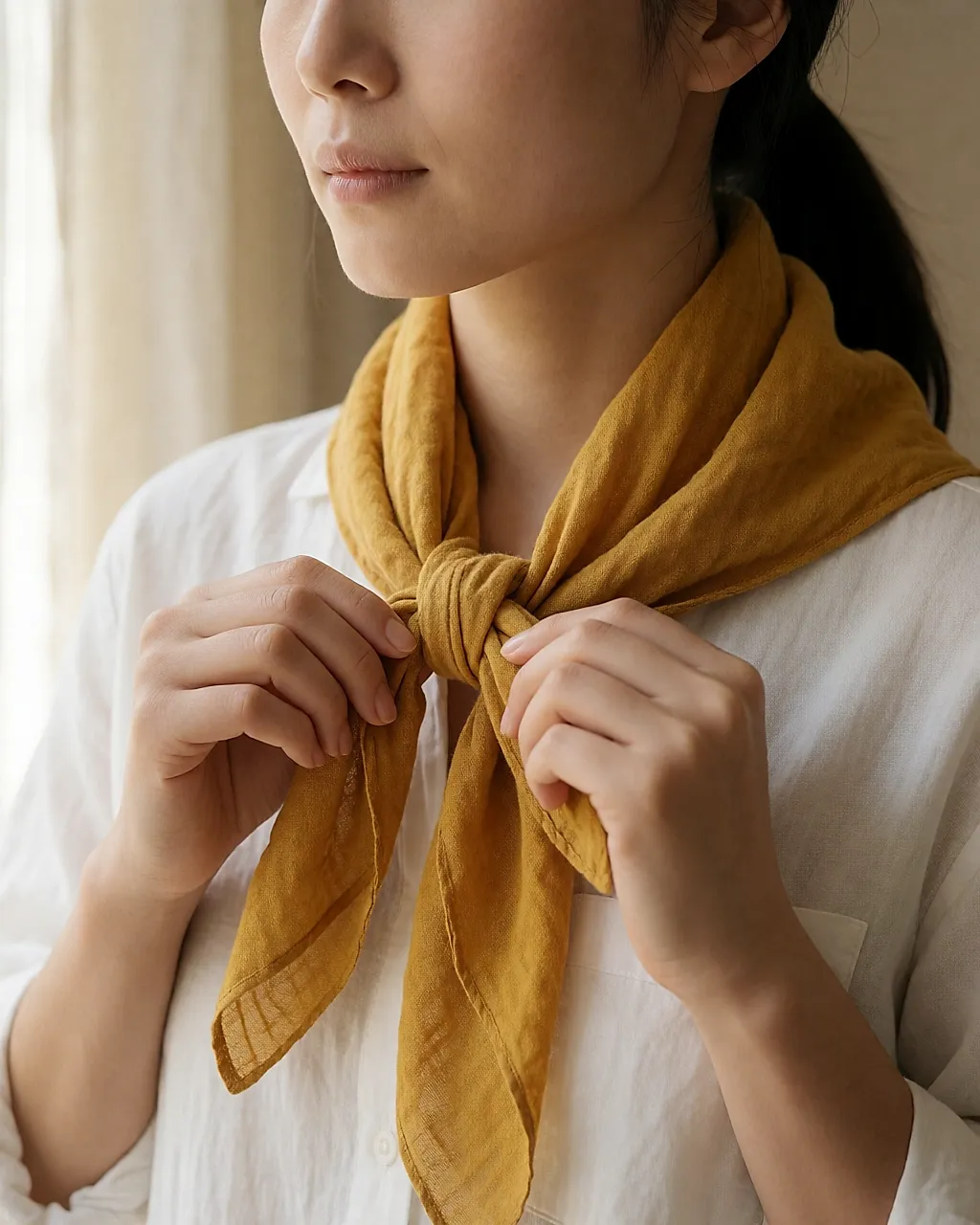
The one test that beats any amount of advice can be done at home, in daylight, standing by a window. Hold three yellows up to your face, side by side, and watch which one disappears. The one that softens redness and shadows under the eyes is yours. Fitting-room lighting, by contrast, almost always lies.
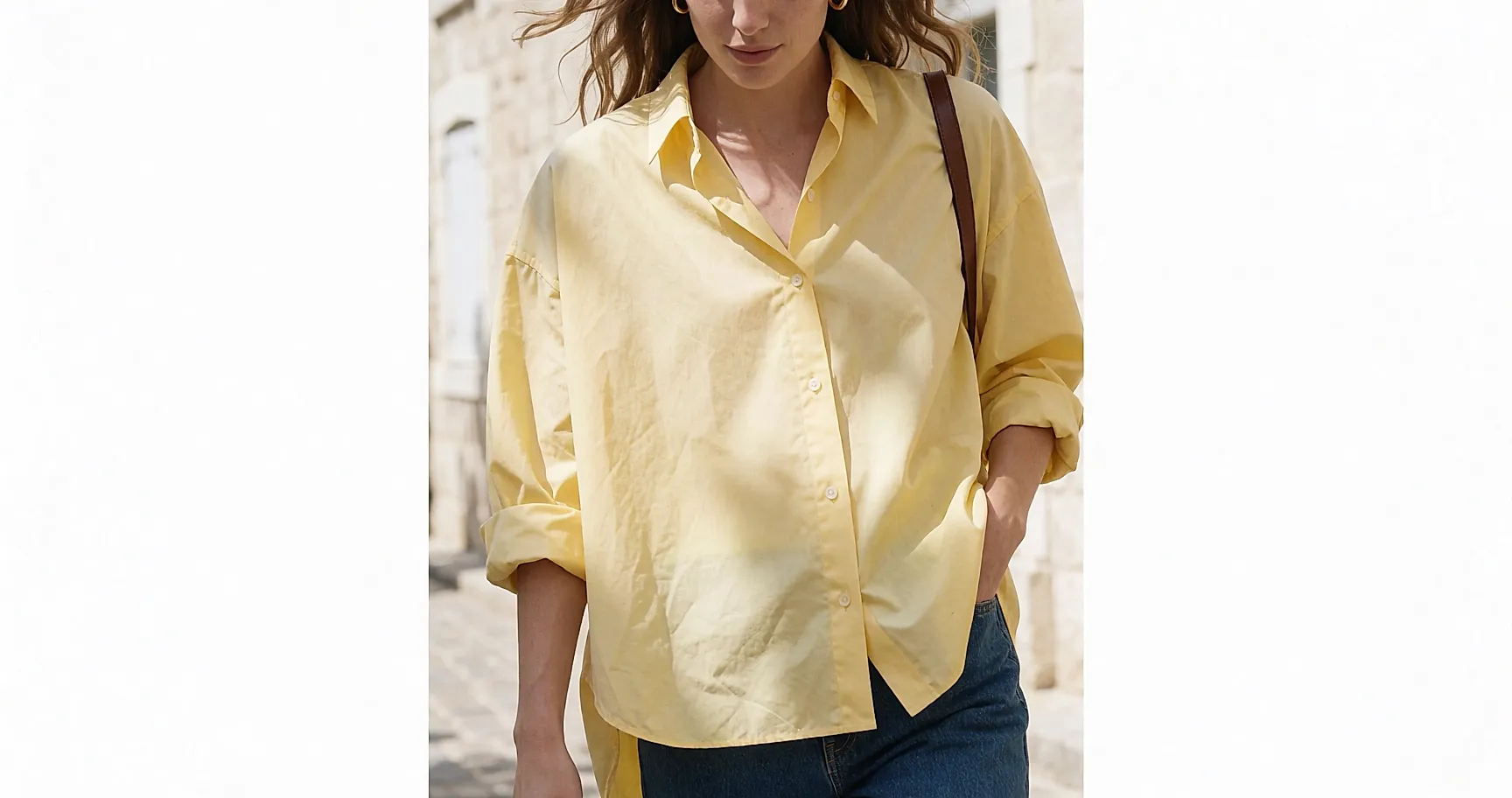
Not keen on buying just to test? Borrow a yellow scarf or T-shirt from a friend and hold it up to your face near a window. Two minutes is enough to sort the shades. Only then do you go looking for the piece.
Where to place yellow in an outfit
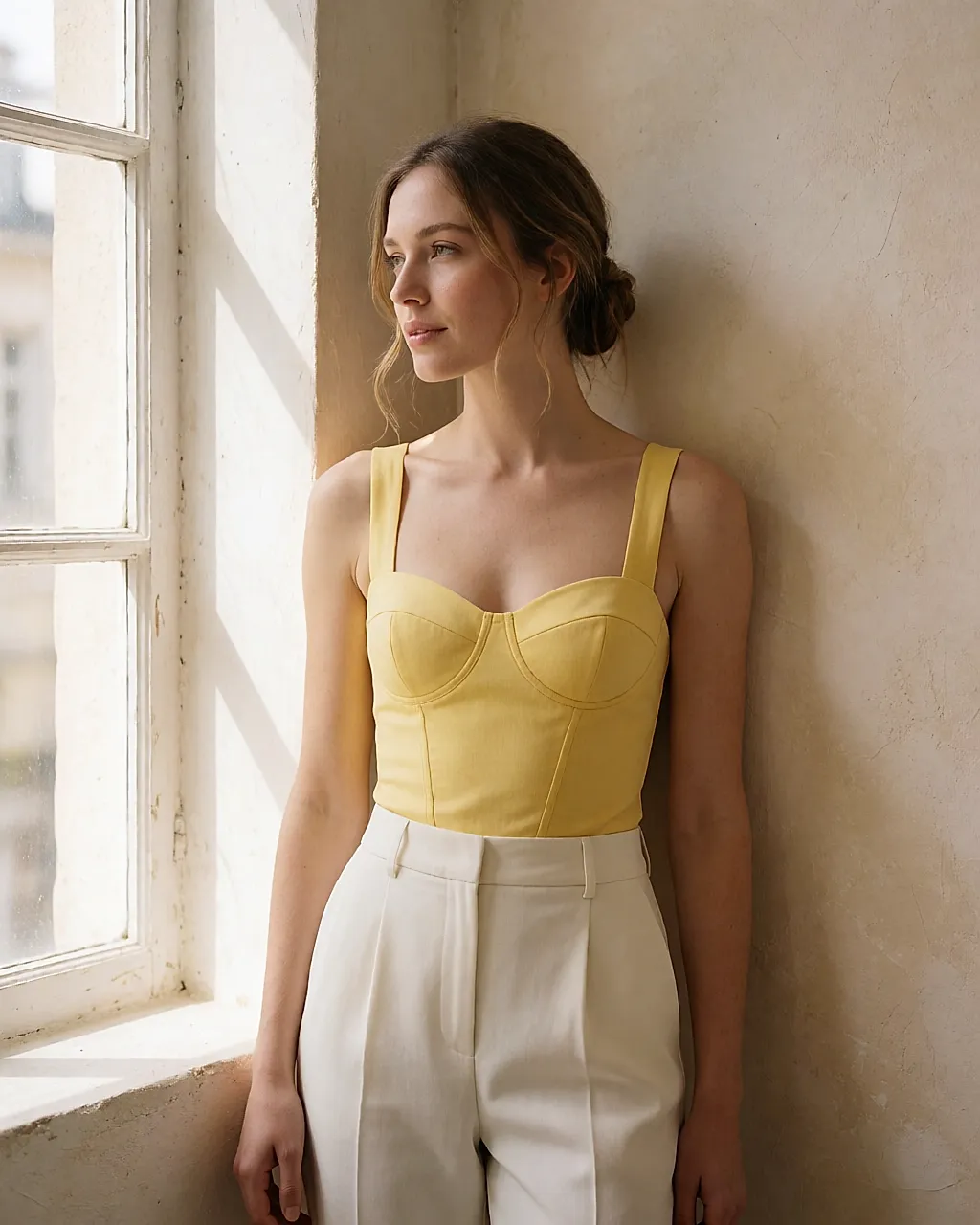
Yellow catches the light, and it draws the eye. So the right question isn't 'which yellow piece?' but 'where do I want people to look?'. A yellow top over a neutral bottom — raw denim, black chinos, charcoal grey — balances the look effortlessly. Paired with powder pink, navy or lilac, the effect softens a notch.
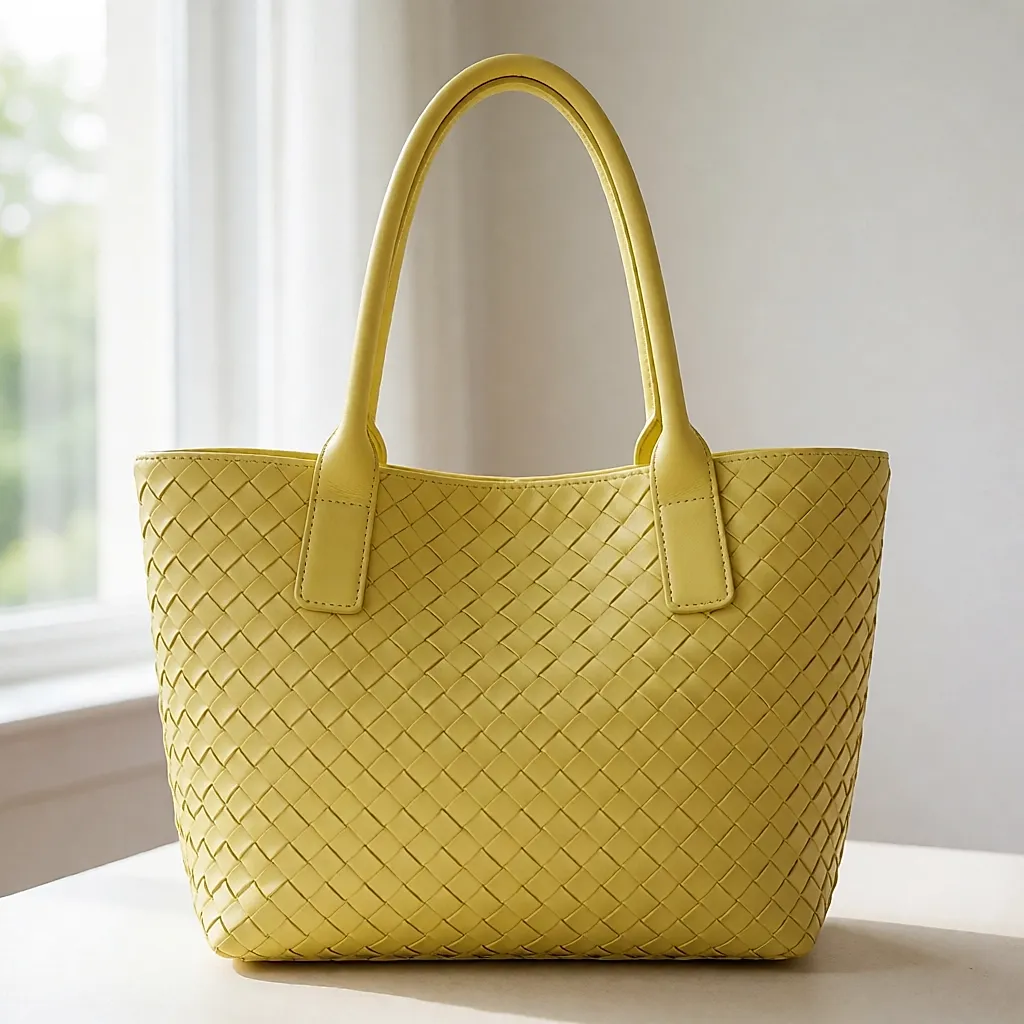
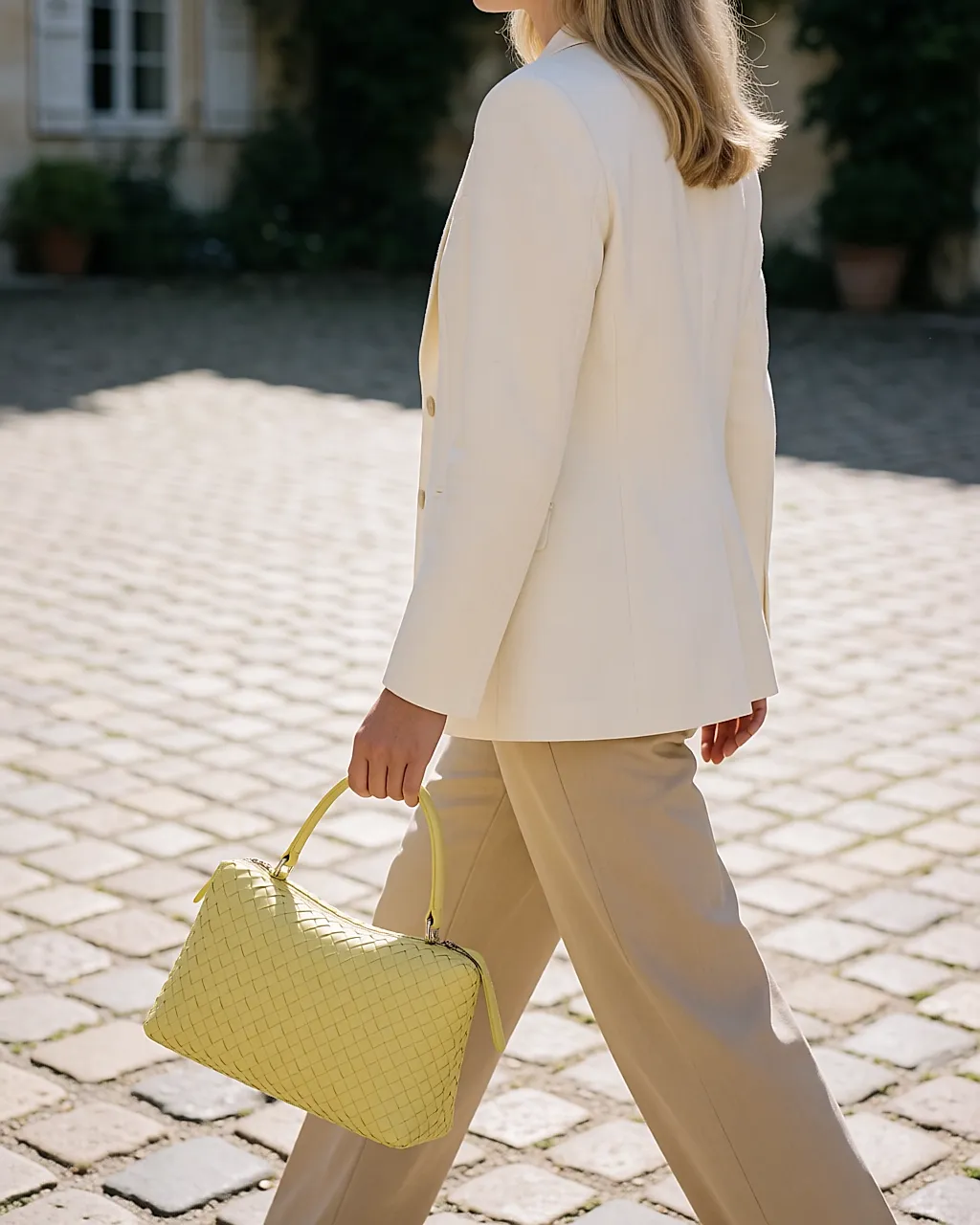
Wearing yellow head to toe, though, hangs on a single condition: the silhouette has to stay sharp. A monochrome look works when the fabrics talk to each other — ribbed knit and fluid satin, for instance. Same colour family, different textures: that contrast is what keeps it from looking like a catalogue page or a costume.
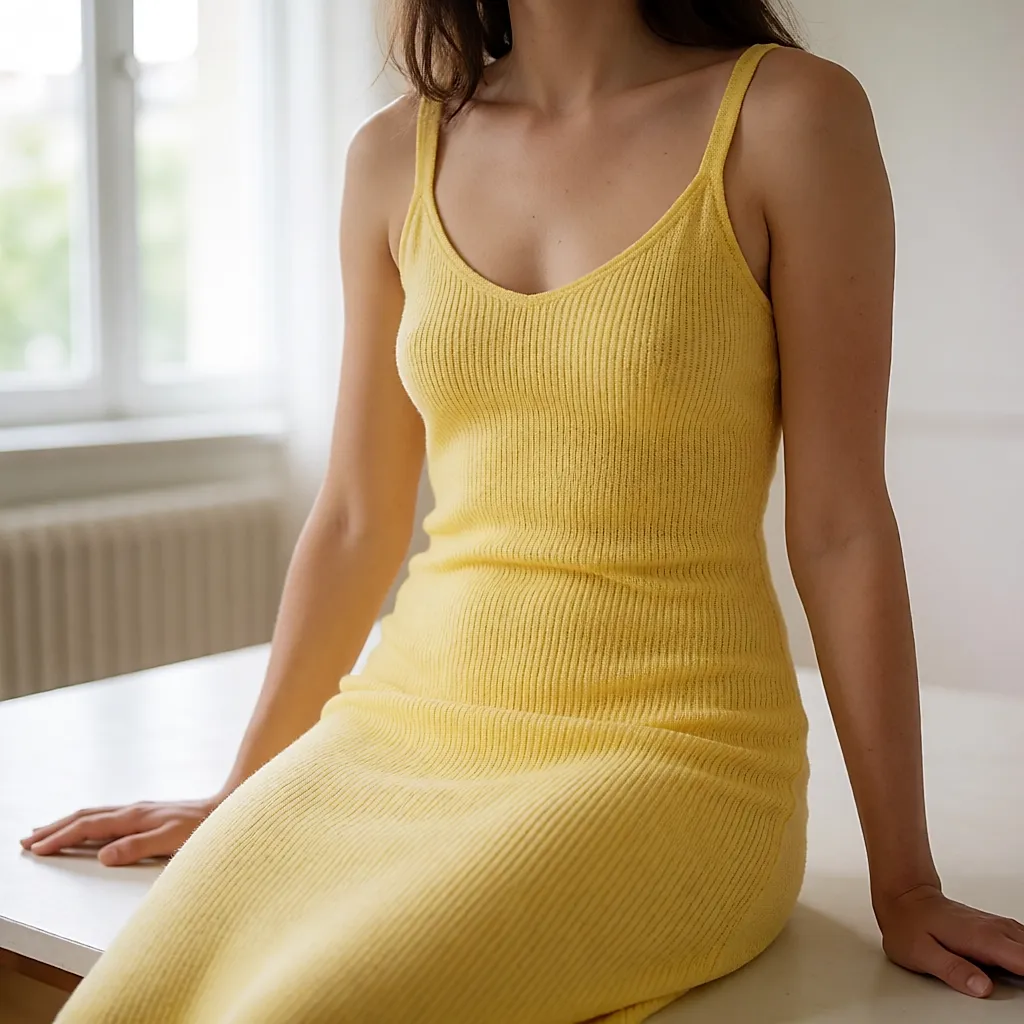
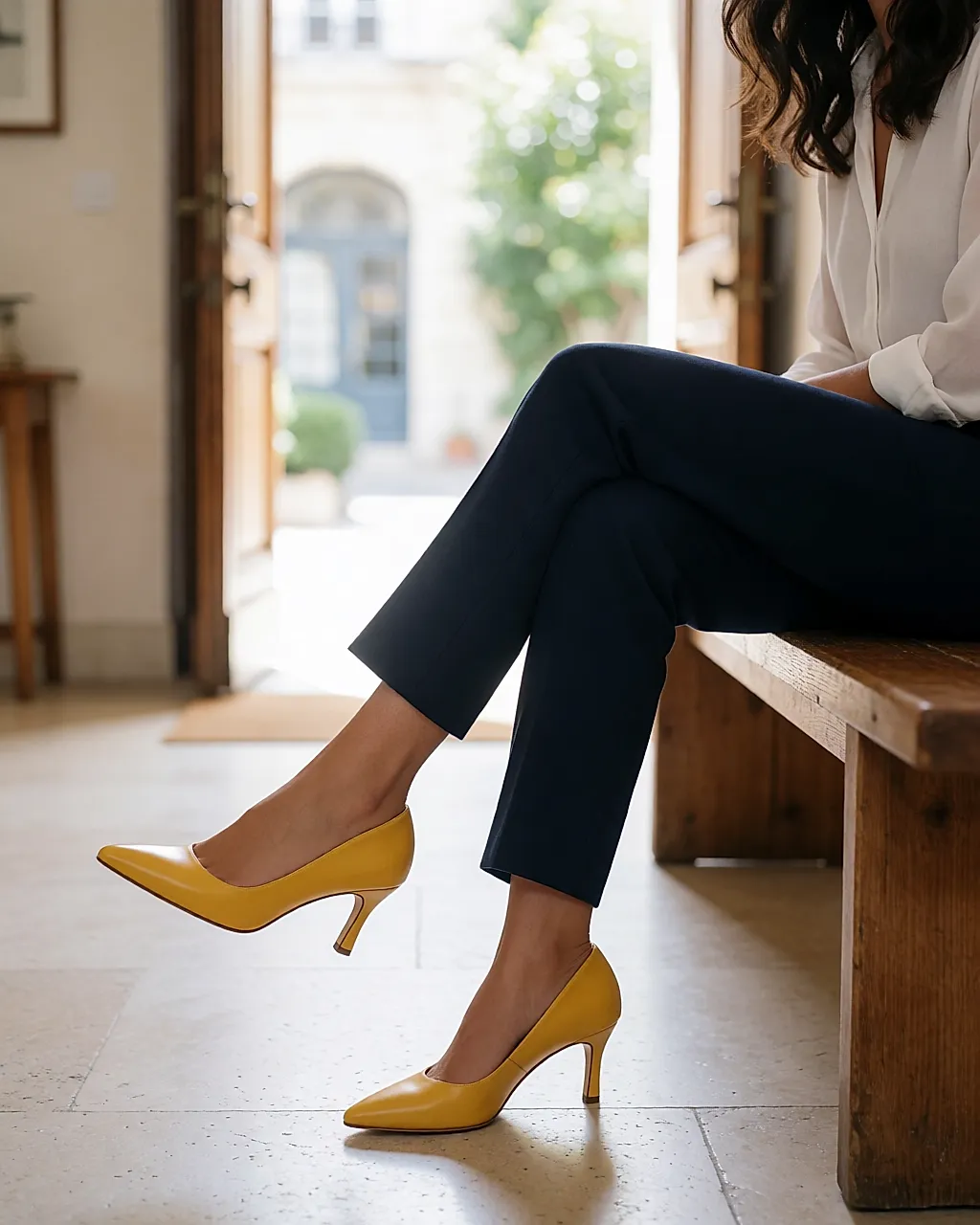
As a quiet accent, yellow earns its keep too: a belt, a bag, a pair of heels. One statement piece, never three. And if you're still unsure, a floral print on a yellow background dilutes the colour without losing it — handy for easing into the shade. On the layering front, a yellow shirt worn open over a white basic or a grey tee does the job without ever shouting.
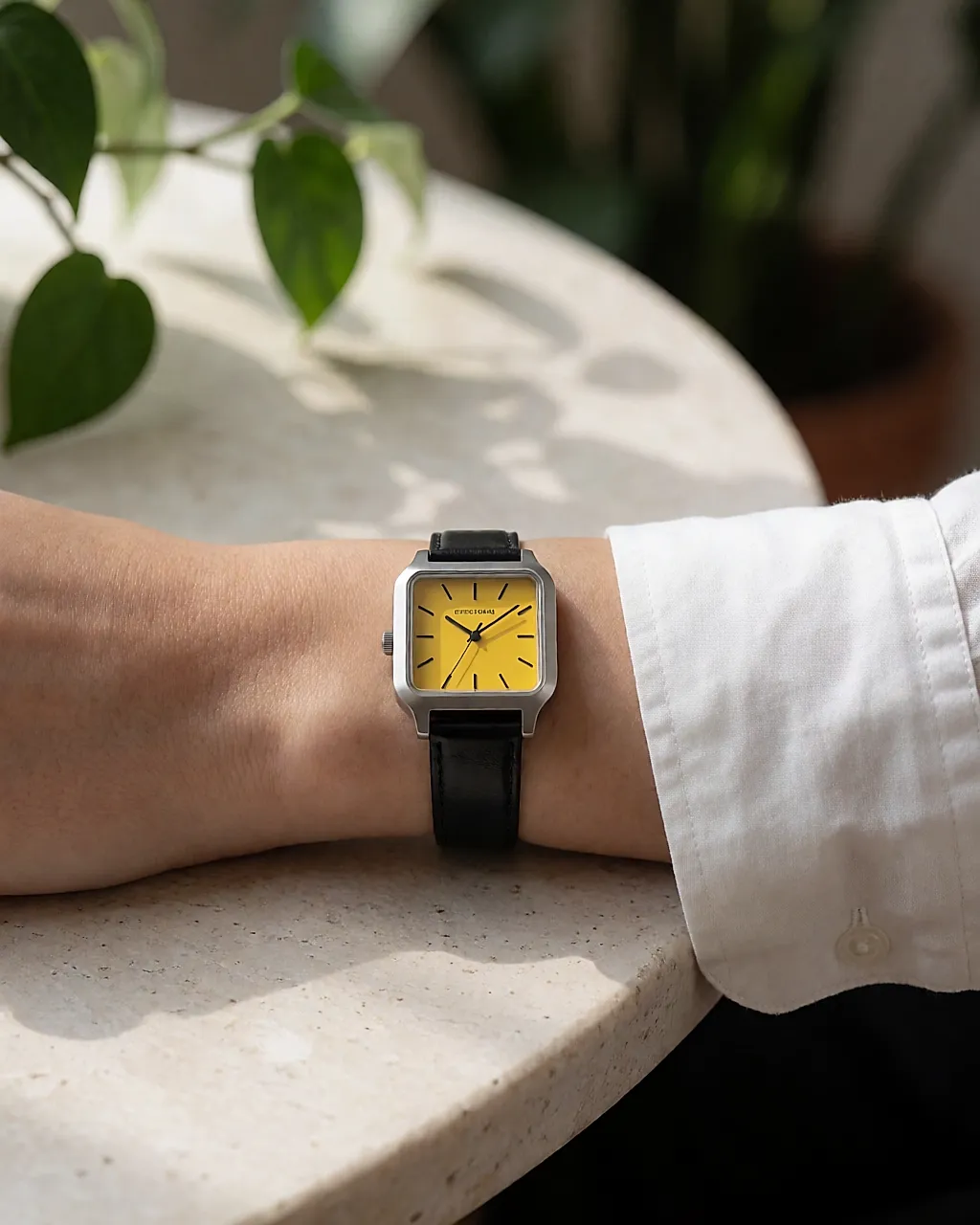
Choose the fabric before the colour
A bright yellow fades, stains and stands out, so the fabric counts double. European Flax certified linen, grown in Western Europe, has a soft drape and ages well. GOTS-certified organic cotton guarantees organic fibres and a restricted list of chemicals throughout processing, and sets social criteria for the processing and manufacturing stages. GRS-certified recycled polyester, meanwhile, comes from waste that's been collected and processed.

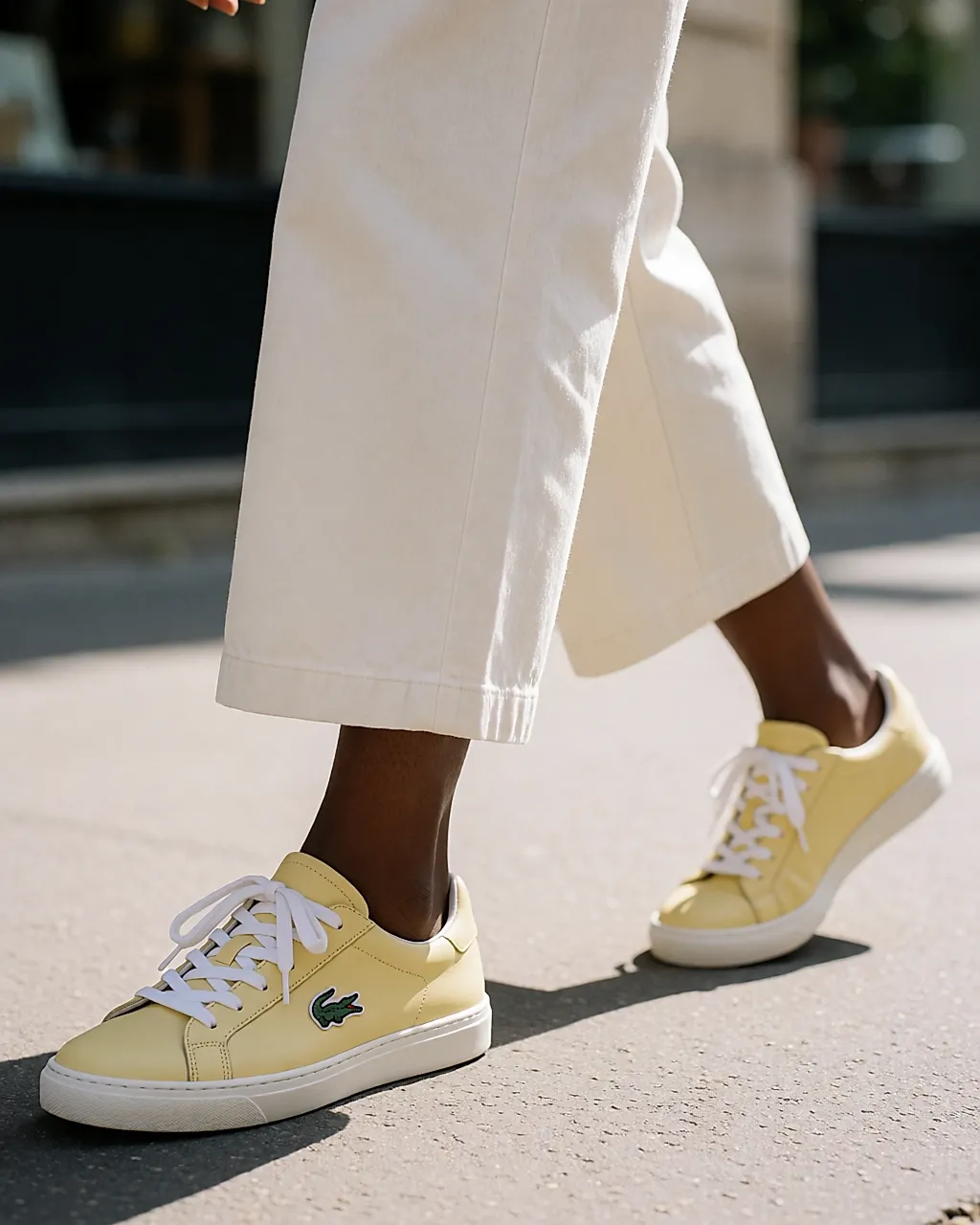
Be careful with the word 'natural' used on its own on a label: without a certification, it commits to nothing. Think about the end of the piece's life, too — a yellow garment can be resold second-hand, and charity shops and textile banks take clothes, household linen and shoes, even ones with holes in.
Budget
Expect to pay around £25 to £70 for a yellow top or knit in organic cotton or linen, whether from a high-street shop, a boutique or a committed online brand. Second-hand — charity shops, vintage or resale — you're looking at roughly £5 to £25, and occasionally pieces that have never been worn. For trousers or a skirt, budget closer to £40 to £100. Yellow shoes, which are rarer, sit between £60 and £130.
What moves the price: the fabric, whether there's a certification, where it's made and the season. The smartest buy, in the end, is one well-cut piece rather than three near-miss shades that end up at the back of the wardrobe.
Sources
- Pantone Color Institute — colour trend reports
- UKFT (UK Fashion & Textile Association) — fashion and textile sector data
- WRAP — UK textiles sustainability and recycling
- Global Organic Textile Standard (GOTS) — certification criteria
- European Flax — European linen certification
- Textile Exchange — Global Recycled Standard (GRS)
- European Commission — EU strategy for sustainable and circular textiles

Comments
Your opinion matters: rate the article, react and reply to comments.
Comments are moderated; AI-assisted comments are flagged. Text emoticons (8-), :-), <3…) are automatically shown as images.