

We always imagine a sauna as a moment of absolute calm, almost a Nordic postcard. The reality is a little different: six minutes in, your skin sticks to the wooden bench, your head swims slightly and you have a very firm urge to push the door open and finally breathe fresh air. Yet it is that memory that makes me smile, because a few years later this Sunday-evening appointment became the moment when the week finally begins to let go.
How a real session works
A wooden cabin, a stove glowing beneath hot stones heated to between 70 and 90°C, a ladle of water poured over them that releases a cloud of scalding steam. You sit, you breathe, you let it happen. The classic ritual comes down to three stages: a soapy shower so you arrive clean, eight to twelve minutes in the cabin, then a cool shower — not ice-cold when you're starting out — and a good fifteen minutes' rest before going back in. For a first time, two rounds are more than enough, believe me.
The experience isn't something to improvise in an afternoon. The ritual settles in session after session, and that is exactly what makes it sustainable across a whole year. If you dread the furnace, sit on the lower bench: the air there is noticeably less hot than higher up. Keep your towel under you, too, for hygiene as much as comfort. In public spas, you keep swimwear on; in a private cabin, everyone does as they please.

What heat really does to your body
The best-documented side is the heart and blood vessels. Large Finnish cohort studies associate regular use — four to seven sessions a week — with lower cardiovascular mortality. Under the effect of heat, blood vessels dilate and the pulse quickens: that partly explains the feeling of a relaxed body afterwards. Be careful, though: sauna does not replace treatment or medical monitoring, and if you have any heart concern, speak to your doctor before sitting in the cabin.
Next, muscle soreness: heat relaxes muscle fibres and eases back tension, but the effect fades quickly. Relief, not repair — don't forget that.
For your complexion, sweating followed by a cool shower leaves skin looking clearer, and the ritual has something soothing about it when the day has been long. Enough to bring back a rested, radiant look! However, forget 'detox': it is the liver and kidneys that filter, while sweat is made only of water, minerals and a trace of waste. And no, one session is not the equivalent of a jog — the kilos lost are water, and you'll get them back with your first glass.

The precautions that change everything
Drink before and after, avoid alcohol just before the cabin, and at the slightest dizziness get out and sit down rather than trying to tough it out. Remember to hydrate your skin afterwards, too: heat dries it out over time, and a rich texture applied to still-warm skin feels lovely.

The move that really changes everything: get out before your head starts spinning, not after. That's the number-one rule, the one we often learn the hard way the first time.
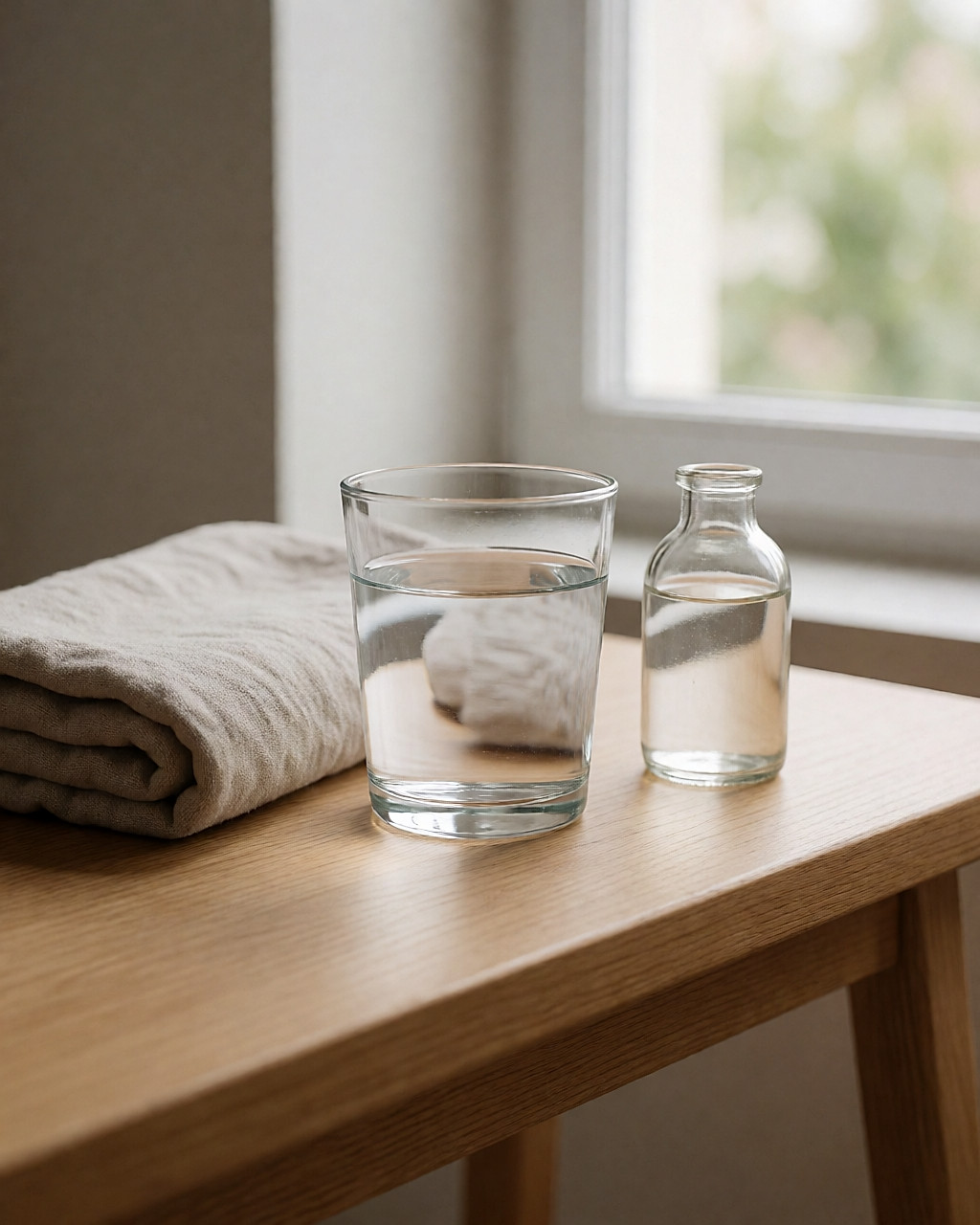
On the textile side, I don't have a specific model to recommend. The criteria that matter: a towel in GOTS-certified organic cotton — the label covers how the fibre is grown, the substances allowed in dyeing and working conditions throughout the supply chain — or a linen bathrobe, which dries quickly and lasts for years. The right question isn't 'special for sauna' but: where does the fibre come from, and how long will the piece last.
Budget
Entry to a local leisure centre with sauna access costs around £6–£12. At an urban spa, expect £25–£45 for a session alone, and more like £40–£80 for day access with a steam room. At a gym, the sauna is often included in membership, at £25–£50 a month. Private cabin hire by the hour, for an evening with friends, is around £45–£100.
What changes the bill: the city, whether it's private or shared, how long you book for and the level of service. Pools and gyms remain the most affordable options; thermal spas and online bookings push it higher, with gentler prices on weekdays. A home sauna, meanwhile, runs into thousands of pounds between the cabin, the stove and installation.
So, ready to give it a try? Start without chasing performance, listen to your body and make this moment a regular appointment. It's often by accepting that you start small that you end up unable to do without it.
Sources
- Laukkanen T., Khan H., Zaccardi F., Laukkanen J. A., Association Between Sauna Bathing and Fatal Cardiovascular and All-Cause Mortality Events, JAMA Internal Medicine, 2015.
- Laukkanen T. et al., Sauna bathing is inversely associated with dementia and Alzheimer's disease in middle-aged Finnish men, Age and Ageing, 2017.
- Hussain J., Cohen M., Clinical Effects of Regular Dry Sauna Bathing: A Systematic Review, Evidence-Based Complementary and Alternative Medicine, 2018.
Food supplements do not replace a varied, balanced diet and a healthy lifestyle.


Comments
Your opinion matters: rate the article, react and reply to comments.
Comments are moderated; AI-assisted comments are flagged. Text emoticons (8-), :-), <3…) are automatically shown as images.