
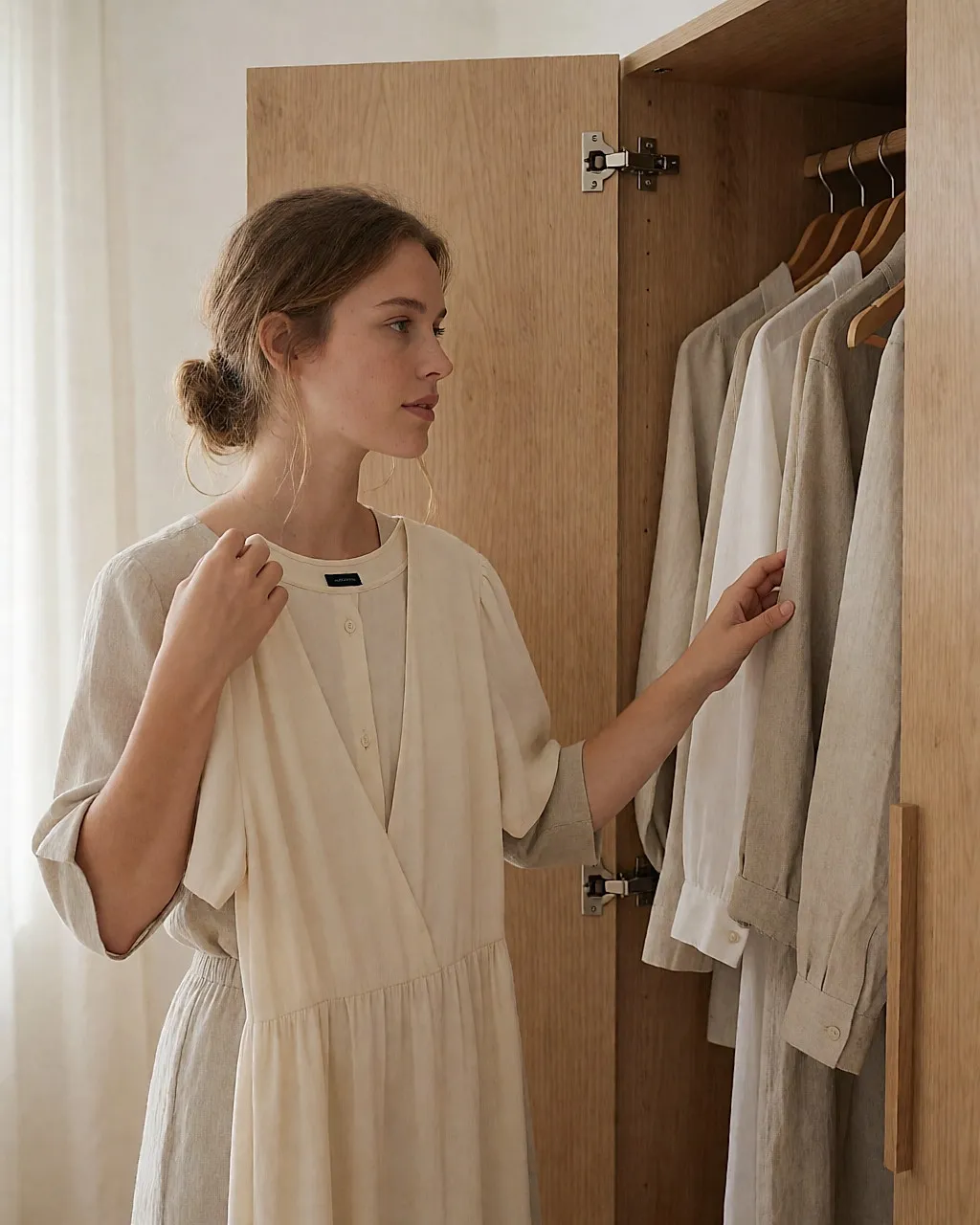
You know the picture. The basket fills up around midnight, you order three pieces, and only one of them actually works with your shape. Trendy Dressing is part of that picture, and the ritual still holds. It's how you sort the keepers that has changed.
Fabric first, colour second
It all starts on the label. GOTS-certified organic cotton signals a recognised organic-textile certification; OEKO-TEX STANDARD 100 is a separate label with its own remit. Two labels, two scopes: no need to muddle them — though it pays to check exactly what each one covers.
The habit worth keeping: read the composition before you dive into the reviews.
The drape, the blind spot of every photograph
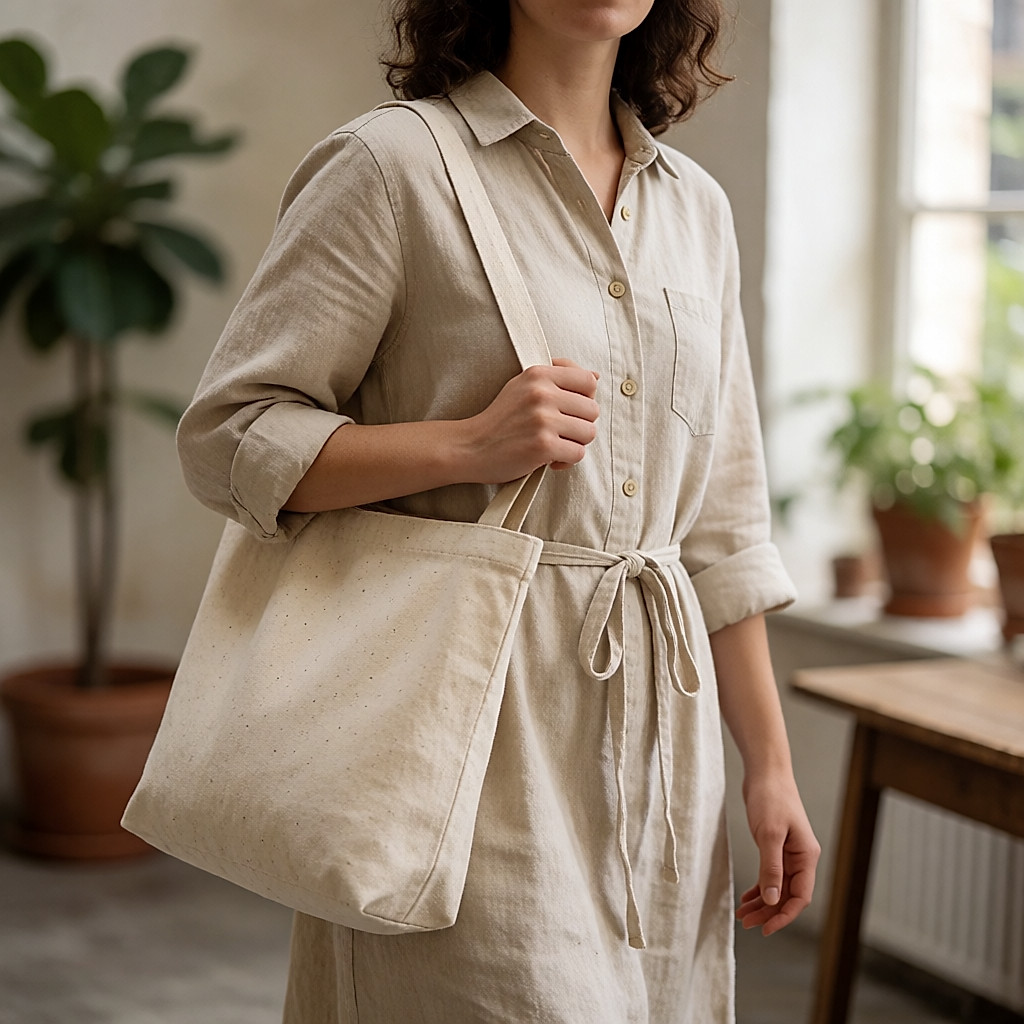
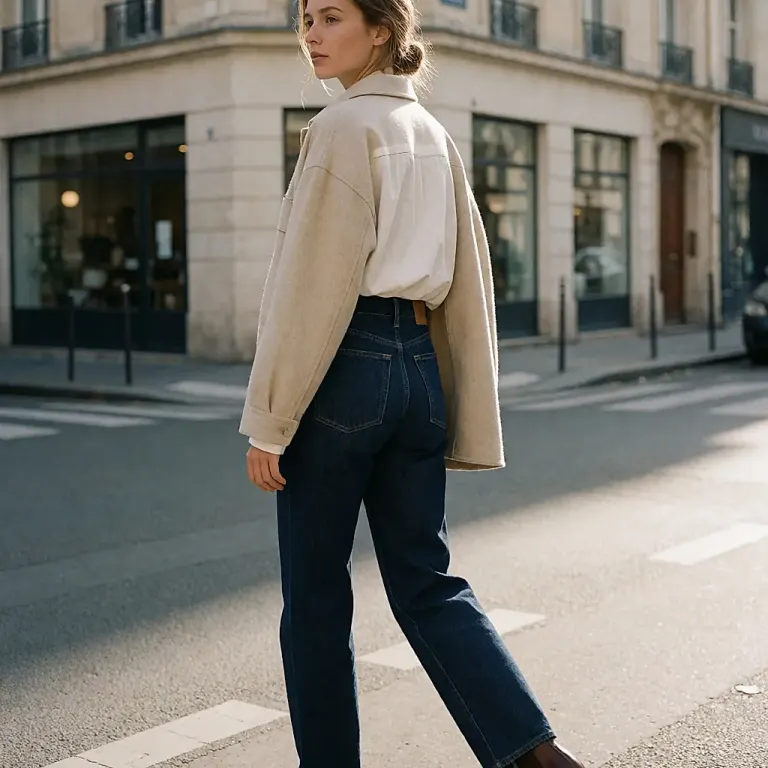
The same cut in two different fabrics gives you two different silhouettes. A soft viscose follows the movement; a thick cotton holds the line and defines the shoulder. On a screen, that nuance disappears. So look at the worn shots, the video when the listing offers one, and the model's build. Check the stated cut too: straight, oversize, fitted.
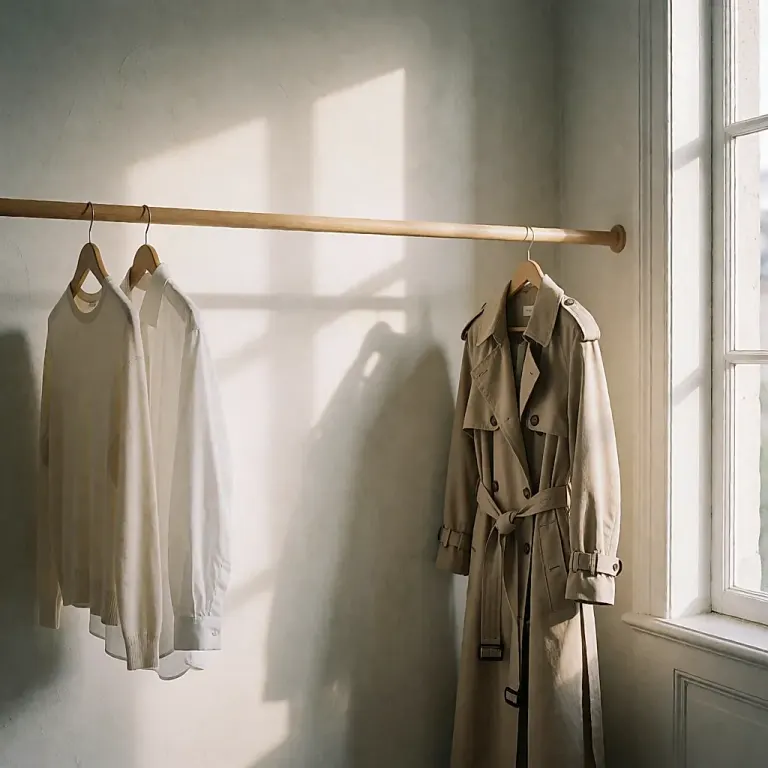
This is where layering comes into its own. A first layer close to the body, a second, looser one on top, and the texture creates the depth.
Accessorising without weighing things down
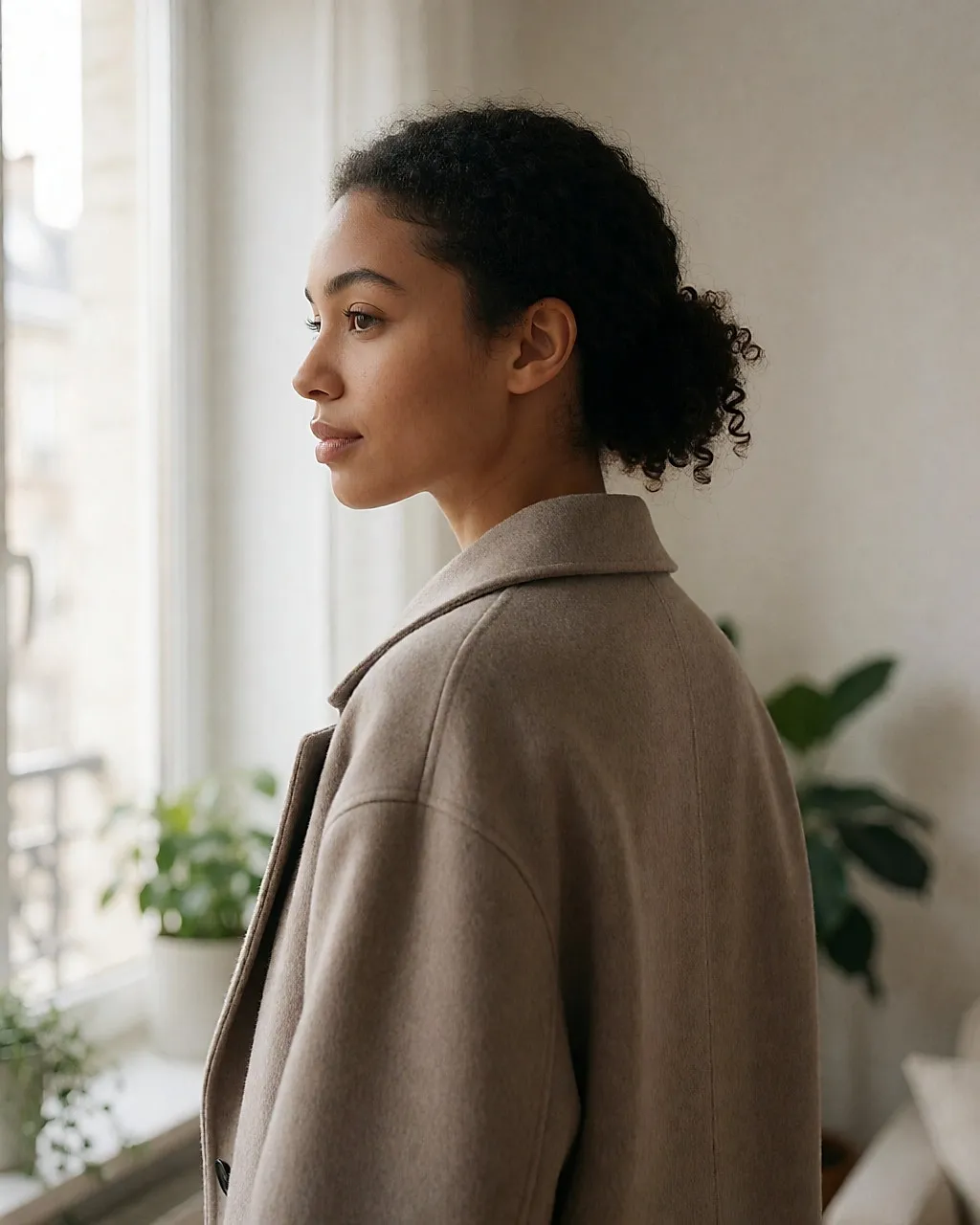
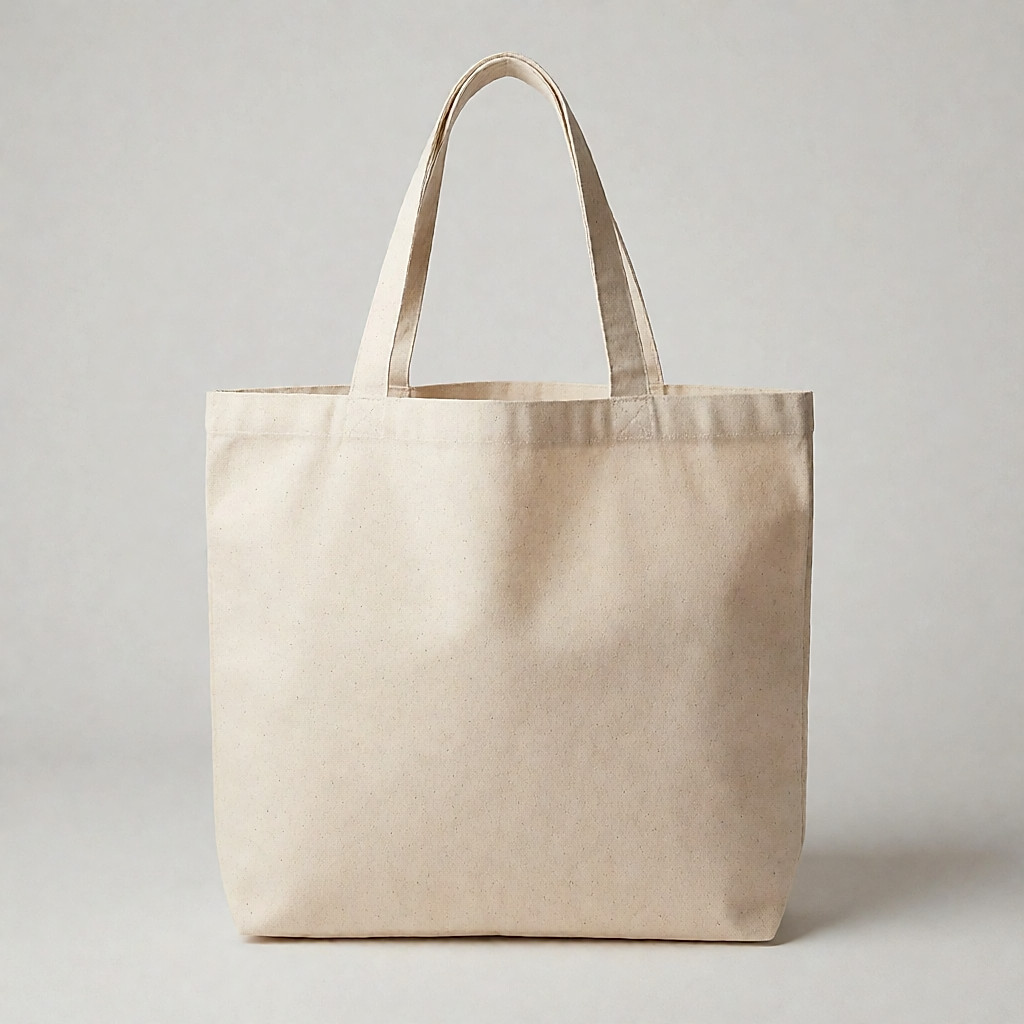
A full look doesn't need ten details. One statement piece is enough: a bag in cotton canvas, a vegetable-tanned leather belt, a printed scarf. Everything else takes a step back, and the outfit breathes.
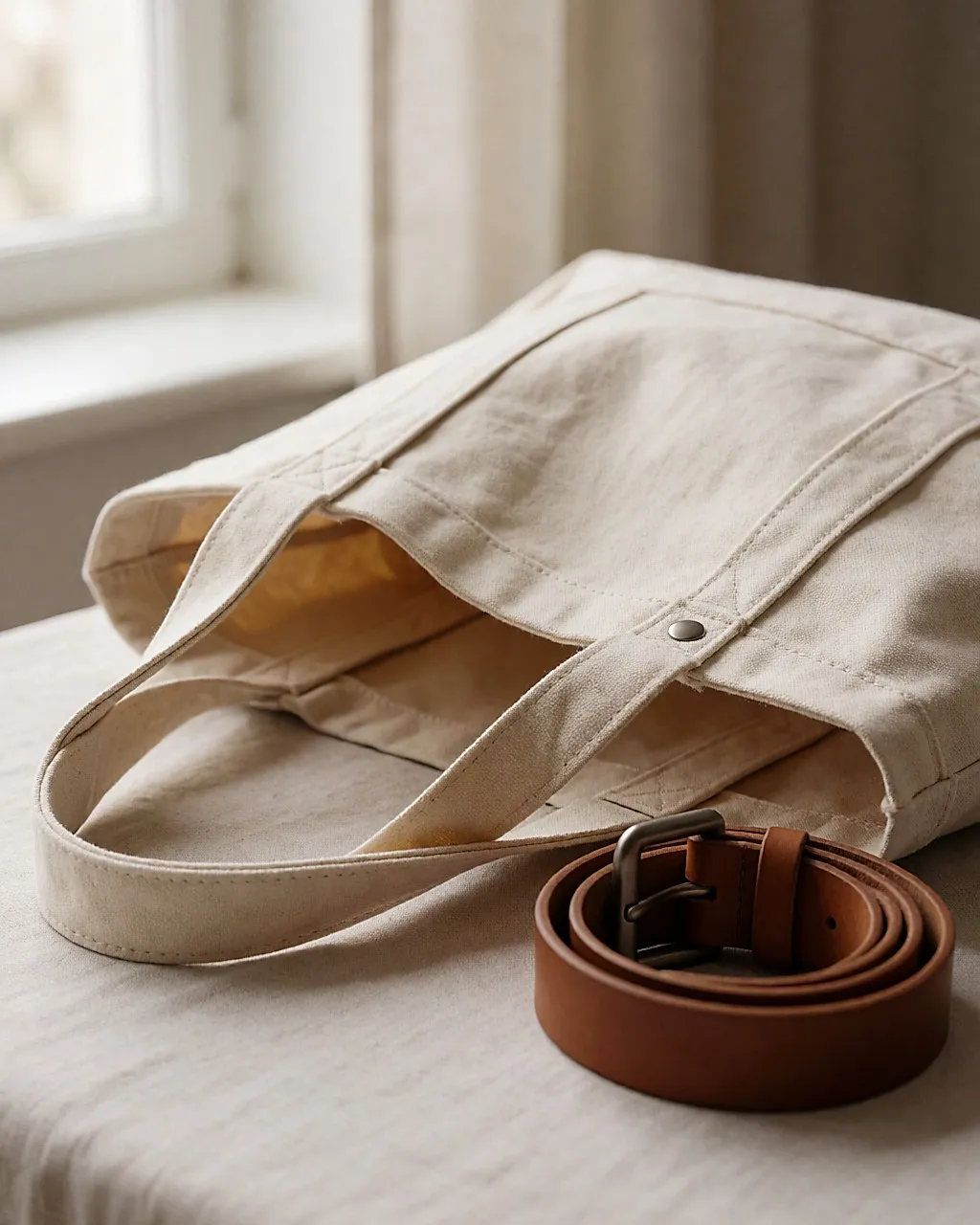
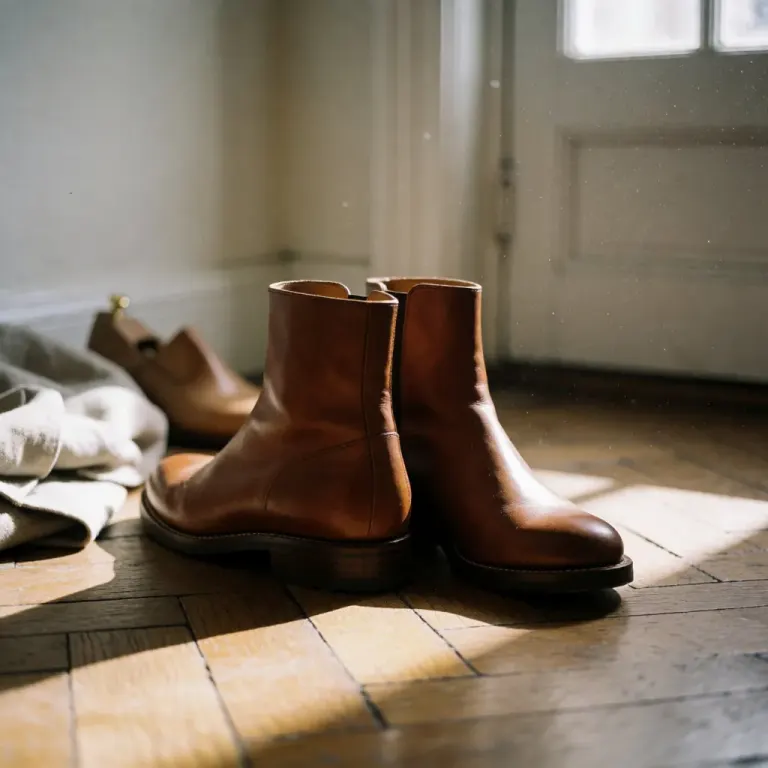
For a wardrobe that lasts, aim for pieces you can repair: accessible seams, standard fastenings, replaceable soles. Less spectacular than a seasonal print, but it is what makes a basic go the distance.
Before you pay, three points to check: the returns policy and what it costs, the availability of spare parts or a repair service, and the exact composition by percentage. A product listing that is vague about the material is already an answer.
Budget
What pushes the price up is the label, the country of manufacture, the size of the run and the fabric. As a rough guide, expect to pay somewhere around:
- GOTS-certified organic cotton T-shirt: £25 to £50
- Linen or heavyweight cotton shirt: £45 to £100
- Raw denim, straight cut: £60 to £130
- Mid-range dress: £45 to £150
- Cotton canvas bag: £25 to £80
- Repairable trainers: £55 to £140
Where to buy: the brand's own online shop, a concept store or a high-street boutique if you want to judge the drape in the fitting room, the big value fashion chains for entry level, charity shops and re-use centres for second-hand. Sales and end-of-line clearances trim the bill — never the quality of the fibre.
Comments
Your opinion matters: rate the article, react and reply to comments.
Comments are moderated; AI-assisted comments are flagged. Text emoticons (8-), :-), <3…) are automatically shown as images.