
What if I used henna to go blonde? usually arrives by message at 11pm, just before an impulse buy. Let’s be clear from the start: henna doesn’t strip colour, it deposits it. Everything you can ask of it follows from that.
What henna really does
Henna is a powder made from the leaves of Lawsonia inermis, mixed with warm water into a paste the texture of thick yoghurt. Inside is lawsone, a molecule that binds to keratin and leaves its colour there. Remember the verb: deposit. No developer, no ammonia, no forcing the cuticle open—so no lightening is possible. Henna won’t take you from brown to blonde, or make you two shades lighter.
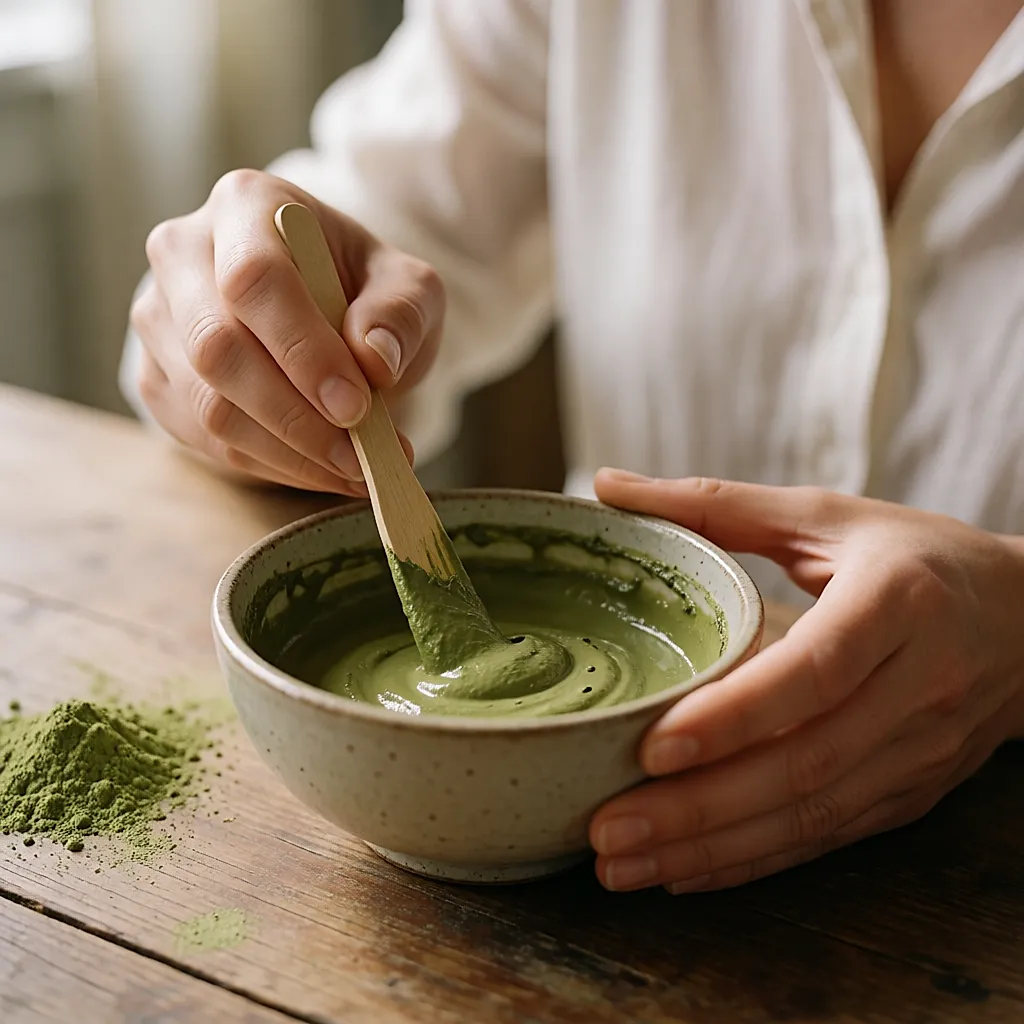
What can it do? Warm up a colour, add copper to mahogany tones, cover grey hair and leave hair feeling soft. It has a reputation as a treatment, which the paste alone doesn’t always live up to. In return, it lasts—and how. That’s where it gets tricky: removing henna in a single conventional colour appointment is wishful thinking, and lightening it later is a lottery.
The ‘henna’ that isn’t henna
Search online for ‘black henna’ and you’ll find a bit of everything. But black henna doesn’t exist in nature: lawsonia leaves go green-grey in the bowl and copper on the head, full stop. ‘Black’ or ‘brown’ powders are blends—sometimes indigo or cassia, sometimes something else entirely. Some contain para-phenylenediamine (PPD), a powerful allergen, or metal salts that don’t mix well with chemical dye applied afterwards.
The reflex that saves you is the ingredients list. The shorter it is, the better you’ll sleep. Lawsonia inermis alone for red; recognisable plant names for everything else. A recognised certification such as Cosmos Organic sets rules around the formula and the share of organic ingredients; it doesn’t promise your skin won’t react.
Not all ‘black henna’ is plant-based: some products may contain PPD. If the ingredients list is unreadable, walk away.
The strand test, with the stated processing time
The final shade depends on your starting colour, how porous your mid-lengths and ends are, any colour already on your hair and the processing time. In other words, nobody can tell you the exact shade you’ll get. Hence the strand test, the only real judge: cut a strand from the back of your head, tie it, apply the mix you plan to use, leave it on for the stated time, rinse and dry. Then step out of the bathroom—real colour shows in daylight, not under mirror spotlights.
The second step, often skipped: the allergy test. In practice, you’re often advised to do an allergy test about 48 hours beforehand, following the product instructions, then check whether the area itches or turns red. In reality, most of us think of it the day after applying the colour. Do it anyway: a reaction to henna, even a ‘natural’ one, can be alarming. And if you’re combining henna with chemical dye, ask a stylist trained in plant-based colour.
Grey hair, dark hair, already-coloured hair
On grey hair, henna doesn’t do subtle: it colours strongly, often a bold copper—either exactly what you wanted or the surprise of the century. For a browner result, the powder is mixed with indigo; that’s where technique really counts. And because grey roots grow out against a colour that doesn’t shift, regrowth shows quickly: in practice, often every three to six weeks.
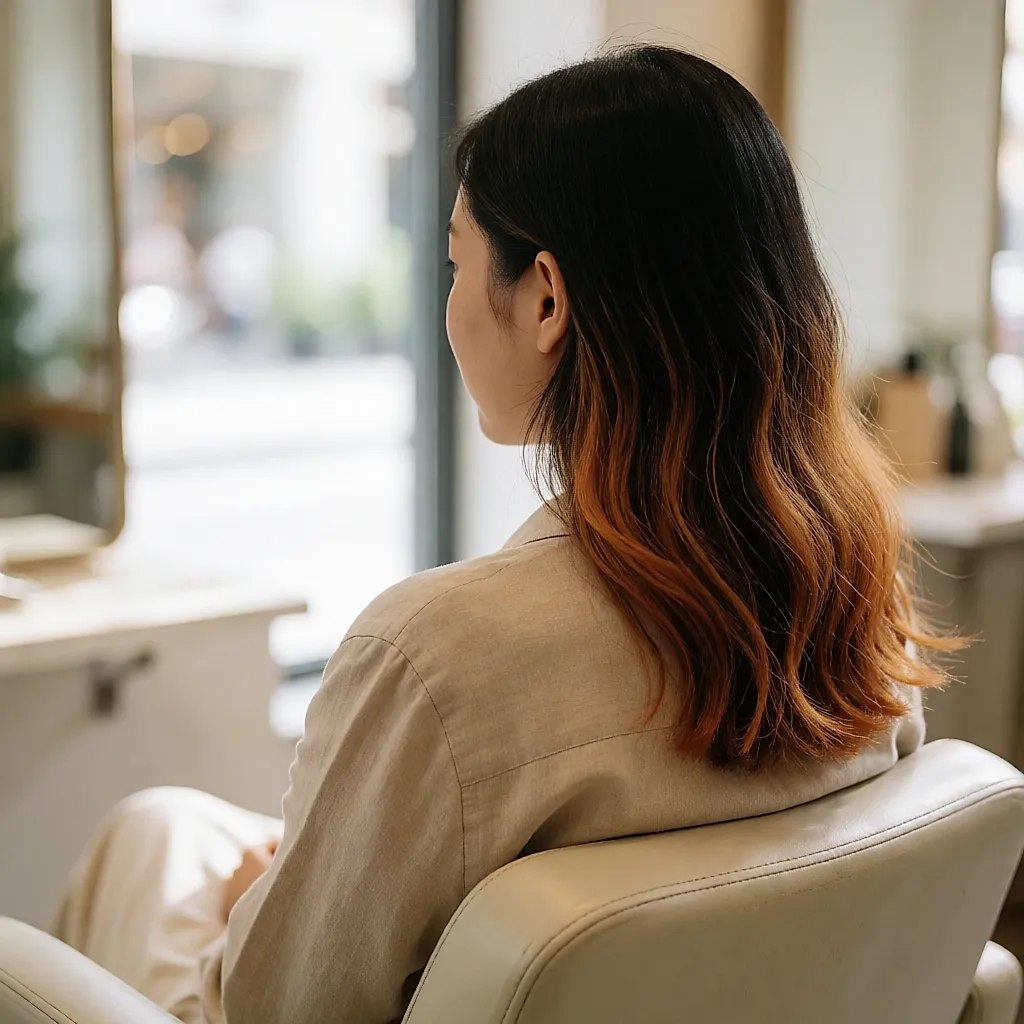
On dark hair, expect light and reflection, not a transformation: warm tones that show up in sunlight and in photos taken outdoors. On already-coloured or bleached hair, it’s a complete unknown—henna layers up, builds up, and lightening it later becomes a risky bet. Which camp are you in?
What it costs
For powder, expect to pay around £5 to £15 per 100g at a health-food shop, herbalist or online; a mid-length application often uses 50g to 100g. Add gloves, a bowl you don’t mind ruining and an old towel: henna stains, and your white towel won’t forgive you—unlike your jeans.
In a salon, a plant-based colour often costs around £60 to £140 depending on length, city and range—the price rises with plant blends and processing time. That’s the price of peace of mind, and of the diagnosis no powder bought at midnight can give you.
A strand test, patience and drying in daylight: the only investment in this process that pays off. Henna is a gift for anyone who loves copper and warm reflections; a trap for anyone hoping to lighten. Now you know which way to lean.



Comments
Your opinion matters: rate the article, react and reply to comments.
Comments are moderated; AI-assisted comments are flagged. Text emoticons (8-), :-), <3…) are automatically shown as images.