
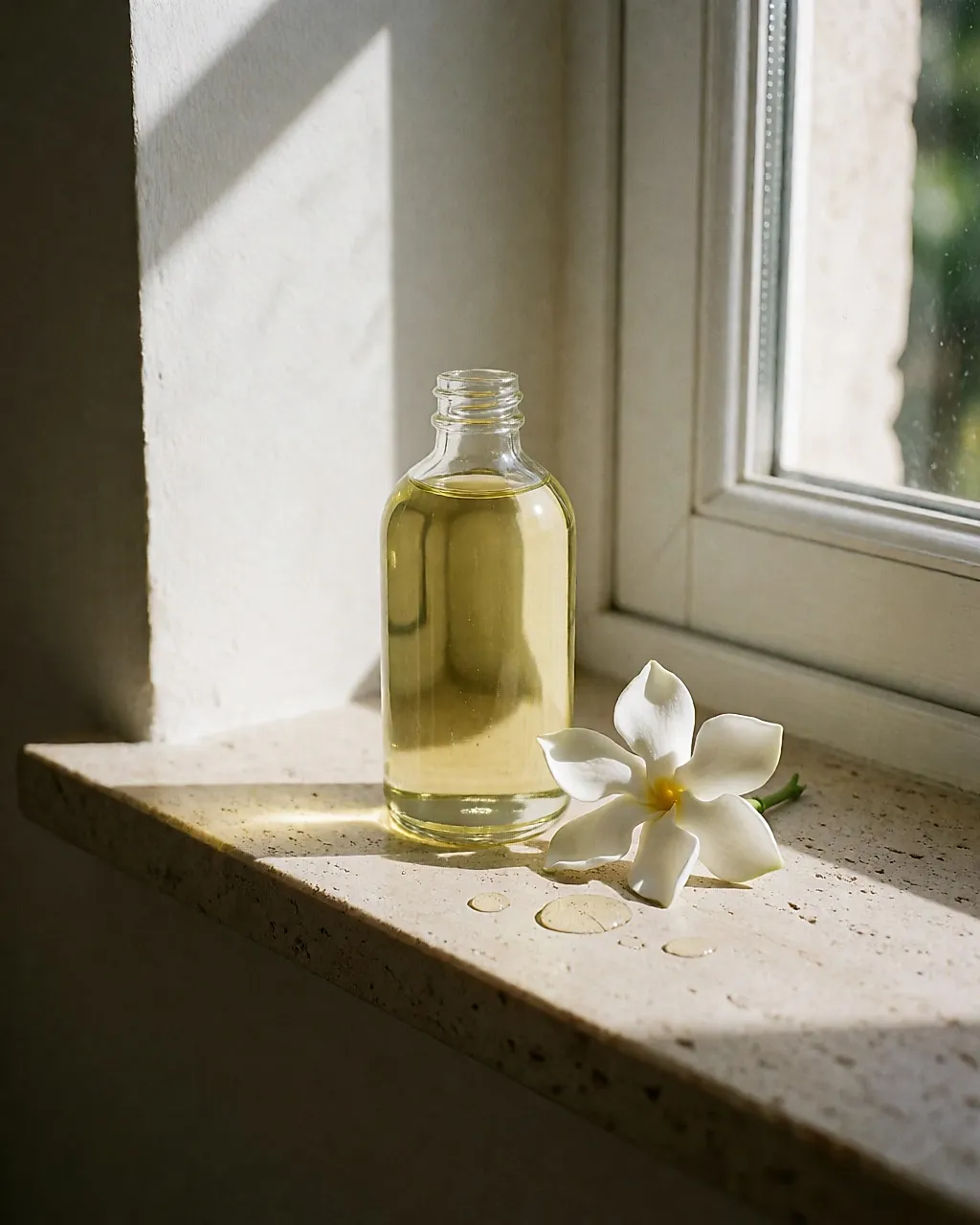
There's a bottle of monoi that's been rattling around the bottom of my beach bag since the end of August, and I still haven't put it away. A pale yellow oil, a tiaré scent that drops you straight back onto the sand. Truth is, it's earned its place in an everyday beauty routine — as long as you know exactly what it does, and what it doesn't.
Monoi de Tahiti: what's really in the bottle
Monoi starts life as a maceration. Fresh tiaré flowers — the gardenia that grows out there — left to steep in refined coconut oil until the oil takes on their scent. There's nothing secret about the process, but it is regulated: since the early 1990s, a decree has set out what the name "Monoï de Tahiti" is allowed to cover, from where the flowers come from to the way they're handled.
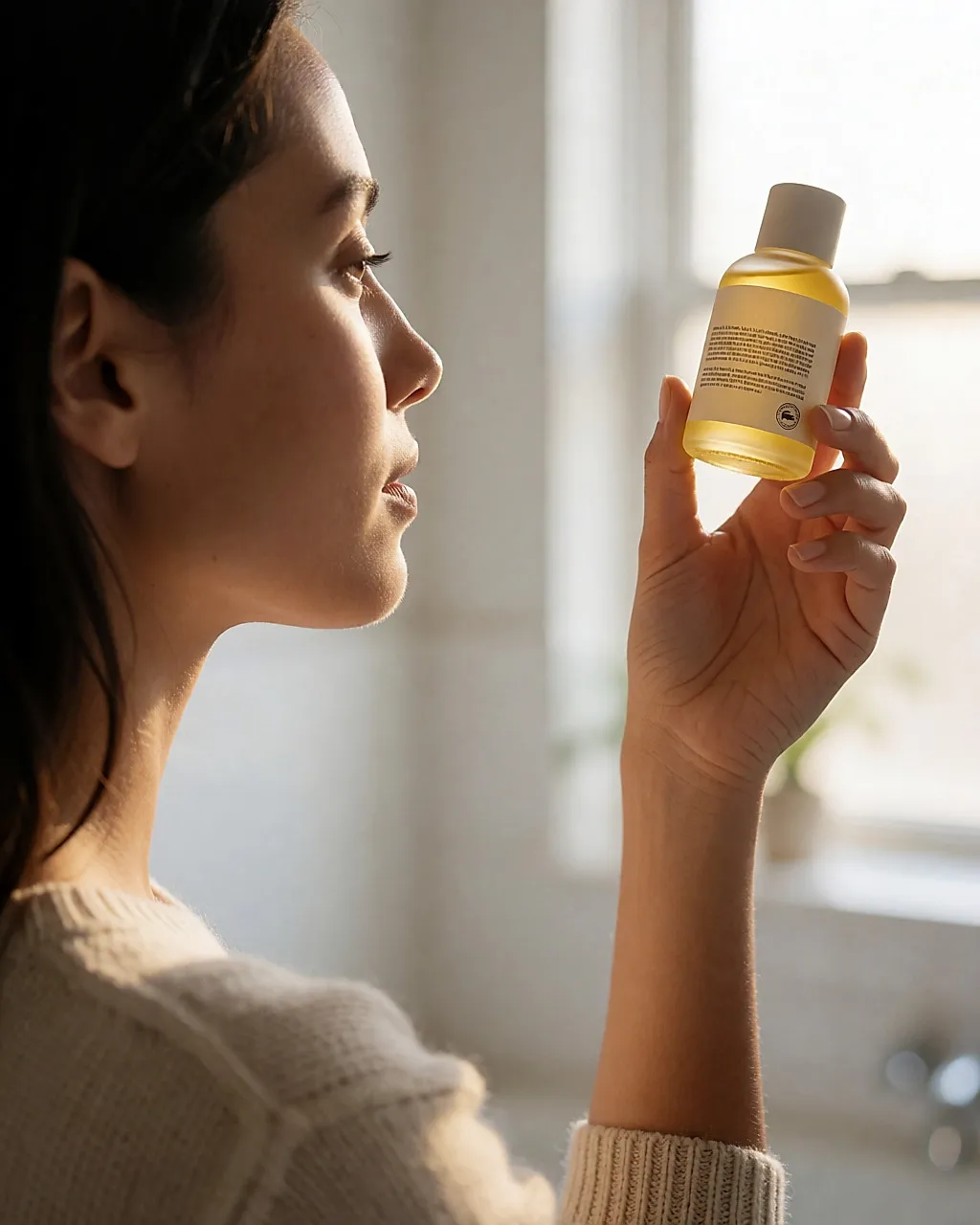
That's where the trap springs. Plenty of body lotions, shower gels and "monoi-scented" mists don't contain a single drop of the real thing: the scent is put together in a lab. That's not a fault in itself, but it isn't the same product. The giveaway on the label: the words "Monoï de Tahiti" with the appellation logo beside them.
On skin: what it gives you, and what it doesn't
As formulas go, there's nothing mystical here: it's a fat, full stop. The texture melts fast and leaves a satin film that lifts a slightly dull late-winter complexion. Don't expect a transformation, but on dry skin it's real comfort — and the scent does the rest when February refuses to end.
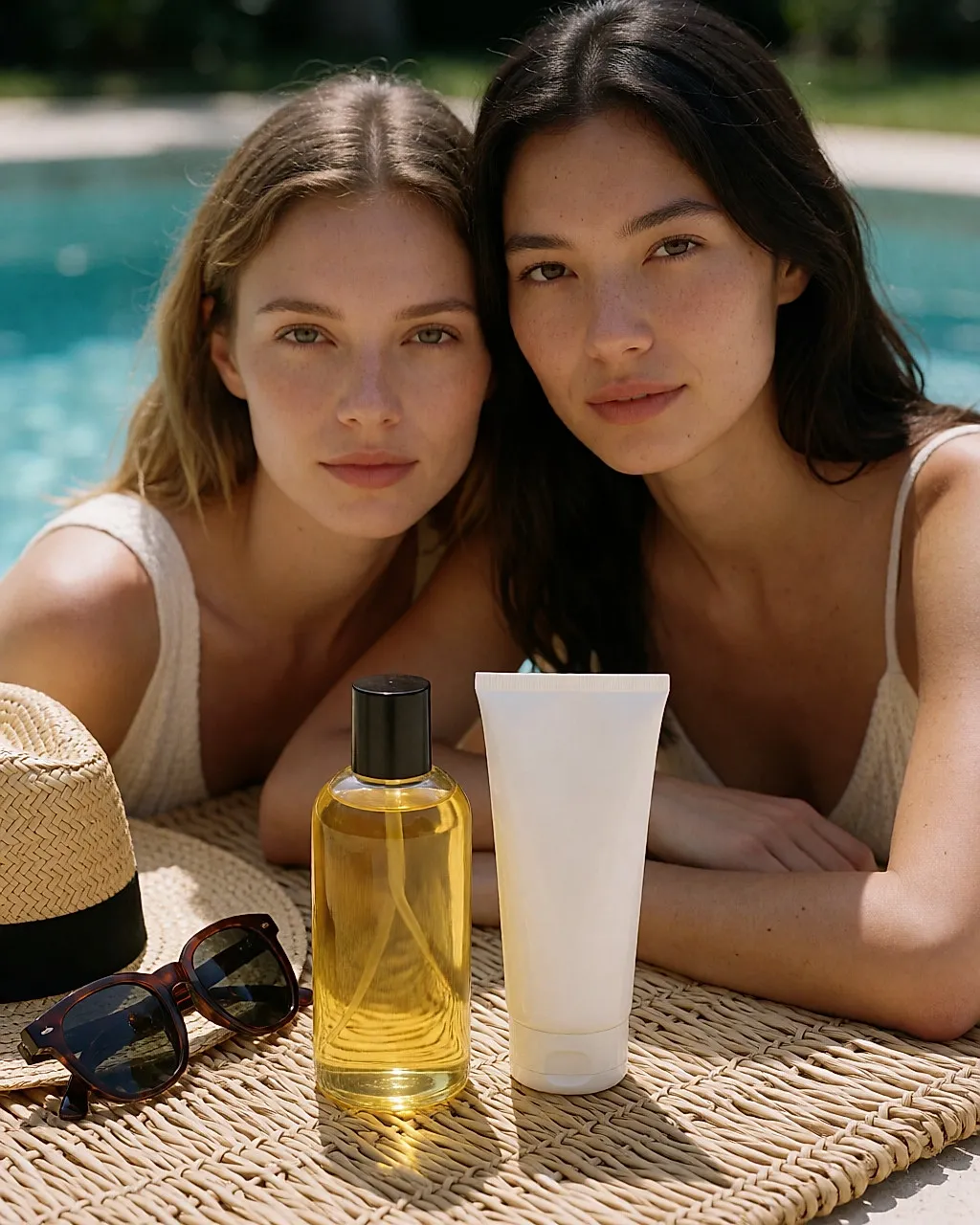
Then there's the part that matters: monoi does not protect you from the sun. Its filtering power is negligible, and skin slicked with oil starts at a disadvantage when it meets UV. If you're outdoors all day, wear SPF 50 and keep the monoi for the evening. It's the mistake we've all made at some point: smelling of holidays doesn't mean you're protected.
Hair: where it earns its keep
And this is where it gets genuinely interesting. Salt, sand and chlorine dry out the hair fibre and leave it brittle; the oil smooths the cuticles and brings the suppleness back.

The method, no complications: apply through the mid-lengths and ends, never the roots, which turn greasy quickly. In practice, leave it on for a good half-hour, once a week — then rinse with warm water to shift the oil, and shampoo as normal.
One more use, for the beach: a pea-sized amount through the ends before you head out, hair tied in a plait or a bun, and rinsed out that evening. The hair fibre stays supple and seawater slides straight off it.
The sugar and monoi scrub. In a bowl, one tablespoon of oil and two of soft brown sugar. Rub it over damp skin in the shower, spending a little longer on your elbows and knees, then rinse. Two minutes, nothing spent, and a bathroom that smells of Tahiti.
How to choose one without getting it wrong
Three criteria are enough, and they fit on a Post-it.
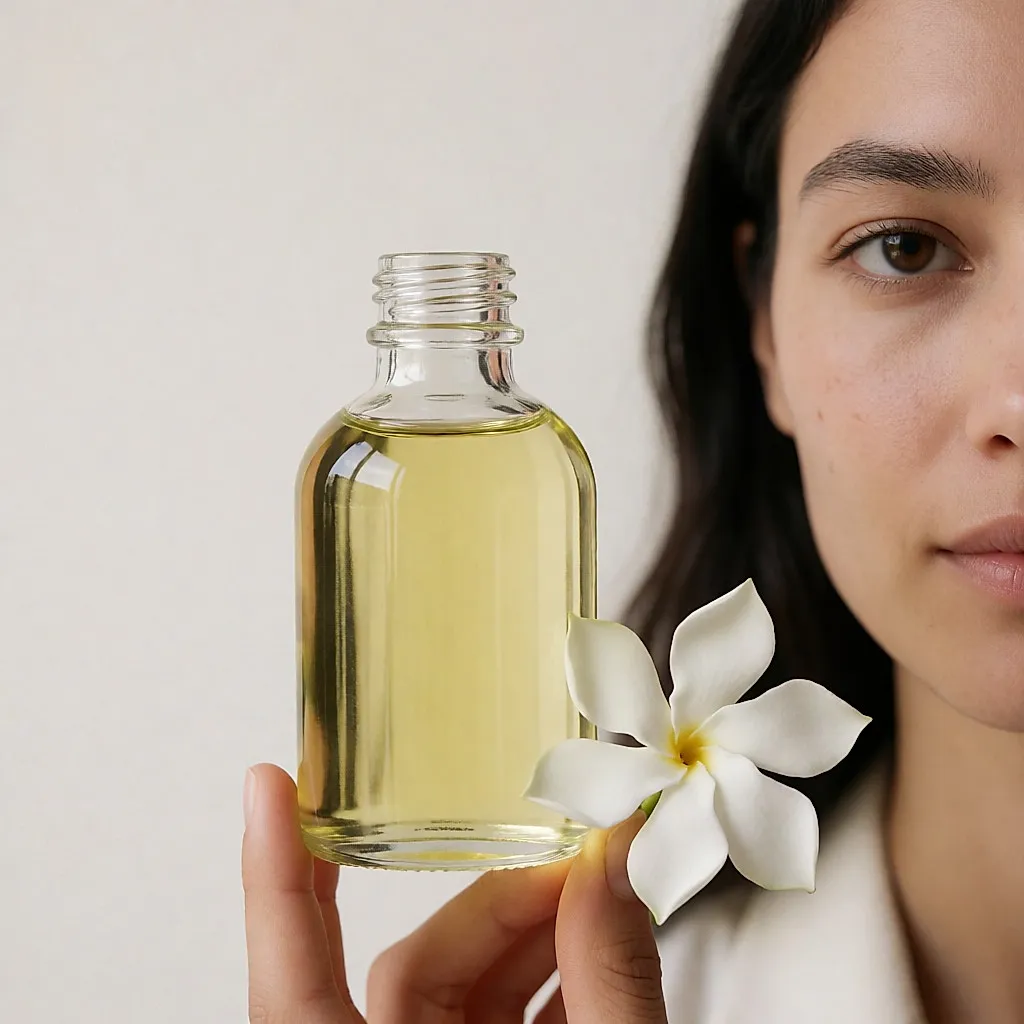
Start with the ingredients: coconut oil, tiaré flowers, possibly vitamin E, and nothing else. Next the container: a glass bottle can be rinsed and reused, which saves one more plastic bottle. Then the certification, if you want a guarantee on how the flowers were grown — some versions are certified organic.
The honest compromise: Monoï de Tahiti is rarely sold as a refill, and plenty of brands put it in plastic. In that case, buy a large size and you'll cut down on packaging.

On brands, the names that come up most are Hei Poa, Yves Rocher and Corine de Farme, sold in pharmacies and supermarkets — that's the French picture. Over here you're more likely to come across monoi through beauty retailers and online, and not all of those French high-street names are easy to track down in the UK. I haven't tested every one of them: they're simply the ones you see most often.
What it costs
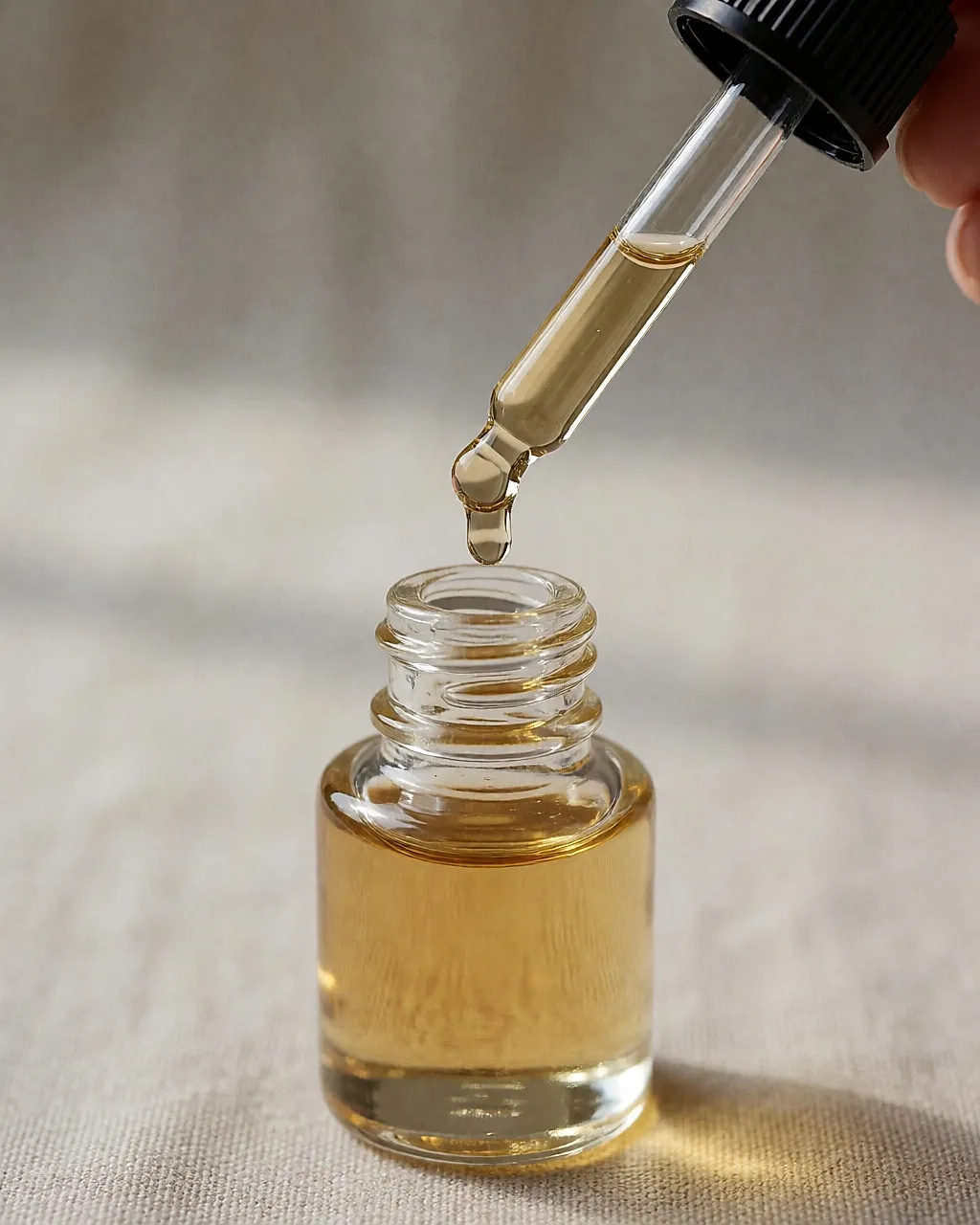
Expect to pay somewhere between £8 and £25 for 100 ml of oil. What pushes the price up: the protected origin name, organic certification, the size and where you shop. Shampoo or body lotion (200–250 ml) tends to sit between about £6 and £15, and a hair mask between £9 and £20. You'll find them in pharmacies, health food shops, supermarkets and online — the differences come mainly from the packaging and the "Monoï de Tahiti" name. A large bottle of the plain oil is more than enough.
Sources
- INAO, "Monoï de Tahiti" appellation sheet, protected designation of origin.
- Légifrance, Decree no. 92-340 of 1 April 1992 on the "Monoï de Tahiti" designation of origin.
- NHS, sun safety and UV protection advice (UV levels: UKHSA).
- Santé publique France, recommendations on protection against UV radiation.
- Official websites of Hei Poa, Yves Rocher and Corine de Farme.


Comments
Your opinion matters: rate the article, react and reply to comments.
Comments are moderated; AI-assisted comments are flagged. Text emoticons (8-), :-), <3…) are automatically shown as images.