

We're not here to lecture anyone — not least because at this very moment a ceramic straightener is sitting patiently in my bathroom drawer while I dither between honey highlights and chocolate brown for next Wednesday's salon appointment.
The thing is, once you opt for that kind of “treatment”, you owe your hair some proper aftercare. Otherwise you lose the right to complain about split ends, breakage and mid-lengths that have turned to straw.
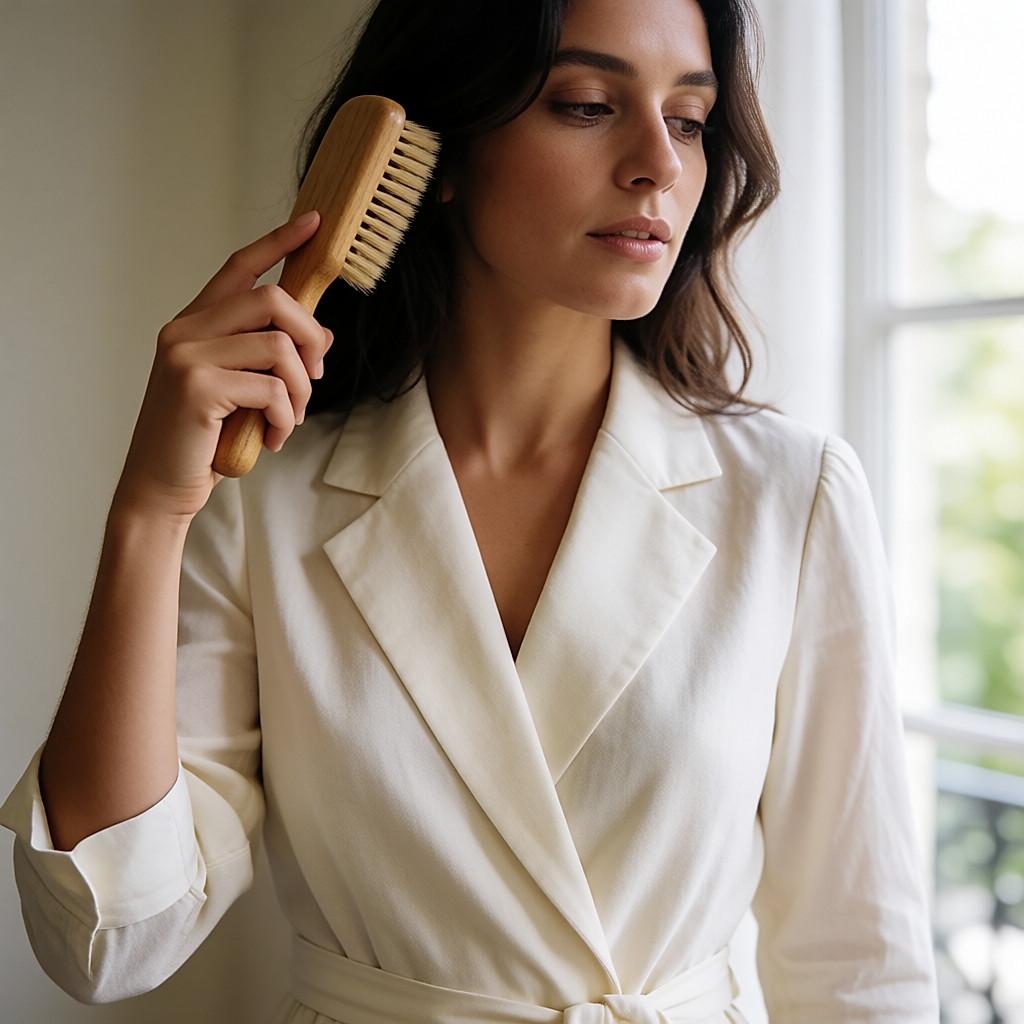
So here are a few hair SOS tips for looking after your hair as well as you can, bad habits and all.
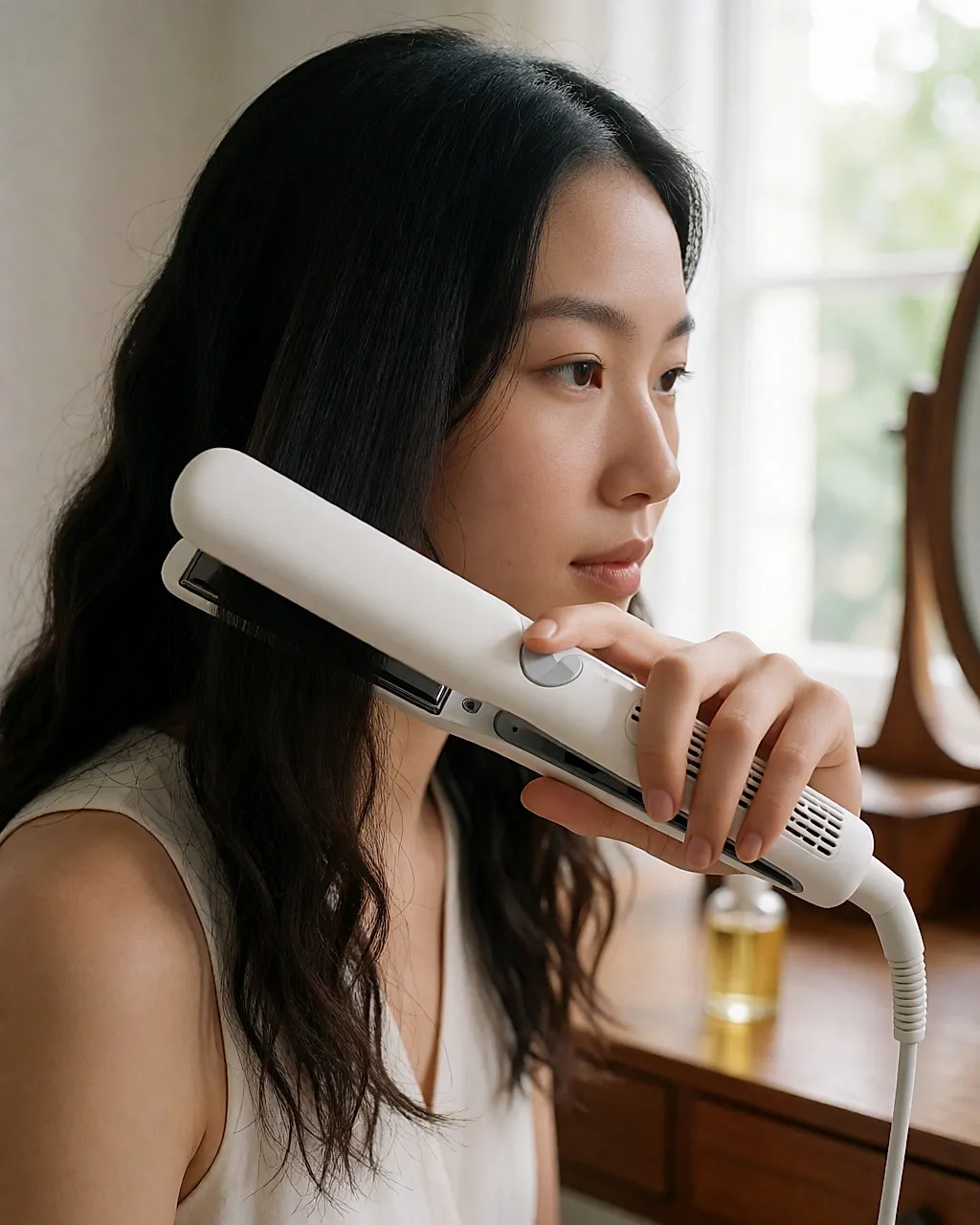
I straighten my hair (very) regularly
The risk: a straightener heats to an “extreme” temperature so the hair fibre flattens and the cuticle closes down, giving even curly hair an immaculate sleek finish. And while straighteners keep getting better — ceramic plates, ions, adjustable temperature — and promise to keep the hair fibre intact, we say flattered but not fooled: however clever the technology, heat that high against the hair will damage it in the end.
The result, after several months of use, is hair that dries out, sprouts split ends, starts snapping and becomes harder and harder to style.
To avoid a hair catastrophe and a forced chop, start by getting your hands on a sensible straightener. No, it won't stop hair from getting damaged, but it will be far gentler than a budget model that heats to 200°C. Go for ceramic plates and heat that doesn't exceed 180°C.
Remember to protect your hair: masks and a decent conditioner are a must and, above all, invest in a leave-in protective serum that works with the heat — more and more brands make one.
One last thing: you may hear about straighteners that supposedly work on wet hair. Ignore them. A straightener should never be used on wet or even damp hair, or you risk burning it. Rough-dry your hair completely first, then straighten. Finish with a light veil of hairspray, or a pea-sized amount of protective cream through the mid-lengths and ends if you feel you need it.
I'm a brushing addict and I don't hold back
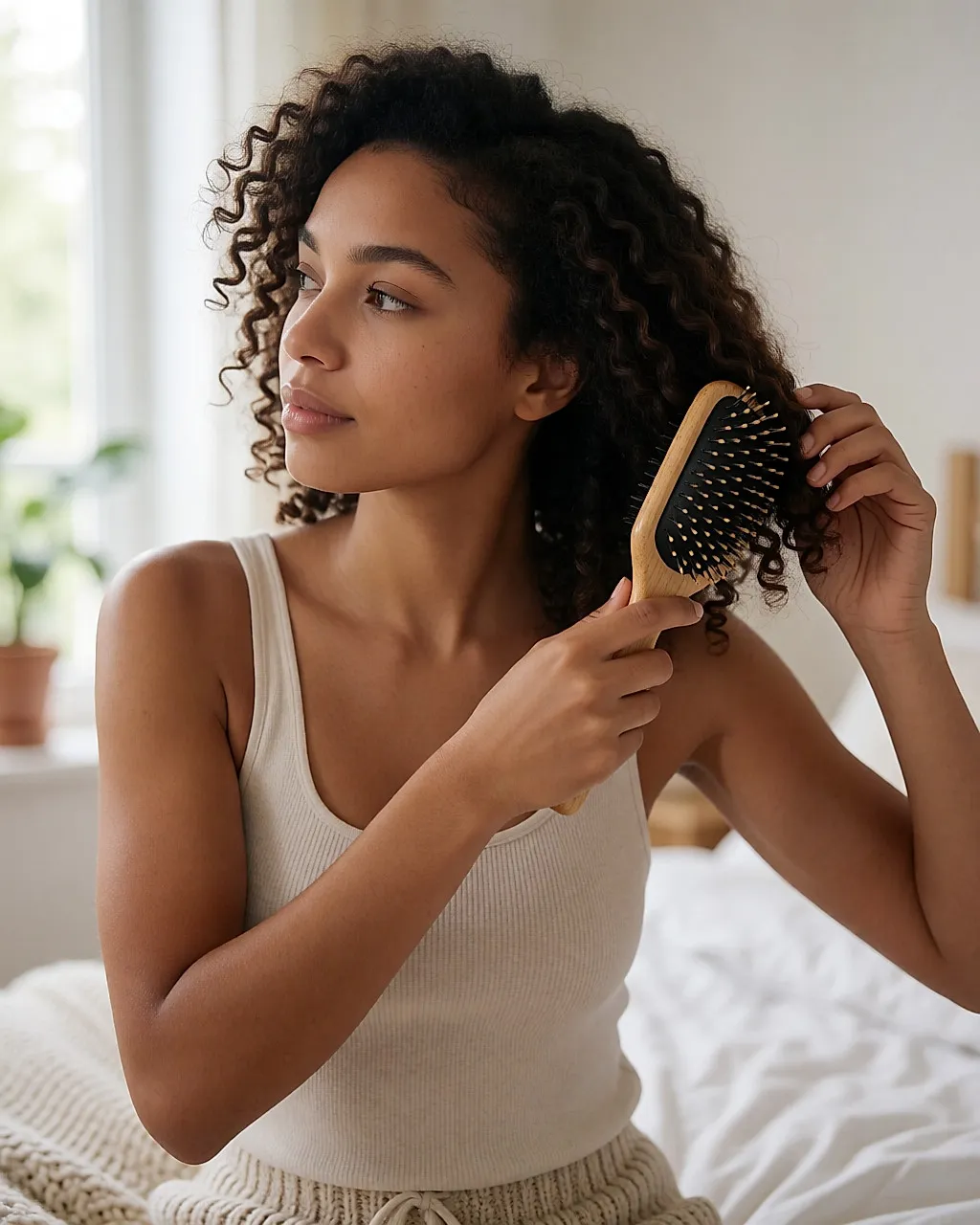
The risk: we like brushing our hair, and brushing has its upsides — it lifts the hair, aerates the roots, spreads sebum and removes dust. But do it too often and too vigorously and it wears the hair out right at the root, which is constantly pulled, causing breakage and even hair loss after a few years.
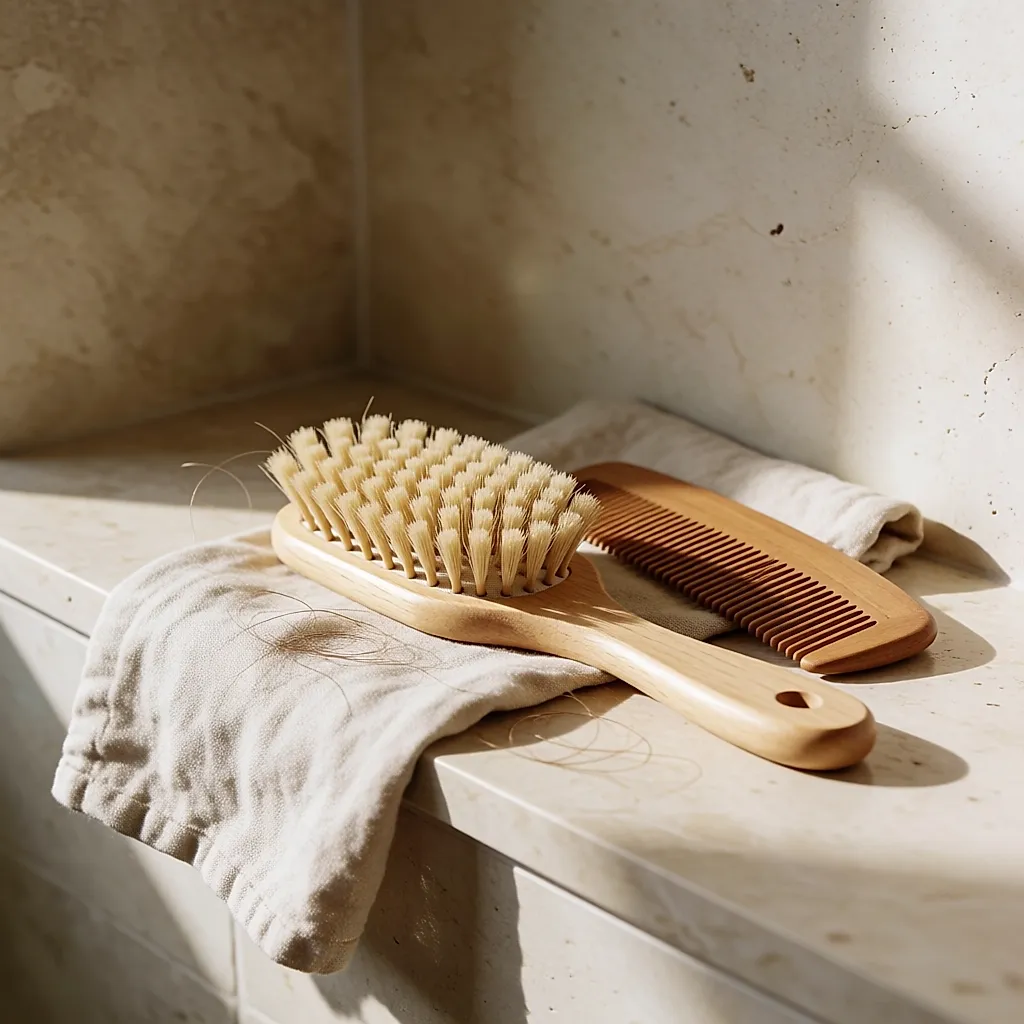
Again, it starts with the right kit. No metal brush, no synthetic bristles: use a natural-bristle brush, boar bristle for example, which limits breakage and static at the same time.
If your hair tends to fall flat, brush it upside down and, more generally, always start by working out knots at the ends so they don't build up and get worse — which is the risk if you start at the roots. When you undo a knot, hold the section you're working on a little above the root so you're not pulling on it too hard.
Finally, avoid brushing wet hair and go gently — it's living hair, and sometimes fragile.
I overdo the relaxer
The risk: plenty of us know them and have paid the price — a quick scroll through any thread about relaxing tells you it's a very aggressive process for the hair. Relaxers penetrate the hair and alter its very nature, so even the tightest coils end up looking straight. But relaxing eventually leaves hair extremely brittle, and when it's combined with blow-dries, weaves or other styles that pull on the hair, the risk of significant hair loss is real.
To start with, if you're set on relaxing, set limits: no more than twice a year, and hand the job to a good stylist rather than doing it yourself with products that are sometimes very harsh.
Avoid combining relaxing with colour and highlights, which also sensitise and dry out hair. And don't skip the treatment stage, the one real way to keep hair looking good. We don't mean the mask that supposedly works in one minute flat, but hair oils and heavyweight treatments left on for at least half an hour so the hair fibre can really absorb them.
Greasy hair means washing it every day
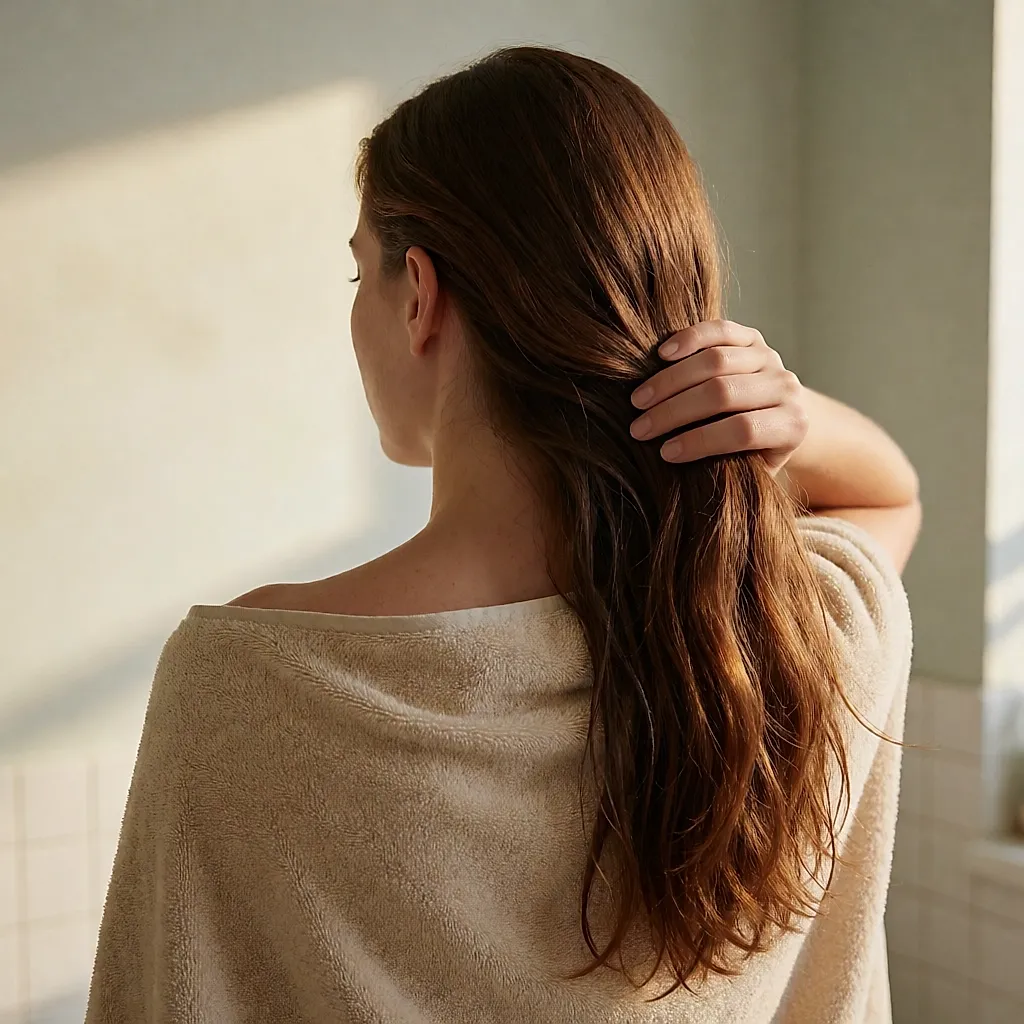
The risk: frequent shampooing is often discouraged, blamed for sensitising and drying out hair. Sometimes that's true, but there's a nuance: shampoo also has its benefits, since it clears the excess sebum that suffocates the scalp and could, in time, be responsible for hair loss.
So if your scalp is oily, it's important to wash your hair as soon as it feels excessively greasy — the key is choosing a gentle shampoo. Some do more harm than good: watch out for flakes caused by formulas that dry the scalp out too much.
Ask your hairdresser for advice, or look among the hair-specialist brands: René Furterer makes some very good products, as do Opalis and Phyto. None of these are as easy to find on the UK high street as they are in France, though, so check specialist salons and online stockists.
Colour and highlights are my guilty pleasure
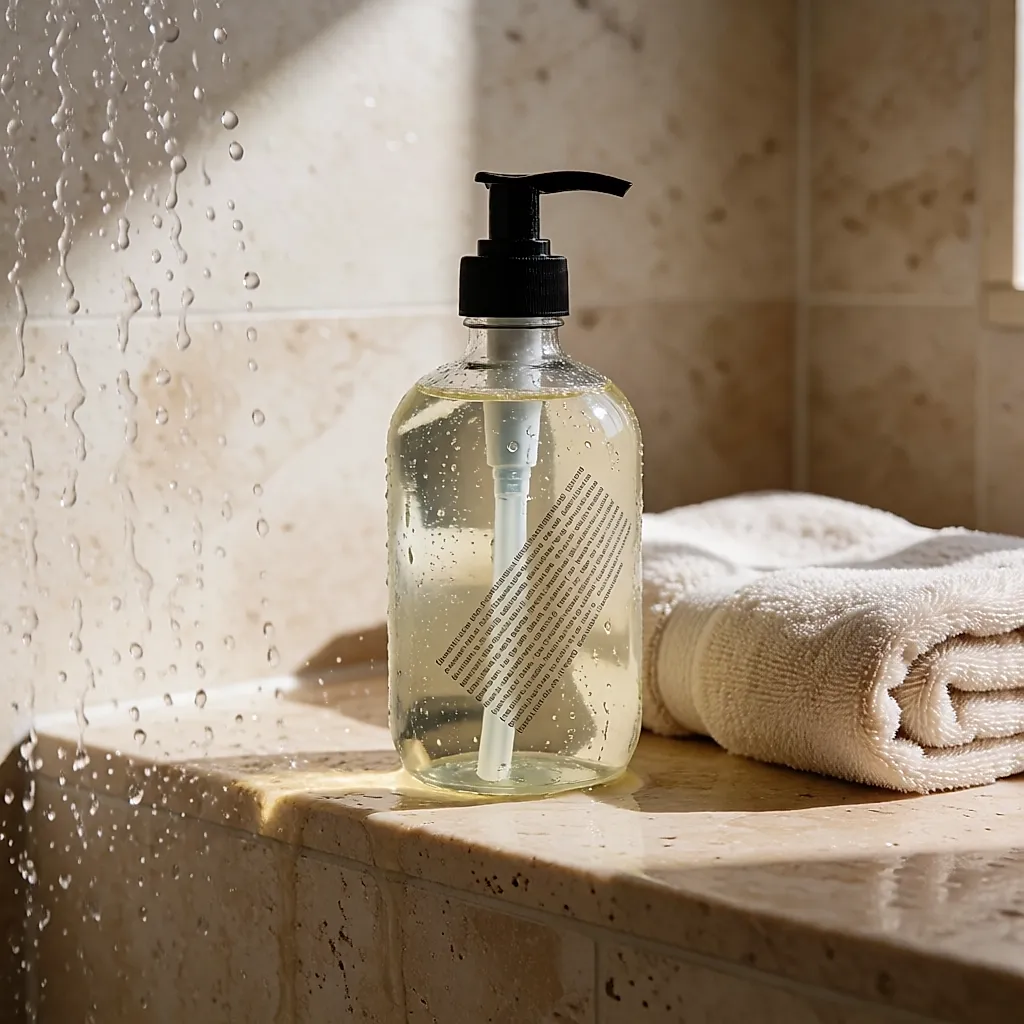
The risk: whether permanent (and therefore ammonia-based) or semi-permanent and frequently topped up, colour is aggressive to hair generally, as is the bleaching needed for highlights. The result: hair dries out, breaks and starts to become hard to style — and it doesn't look the way it used to either. Less shiny, less smooth even after styling, it's closer to straw than to silk.
Again, be sensible: don't overdo the colour, and don't layer one colour on top of another because you didn't like the last one and the current one leaves you looking washed out. Leave at least a month between colours, bearing in mind that highlights, when they're done well, can sometimes stretch to two or three months before you need another salon appointment, since the result is more natural and the roots less obvious.
Then look after your hair day to day: nourishing, colour-protecting products to stop it fading too fast. And a few days before and after a colour, plan a few hair oils left on overnight before shampooing so you get the best result. Leonor Greyl's palm oil is one excellent example, though plenty of others exist.

For me it's a blow-dry or nothing
The risk: the risks of a blow-dry are much the same as those of straightening, since the heat from the dryer is aggressive and weakening. Hair quickly becomes damaged, brittle and dry and gets harder and harder to style; in fact you can see it, because blow-dries take longer and the result looks less and less good.
To begin with, a blow-dry devotee needs to up the treatments: hair oils, nourishing shampoos and the rest become your stressed hair's best friends. Never skip the pre-styling product before a blow-dry, and adopt a pre-blow-dry serum that protects the hair from the heat as far as possible.
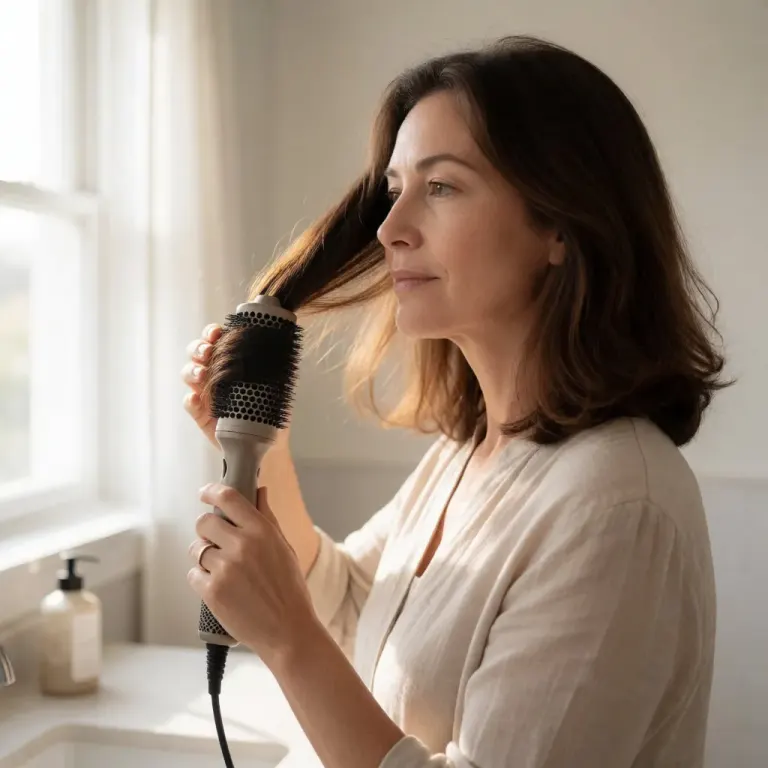
Finally, invest in a hairdryer with several heat settings, find a natural-bristle round brush that's kinder to the hair fibre, and never hold the nozzle right against the section you're working on: keep a few centimetres' distance to avoid burning the hair.
Oh, we are a contradictory lot. We dream of strong, glossy, healthy hair as “new” as it was in primary school, then we pile on colour, straightening, relaxers, highlights, blow-dries and aggressive brushing. And when the first split ends appear, we reach for a repairing mask and resent leaving it on for more than five minutes — “sorry, got things to do”. We know all this, and yet it's hard to resist the mane-taming techniques that promise brighter colour, more manageable hair, a cooler look...
What it costs
Expect to pay in the region of £25 to £50 for an entry-level ceramic straightener with adjustable heat, and more like £70 to £180 for a model with controlled heating that displays the exact temperature. A decent hairdryer with several heat settings and a concentrator nozzle sits between £35 and £110. For hair care, masks and protective serums from specialist brands (René Furterer, Phyto, Leonor Greyl) usually start at around £15 to £25 and climb depending on size and concentration. Hair oils can be bought ready-made or mixed at home — a simple plant oil (argan, coconut, olive) often costs under £10 at a health-food shop. In the salon, a maintenance cut and blow-dry usually comes in around £30 to £60 depending on where you live, and colour services between £60 and £150: a budget not to be ignored when you're booking regularly. These figures are indicative and vary by retailer, brand and salon.
Sources
- Société Française de Dermatologie — public information on hair and the scalp (French dermatology body).
- Inserm — background on the biology of hair and the hair growth cycle (French national research institute).
- ANSES — recommendations on cosmetics and hair colouring (French agency for food, environmental and occupational health).

Comments
Your opinion matters: rate the article, react and reply to comments.
Comments are moderated; AI-assisted comments are flagged. Text emoticons (8-), :-), <3…) are automatically shown as images.