
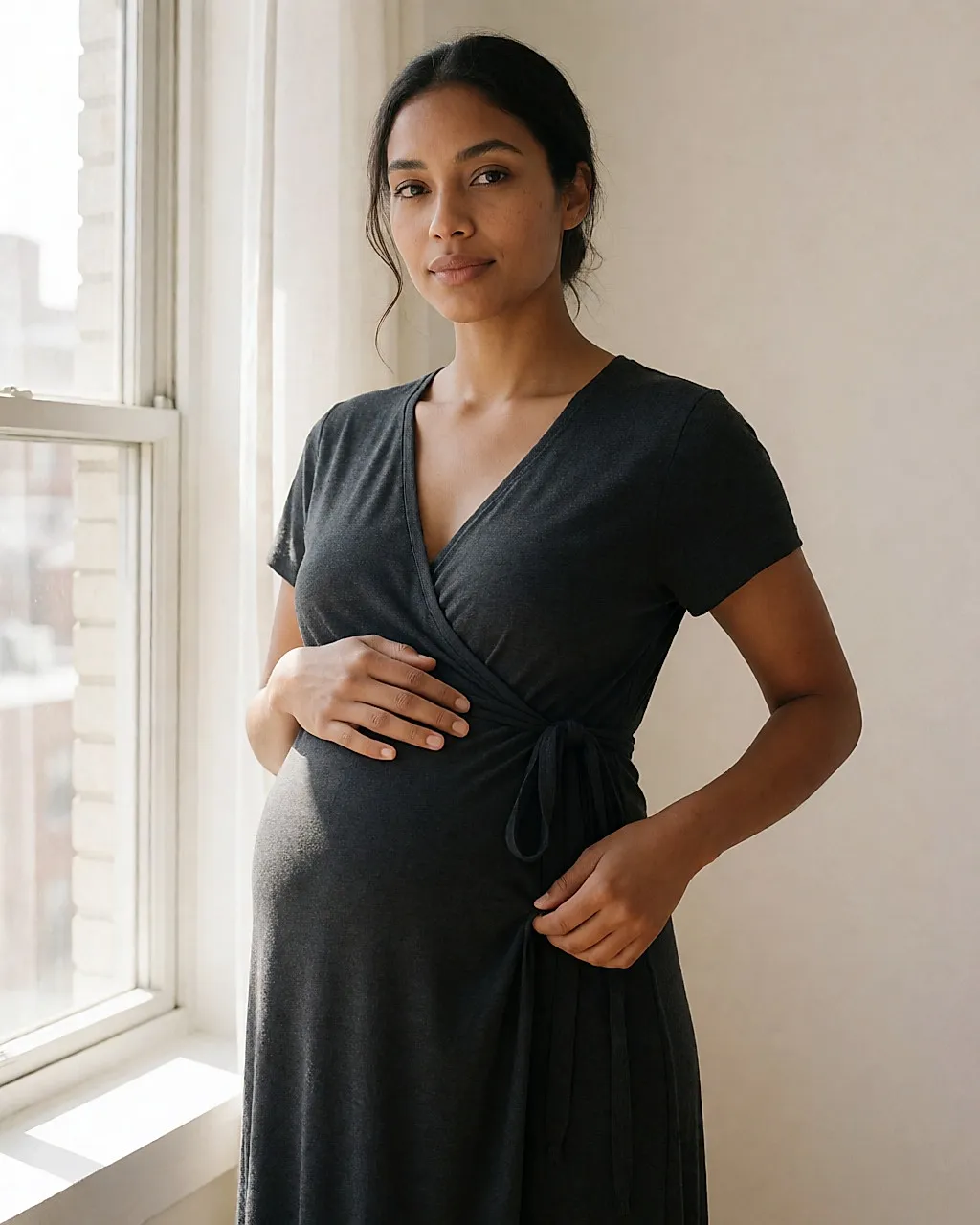
Twenty minutes in front of the rail, your hand on that dress you loved in a size 10, and the zip refusing to budge. We've all been there. When you're pregnant, your wardrobe isn't sorted by simply going up a size: it needs rethinking around cut. That's exactly where Trésors de Maé starts, an online shop bringing together maternity clothes, nursing lingerie and baby equipment.
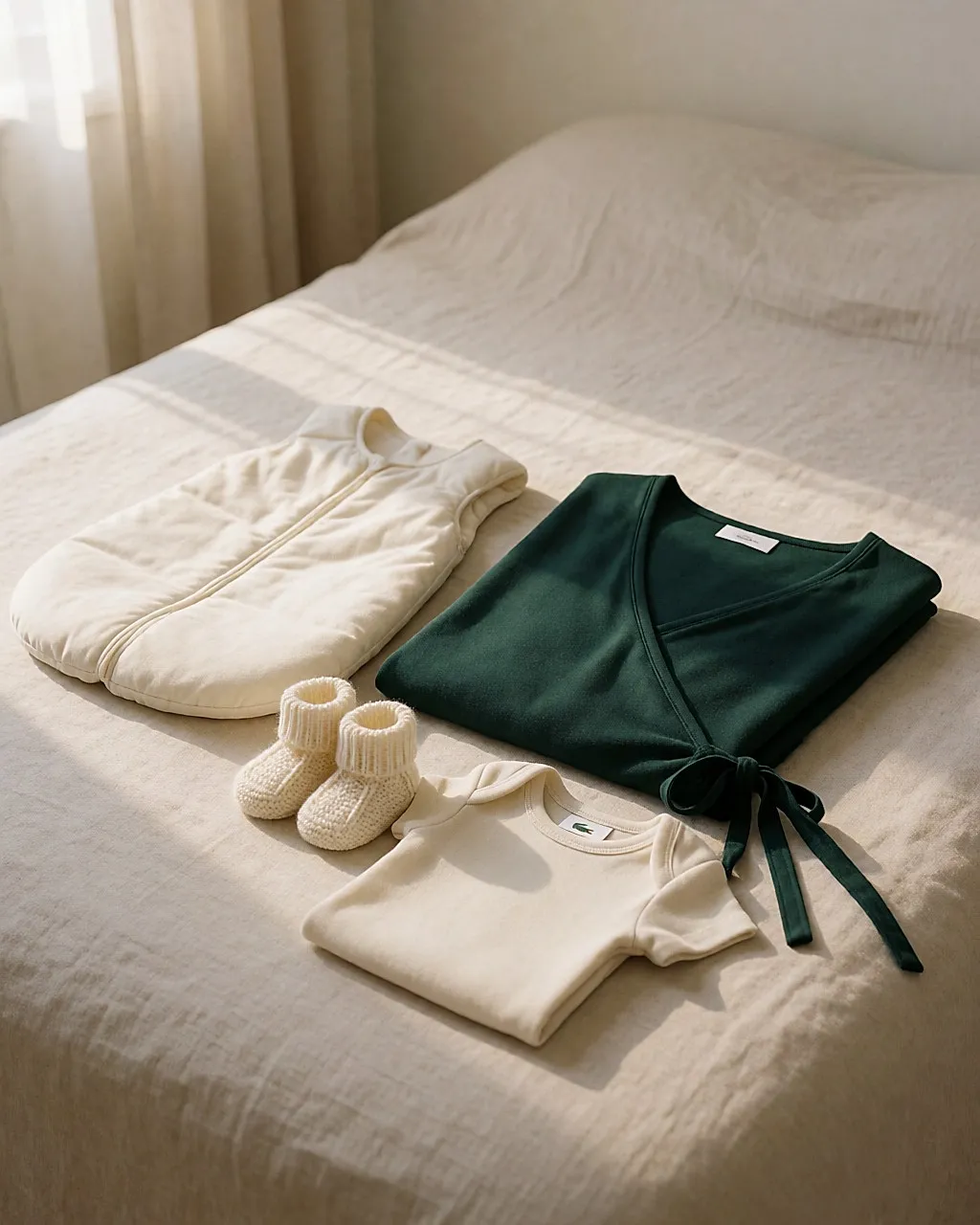
A wardrobe that follows your bump, not hides it
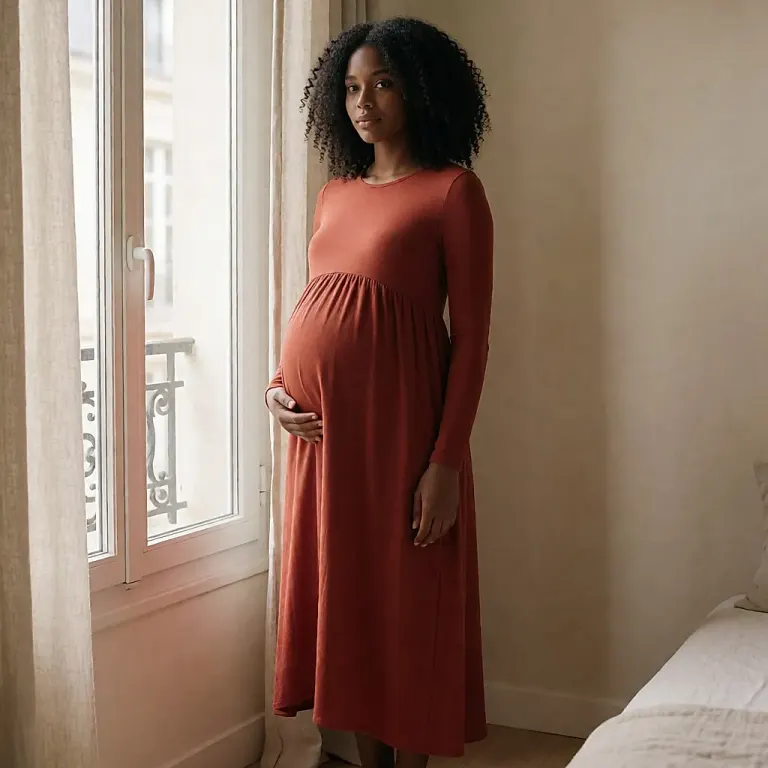
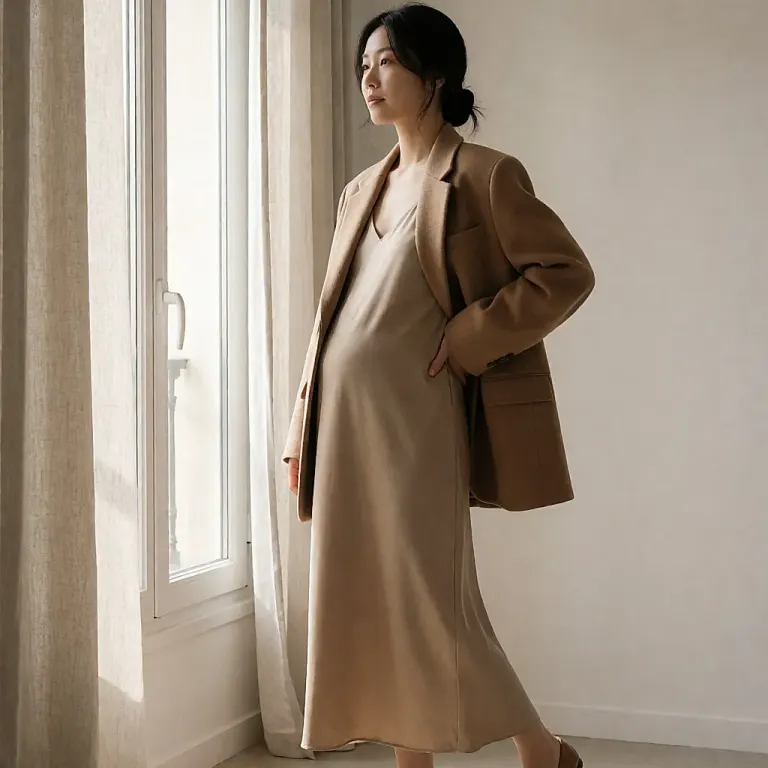
Sizing up rarely works in practice. Shoulders swim, sleeves hang awkwardly, and fabric gapes at the crotch. So what should you look for if you want to stay polished? Three things: fabric that moves with you, a cut designed for a bump, and a drape that keeps its shape.
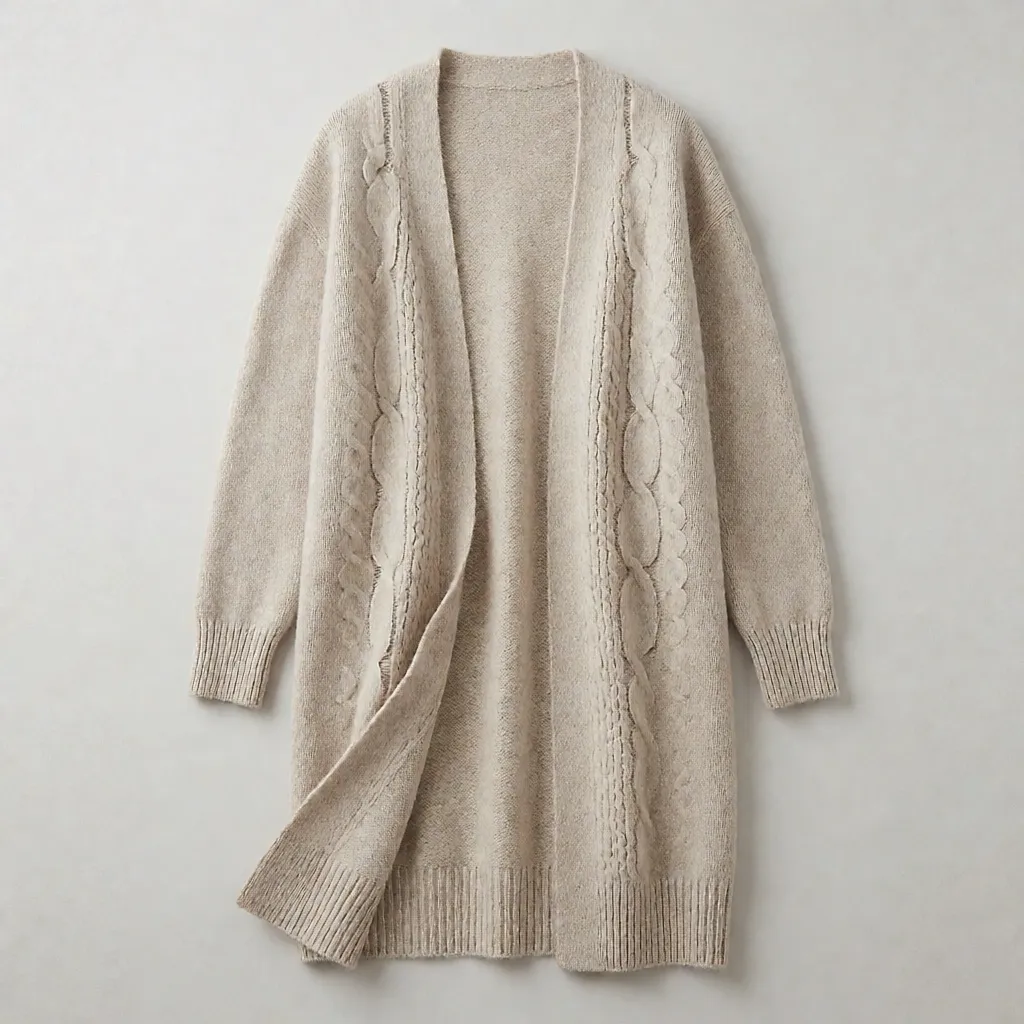
When it comes to fabric, read the composition before the marketing claims. Look for GOTS-certified organic cotton jersey, Lyocell — a cellulose fibre often sourced from managed forests — or a blend with a little elastane so the piece holds without squeezing. Texture matters as much as print: a well-cut plain fabric does more for you than a busy pattern that muddles your shape.
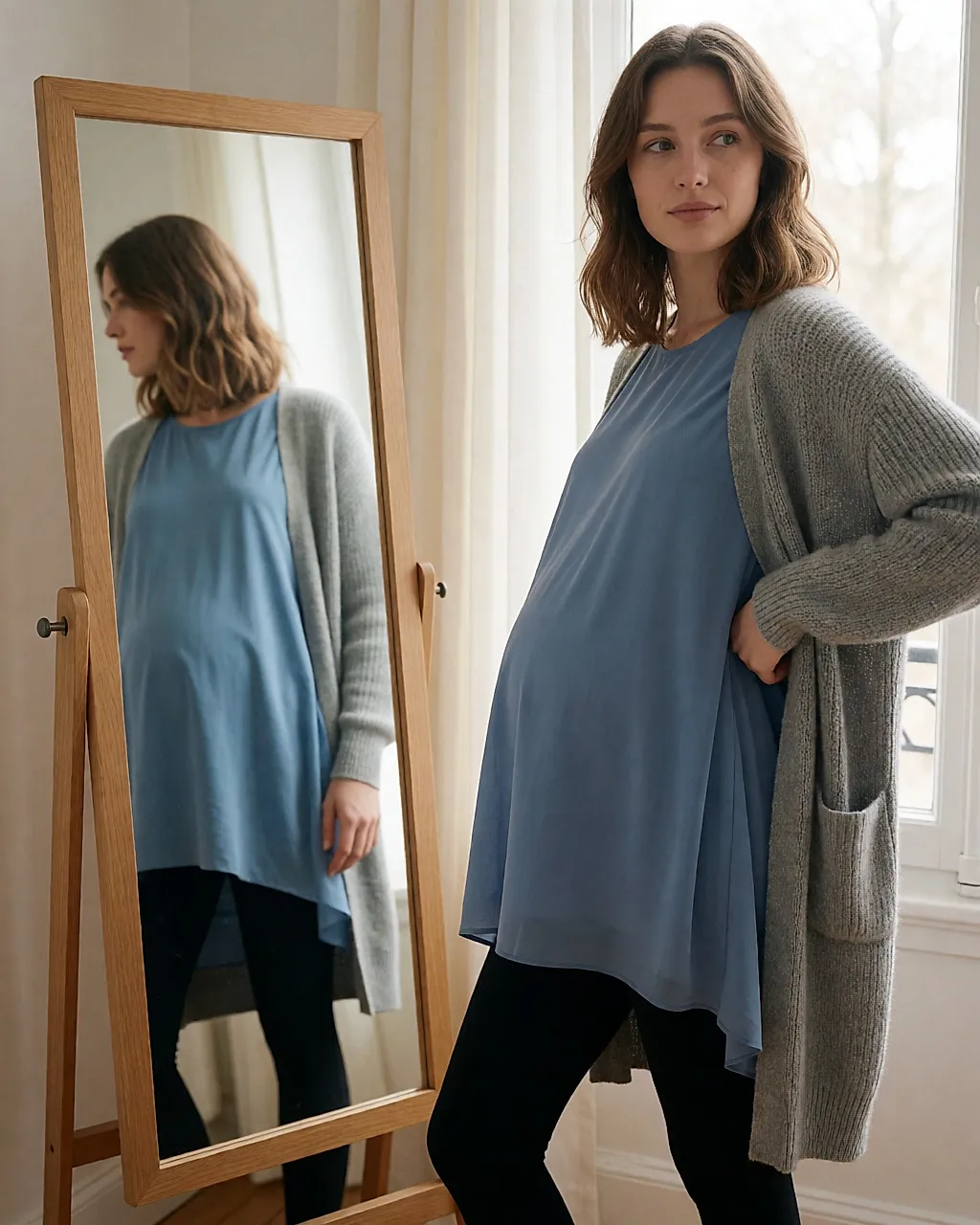
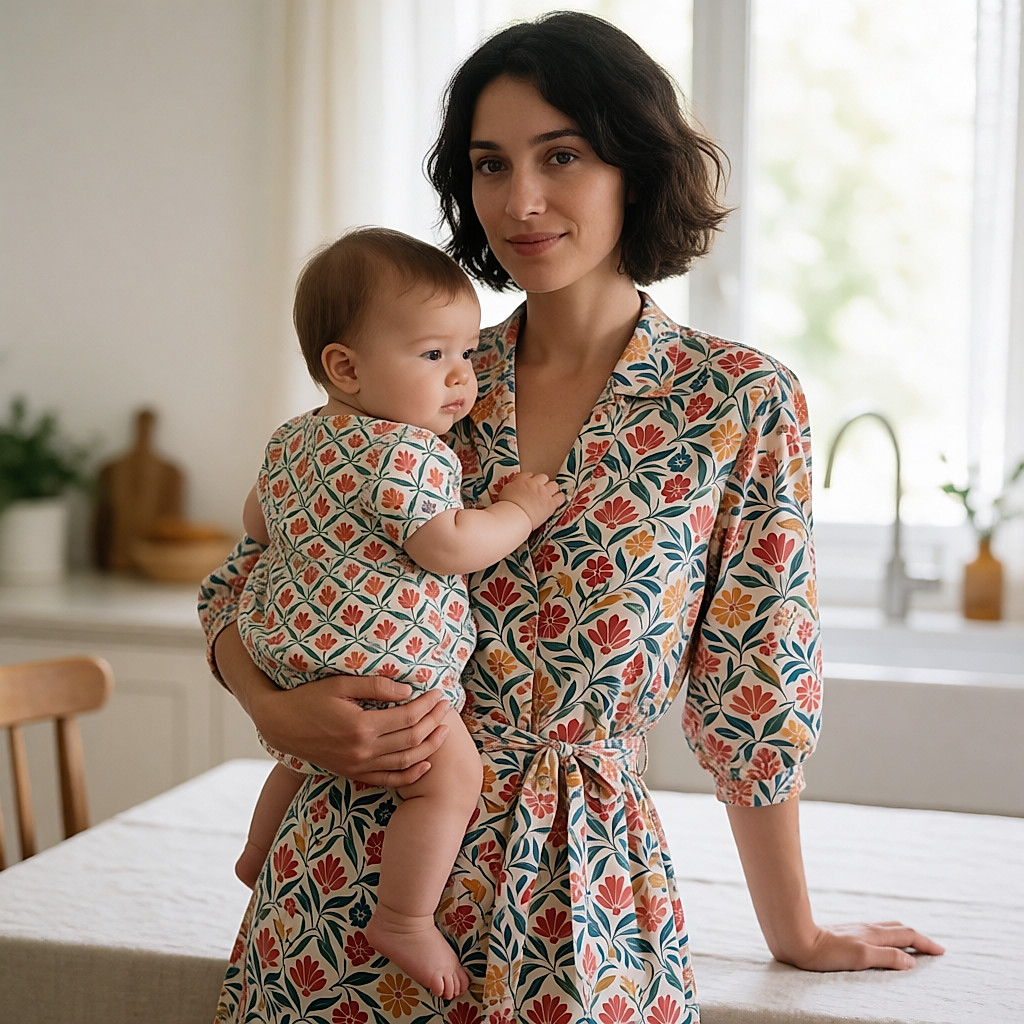
For everyday polish, lean on layering. High-waisted maternity leggings under a fluid tunic dress, with a long cardigan left open over the top: it lengthens the line without clinging. The standout piece? The wrap dress, which adjusts as the weeks go on and then works as a tunic over jeans after birth. Many of these pieces stay in rotation once the baby arrives — often the best test of quality.
With lingerie, there are two distinct needs: a comfortable maternity bra, and a nursing style you can unclip one-handed. In organic cotton and without underwiring, these styles often surprise you once you're wearing them.
Baby essentials without overbuying
From baby carriers to bouncers, comforters to nursing pillows, sleeping bags to musical mobiles, the urge is to buy everything. In reality? You use a handful of things every day. A nursing pillow, a baby sleeping bag, an ergonomic baby carrier — that's already plenty.
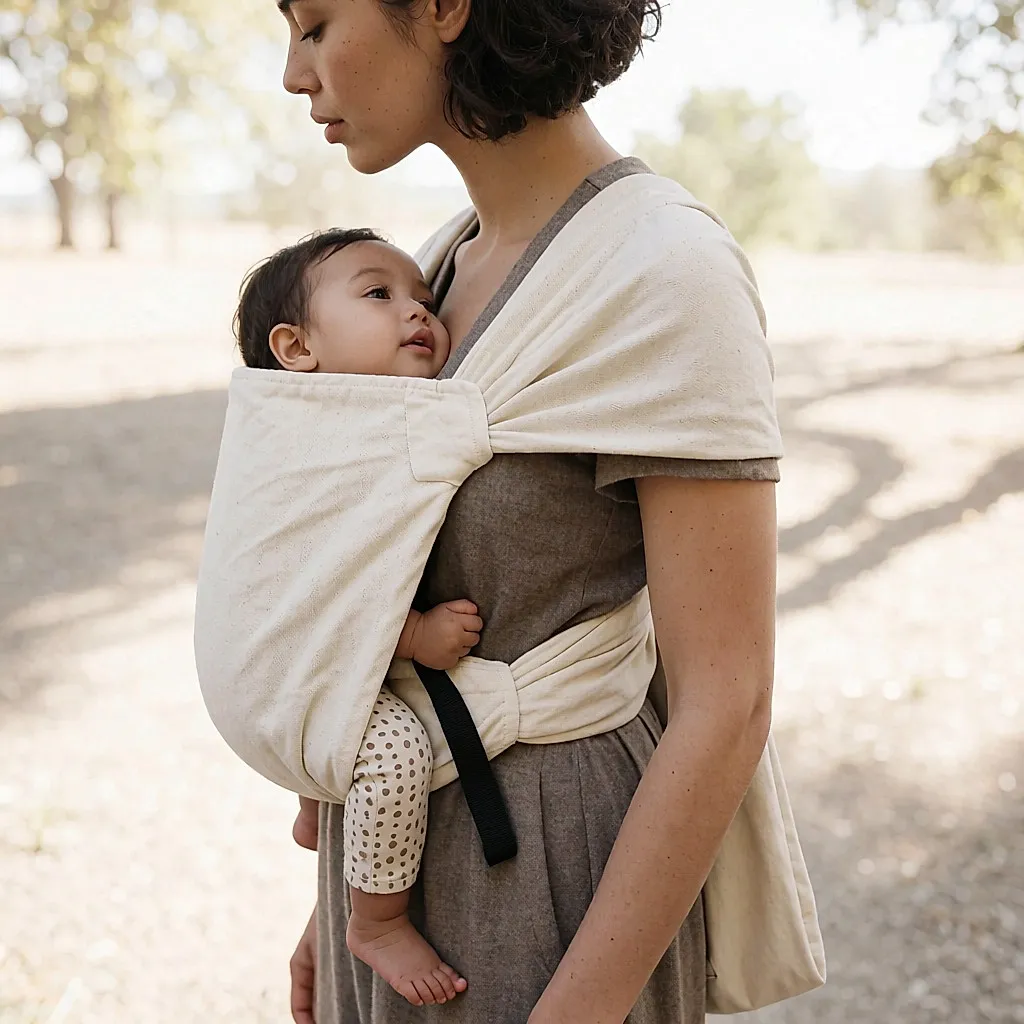
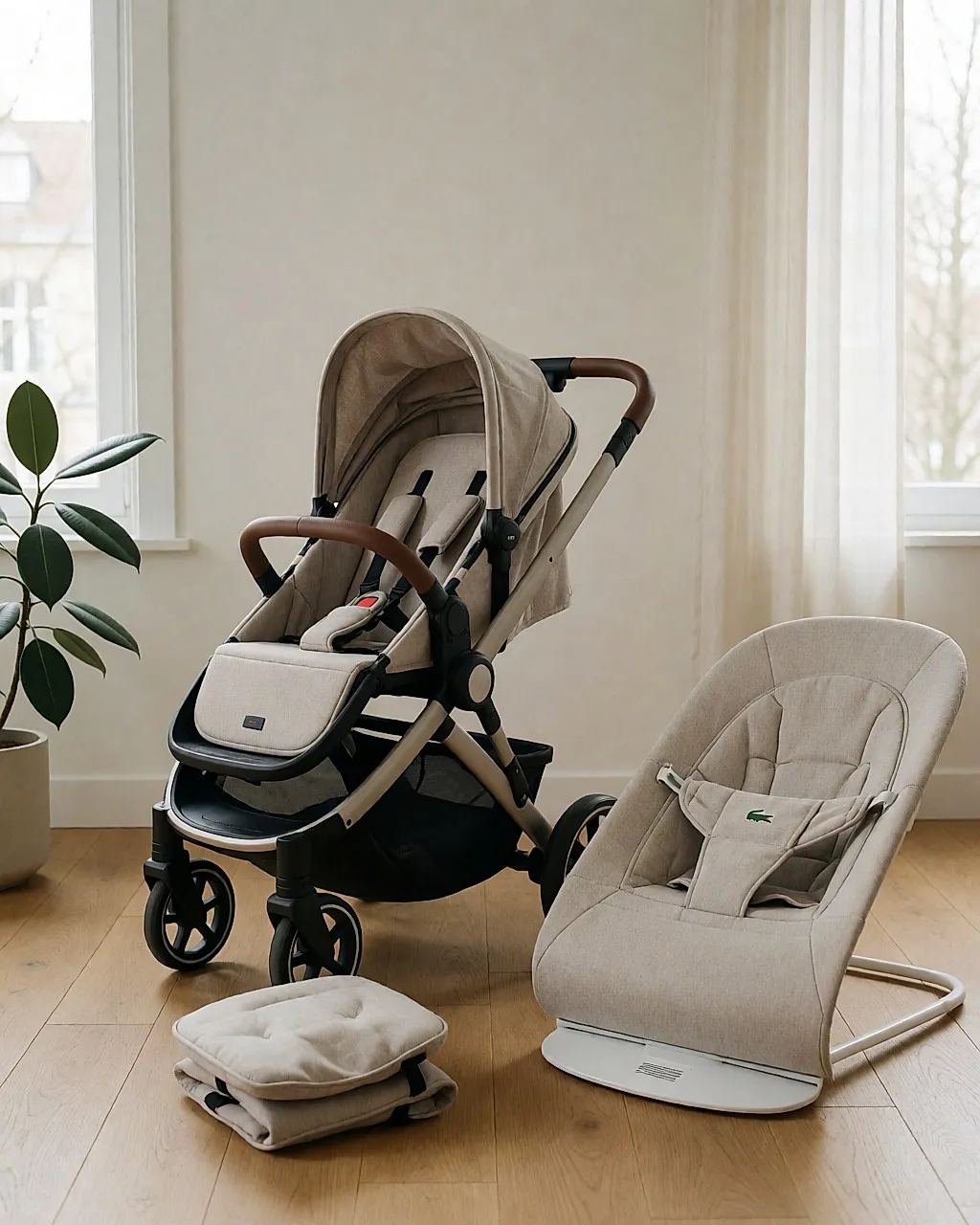
For carrying, the Mei-Tai — a Chinese-inspired carrier in soft fabric that ties — remains a safe bet: your baby is held against you with knees raised and back rounded. Look for fabric certified to OEKO-TEX Standard 100, which sets limits on harmful substances in textiles.
For everything else, think second-hand and repairable. Bouncers and pushchairs that come apart, with replaceable parts, age far better than all-in-one models you abandon when the first component breaks.
Before buying new, check whether the baby equipment falls into a category requiring UKCA marking. In Great Britain, CE marking is still accepted for some product types; where either mark applies, it confirms conformity with the relevant safety requirements — safety, not quality. For items outside those categories — including many bouncers, pushchairs and baby carriers — rely on general product safety rules and the applicable EN standards.
Budget
Prices vary by fabric, brand and retailer. In the UK, expect roughly:
- Maternity clothing (T-shirt, jeans): £20–£70, online, in supermarkets or from specialist retailers.
- Wrap dress: £35–£110, depending on composition and brand.
- Maternity lingerie: £18–£50 per bra, from specialist retailers or online.
- Soft baby carrier such as a Mei-Tai: £35–£130; price follows certification and weaving.
- Baby sleeping bag: £18–£60, more for certified organic cotton.
The differences come down to fabric, certification and where it's made. Sales and second-hand buys bring the cost down considerably, especially on baby equipment that's used for only a short time.
The move that changes everything: buy less, but better. One piece that sees you through pregnancy and the following year beats three that sleep at the back of the wardrobe.
Sources
- UK Government — Using the UKCA marking (gov.uk)
- European Commission — CE marking (ec.europa.eu)
- ADEME (France) — Environmental labels and certifications (ademe.fr)

Comments
Your opinion matters: rate the article, react and reply to comments.
Comments are moderated; AI-assisted comments are flagged. Text emoticons (8-), :-), <3…) are automatically shown as images.