
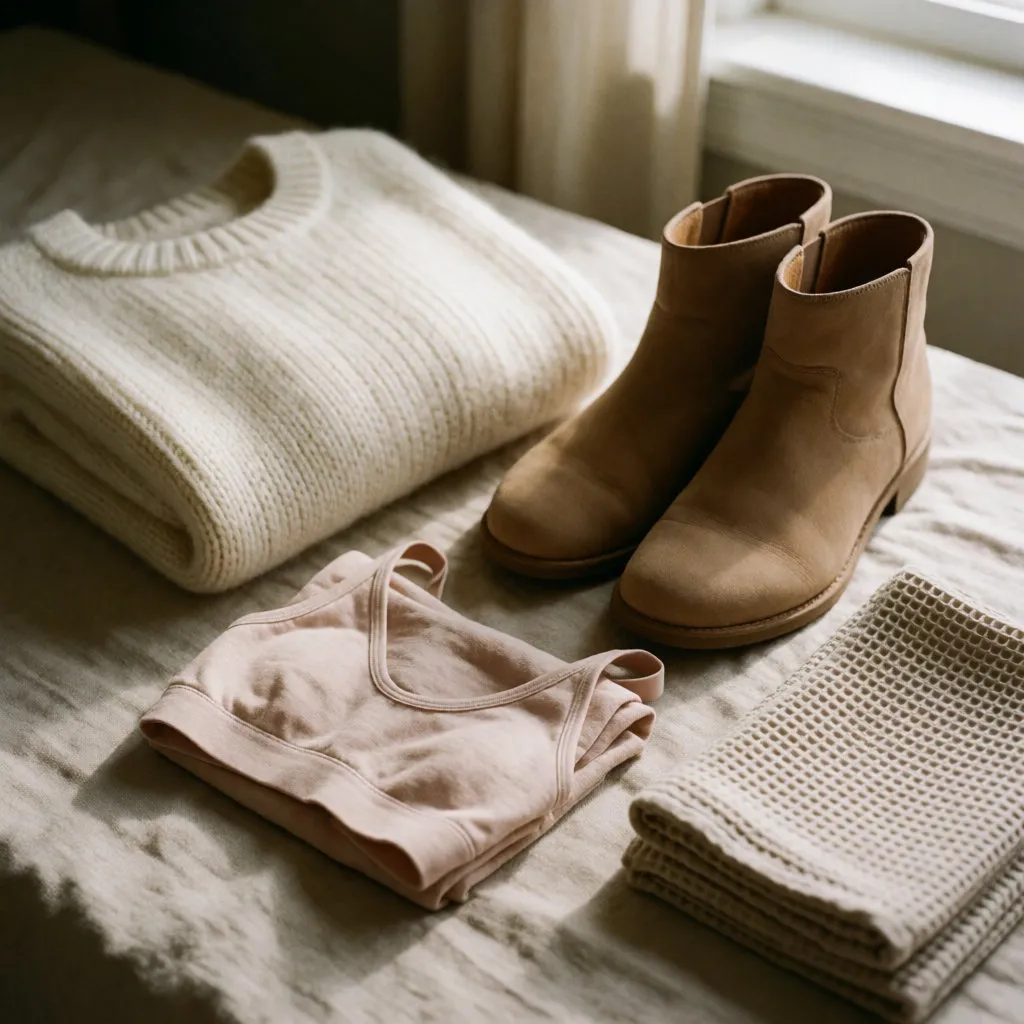
It's 9pm, the washing machine is still going, and you haven't got a clean knit for tomorrow morning. You type damart.be almost on autopilot, thinking of your nan's warm tights. And then — surprise. The Belgian site is nothing like that any more.
One wardrobe, four departments
Damart is, first and foremost, a story about fibre. The brand started in Roubaix in 1953 around Thermolactyl, a temperature-regulating textile designed to hold in warmth without smothering you. That technical building block is still there, but it is no longer the whole catalogue.
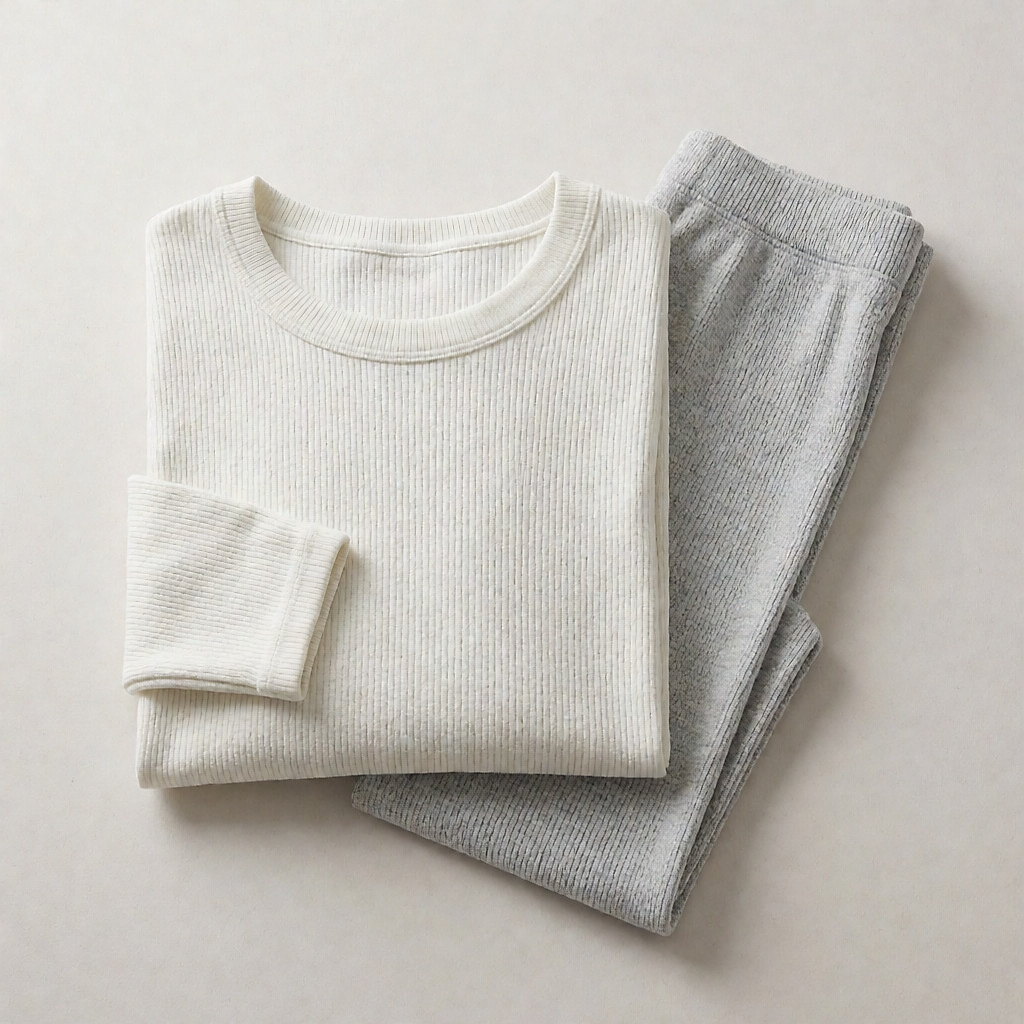
On damart.be the wardrobe splits into four departments: women's, men's and children's clothing, shoes, lingerie and homeware. One customer account covers the lot, with your order history and new-in alerts. Genuinely handy, isn't it?
The shape of things
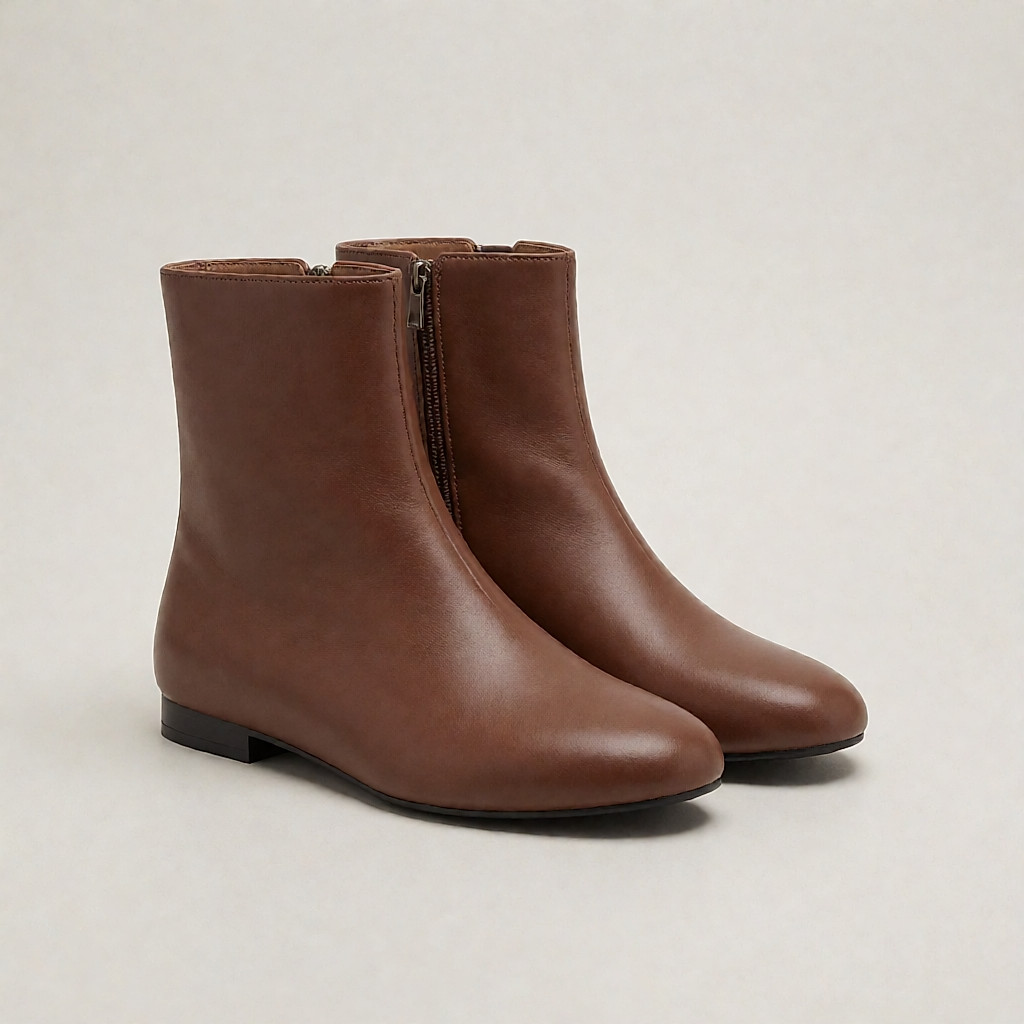
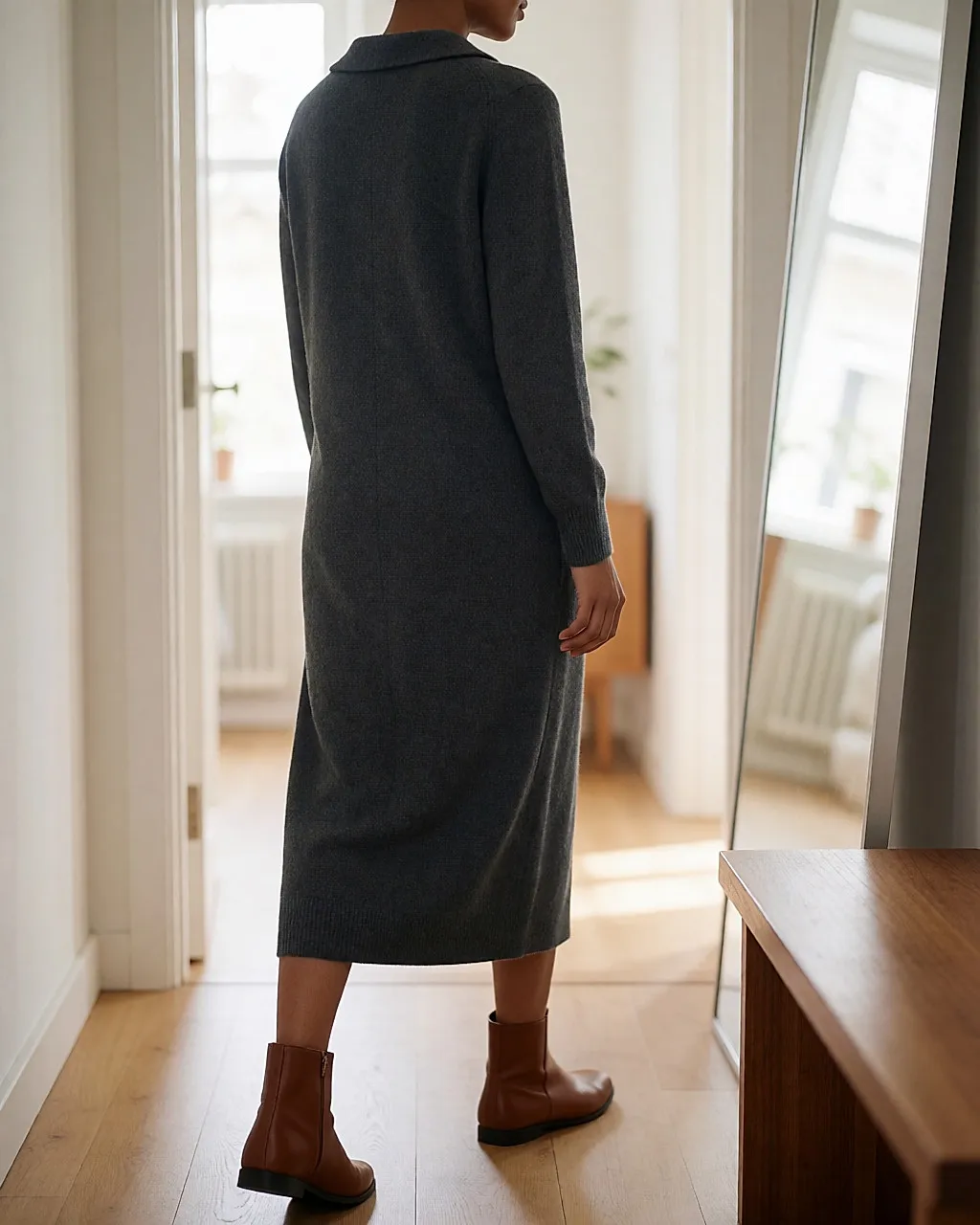
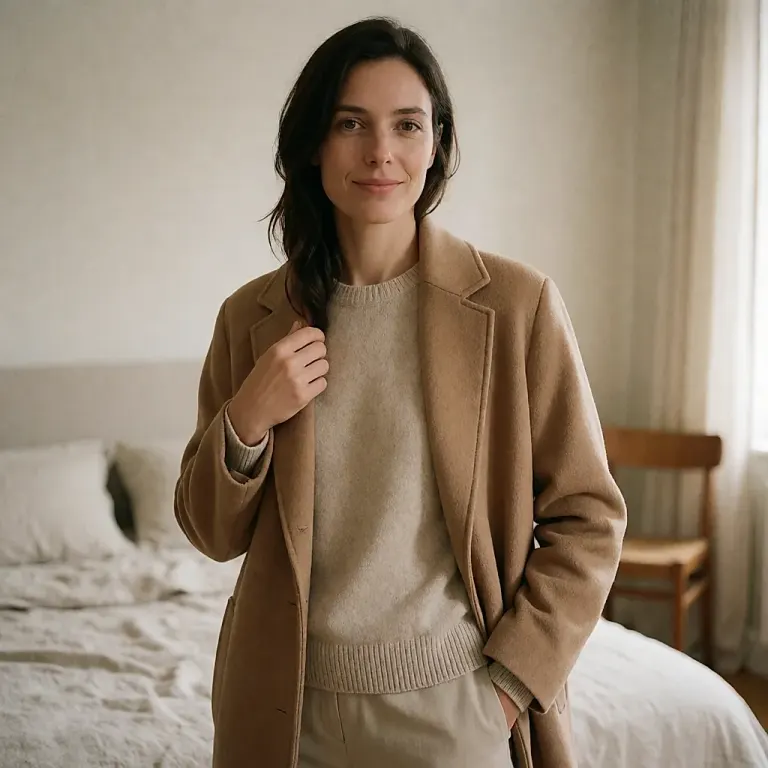
In womenswear you'll find the everyday basics: dresses, blouses, skirts, jumpers, trousers, jackets. The interest lies in cuts designed for movement rather than for a photograph. A straight dress in a thick knit, worn with flat ankle boots, reads far sharper than a busy print — the drape is what wins us over, not the pattern. The real story? A well-cut basic earns its keep more than a statement piece worn twice all winter.
In menswear, shirts, polos, trousers, jackets and parkas cover you from morning to night. For mid-season, layering saves the day: a light overshirt over a plain tee and the silhouette holds without any bulk. The children's range follows the same logic, in fabrics that can take the washing machine — a factor that counts when a wardrobe turns over fast.
Shoes, lingerie and homeware
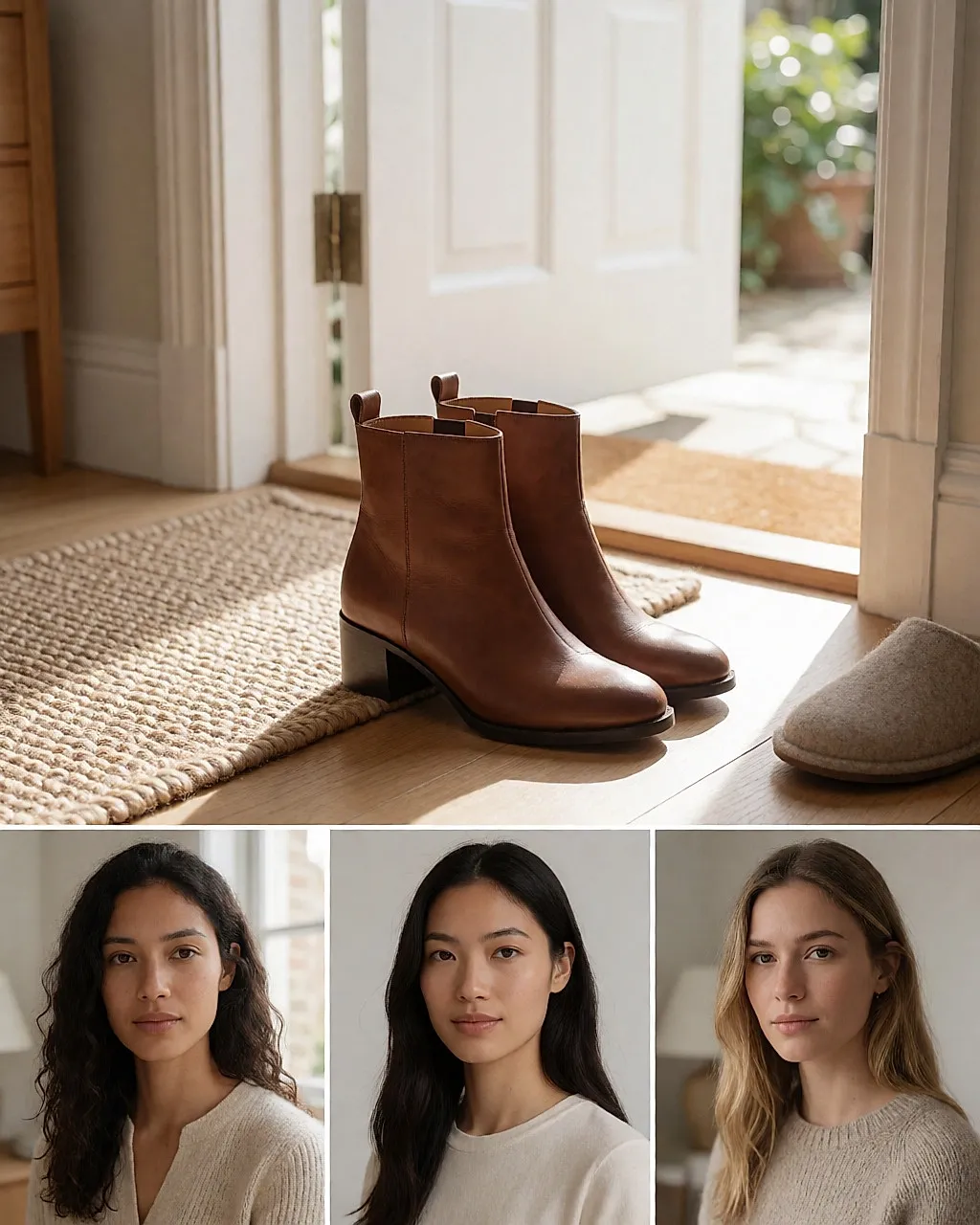
The shoe department runs from city shoes to boots, taking in slippers along the way. In lingerie, corsetry and nightwear come in a range of sizes. For the home there are duvets, aprons, tea towels and bath mats — the sort of purchase you keep putting off and are pleased you finally made.
In-house fibres: read the label
Damart gives its technologies trademarked names: Thermolactyl for warmth, Océalis for a cooling feel. These are trade names, not standards. The useful habit stays the same: open the composition tab. A majority of wool or cotton changes the drape, the texture and how it survives a wash far more than a logo does.
On the environmental side, two labels are worth a look — provided you know what they cover. OEKO-TEX Standard 100 governs the absence of unwanted substances in the finished textile. GOTS covers the organic cotton supply chain and traceability. Neither one says a garment will last ten years: that is decided by the fabric and the stitching.
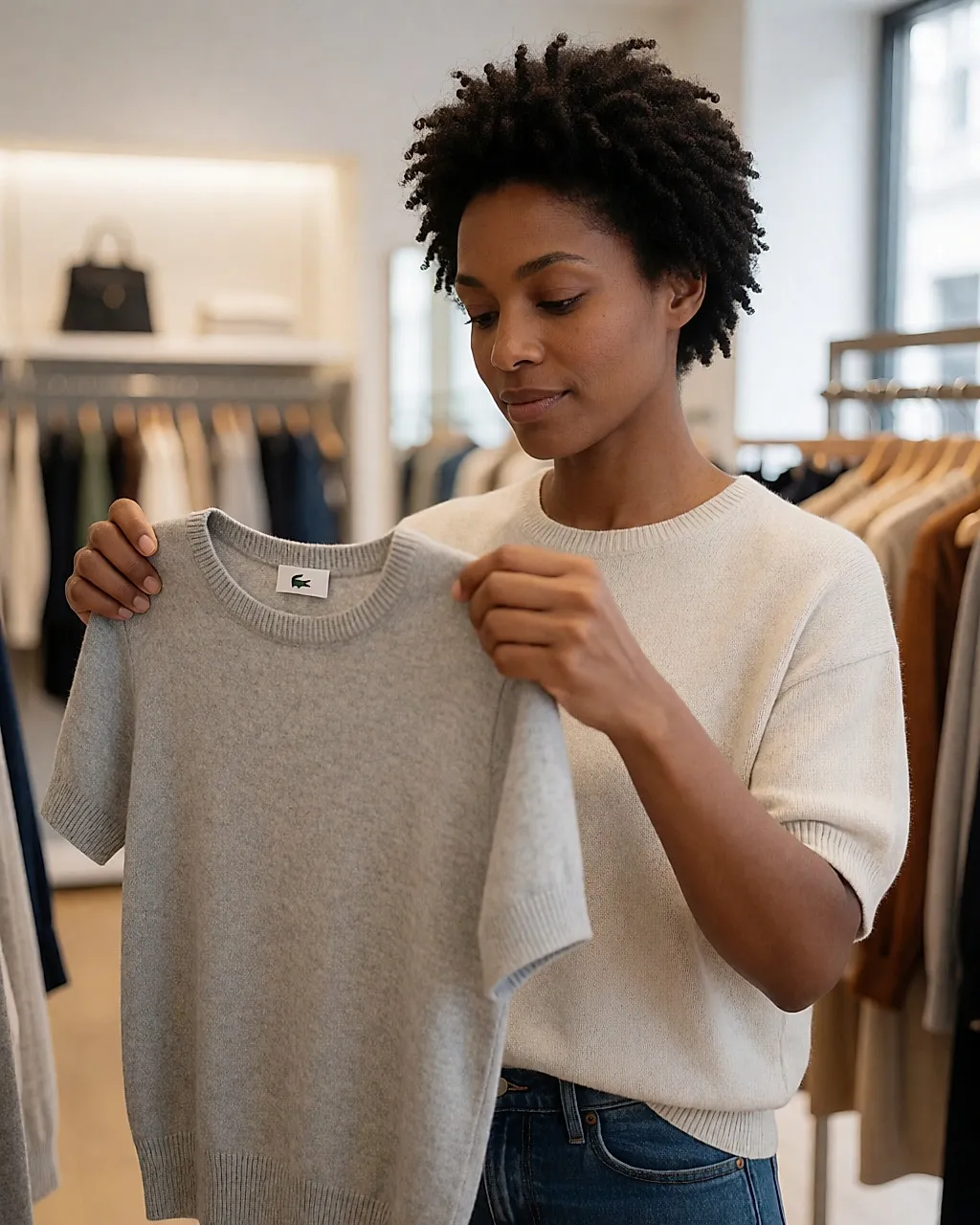
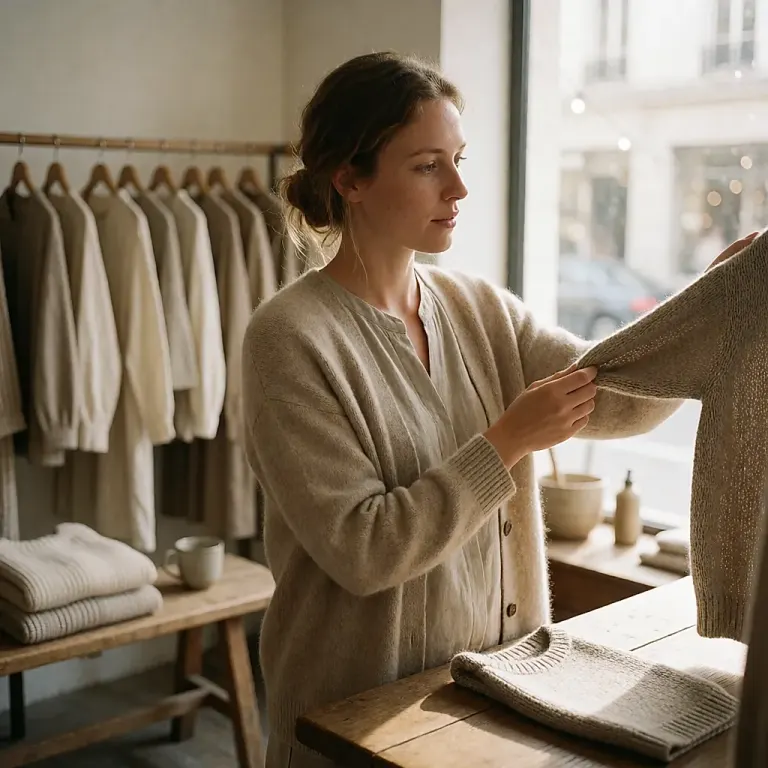
The quickest test in store: turn the piece inside out and look at the shoulder and armhole seams. If they pull or ripple, the knit will lose its shape by the third wash. In practice, this little move filters better than a label.
What it costs
As a rough guide, allow about £15 to £30 for a basic top, £35 to £70 for a warm knit, £40 to £90 for a dress and £50 to £100 for a pair of shoes. In lingerie, a bra often sits between £25 and £45, and a duvet between £40 and £100.
What moves the price: the fabric (wool or cotton rather than polyester), where it was made, the size — larger sizes are sometimes charged a little more — and above all the calendar. Sales, clearance and end-of-line drops bring prices down without changing the product. Good news, isn't it?
You'll find these ranges on damart.be, in Damart stores and, depending on the style, through partner marketplaces. For a budget basic, the brand's own site is still the clearest on sizing. Shopping from the UK? Damart's UK site carries the same four departments.
Comments
Your opinion matters: rate the article, react and reply to comments.
Comments are moderated; AI-assisted comments are flagged. Text emoticons (8-), :-), <3…) are automatically shown as images.