
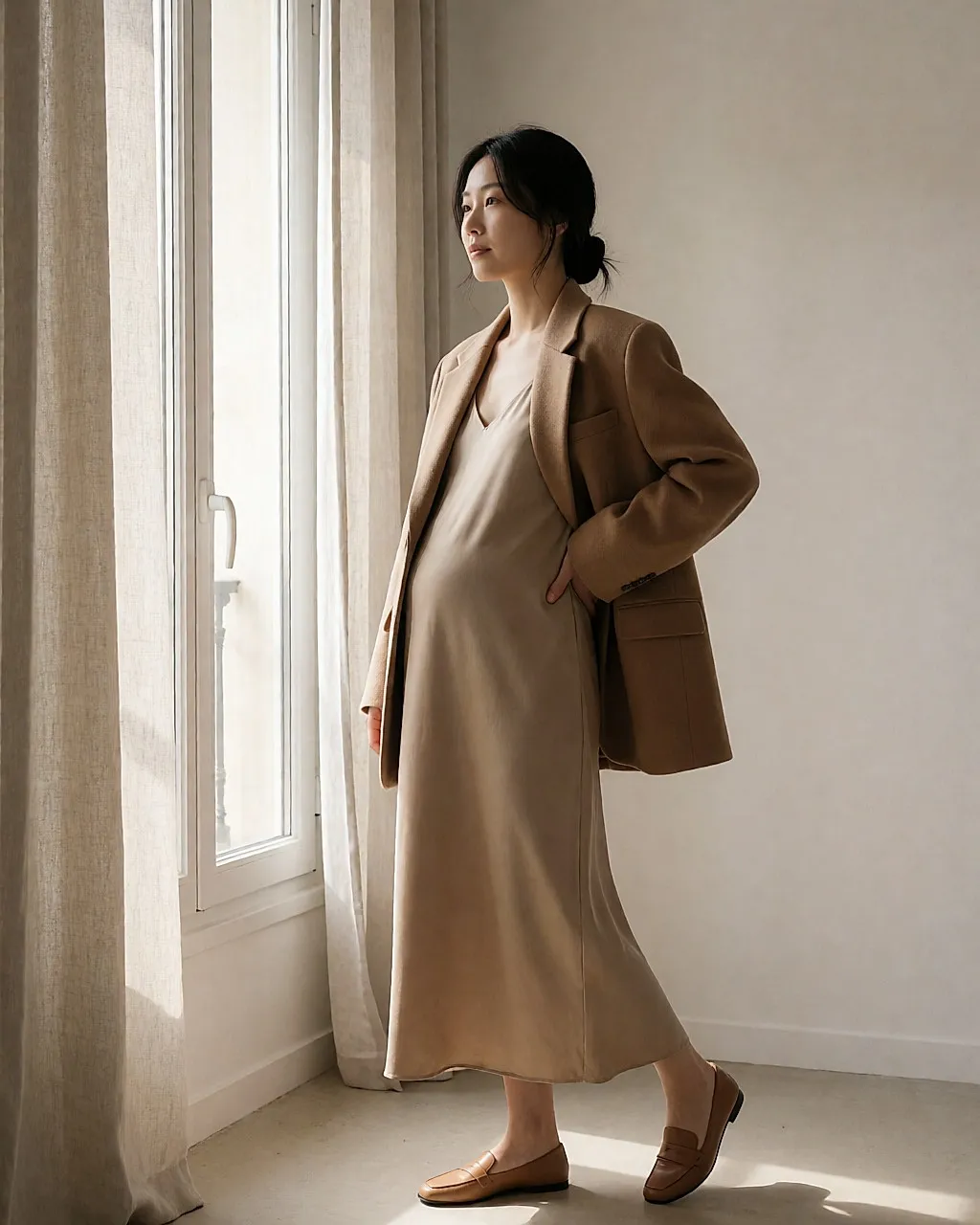
In 2026, expecting a baby no longer means putting your wardrobe on hold. On the red carpet and on the street alike, a bump is treated as part of the silhouette in its own right: highlighted, draped, given room to breathe. Gone are the shapeless tunics kept for the sofa — maternity style now borrows from tailoring, lingerie dressing and streetwear, and the result looks like a look, not a costume. Here are the cuts currently doing the rounds, and how to bring them into your own wardrobe with what you already own.
The oversized blazer, the piece that gives a silhouette its structure
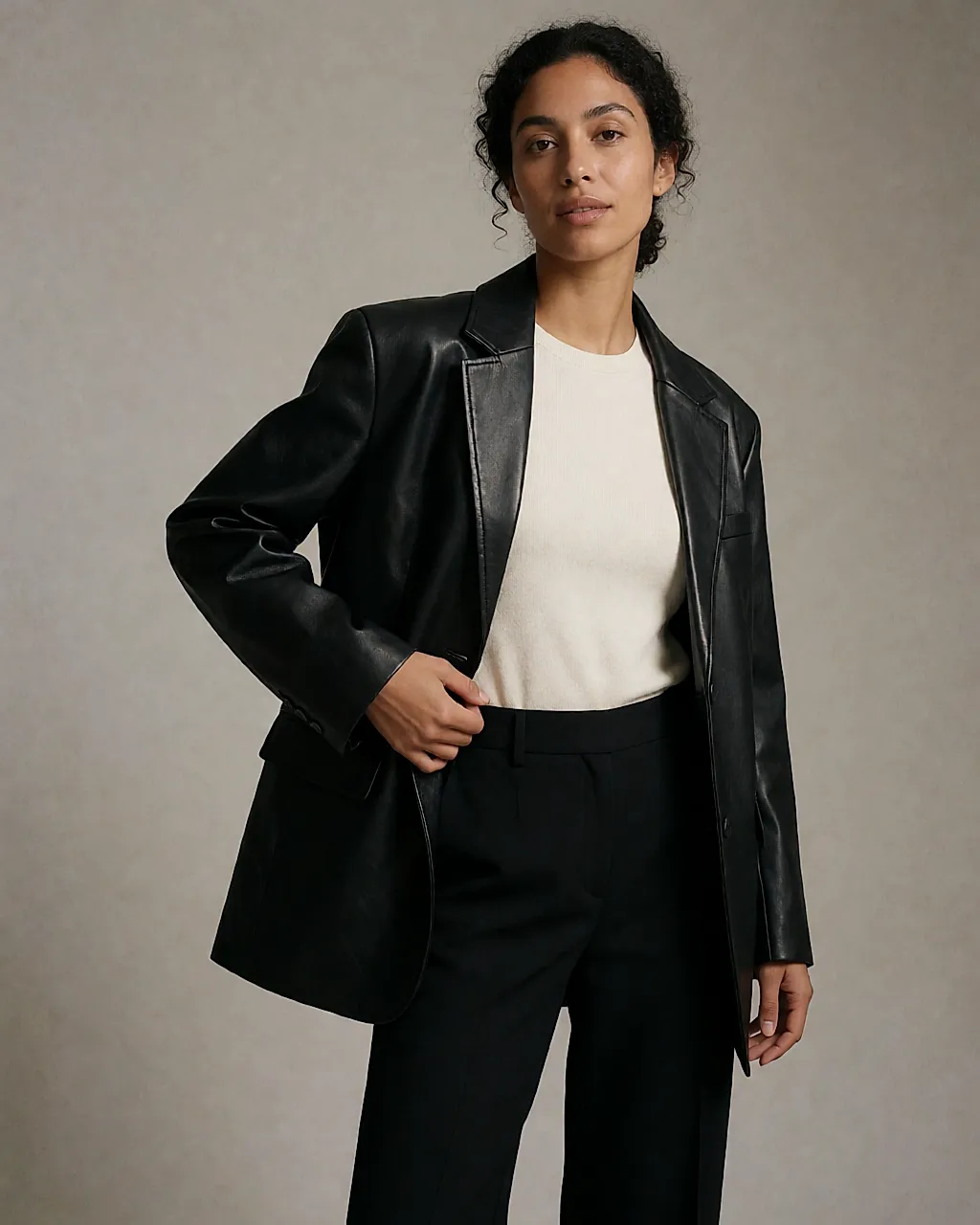
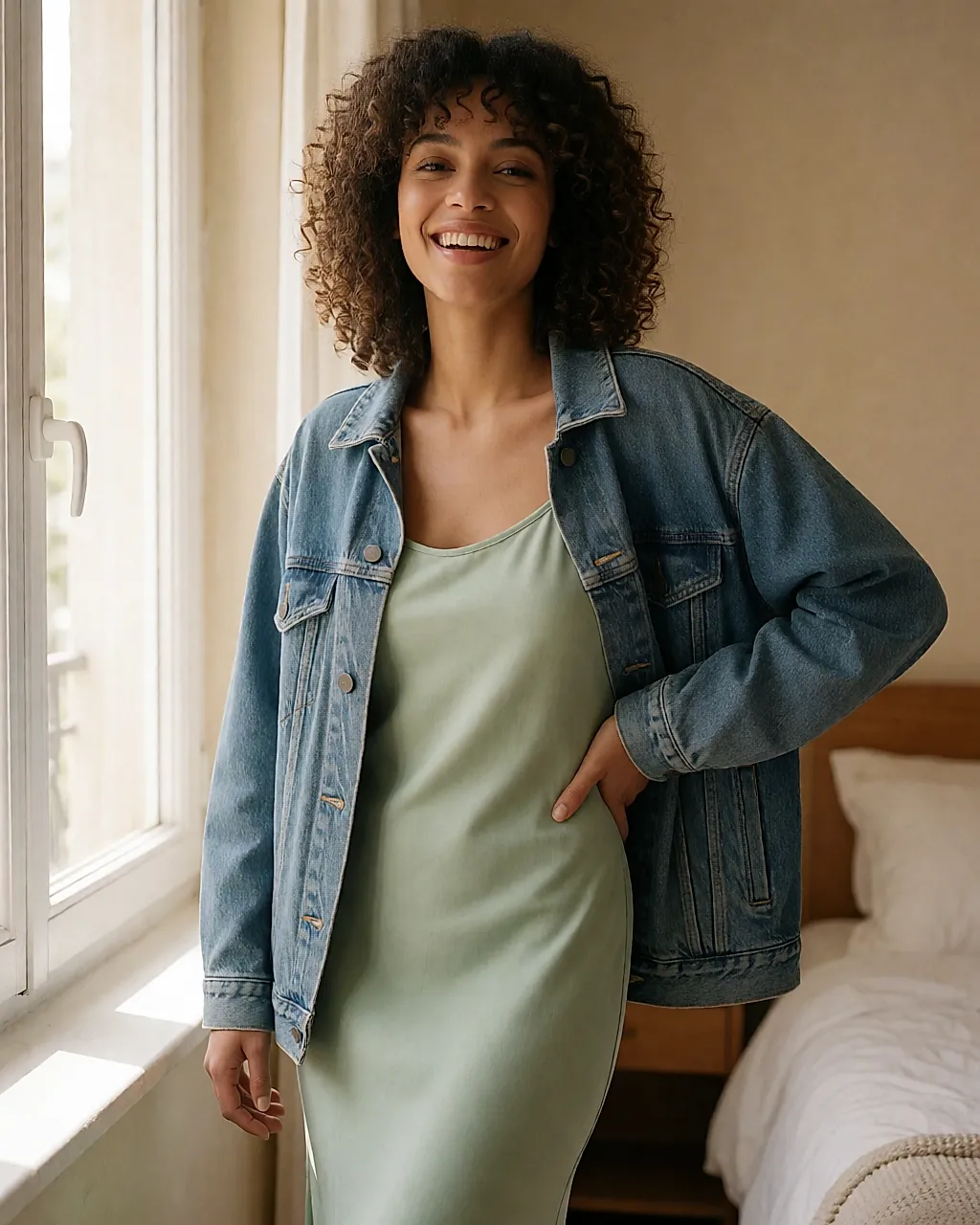
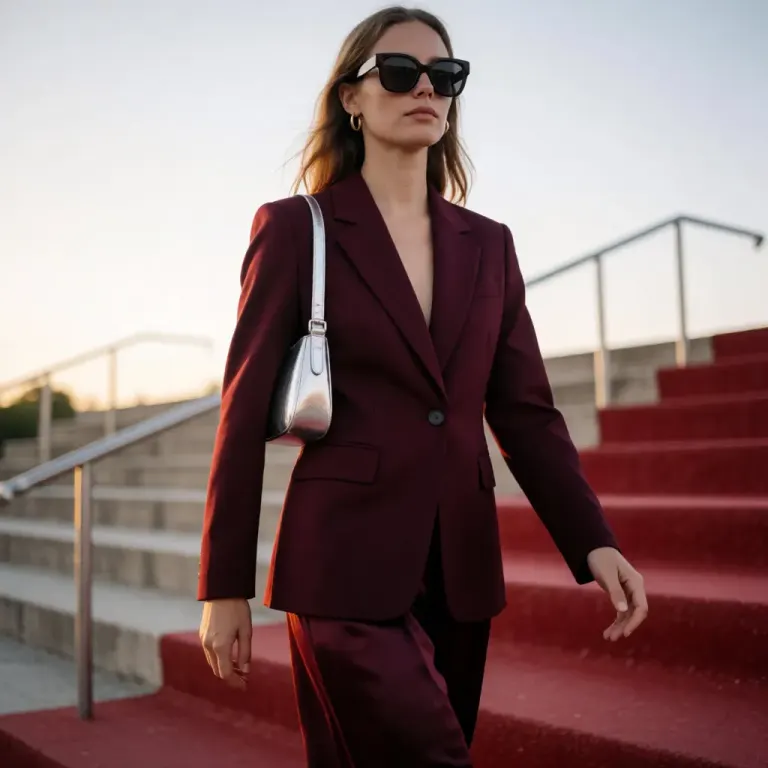
For a few seasons now, the oversized blazer has become the statement piece for maternity silhouettes. Worn open over a slip dress or a cropped top, it draws a vertical line that lengthens the body without compressing the bump: it's as much about drape and fabric as it is about cut. You see it a lot in a straight shape, sometimes in leather, over close-fitting dresses; others prefer a slightly nipped-in cut, paired with fluid trousers.
The idea is simple: a clean shoulder, with the fabric falling straight, to balance the volume of the bump. In practice, take a size up from your usual, or pick a cut that fastens above the bump and opens out below it. A wool blend or a slightly thicker cotton will hold the line better than a soft jersey.
Dresses: follow the curve or let it float, never erase it
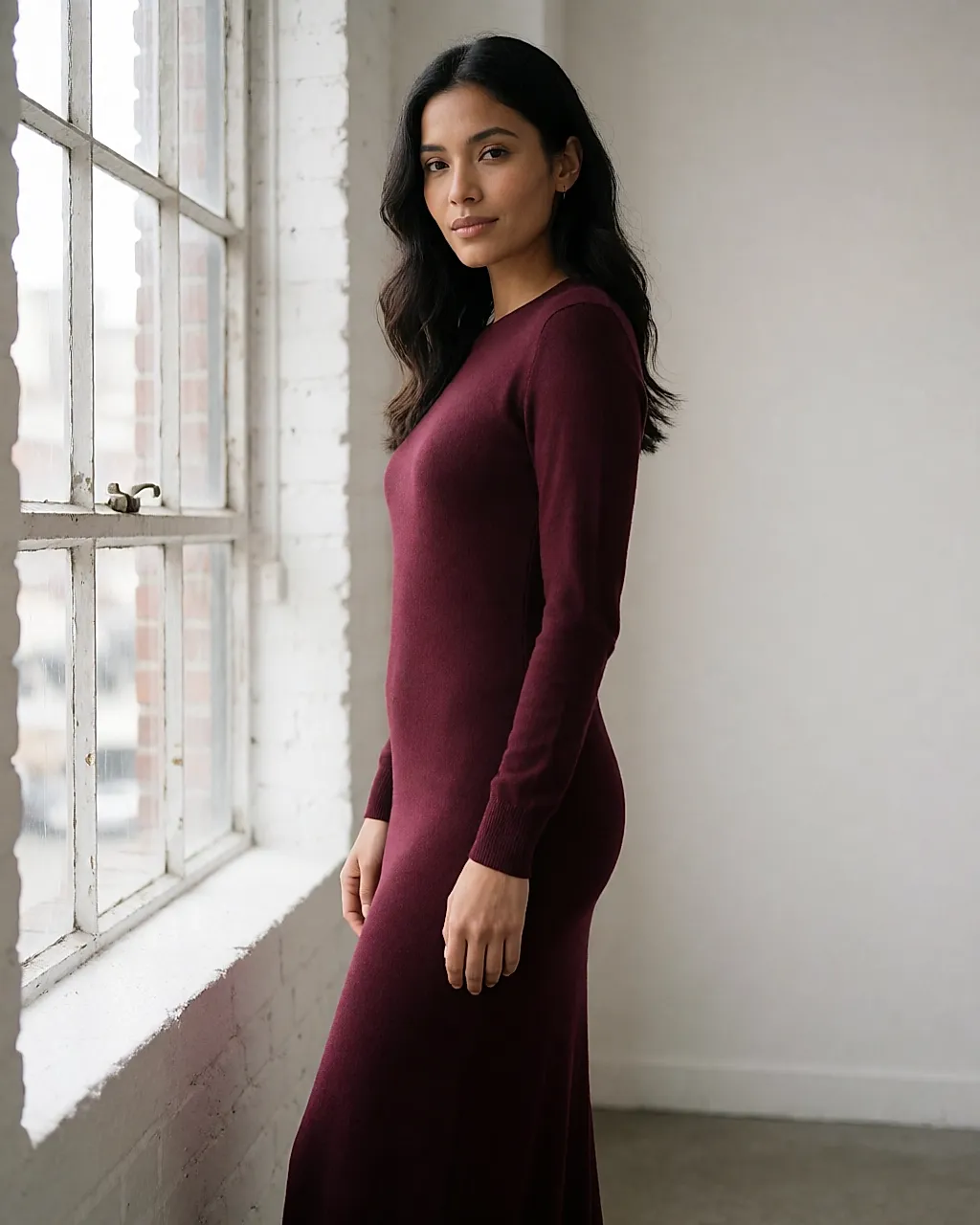
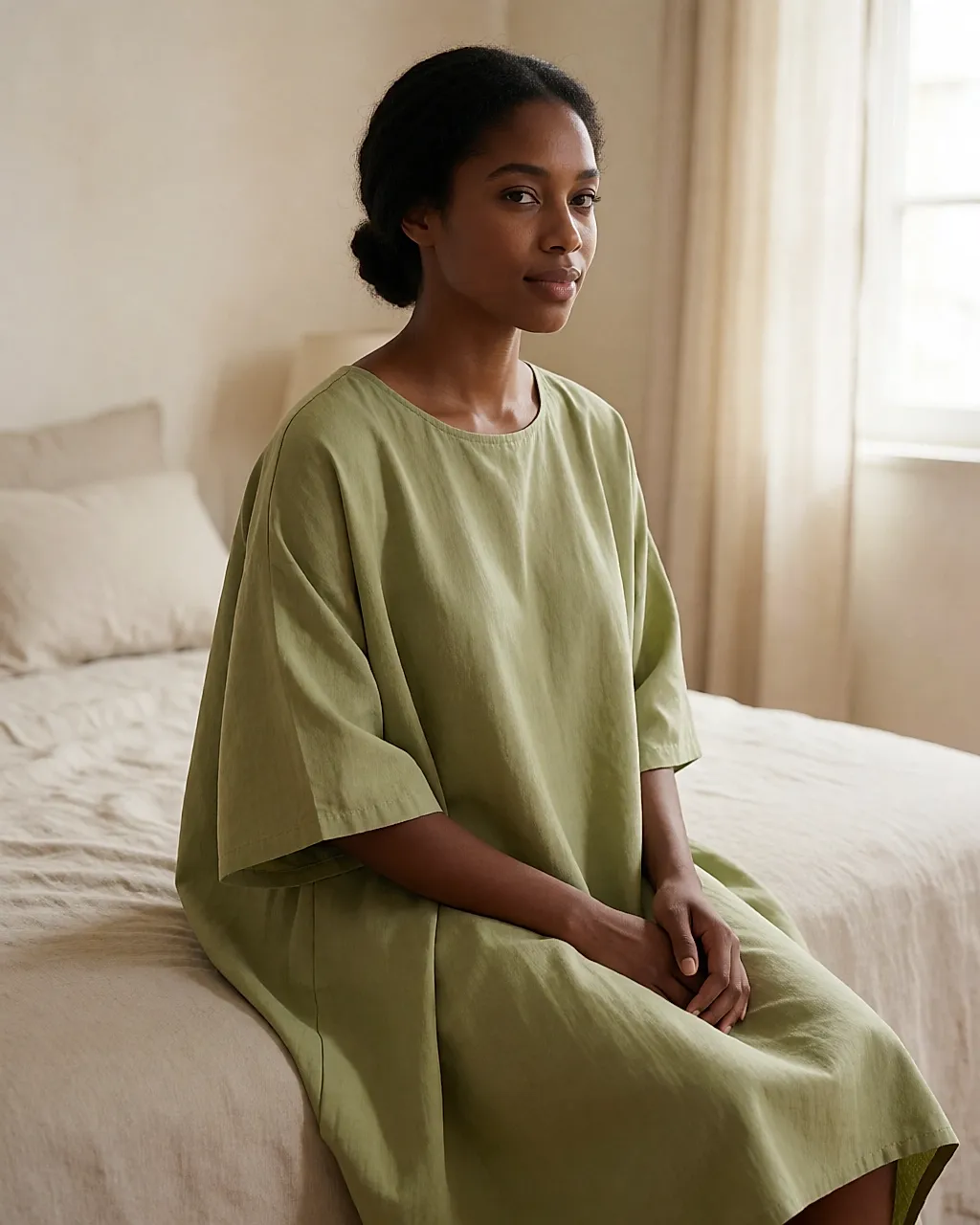
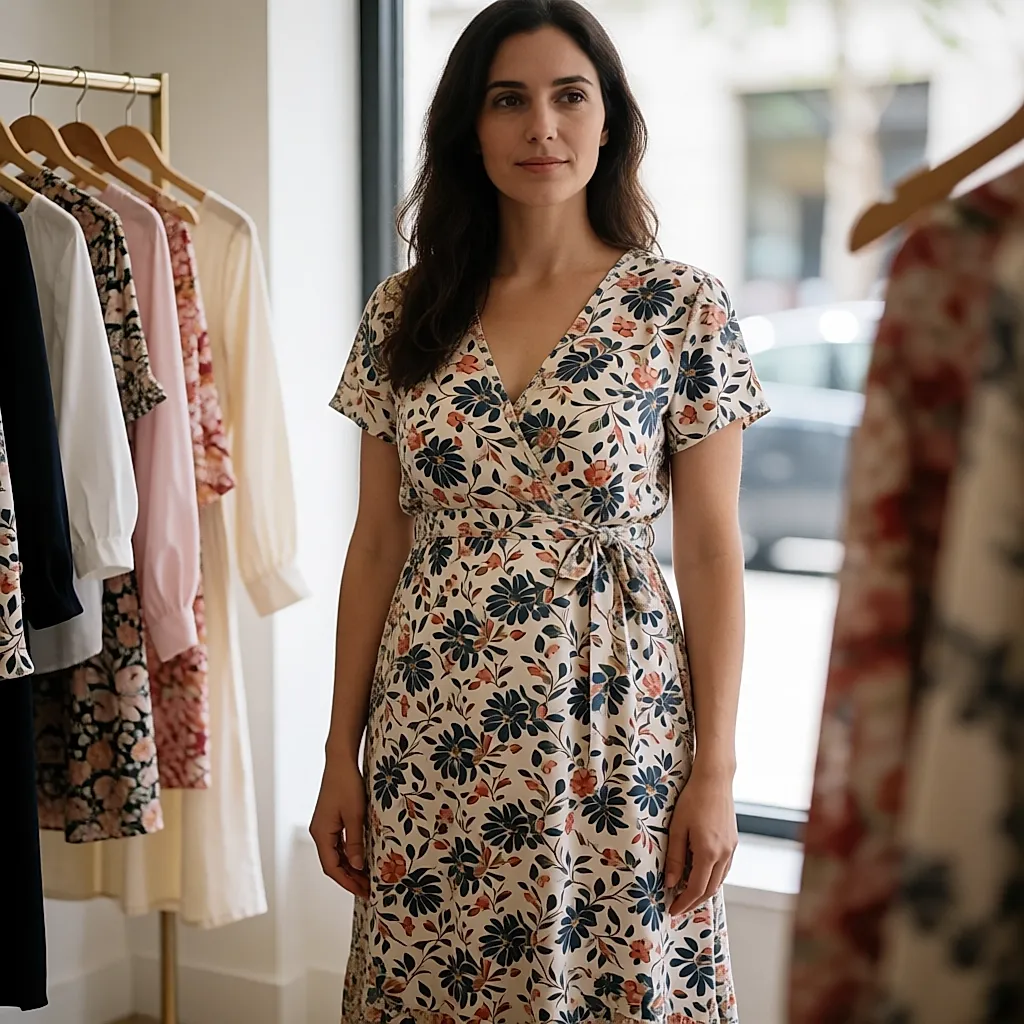
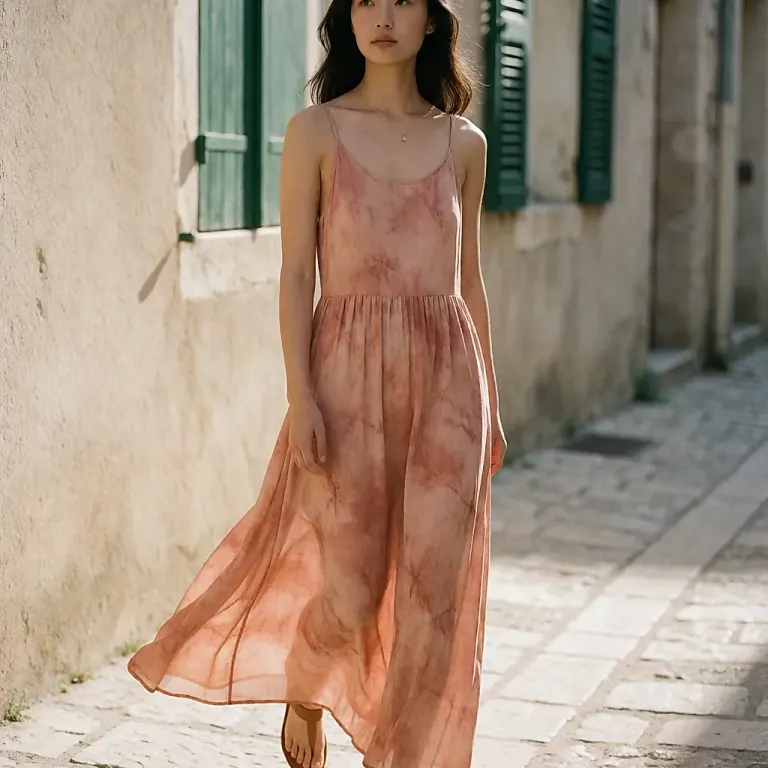
A dress remains the number-one ally. Minimal styles in fine knit or satin cut under the bust are popular. The opposite works just as well: a close-fitting dress that follows the pregnancy is worn without self-consciousness, and light printed dresses with a boho feel keep all their charm.
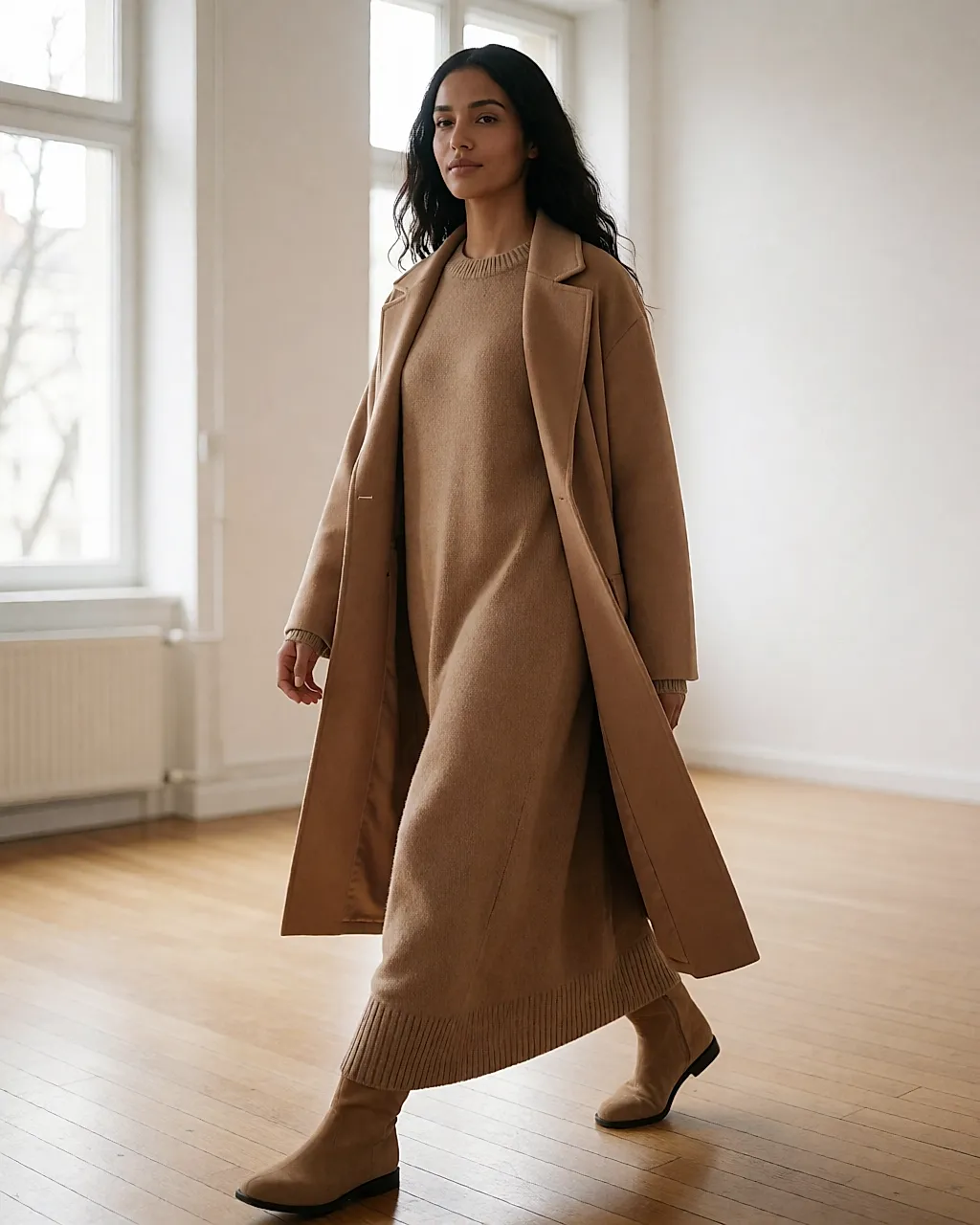
The winning strategy comes down to two details: a fabric with some stretch — jersey, rib, crepe — and a cut that doesn't pull across the hips. Empire line still has its uses, but it's no longer the only option. A wrap dress, a wide-leg jumpsuit or a well-cut trapeze dress work just as well. For cooler days, a long knit dress with flat boots or a stable heel is enough.
Jeans, trousers and basics: comfort has changed sides
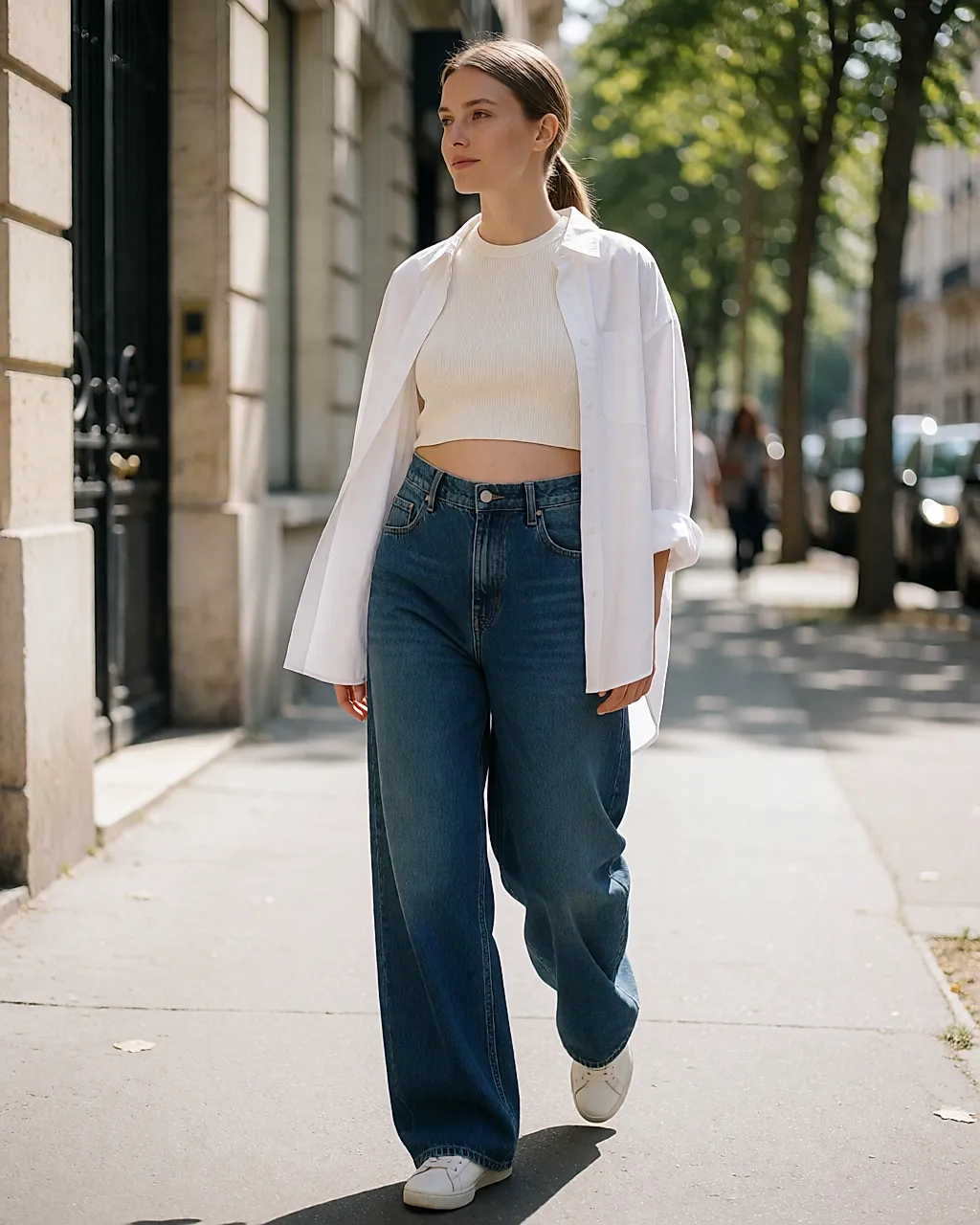
Maternity jeans have come a long way. Out go the unflattering panels: today's styles conceal stretchy waistbands inside a wide-leg or straight cut, in a lightly stretchy fabric that keeps up with the weeks. High-waisted jeans worn with a cropped top remain a safe bet, as does a wide-leg trouser paired with something more fitted on top.
For everyday, you can also look to tailored trousers with an elasticated waist, a thick legging — not a see-through gym one — or a long skirt with a split. The principle: a comfortable base, then one strong piece on top — an oversized shirt, a cropped knit or a biker jacket left open — to add depth.
Layer up, define or don't, accessorise
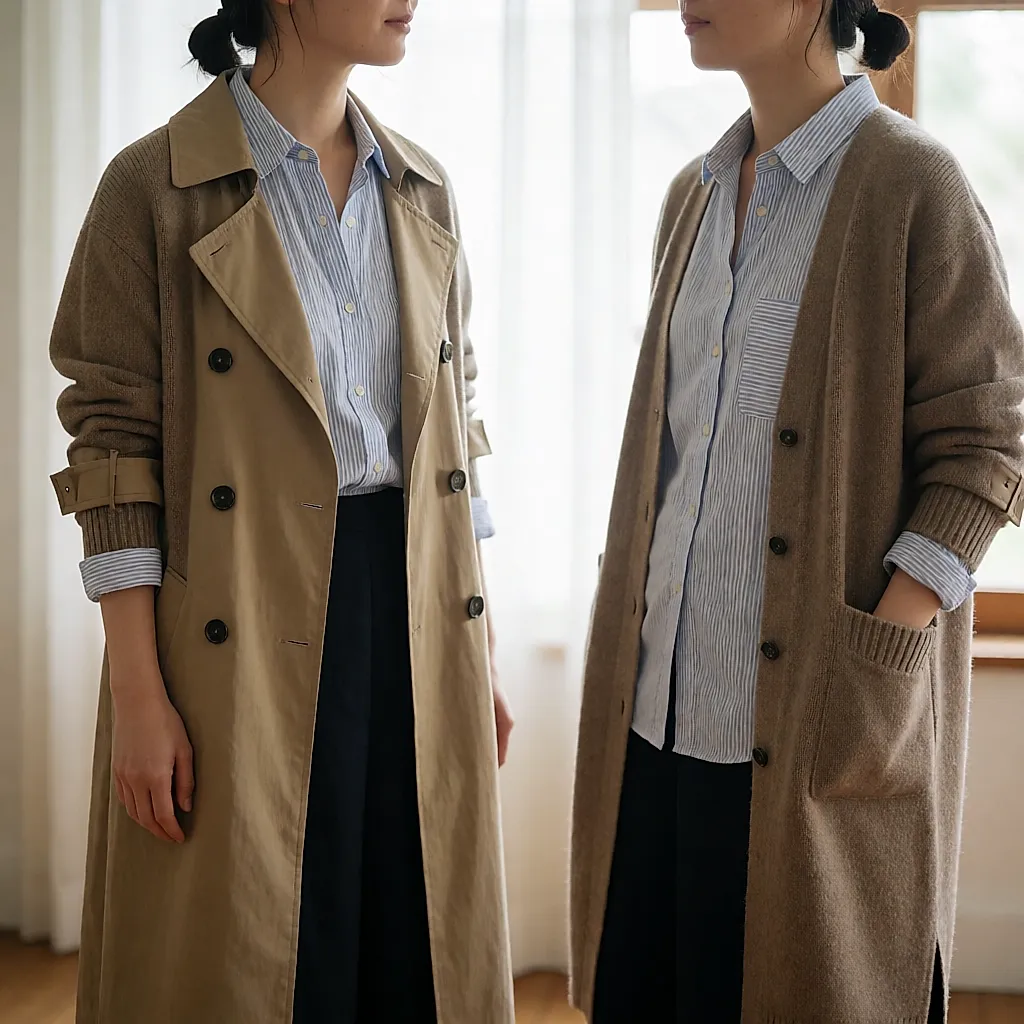
Layering is a bump's best friend. An open trench, a shirt worn as an overshirt, a long cardigan: these pieces draw lines without ever clinging. A fine belt placed under the bust can define an empire waist, provided it doesn't compress. If not, leave it in the wardrobe and play with jewellery instead: a long necklace, graphic earrings, a compact bag.
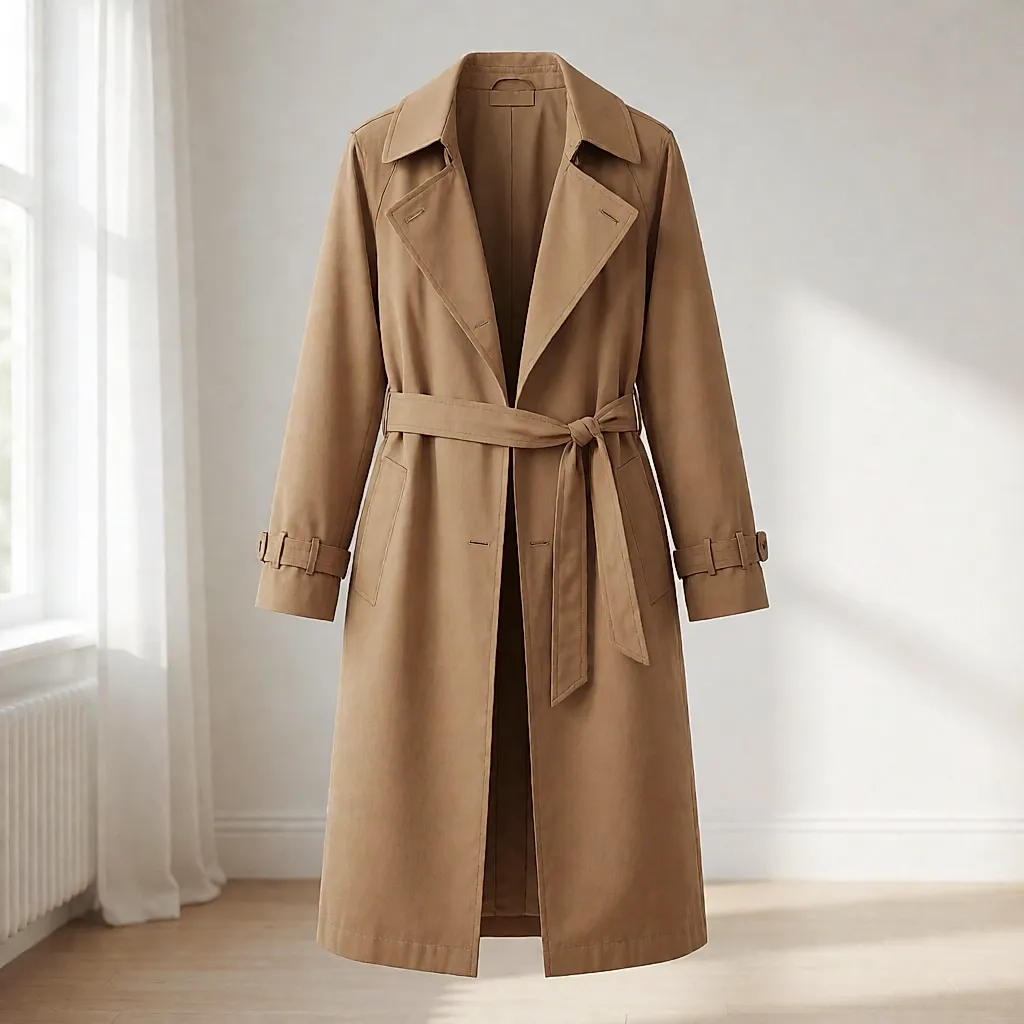
On shoes, flats or a wide block heel stop your posture from being thrown off balance. And on colour, a full monochrome look lengthens, while contrast between a light top and a dark bottom draws the eye up to the face.
Three formulas to keep to hand:
- oversized blazer + slip dress + flat trainers;
- wide-leg jeans with an elasticated waist + open shirt + ribbed top;
- fluid long dress + biker jacket or trench + gold jewellery.
The aim isn't to hide the bump, but to work with it.
Budget
Before you fill your basket, a word on budget. For an oversized blazer from the high street, expect roughly £40 to £120; the figure climbs easily past £200 if you're set on a designer label or real leather. A fluid jersey or fine-knit dress usually sits between £30 and £100, and a dressier satin version runs from £60 to £150. For a pair of maternity jeans, the range is around £30 to £90.
Several things move the price: the city (a town-centre boutique costs more than a large out-of-town store), the fabric (organic cotton, linen, wool), the length of the piece and the care it needs, whether hand-washing or dry cleaning. Specialist maternity retailers often charge a little more for the adapted cut than standard high-street brands. To kit yourself out without blowing the budget: supermarkets and high-street names for the basics, maternity boutiques for the pieces that need to last a few seasons, and second-hand — online or in charity shops — for dresses and blazers worn for only a few months.
The bottom line: a wardrobe that moves with your body
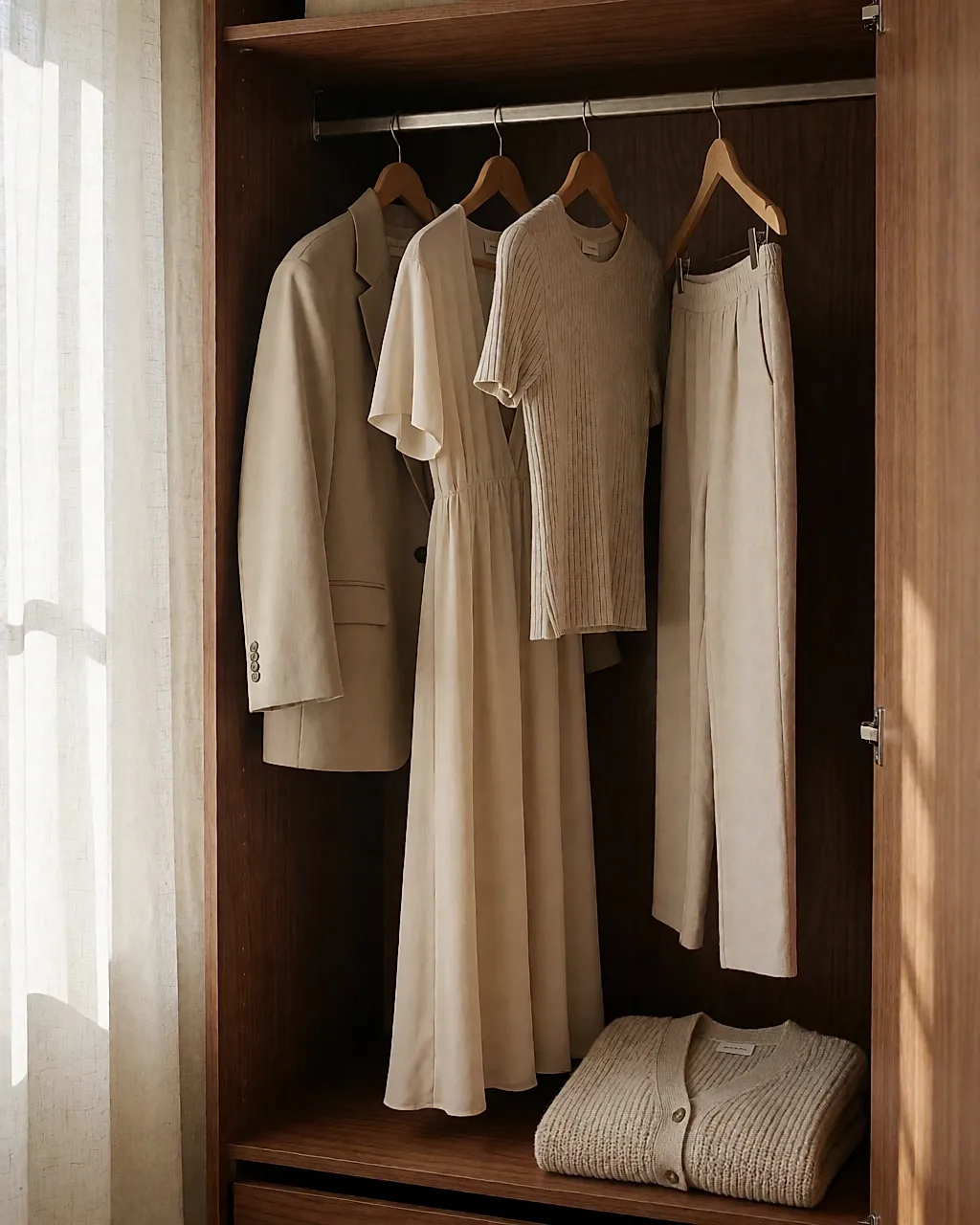
Pregnancy isn't a time when you have to fit into a box. There's no single way to be pregnant and stylish: some embrace close-fitting clothes, others prefer volume, others switch from day to day depending on their energy that morning. The real luxury in 2026 is a capsule wardrobe that keeps pace with a changing body — a few well-cut pieces, soft fabrics, and the right to wear what you like.
The good news: mainstream high-street brands are offering more and more cuts that work with pregnancy, without keeping them in a separate section. So you can carry on dressing like yourself, with a bump on top.
Comments
Your opinion matters: rate the article, react and reply to comments.
Comments are moderated; AI-assisted comments are flagged. Text emoticons (8-), :-), <3…) are automatically shown as images.