
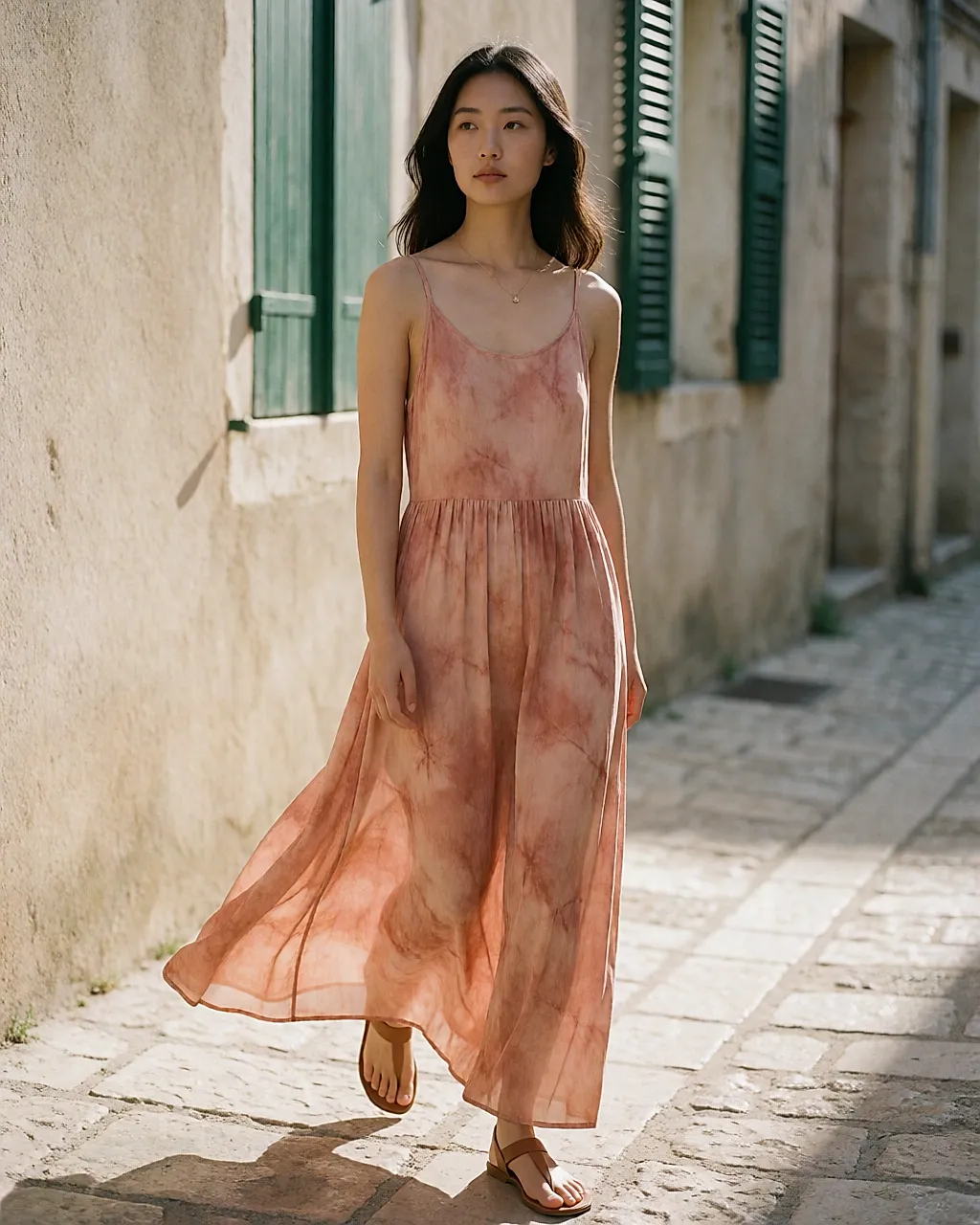
You folded it away at the back of the wardrobe last September, promising yourself you'd dig it out the following summer. Bad news for your storage system: the maxi dress is everywhere again — and not just in July. Honestly, it's the easiest thing to throw on when you're racing the clock: one garment, no faff, instant polish. All that's left is choosing the right one.
Why it's taking over again
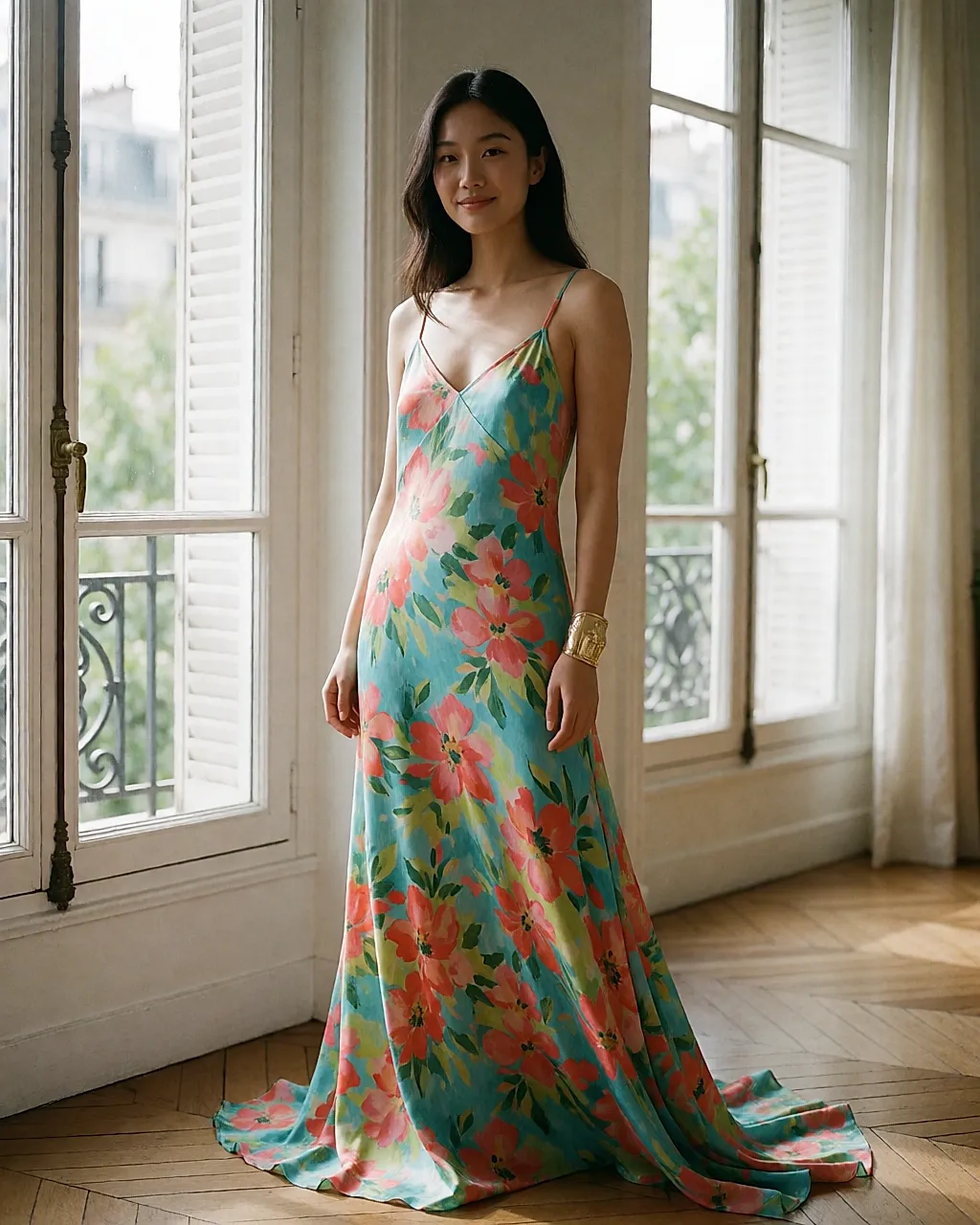
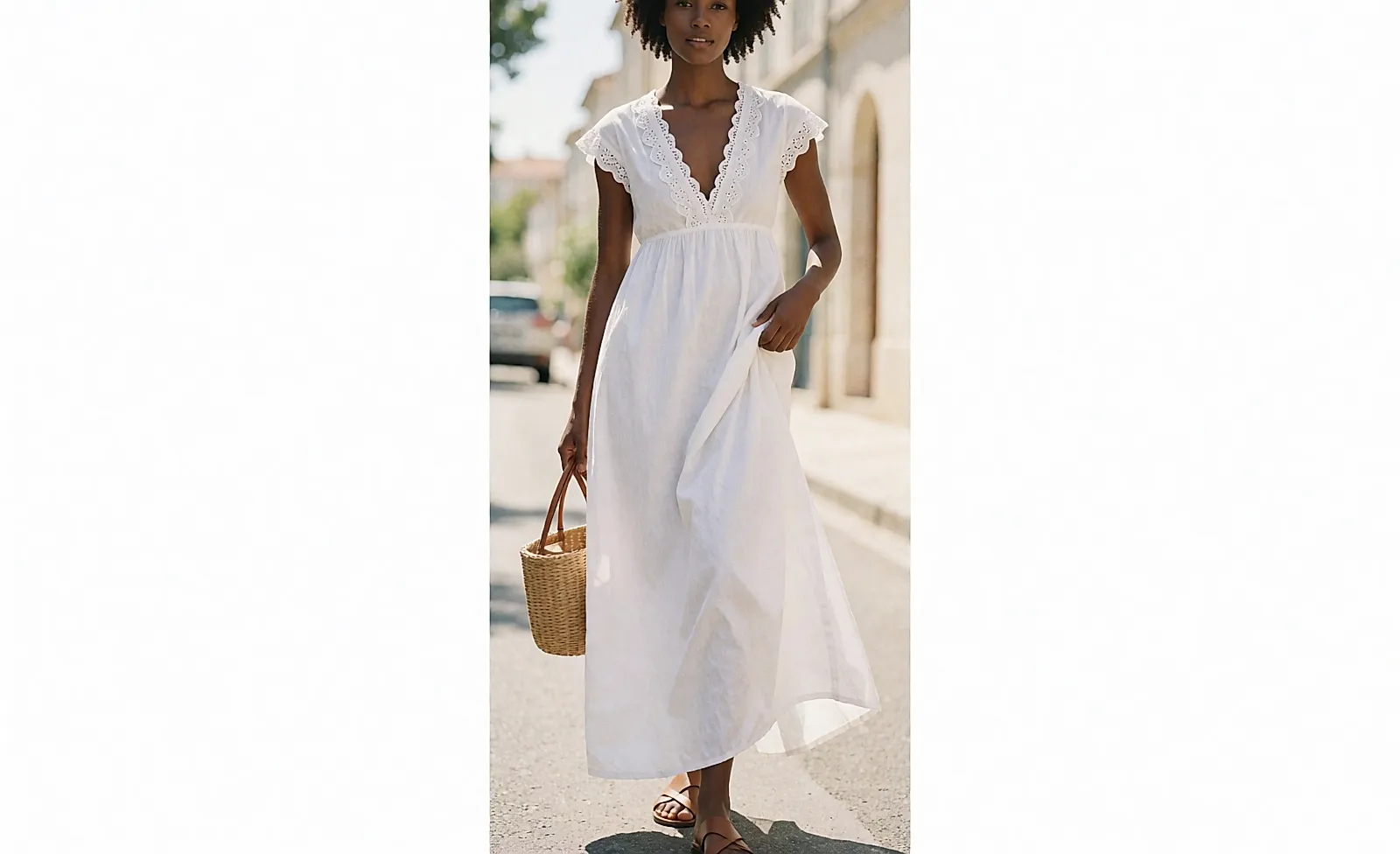
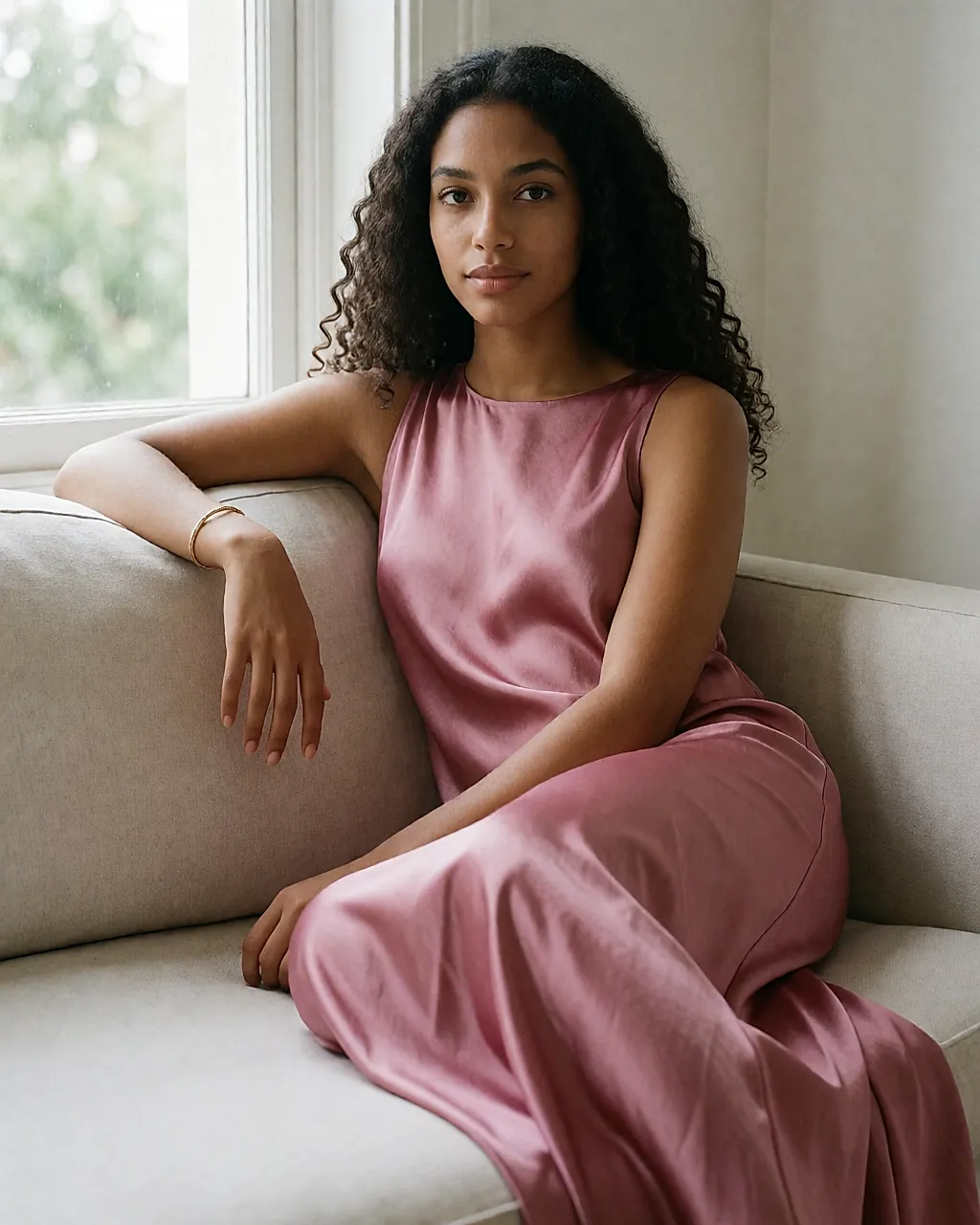
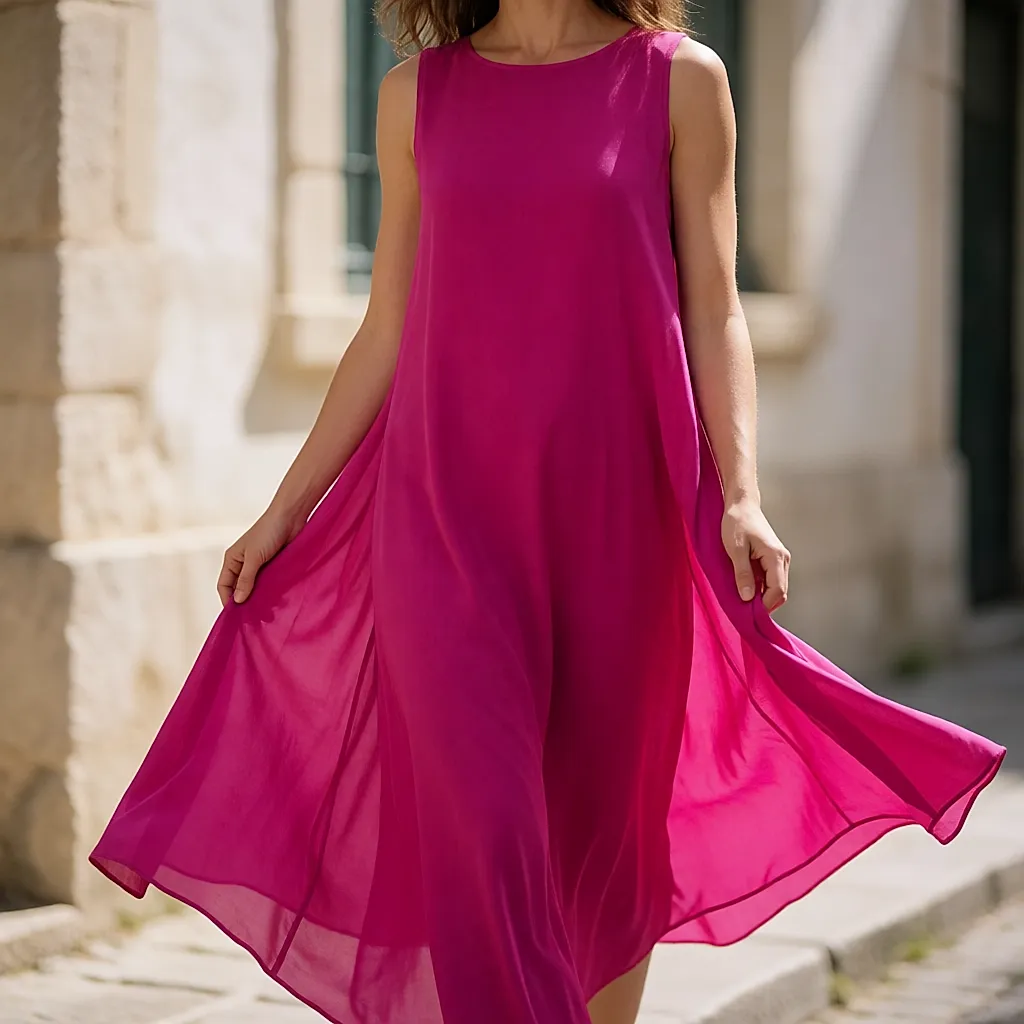
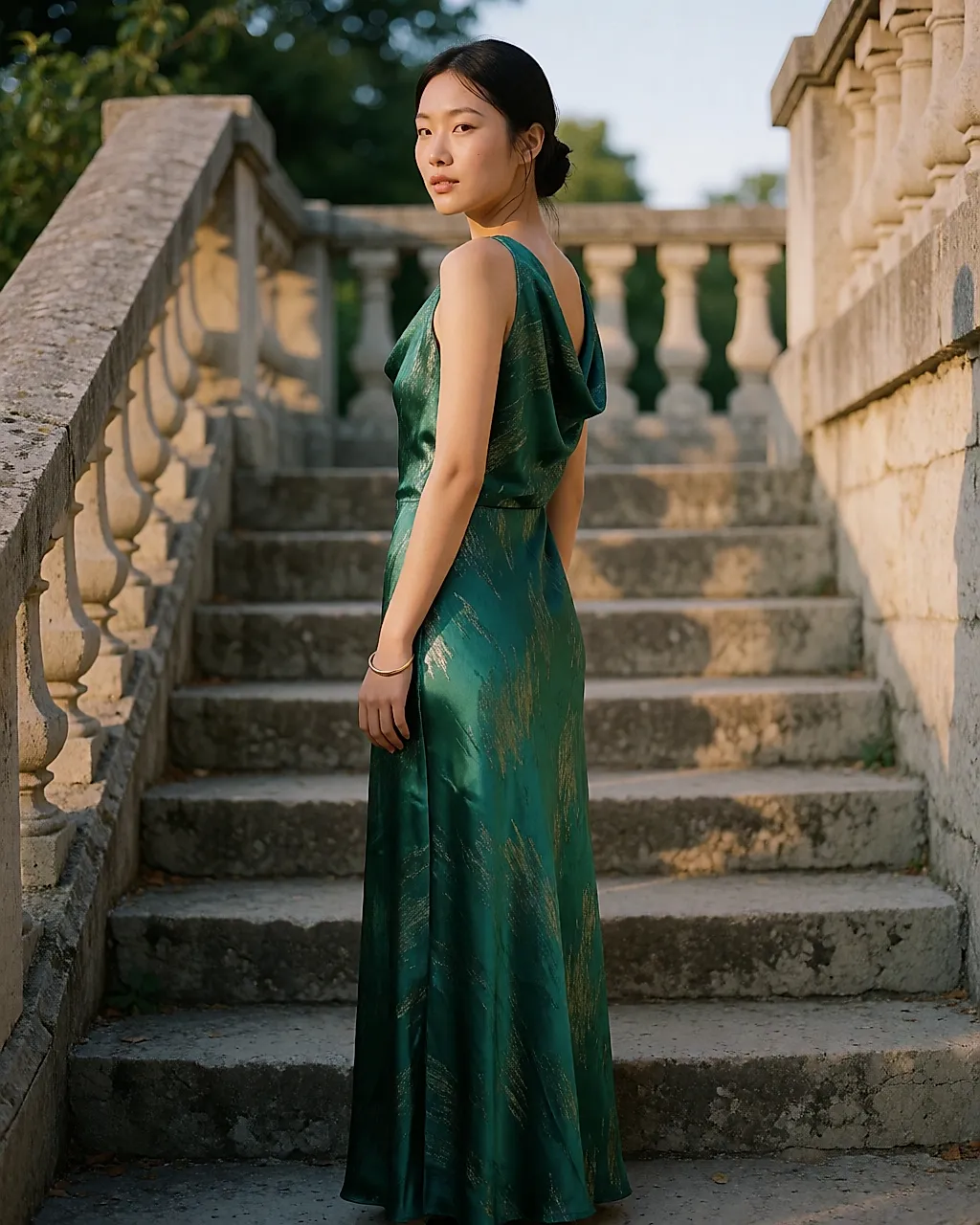
We won't rehash the catwalk history. What matters is what you see in shops and on the street: fabrics that hang beautifully (linen, viscose, light satin), relaxed cuts and prints that move from one season to the next. Its strength is versatility: the same dress works on the sand in August and under a blazer in November. That's the return that makes it worth buying — not the label.
On fabric, specifically: a tightly woven linen holds its shape better than a limp jersey and ages beautifully with every wash. GOTS-certified organic cotton sets standards for how it's grown and dyed — not an absolute guarantee of sustainability, but a more solid marker than "natural cotton" with nothing behind it. And a well-cut dress will live for years if you wash it cold and dry it flat: the most eco-friendly move is still keeping it for a long time.
The cut that suits almost everyone
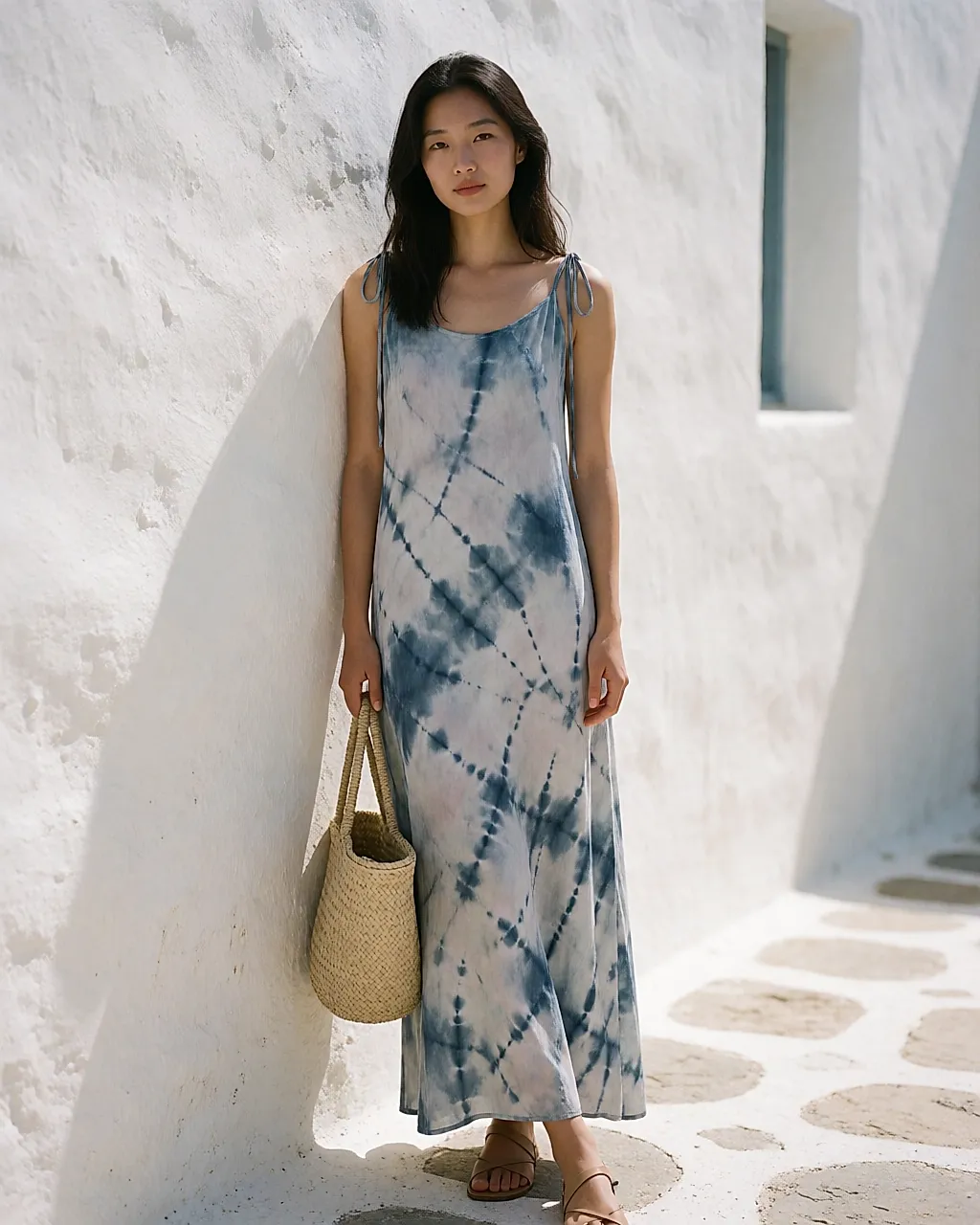
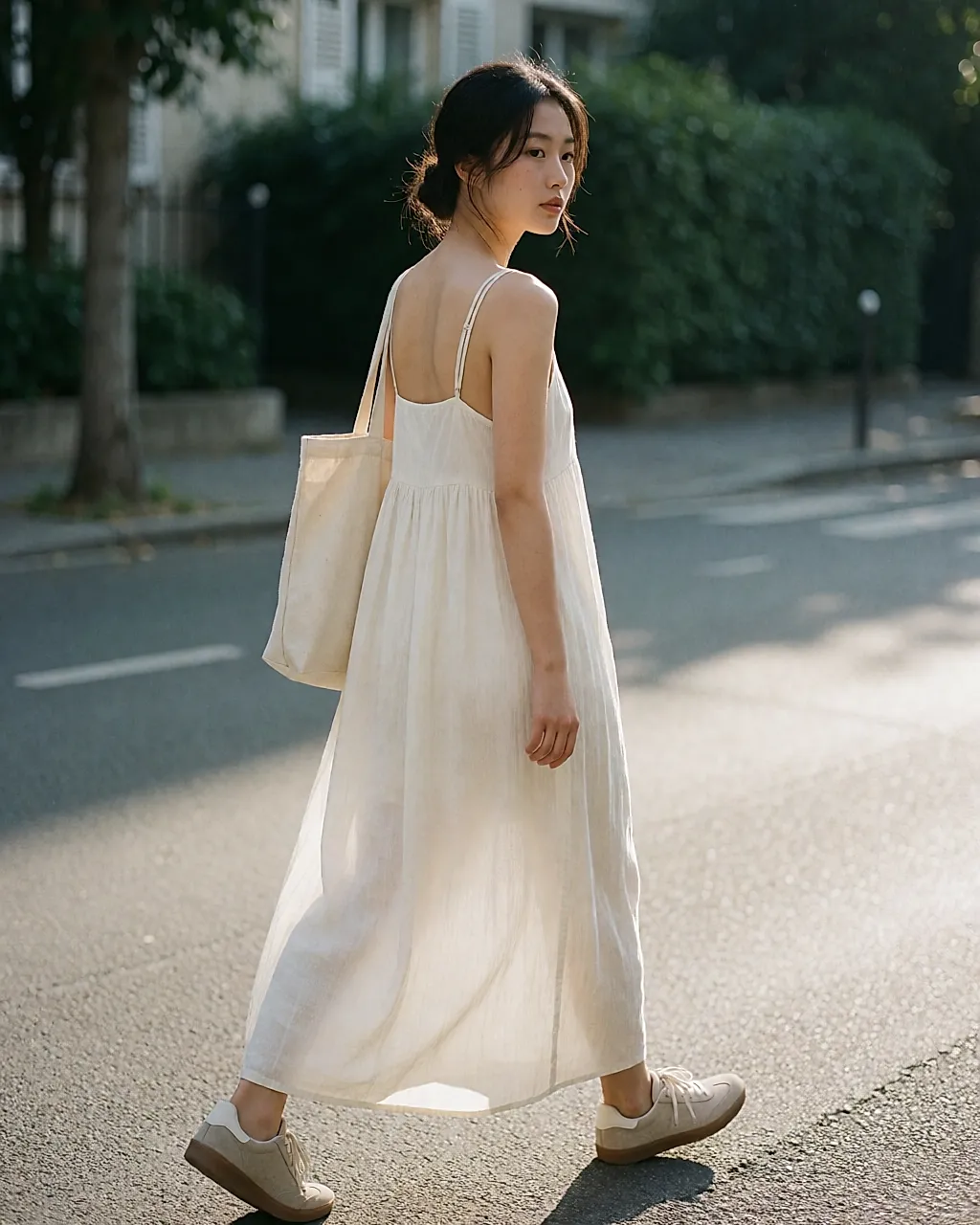
Bustier styles and fine straps remain safe bets, but the real rule lies elsewhere: fluidity. A dress that's too fitted breaks the silhouette instead of lengthening it. If you're petite, an empire waist or a tie under the bust lifts the eye and avoids the swamped-in-fabric look. If you're tall, almost anything works.
Prints or plains: two opposite strategies
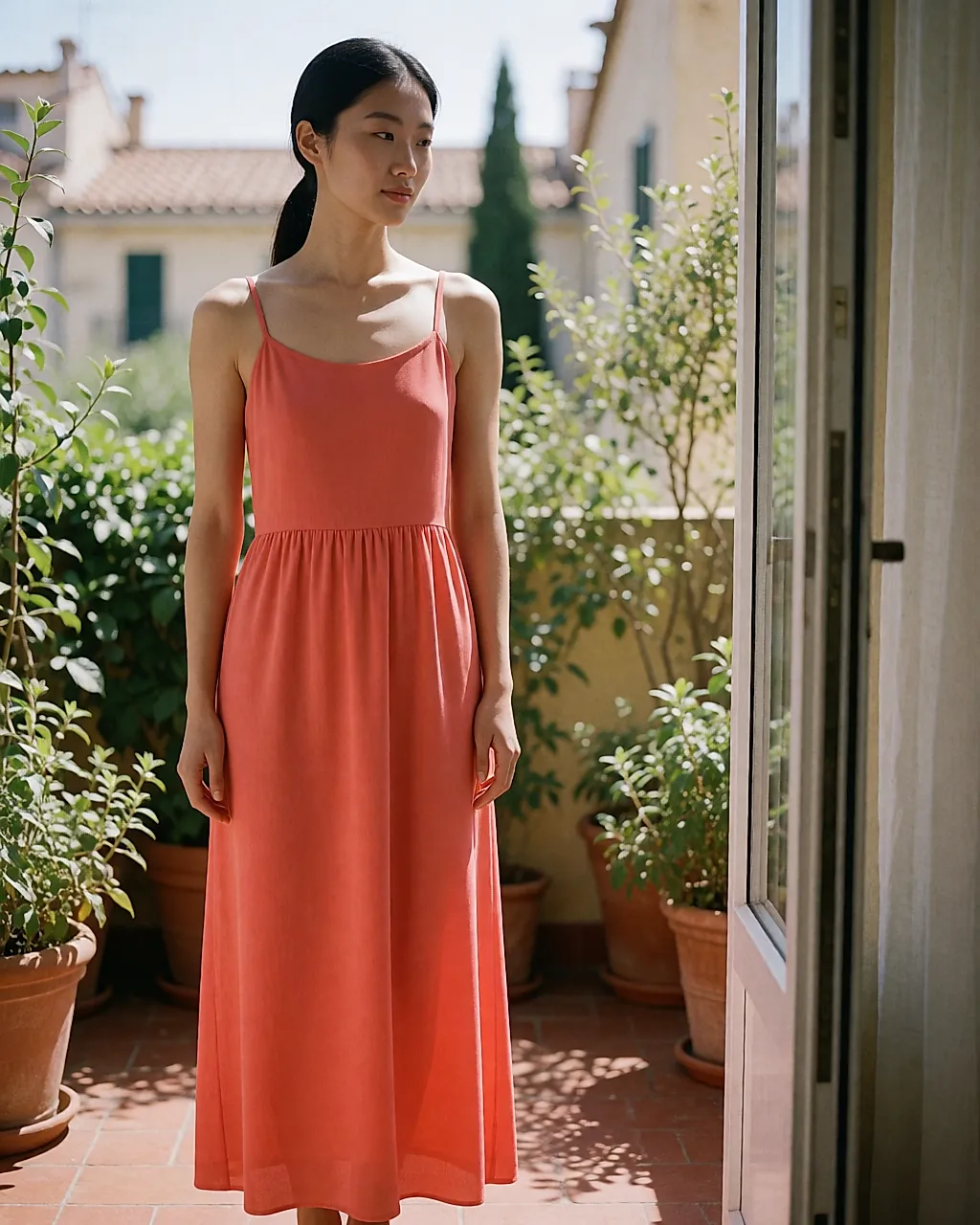
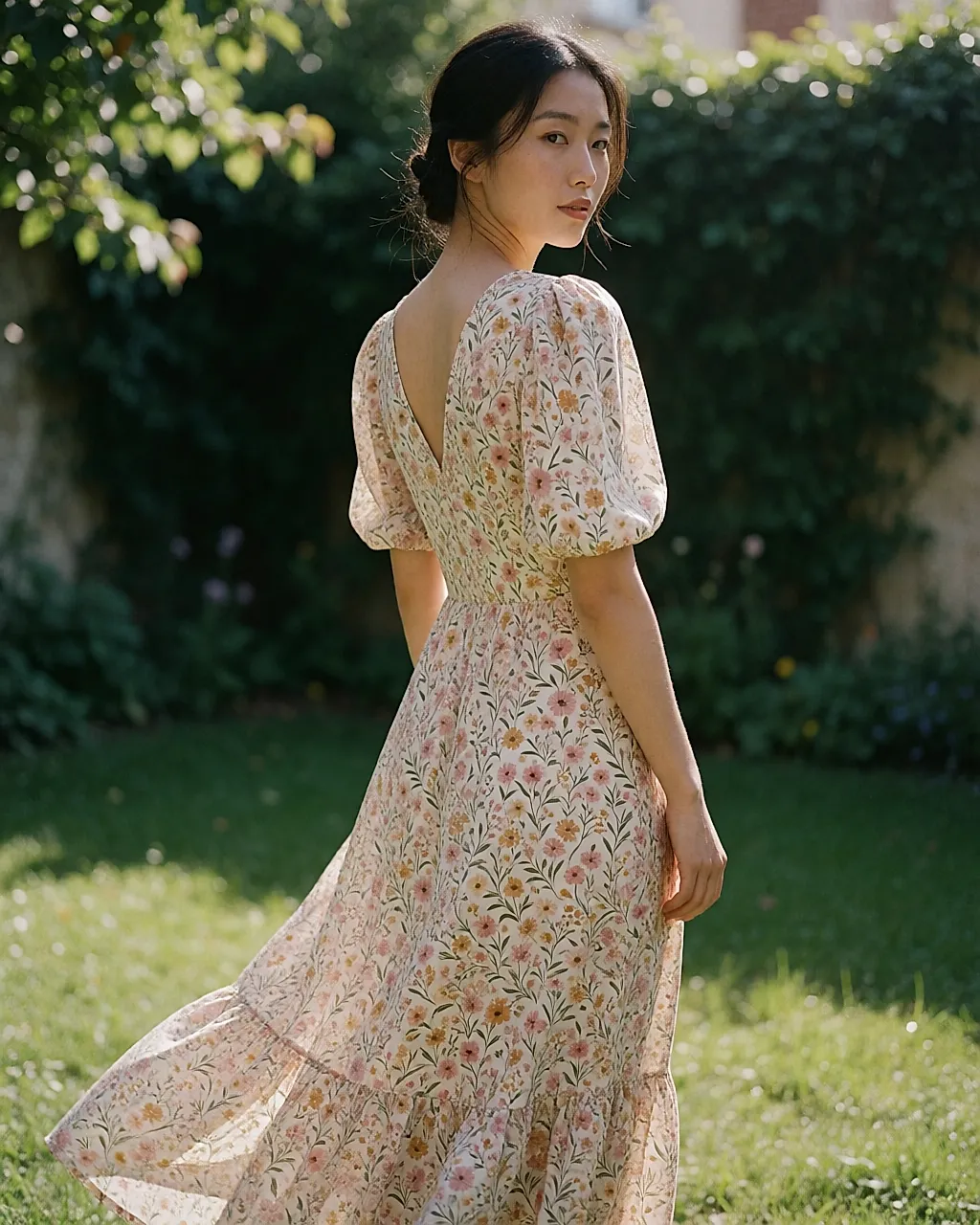
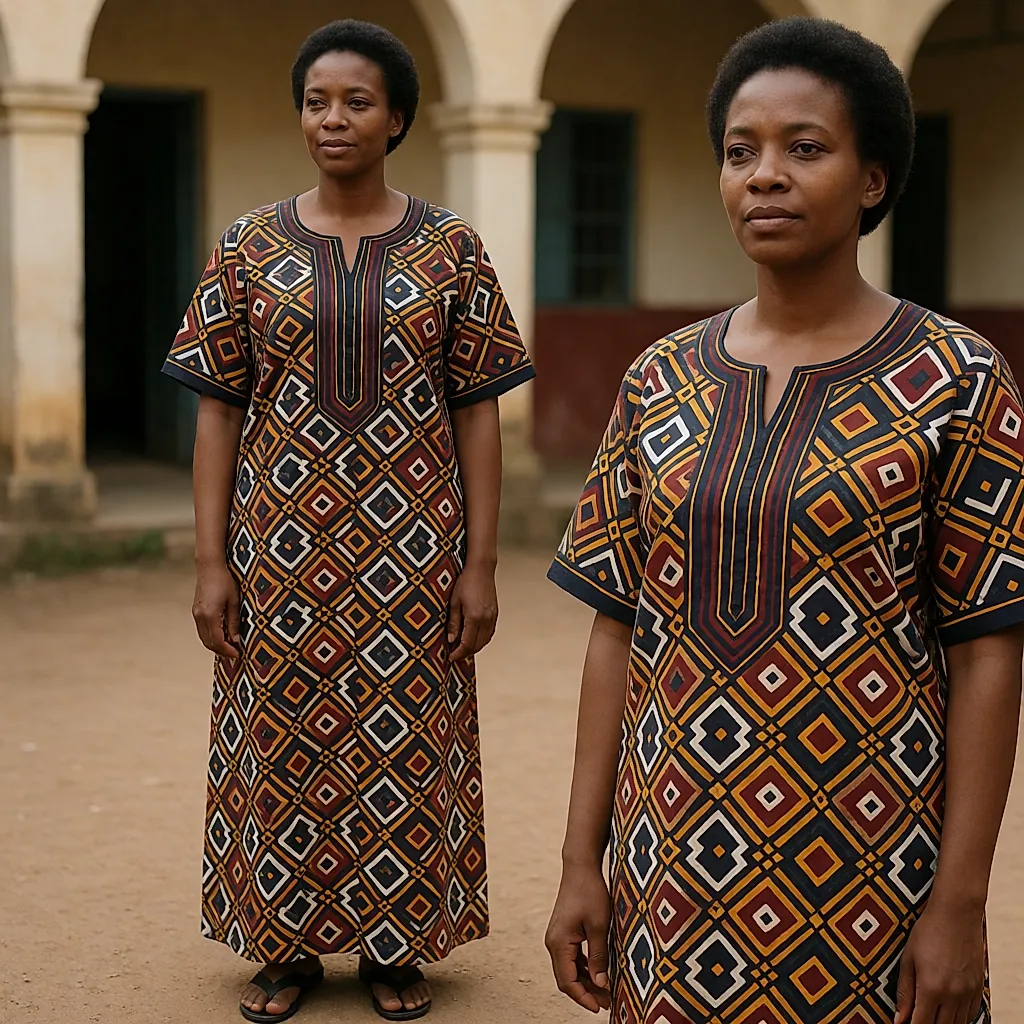
A floral printed dress speaks for itself. Add a wide belt or a chunky necklace and you're over-egging it. A plain dress, on the other hand — black, terracotta, olive green — is where you can go to town: statement earrings, a bright bag, strappy sandals. This is stylist advice, not a road-tested claim.
Shoes: put the heels away
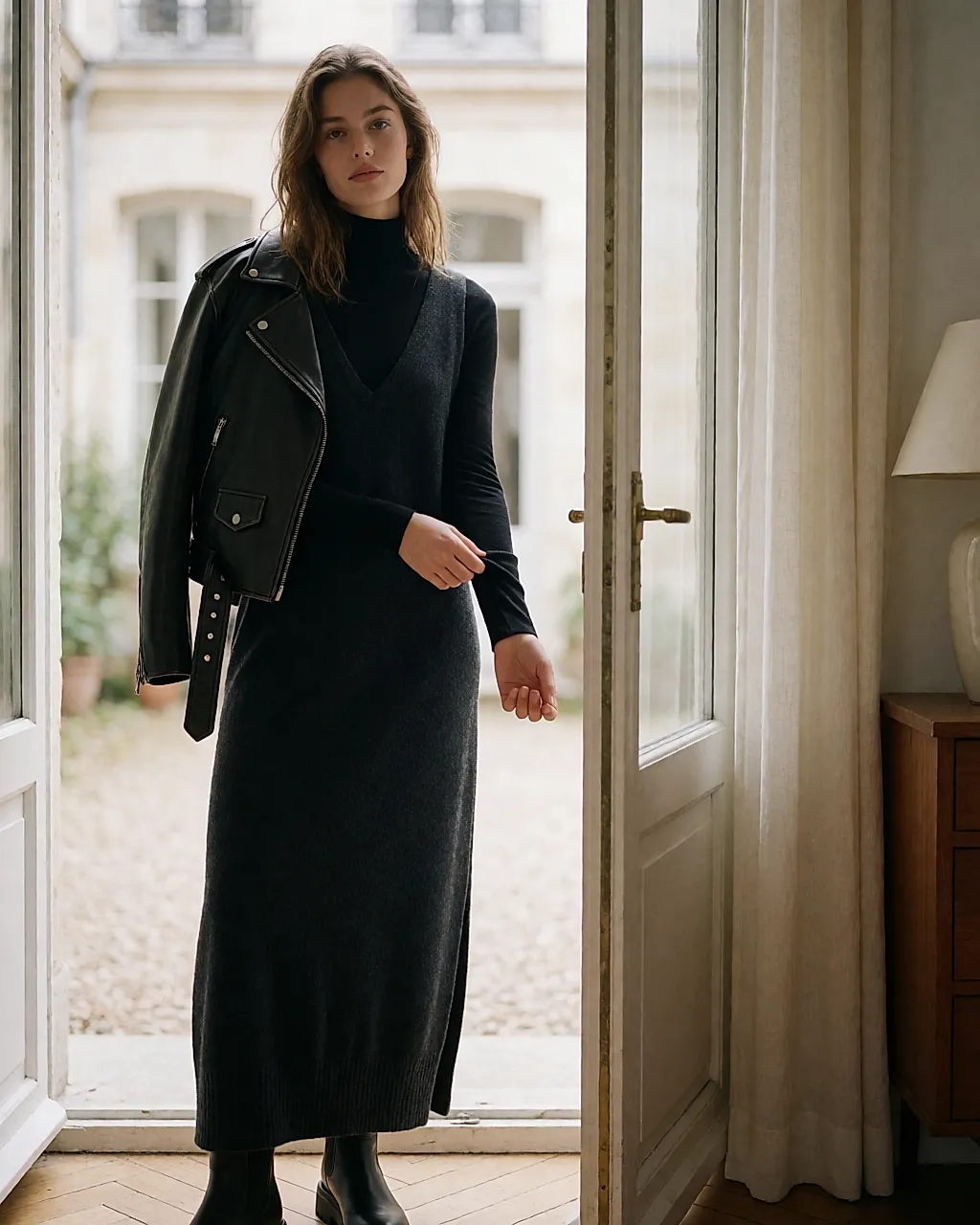
Flat sandals, gladiator sandals and walking sandals stay the summer basics. For the in-between months, try loafers or retro trainers: the contrast does the work. And when the cold arrives, biker boots or Western boots under a knitted maxi dress work too.
The one move worth trying: tie a slim ribbon or a narrow belt at the waist, even over a straight-cut dress. You redraw the silhouette in ten seconds, no tailor required.
The winter version
No need to pack it away for six months. An oversized blazer over the top, a biker jacket to cut the sweetness, or a chunky knit belted at the waist: the maxi dress becomes a credible autumn piece. Opaque tights if the cold really bites.
Budget
Prices vary widely across the market, so here are some ballpark figures seen in the UK.
- Entry level: high-street chains and supermarket clothing ranges — around £20 to £50.
- Mid-range: UK ready-to-wear brands and multi-brand online retailers — more like £60 to £150.
- Premium and designer: £200 and up, sometimes far more depending on the fabric.
What pushes the price up: the fabric (cotton and viscose at one end, linen, silk or technical fibres at the other), where it's made, the finishing and, of course, the label. As for where to shop, you'll find the same cuts in supermarket clothing ranges, on the high street and on multi-brand sites — plus pre-loved sites and charity shops, if you want a premium piece at a fraction of the price.

Comments
Your opinion matters: rate the article, react and reply to comments.
Comments are moderated; AI-assisted comments are flagged. Text emoticons (8-), :-), <3…) are automatically shown as images.