
You've almost certainly lost an hour scrolling through photos of Serena van der Woodsen, wondering why your blazer doesn't quite do what hers does. The answer rarely lies in the piece itself: it comes down to the drape, the proportions and how the whole thing is styled. We've gone back through the character's most talked-about outfits — and the work of costume designer Eric Daman — to pin down what still works in 2026 without tipping into fancy dress.
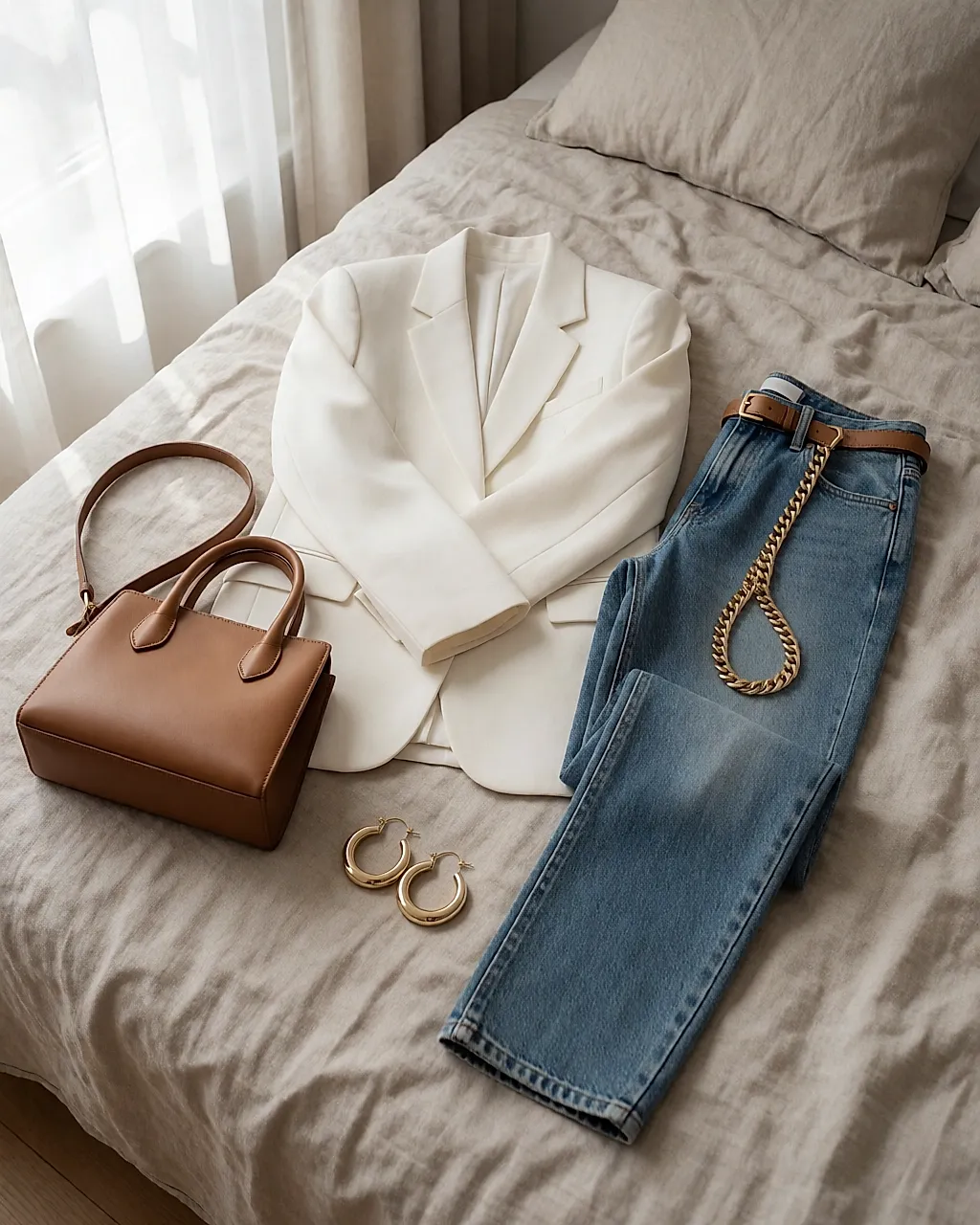
A neutral base, one accent per look
The principle fits in a sentence: a neutral base, one detail that does the talking. A sharp-shouldered blazer over raw denim, a fluid maxi dress underneath, and one accessory that catches the light — a slim belt, a structured bag, statement earrings. Serena rarely stacks three hero pieces: she picks one and lets everything else pull back. That's what makes her look so easy to read, even in a snatched candid.
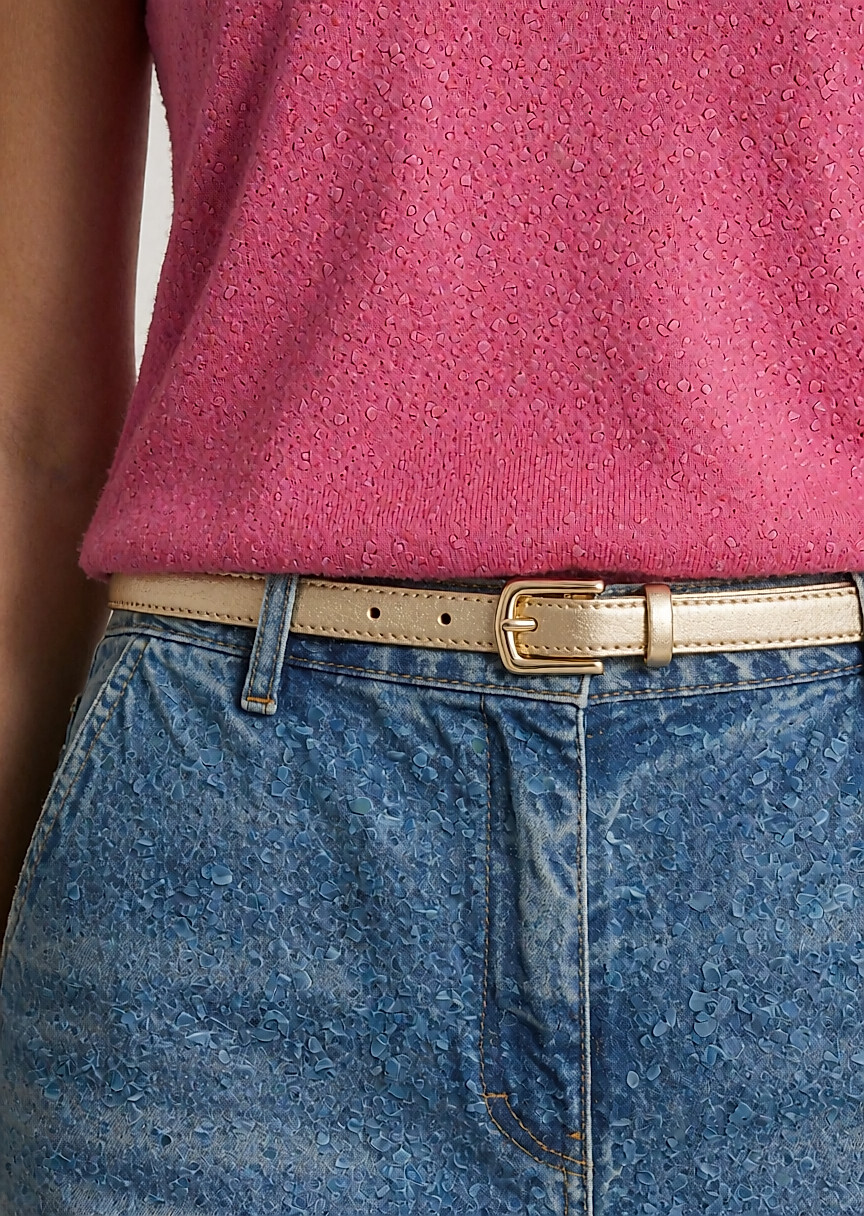
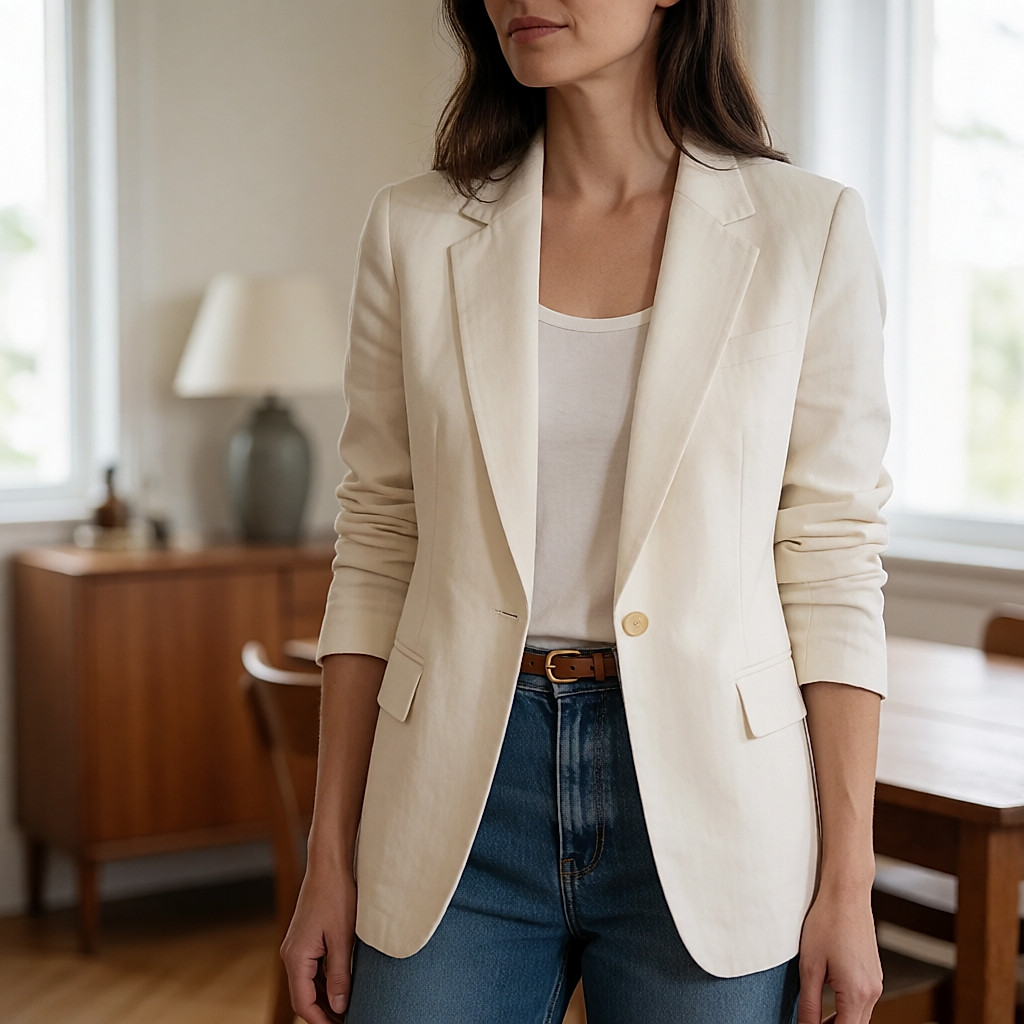
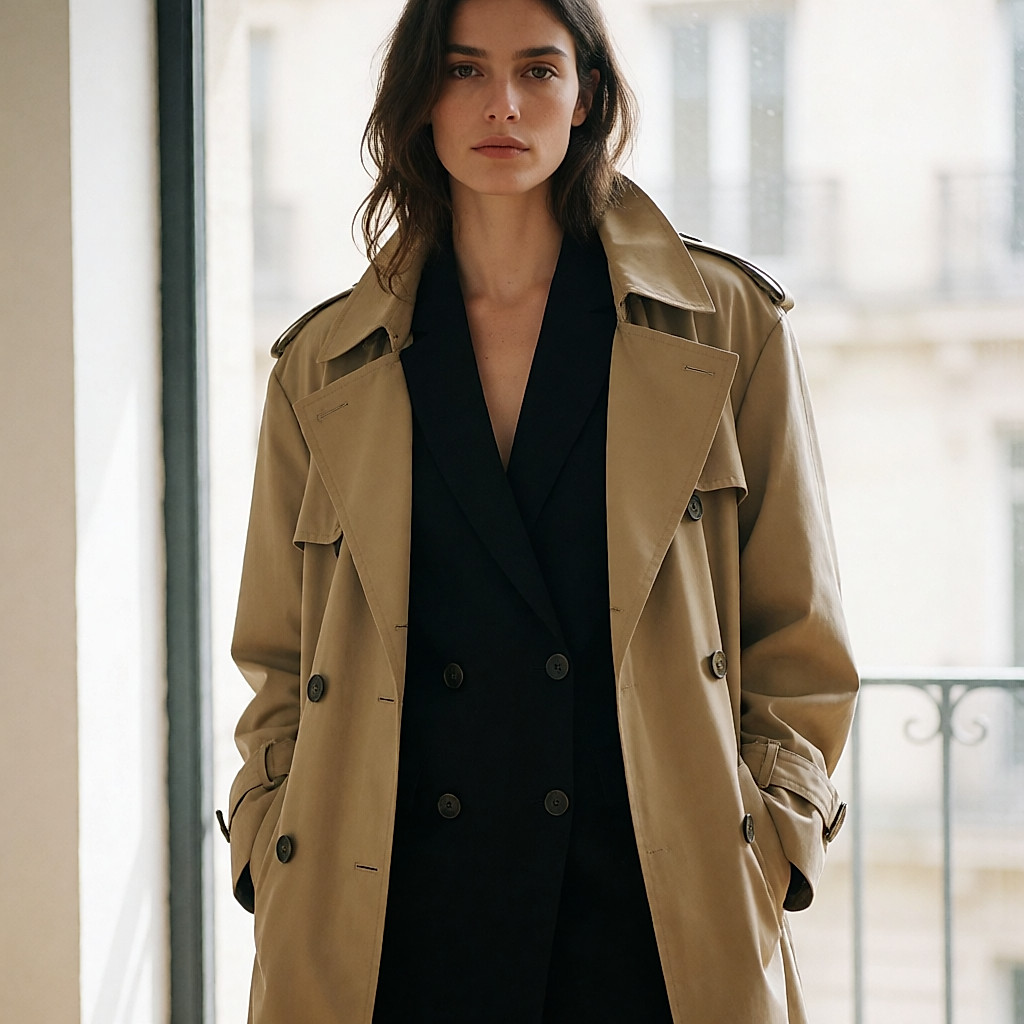
The casual layering that rarely tips into scruffy
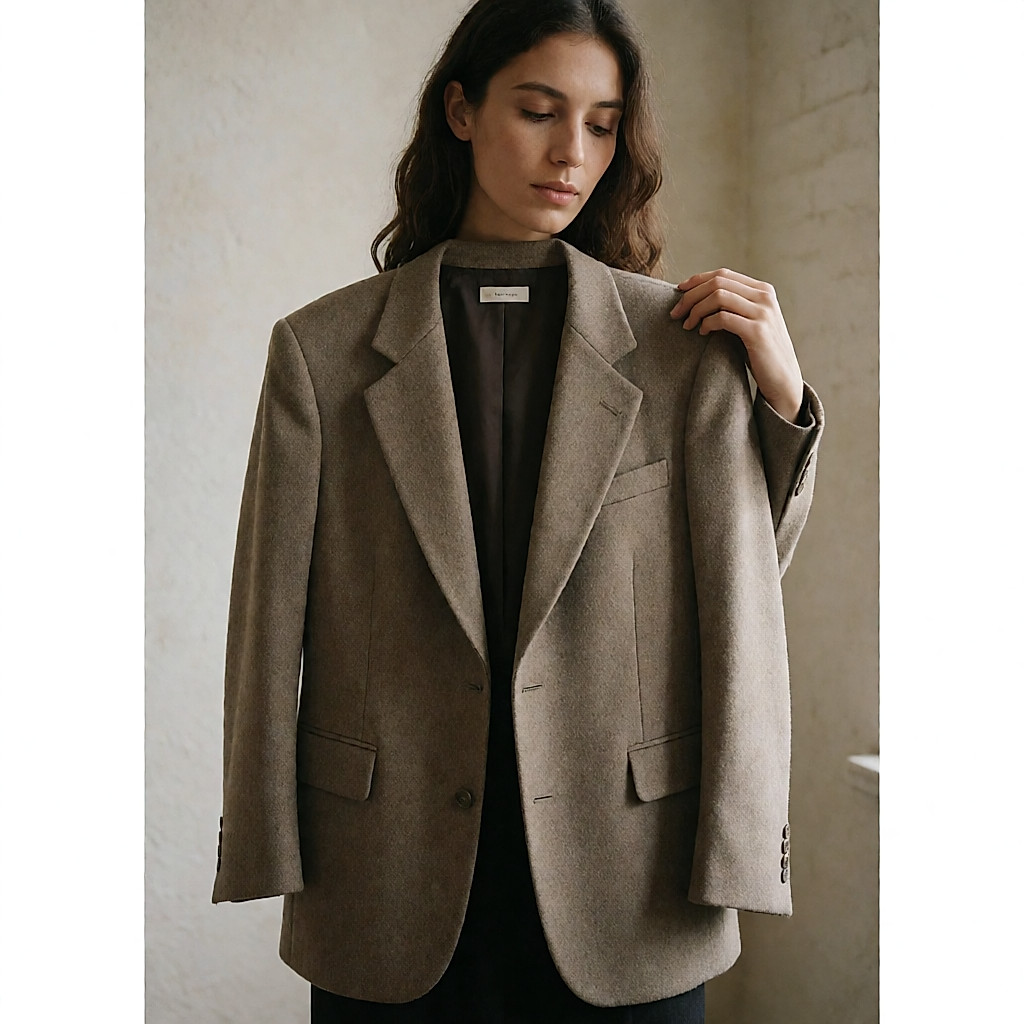
Throwing a blazer over a plain tee is the backbone of her wardrobe. Add a straight-cut trench on top and you get three layers that stay sharp — on one condition: each one slightly longer than the layer beneath it. Shortest to longest as you move outwards, as a rule.
For cold days, the shearling + oversized scarf + beanie combination still works, but keep your bottom half close-fitting so you don't drown in fabric. And look closely at the material: shearling is hard to look after, and its traceability isn't always clear. If you'd rather sidestep it, look at recycled-wool coats and check for GRS (Global Recycled Standard) certification where it's stated.
When it's time to bring out the big guns
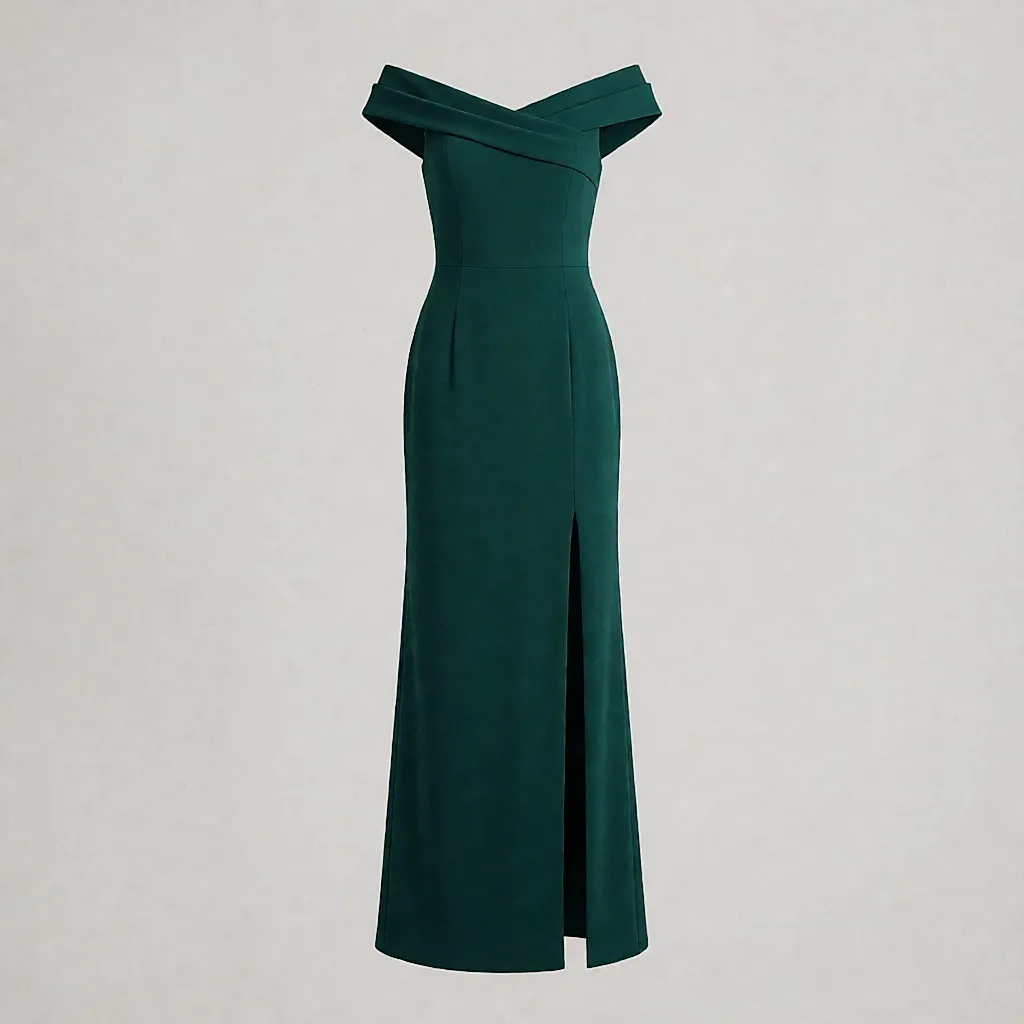
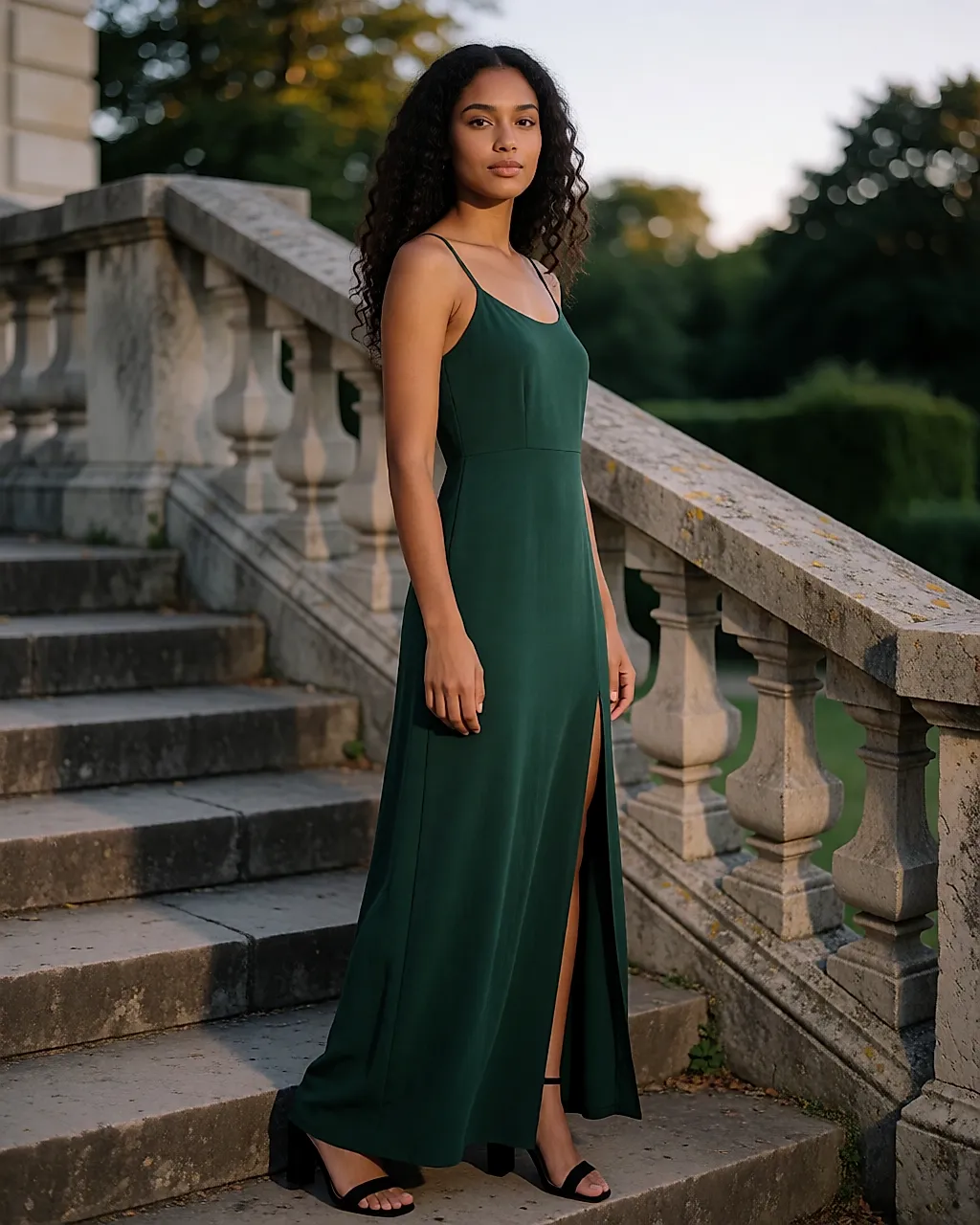
Slit dresses, sequins, heels: the lesson isn't about quantity, it's about cut. A slit dress works if the fabric has weight — crepe, dense viscose, Lyocell — not if it's thin and scratchy. On the sequin front, be honest with yourself: they're often plastic, so save them for pieces you'll genuinely wear for years. The more considered compromise is glass beads or matte embroidery.
The retro wardrobe
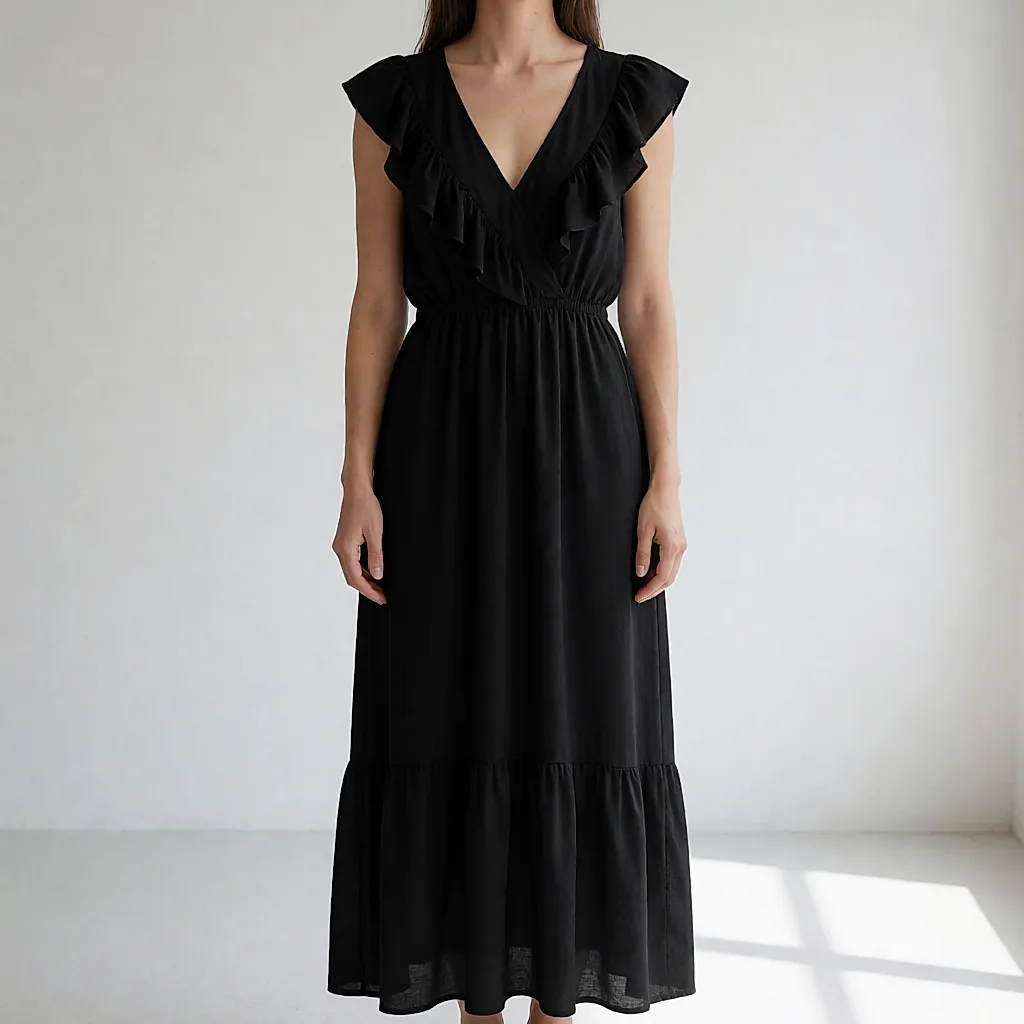
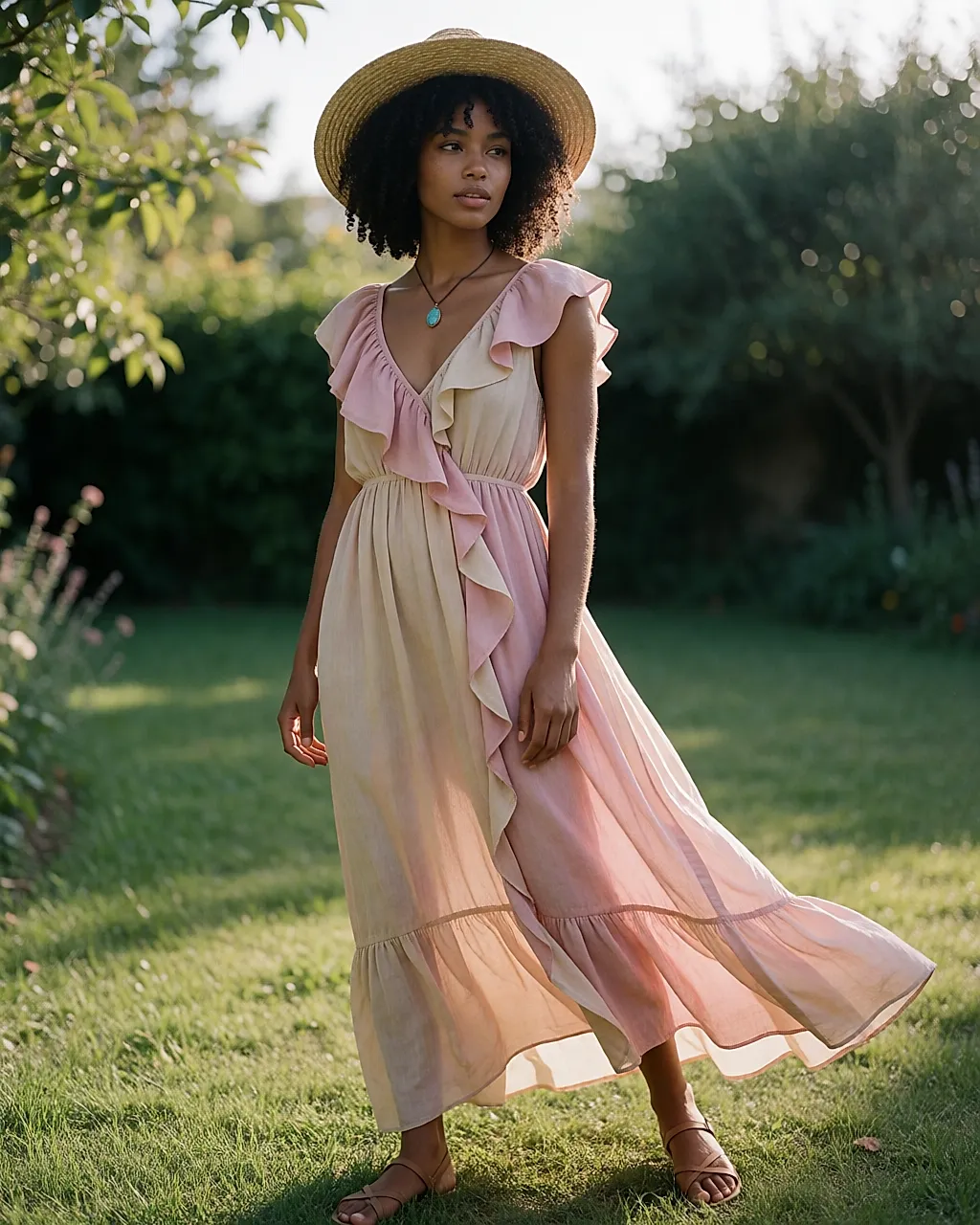
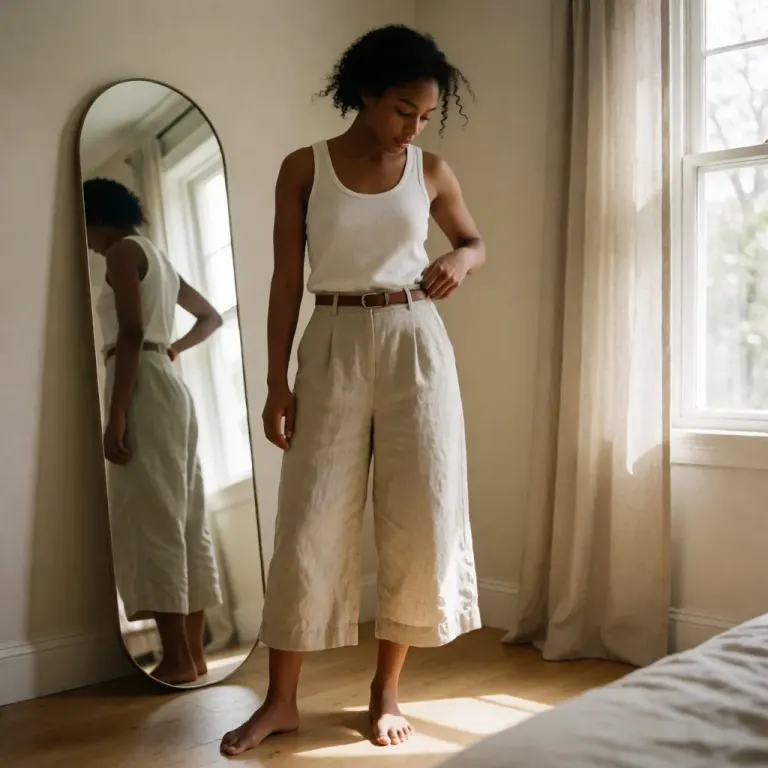
A ruffled maxi dress with a straw hat, or powder-toned dressing with high-waisted wide-leg trousers and a turquoise necklace: these are among the easiest looks to lift straight into real life. They lean on generous volume, soft shades and quiet texture rather than a bold print. Style with one piece of standout jewellery, or the silhouette blurs.
Three questions before you splurge on a Serena-style piece: can I wear it with at least three things I already own? Does it hang well when I'm sitting down, not just standing in front of the mirror? Will I still be wearing it in three years? One 'no' and it goes back on the rail.
Budget
- Blazer: £50 to £110 on the high street, £150 to £300 in recycled or certified wool.
- Trench: £60 to £170 in conventional cotton, £130 to £300 in GOTS organic cotton.
- Maxi dress: £45 to £130 on the high street, £170 to £430 from an independent designer.
- Boots: £75 to £260. Structured bag: £35 to £170.
What moves the price? The raw material, the certification, where it's made and whether it can be repaired. Where to look? High-street chains and online multi-brand retailers for the basics; second-hand for statement pieces, where a well-cut blazer often goes for £25 to £50; independent makers for something built to last.
Three useful reference points: GOTS covers the textile processing of organic fibres — growing the organic cotton itself falls under recognised organic farming standards; OEKO-TEX Standard 100 checks for harmful substances, but not overall impact; the EU Ecolabel covers the whole life cycle. None of them guarantees you'll still be wearing the piece in ten years — that part is down to you.
Sources
- Gossip Girl, series created by Josh Schwartz and Stephanie Savage, The CW, 2007-2012.
- Eric Daman, You Know You Want It: Style, Inspiration, Confidence, 2009.
- Global Organic Textile Standard (GOTS), international standard.
- OEKO-TEX Standard 100, criteria published by the International Association for Research and Testing in the Field of Textile and Leather Ecology.
- EU Ecolabel, "textile products" category.
- WRAP (Waste & Resources Action Programme), UK organisation working on textile reuse and recycling.
Comments
Your opinion matters: rate the article, react and reply to comments.
Comments are moderated; AI-assisted comments are flagged. Text emoticons (8-), :-), <3…) are automatically shown as images.