
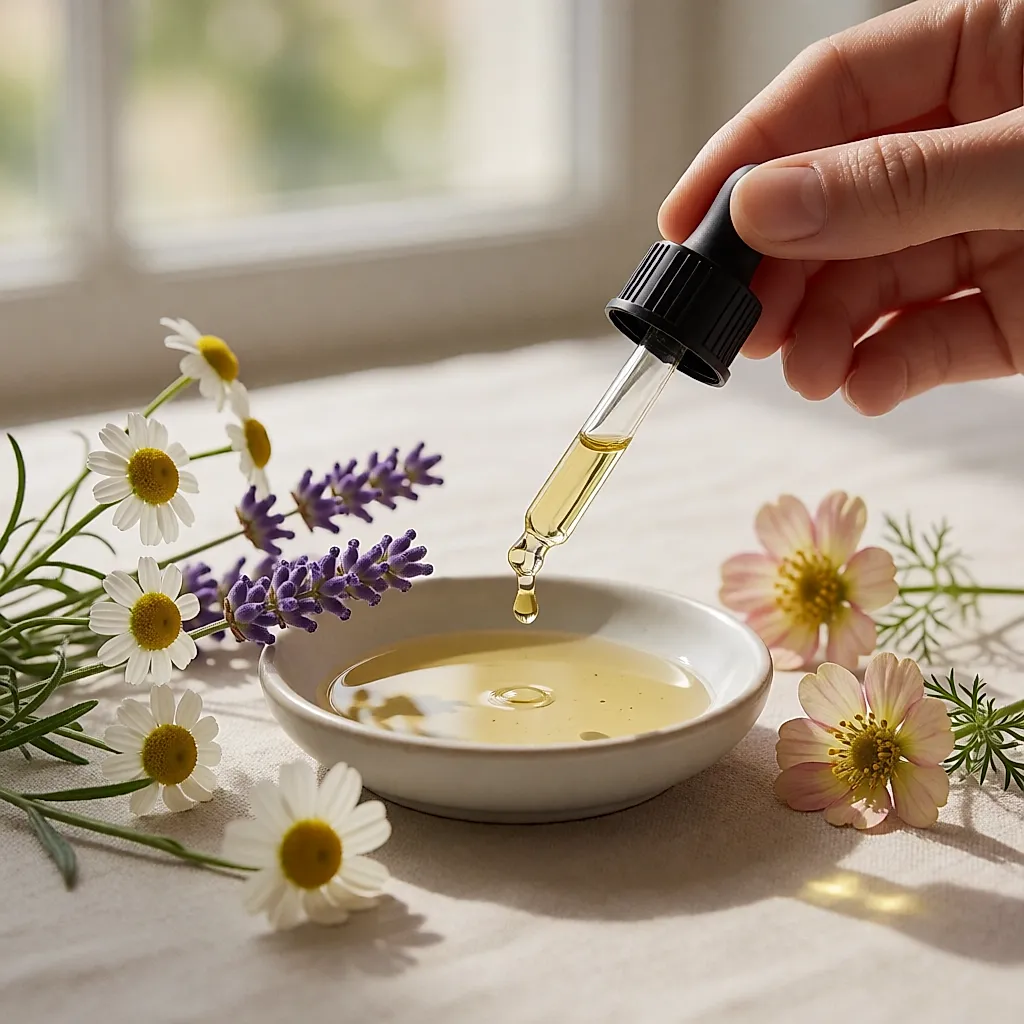
Beauty products no longer have to mean a long list of complicated, synthetic or frankly questionable ingredients – or at least, that is the hope. Books and articles on making your own cosmetics from 100% natural ingredients keep multiplying, and that can only be a good thing. Among these natural ingredients, one has earned star status in organic beauty: essential oils. Used properly, they are lovely to work with and genuinely useful in a beauty routine.
So, for anyone who likes to get stuck in and mix up their own beauty potions and blends, here is a selection of essential oils chosen for their cosmetic properties.
Carrot essential oil (Daucus carota). It is mainly used on the face, where it is traditionally valued for the comfort it brings and for its woody scent. That scent is fairly strong and can be off-putting to some, but it softens once the oil is blended.
Roman chamomile essential oil (Chamaemelum nobile). Traditionally used to soothe feelings of discomfort, it is ideal for irritated skin that feels tight and prickly, and particularly suited to sensitive and dry skin. Its scent is soft and pleasant.
Benzoin essential oil (Styrax benzoin). Traditionally used for young skin prone to oiliness, it can also suit dry skin. It is valued for its softening feel and sweet smell, which is fine by us.
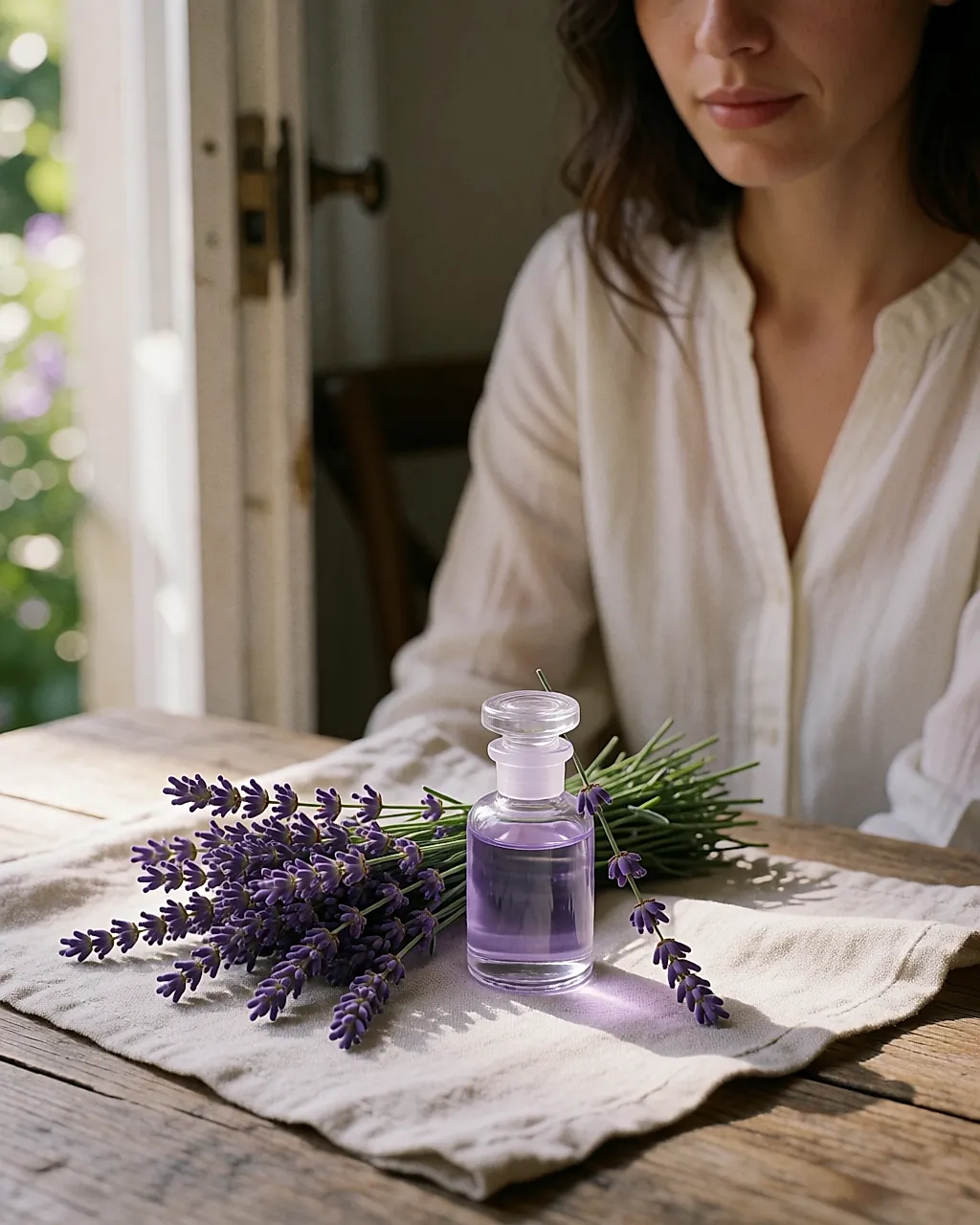
Fine lavender essential oil (Lavandula angustifolia). A real joy for beauty, as it looks after the face, hair and body. It helps balance combination skin, makes a brilliant body oil with a fresh scent, and is traditionally used in scalp care; clinical evidence for an effect on hair regrowth remains insufficient.
Vetiver essential oil (Vetiveria zizanioides). Aimed mainly at oily skin, vetiver essential oil is traditionally used as a supporting cosmetic; for acne, it is better to ask a healthcare professional. Blended, it makes a post-shave lotion that men appreciate for the comfort it gives.
Rose essential oil (Rosa centifolia). Multi-purpose and ideal for all skin types. Traditionally used on the face as well as the body, in a massage or as a treatment.
Grapefruit essential oil (Citrus grandis). Again, it suits the face, body and hair. Traditionally used in cosmetics for its fresh scent and fresh feel.
Niaouli essential oil (Melaleuca quinquenervia). Traditionally used in cosmetics for skin prone to oiliness. If you have a cold sore or acne, ask a doctor or pharmacist: an essential oil does not treat these conditions. For cosmetic use, follow the label and dilute it, and never apply it neat to a lesion.
Lemongrass essential oil (Cymbopogon citratus). It gives hair shine and beauty (just one or two drops mixed into shampoo); traditionally used for its scent and in very cautious dilution, it is not a substitute for an antiseptic. Be careful, though: this essential oil is very strong and therefore irritating, so it must be used cautiously and very well diluted.
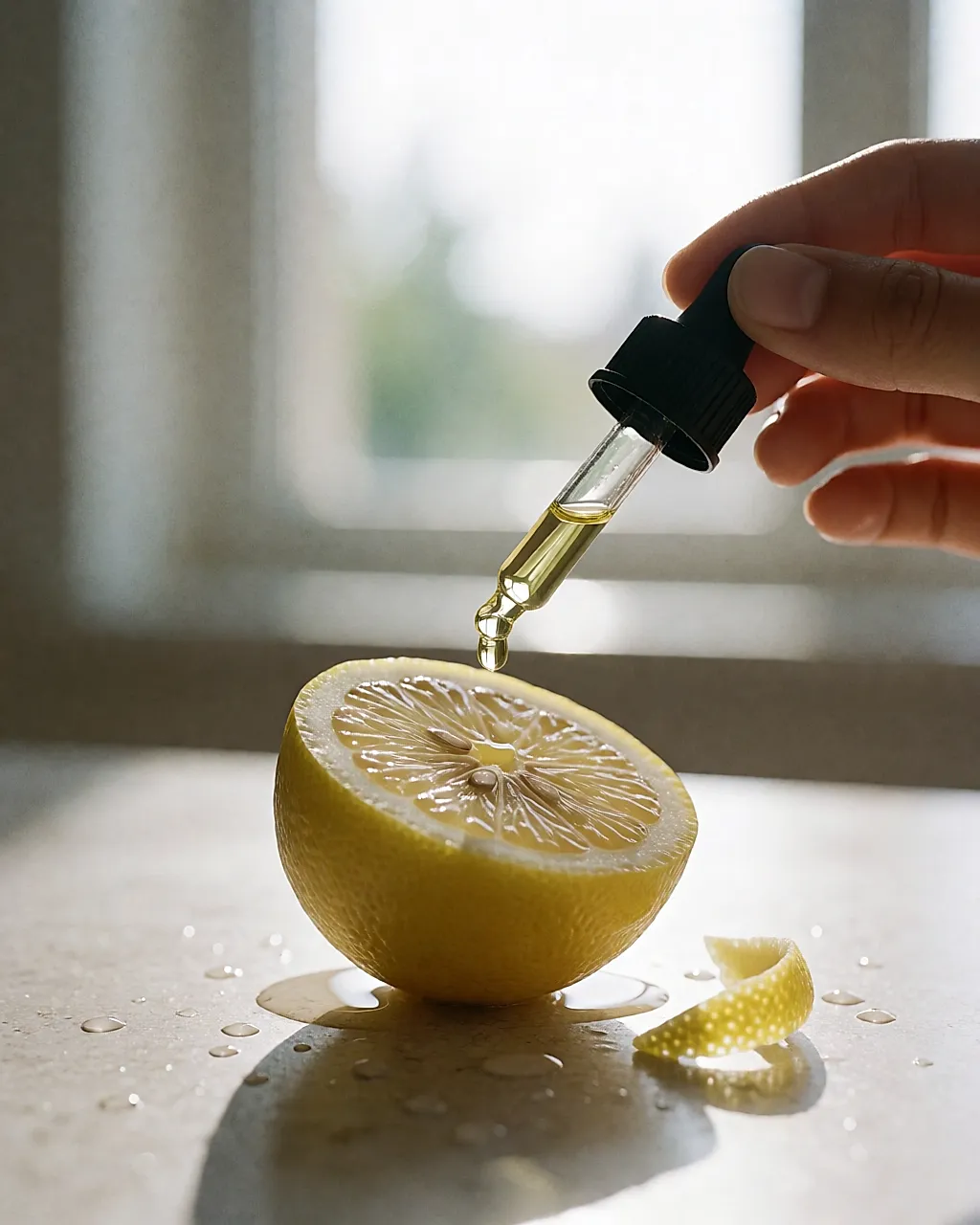
Lemon essential oil (Citrus limon). Traditionally used in cosmetics for tired, oily or open-pored skin, and for scalps prone to oiliness; it is valued for its bright scent. Keep it for diluted use only, and do not expose the skin to sun afterwards: citrus essences are phototoxic.
Petitgrain essential oil (Citrus aurantium). Perfect for face and hair care, petitgrain essential oil is traditionally used for its gentle scent and suits all skin types. It is also valued for dry, damaged hair.
Warning! It bears repeating: pure essential oils are plant-derived, but 'natural' does not guarantee purity or safety: they must be used with care.
- In general, they should not be used neat but diluted, apart from a few exceptions. If in doubt, ask a professional! Some essential oils are particularly irritating to the skin, notably lemongrass and other citrus peel essences: these must therefore be very well diluted and never used neat.
- Before using any essential oil, check that you tolerate it: dilute one drop in a few drops of ordinary carrier oil, apply it to your wrist and wait a few hours. If you feel burning or tingling, or if redness appears, wash it off immediately with water: you are probably allergic to it.
- Avoid any contact between essential oil and your eyes.
- Essential oils are not recommended for pregnant women, and some are strictly contraindicated. If you are pregnant, it is better to wait until after the birth – and, if you plan to breastfeed, until you have finished breastfeeding – before using them.
- Store your essential oils away from light and heat and out of reach of children! They should not be used on babies or children either.
- For external use (on skin or hair), the ideal is to dilute them in a carrier oil, a neutral cleansing base or a suitable dispersant; never add neat drops to bath water. Always read the leaflet supplied with the essential oil. For internal use (swallowing), always seek advice from a professional.
- Also be careful when choosing essential oils: the market is booming, and so are poor-quality products! The word 'natural' on your bottle does not mean the oil is good quality. It is better to buy from specialist shops or a pharmacy. Choose organic essential oils where possible, though bear in mind that wild-harvested plants can be certified organic under certain conditions: check the certification and origin. Finally, be wary of prices that are too low, however tempting.
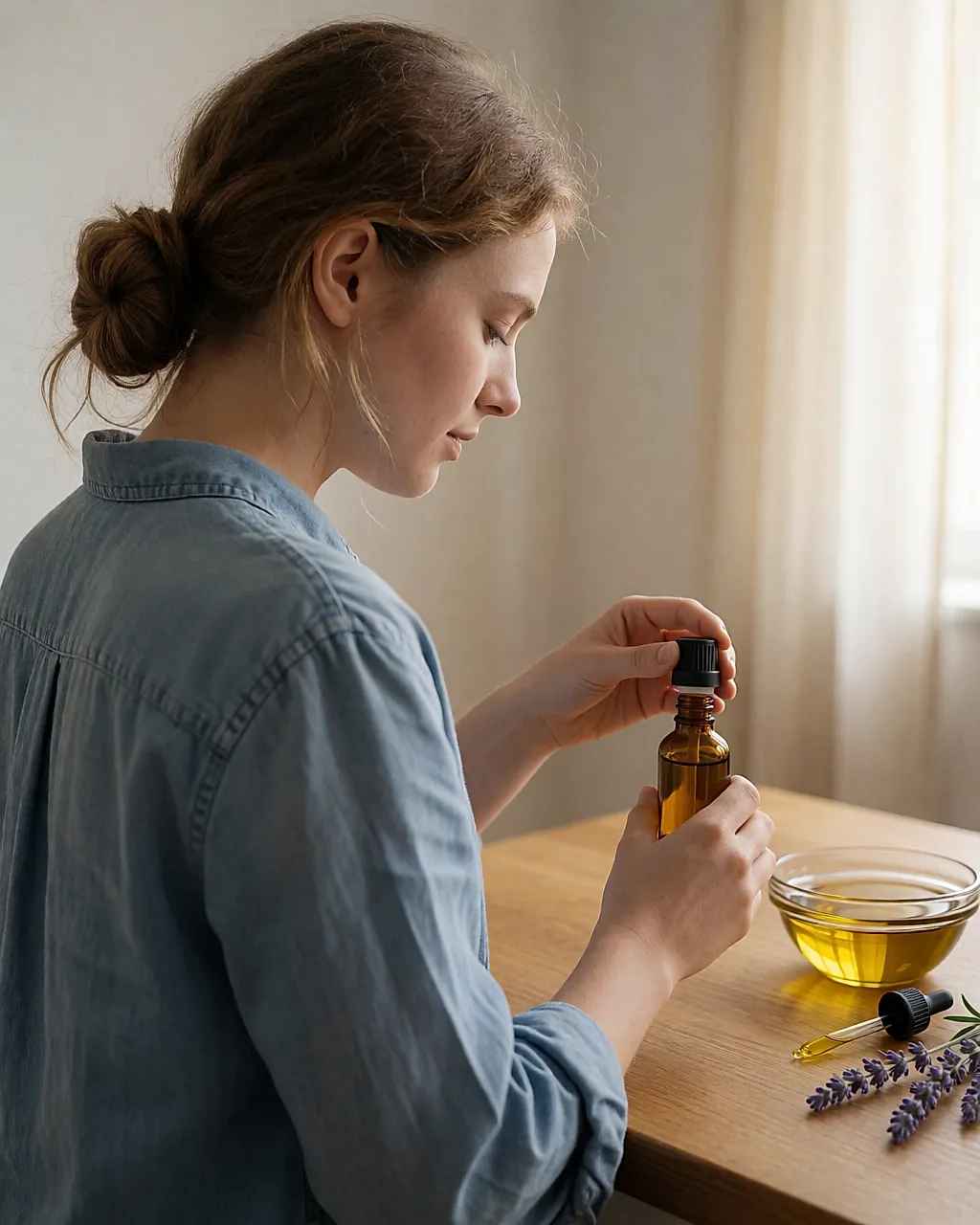
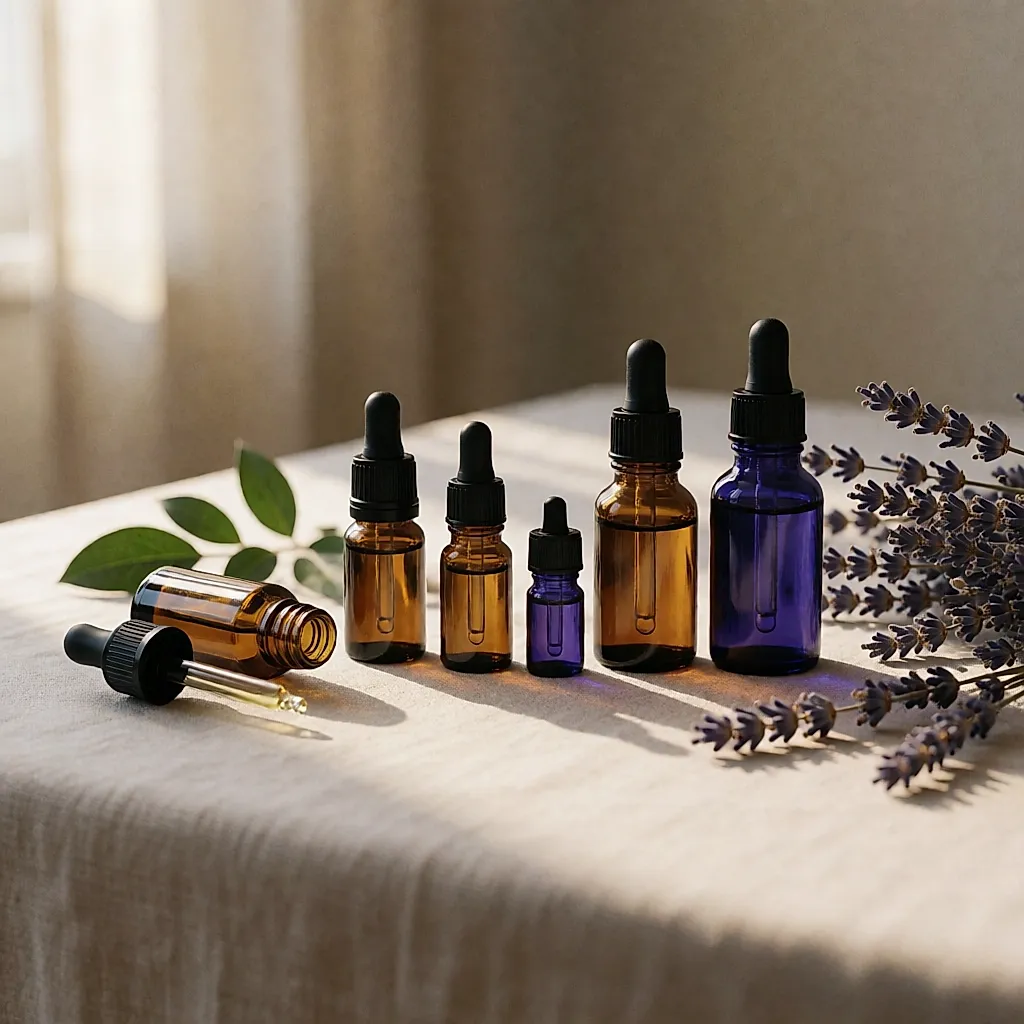
Essential oils are now familiar to almost everyone and appear in many products; they are increasingly used by consumers both experienced and new. They are often used in aromatherapy, meaning for therapeutic purposes, but did you know that some essential oils also have a place in cosmetics? Increasingly present in beauty products, especially organic cosmetics, essential oils contribute to our beauty through their scents, freshness and pleasant feel, naturally and gently.
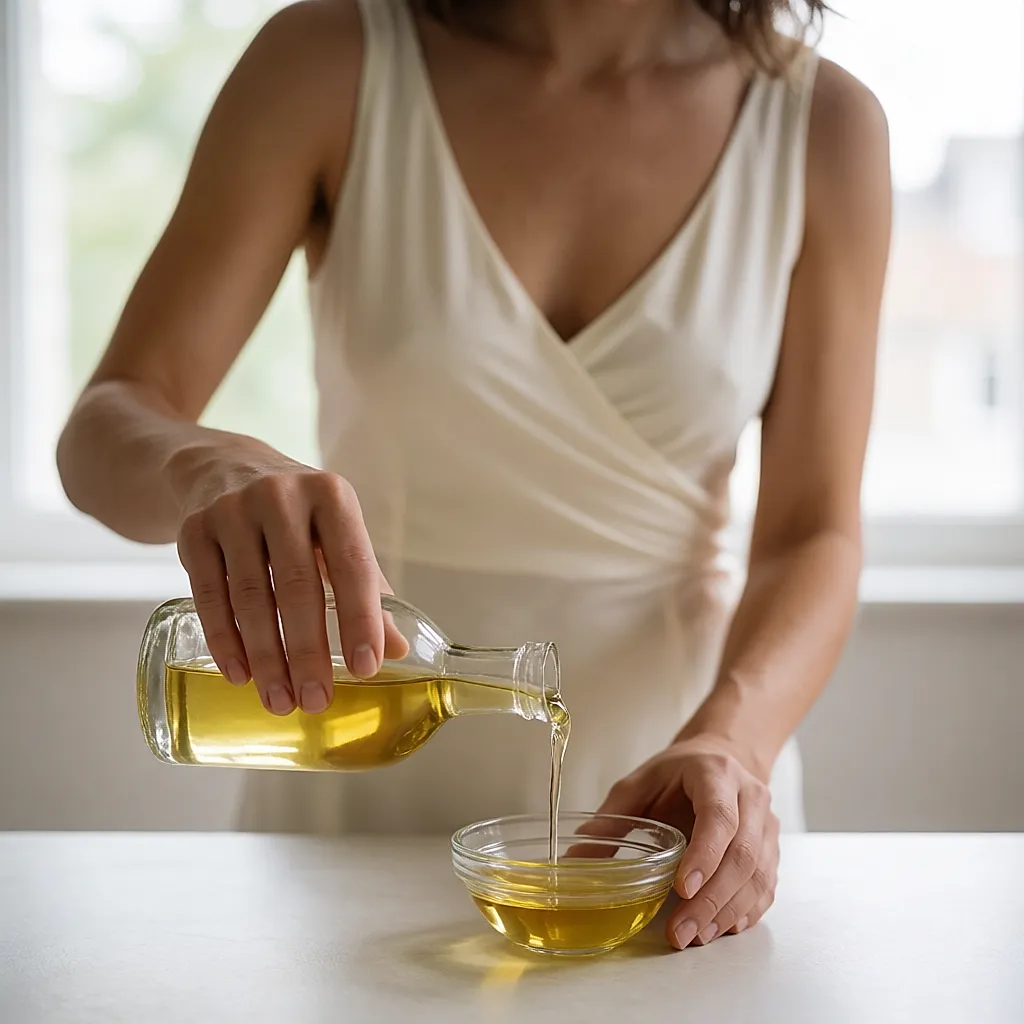
The step that counts: always dilute. On skin and hair, an essential oil is not used neat – apart from rare exceptions stated on the label. A few drops in a spoonful of carrier oil (sweet almond, jojoba, macadamia) or in a neutral cleansing base are enough for a face or body treatment, and one drop in shampoo already does a lot of good.
Budget
In the UK, expect to pay around £5 to £12 for a 5 ml bottle of a common essential oil – fine lavender, lemon, petitgrain, lemongrass. The more precious ones climb quickly: Roman chamomile or rose often exceed £20 for a few millilitres, because it takes huge quantities of flowers to fill a bottle. Organic certification adds a pound or two, and amber glass – preferable to plastic for keeping the oil in good condition – costs more too. You will find them in pharmacies, health-food shops or specialist retailers, with price differences mainly down to the origin of the plant and the distillation method.
Sources
- NHS, general information on aromatherapy and complementary therapies, and advice on using essential oils safely.
- MHRA, guidance on cosmetic products and their ingredients.
- French medicines regulator (ANSM) and French food and environment agency (Anses), for their published information and opinions on essential oils.
Food supplements do not replace a varied, balanced diet and a healthy lifestyle.

Comments
Your opinion matters: rate the article, react and reply to comments.
Comments are moderated; AI-assisted comments are flagged. Text emoticons (8-), :-), <3…) are automatically shown as images.