

Take stock before you choose
Before you open your camera roll in the salon chair, one thing is worth facing: your hair in September is not the hair you had in June. Sun, salt water and chlorine tend to weaken and dry out the hair fibre, and ends split quickly. A salon consultation — density, porosity, colour history, resistance to breakage — takes a few minutes and saves a lot of disappointment. It is what determines what you can reasonably ask for: a sharp cut needs solid hair to work with, and light blonde needs a good base. If your hair is porous and brittle, it is better to repair it before lightening — there is no getting around it, colour on damaged hair shows straight away.
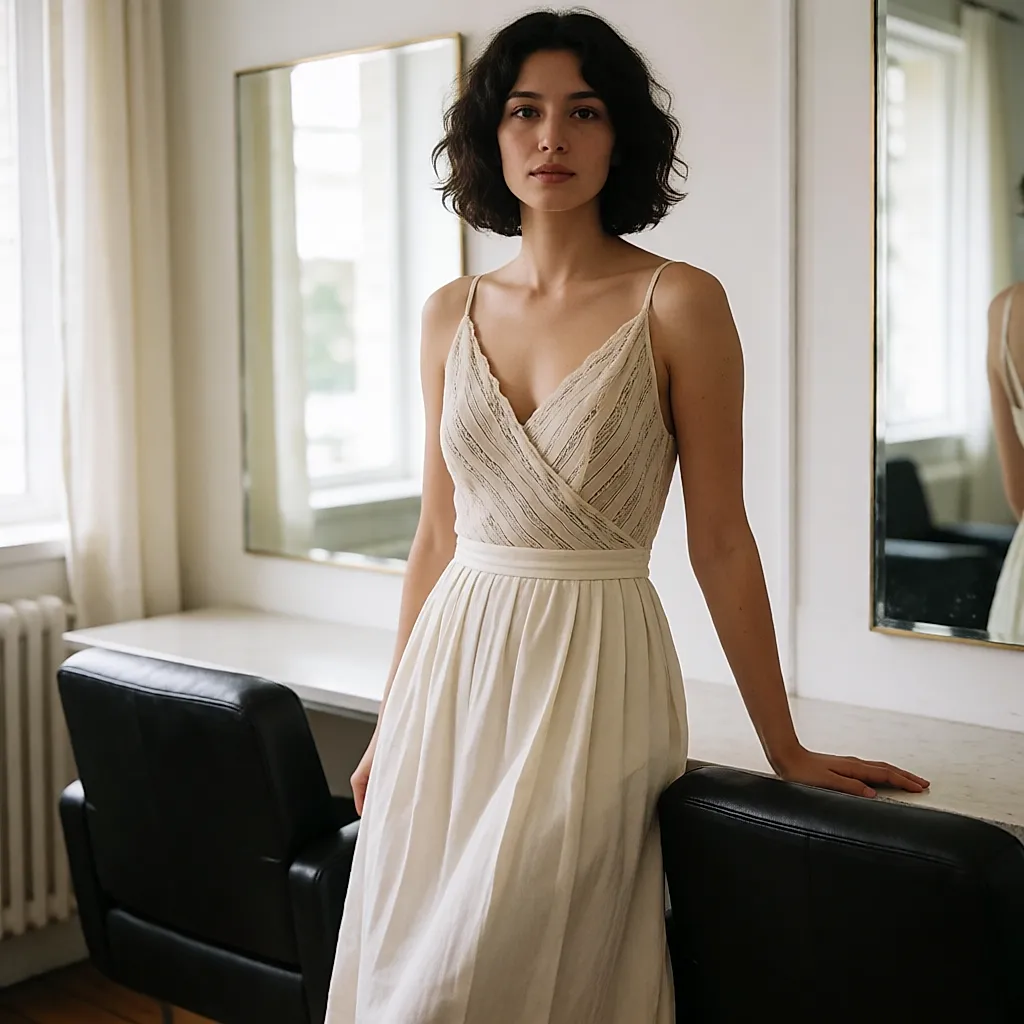


The bob, autumn's all-rounder
It is hard to think of a more versatile cut. Worn at jaw level or just below, a bob can be curled, worn sleek, tied into a low bun or styled as a half-up. Its real advantage is that it does not demand the daily upkeep of very long hair — and on a weekday morning, that counts. The shorter bob with a curtain fringe is still winning people over (that retro feel gets us every time), and the change that makes all the difference is to ask for lightly layered ends to break up the weight. One thing to know: a bob needs regular appointments, otherwise the triangle effect sets in and the ends start to look wide. It is not a disaster: in practice, salons often suggest having a bob reshaped every six to eight weeks, adapted to your hair — and it pays to keep to it.
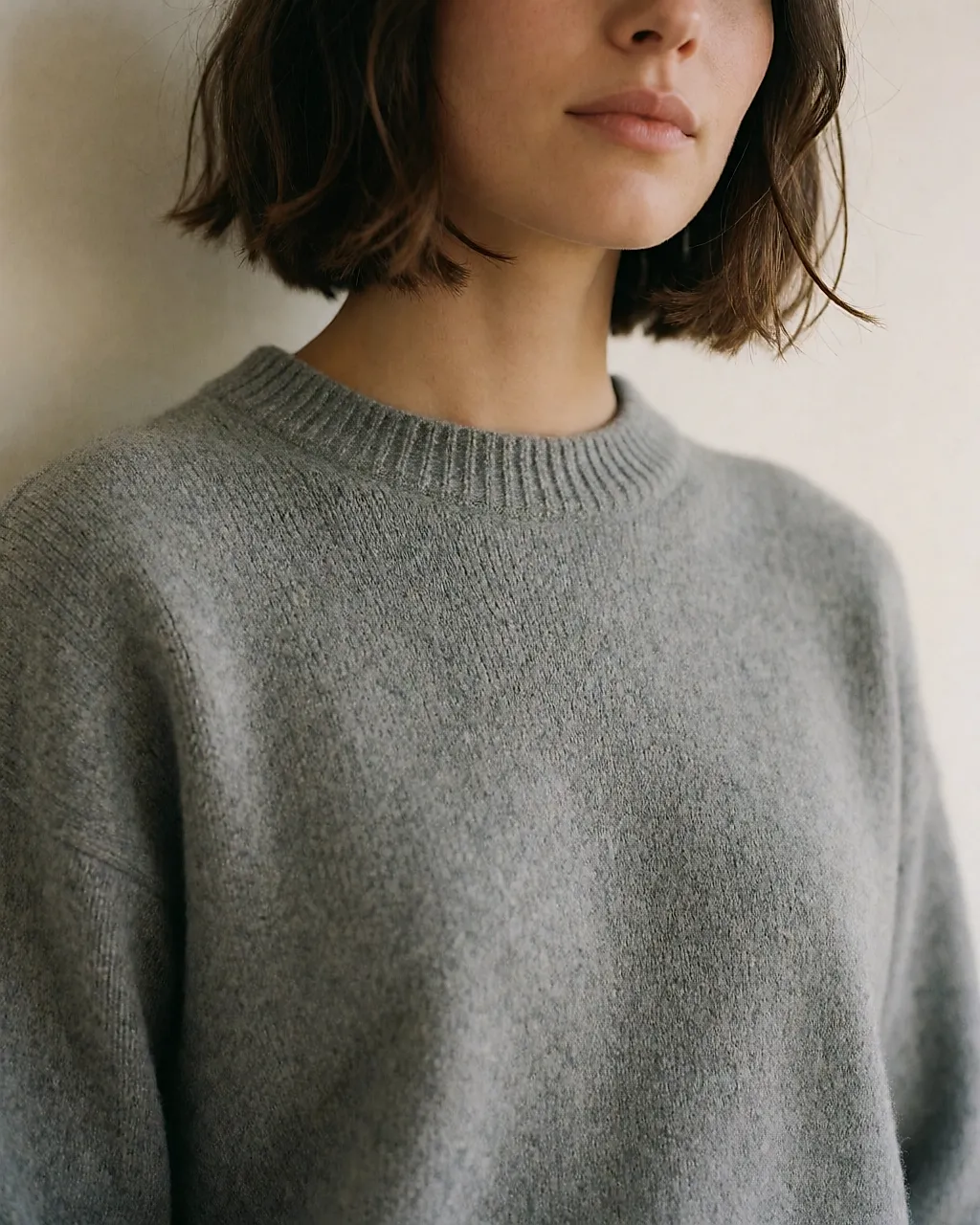


Colour: light rather than transformation
Uniform platinum blonde has had its day. In its place, nuance work is what we love: balayage, very fine highlights woven through the hair, a gloss treatment to revive shine, or simply a few lighter pieces around the face. The aim is to flatter your skin tone and bring out your eyes, not to cover the hair up. Ammonia-free formulas or those based on plant pigments can be interesting alternatives, but they do not always cover grey hair in the same way: a conversation with the colourist is still the first step. And if you are torn between two shades, always ask to see the colour on a strand before it goes on your whole head.
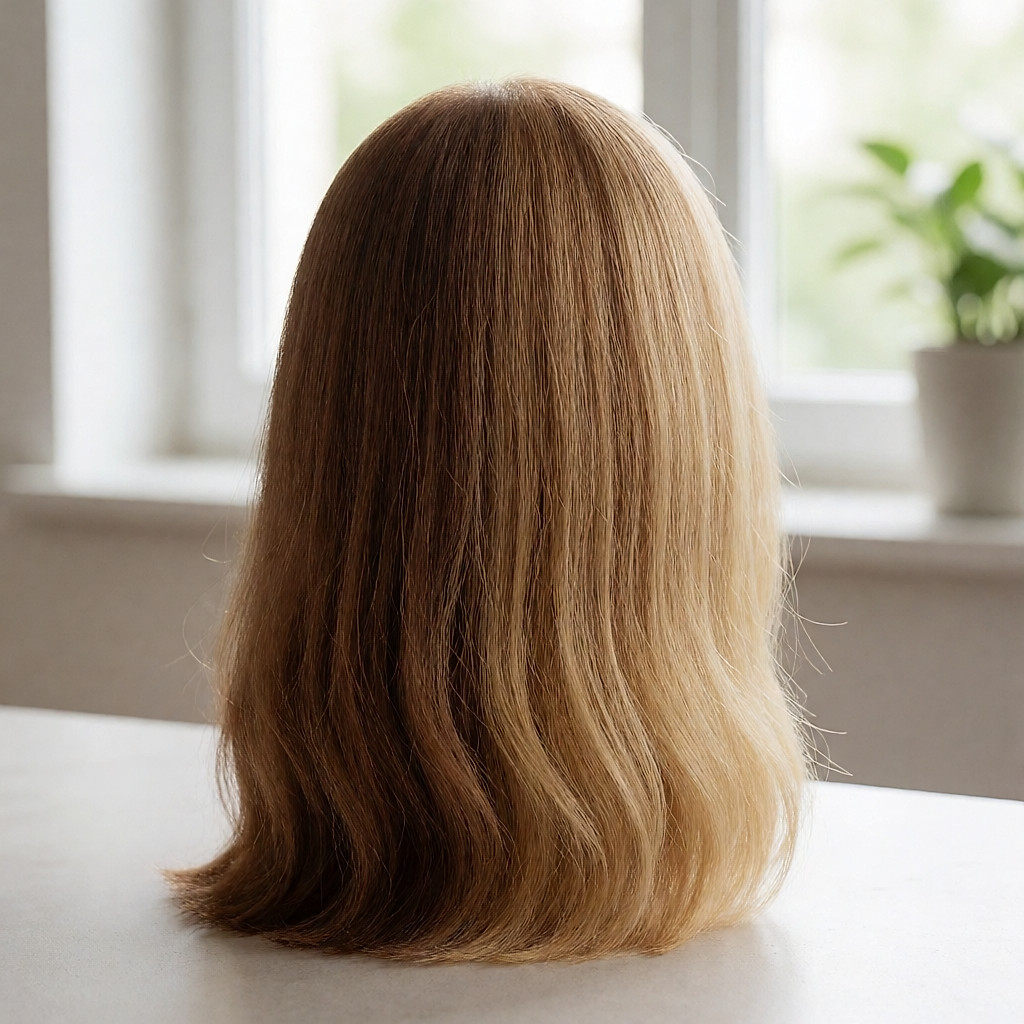
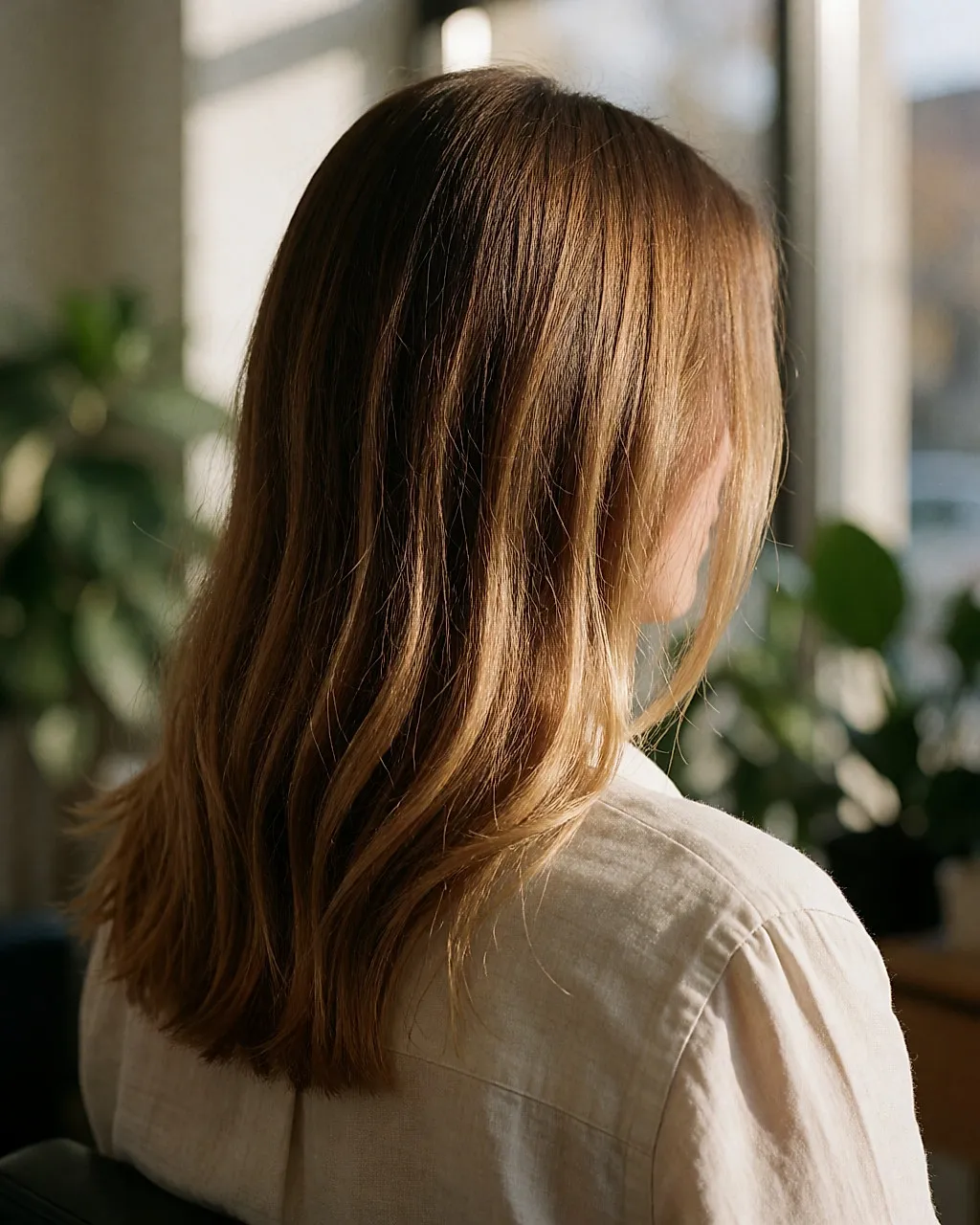
Short hair, still bolder
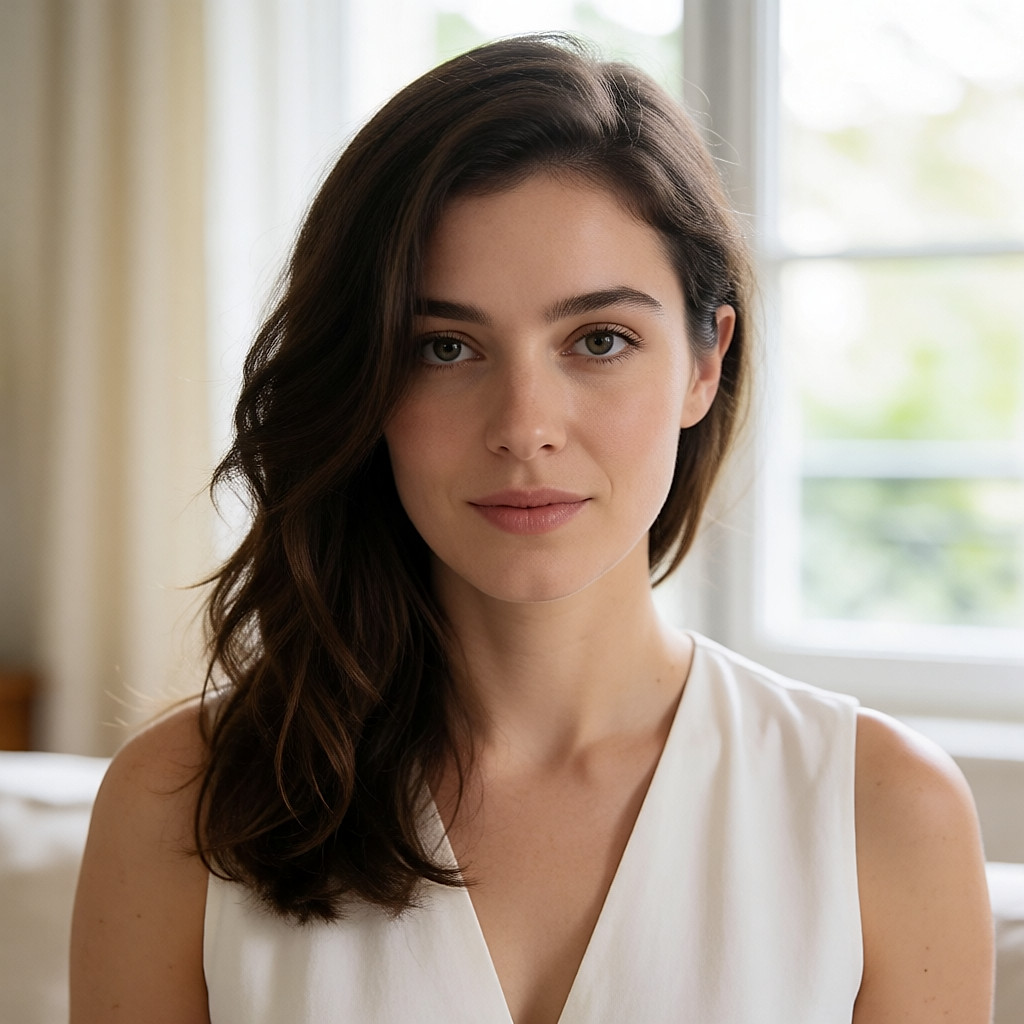
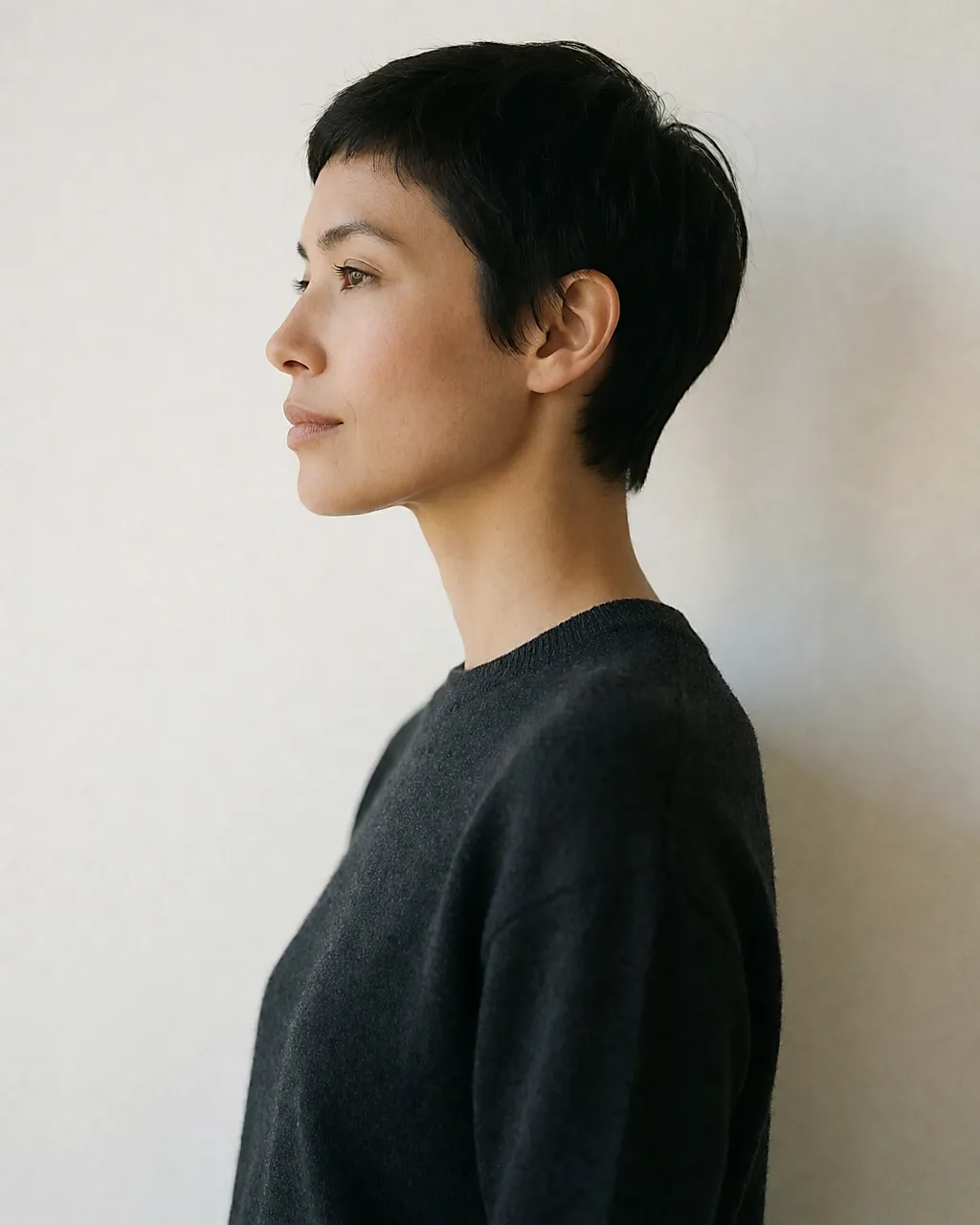
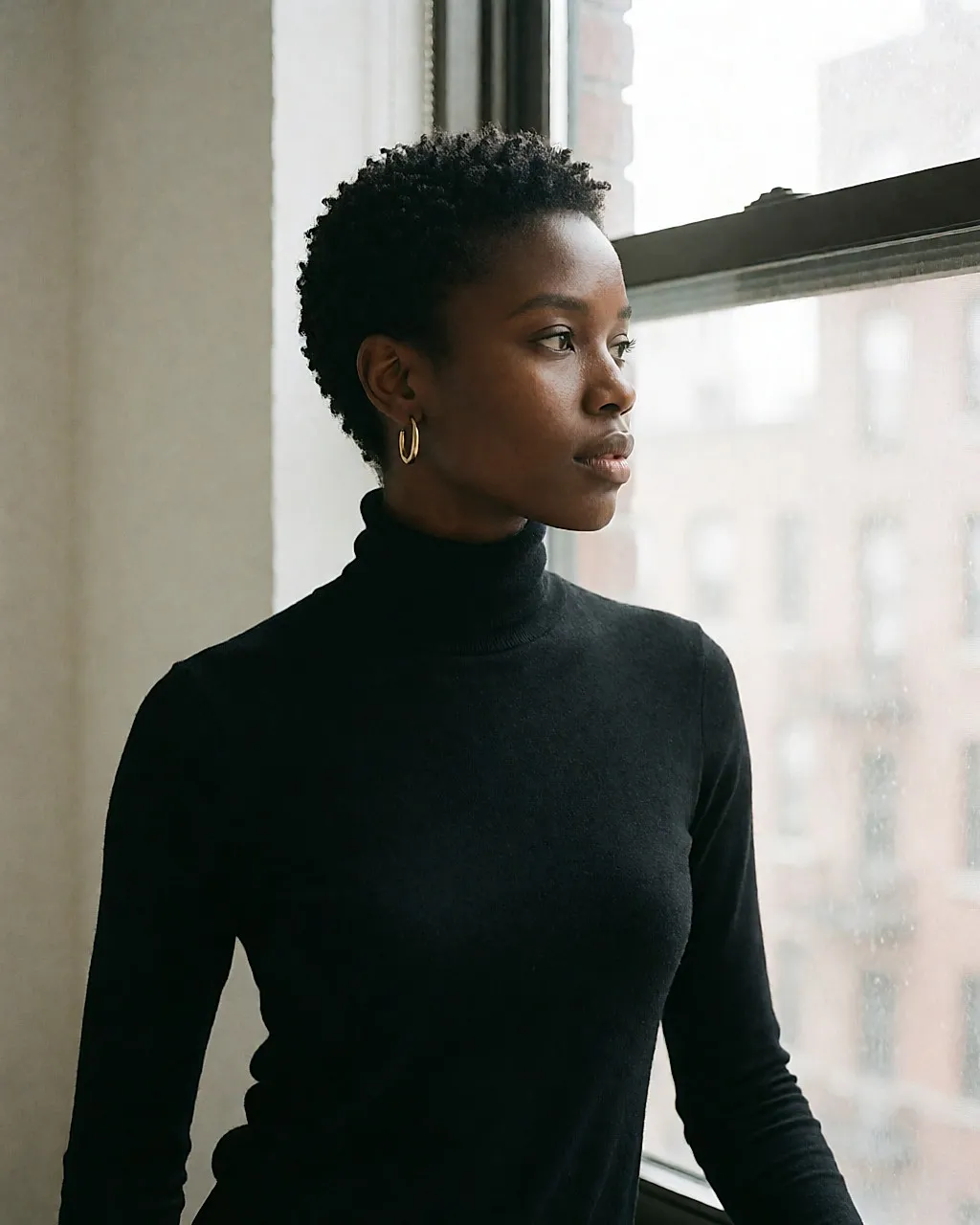
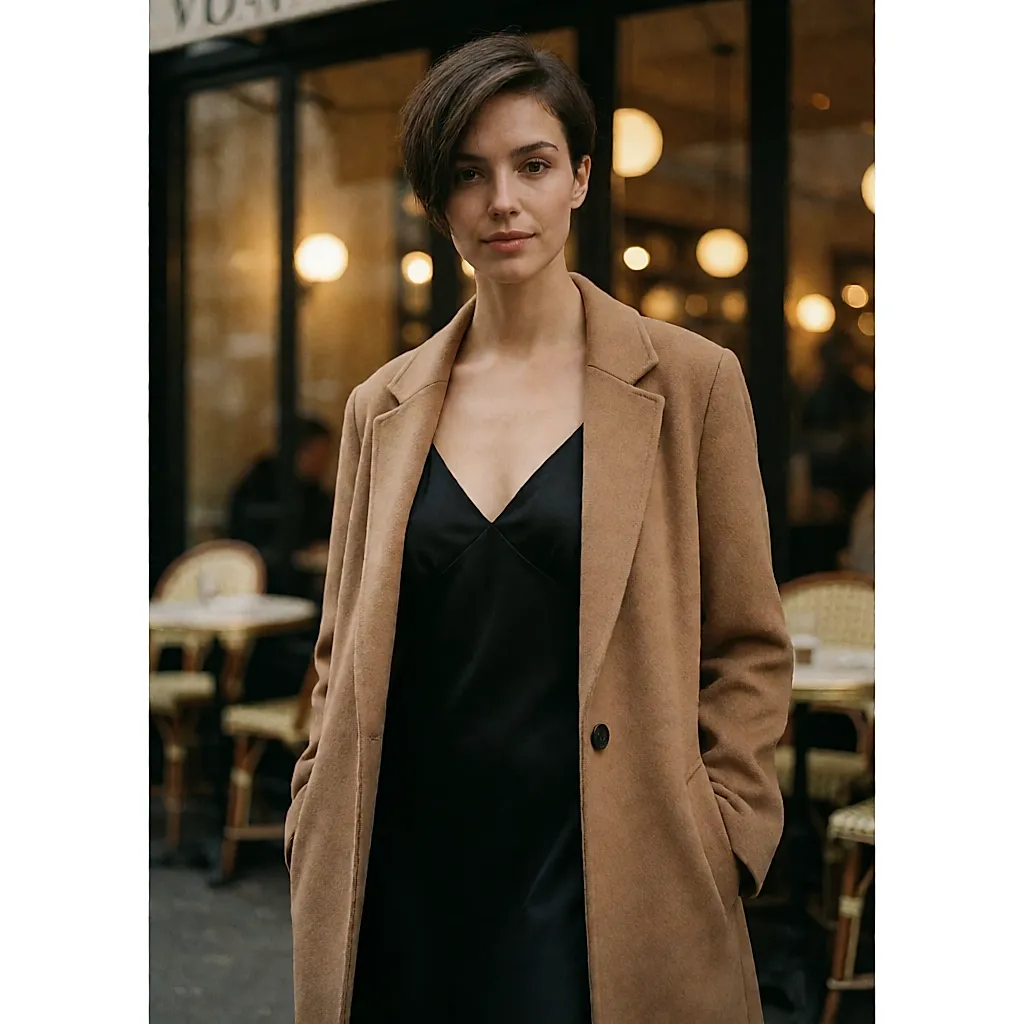
Pixie, graduated nape, side-swept section, near-shaved: very short hair is no longer necessarily a risky bet. It works with an evening dress as easily as with jeans. There are two clear benefits: less drying time and a chance to show off your natural texture — a real comfort in the morning. The downside is that regrowth shows quickly and upkeep needs to be regular. Before you take the plunge, look at your profile and hairline, not just the photo you fell for. Talk to your stylist about the nape, too: that is the area that makes the whole cut work — or lets it down.
Length and texture: natural, under control
For anyone keeping their length, the trend is less about all-over straightening and more about texture. Soft heat-free waves, a curtain fringe, a loose bun, a low half-up: an easy repertoire to recreate at home. On curly or coily hair, the cut becomes the first treatment — a well-drawn shape, whether graduated or rounded, is enough to give the hair structure. A good layered cut done on dry hair is often worth more than piling up expensive products.
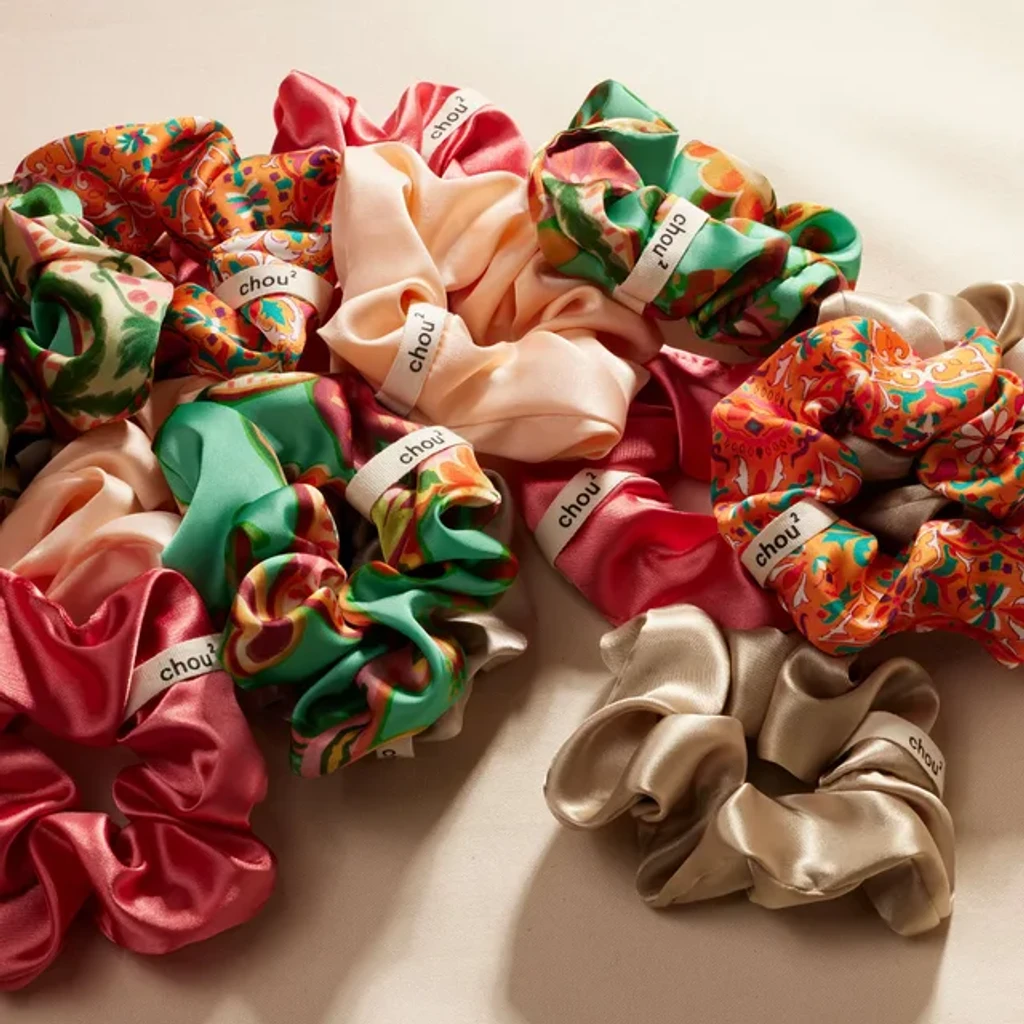

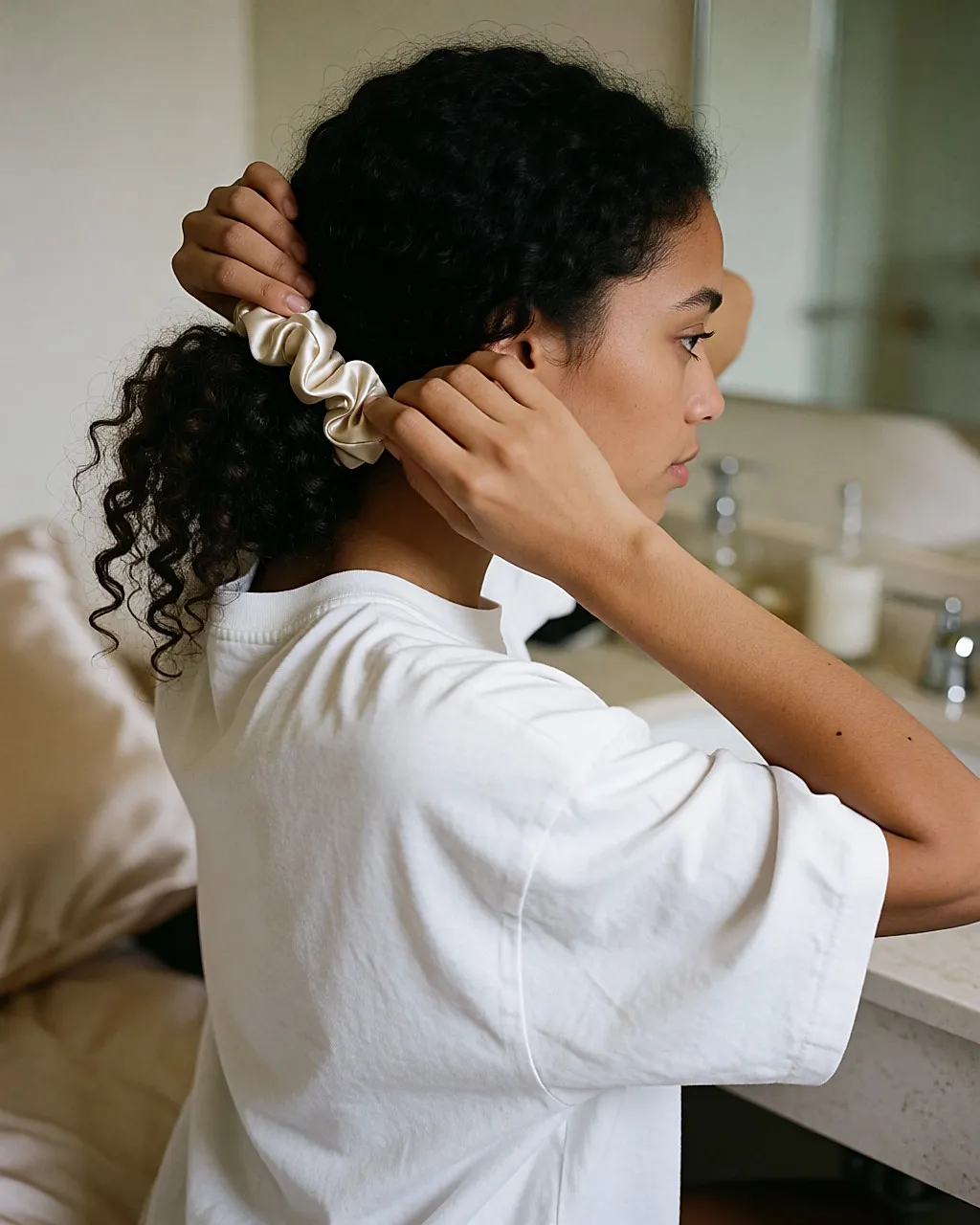
The daily ritual does not change: gentle washing, a hydrating mask when the lengths feel dry, oil on the ends only, heat protection before every use of a heated tool. And for sleeping — the step that helps limit breakage — a satin scrunchie and a smooth pillowcase can help protect the lengths.
When it comes to products, choose natural where you can: a mask with naturally derived actives, an oil in a glass bottle or refillable format, a gentle shampoo, preferably plant-based. Labels such as Ecocert set standards for the proportion of natural and organic ingredients; they do not guarantee efficacy, but they do reduce the guesswork. An honest compromise: on very damaged hair, a well-formulated conventional treatment may suit you better; if possible, choose a refillable format.
A hair change needs preparation. Do a patch test before any colour, even in a salon. Bring a few photos, but also a list of the products you currently use. And ask for a consultation before the cut: it is quick, and it prevents you leaving with shorter hair than you planned.
Budget
As a rough UK guide, allow about £25 to £60 for a cut at a neighbourhood salon or chain, and perhaps £60 to £140 at a larger or higher-end salon depending on city, length and level of finish. Balayage is more likely to sit between £80 and £250, a gloss treatment between £30 and £60, and a root touch-up between £40 and £90. Add £15 to £40 for a deep-treatment in the salon. These are ballpark figures, not an official price list — salons set their own rates, which is why quotes vary so much, and it helps to know that before you settle into the chair.
What pushes the bill up: the city (London and other big cities tend to be pricier), length and density, the number of techniques combined, processing time and the salon's price bracket. To keep costs down, look at hairdressing colleges and trainee stylists, who charge reduced rates under supervision — just check that a consultation has been done first.
For products, you will find natural-leaning haircare in health-food shops, beauty retailers, supermarkets and online. Compare the price per litre rather than the price per bottle, and check whether the brand offers a refill: that is often where the annual difference shows.
Léna's verdict: yes to a refresh, but on one condition — diagnosis first, budget second. The real test is Monday morning, when you have five minutes to restyle it: if it works, the cut is a good one.

Comments
Your opinion matters: rate the article, react and reply to comments.
Comments are moderated; AI-assisted comments are flagged. Text emoticons (8-), :-), <3…) are automatically shown as images.