
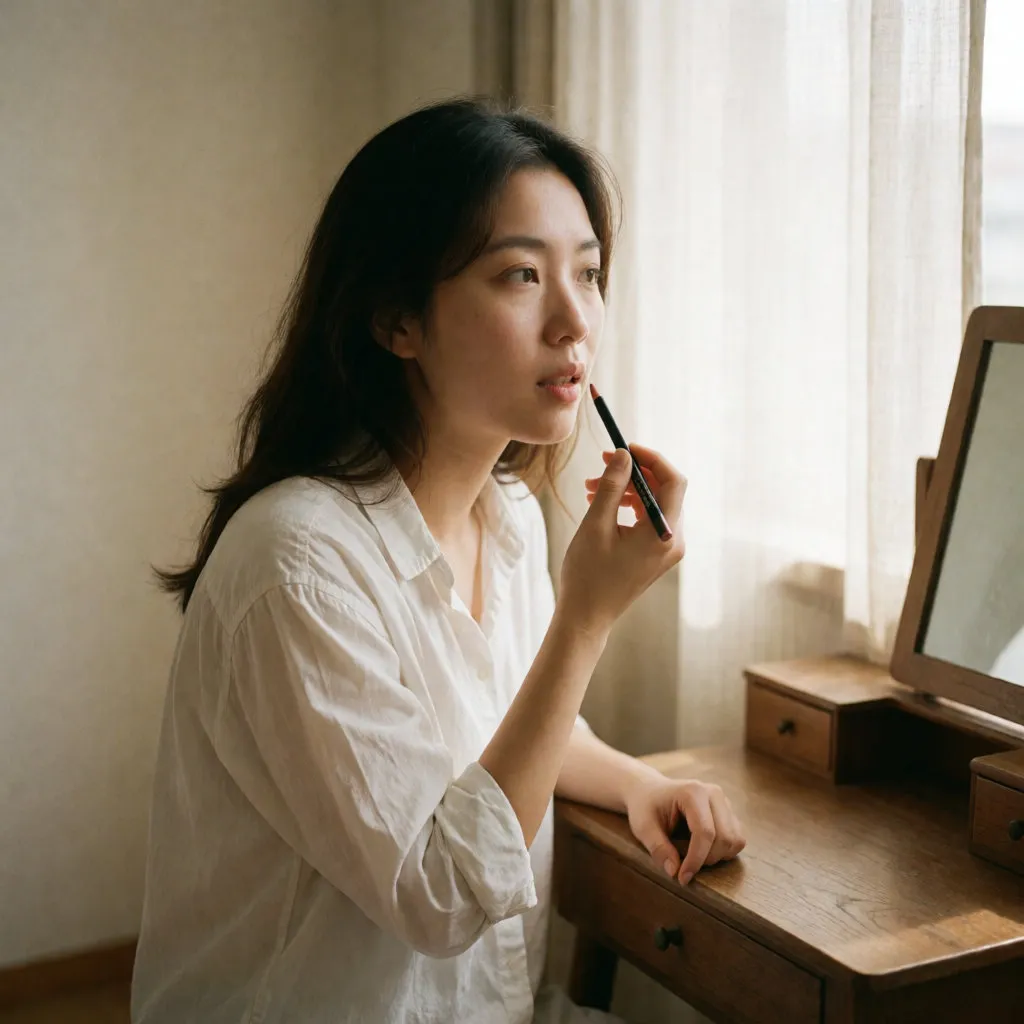
Ever spent ten minutes getting a flawless lip line, only to watch your lipstick creep into every little line before lunch? It still happens to me, and after years of testing lip liners, I can tell you this: the problem is rarely your lipstick alone.
Lip liner is not just a makeup artist's tool. It's the step that changes everything when your lips lack definition, when a shade turns pink on you when you wanted brown, or when your gloss disappears within an hour. In this piece, I separate what I've actually tested — the technique, the pencils I've had in my hands — from what I've only read on product pages. That distinction matters, and I'll flag it as I go.
Redefine your lips without overloading them
A lip with little pigment, an uneven Cupid's bow, a naturally thin mouth: liner can correct these details in seconds. Follow your natural outline, then go over it by a millimetre, two at most, only where you want to add fullness.
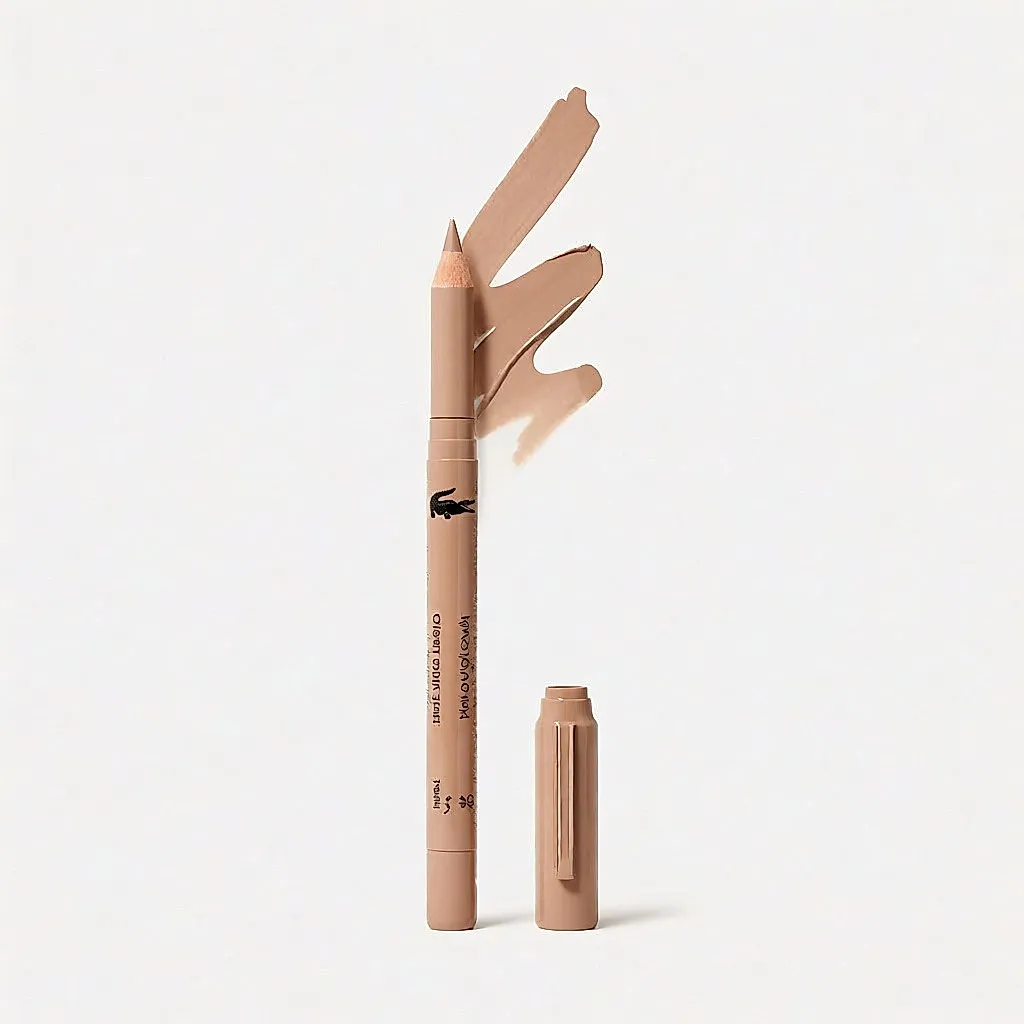
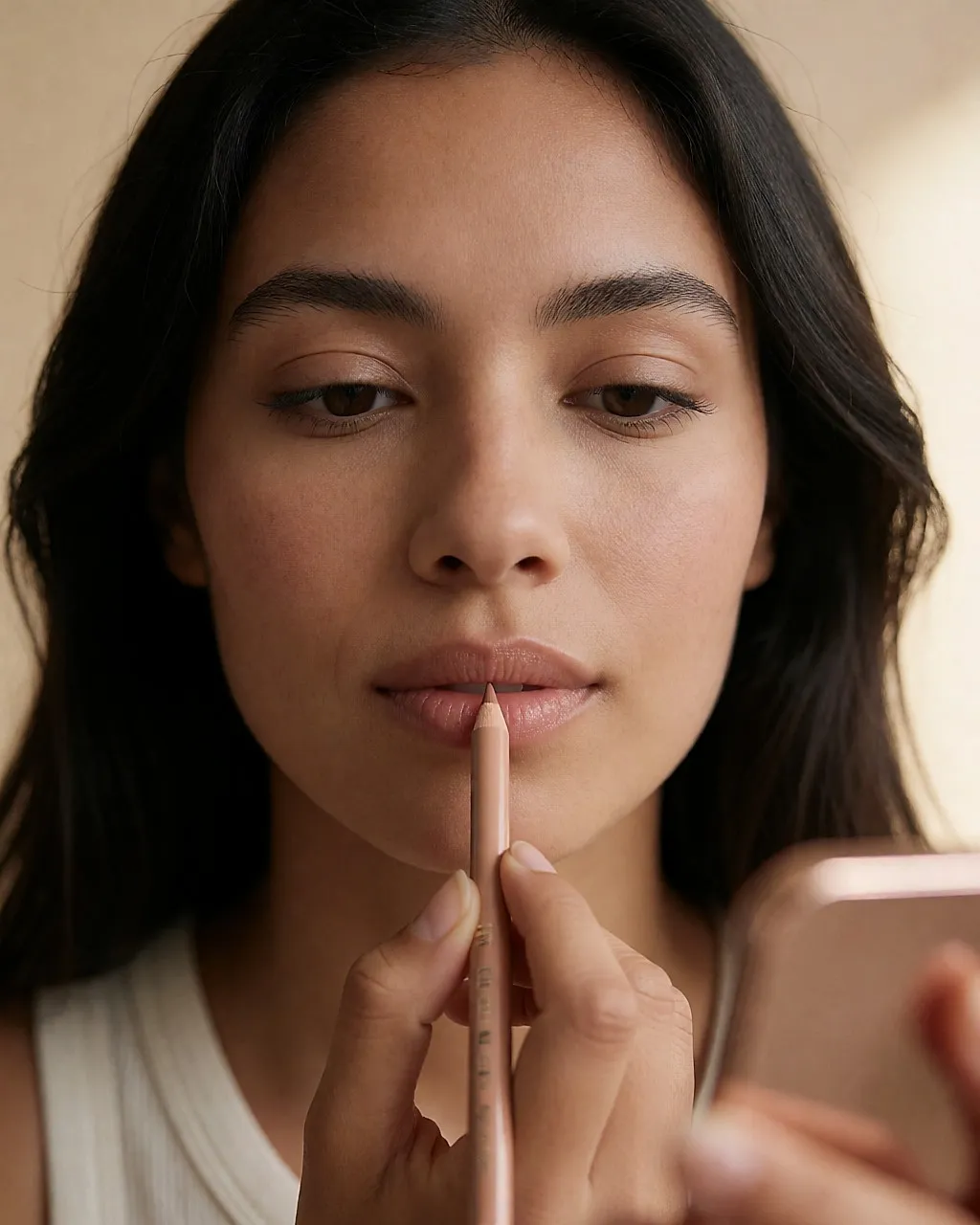
Technique matters more than the product. Forget one continuous line: sketch in small, tapping strokes to keep it even. A hard line shows; a blended edge disappears. In practice, that's ten extra seconds and the finish is completely different.
And shade is where it all happens. The darker-outline-than-lips look is over. Aim for a tone that matches your lips, or slightly lighter than your lipstick: the correction stays discreet. Nudes and rosy beiges are perfect if you wear little colour on your lips.
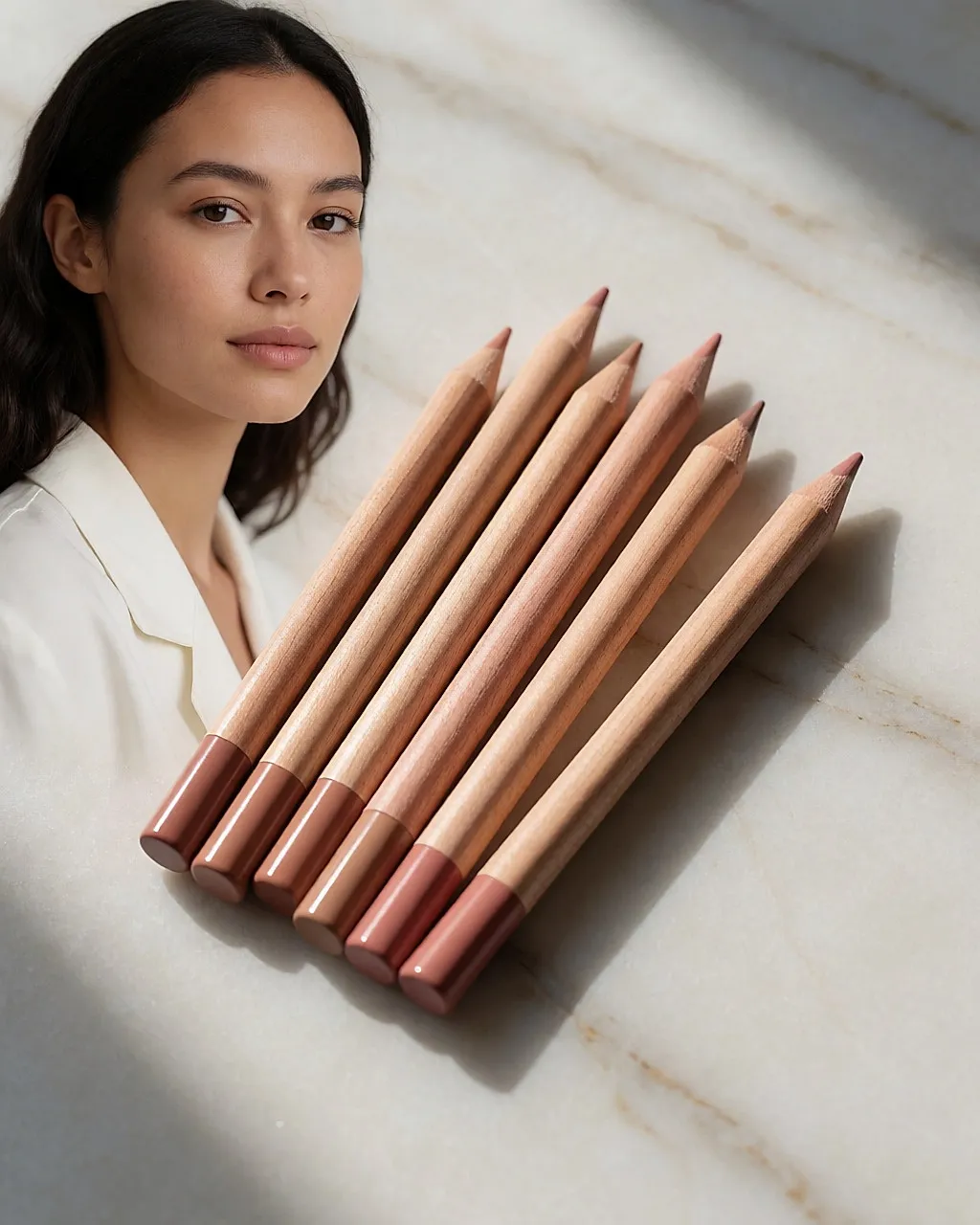
Holding creamy textures back
Lipstick that migrates into the fine lines around the mouth — we've all seen it. The dry texture of a pencil acts as a barrier against richer textures, classic lipstick or gloss.
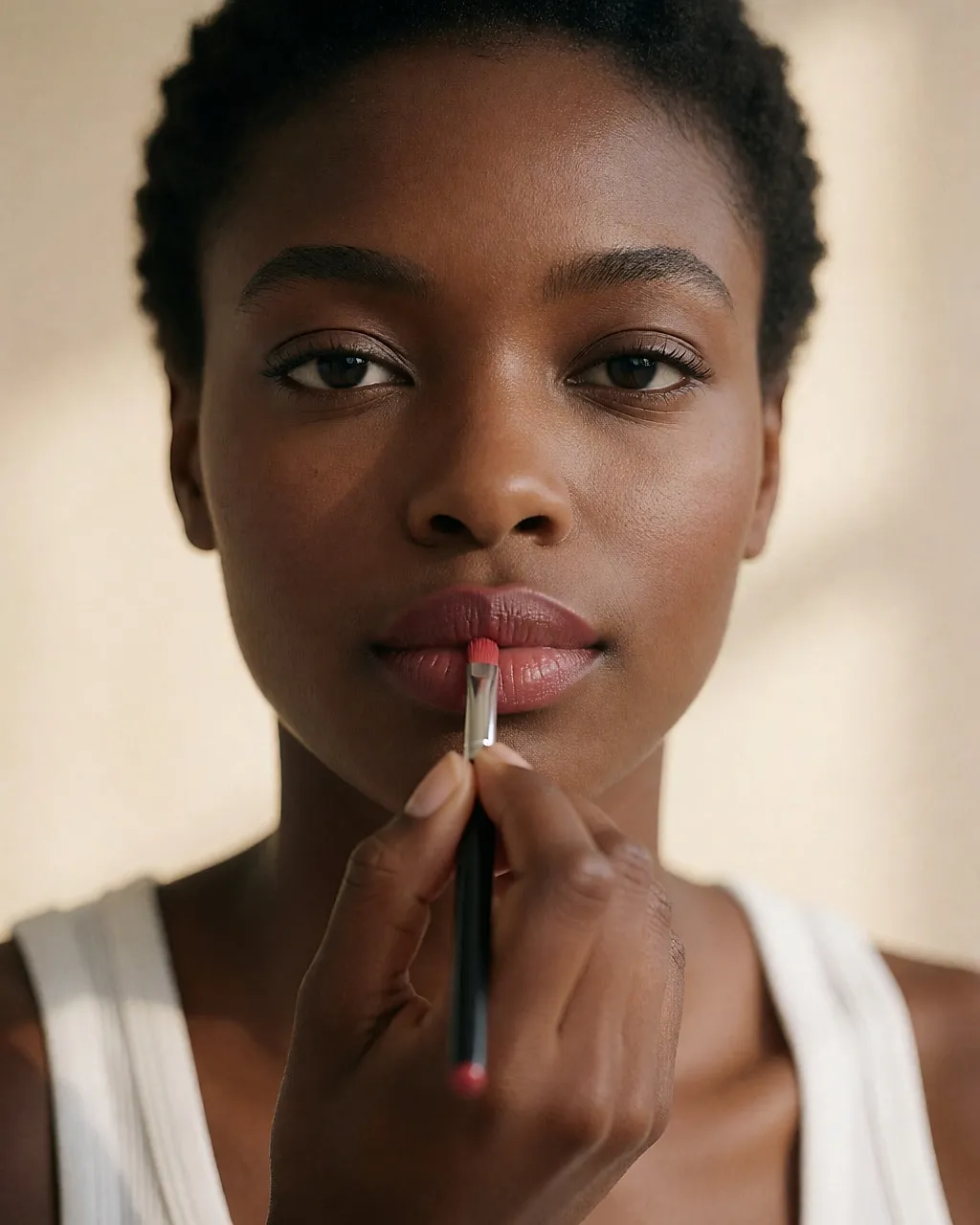
Same method: draw along the outline, add a little fullness if you want, then fill the centre with lipstick, ideally with a brush for precision. The one thing not to miss: don't go over the pencil line. If you cover it, the barrier is gone.
Good news for gloss fans: nude pencils work beautifully with a clear finish, even when you want hardly anything on your lips.
Lining the whole lip for better wear
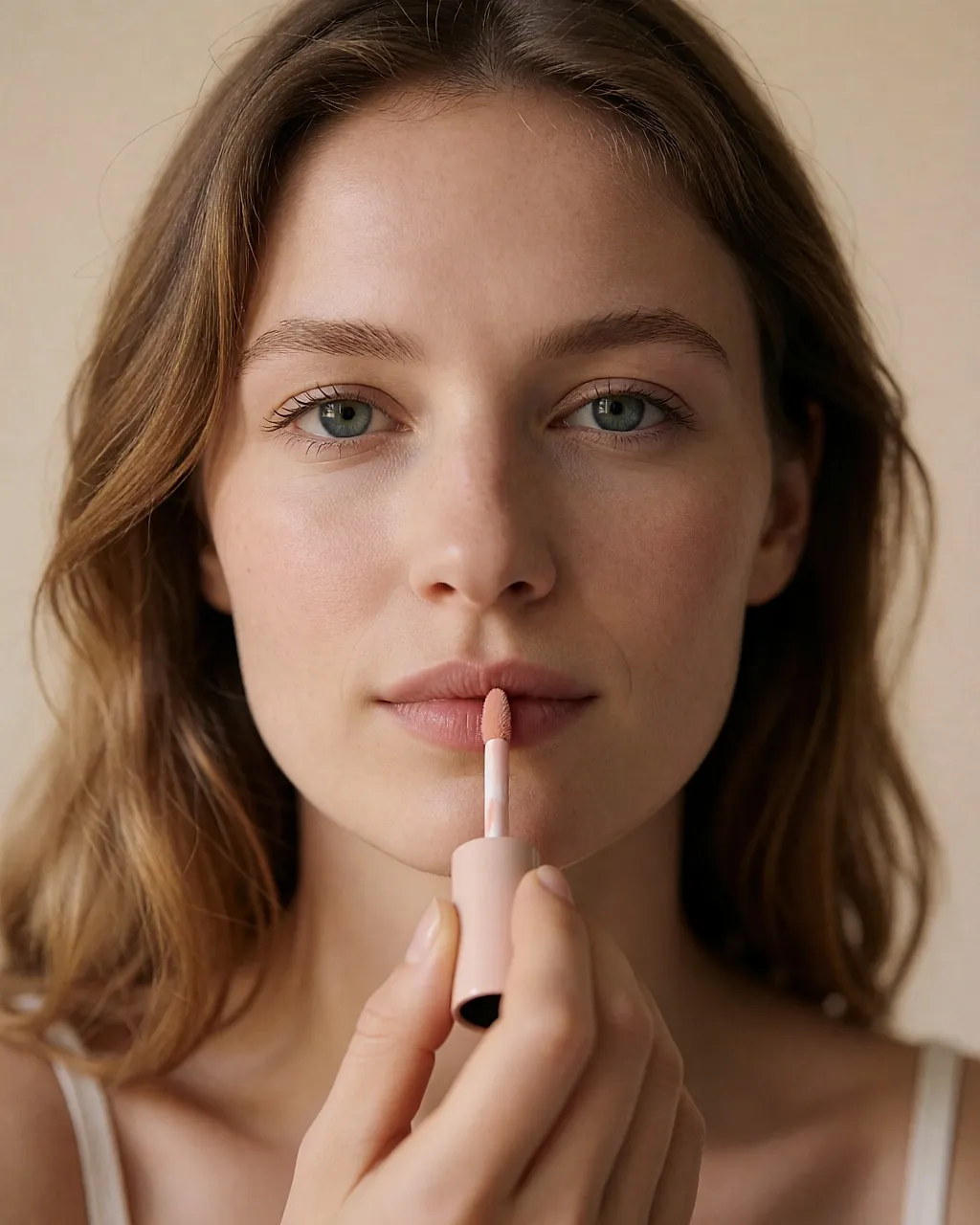
There's nothing more annoying than colour that disappears in two hours. Liner helps, without working magic: I'm not promising all-day wear, only a noticeable improvement.
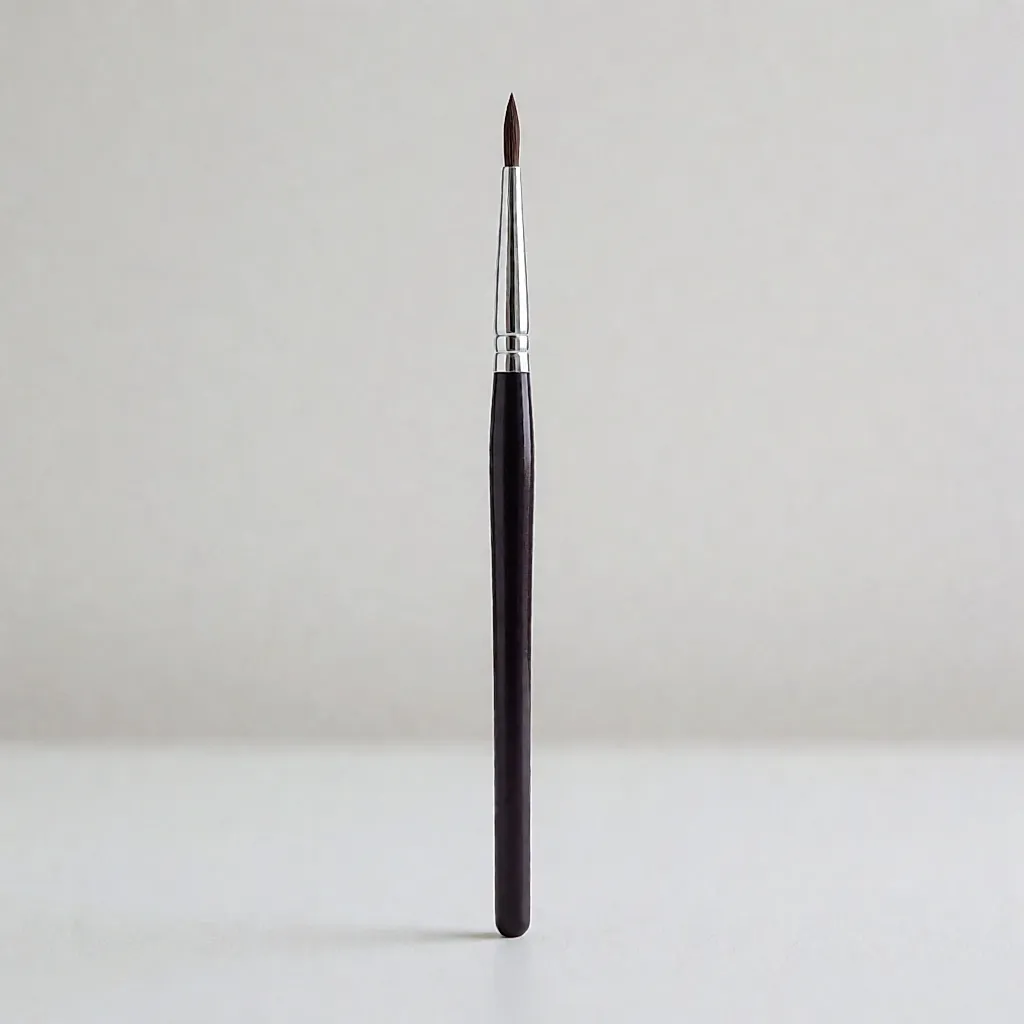
The technique is simple. Fill the entire lip with pencil, including the outline, then apply your lipstick over the top. The dry texture grips the cream texture and limits movement. Over a working day, with a coffee and lunch, the difference is noticeable.
It's also a way to shift the shade. A pencil lighter than your lips, under a pale pink, lightens the colour and makes it more nude. A warmer or cooler tone moves the final result noticeably.
Why your lipstick looks different in store
You try a lipstick on the back of your hand, buy it, and on your lips it looks nothing like it did. That's normal: the skin on the back of your hand and the mucous membrane of your lips aren't directly comparable — texture, blood flow and pigmentation differ, and everyone's undertone varies.
The fix: apply a nude pencil first, slightly lighter than your lip, then your lipstick on top. Your starting tone is neutralised, and the result comes closer to what you expected under shop lighting.
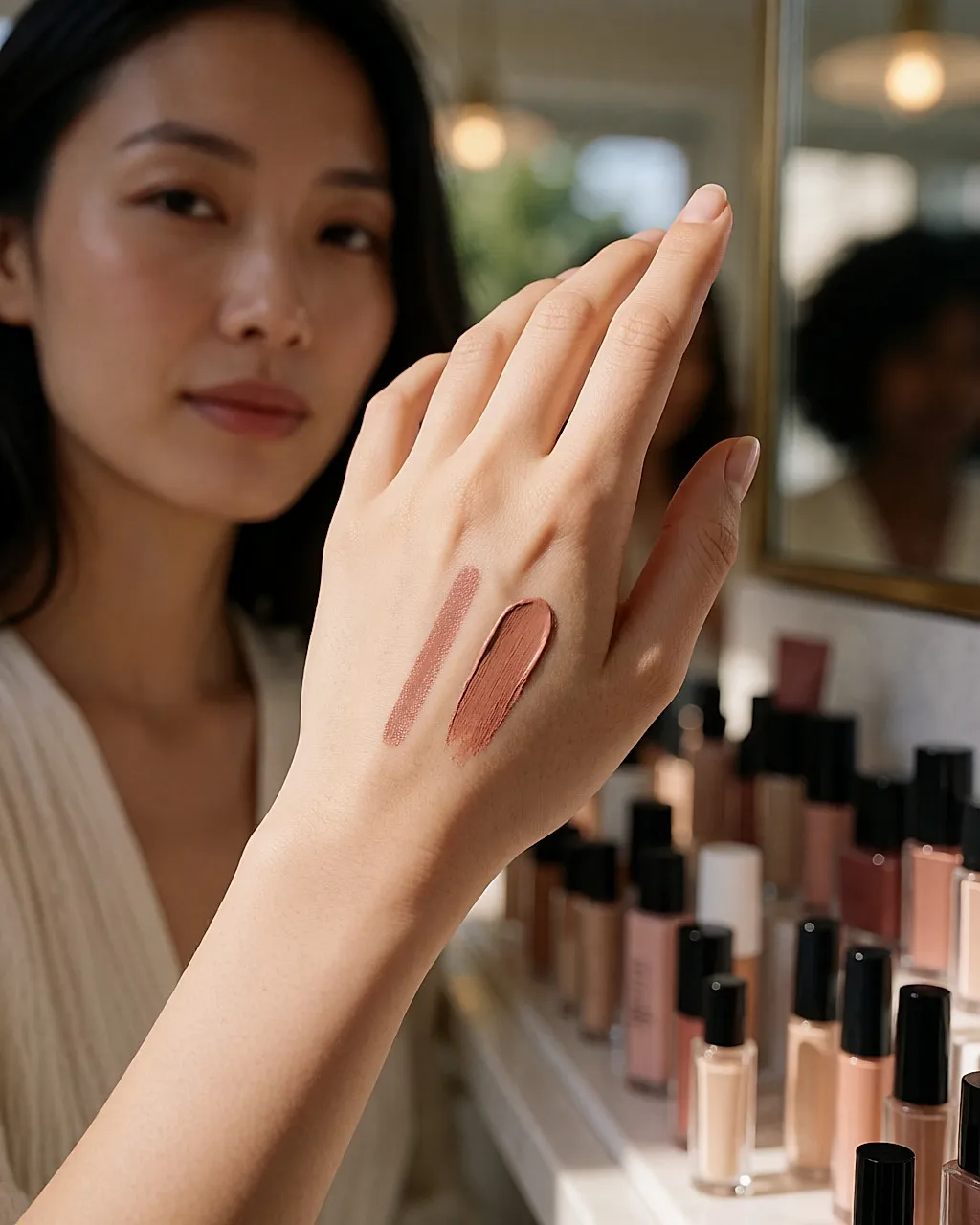
The five-second test. Before you buy, draw a line on the back of your hand and wait a few seconds: the pencil should glide without dragging, and the colour shouldn't oxidise and turn orange. If the line smudges the first time you run a finger over it, it won't last on your lips.
Materials and end of life: what I look for
A pencil is wood, wax, oils and pigments. Two criteria make the difference at purchase: wood from sustainably managed forests (FSC certification) and a refillable barrel, which saves buying the whole pencil again each time. On the formula side, the COSMOS Organic label covers the formula — percentage of organic ingredients, permitted processes — not just the packaging. The wording isn't always easy to find.
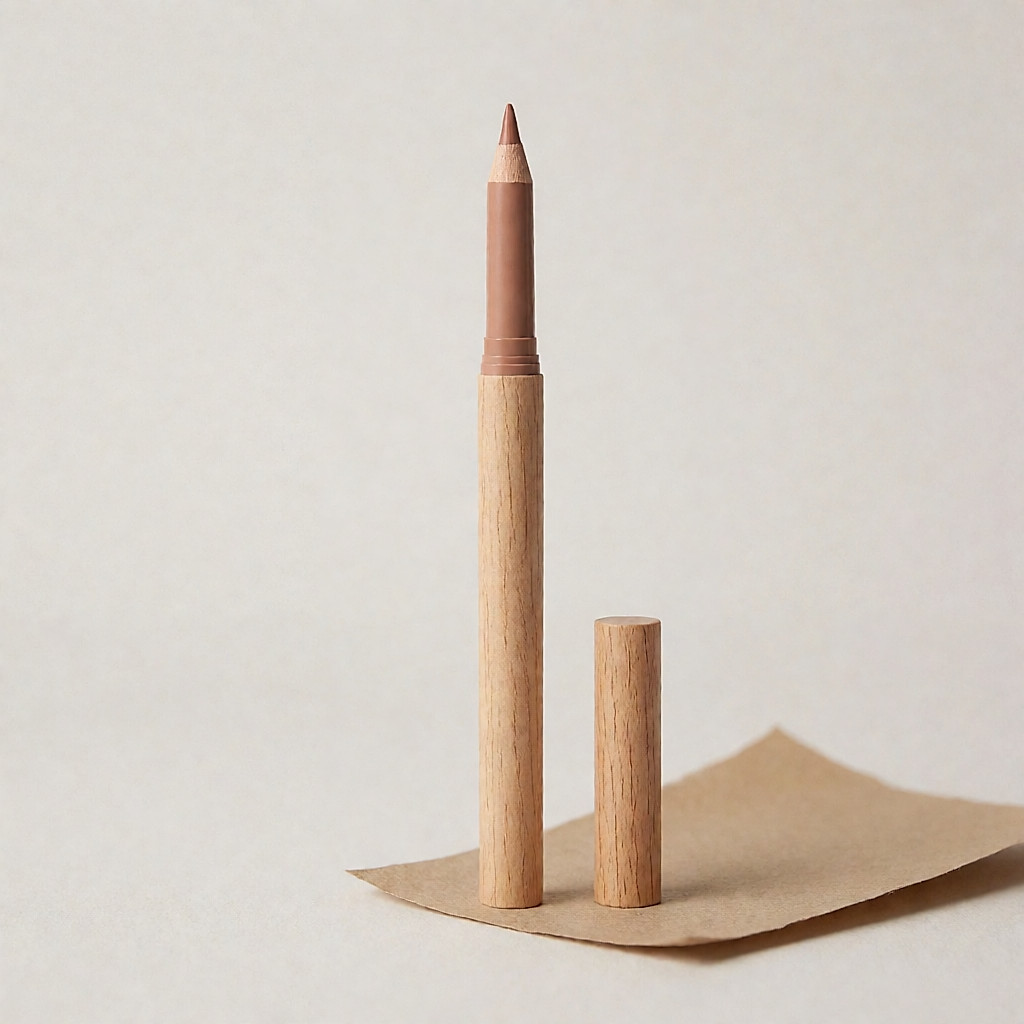
Certified wooden pencils with refills are available from several French and European brands. If you can't find your exact shade in a refillable version, a conventional pencil is still an acceptable compromise: it can last several months and can be sharpened right down to the end. The verdict: yes, but on one condition — the colour has to be right.
Budget
Expect to pay around £3–£7 for an own-brand or budget lip liner, from a supermarket or online. Between £7 and £14, you're into organic ranges and more sophisticated formulas, from a pharmacy, beauty retailer or brand website. Above £16, you're mainly paying for a finer tip, higher pigment concentration and, sometimes, the refill.
What changes the price: pigment richness, wear time, whether it's refillable, the origin of the wood and certification. A very creamy pencil is cheaper to produce than a dry, highly pigmented one.
Where to buy: supermarkets and beauty retailers for a quick test, health food shops and online retailers for certified formulas. Check the refill details on the product page before you checkout.
Sources
- UK Cosmetics Regulation — legislation.gov.uk
- EU Cosmetics Regulation (EC) No 1223/2009 — EUR-Lex, eur-lex.europa.eu
- Cosmetics Europe — cosmeticeurope.eu (ingredients and labelling)
- FSC UK — fsc.org/en-gb (wood certification)
- COSMOS Standard — cosmos-standard.org (organic and natural certification)

Comments
Your opinion matters: rate the article, react and reply to comments.
Comments are moderated; AI-assisted comments are flagged. Text emoticons (8-), :-), <3…) are automatically shown as images.