

Two autumns ago I cleared the shower plughole three times in a single week. Whole strands, a brush full of hair, and that small knot of anxiety you probably know too. I booked in with a dermatologist: nothing to worry about, a textbook seasonal shed. Since then I've kept a handful of simple habits, tested over two seasons.
It's a cycle, not a crisis
Hair grows in cycles. Each strand grows for two to six years, takes a short breather, then goes dormant — around three months before it falls. At any given moment, close to 10% of your hair is in that final phase. Losing 50 to 100 hairs a day is completely ordinary. You only notice on the day they all let go at once.
So why autumn? Several dermatology studies document a peak in shedding in late summer and early autumn. The explanation most often put forward is light: long days and summer heat keep the growth phase going, then falling light sends a large batch of follicles into rest at the same time. Two to three months later, down it comes.
Seasonal shedding is usually temporary and settles by itself within a few weeks. If it hasn't slowed after two months, or you're losing patches, or your scalp itches, the season is no longer the explanation. See your GP — they can refer you on to a dermatologist. Anaemia, low iron, a thyroid problem or traction alopecia are all diagnosed with an examination and blood tests, not by eye.
The habits that take the edge off
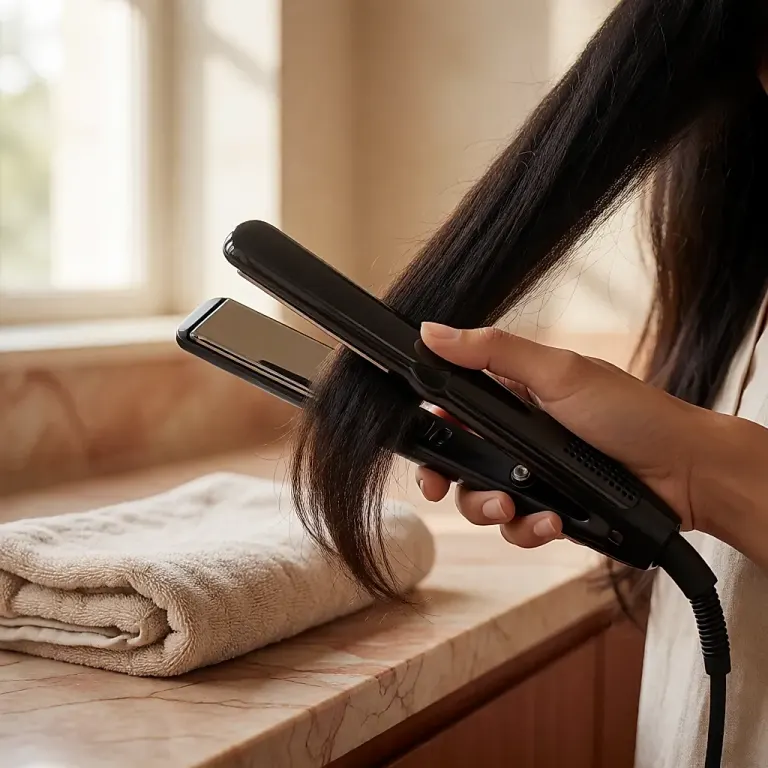
First move: go easy on the aggressive stuff. Bleach, straightening, a full head of highlights, daily blow-drying on high heat. None of it touches the follicle, so none of it makes hair fall out at the root. What it does do is weaken the fibre, which then snaps — so you end up with frazzled ends sitting on top of shedding that's still going.
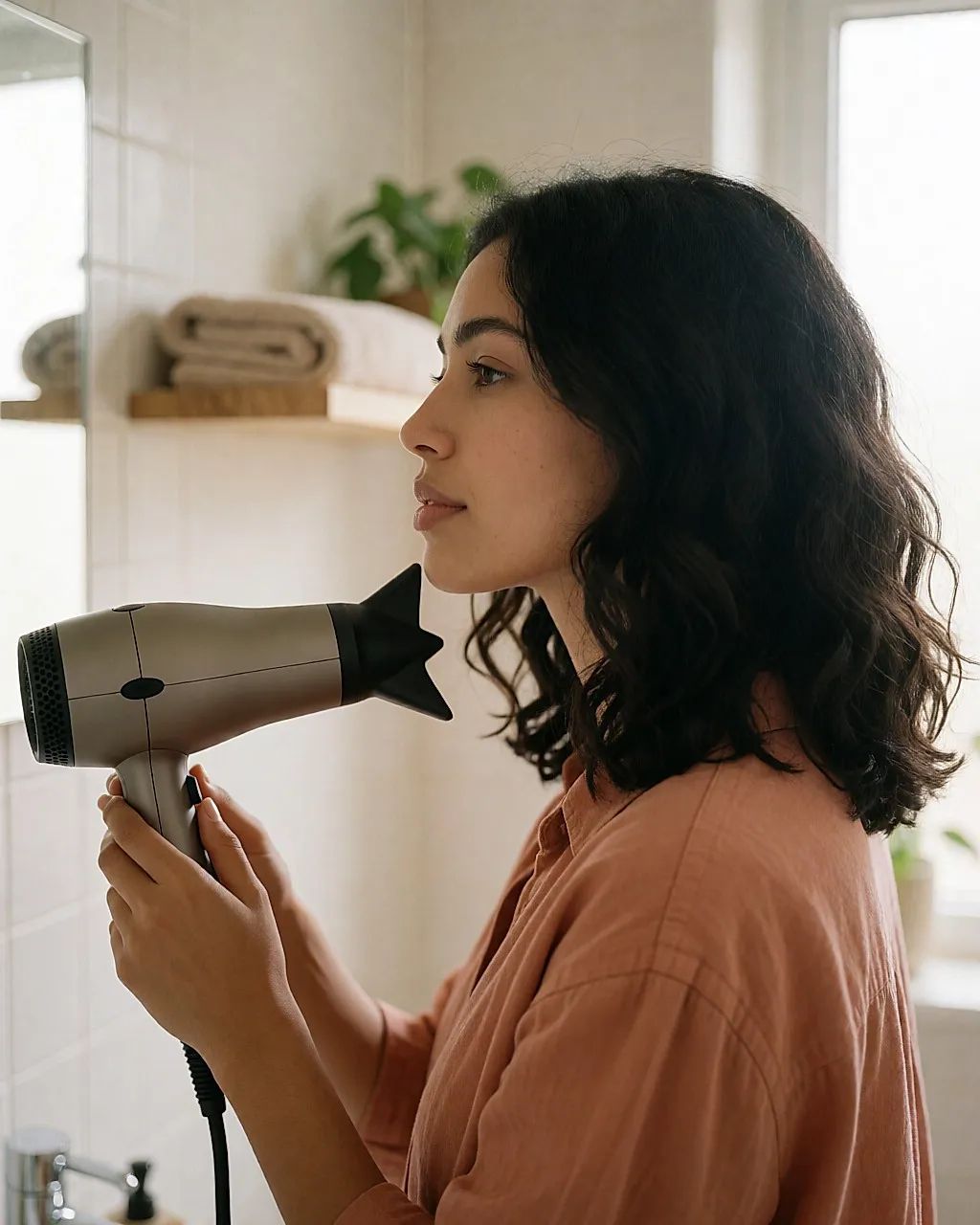
Second: dry it gently. Air-dry when you can, otherwise use a hairdryer on a medium setting, held well away — at least 20cm. And the daily gesture that really does change things is a blast of cold water at the end of your wash. Truthfully, nothing proves it speeds up growth. It can leave hair feeling softer and shinier and make detangling easier; the effect on the cuticle isn't scientifically established. Do it for comfort, not for science.
Third: wash when it needs it. Sebum doesn't suffocate the scalp, but a greasy, itchy scalp ends up scratched and pulled at. A gentle shampoo without harsh sulphates, every other day, alternating with your treatment shampoo if you use one.
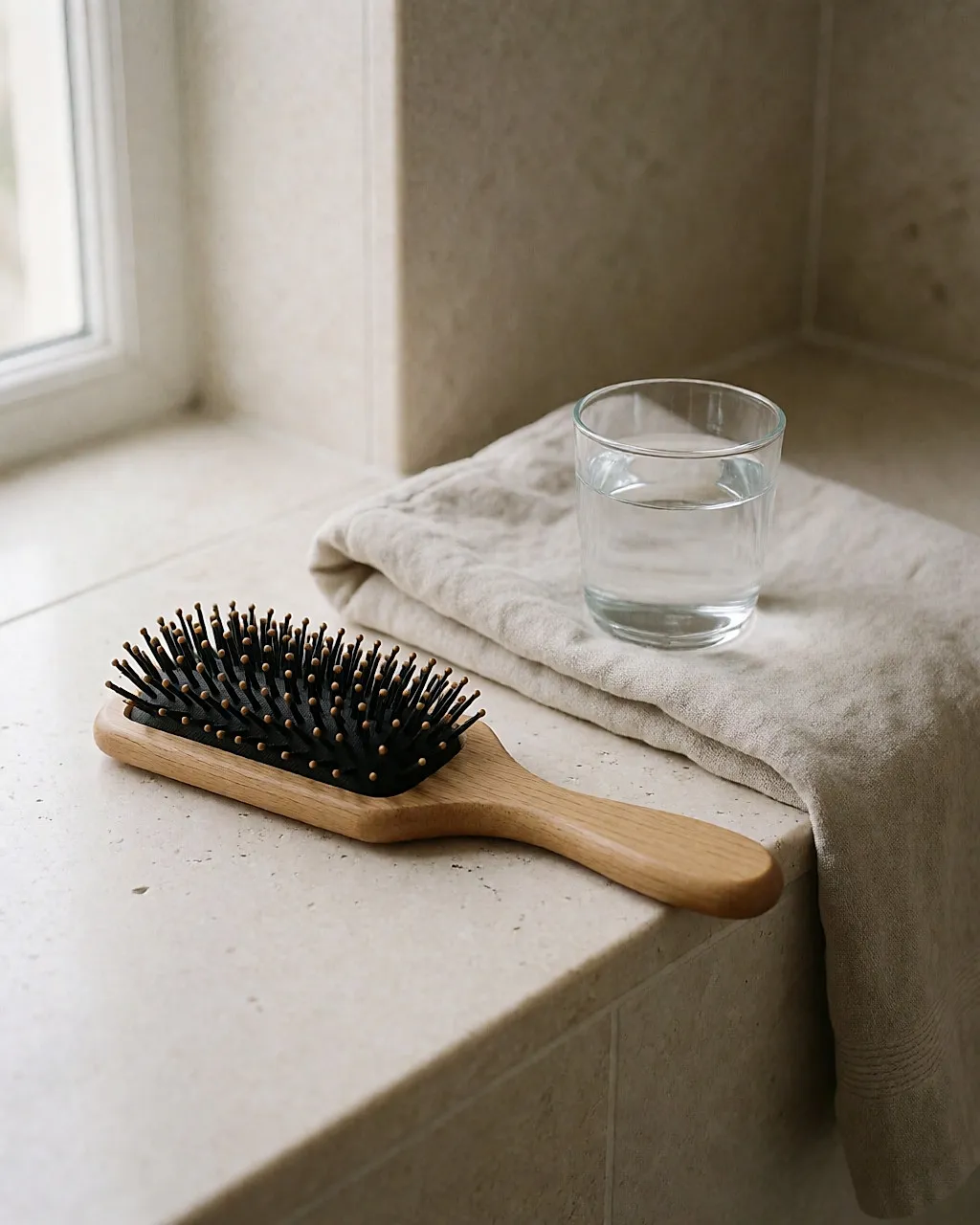
Fourth: detangle without yanking. Two brushes a day, morning and night, is plenty. On tangles through the lengths, hold the roots with one hand, brush with the other, and work from the bottom up.
The three-week test: every Sunday, brush right through and look at what's left in the brush. No need to count strand by strand — compare one week with the next. If it's easing, that's ordinary seasonality. If it's flat or climbing after two months, book an appointment.
Supplements help only if something is missing
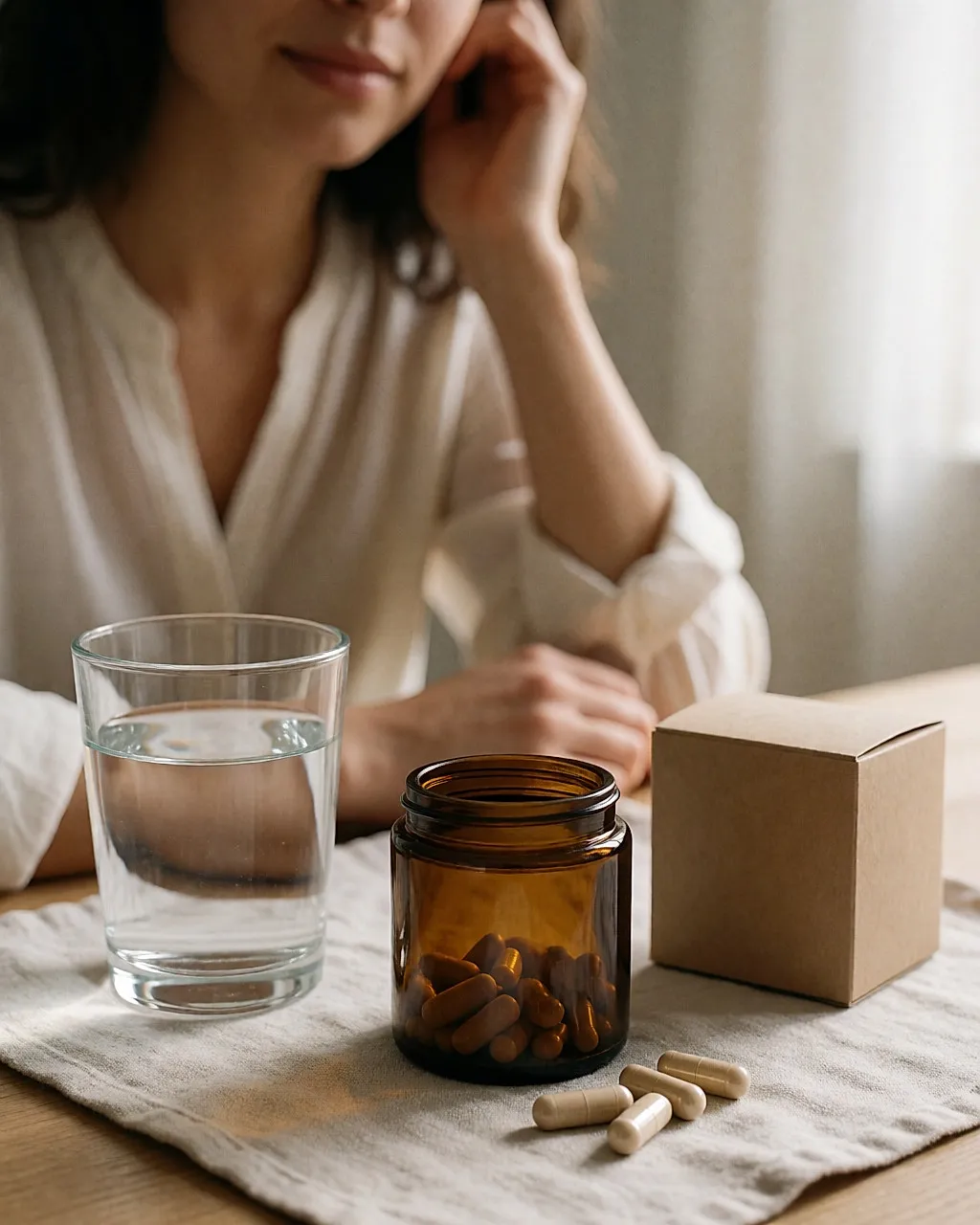
Hair formulas pile on B vitamins, zinc, iron, selenium, amino acids. On paper it all makes sense: those nutrients are involved in building keratin and in cell turnover. The catch is your starting point. If your blood tests are normal, swallowing extra zinc won't make hair grow faster. So should you reach for the first course you see? I'd think twice.
Biotin is the clearest example of the mix-up. Deficiency is rare, and its reputation as the hair vitamin owes a great deal to marketing. At high doses it can even skew certain blood tests, thyroid ones in particular — the FDA issued a safety communication about this in 2017. So get a blood test through your GP before you order anything, don't stack three products at once, and stick to the doses on the label.
On the plate
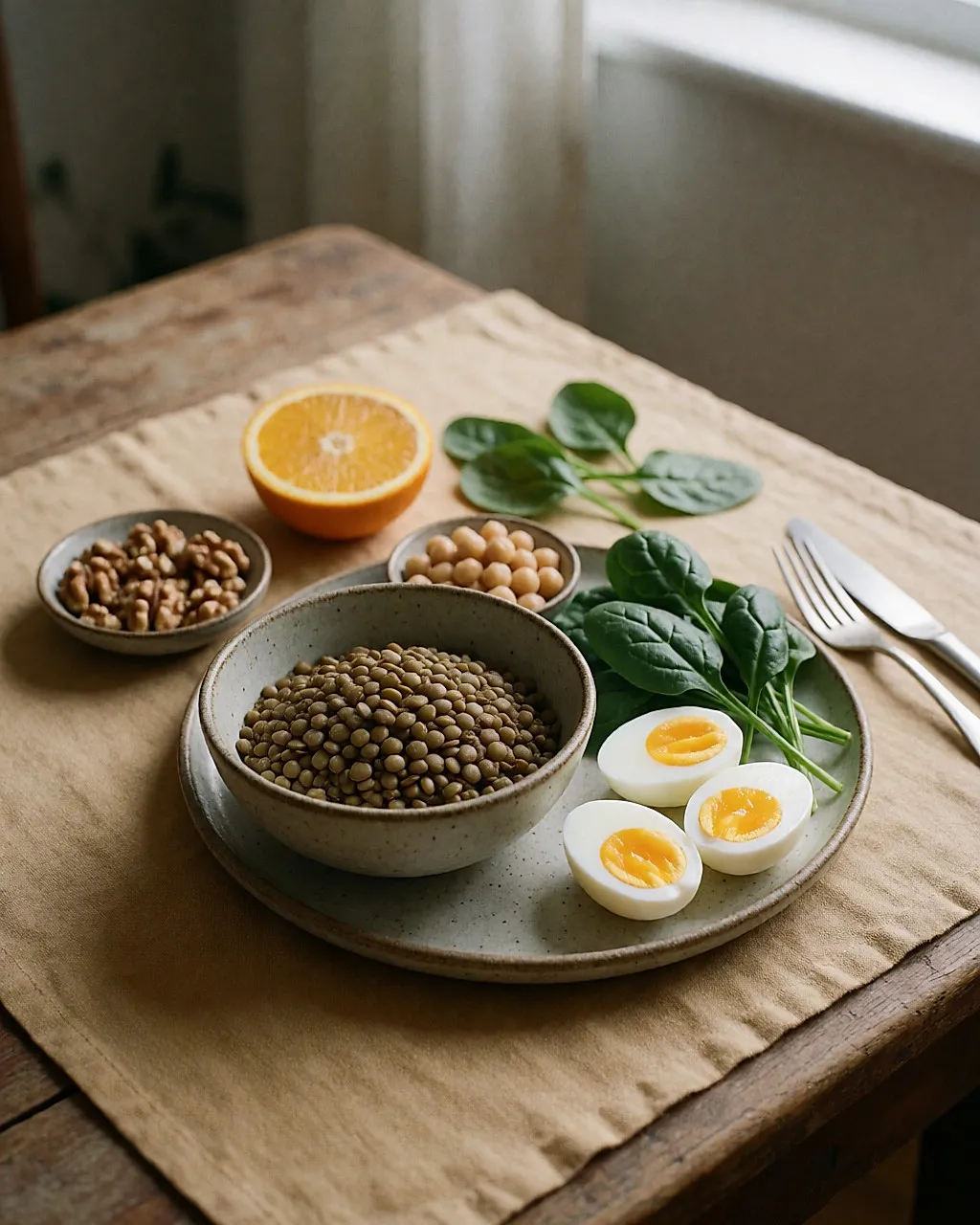
Your hair is built from what you eat, and a seriously unbalanced diet sometimes shows up in the lengths. In practice: iron, from red meat but also lentils and chickpeas, paired with vitamin C so you absorb more of it. Protein at every meal — eggs, fish, pulses — because keratin is a protein. Zinc, wholegrains, nuts. And if you're vegetarian or vegan, keep an eye on vitamin B12 and iron with your GP.
The one thing to actually do: over the next month, note your shedding for three weeks. Only book an appointment if it isn't easing. It's a small habit that stops you spending blind.
What it costs
- Gentle or solid shampoo: around £5 to £20. A COSMOS-certified bar can work out cheaper per wash and skips the plastic bottle; the label covers how the formula is made — how much of it is organic, which processes are allowed — plus some environmental criteria such as packaging and biodegradability for certain formulas. It tells you nothing about how well it will work.
- Serum or ampoules: around £15 to £45 for a month's course. No organic certification says anything about a measured effect here; read the ingredient list rather than the promise.
- Supplements: around £8 to £25 a month, after a blood test.
- Salon cut: around £25 to £70 depending on the town and the salon. A trim won't slow the shedding, but it does take visual weight out of the ends.
- Consultation: GP appointments are free on the NHS, though waiting times for a dermatology referral can be long. Privately, a first dermatology consultation is often around £150 to £250, and clinics vary widely.
Price differences come mostly from the brand, the retailer and the format. Gentle shampoos sit in supermarkets, pharmacies and beauty retailers; solid bars are more of a health-food shop or online buy; serums turn up in beauty halls and on brand websites. On packaging, glass, card and refills remain the easiest to recycle or reuse — worth checking case by case, because not every "eco" format is equal.
Sources
- NHS — hair loss.
- British Association of Dermatologists — patient information on hair loss and telogen effluvium.
- Food Standards Agency — guidance on food supplements.
- FDA — Safety Communication on biotin and laboratory test interference, 2017 (US regulator).
- Courtois M. et al., "Periodicity in the growth and shedding of hair", British Journal of Dermatology, 1996.
Food supplements do not replace a varied, balanced diet and a healthy lifestyle.


Comments
Your opinion matters: rate the article, react and reply to comments.
Comments are moderated; AI-assisted comments are flagged. Text emoticons (8-), :-), <3…) are automatically shown as images.