
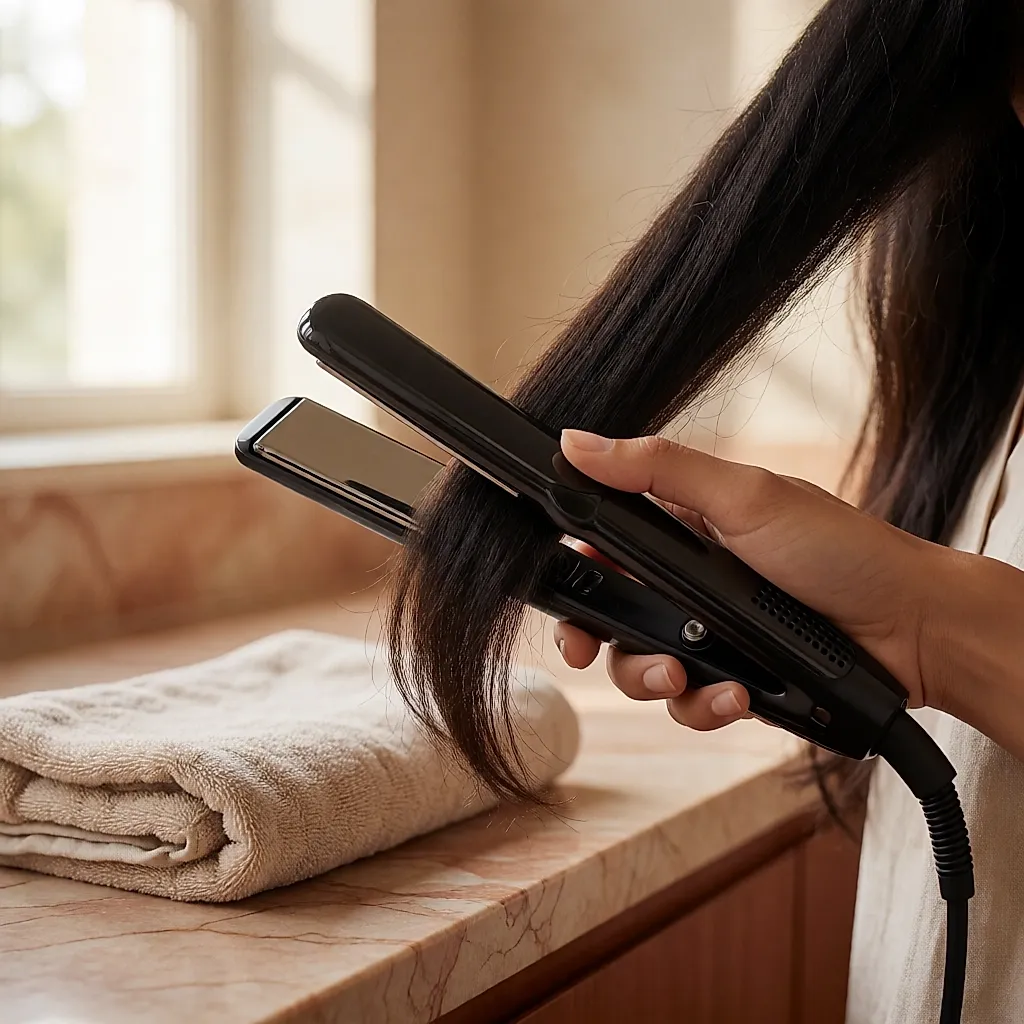
Ceramic plates, tourmaline, titanium, ionic technology and the rest of it… It is a lot to wade through when all you want is a decent straightener, and the brands really do not make the choice any easier. Add to that the price of a good one — nobody wants to get this wrong. You want quality: a tool that lasts, that gets hair properly sleek, and does it fast. The good news is that this is entirely possible now.
They have come a long way. A few years ago you would spend a good half hour getting your hair roughly straight, going over the same section at least three times to get a clean finish. Today there are straighteners that do it in one pass, even on the most stubborn hair. It is just a question of comparing, picking a name you can trust — and, let us be honest, paying for it.
So here is a small selection of the best straighteners on the market right now. And if you are a devoted straightener user, do share your own verdict!
Uki is a name anyone who straightens their hair regularly will recognise. Designed with salon professionals in mind from the start, it delivers on quality — and on results. The model here is the UKI On Line with wide plates (there is a narrower version too): the plates are made of tourmaline, a natural stone used to help the tool glide and to cut down on static.
Straightening is quick and easy, the device heats up in next to no time and spreads heat evenly across the whole plate — a real plus, since it stops hair being over-sensitised by repeated passes. The temperature is adjustable (from 80°C for fine hair up to 210°C for the toughest), which makes it a straightener that suits every hair type.
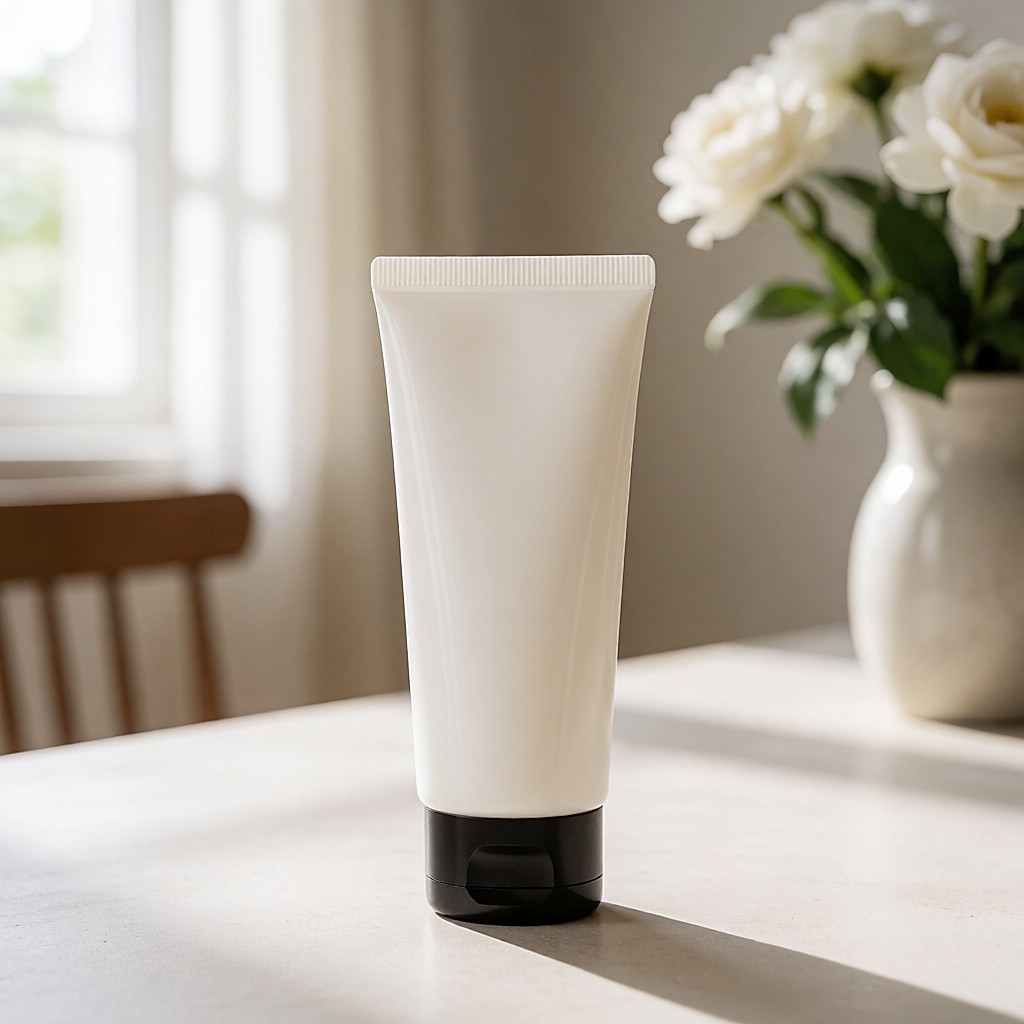
In the L version the plates are 4.8cm wide, ideal for long hair, against 2.8cm on the medium version, which is better suited to shorter styles. Our verdict: a proper professional straightener that genuinely gives you a fast, impeccable finish, and it limits the effect of heat on your hair — though straightening is still straightening: you need to keep up with treatments and serum.
The catch, as you will have guessed, is the price: around £110 to £130 depending on where you buy it, so it remains an investment.
This one caused a real stir, and I will admit it — I fell for it myself. The famous GHD Styler, instantly recognisable by its orangey plates (watch out for counterfeits, and for the odd wave of orange-plated straighteners that has suddenly swept through every brand going…), has proved itself. The plates are ceramic, which promises a long-lasting, good-quality tool and a fast, flawless finish. The Styler reaches its working temperature in seconds and beeps to tell you it is ready. It straightens, waves and curls in no time at all — and that alone is a pleasure.

It comes in several models, wider and narrower, and it holds a constant temperature (around 185°C) with no manual adjustment; when it is left plugged in and unused, it goes into standby after 30 minutes. Yes, a clever straightener.
Having adopted one, here is what I think: as it happens, I have not found better to date — though I have not exactly gone looking! It straightens quickly, one pass is enough, and as the moisture in the hair evaporates the hair ends up perfectly straight and stays that way for a good two or three days, until the next wash. On the temperature staying constant, though, it is hard to say, since the heat setting is not displayed anywhere — one to watch. It heats up very fast, it really does go into standby when left idle, and it smooths and curls both fairly straight hair and very curly hair beautifully. A genuine pleasure. On top of that, the brand regularly brings out sets that pair the straightener with styling tools or a heat-resistant pouch: you put the straightener away while it is still warm and nothing gets damaged, which is very handy. After straightening, hair is shiny, soft and supple — the lot.
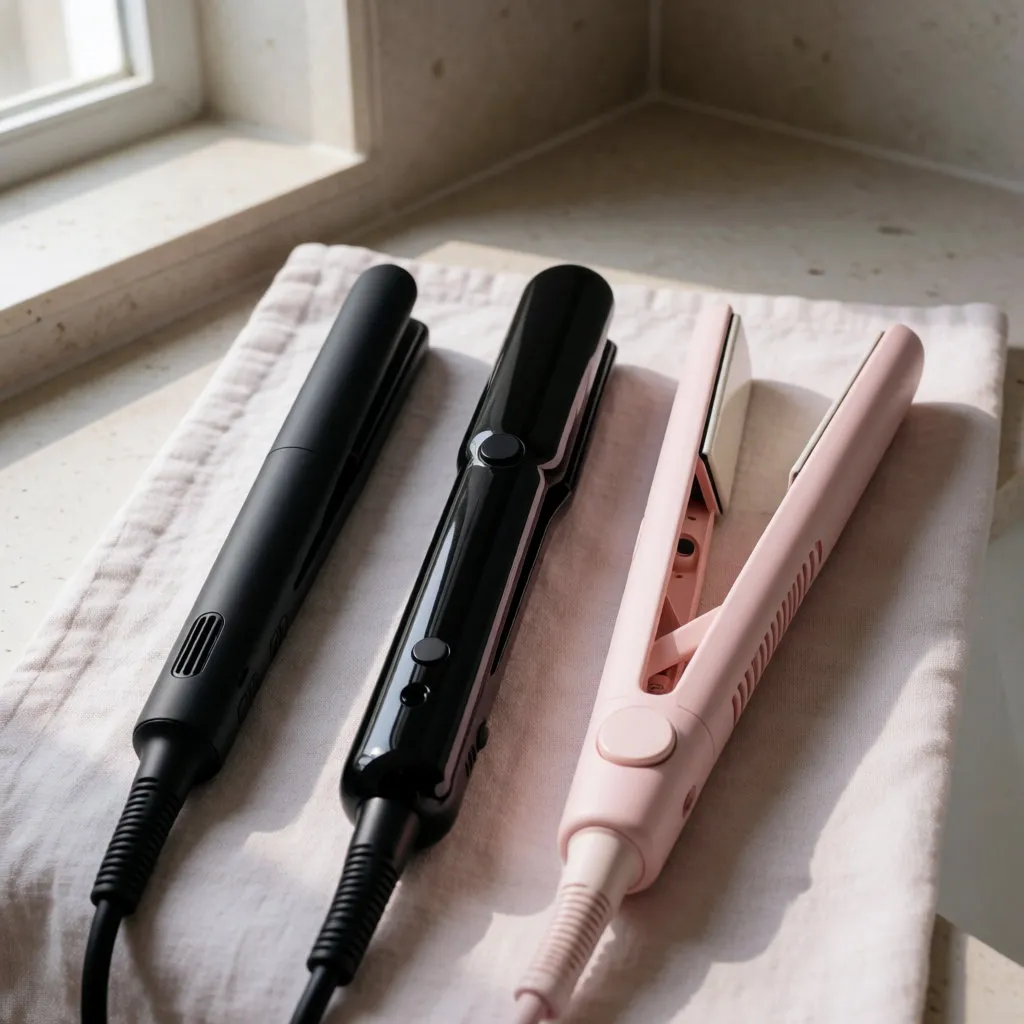
Again, the downside is the price: expect to pay around £150 to £180 for the GHD IV Styler, though thankfully it is built to last. It can be ordered from the brand's own website.
Here too the brand will be familiar, and it has a strong reputation when it comes to straighteners: GA.MA is known for making very good-quality kit.
The model here is the G101 with ionised ceramic plates — the straightener for fine, fragile hair par excellence. Its temperature is adjustable, so you can get the heat perfectly matched to your hair type. The plates let hair glide through smoothly and make straightening easier; no need to go over the same section several times.
A good straightener too, a little less effective than the previous two for my taste — though my hair is thick. It is very effective on fine hair, which does not necessarily need heat up to 200°C and tends to straighten fairly easily. Around £60 to £70 from certain sites and specialist hair-tool shops.
The SweetLiss has won plenty of fans, so it earned its place in our line-up of top-quality straighteners. It looks a little different from the straighteners above: a blue device with what amounts to a small comb designed to improve the finish. The SweetLiss plates are ceramic and heat to a maximum of 175°C. Worth knowing: it comes in two versions, one with classic ceramic plates, the other with aluminic ceramic that works with ions.

Temperature control here is described as automatic too.
What we like is the very handy comb that sits ahead of the straightening plate: you do have to position the tool properly before you use it, and that way it separates the hair and improves the finish — a real plus. The heat is lower than on the straighteners above, though that can be an advantage: some hair does not need a very high temperature to be perfectly straight, and a gentler setting saves you damaging it needlessly. It is a good-quality tool that gives a quick result, but I would still point out that how well it works varies with hair type: very curly hair will probably struggle to get a perfectly sleek finish — at least, that is what you read on some forums. Personally, with fairly straight hair, I have been happy with it, so it is one to try.
Worth noting, it curls hair too.
Finally, expect to pay around £80 — it is still on the expensive side.
And last, a Babyliss that has won over more than one of us: the Pro 230 Ionic Titanium. It heats up to 230°C for the most rebellious hair (manual setting), so it is aimed more at very curly or hard-to-manage hair than at fine, fragile hair. Its plates use a coating specific to the brand, called Ceramic Titanium — titanium holds up well to heat, and the combination of the two gives a smooth surface so hair passes through gently. It is sold with a heat-resistant pouch, which is not to be sniffed at.
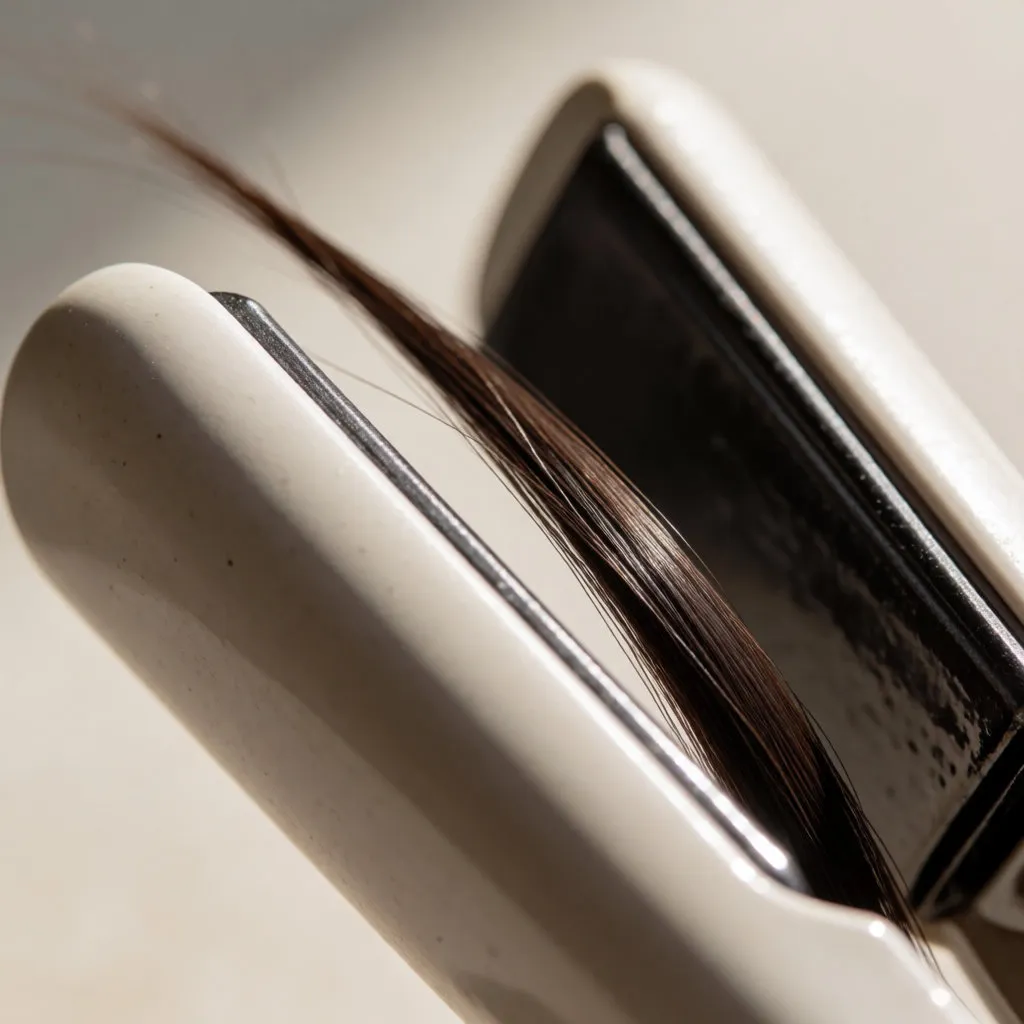

On performance, this is one of Babyliss's most professional straighteners: it really does give very good results, heats up fast (under a minute) and straightens easily — one pass is enough if you have chosen the right temperature.
Its plates eliminate static, which is welcome in winter, and spread a constant heat across the whole surface. As for the price, expect to pay around £70.
Let us finish with a few tips on using your straightener, to limit heat damage and keep the device going for longer:
-
Whether your plates are ceramic, tourmaline, ionic, titanium or anything else, they probably do reduce the damage compared with the straighteners sold a few years ago — but let us not kid ourselves: 200°C is still 200°C, even when it comes off a ceramic plate. So do not skimp on pre-wash and after-wash treatments, and invest in a serum that protects against heat and generally makes straightening easier too. It all helps.
-
Only ever use a straightener on dry hair. Never on wet hair, or even damp hair. So blow-dry it when you want to get a move on, or let it dry naturally if you have the time, but when the straightener comes out, not a strand should be damp.
-
After use, remember to store your straightener somewhere dry. Some brands sell pouches that are perfect for protecting the device — use them. If you do not have one, remember that it hates damp, so to avoid shortening its life (which would be a shame given what it cost), keep it somewhere dry.
-
Finally, if you use your straightener on dry hair and see steam coming off it, that steam can come from residual moisture or from products. But if it comes with a burning smell or smoke, stop straightening and check the temperature.
An article by Natacha for Beauté Femme's beauty guide.
Budget
A good straightener is still an investment, and the price gaps are real. For an entry-level model with plain ceramic plates, expect to pay around £30 to £60: plenty for fine hair that is easy to style, as long as you accept an approximate thermostat and less consistent heat. Between £60 and £110 you are into devices with precise temperature control and steady heat, like several of those mentioned above: that is the zone where value for money is best. Beyond that, £130 to £220 buys professional models with wide plates, often sold as a set with a heat-resistant pouch — the price of consistent heat and, in principle, a longer life.
What pushes the bill up: the material of the plates (ceramic, tourmaline, titanium), how precise the thermostat is, how fast it heats up, and whether there is a standby mode. As for good deals, look to end-of-year gift sets, private sales at hair and beauty retailers and authorised stockists — while staying wary of counterfeits, which are common on successful models.


Comments
Your opinion matters: rate the article, react and reply to comments.
Comments are moderated; AI-assisted comments are flagged. Text emoticons (8-), :-), <3…) are automatically shown as images.