
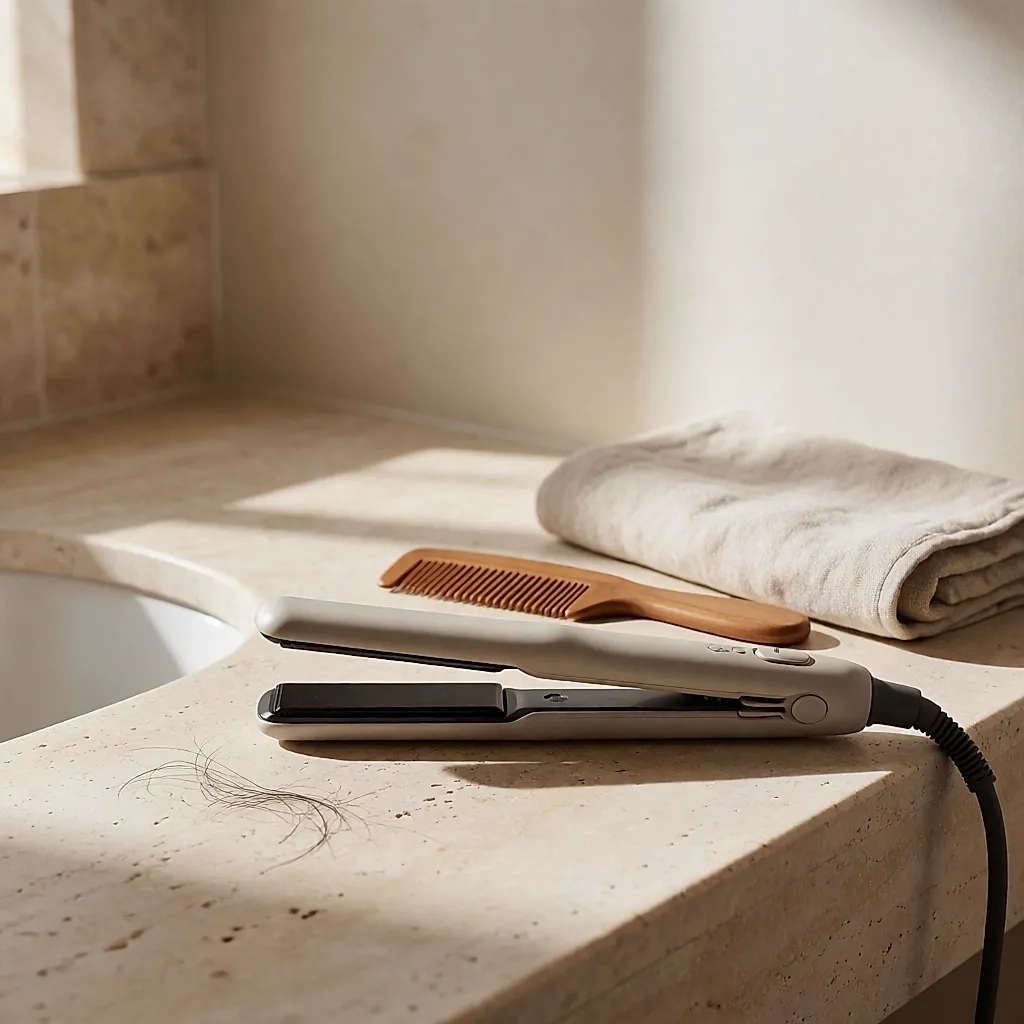
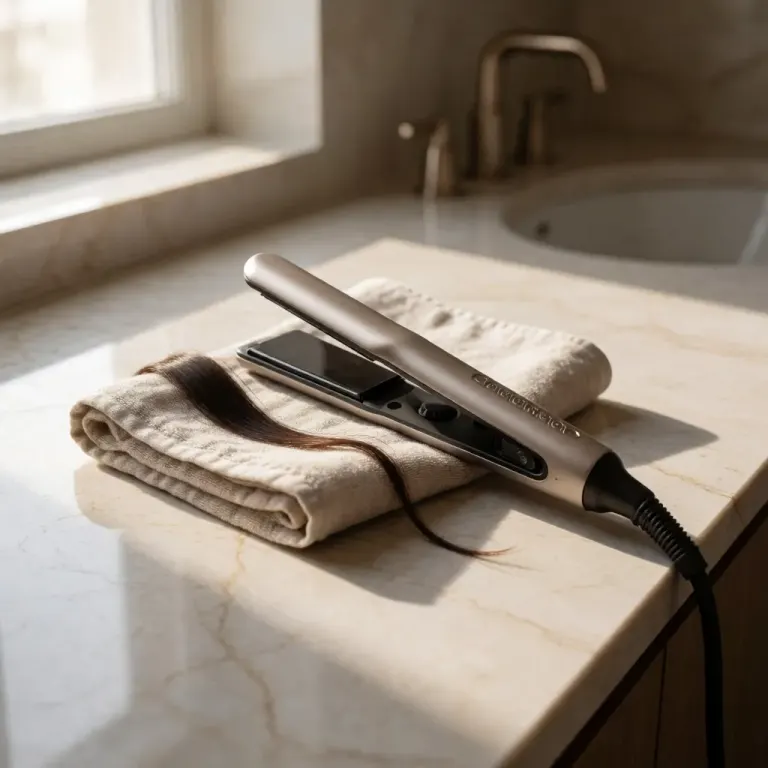
The hair straightener changed everything. No more endless, arm-aching blow-dries that never quite came out right — hours in the bathroom for a result that was only ever nearly there. With straighteners you can get sleek hair in minutes, with far less effort. The problem is that there are so many of them: how are you meant to choose? Here's how to find the pair that suits the length, cut and texture of your hair — because that's what really matters if you want to smooth it without causing too much damage.
We all want straighteners that straighten, of course, but also that leave hair glossy and soft. Whether your hair is straight, coily or wavy, there's very likely a pair that will suit you.
The plates are what count
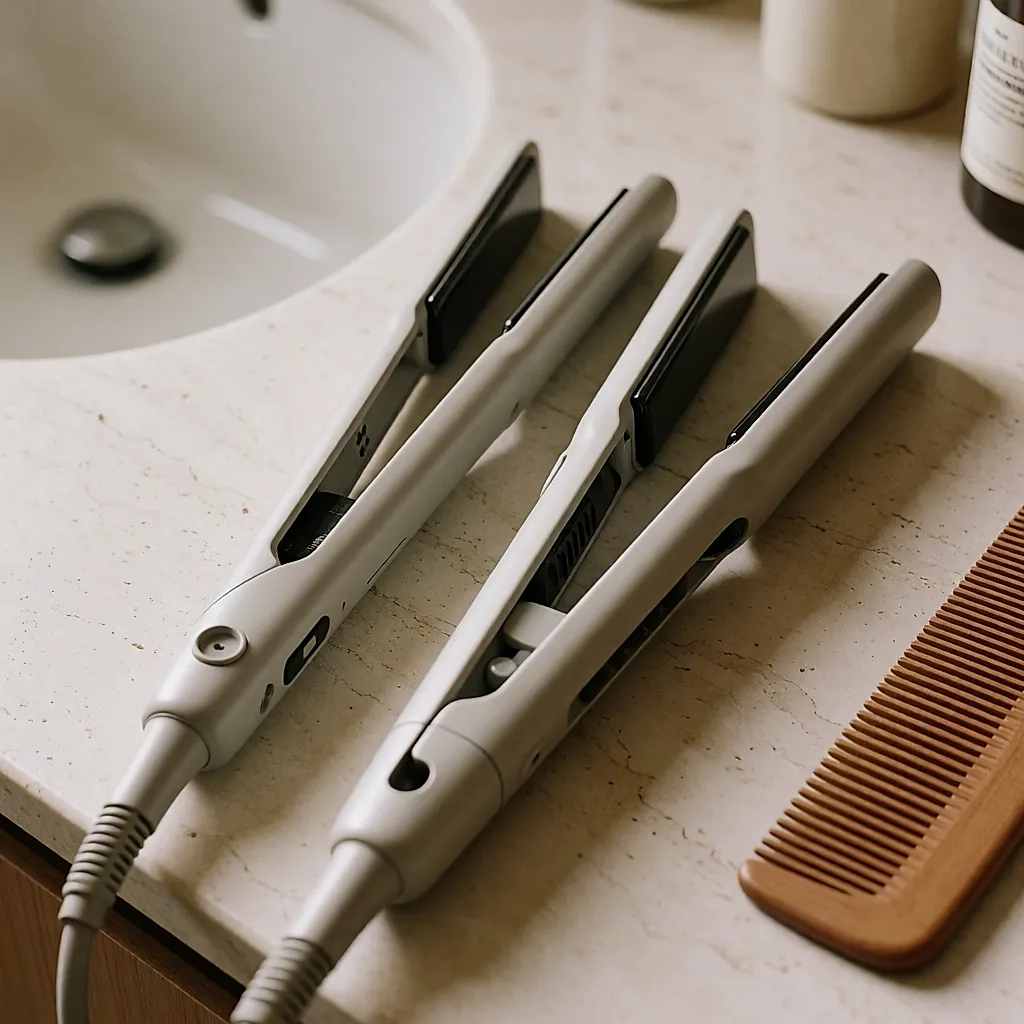
The width you need depends on the length of your hair. Short cut? Go for standard plates, roughly 2 cm across. Hair that falls below the shoulders? Choose wide plates of 3.5 or 4 cm — the whole job goes much faster.
The result depends on temperature, technique and the nature of your hair.
To be on the safe side, stick to a brand you know: BaByliss, ghd, Remington or Philips.
How to use straighteners
Owning a top-of-the-range pair isn't enough — you need to know how to use it. First, in practice, the usual advice is to straighten as little as possible and let your hair rest between passes. However clever the tool and however dreamy the claims made by the hair-tool brands, the heat can dry out and sensitise the hair. In fairness, plenty of progress has been made: with good aftercare and moderate use, it's possible to limit the damage these days.
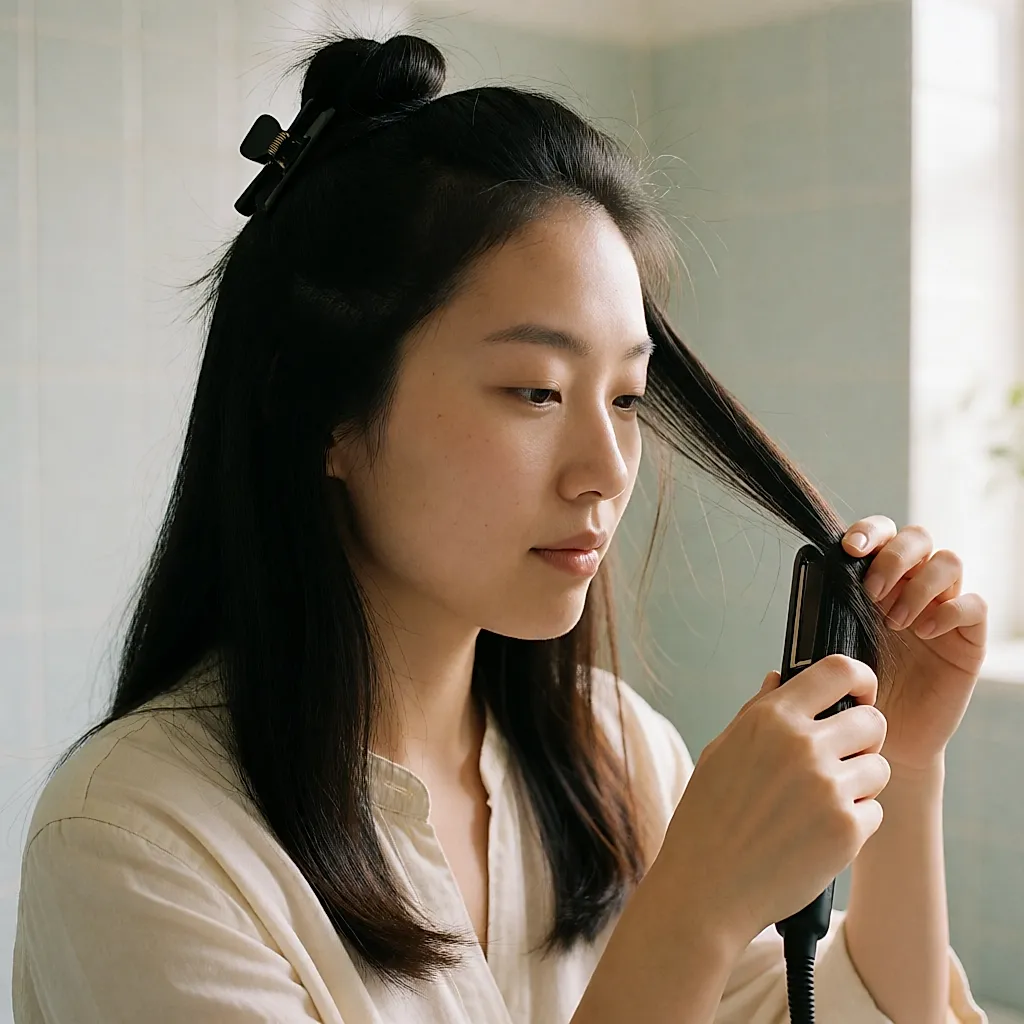
Straighteners are for dry hair, so make sure yours is completely dry first.
Ideally, choose a pair with an adjustable thermostat so you can set the temperature. It can vary considerably depending on your hair type.
Brush your hair thoroughly before you start. Begin with the underneath, pinning the top section out of the way. Take a section about 3 cm wide, place the straighteners at the roots and draw them slowly down to the ends. Look out for heat-protection milks and serums made for blow-drying or straightening, too — they help shield your hair from the heat.
What to budget
On price, expect to pay roughly £20–£40 for an entry-level pair with ceramic plates — plenty for occasional use on fine hair. Between £40 and £90 you'll find most straighteners with an adjustable thermostat, which is where the real comfort lies: you can match the heat to your hair. Above £100, you're into professional haircare brands and models that heat up fast or have wider plates — worth it if you straighten often, but the price rises quickly. The cost also depends on plate size, whether there's a temperature display and how long the thing actually lasts — a pair that keeps going for ten years can work out cheaper than three cheap ones. You'll find them in supermarkets, in Boots or Superdrug, in electrical retailers such as Currys or Argos, and from hairdressing suppliers.
Comments
Your opinion matters: rate the article, react and reply to comments.
Comments are moderated; AI-assisted comments are flagged. Text emoticons (8-), :-), <3…) are automatically shown as images.