

You're just out of the shower, you pinch the back of your thigh between two fingers, and there it is — that small dimple you'd never really noticed before. It was there all along, don't worry. Cellulite often appears in the late teens and affects the vast majority of women. It isn't a personal failing and it isn't unusual: it's the norm.
That said, 'the norm' doesn't mean 'nothing to be done'. It just means letting go of the idea that a pot of cream will sort it out in three weeks. Why? Because what you see in the mirror isn't just a pocket of fat.
What's actually going on under the skin
Beneath your dermis, fibrous bands hold the fatty tissue in place — a little like the buttons on a tufted mattress. In women, those bands run vertically and stay flexible: the fat pushes up towards the skin and draws the dimples you know so well. In men, the arrangement is different — hence their luck. Add genetics, hormones, smoking and a sedentary lifestyle, and you have most of the explanation.
In other words, cellulite isn't a health condition. It's a normal variation in women's skin. That doesn't mean nothing can be softened — only that you need to aim at the right target.
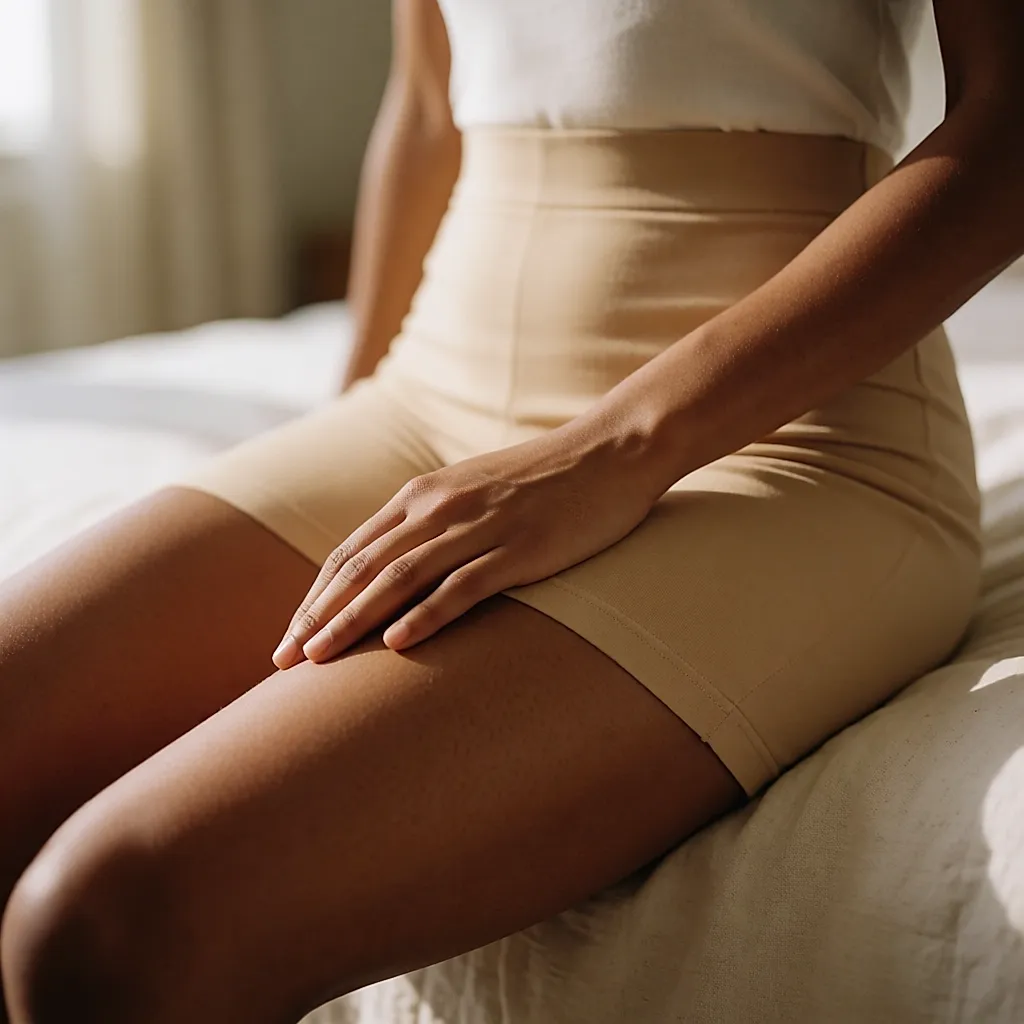
Move more — and keep at it
If you only keep one habit, keep this one.
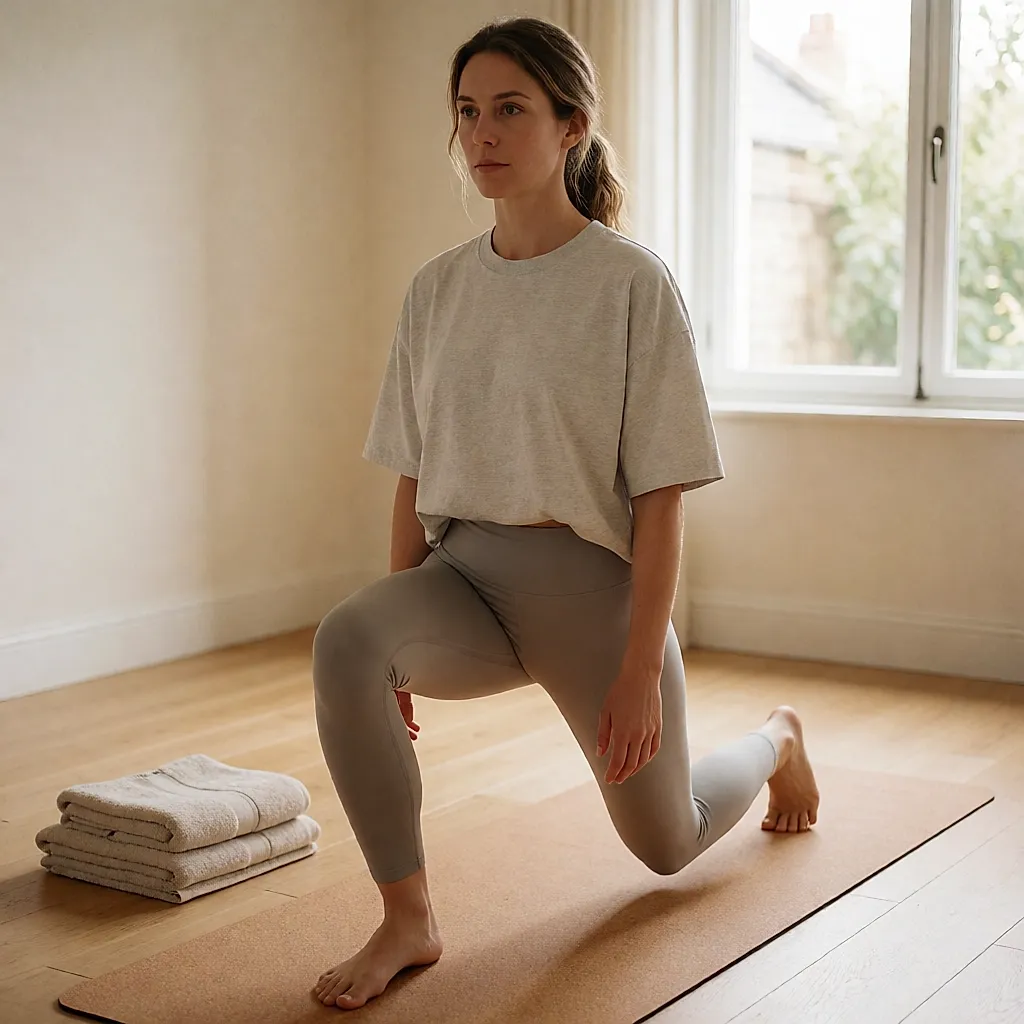
Exercise won't erase cellulite, but it changes body fat and muscle tone — two factors that visibly change how skin looks. The combination that holds up? Cardio plus resistance training. In practice, that means regular activity, say a few sessions a week, kept going over time.
Swimming, brisk walking, cycling, jogging: choose whatever you'll genuinely stick to. Then add two resistance sessions a week (squats, lunges, hip thrusts). And no, muscle doesn't burn the fat sitting on top of it — that's a stubborn myth. It's the whole body that shifts.
Training that's too sporadic is unlikely to produce a visible change; consistency counts for more.
Eating: steady habits, not punishment
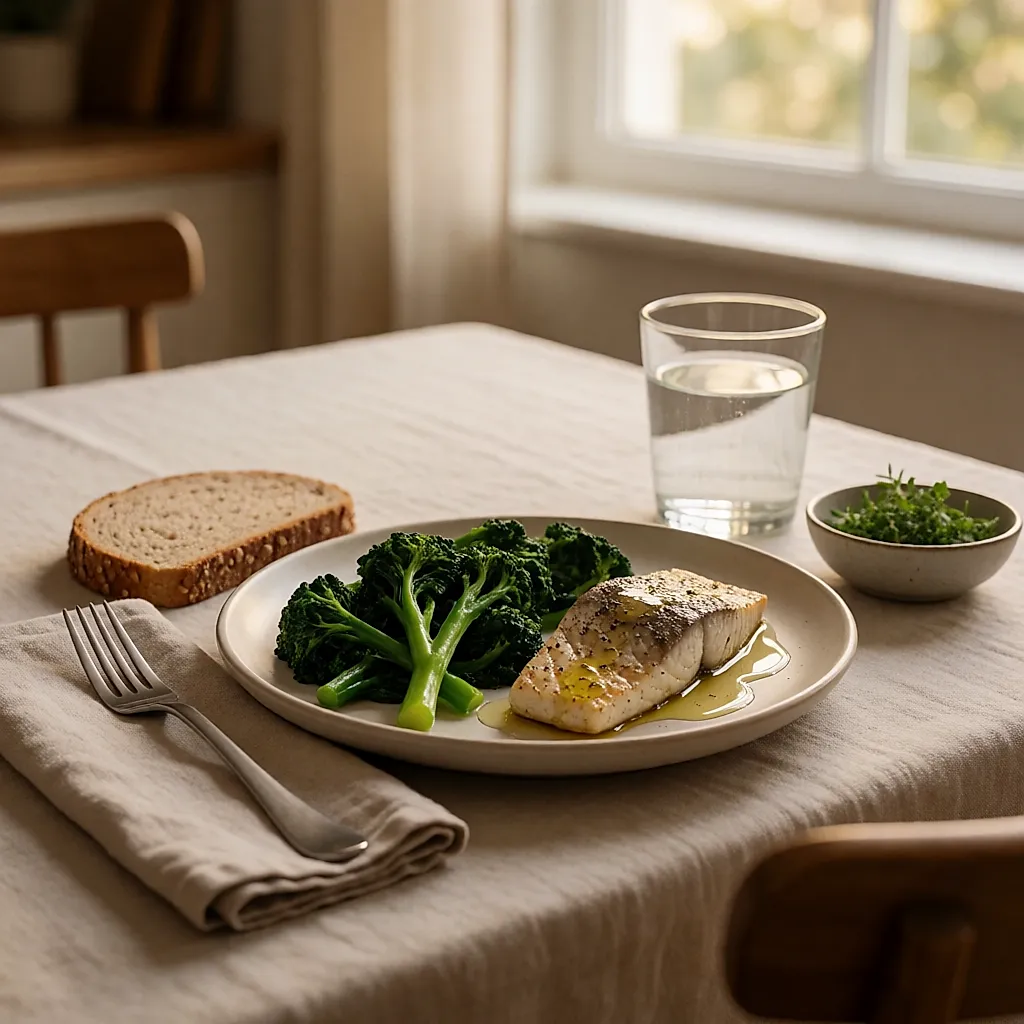
Nobody is asking you to ban fat and sugar. That said, a slightly calmer way of eating helps: more vegetables and protein, fewer fried foods, pastries and ultra-processed products.
Too much salt encourages water retention, and alcohol and smoking damage the microcirculation. Three concrete points beat a punitive diet: a lighter evening meal, more home cooking, and drinking water without thinking about it.
And if food labels leave you baffled, a registered dietitian will steer you better than an influencer ever will.
What creams and supplements can and can't do
Do 'slimming' creams really work? No — they don't melt fat. The rules covering cosmetics and their advertising in the UK don't allow a product to claim an effect on body fat at all.
Some formulas with caffeine or retinol can smooth the look of the skin a little. Used on their own, without exercise or any change to your diet, they won't make much difference. On the practical side, look for a light texture that's easy to massage in, and a pump bottle or a refillable jar rather than layers of packaging: at least your daily ritual isn't costing the planet any extra. If you want something certified natural, a label such as COSMOS Organic sets standards for the ingredients — but it guarantees nothing about dimple-smoothing, let's be clear.
With 'fat-burner' supplements, caution is the order of the day. UK regulators including the MHRA and the Food Standards Agency regularly warn about slimming supplements, some of which have been linked to serious side effects. It isn't a shortcut, it's a risk.
Massage and devices help — temporarily
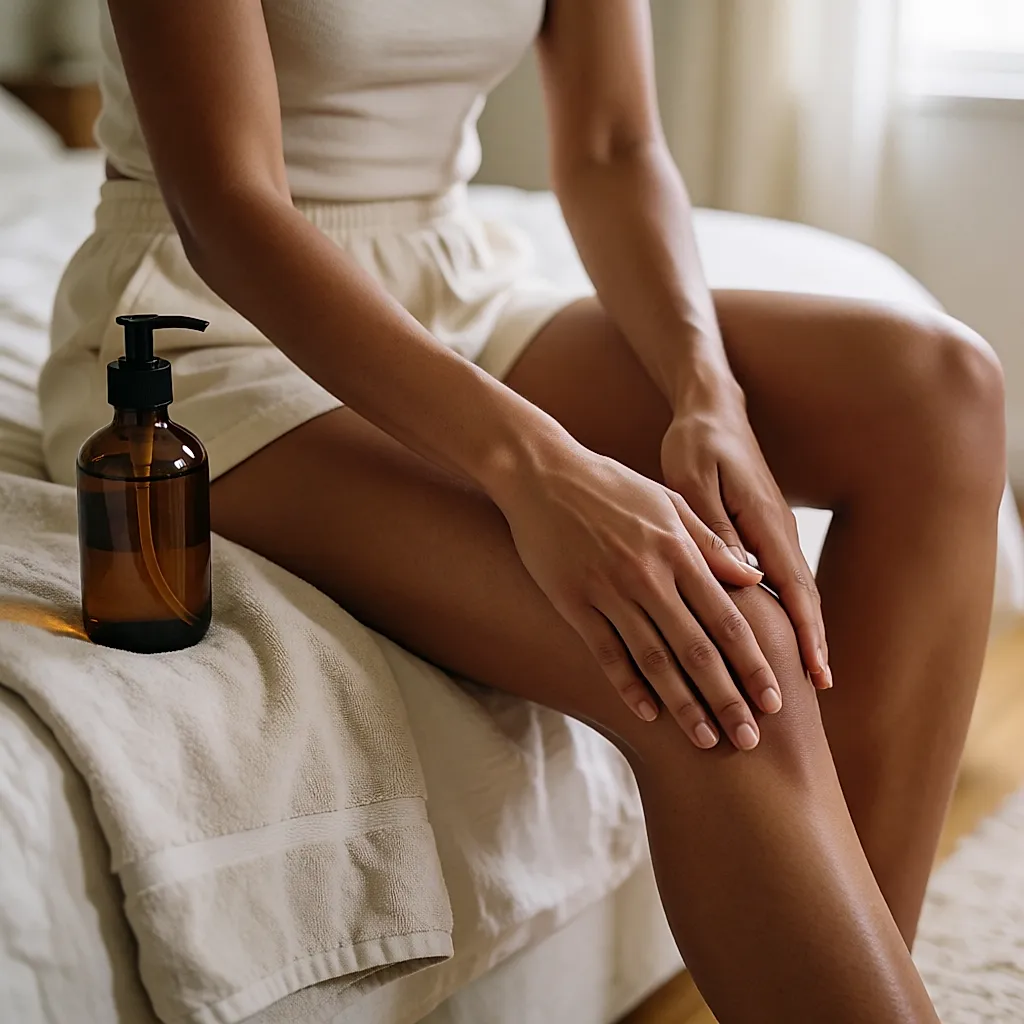
Palper-rouler (the pinching massage technique), lymphatic drainage, salon appointments: these can help. Help with what, exactly? With oedema and circulation — so with the appearance of the skin. But the effect fades quickly once you stop. To keep results going, you're better off with regular sessions — a commitment of both budget and diary space.
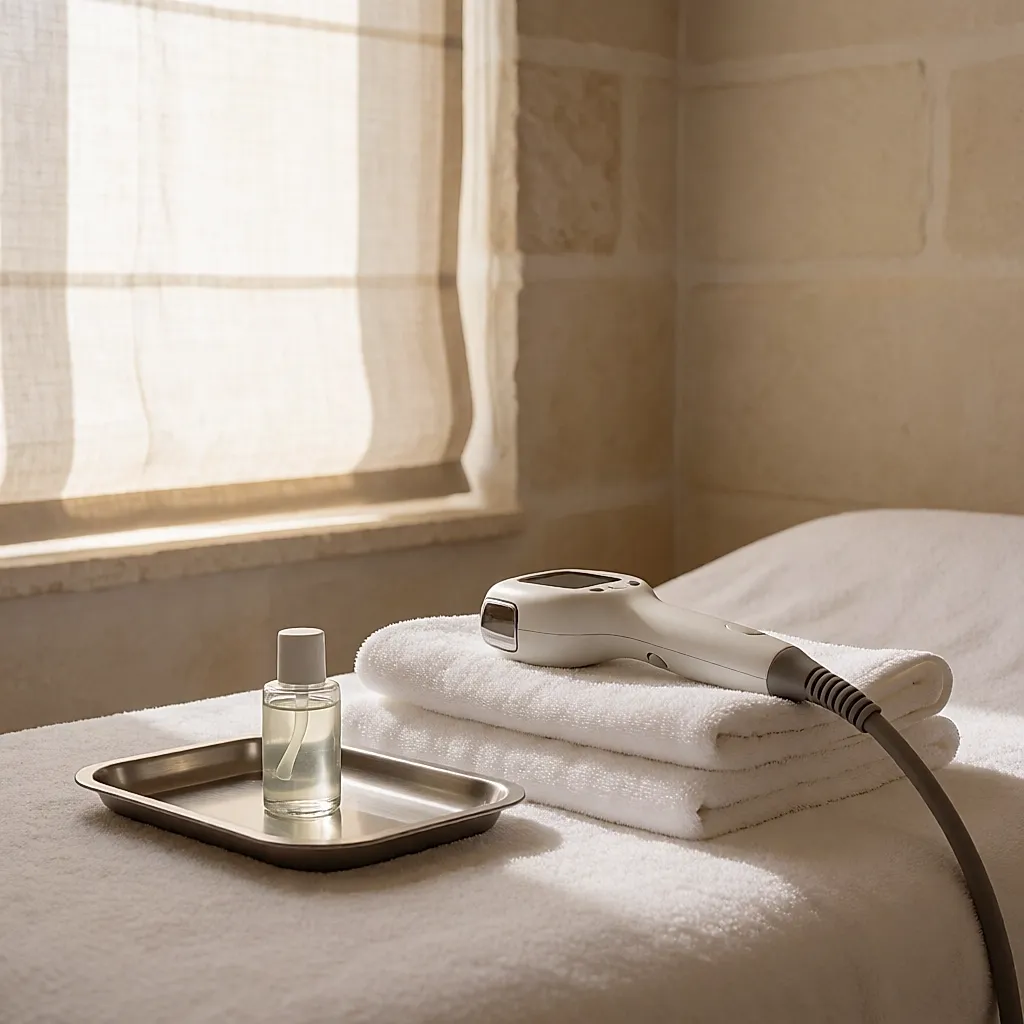
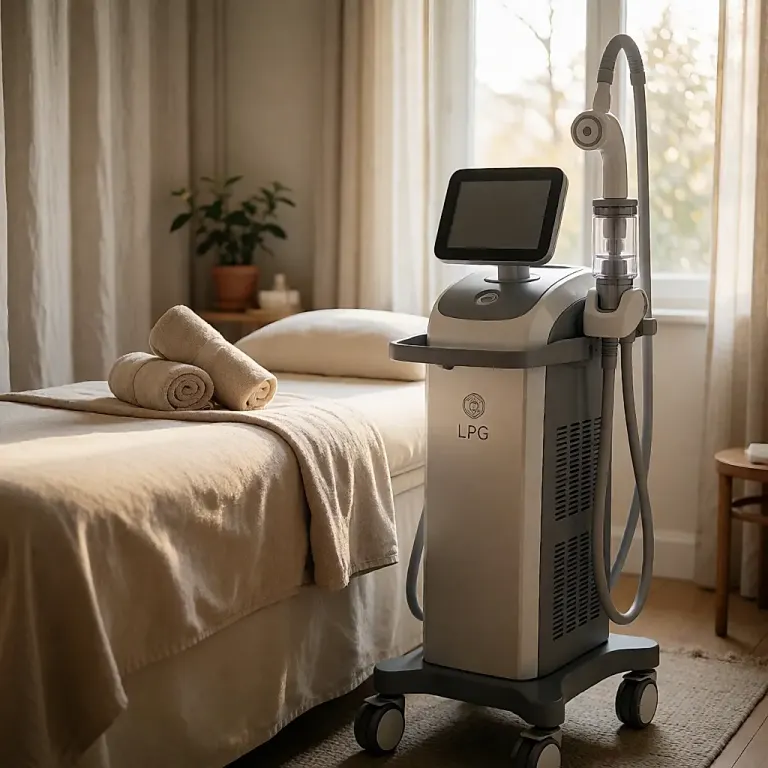
Same logic for devices: acoustic wave therapy, radiofrequency, lasers. They can temporarily improve the look of dimpling, with results that vary from person to person and between technologies. Sessions aren't available on the NHS.
At home, you can add one simple habit: dry brushing before your shower, and a plant oil (sweet almond, sesame) massaged in daily. It won't replace a course of treatment in a clinic, but it's inexpensive and the movement is good for your circulation.
What it costs
Prices vary widely depending on the range and where you shop. A 'slimming' cream usually sits somewhere around £10 to £35 in a pharmacy, a health and beauty retailer, the supermarket or online. 'Fat-burner' supplements run at roughly £8 to £25 a month, though how much good they do is hotly debated.
In a salon, expect around £45 to £80 for a session of palper-rouler or lymphatic drainage, with packages bringing the price per session down. For home devices (radiofrequency, acoustic waves), budget from about £100, and sometimes more than £300 depending on the technology. The city, the length of the course and how regularly you go all shift the final bill — and maintaining results over time often costs more than the first purchase.
The bottom line: cellulite isn't a health problem — it's a normal variation in women's skin. The realistic aim is to soften it, not to make it disappear. If a product promises the opposite, it's selling you an illusion.
The change that actually matters
Pick two things, not ten. Two workouts a week and a lighter dinner, for example. Give it time before you judge. Take a photo, even a bad one, in the same light — it's the only way to see what's genuinely changing.
And if cellulite weighs on you enough that you avoid putting a swimming costume on, talk to a dermatologist. There are options in clinic, with specific indications and clear limits. None of them is magic, and all of them are worth a conversation.
Sources
- American Academy of Dermatology — aad.org
- MHRA — gov.uk/mhra (warnings on unlicensed slimming products)
- Committee of Advertising Practice and the Advertising Standards Authority — asa.org.uk (rules on cosmetic claims)
- British Association of Dermatologists — bad.org.uk
Food supplements do not replace a varied, balanced diet and a healthy lifestyle.


Comments
Your opinion matters: rate the article, react and reply to comments.
Comments are moderated; AI-assisted comments are flagged. Text emoticons (8-), :-), <3…) are automatically shown as images.