

You get up, catch your reflection in the bathroom mirror, and there it is: that bluish shadow making you look like you were out till 3am when you actually slept a full eight hours. The under-eye area is the part of the face that forgives the least — and the one where we spend the most, fastest, with the least to show for it. So before you dash out to buy a cream, one simple question: where is that shadow coming from? Because not all dark circles are treated the same way, and the product someone recommended to you may not be the one you actually need.
Identify your dark circle type
The skin around the eye is the thinnest on the face — several times thinner than the rest. That's why it lets whatever is going on underneath show through. There are three broad profiles, and it's not unusual to have two at once.
- Vascular dark circles: blue or purple, they deepen when you're tired, stressed, or after a short night. Microcirculation slows, blood pools, and shows through the skin.
- Pigmented dark circles: brown, linked to excess melanin. Often hereditary, sometimes made worse by repeated rubbing or sun exposure.
- Structural dark circles: not a colour but a shadow, hollowed out by volume loss under the eye. No cream will fill it.
This quick assessment saves you from pouring money into the void.
What an eye cream can really do
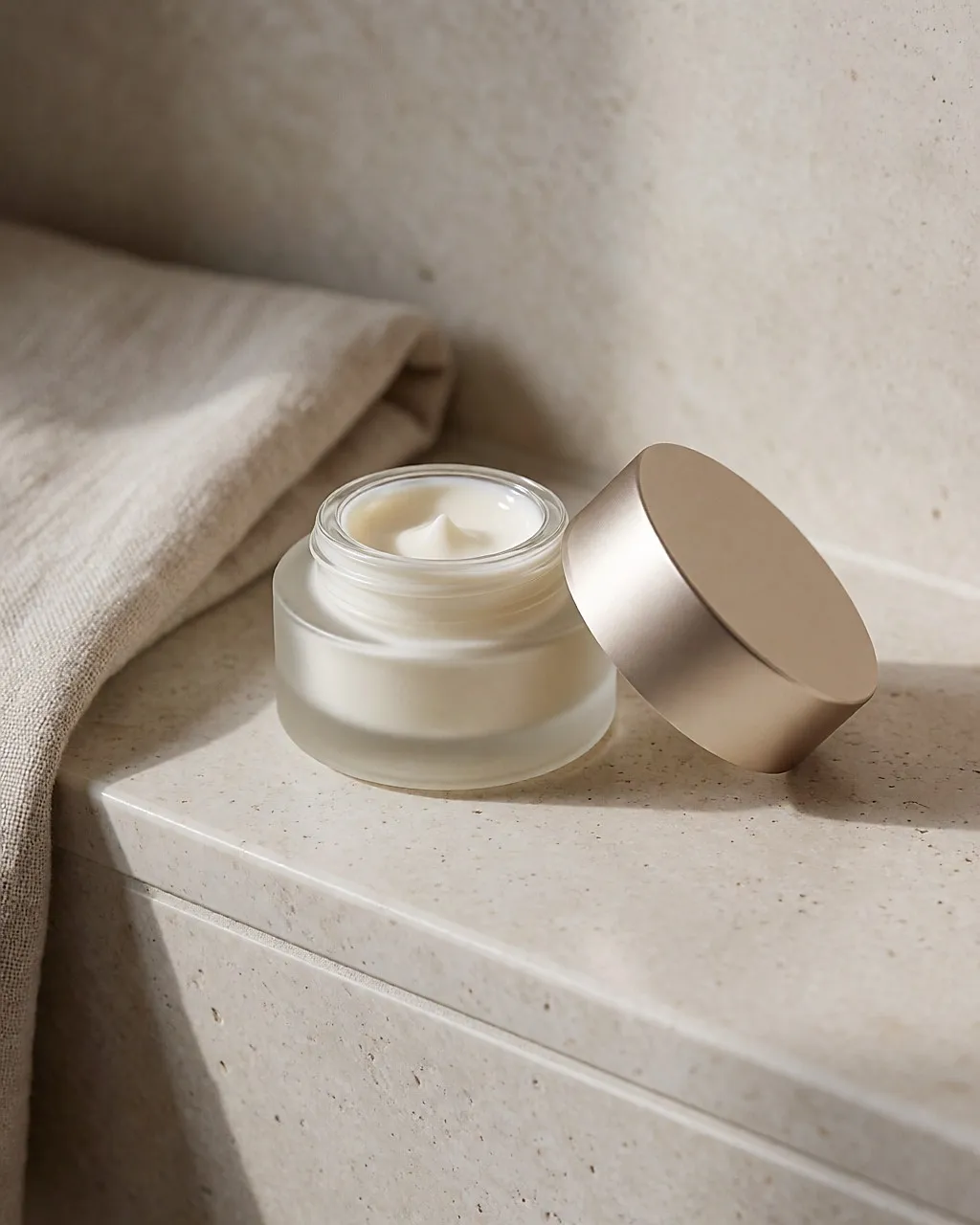
An eye cream doesn't erase anything, but it works on the underlying condition. Texture matters as much as the ingredient list: a gel-cream or light fluid is better tolerated than a rich texture, which tends to migrate and leave you puffy the next morning. That kind of texture adds hydration and supports the skin barrier, which helps limit dark circles caused by dehydration.
On the active side, you'll often find caffeine, with its vasoconstrictor properties; vitamin C and its derivatives, interesting for pigmented dark circles; hyaluronic acid, which plumps the area; and niacinamide, which works on both tone and the skin barrier.
If you're after a cleaner formula, the COSMOS Organic or Ecocert standards guarantee a minimum share of naturally derived ingredients and the exclusion of certain controversial families — but they say nothing about anti-dark-circle efficacy. A glass jar or a refill mainly cuts down on waste. The best choice is the one whose texture suits you: a light, well-tolerated formula will do more than a rich one abandoned after ten days.
One last reflex: sun protection. This very thin skin is sensitive to UV, which keeps pigmented dark circles going.
Getting the technique right
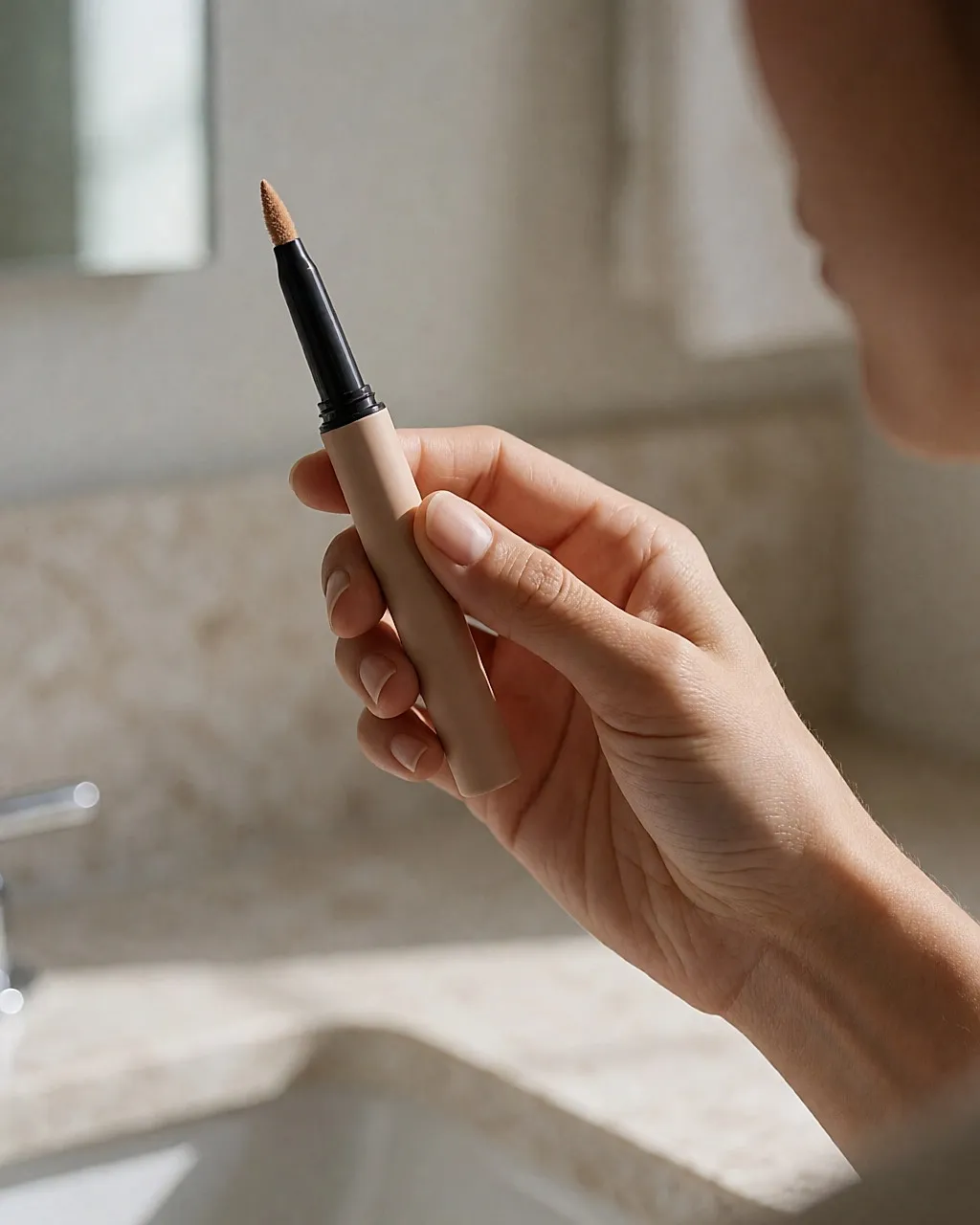
Applying, yes — but how? The technique does half the work. Dot a pea-sized amount onto the pad of your ring finger — the weakest finger, so the gentlest — and tap from the inner corner out towards the temple. No rubbing. Follow with a few soft presses under the pupil and at the inner corner: this little ritual decongests and relaxes.

Cold constricts the vessels and reduces puffiness in the short term. It's free, immediate, and comes with no promise of lasting results. :::
The right concealer for your skin tone
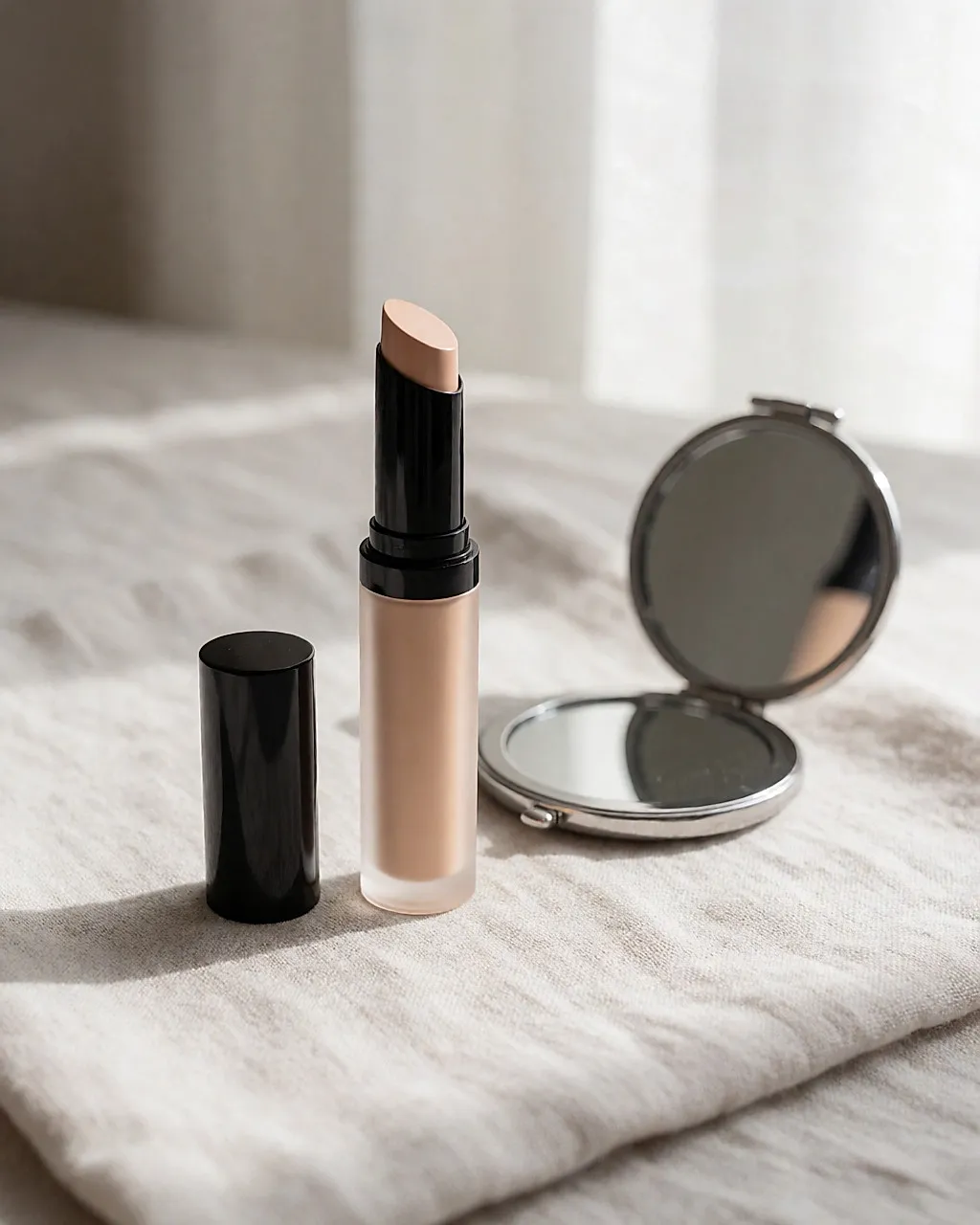
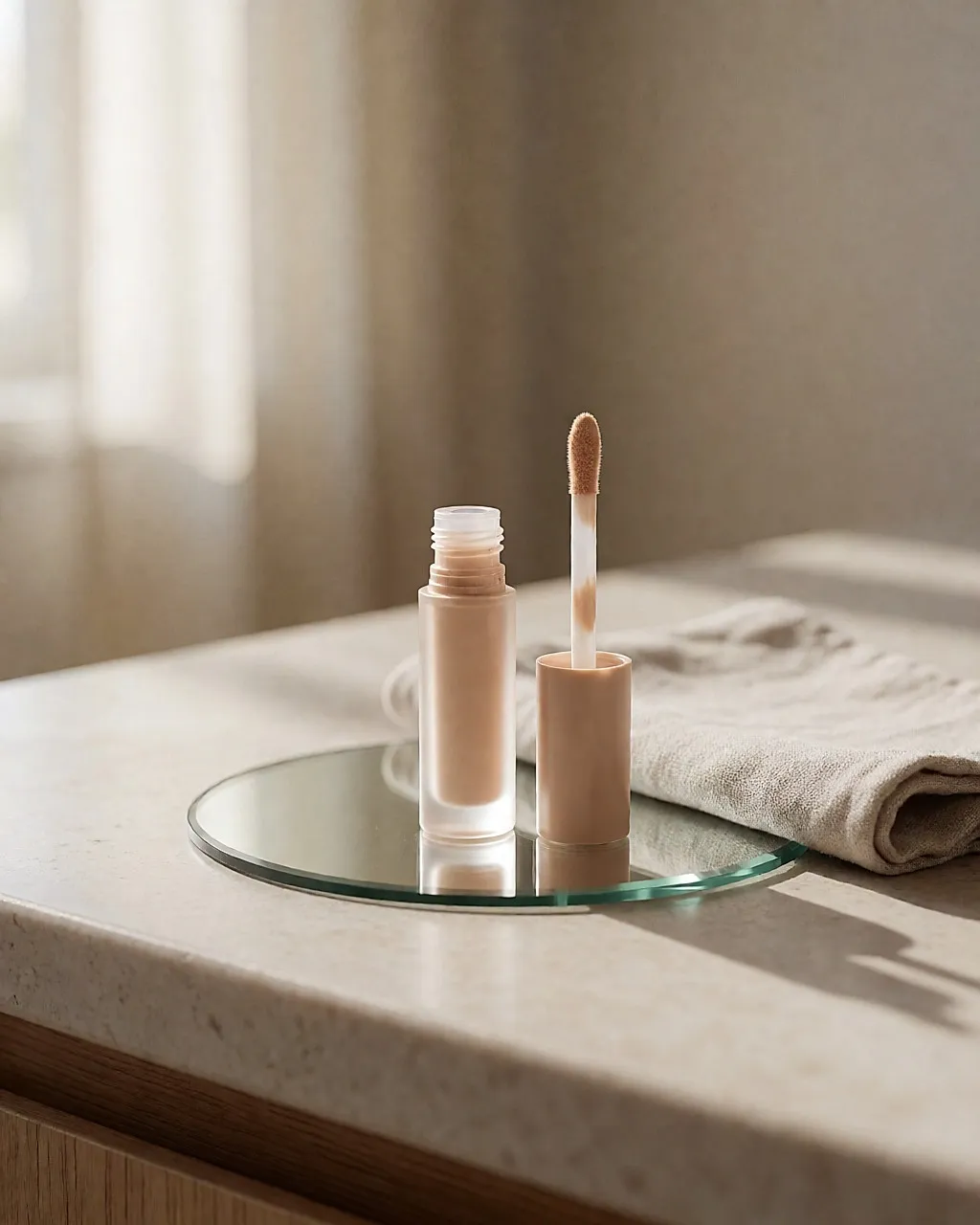
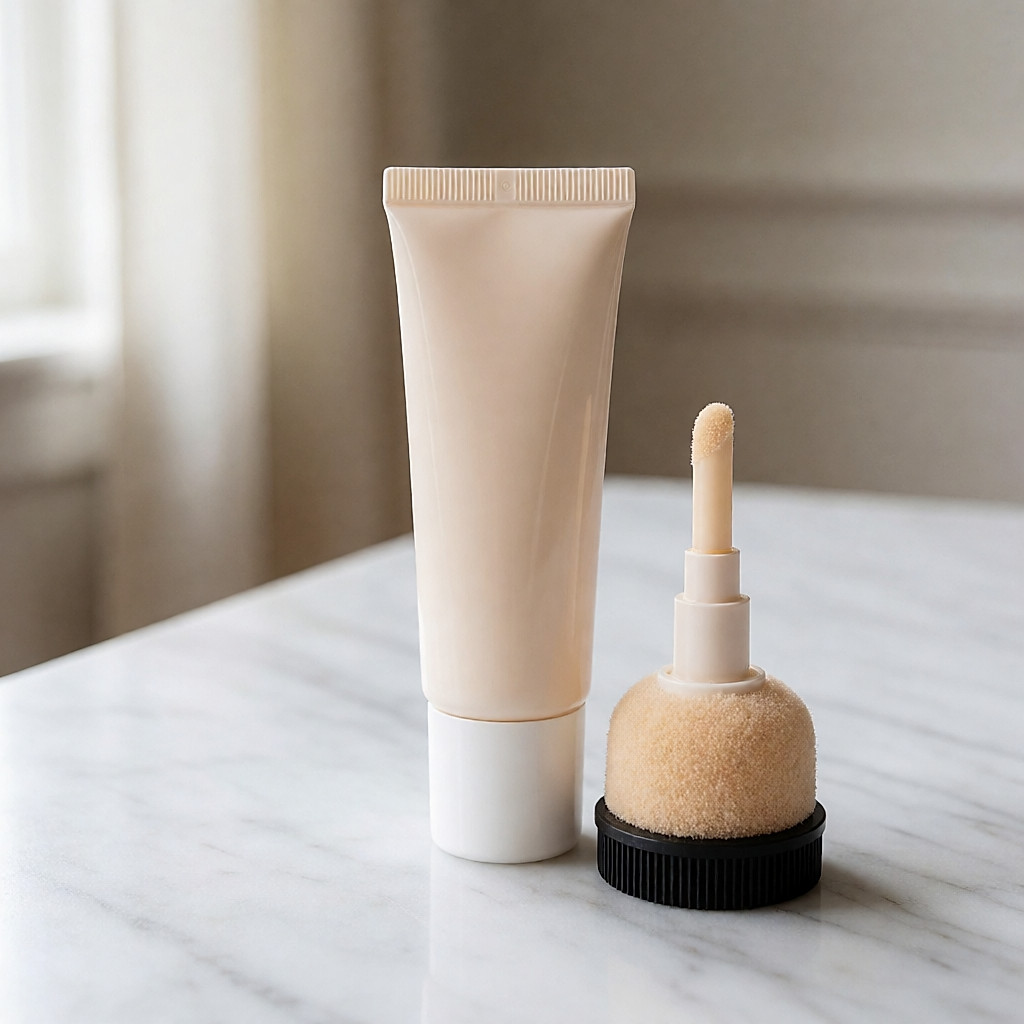
Once the cream has sunk in, it's time for base. The "one shade lighter" rule you read everywhere is a trap: it creates a grey or white halo. To conceal, a concealer close to your natural tone works better — slightly peach or apricot for a bluish circle, a touch deeper for a brown one.
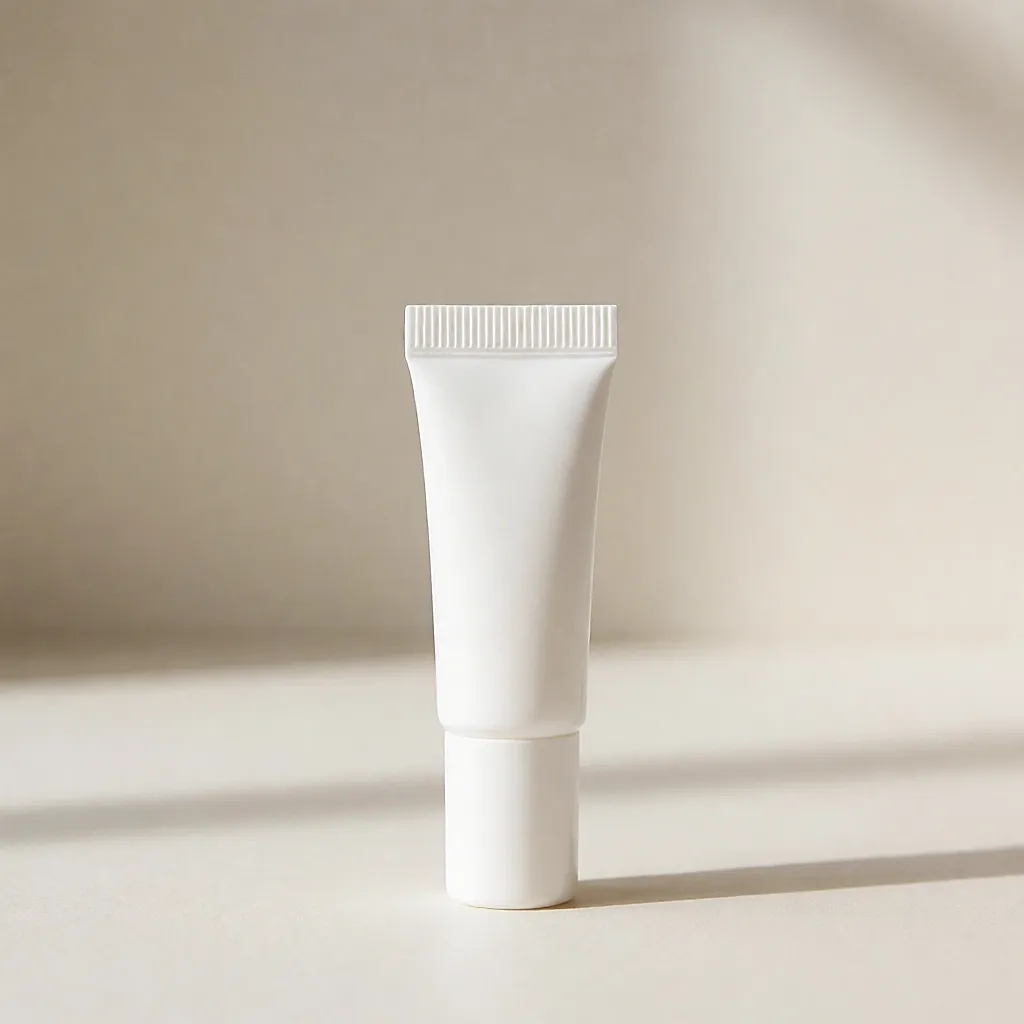
Cream-powder textures hold well and blur; hydrating fluids are more comfortable if the area is dry. And use very little: three dots, blended out with a flat brush or your fingertips.
Everyday habits
- A regular bedtime: no cream replaces a full night's sleep.
- Sunglasses whenever there's light: UV protection and less squinting.
- Smoking and alcohol take their toll on microcirculation; the less you do, the better your under-eye area looks.
- A cooled tea bag over each eye, or a cotton pad soaked in organic cornflower water, to decongest in the morning.
- Regular eye tests: an uncorrected mild prescription tires the eye, and squinting draws fine lines.


Budget
- Hydrating eye cream: expect around £8–£20 at a chemist or supermarket, £20–£50 from a dermatologist brand.
- Active formulas (caffeine, vitamin C, niacinamide): expect around £15–£40 at a chemist, £40–£80 from a luxury brand.
- Concealer: expect around £6–£18 at a supermarket, £18–£35 at a beauty retailer or online.
What pushes the price up? The concentration and number of actives, the packaging (refill, glass or card), an organic label such as COSMOS Organic or Ecocert, and local manufacturing. A pricier formula isn't necessarily more effective, and refillable packaging often costs a little more up front before working out cheaper.
Sources
- American Academy of Dermatology — guidance on dark circles and sun protection for the eye area.
- Cleveland Clinic — "Dark Circles Under the Eyes".
- NHS — advice on eye strain and eye tests.
- COSMOS Standard / Ecocert — standards for organic and ecological cosmetics.



Comments
Your opinion matters: rate the article, react and reply to comments.
Comments are moderated; AI-assisted comments are flagged. Text emoticons (8-), :-), <3…) are automatically shown as images.