
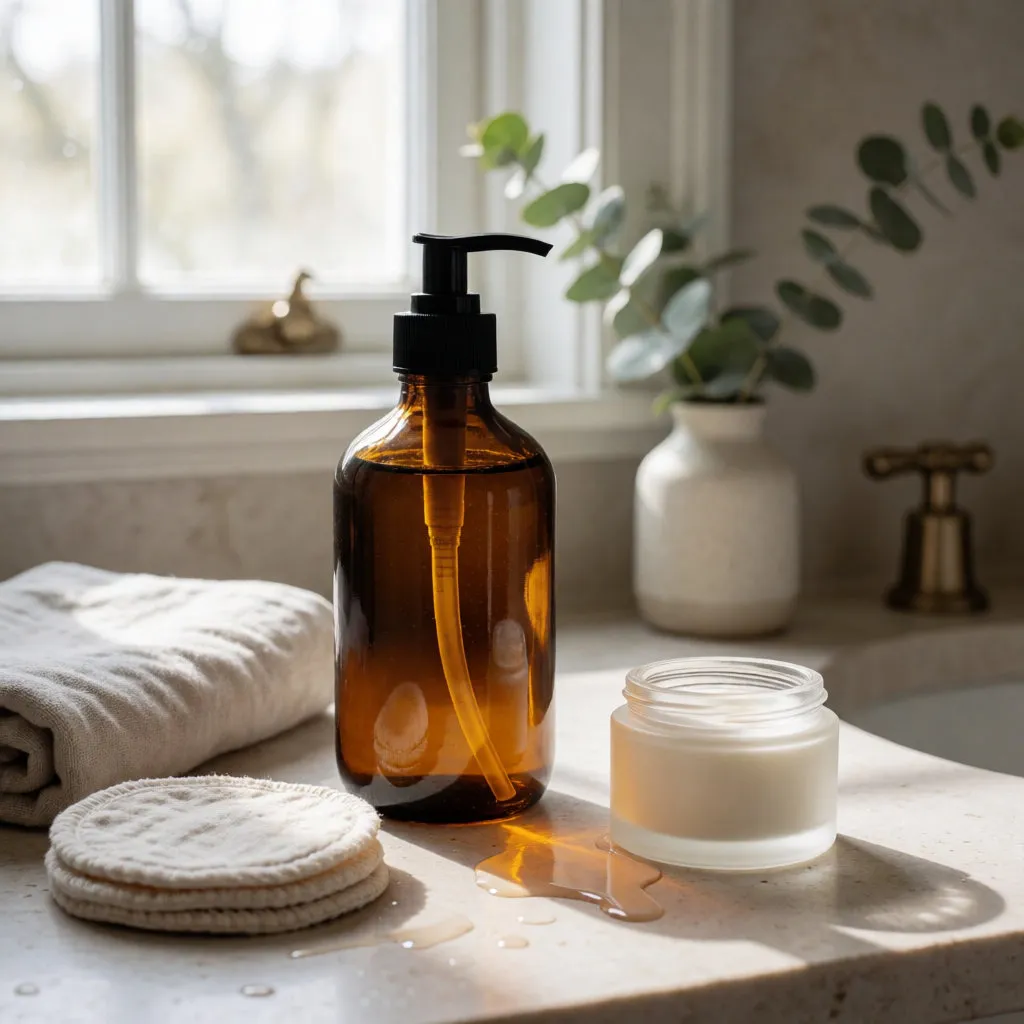
A spot turns up the night before a big day and the whole day wobbles. You would love to be able to wipe it away in one go, but skin has its reasons. The thing is, acne affects a large share of teenagers and young adults, and many women too complain of unsightly spots: pharmaceutical labs and dermatologists, for their part, are trying to put an end to these annoyances, with advice and products to match.
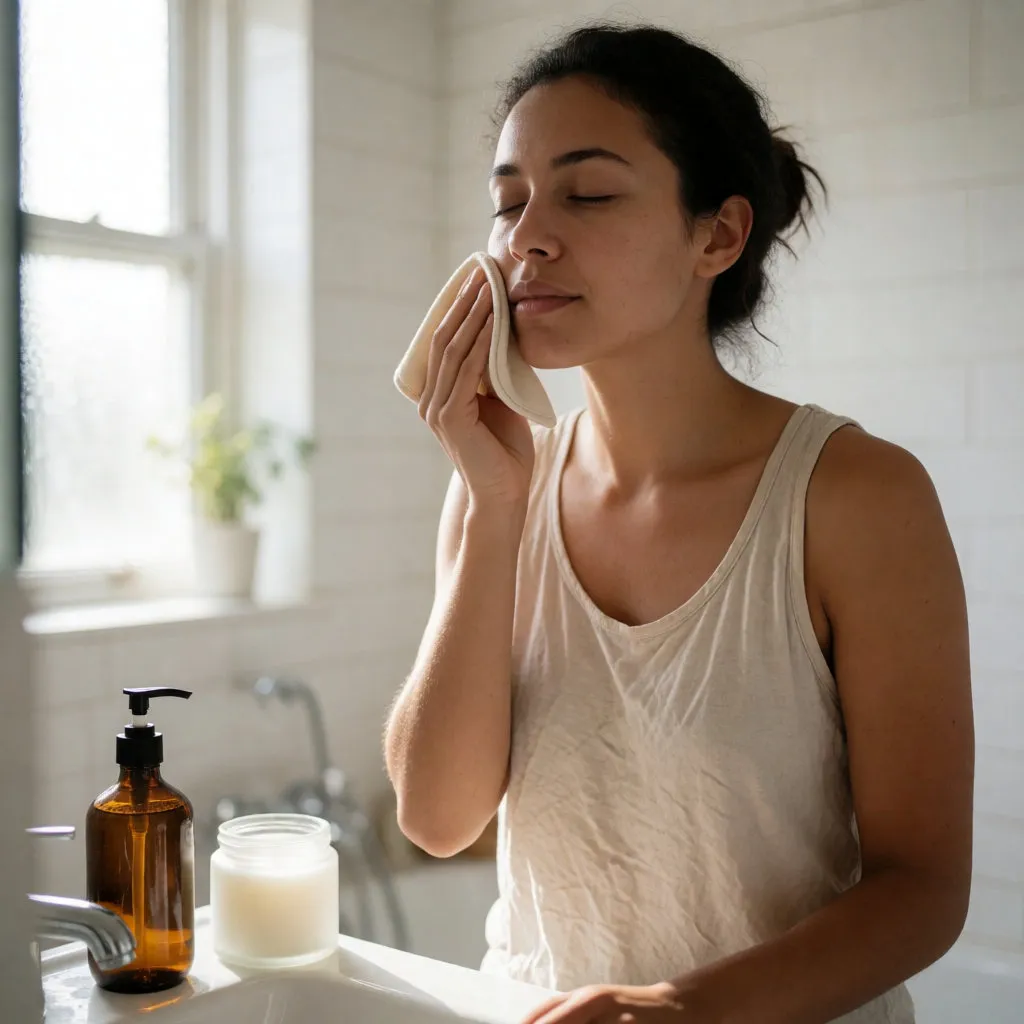
The production of male sex hormones, thought to be triggered in particular during adolescence and at certain points in our cycle, is believed to be behind an "overproduction" of sebum — hence the feeling of oilier, shinier skin, but also blocked pores and therefore blackheads, whiteheads and spots that appear in reaction to inflammation. In other words, it is not dirt that creates the spot, but a biological chain of events. It is useful to keep this in mind, because it explains why scrubbing harder is no solution. What we do know, though, is that forcing it helps nothing and often makes the inflammation worse instead of soothing it.
Faced with these skin lesions, a few good habits — starting with scrupulous hygiene — are thought to help combat spots and blackheads.
To start with, cleanse your skin once or twice a day to rid it of excess sebum and the impurities built up throughout the day. The ideal is a gentle cleanser with a purifying action, suited to your skin type (oily, dry, combination). This remains one of the most common questions. Yet cleansing too often or too aggressively irritates the skin and damages its barrier. Guidance tends to point to a soap-free product, with a pH close to that of skin, morning and evening, without rubbing.
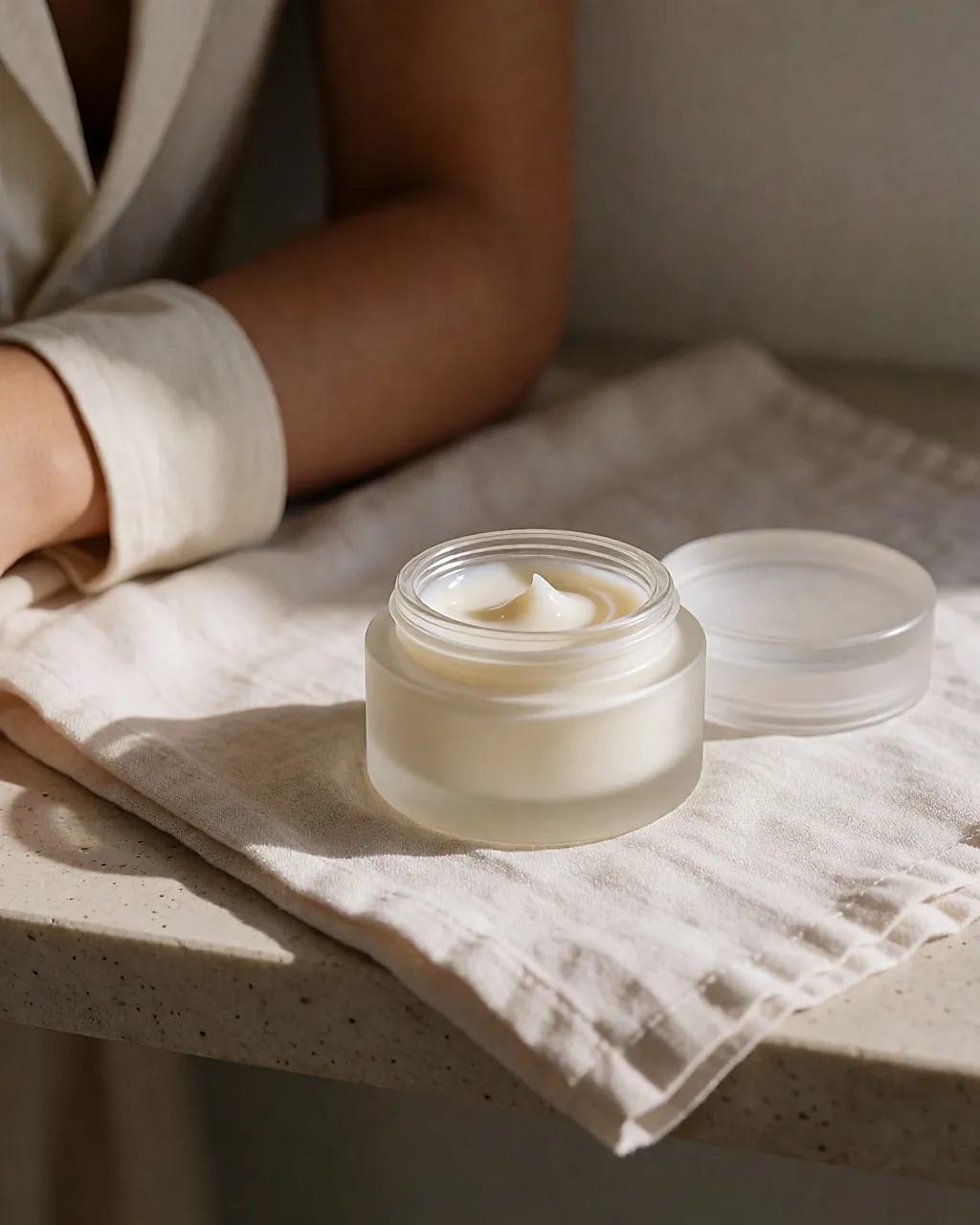
Remember, too, to look after your skin with a cream or gel applied every morning — especially before make-up. To choose your product, speak to a professional (at a pharmacy or health-and-beauty retailer), who can recommend one suited to your skin type. A hydrating formula for combination or dry skin, a balancing one to regulate excess sebum for oily skin, a smoothing one to make pores less visible… there will almost certainly be one to suit you.
Spots do not rule out exfoliators and masks: pampering your skin will never do it any harm, provided you avoid overly aggressive cosmetics. The same goes for make-up, which should be chosen hypoallergenic and as gentle as possible. If you genuinely have what is called "problem skin", it is worth buying your make-up and skincare from a pharmacy to avoid making your skin worse. As for homemade recipes made with lemon, toothpaste or bicarbonate of soda, forget them: they disrupt the skin barrier and their benefit is unproven.
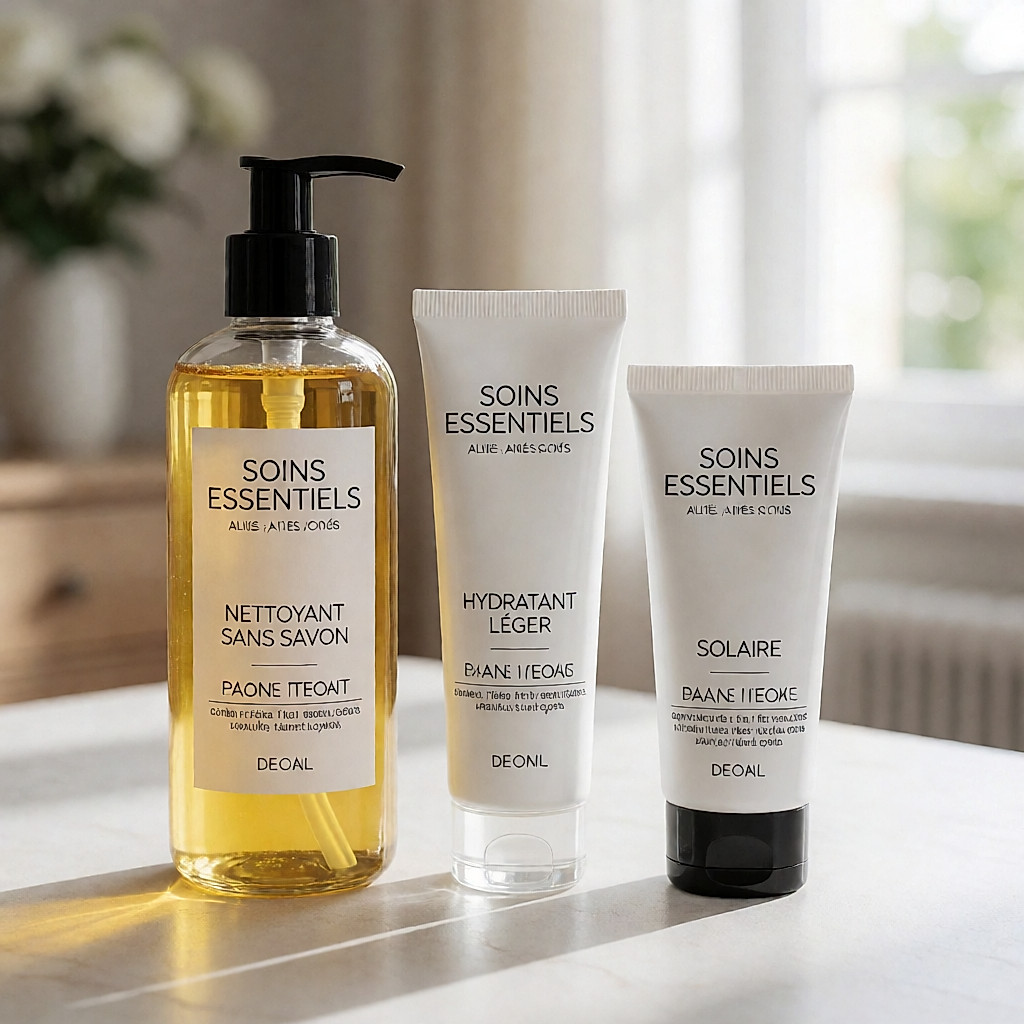
Do be careful, though: if you wear make-up, it is essential to take it off without fail before bed. Skin regenerates at night, so it is important — even more so when there are skin lesions — not to hinder that process with residues of make-up, dust or pollution…
Also to be avoided: picking at spots, which worsens inflammation and can cause small marks or even scars that are very difficult, and sometimes impossible, to get rid of.
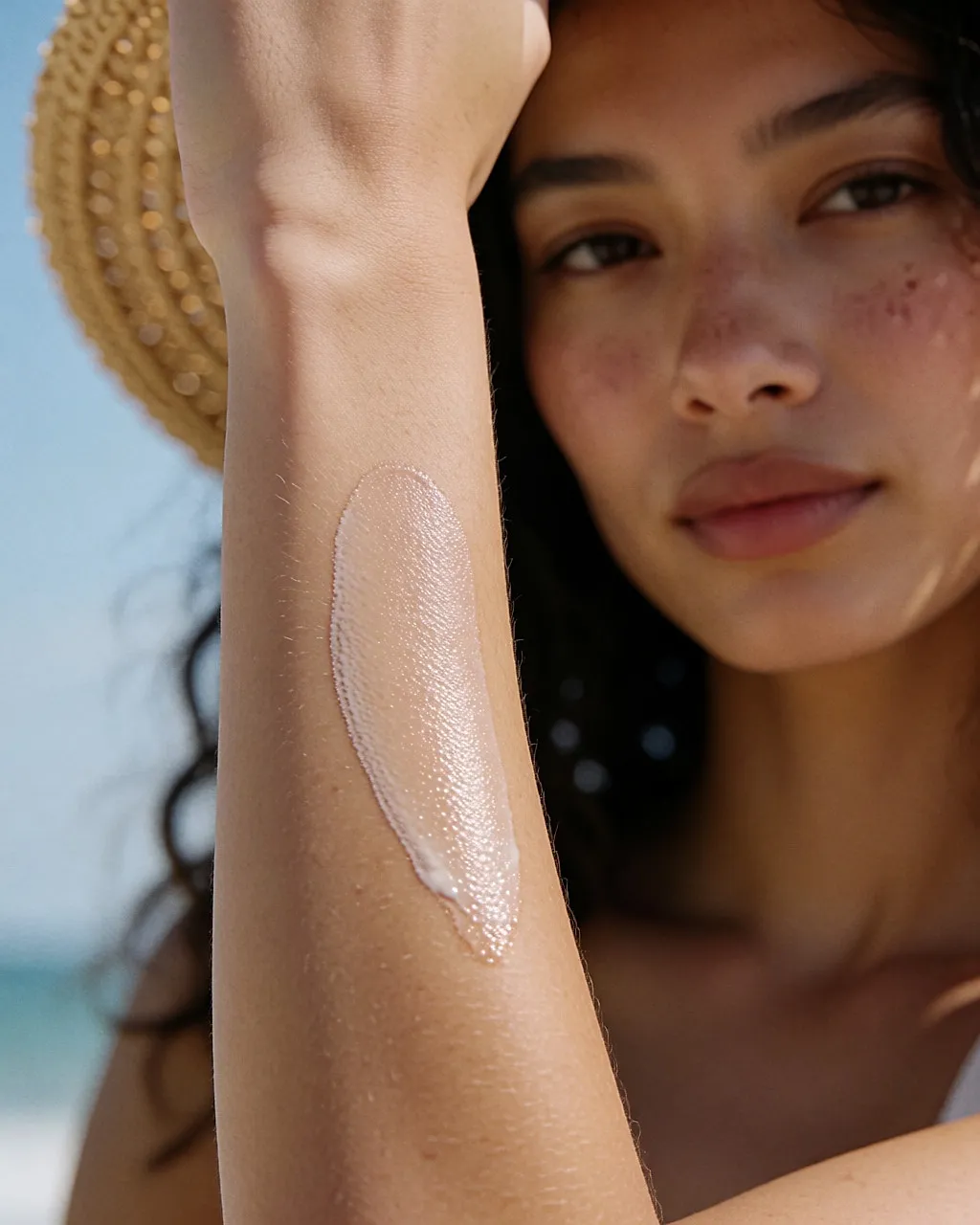
If the sun looks like an enemy of acne, it is worth avoiding too: it may temporarily mask spots and give you a lovely glow, but it is not an acne treatment and can encourage hyperpigmentation or worsen photosensitivity, especially alongside certain treatments. Some acne treatments, in fact, make skin more sensitive to UV: in that case, sun protection is something to discuss with a professional.
Are blackheads getting you down? To shift them, treat yourself — at a sensible but regular frequency — to a good facial with a beauty therapist (expect in the region of £40 to £70 a session). This specialist in beauty and skin treatments can help you get clearer skin and a brighter look.
Worth knowing too: certain essential oils are traditionally used in the care of oily-prone skin — vetiver essential oil, clary sage essential oil and ravensara essential oil. These uses are traditional, and current data are not sufficient to conclude a therapeutic effect.
Be careful, though: before using essential oils at all, ask advice from a trained professional, because misused they are highly irritant and can be dangerous. They are contraindicated in certain cases, in particular during pregnancy, in children and on mucous membranes; look into how each one should be used.
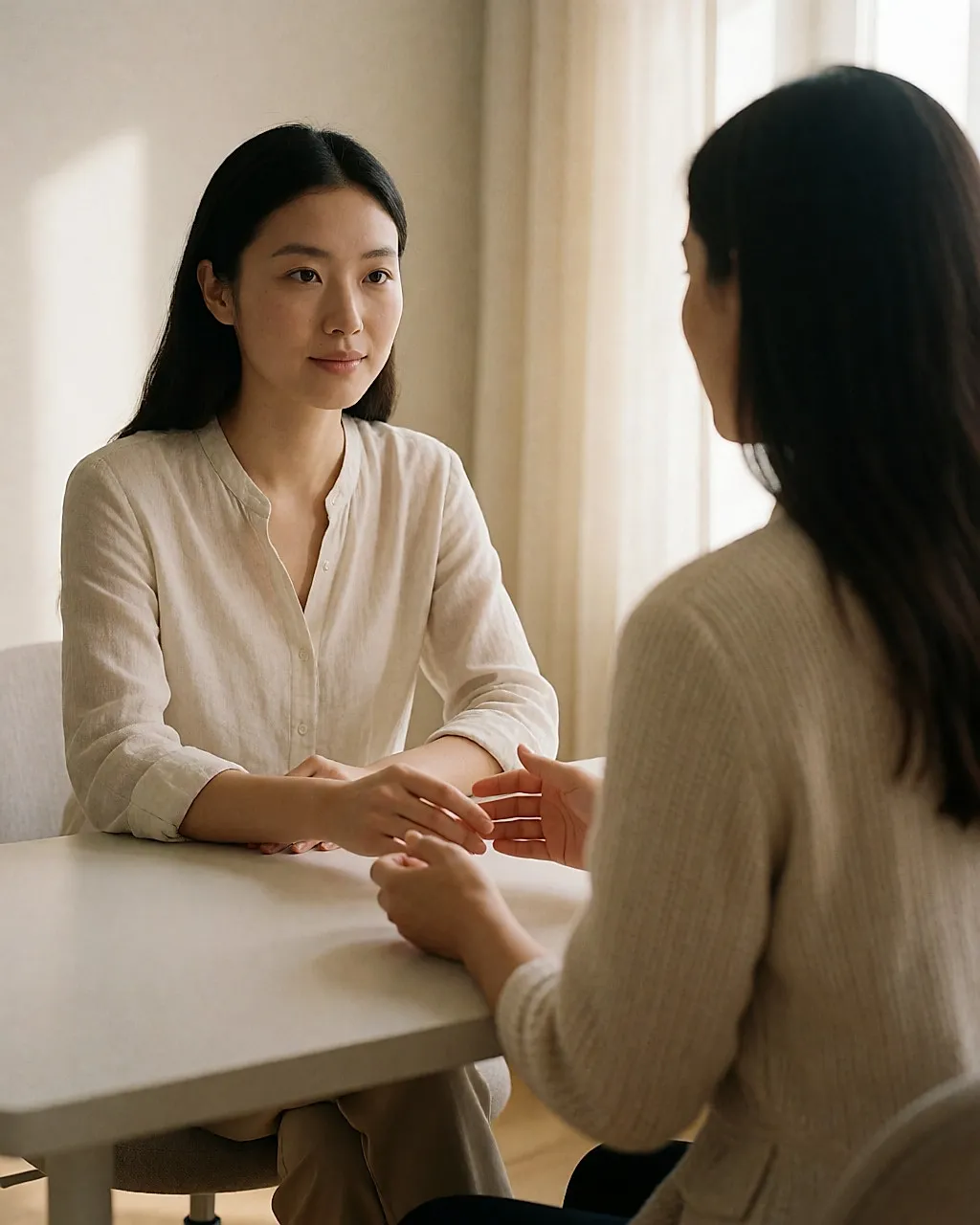
Finally, if these habits are not enough to free you from persistent, troublesome acne, know that a dermatologist can prescribe a stronger but also more effective treatment. This is the case in particular if the lesions are leaving scars, or simply if they are getting you down: their advice can really help. They can discuss suitable options with you, including prescription treatment for severe forms, with regular follow-up.
It is hard to escape these little spots that spell adolescence yet also affect a good number of adult women. Their causes? An inflammatory skin condition whose main culprits are those "dear" hormones. Whether in adolescence or at certain points of the menstrual cycle, our body produces certain sex hormones in quantity, at the root of various symptoms and in particular spots, blackheads and other small skin lesions. Sun protection falls under general guidance; no effect on spots should be expected from it. And if acne takes hold, a dermatologist's opinion opens the way to suitable treatment, without having to overhaul your whole life.
Two or three well-chosen products often do more than a full shelf. The spend stays reasonable — in the region of £20 to £40 for a gentle cleanser and a suitable product — and what matters most is really the regularity of your routine.



Comments
Your opinion matters: rate the article, react and reply to comments.
Comments are moderated; AI-assisted comments are flagged. Text emoticons (8-), :-), <3…) are automatically shown as images.