

Some mornings, we'd all love a single pill that made us feel well. The reality is less dramatic, but oddly reassuring: most of the habits that do your body good fit into an ordinary day, with no equipment and no subscription. Nothing magic, nothing complicated — just small routines, backed by official guidance, where consistency matters more than intensity. Here are eight to dip into as your day allows.
Five portions of fruit and veg a day
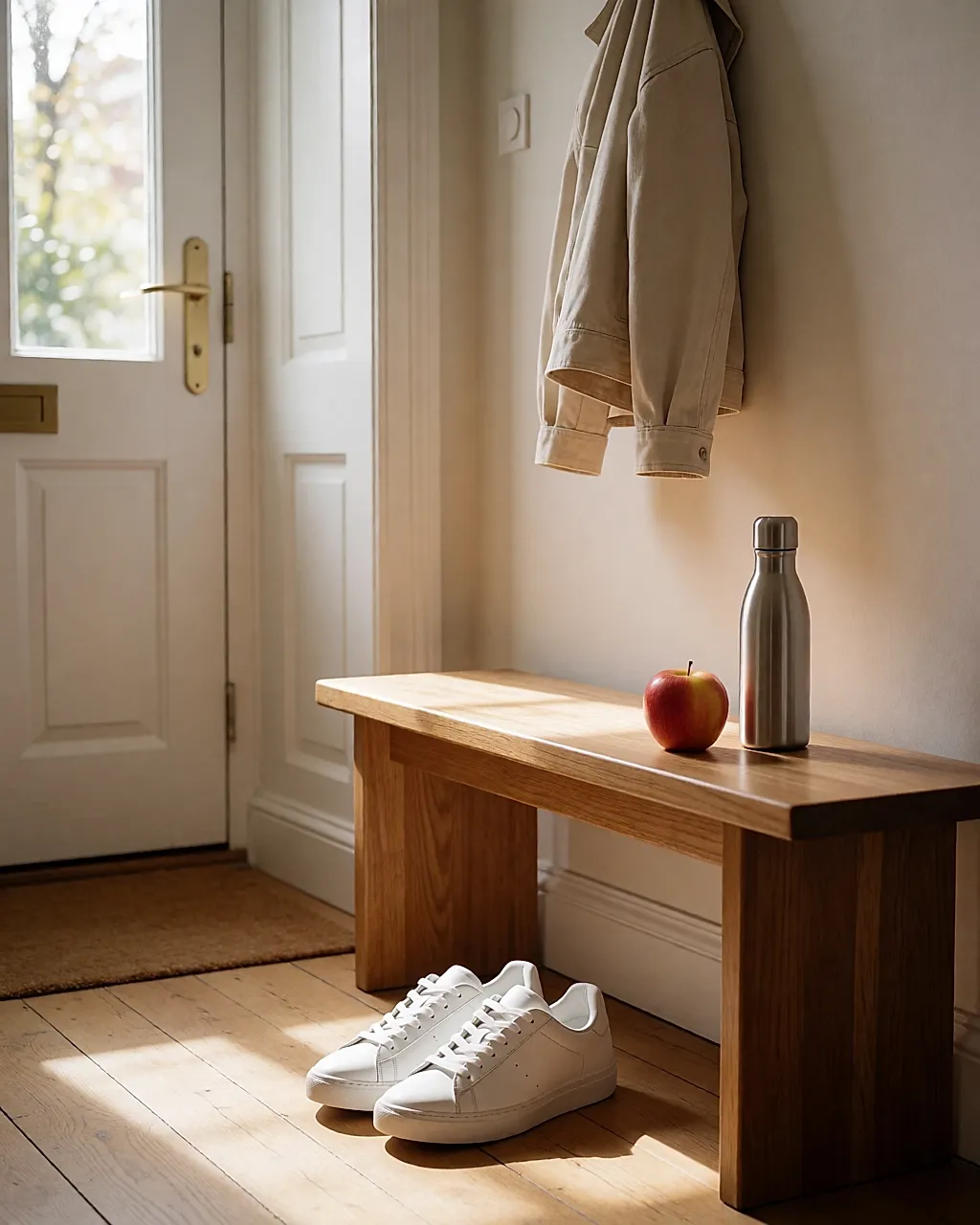
The NHS Eatwell Guide still recommends five portions a day. A portion could be an apple, three apricots, a handful of green beans or a small bowl of vegetable soup. Fibre supports bowel health, and vitamins and minerals vary with colour: so mix things up. Fresh, plain frozen or canned in water or natural juice all count. Fruit juice is the exception: it's sugary and low in fibre. In the UK it can count as only one portion a day, however much you drink, so it's no substitute for whole fruit.
Cut back on salt
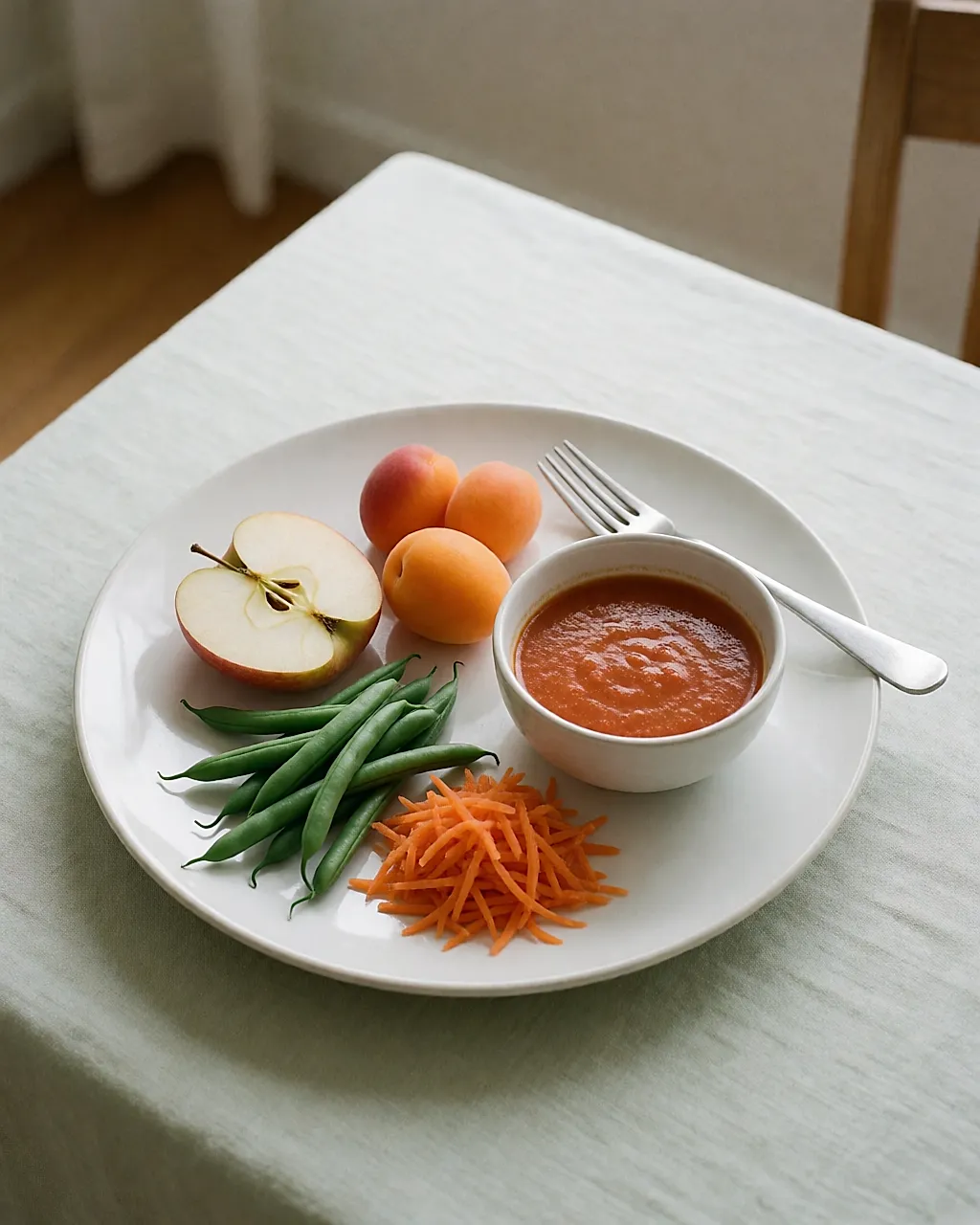
The World Health Organization recommends staying under 5g of salt a day — about a level teaspoon. Most of it doesn't come from the salt shaker: salt hides in bread, ready meals, cured meats and cheese. In practice, season more lightly, taste before adding salt, and check the 'salt' line on labels. Your taste buds can adapt gradually with time.
Water, throughout the day
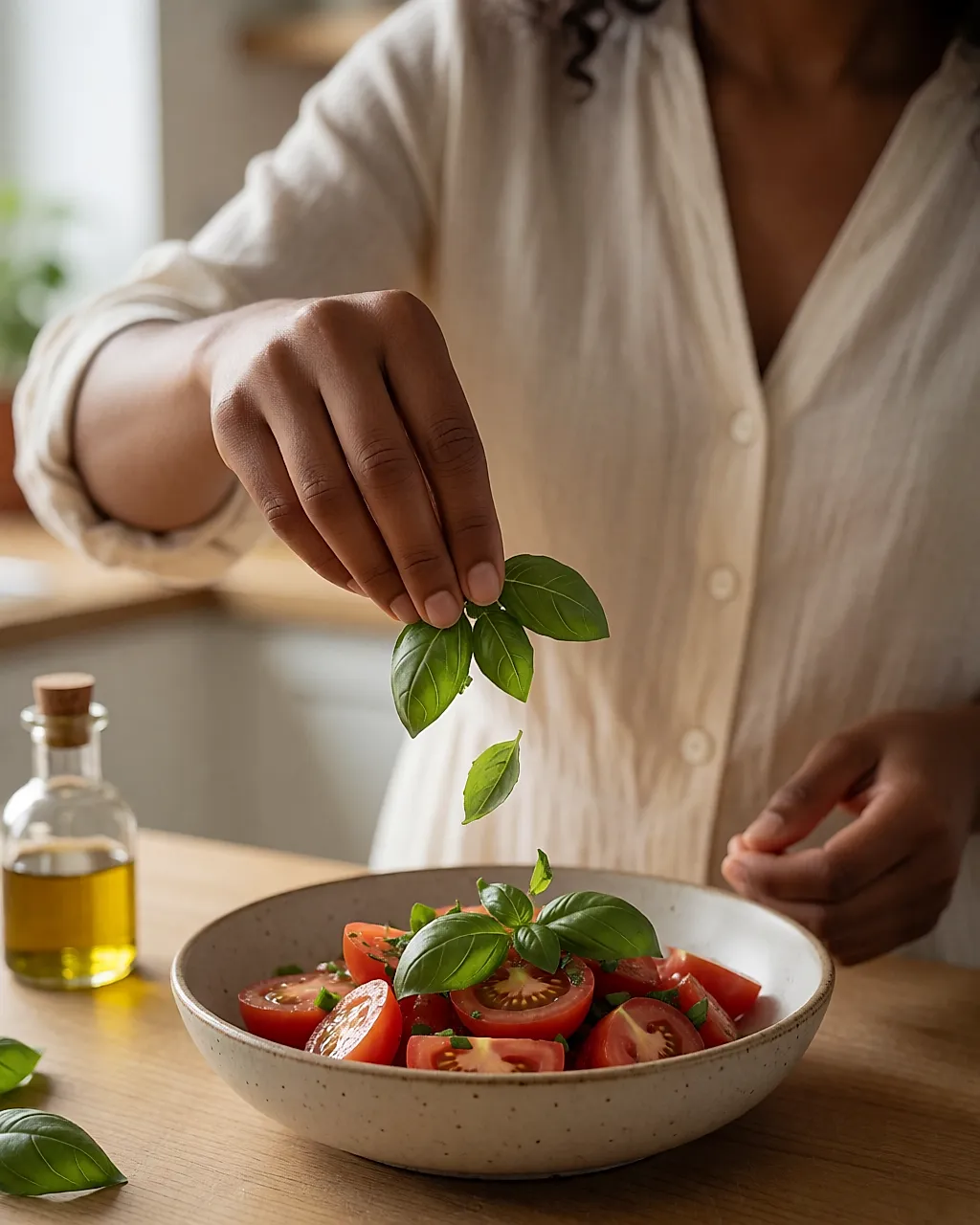
In practice, aim for around 1.5 litres a day, and 2 litres if you're active or the weather is hot. Water carries nutrients, regulates body temperature and helps your kidneys flush out waste. Tea, coffee and soups count towards the total. The easiest trick is a water bottle within reach: when it's visible, you're less likely to forget to drink.

Walk for 30 minutes a day
The WHO recommends at least 150 minutes of moderate activity a week — roughly 30 minutes on five days out of seven. No gym required: walk, take the stairs, get off the bus a stop earlier. You can break it up into three 10-minute chunks. Your body and mind benefit, and you spend a little less time sitting still.

Two tablespoons of oil a day
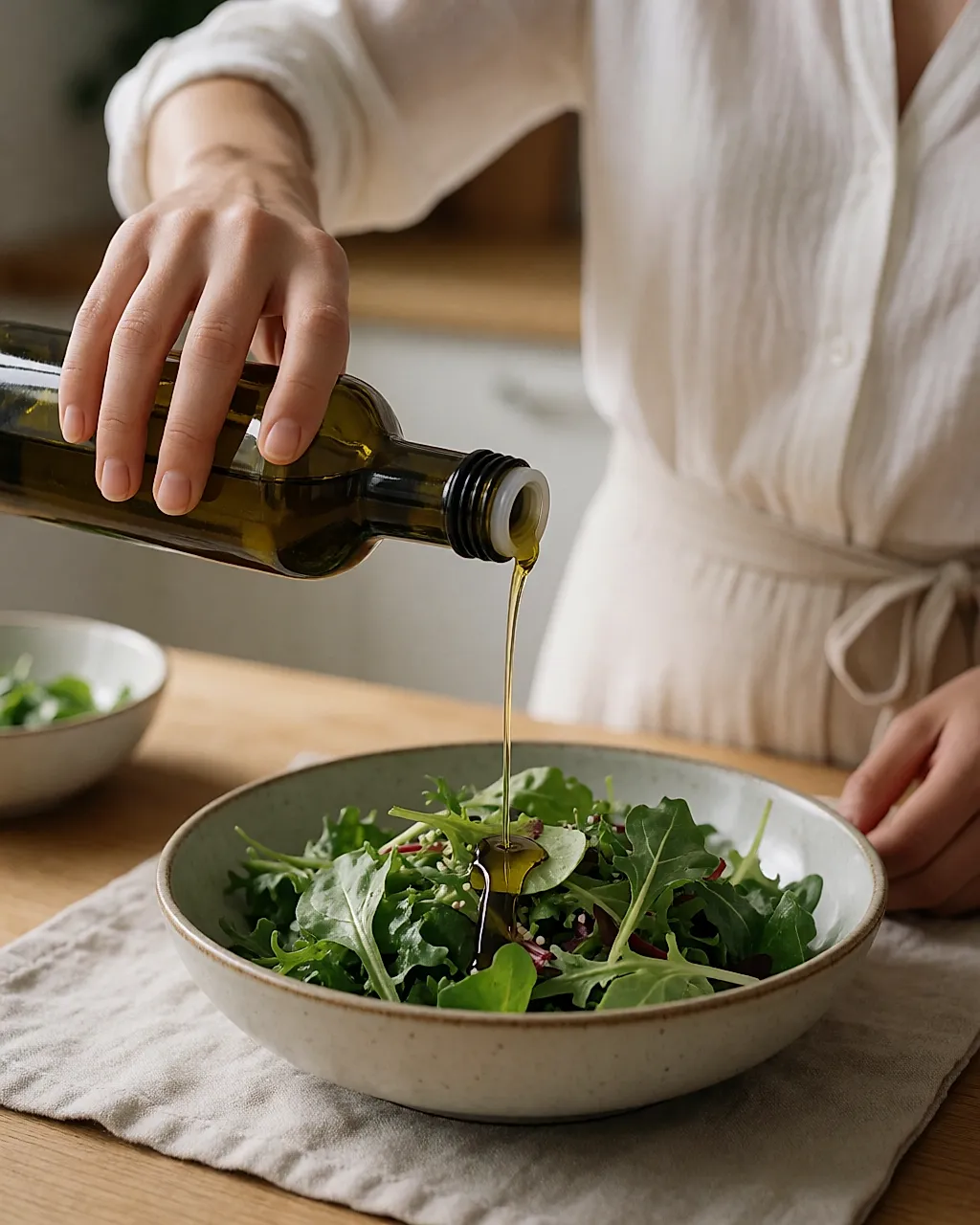
Two tablespoons a day, as a rough guide, and vary the type: olive, rapeseed, walnut. They provide essential fatty acids that the body can't make itself. Rapeseed oil is rich in omega-3, olive oil in omega-9. Drizzle it raw over salad, and keep the more delicate oils away from the frying pan.
Slow down and put your fork down
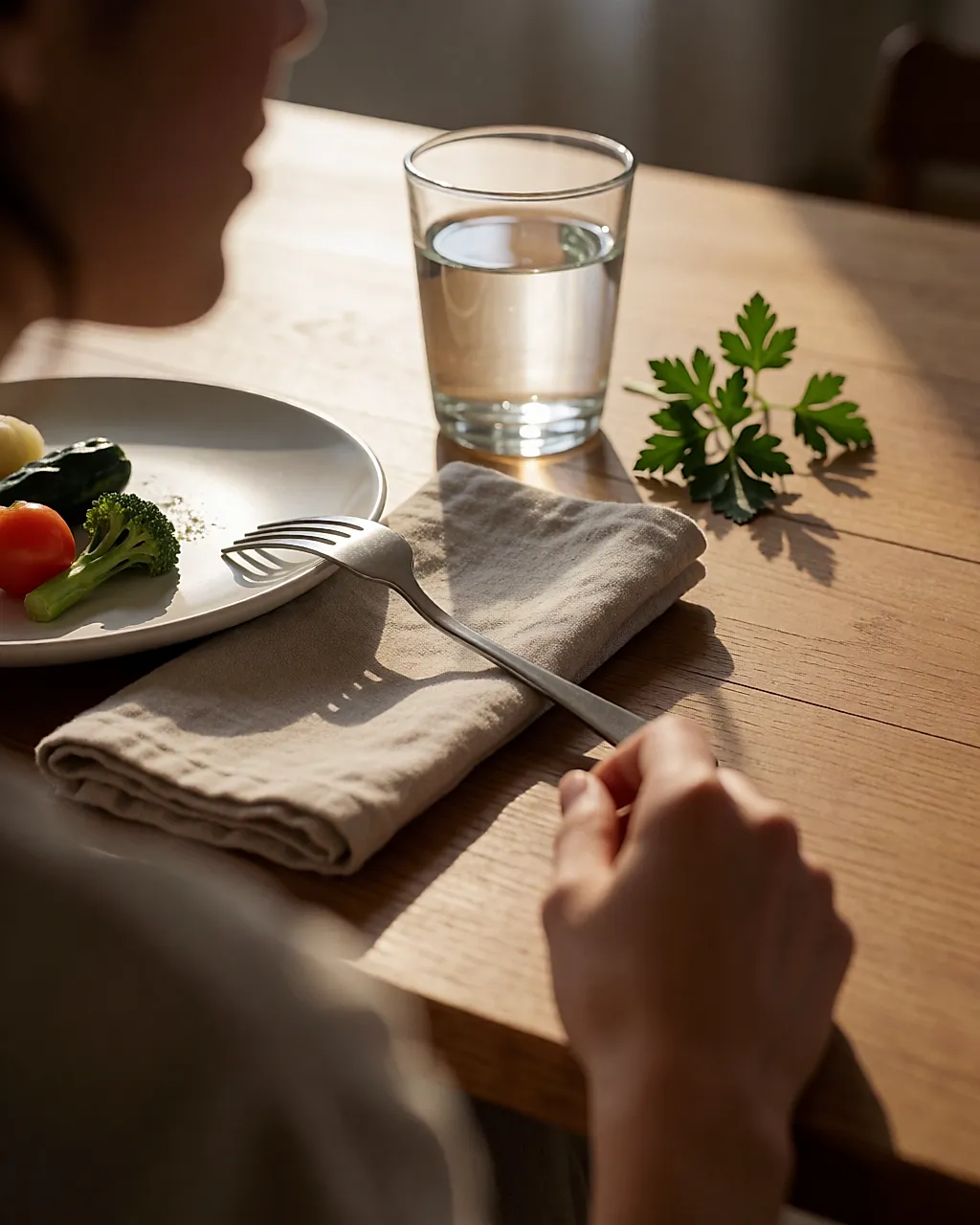
Fullness doesn't arrive with the first bite: the brain needs a little time to register it. Eat slowly, chew, and put your fork down between mouthfuls. The meal goes down more comfortably, and it's easier to stop when you've had enough. A proper meal, sitting down without a screen, makes a real difference.
Sleep for seven to nine hours
In practice, most adults do well on seven to nine hours of sleep. Overnight, the body repairs itself, memory consolidates and mood steadies. Nothing mystical: regular bedtimes, light in the morning, screens put away before bed. If nights remain difficult, speak to a healthcare professional.

Laugh for real
Laughter can't be prescribed, and it doesn't lengthen life on its own. But many people find that it eases stress and strengthens connections. A shared fit of giggles, a funny series, a call to a friend: it's free, and it counts.

These habits are about prevention, not treatment. Persistent fatigue, pain or unusual breathlessness: it's not for an article to make the call. Speak to your GP or another healthcare professional.
Budget
Oils sit between £4 and £10 a litre for organic olive or rapeseed oil in supermarkets, and more like £10 to £17 for walnut oil or a cold-pressed oil from a specialist shop. The price varies according to origin, extraction method, certification and packaging. Three simple things to look for: an organic certification (such as Soil Association or the EU organic leaf), a glass bottle, and local production where possible.
Sources
- NHS, The Eatwell Guide and 5 A Day, nhs.uk
- World Health Organization (WHO), recommendations on salt and physical activity
- British Nutrition Foundation, information on hydration and dietary fats
- NHS, sleep and tiredness advice; The Sleep Charity, sleep advice


Comments
Your opinion matters: rate the article, react and reply to comments.
Comments are moderated; AI-assisted comments are flagged. Text emoticons (8-), :-), <3…) are automatically shown as images.