
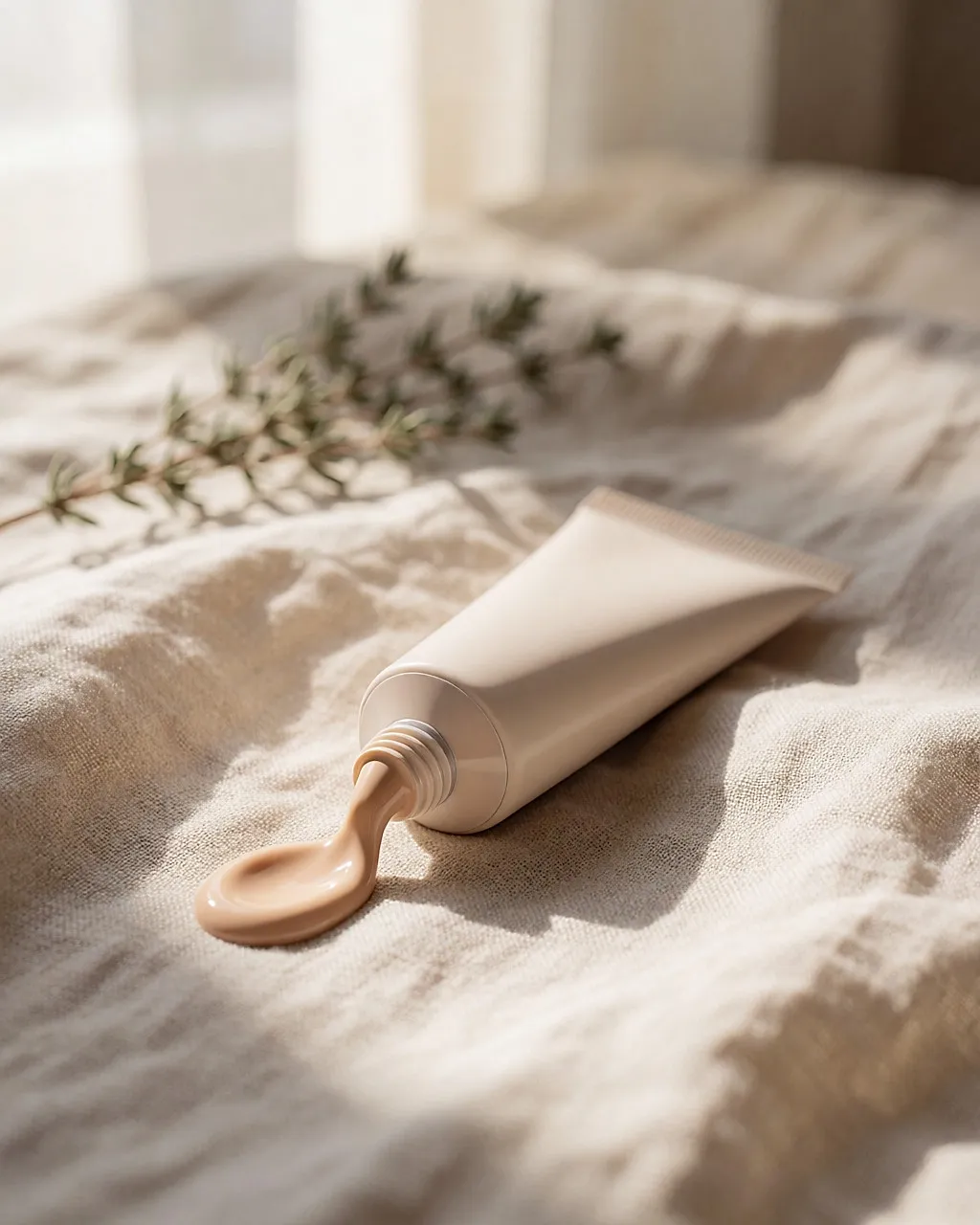
The BB cream question
Serum, moisturiser, foundation, concealer, powder. Five products, ten steps, and you still leave the house looking like a wax doll. BB cream promises to replace half your shelf. In reality, that promise only half holds. I haven't tried every BB cream on the market — I'll say that upfront, so you know where I stand. I've pored over the formulas and ingredient lists, and asked the only question that matters: does it actually replace anything?
Where this odd cream comes from
People often assume it was born in Korea. Not true. In the 1960s, German dermatologist Christine Schrammek was looking for a cream that could cover skin while soothing it after a peel or dermatological treatment. The name stuck: blemish balm. The idea then moved to South Korea, where it became a beauty-routine staple, before reaching Europe around the turn of the 2010s. In the UK, French-Korean brands such as Erborian helped bring it to a wider audience.
When the first articles were written about it, you could count the shades on one hand. That's no longer quite true.
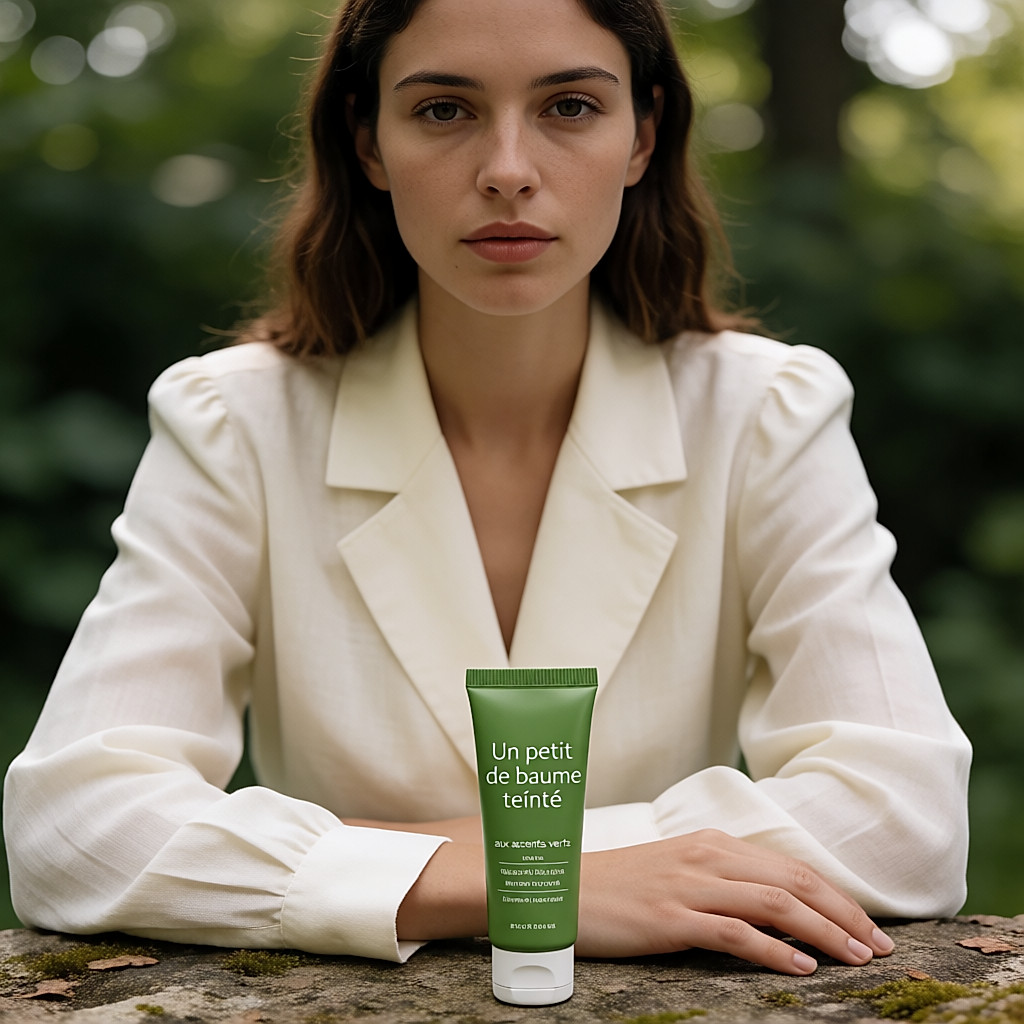
What the formulation tells you
A BB cream is a tinted emulsion that sits somewhere between skincare and make-up. It's more fluid than a classic foundation, with light-to-medium coverage and usually a satin finish. Some are labelled SPF 20 or 30.
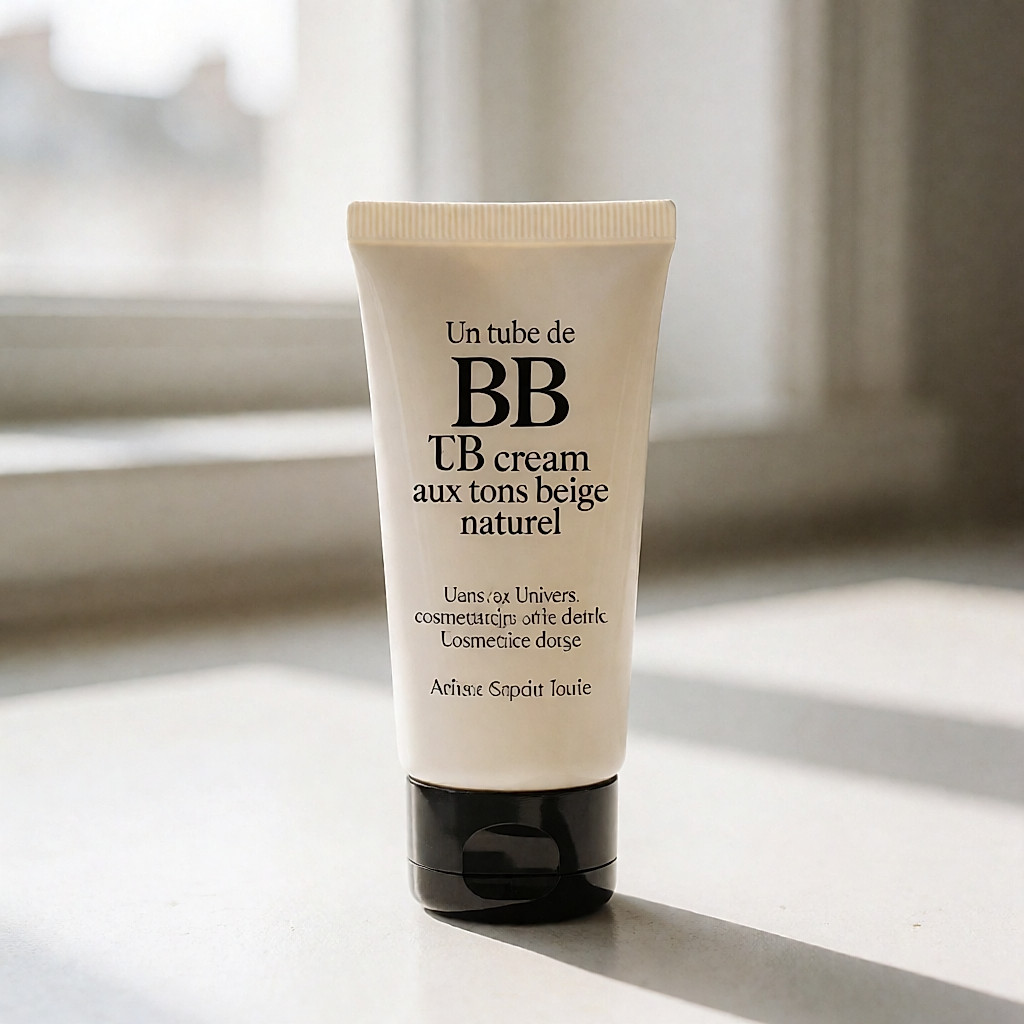
Be careful with the word 'skincare', though: a cosmetic is not a medicine. A BB cream doesn't replace either a moisturiser chosen for your skin or proper sun protection. The SPF on the tube is measured in a lab using an amount no one actually applies — 2 mg per cm². With the pea-sized amount you really use, the protection is much lower. It's a bonus, not a strategy.
How to apply it
You can wear it alone, or slot it into your routine. Alone, all over the face: press a small amount in with your fingertips, from the centre outwards, then set with a fine powder if your skin gets shiny. The finish is light and natural. As a targeted touch-up: dab a little on redness or shadows around the eyes, like a concealer, then apply your usual foundation over the top. As a worked base: layer BB cream, a light foundation, powder and blusher. The complexion is smoothed, as long as you don't overdo the amount.
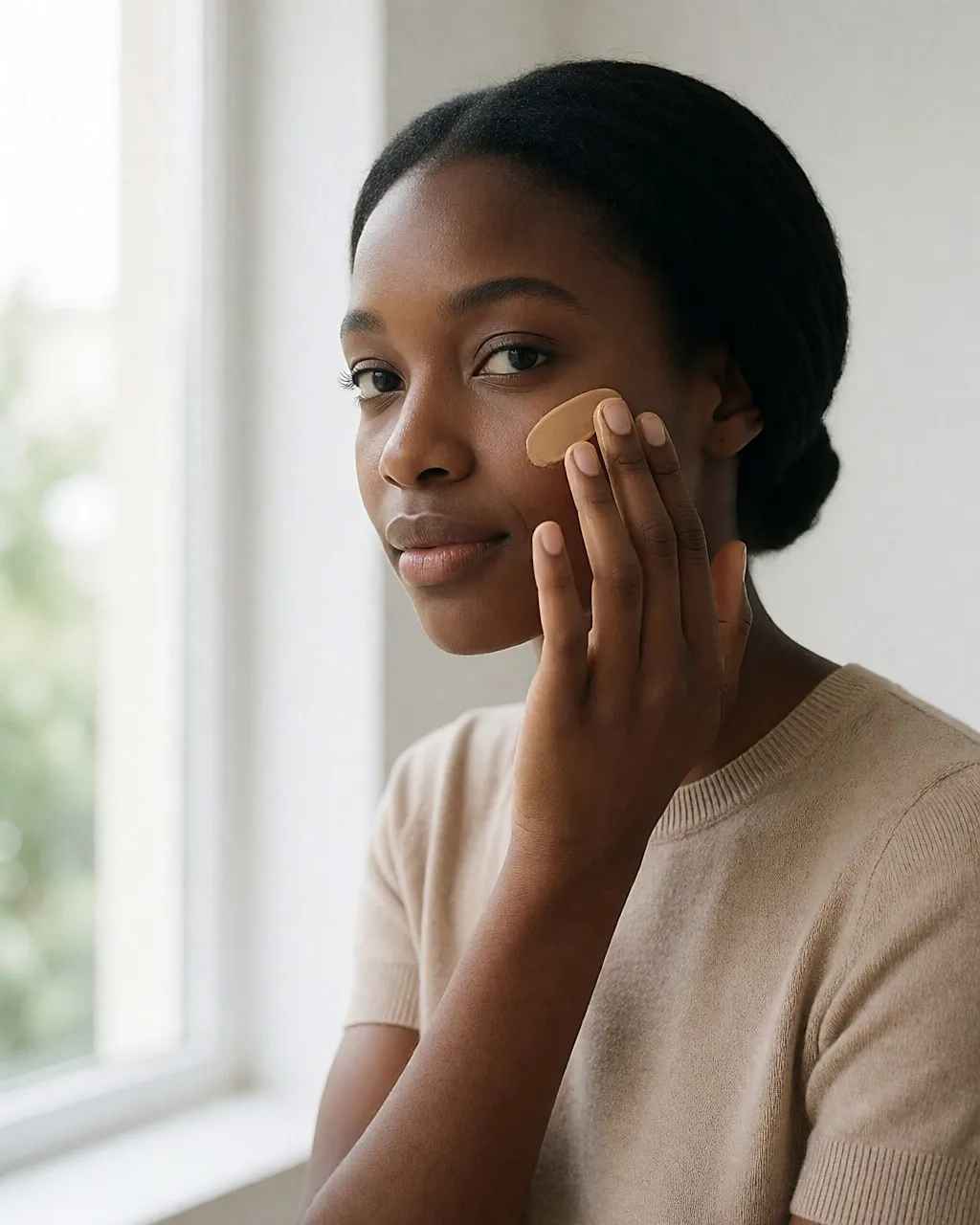
It's all about the amount. Warm a pea-sized amount between your fingers, tap it in, and stretch outwards. Too much product and it slips into fine lines, highlights dry patches, and turns orange on deeper skin tones.
The daylight test. Apply your BB cream near a window, never under bathroom strip lighting. It's a good way to spot a shade mismatch before you go out. And if you're between two shades, go for the lighter one: the product can oxidise and deepen slightly by the end of the day.
Choosing between BB, CC and tinted serum
BB cream hasn't disappeared; it has multiplied into CC cream, DD cream, tinted serum and skin tint. The difference comes down to the formula — more fluid, more transparent — and the shade range, which is much wider than it used to be.
Two things to check before you buy. Your skin tone: the original BB was aimed at fair to medium skin, with one or two shades. Ranges have opened up, but some brands are still poor on deeper skin tones. Test in store, never from a photo. Your needs: to even out the complexion, a BB is enough. To cover marks or scars, it won't be.
On the product front, the real issue is packaging and formula. Many BB creams come in non-refillable plastic tubes, with silicones and UV filters in the formula. If you want something more considered, look at how long the ingredient list is, a COSMOS Organic or Ecocert label — they certify the formula and part of the packaging, not the product's overall impact —, a glass container, a refillable format or French manufacture. In this area, the offer remains thin: Korean brands and Erborian mostly favour plastic tubes, while eco-beauty tends to produce tinted serums instead. The honest compromise: one well-chosen product rather than three, and a bottle you actually finish.
Budget
- Supermarkets and high-street brands: expect roughly £8–£18 for a 30–50 ml tube.
- Pharmacy and sensitive-skin brands (La Roche-Posay, Avène, Uriage and SVR where stocked): around £15–£30 depending on size and SPF.
- Korean and French-Korean brands such as Erborian: around £30–£45.
- Premium tinted serums and hybrid skincare: around £40–£70.
What affects the price: built-in sun protection, the number of shades available, whether it contains active ingredients, whether it is refillable, and where you buy it. Where to shop: supermarkets and high-street retailers for price, pharmacies for advice on sensitive skin, department stores or beauty retailers to test shades in person, and brand websites or specialist e-shops for Korean formulas.
Sources
- Regulation (EC) No 1223/2009 on cosmetic products — European Commission.
- ISO 24444:2019 — in vivo determination of sun protection factor.
- Erborian — BB Crème product page, brand's official site.
- Dr. Schrammek Kosmetik — the history of BB cream.
Comments
Your opinion matters: rate the article, react and reply to comments.
Comments are moderated; AI-assisted comments are flagged. Text emoticons (8-), :-), <3…) are automatically shown as images.