
You're 22, your T-zone is shiny by 3pm, and you've got three half-used moisturisers cluttering the bathroom shelf. Nothing unusual there. At this age, skincare isn't about layering textures; it's about answering one concern at a time.
The principle comes down to three steps: look at your skin, choose one active, and stick with it for three weeks before judging. No ten-step ritual, no overflowing drawer.
Teenage skin: balance without stripping
During the teenage years, blemishes come from excess sebum and dead skin cells blocking pores. Two steps are plenty: a gentle cleanser at night, a light moisturiser in the morning.
On the active side, salicylic acid lifts away dead skin cells, zinc helps regulate sebum production, and glycerin holds water. A mattifying gel-cream that combines all three does the job, with no need to add a serum on top.
For formulation and packaging, look for a glass bottle or a refill, a short ingredient list, a clear certification. A recognised certification sets standards for the formula and packaging. It's not proof it works: just proof you're not being fed any old nonsense. 'Natural' without certification, on the other hand, means nothing.
20–25: moisturise and protect
In your twenties, your skin still has plenty of collagen. What damages it is UV and urban pollution. The step that really counts: sunscreen every morning, winter included.
A lightweight SPF 30 or higher fluid slips under make-up without pilling or breaking up your foundation. For pollution, the useful habit is still cleansing at night; 'anti-pollution' complexes mostly rely on a smoothing film and antioxidants.
The honest trade-off: certified organic sunscreens use mineral filters, zinc oxide and titanium dioxide. They are whiter and thicker to spread. If you have a darker skin tone, or want an invisible finish, a conventional fluid bought at a pharmacy will be more comfortable — and that's a perfectly acceptable compromise.

25–35: prevent, don't erase
Over time, collagen production gradually slows, and wrinkles form beneath the surface long before they're visible. Two actives do most of the work: retinol at night, vitamin C in the morning.
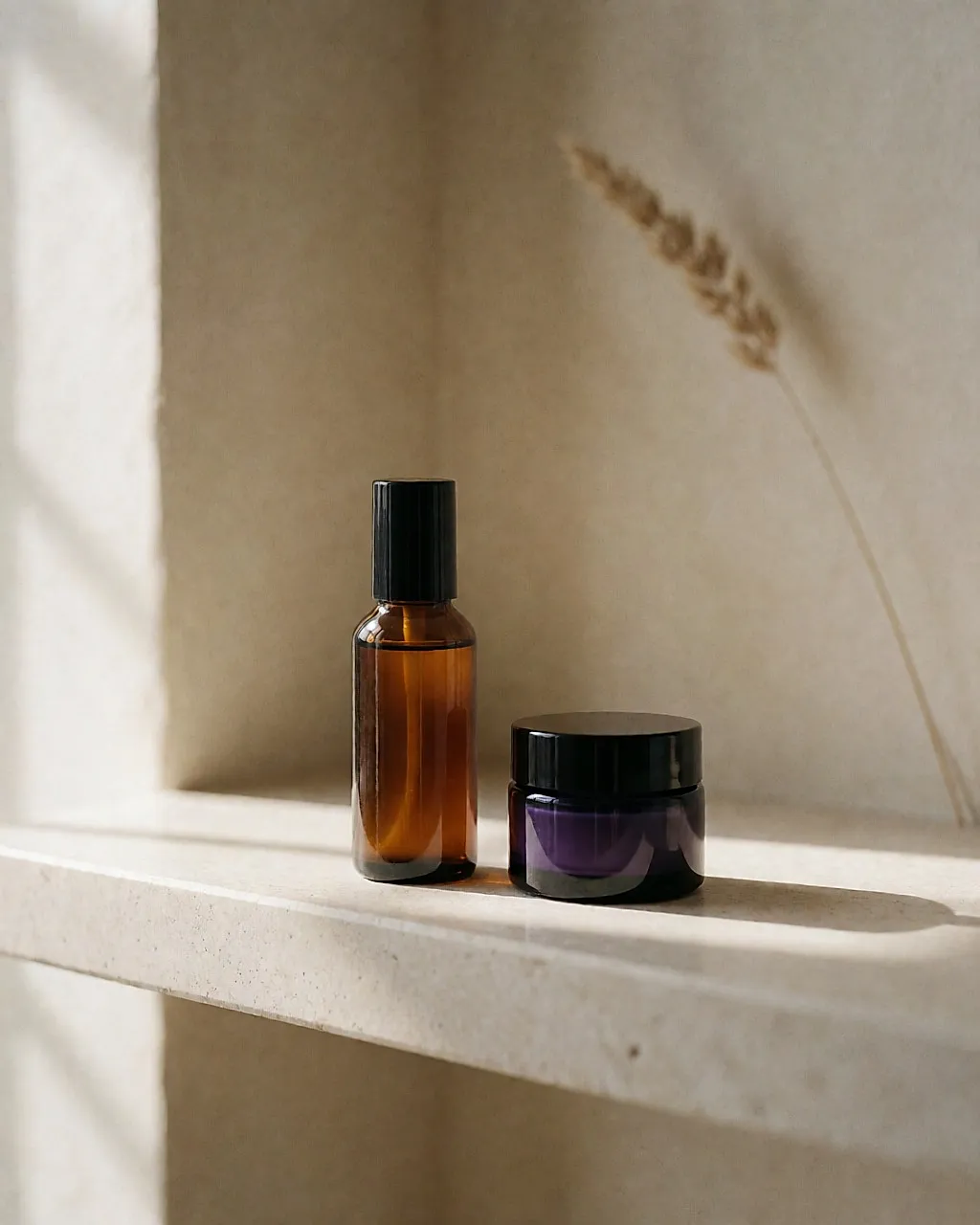
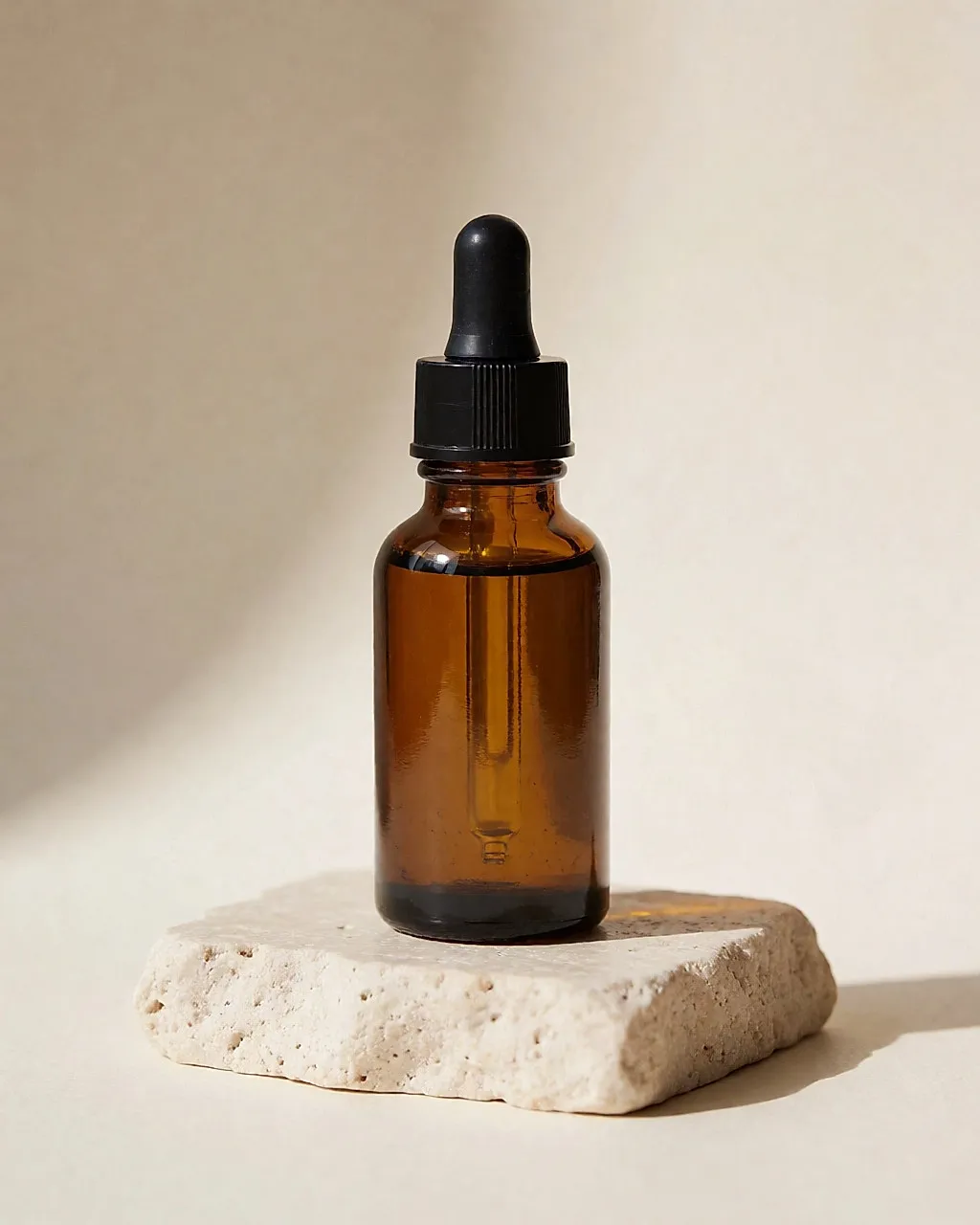
Retinol should be started at a low dose, then increased gradually. It's an irritating active: going slowly isn't optional. Vitamin C oxidises quickly — choose an opaque bottle and a stabilised formula.
Put simply, one active used for three weeks beats five serums layered up when none has time to work.
After 35: listen to your skin
After 35, age matters less than the actual state of your skin. Tightness, dark spots, loss of firmness: each sign calls for a different active. A hyaluronic acid serum if skin feels tight, a niacinamide treatment for dark spots.
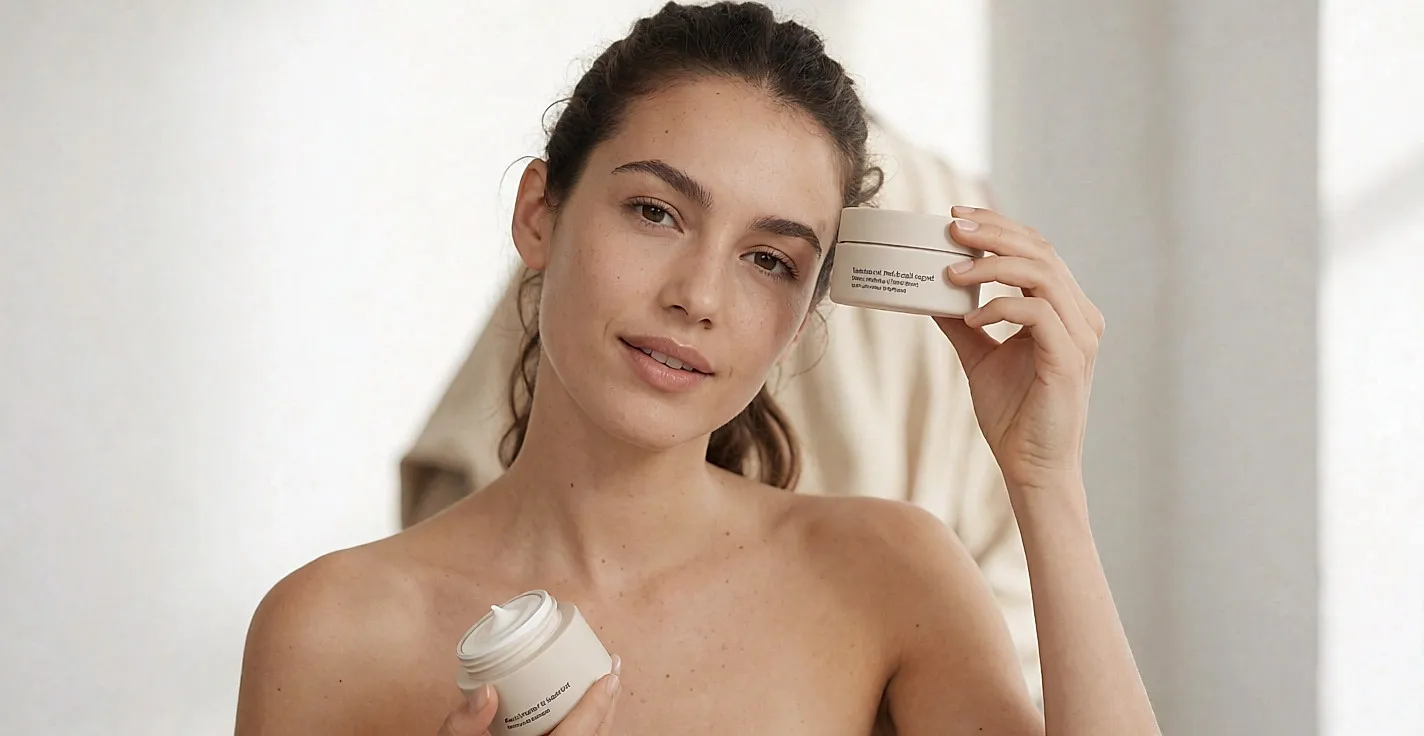

Léna's tip: keep two products that work and change only one at a time. Otherwise, you can't know what worked.
And if you're still worried about a mark or redness that keeps coming back, the answer isn't in a bottle: it's with a GP or dermatologist.
Budget
- Gentle cleanser: £5–13 at supermarkets or pharmacies.
- Anti-blemish treatment: £7–17 at pharmacies or online.
- Facial sunscreen: £9–17 at pharmacies, £17–30 at beauty retailers.
- Vitamin C serum: £13–35 depending on concentration.
- Anti-ageing cream: £22–60 at beauty retailers, more for premium skincare.
- Refills often cost less than the original bottle.
What makes the price vary: the active and its concentration, the packaging, the certification, the sales channel, and local pricing depending on where you are. Pharmacies are still where advice is free; online, direct-to-consumer brands often undercut the high street.
The step that changes everything, at any age: sunscreen in the morning. It's less glamorous than an expensive serum, but that's where most avoidable skin ageing is decided. No products were tested for this article: these are formulation guidelines, not personal favourites.
Sources
- NHS, Acne: overview.
- NICE, Acne vulgaris: management (NG198).
- NHS, Sun safety and sunscreen advice; UKHSA, UV index and sun protection.
- Advertising Standards Authority / Committee of Advertising Practice, guidance on cosmetic claims.
- Regulation (EC) No 1223/2009 on cosmetic products, as retained in UK law.



Comments
Your opinion matters: rate the article, react and reply to comments.
Comments are moderated; AI-assisted comments are flagged. Text emoticons (8-), :-), <3…) are automatically shown as images.