
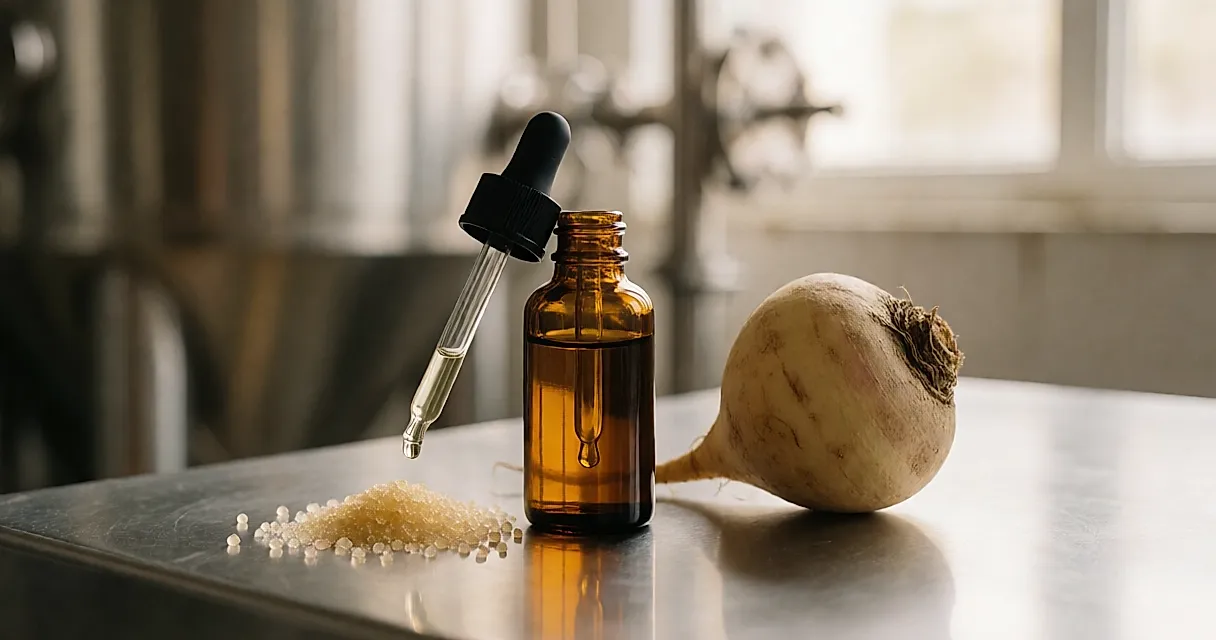
The smell of slightly overcooked caramel, steel tanks, pipes hissing: welcome to the part of the sugar factory visitors never see. This is where, in fermenters standing alongside the lines that make our sugar, acids are now being made that will end up in serums. Sugar in coffee we knew about; sugar in the skincare bottle is the new bit. And no, it doesn't smell of candyfloss.
These acids don't appear out of thin air
A serum billed as containing 'fruit acids' is rarely a harvest. Behind the phrase sits the AHA family — glycolic acid, lactic acid, sometimes citric acid — the actives that loosen dead cells at the surface and leave skin feeling smoother. Glycolic acid, the smallest in the family, is also the harshest; it is the one to reserve for skin that can take it. Lactic acid is more of a well-behaved option: it exfoliates, but with a more forgiving, skincare-like texture.
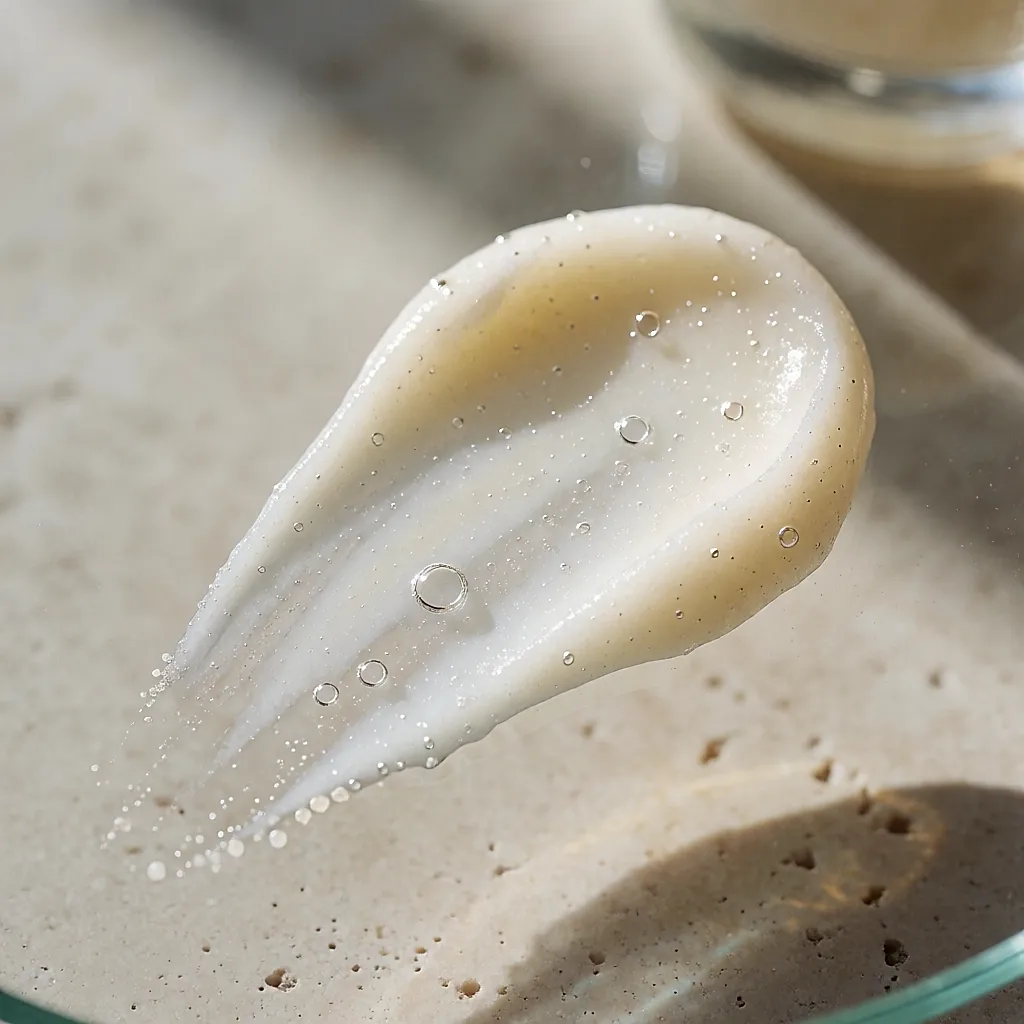
These molecules have an agricultural past that is easy to forget. Glycolic acid is historically linked to sugar cane; lactic acid is obtained by fermenting sugars. What is changing today is not the molecule: it is where the sugar that feeds the fermentation comes from. Which one to choose? It all depends on your skin's tolerance — and your patience.
The tank at the end of the beet field
Forget the picture-postcard image: a sugar factory does not produce sugar alone. It also gives off molasses, pulp and sugar-rich residues that the industry already found uses for in animal feed or as soil conditioners. These by-products are, in fact, a feast for micro-organisms: they go into a tank, are inoculated, and the bacteria do the work. This is fermentation, pure and simple — the bacteria turn sugars into acids, which are then purified.
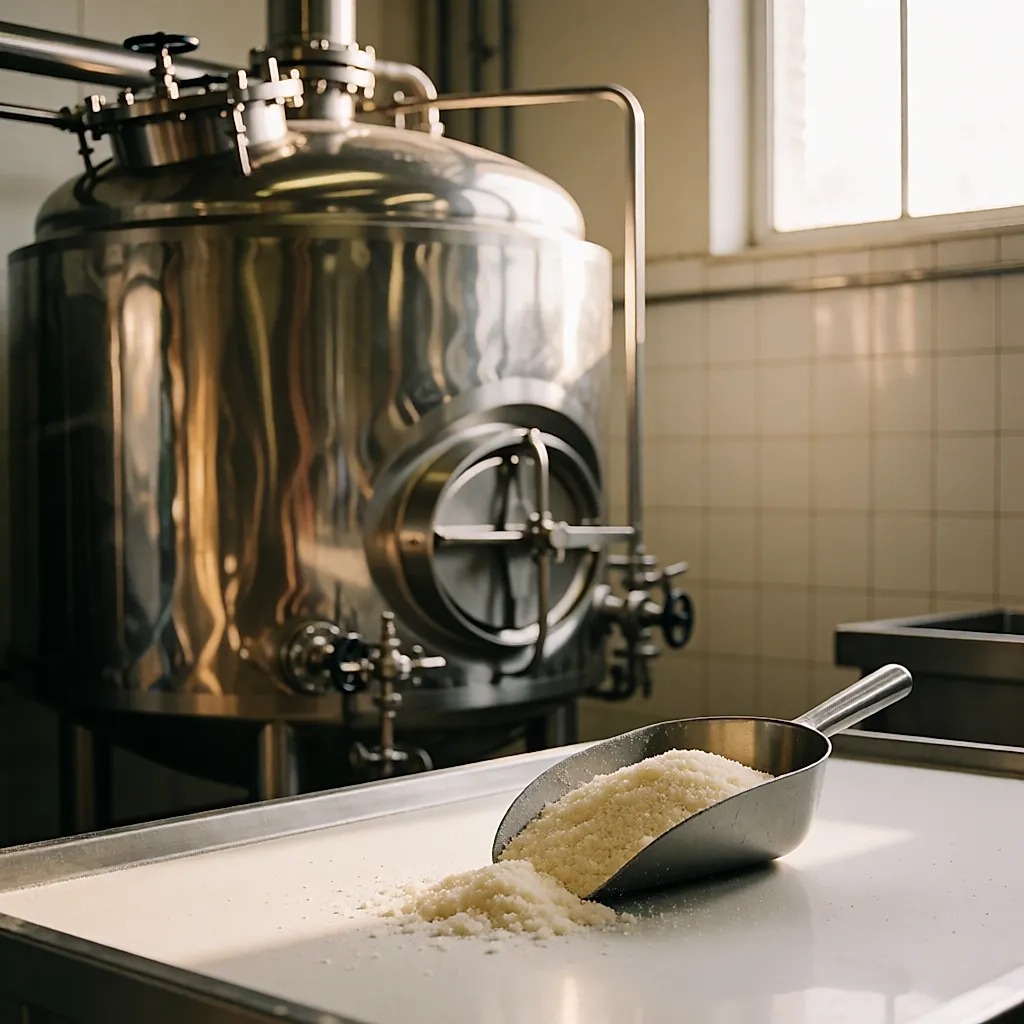
A fermentation is really just a giant yoghurt-making chain working on the scale of an industrial site. I didn't dip my spoon into the molasses, but the principle is utterly ordinary. The difference is that here the raw material does not come from a field planted for cosmetics: no dedicated crop, no farmland diverted from the food supply. What is being used is a stream that already existed for other reasons.
What the sugar factory gets out of it
For the industry, the argument has been settled for a few years now: sugar alone no longer keeps a plant alive. Turning molasses and pulp into higher-value molecules means converting a residue into revenue and smoothing out a highly seasonal activity — the beet campaign lasts only a few months, whereas fermentation tanks can run for longer.
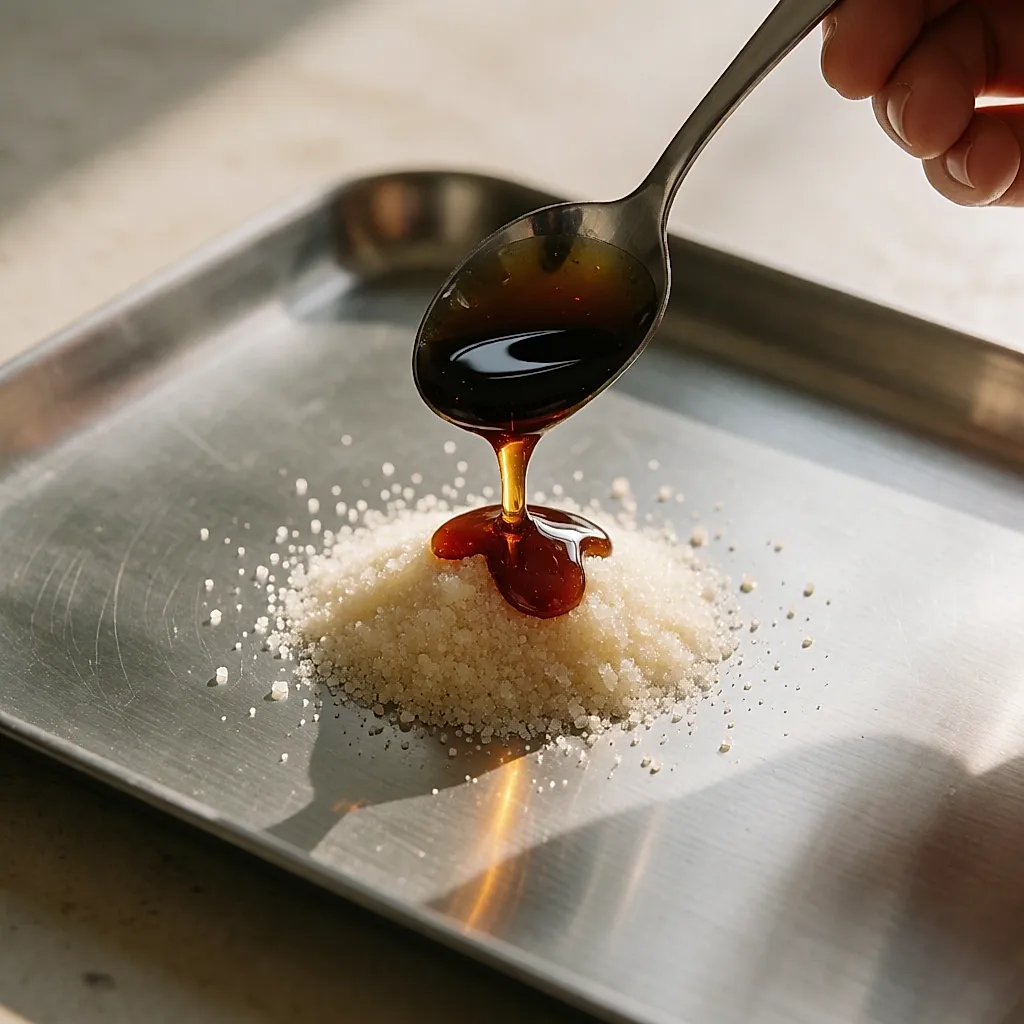
For shoppers, it makes a rather cheering story: a short supply chain between the beet and the jar of cream, sometimes just a few hundred kilometres from home. Be careful, though, not to turn the story into a halo. A bio-based acid does not make a product 'zero impact': the bottle, the transport and the cotton pads are still there.
Does it change anything in the bottle?
Honestly? Very little on your face. The molecule is the same, whether the sugar comes from a beet or an oil refinery: the same name on the INCI list, the same behaviour on skin. In other words, you won't be able to choose your serum by reading the ingredients list — the benefit lies upstream, in the supply chain, not in the bottle.
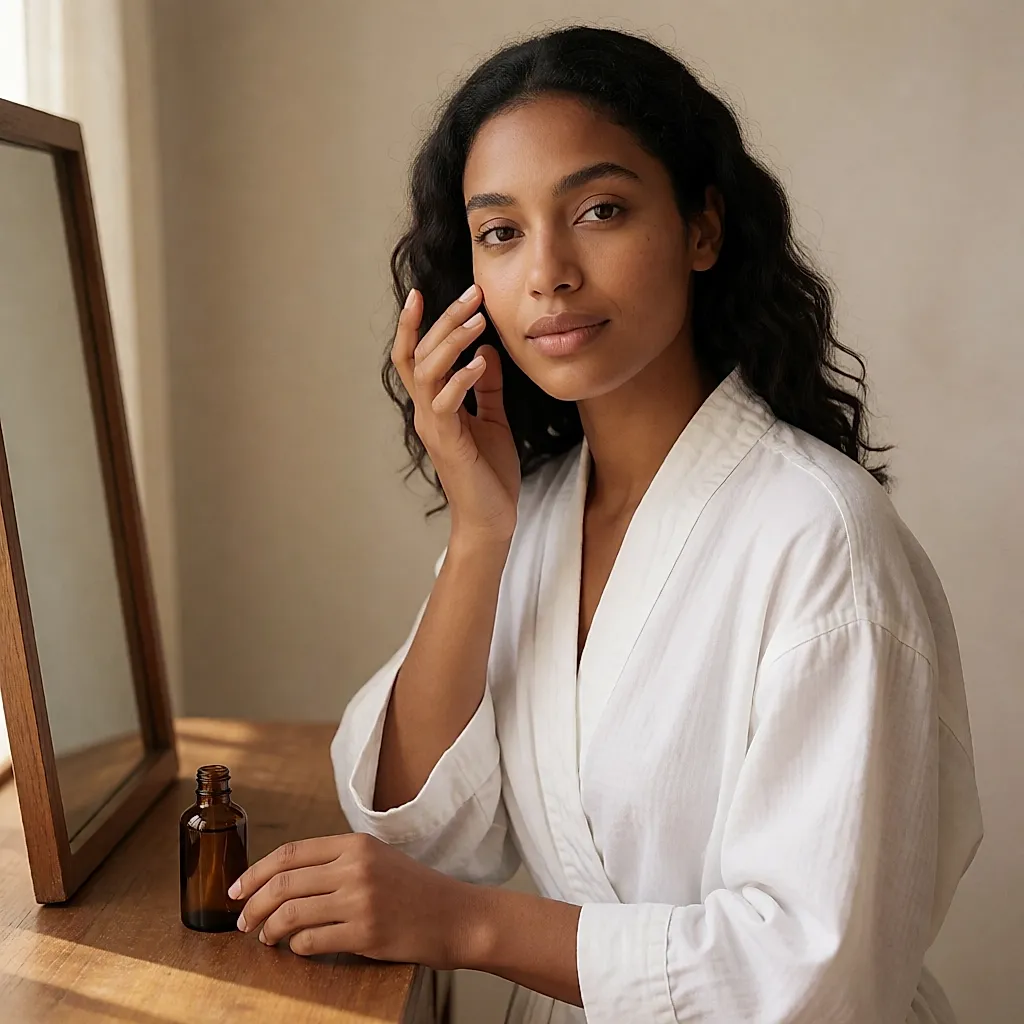
So should we throw in the towel? Certainly not. What you can choose is how you handle the acid. In practice, many people advise starting cautiously, in the evening, on dry skin, avoiding the eye area. Don't layer two acids on the same night, or an acid with retinol — skin does not need to be shouted at. And the next morning, sunscreen is not an option.
The three-minute routine: in the evening, on clean dry skin, a pea-sized amount of acid treatment — not a thick layer. Leave it on as directed, rinse if the formula requires it, and finish with a simple moisturiser. If it stings strongly or feels tight, space out applications rather than gritting your teeth.

What it costs
Acids have become very affordable. Expect to pay around £8–20 for a toner or a lactic-acid cream from a supermarket own-brand range; £20–45 for a serum from a pharmacy or beauty retailer; and £50–120 for the most concentrated formulas from specialist brands. Price varies a great deal with concentration, pH, packaging and name recognition — not only with the quality of the routine.
A word on packaging: at the same price, choose glass, a refill or a larger size where they exist. That is often where the real difference lies, more than in the origin of the sugar.
The last word
An acid born in a sugar factory is a lovely way to bring sugar beet and the bathroom back together. But keep a cool head: it is good news for the supply chain, not another wonder ingredient on the label. The step that matters most is still yours — knowing your skin, going gently, and remembering sunscreen in the morning. The rest is simply well-mannered chemistry.

Comments
Your opinion matters: rate the article, react and reply to comments.
Comments are moderated; AI-assisted comments are flagged. Text emoticons (8-), :-), <3…) are automatically shown as images.