
From weight gain and weight loss to pregnancies, and with time passing, skin gradually loses firmness — and we're left with an area we often end up camouflaging rather than addressing.
Overeating, poor diet, sedentary habits, pregnancies, repeated diets and the yo-yo effect… the stomach takes a beating and often shows small bulges and dimpling, along with a fair share of body hang-ups, which strangely resurface as soon as the warmer weather arrives. Yet for many of us, the quest for a flat stomach can feel impossible. How fat is distributed varies from person to person and depends on several factors — genetics, hormones and energy balance.
This abdominal fat isn't just about appearance: it is also considered a cardiometabolic health marker, and current data suggest it matters as much as waist circumference alone. In other words, the issue goes well beyond bikini season. And if you're unsure what's going on in your case, that's the kind of question to ask a healthcare professional rather than an app.
To work towards a stomach you feel good about, exercise and a good diet are necessary, as you know, to restore tone and lose the extra weight put on over winter. Your abdominal muscles can help with tone, because they support the abdomen. The logic is simple: work your abs and the abdominal wall becomes firmer. Similarly, toning massages such as palper-rouler can bring a feeling of relaxation and, possibly, temporarily improve the appearance of the skin — but there is no evidence that they reduce cellulite.
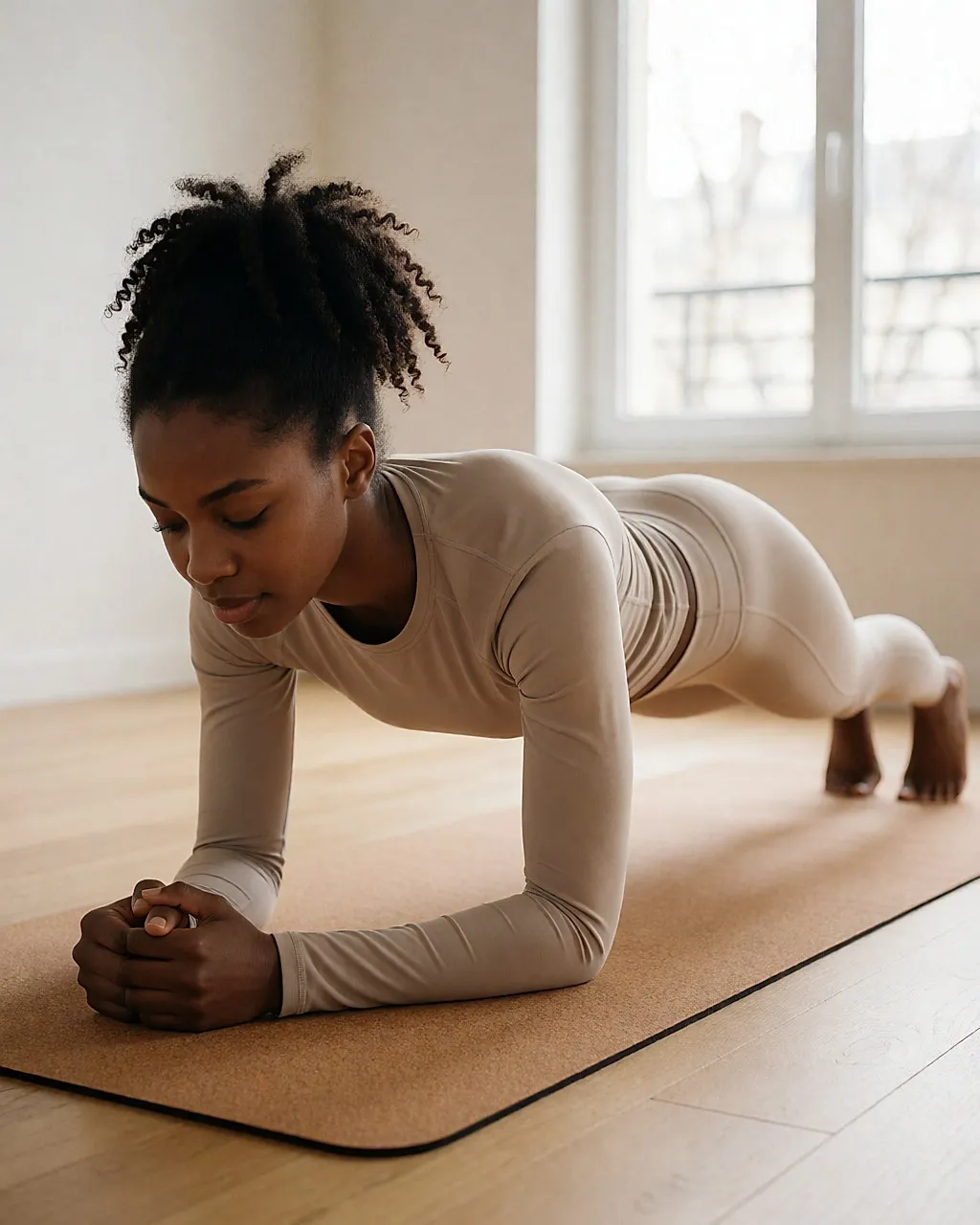
To this, it's important to add regular cardio, which stimulates blood circulation and nicely refines the silhouette — brisk walking, cycling, swimming, dancing — around thirty minutes most days. Add two strength sessions a week — core work, side plank, press-ups, squats — and you'll gain tone. The stomach follows the overall shape of the body, not the other way round.
But this advice, regularly repeated in blogs and women's magazines of all kinds, doesn't always deliver a flat stomach. Beyond fat, the gut also plays an essential role in how our stomach looks. Irritating foods, stress, meals eaten on the go, chewing gum and fizzy drinks… all unsettle the gut, which responds by bloating: suddenly our stomach looks more like a balloon than the stomach we'd hoped for. So here are a few practical tips to make life easier for your gut and say goodbye to a bloated, swollen, heavy feeling.
To start with, a classic but so essential it bears repeating: go easy on sugar. Current data suggest that a diet high in sugar and calories can encourage weight gain, but where fat is stored remains individual and depends on several factors — genetics, hormones and energy balance. Sugar alone does not decide where the weight settles.
So if you're going to give in and treat yourself to a snack or a comfort food, opt for something savoury rather than sweet, though not one that's too high in fat; and if you really have an irresistible sugar craving, have it as part of a meal rather than on its own during the day: sugar is then generally absorbed more gradually.
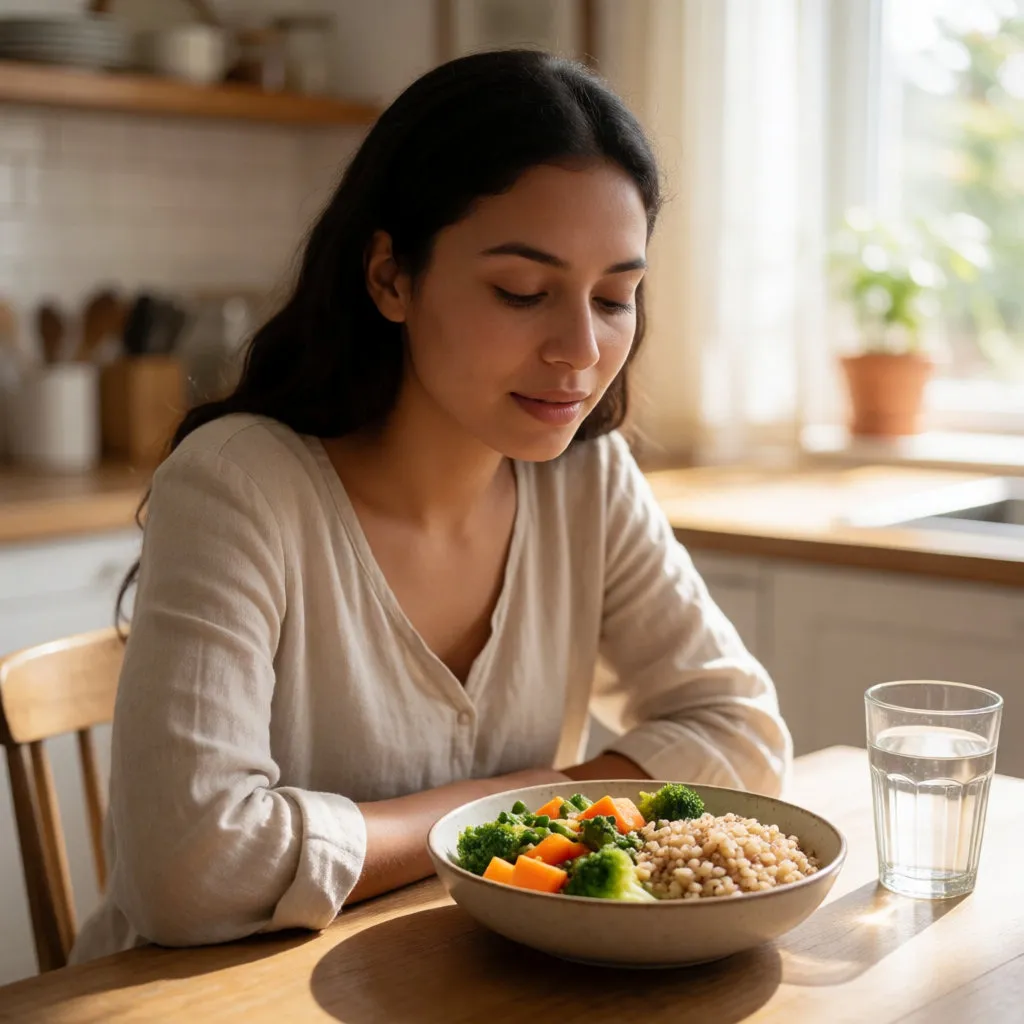
Are you starting a little diet ahead of the skirts, tops and bikinis that come out in summer? Then be careful not to overdo salads and raw vegetables. They are light, fresh, water-rich and low in calories, provided you don't go overboard on fatty dressings, but they can also irritate the gut when eaten in large quantities, which then tends to bloat. Cooked vegetables, by contrast, are much gentler: cooking makes them easier to digest. It is also advised to pair cooked vegetables with a grain such as quinoa, brown rice, barley or bulgur, which allows even better digestion while helping to avoid mid-afternoon cravings thanks to slow-release carbohydrates.
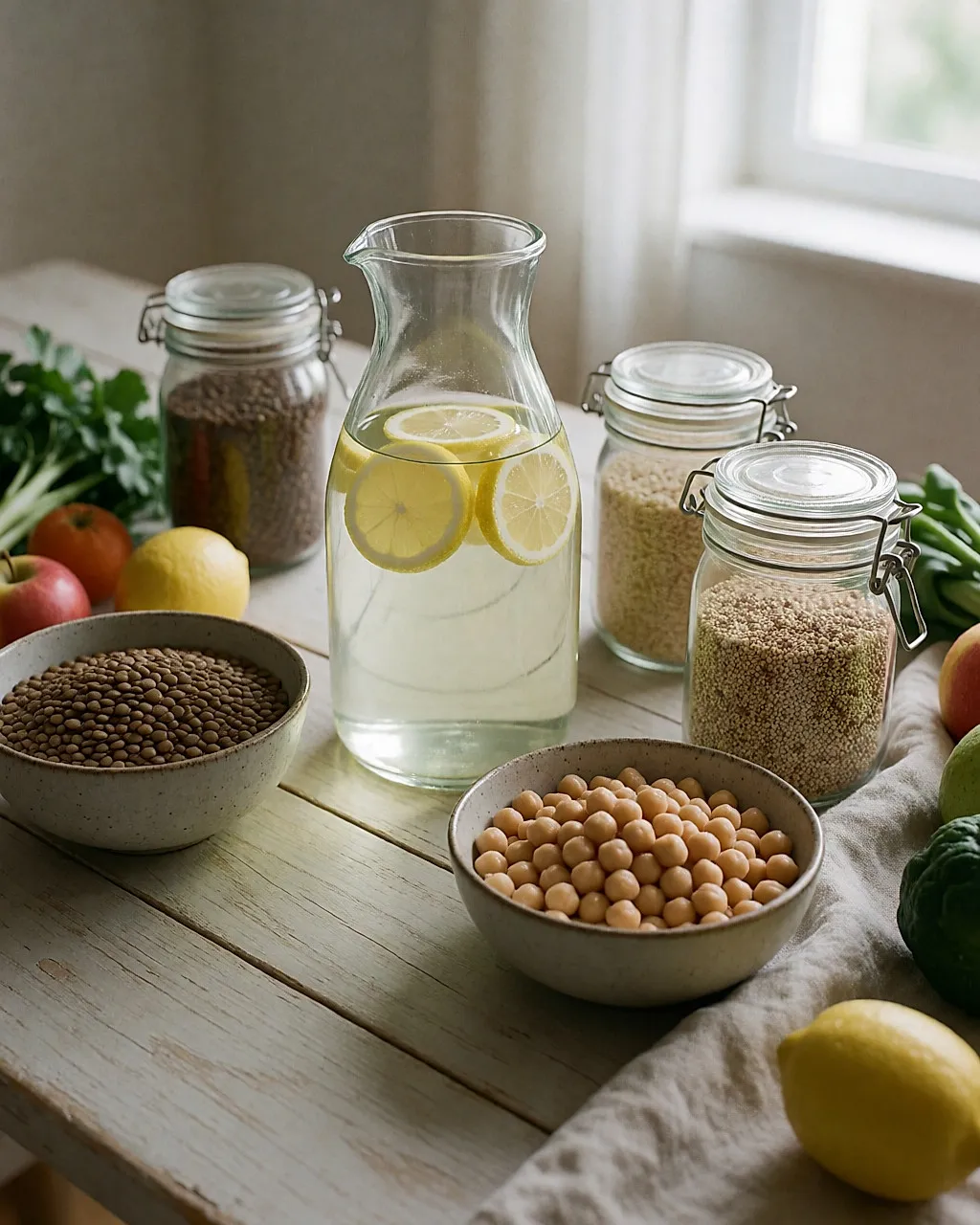
Next comes fibre, a friend to digestion and therefore to a flatter stomach. General guidance is around 25–30 g per day, while many of us fall short. Fruit, vegetables, pulses, wholegrains: increase gradually, and drink water alongside, otherwise you risk the opposite effect — possible bloating. Done well, fibre supports digestion and limits constipation and that heavy feeling, two enemies of a flat stomach that usually go hand in hand.
It's worth stressing that it is strongly advised to avoid or limit chewing gum and fizzy drinks, and to eat calmly, taking your time and chewing properly for better digestion. This habit has only upsides, as several studies suggest that people who take time to eat and chew tend to eat less: it helps them become more aware of feelings of fullness.
Drink plenty of water, herbal teas and tea — your skin will thank you — to support hydration, and herbal teas drunk at the end of a meal can also help digestion.
By contrast, say no to heavy sauce-based dishes, which slow digestion, and limit red meat: choose white meat, eggs, fish, oily or lean, and plant proteins, which shouldn't be forgotten, starting with soya, which is one source of plant protein and should be introduced gradually like any pulse, because it can be poorly tolerated by some people.
Finally, as a little extra help, you can treat yourself to a moisturising or toning cream which, alongside your new habits, will mainly do your skin good. What you eat and how you move remain the foundation.
If bloating becomes daily, painful, or comes with symptoms that worry you, speak to a healthcare professional: a swollen stomach is not always about what's on your plate.
Budget
Expect to pay around £10–£20 for a moisturising or skincare cream from a pharmacy or health-and-beauty retailer, and more like £20–£40 for a more intensive slimming treatment in a salon or clinic. A palper-rouler session typically costs between £30 and £60, and ideally you'd have a course of them, which quickly adds up. For exercise, a gym or group class usually costs around £20–£40 a month, but brisk walking, cycling or skipping need only a good pair of shoes.
Sources
- NHS, guidance on physical activity and sedentary behaviour.
- British Nutrition Foundation, dietary guidelines and the role of fibre.
- NHS Eatwell Guide, advice on food and hydration.


Comments
Your opinion matters: rate the article, react and reply to comments.
Comments are moderated; AI-assisted comments are flagged. Text emoticons (8-), :-), <3…) are automatically shown as images.