
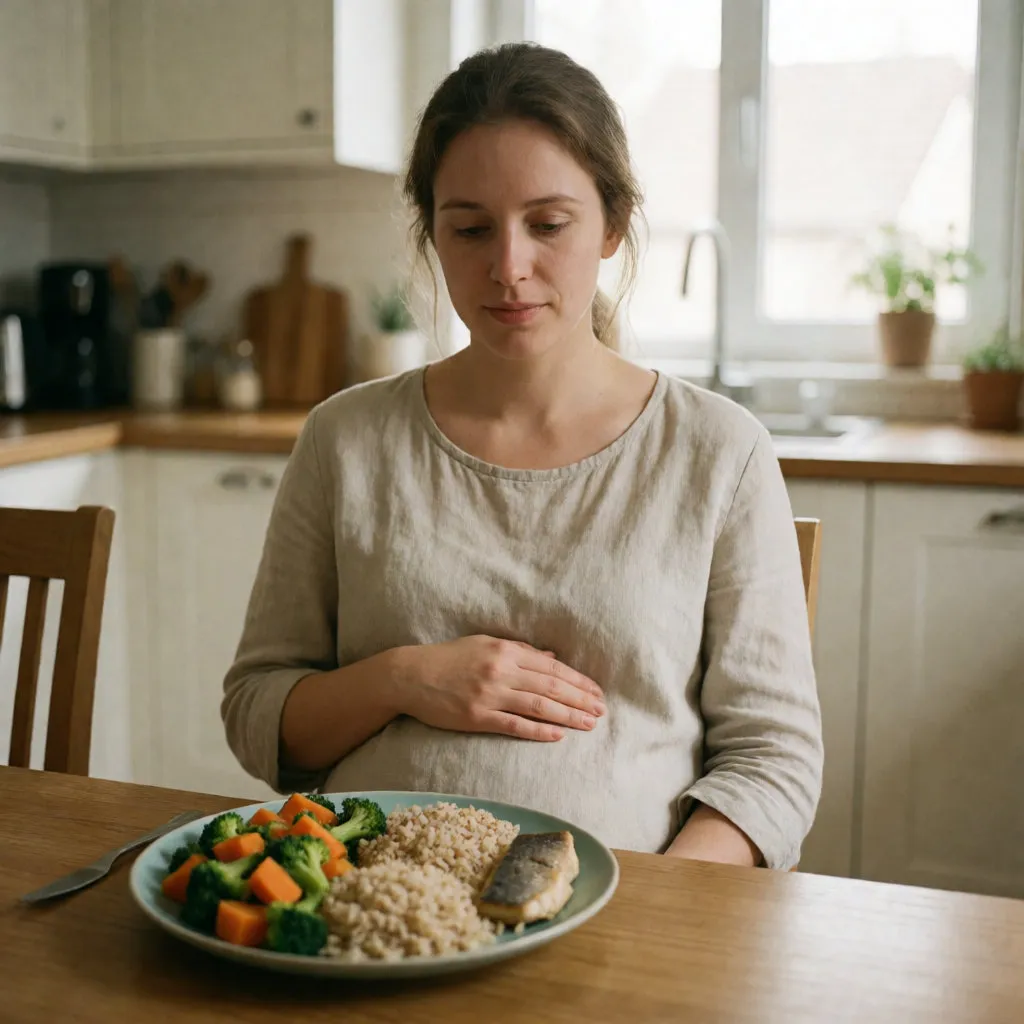
The basics of eating well in pregnancy are much the same as at any other time: a varied, balanced diet. The old line about eating for two doesn't really hold up — you don't need a great deal more food, you need better food, and you should still eat to appetite.
Here are a few pointers by food group: some to have at every meal, others in moderation.
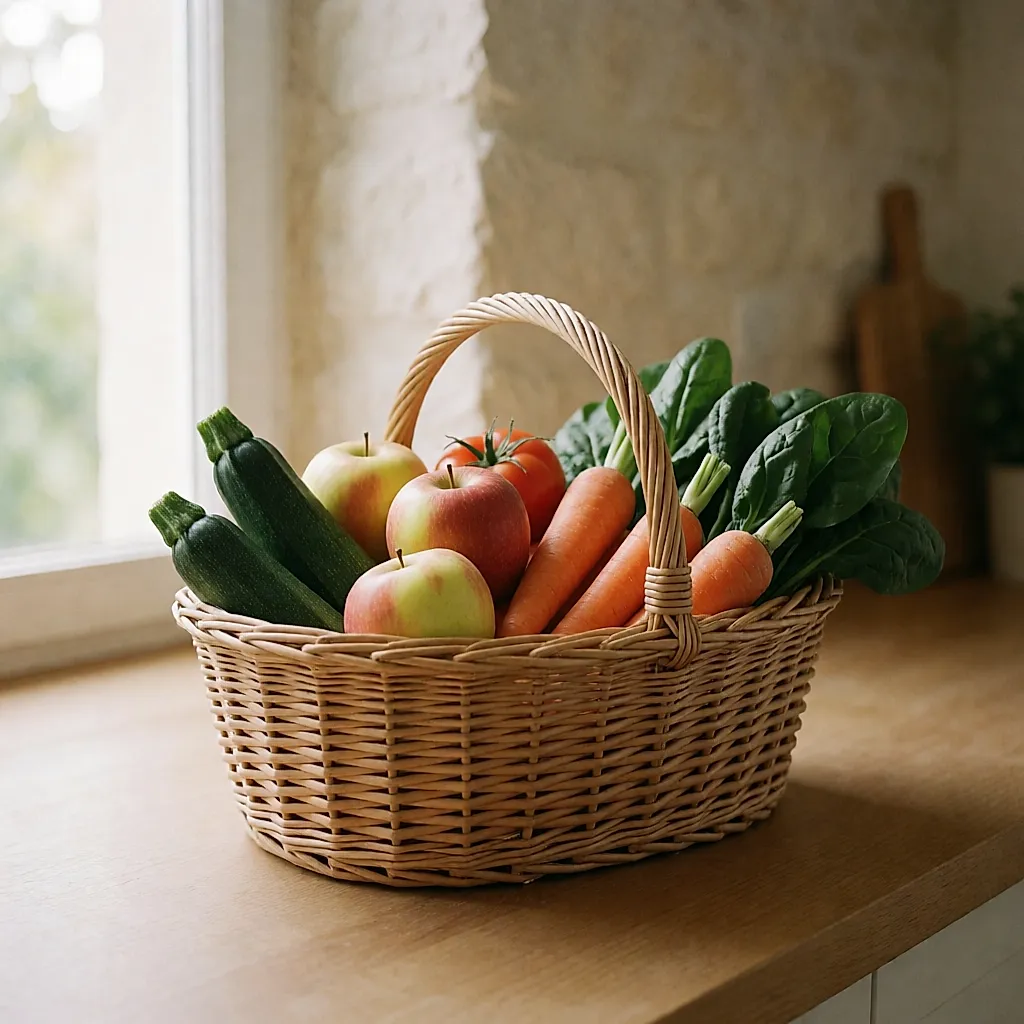
To start with the obvious — fruit and veg, plenty of them. After that, it's over to you: ring the changes and vary how you prepare them, raw, in salads, cooked, or even tinned or frozen. A mid-afternoon hunger pang? Reach for a piece of fruit, a handful of nuts (walnuts, hazelnuts, cashews) or a plain yoghurt rather than something sweet.

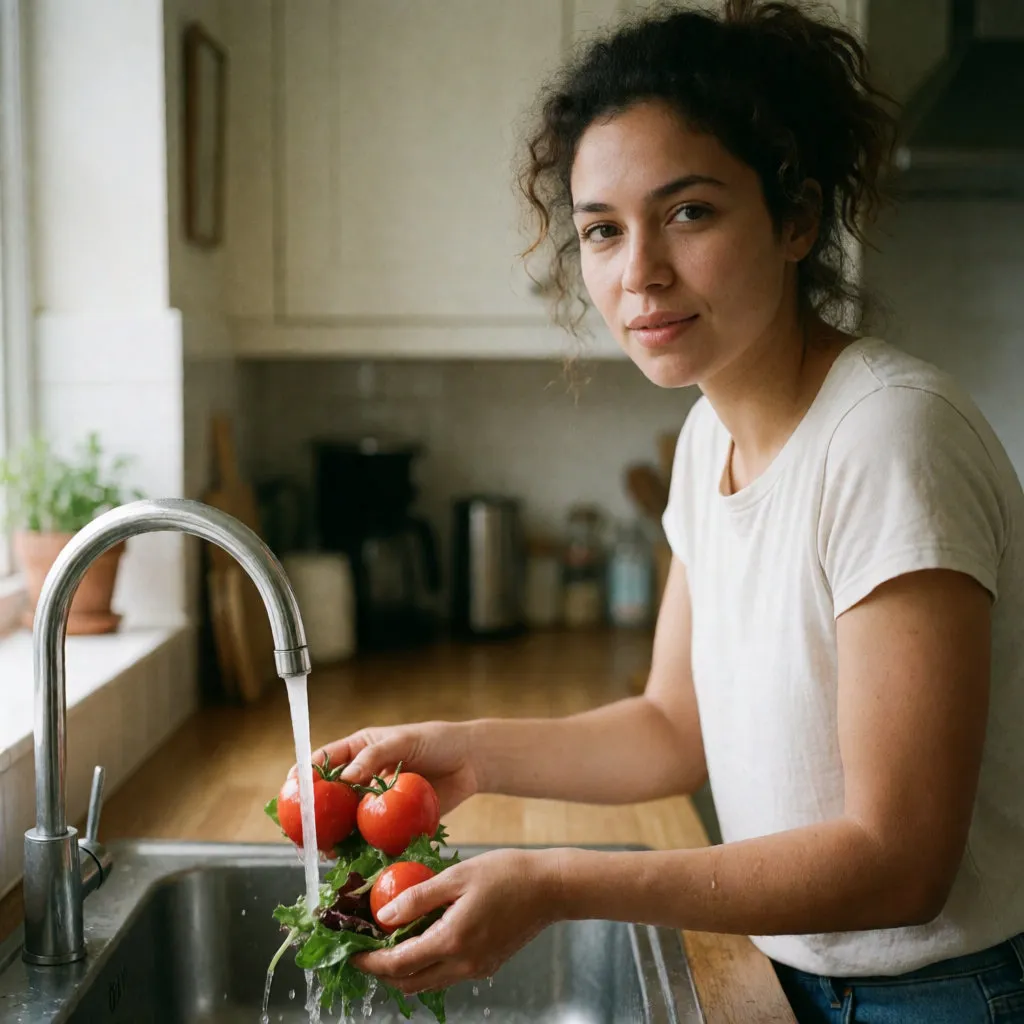
One precaution during pregnancy: always wash fruit and vegetables before eating them. Bacteria, pesticides and other germs don't sit well with pregnancy.
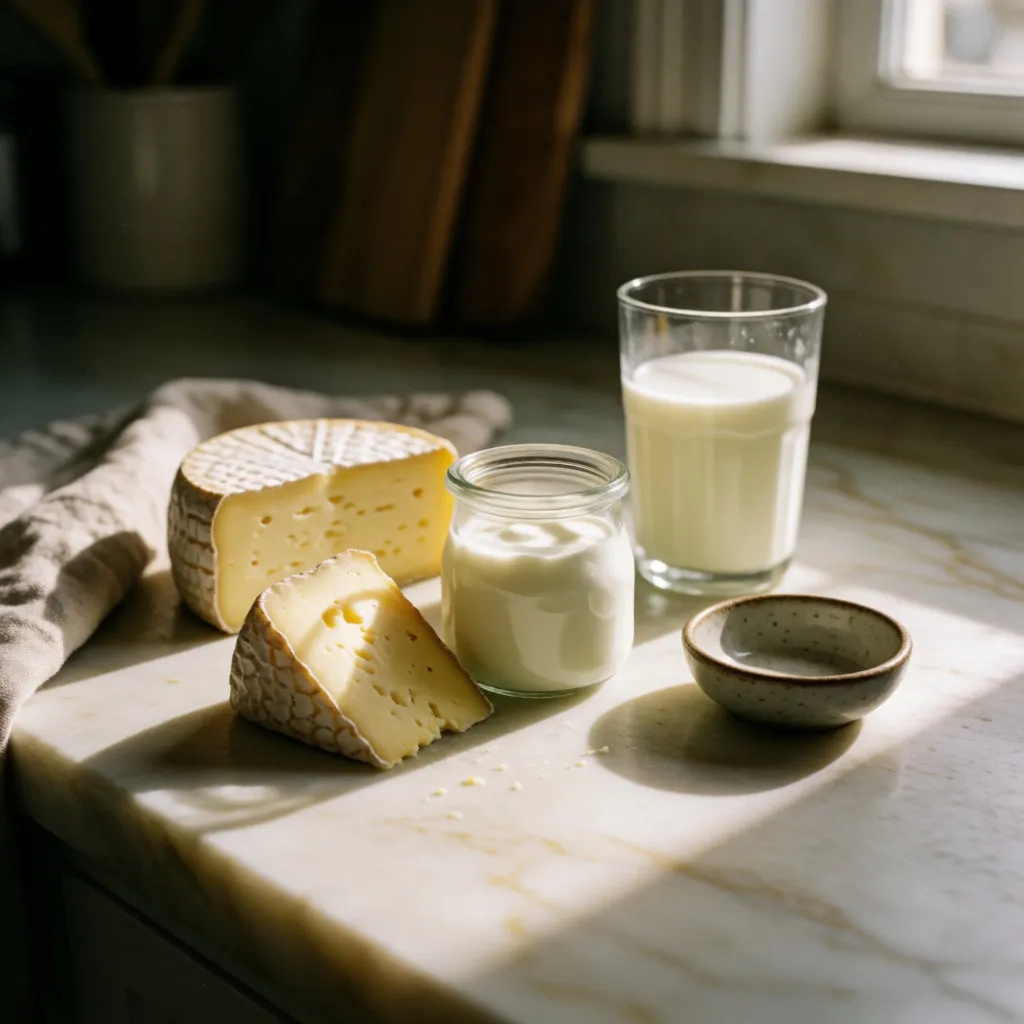
Dairy can also have a place in your meals, and variety is the watchword. Here are a few tips for choosing well — go for the lower-fat, lower-salt and plainer options.
On cheese, pregnant women are advised to favour hard cheeses such as Cheddar, Gruyère, Emmental or Parmesan, and to cut off the rind before eating. These can be fatty and salty, which is why portions are worth keeping modest. Soft mould-ripened cheeses such as brie and camembert are best avoided because they can carry Listeria. If you're unsure, ask the midwife or doctor looking after your pregnancy; hard cheeses are generally fine.
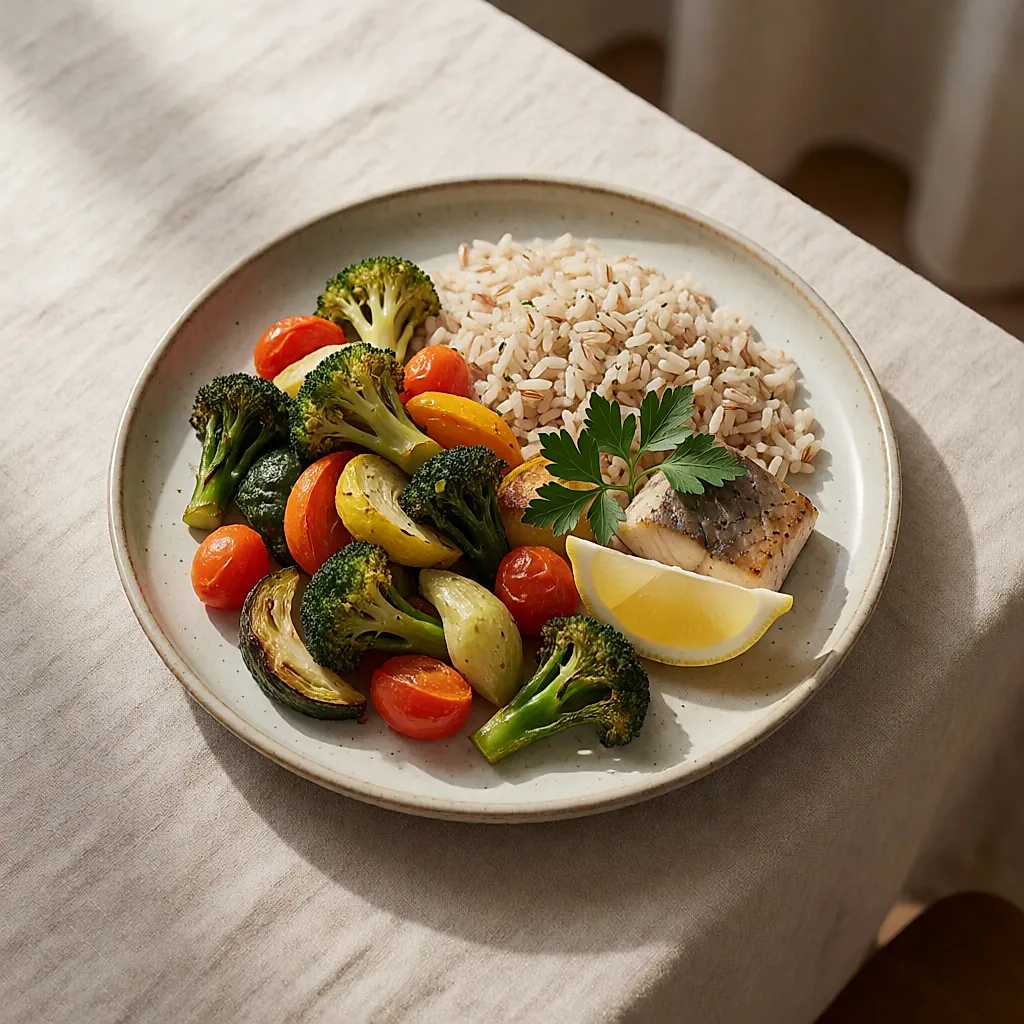
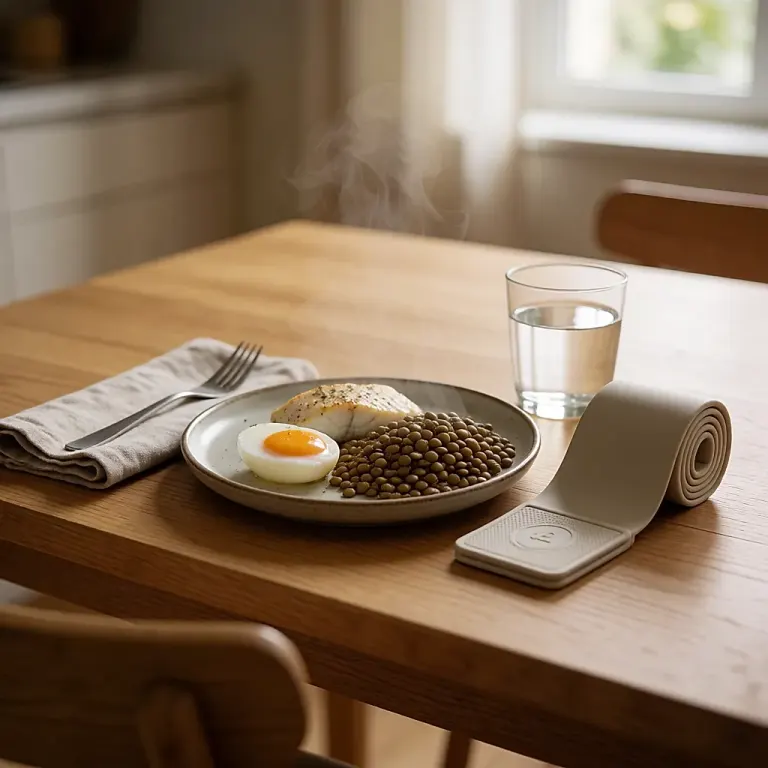
Meat, fish, seafood and eggs can have a place in your meals, with a few caveats. Here too, go for variety, and favour leaner cuts and meats (chicken, veal), though a portion of red meat now and then is fine. Broadly speaking, these foods should take up less of your plate than everything else — so more starchy carbohydrates, vegetables and salad than animal protein.
As for fish, even if you hardly eat it normally, it's worth including it regularly during pregnancy, including some oily fish (salmon, sardines, herring, mackerel), which is rich in omega-3 — though it's wise to keep oily fish to modest amounts.
Cook meat thoroughly to guard against toxoplasmosis and listeriosis; cook fish and seafood to guard against listeriosis and parasites. In the same vein, some cold meats and deli products are off the menu for nine months: pâtés, rillettes, jellied products and anything made with liver.
Finally, no raw or undercooked meat, and skip seafood and fish eaten raw (oysters, sushi, sashimi and the like).
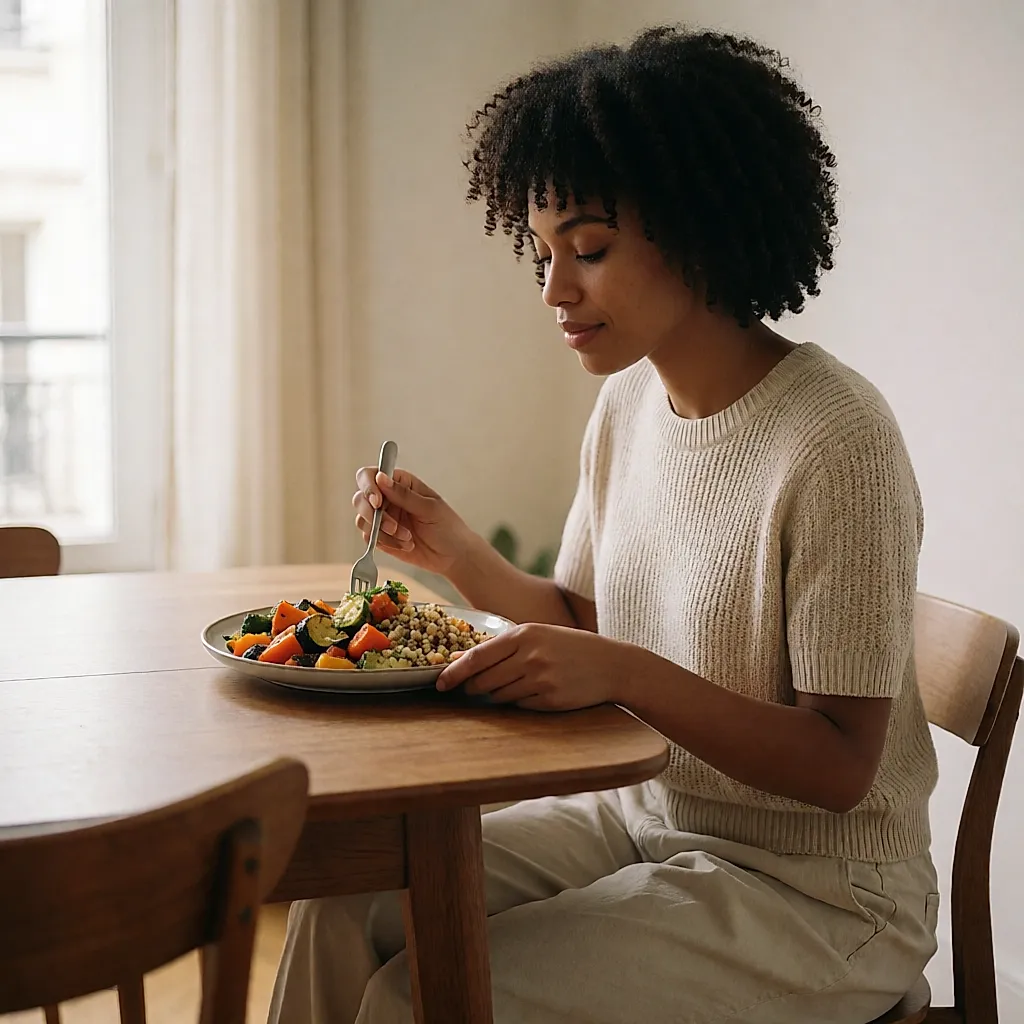
Cereals, bread, pulses and other starchy foods belong at every meal. As a rule, a decent portion is a good idea — they're filling and full of good things. One tip, though: not all carbohydrates are equal, so choose wholegrain versions of bread, pasta, rice and so on rather than refined ones. Soya-based products are best kept to moderate amounts during pregnancy, and concentrated forms of vitamin A are worth limiting too: mention it to the professional looking after your pregnancy, who can adjust the advice to your diet and your test results.
Sugar is another one for moderation. Your body needs energy, but added sugar is harmful in excess — for you and for your baby. So pastries, croissants and Danish pastries, sweets, but also fizzy drinks, nectars and fruit juices (very sweet despite being fruit-based) are ones to keep in check.
Then there's salt, which, like sugar, should be kept low: don't over-salt your cooking, don't add salt to ready-made meals, don't salt the water you cook in, and steer clear of nibbles such as crisps and salted peanuts, which carry far more salt than you need.
Fats deserve reasonable consumption too: limit animal fats in particular, such as butter and crème fraîche, and favour vegetable oils (walnut, olive, rapeseed, sunflower) while varying them as much as you can.
Finally, drink plenty of water, but go easy on coffee and tea. In moderation, neither is harmful to your baby, but both can speed up your heart rate and your baby's. Caffeine is worth keeping moderate too: it's easy to take in more than you realise, so remember to count tea, dark chocolate and caffeinated soft drinks towards the total.
It can't be said often enough: not a single drop of alcohol during pregnancy. The evidence on this one is settled, and your baby is affected.
Weight gain in pregnancy varies from woman to woman: it depends above all on your starting weight and your circumstances, so it's a marker to follow with your midwife or doctor, not a rule. It should stay moderate — partly because that's better for your health and your baby's, and partly because it's thought to make for an easier birth. What matters most is that it goes on gradually, even though it's noticeably faster in the second half of pregnancy.
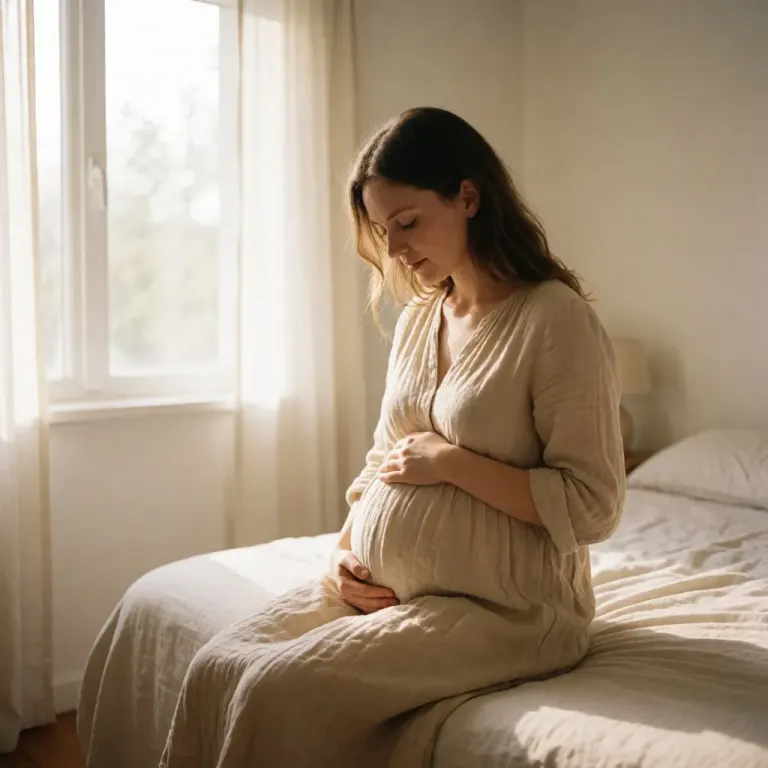
Expecting a baby is a huge joy, but also a heavy responsibility. You're no longer just looking after yourself, and you need to look after yourself in order to look after your baby, whose growth and development are helped along by a healthy lifestyle. Obviously that starts with food, a subject on which plenty of myths and misconceptions circulate — so let's be clear: eating well when you're pregnant really isn't that complicated. If you're unsure, if something is unusual, or if you have an intolerance or a particular diet, turn to the professional looking after your pregnancy. These are reference points, not a prescription: every woman, every pregnancy and every care pathway has its own nuances.
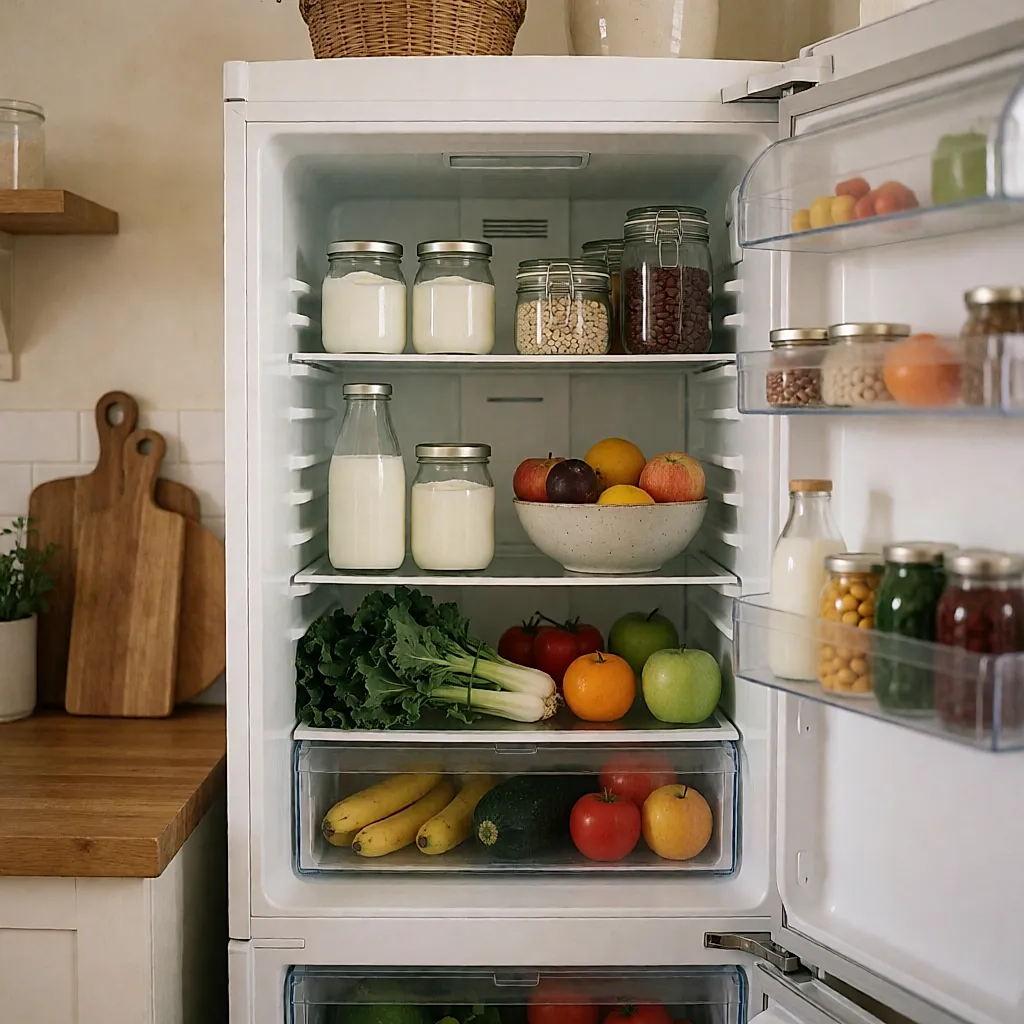
The habits that count: wash your hands before cooking, wash fruit and vegetables thoroughly, and cook meat, fish and eggs all the way through. A chopping board kept for raw food only stops utensils getting mixed up, and if you're in any doubt about a food, it's better to give it a miss for nine months.
Budget
Eating well in pregnancy doesn't have to cost more. Pulses, wholegrains, eggs and seasonal fruit and vegetables remain the cheapest allies, while fresh fish and dairy weigh more heavily on the bill. Expect to pay roughly £1 to £2 a portion for a home-made dish combining a protein with vegetables and starchy carbohydrates, and more like £3 to £5 a portion for fresh fish, depending on the species and the season — prices vary, so treat those as ballpark figures. Markets, veg boxes and frozen vegetables or fish bring the total down without giving up on variety.
Antenatal care is free on the NHS, and your midwife, GP and health visitor can answer questions at no cost. A referral to an NHS dietitian, usually through your GP or midwife, is free too; private appointments with a dietitian may involve a fee; fees vary, so ask the practitioner for a quote. Help with health costs exists in some circumstances, but it isn't automatic and depends on your situation — worth checking with your midwife or on the NHS website. Your maternity notes remain the reference for your own follow-up.

Comments
Your opinion matters: rate the article, react and reply to comments.
Comments are moderated; AI-assisted comments are flagged. Text emoticons (8-), :-), <3…) are automatically shown as images.