
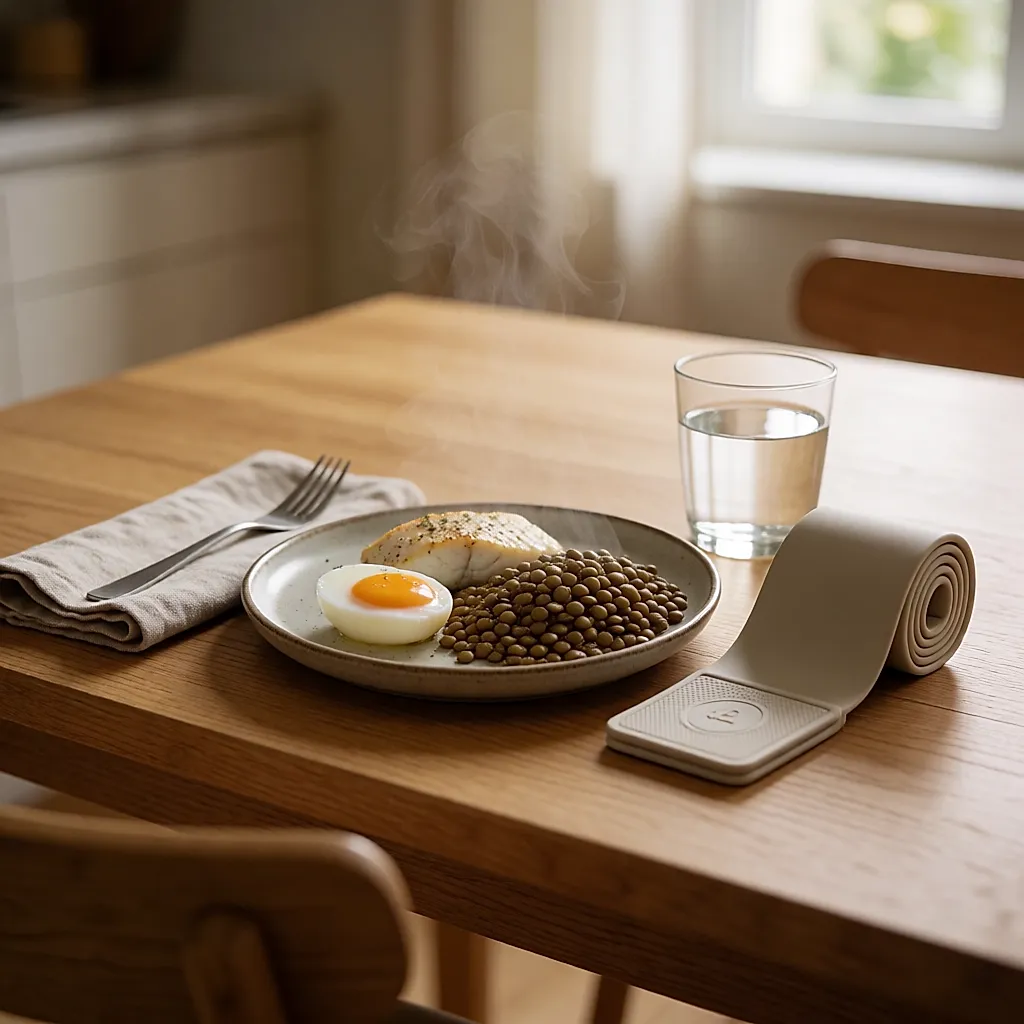
The Sunday-evening plate has lost its appeal: three mouthfuls, and appetite is gone. In the first few weeks the sensation is almost heady — a smaller plate, a lighter body, jeans suddenly very forgiving. Then comes the question no set of scales will answer: what are you actually keeping from all this?
The real question has shifted
For years, we talked about weight as a number to bring down. GLP-1 treatments, which act on appetite and satiety, move the goalposts: what matters now is what you keep along the way. Current data suggest that rapid weight loss can come with a loss of lean mass — muscle, strength, the things you don't notice straight away.
So three things end up on the table: enough protein, a sense of fullness that stays comfortable rather than clenched, and muscle that keeps working. None of the three can ever be improvised solo, between a couple of internet searches and a changing-room conversation.

Eating less, but making it count
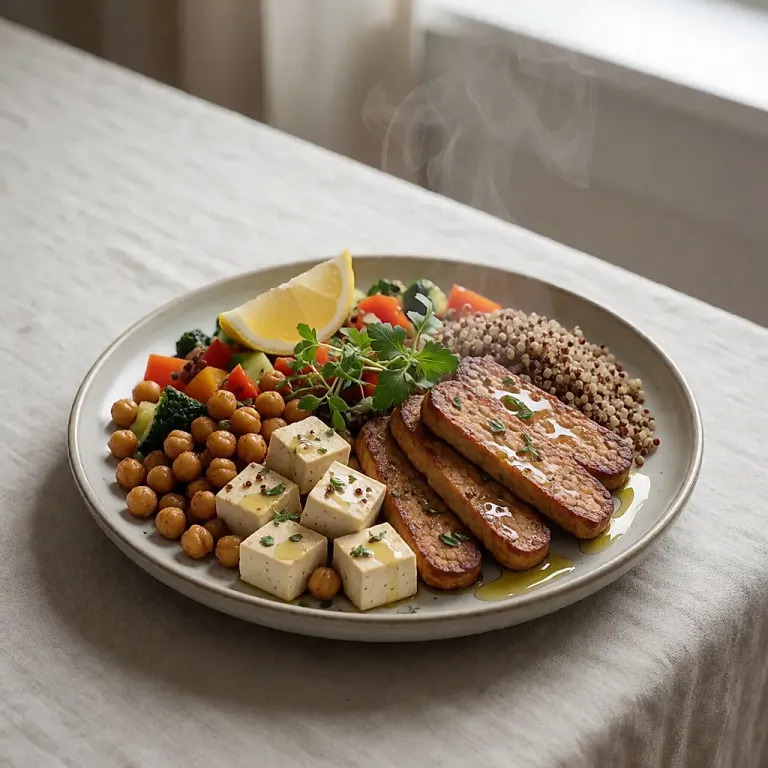
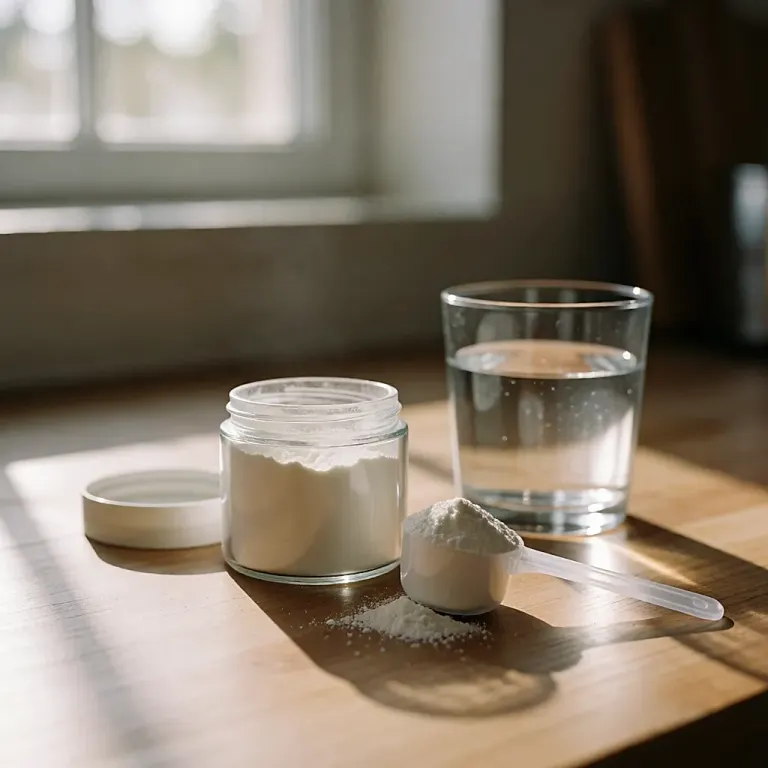
When appetite tightens, every mouthful has to work twice as hard. So make it dense and gentle: a soft-boiled egg, plain yoghurt, a fillet of fish, well-cooked lentils, marinated tofu, fromage blanc. Nothing expensive, nothing exotic — just foods that deliver protein without demanding a holidaymaker's appetite.
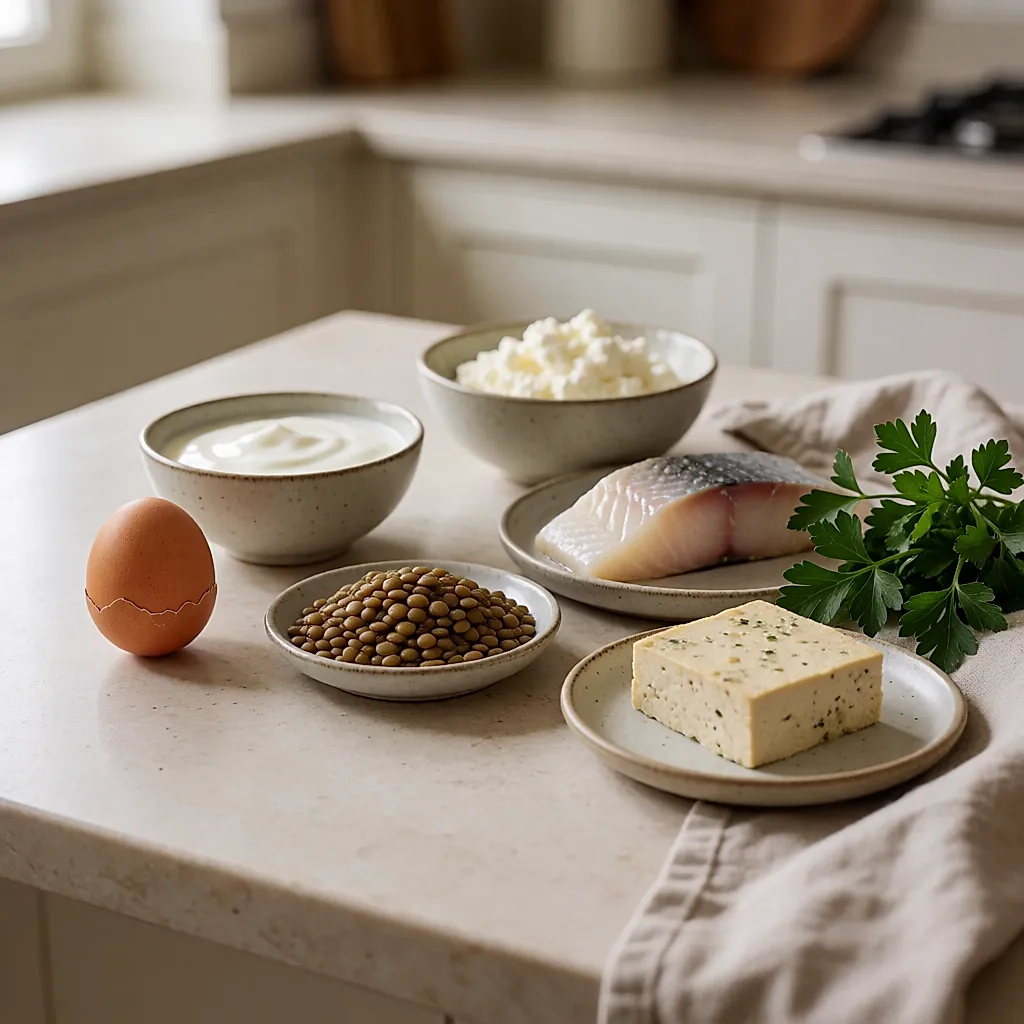
In practice, French guidance puts the needs of a healthy adult at between 0.8g and 1g of protein per kilo of body weight, per day. That's a ballpark, not a rule set in stone: your weight, your kidney function and the medicines you're on all change the picture — and it's something to adjust with the healthcare professional looking after you. You can't pluck a figure like that out of thin air.
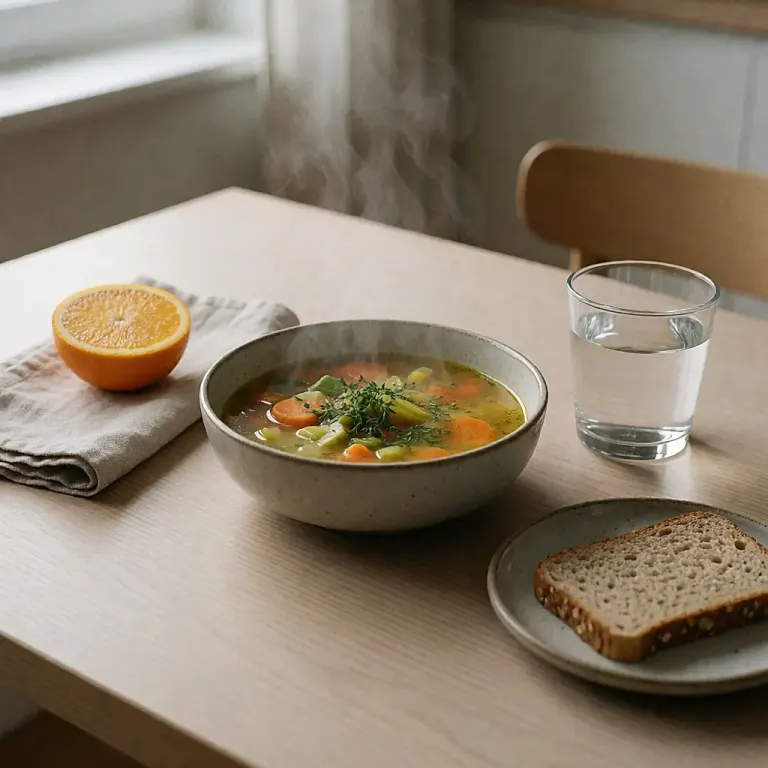
And satiety? It can stay pleasant. Warm textures, modest but repeated portions, a spoonful of unsweetened compote at the end of the meal: comfort often hinges on very little. If meals become painful, if everything sits badly, or if you can barely tolerate anything, this is not something you have to push through — talk to the healthcare professional looking after you. Adjustments exist.
Muscle, meanwhile, doesn't go on strike
A well-planned plate without movement is a bit like a newly tuned piano nobody plays: the instrument is there, the music isn't. Current data suggest that physical activity — resistance training in particular — helps preserve lean mass during weight loss.

No gym membership and no competition programme required. Walk a little each day, take the stairs without clutching the handrail, slot two short sessions into the week (chair squats, calf raises, press-ups against the kitchen worktop, a resistance band): that's a foundation within almost anyone's reach. If you're starting out, a physiotherapist or an instructor trained in adapted physical activity can map out a realistic route for you — and that's often where the body makes peace with effort.
Never change a treatment you're currently on without the advice of the doctor who prescribes it: not the dose, not the schedule, not stopping it. And if you're considering this type of treatment, remember that it requires a prescription and ongoing follow-up — not a decision taken alone, or advice picked up in passing.
Follow-up isn't an optional extra
What we do know: these treatments sit within a wider pathway. In France, the ANSM regulates their prescribing and the HAS publishes recommendations on managing overweight and obesity. In the UK, the equivalents sit with the MHRA, which licenses medicines, and NICE, whose guidance covers the management of overweight and obesity. Follow-up is what tunes what needs tuning, checks that eating is keeping pace, and picks up early signs that something is slipping — persistent fatigue, strength that collapses, meals that have become a chore.

What we don't yet know, or don't fully know: the long-term effect on body composition, and the best way to look after each individual profile. The data keeps accumulating, and the answers are sharpening. In the meantime, the approach stays simple: eat protein, move, stay in touch with the people who know — and give yourself permission not to get everything right on the first attempt. Muscle is built over weeks, not on the back of a January resolution!
Sources
- ANSES (French Agency for Food, Environmental and Occupational Health & Safety) — Dietary reference values and nutritional requirements, accessed 11 October 2026.
- HAS (French National Authority for Health) — Guidance on managing overweight and obesity, accessed 11 October 2026.
- ANSM (French National Agency for Medicines and Health Products Safety) — Regulation of prescribing for GLP-1 treatments, accessed 11 October 2026.
Comments
Your opinion matters: rate the article, react and reply to comments.
Comments are moderated; AI-assisted comments are flagged. Text emoticons (8-), :-), <3…) are automatically shown as images.