
The sauna
Heat, relaxation, a deeper kind of clean: sauna has plenty going for it, but at heart it is about feeling good. It is a beauty ritual as much as a wellbeing one, and it works best when you follow a few sensible rules to make the most of its effects.
The sauna gives you dry, dense, rising heat; a hammam wraps you in soft, warm steam. Depending on what you are after — looser muscles, a pocket of calm, skin cleared of dead cells — one will suit you better than the other. The next question is how to go about it, and under what conditions.
First, a few contraindications. Because a sauna means heat, it is not advised for people with circulatory problems, rosacea or skin conditions that heat may make worse. If in doubt, ask your GP or a dermatologist.
Likewise, if you feel a cold, sore throat or flu coming on, give it a miss: it will do you no favours. Ask your GP before using a sauna if you have high or very low blood pressure, heart problems or epilepsy; medical advice is essential during pregnancy. Finally, for obvious hygiene reasons, do not go if you have an infectious illness: a sauna is a close-quarters space, and certain hygiene rules need to be followed to the letter.
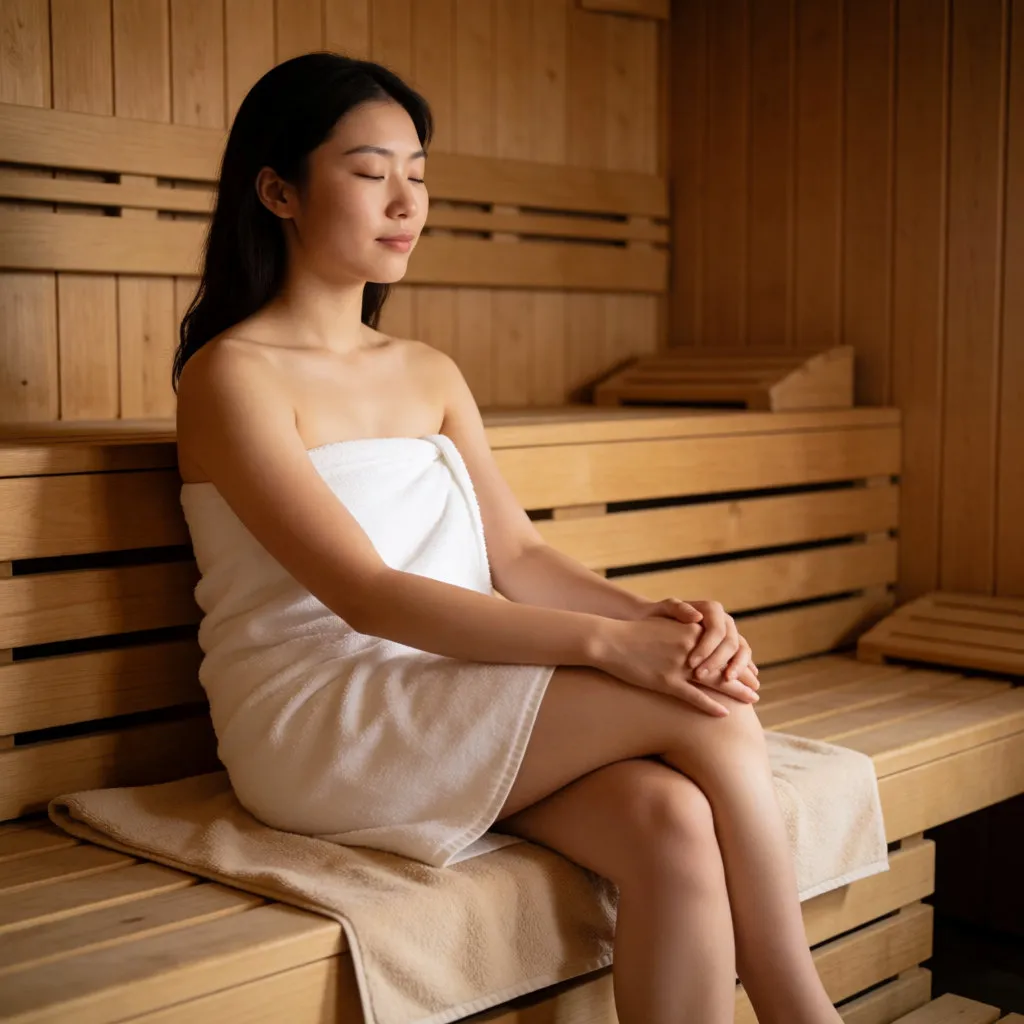
Originally from the Nordic countries, a sauna is a wooden cabin of varying size whose dry heat is intense. Humidity stays low. Sometimes a ladle of water is poured over the hot stones to create a cloud of steam, but the atmosphere remains dry. The result: you sweat a lot, and the first few minutes can make you feel short of breath.
You do not need hours to spare to treat yourself to a properly warm session: the key is to choose a moment that lends itself to relaxation, a moment just for you. Avoid the sauna straight after eating — ideally, go on a light stomach — and put it off if you drank too much the night before.
Before you go, check whether the sauna is mixed or single-sex; it depends on the venue — public pools, gyms, thalassotherapy centres or urban spas. A quick call or a question at reception will settle it. Pack two towels: one to sit on and one to dry yourself with, and bring a water bottle.
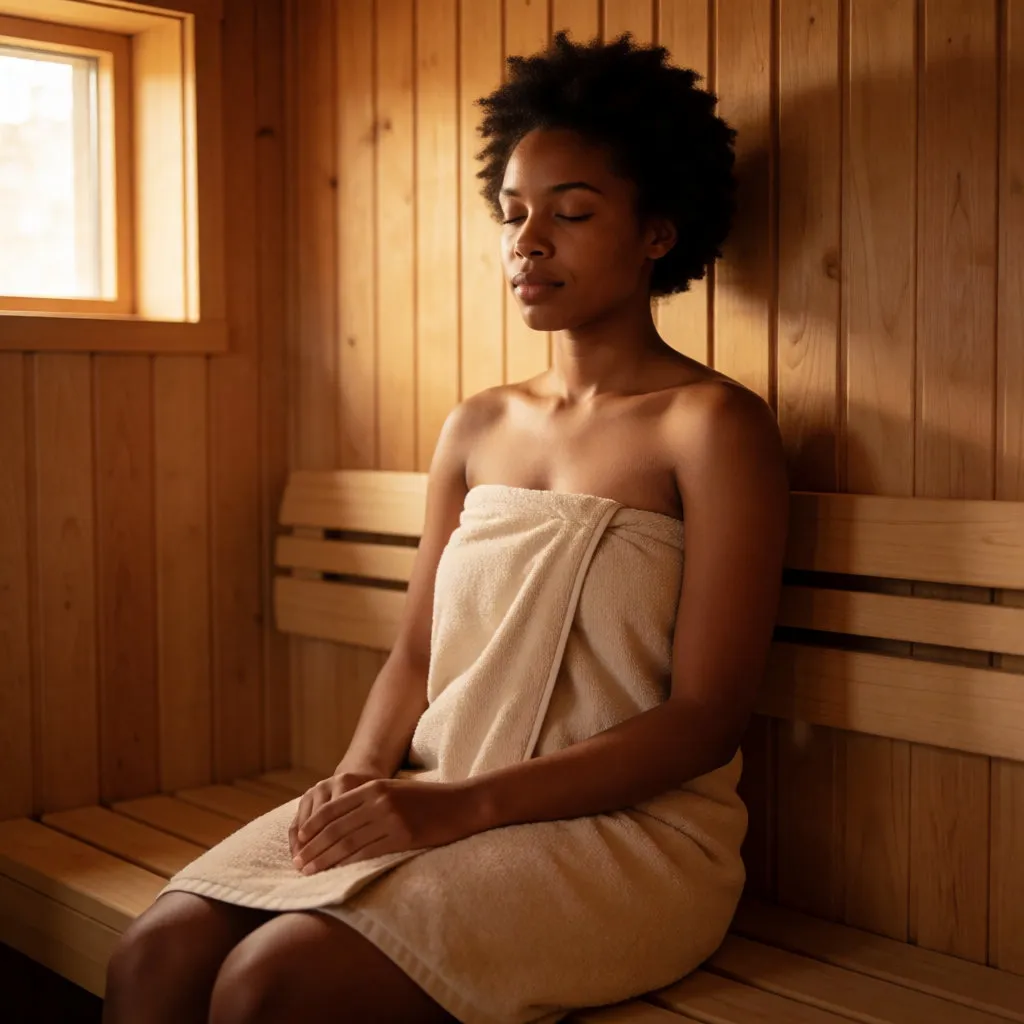
Before going into the cabin, it is advisable to take a warm shower: partly for hygiene, but also to raise your body temperature slightly and prepare you for what is to come. Take a small towel to sit on, since hot wood can be uncomfortable — and again, for hygiene reasons. A sauna should in principle have two or three tiers of benches, with the temperature changing according to height: the lowest benches are in a cooler atmosphere than the ones above them. That is useful to know for a first try.
Sit or lie down, as you prefer, but ideally keep your feet at body height: bring your legs up onto the bench and breathe slowly. A sauna should be calm and conducive to relaxation; so if you are with someone, speak softly — or better still, do not speak at all, so you can be fully present in this rather special moment. After a few minutes the heat starts to do its work, your body relaxes and you begin to sweat: you feel elsewhere, carried away.
For a first session, it is better to take it gently and above all not to push yourself. If the heat becomes unpleasant, get out. If this is your first try, keep the first round short.
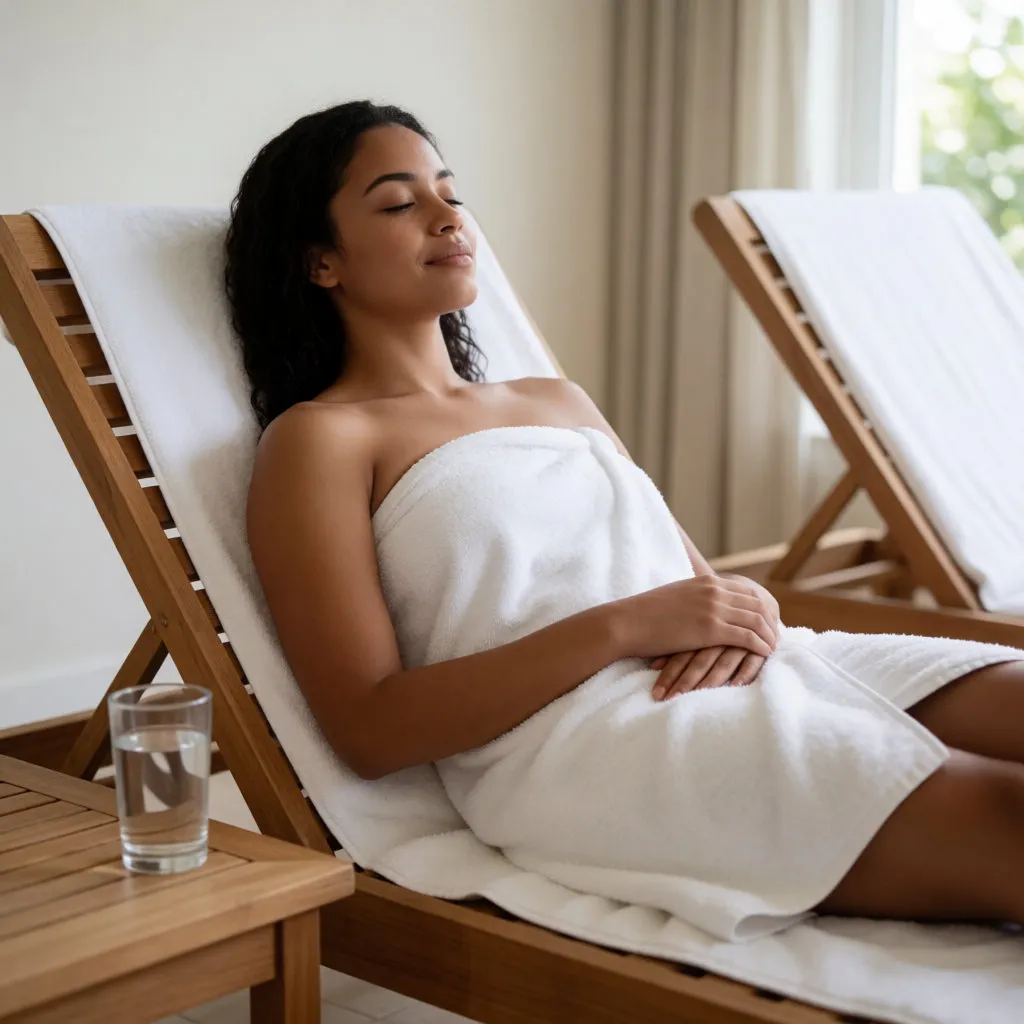
On the way out, take a cool shower — not cold — to cool the body and clean the skin. Then rest: there are usually benches or loungers to settle on between rounds. Once you have recovered and feel up to it, go back into the heat of the sauna for another short round.
After that, it is up to you: two, three or more rounds, depending on how you feel. We do not all tolerate heat in the same way, and there is no point forcing yourself if you no longer fancy it.
There is one rule to follow after your last sauna round: a cold shower — not lukewarm, not cool, cold. It helps the body return to its normal temperature, allows blood vessels dilated by the heat to narrow again and, in short, helps the body regain its tone while getting clean.
If cold water puts you off, a cool shower works perfectly well. The main thing is not to go out still sweaty into a draught, especially in winter. Dry yourself well, wrap up, and let your body come back down gently.
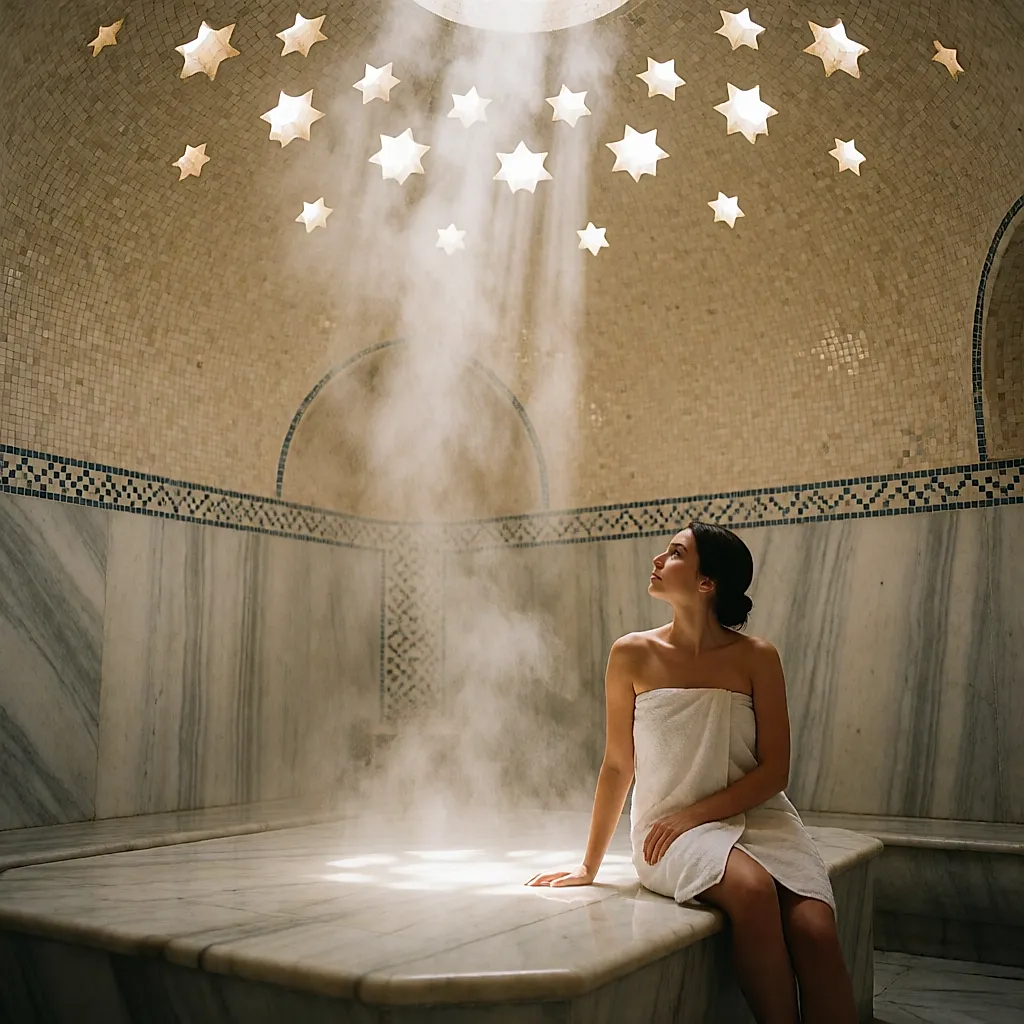
When you come out, many people describe a feeling of lightness and relaxation, with clean skin. That is the pleasant part; it is not a medical result in itself.
What we know — and what remains uncertain — is this: beyond relaxation, a sauna may bring some benefits for the body. Sweating, to begin with, removes water and some minerals: you can sweat heavily and lose a variable amount of water, so remember to rehydrate.
Some people report relief from tension or aching muscles after a session; for osteoarthritis pain, the evidence is limited and advice from a healthcare professional is still necessary. Finally, some people find it a relaxing moment in winter; it does not replace steps to prevent infection.
As for rhythm, it can be a gentle habit, perhaps at the end of the day, if it suits you.
Sleep is often mentioned too: many people say they sleep better after a session. The data remain limited, but the relaxation people feel is very real.
The hammam
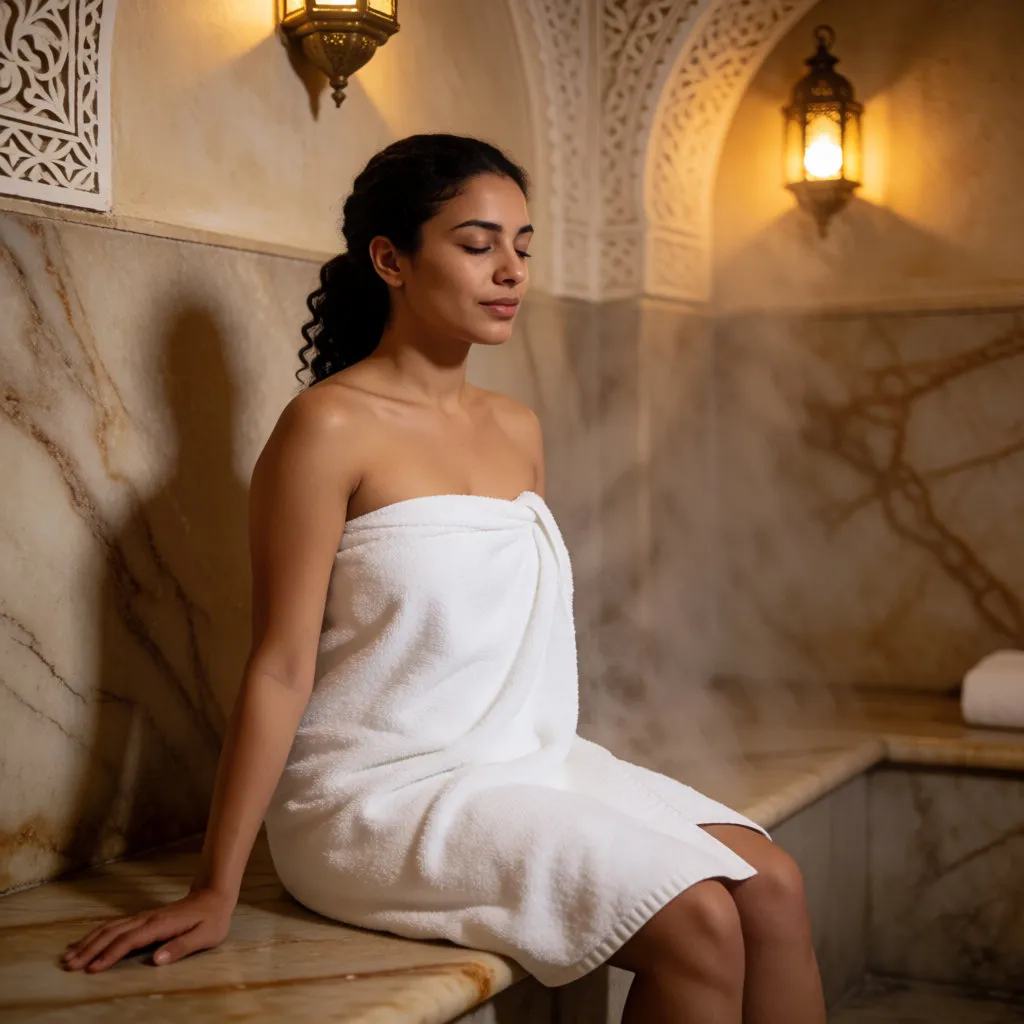
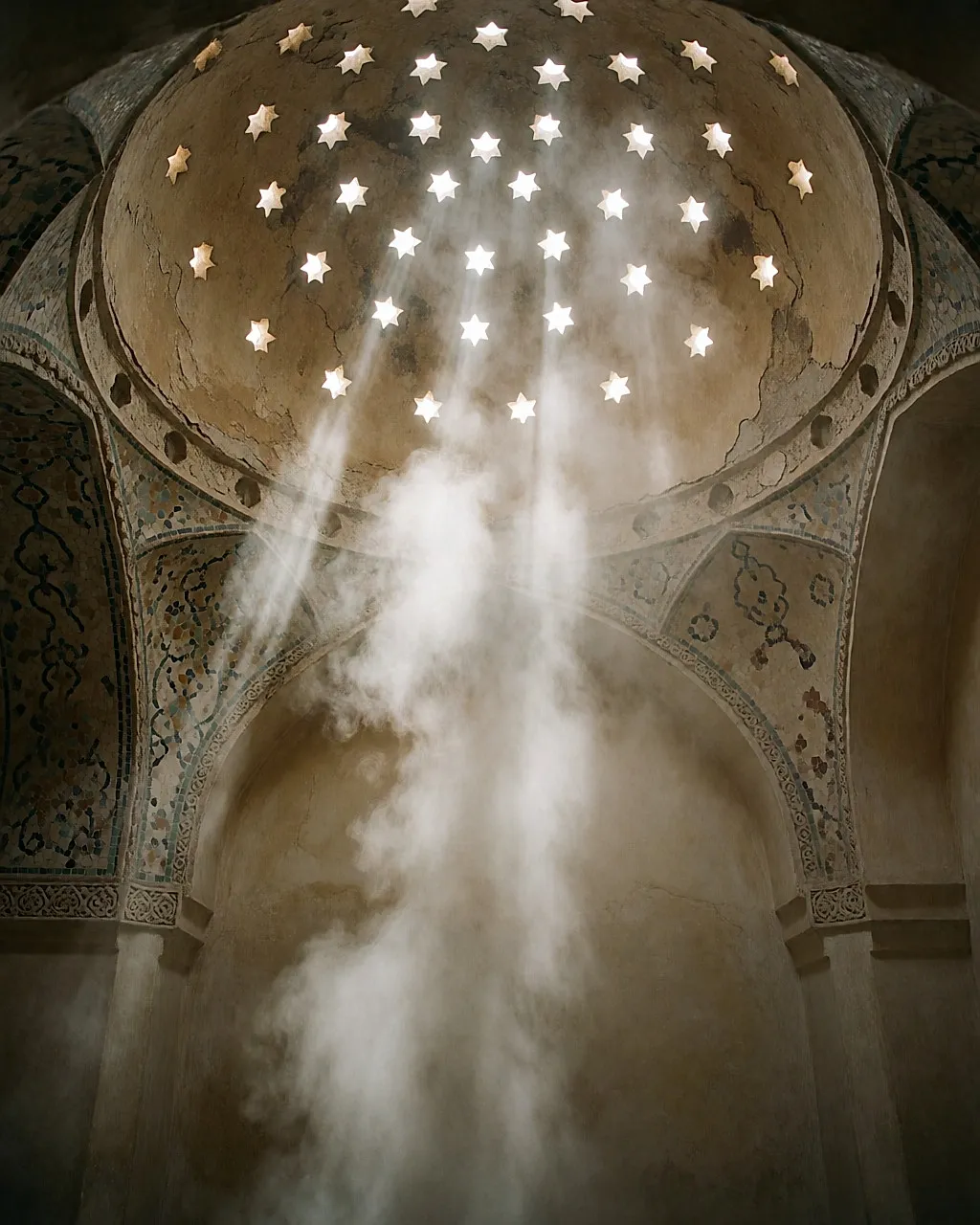
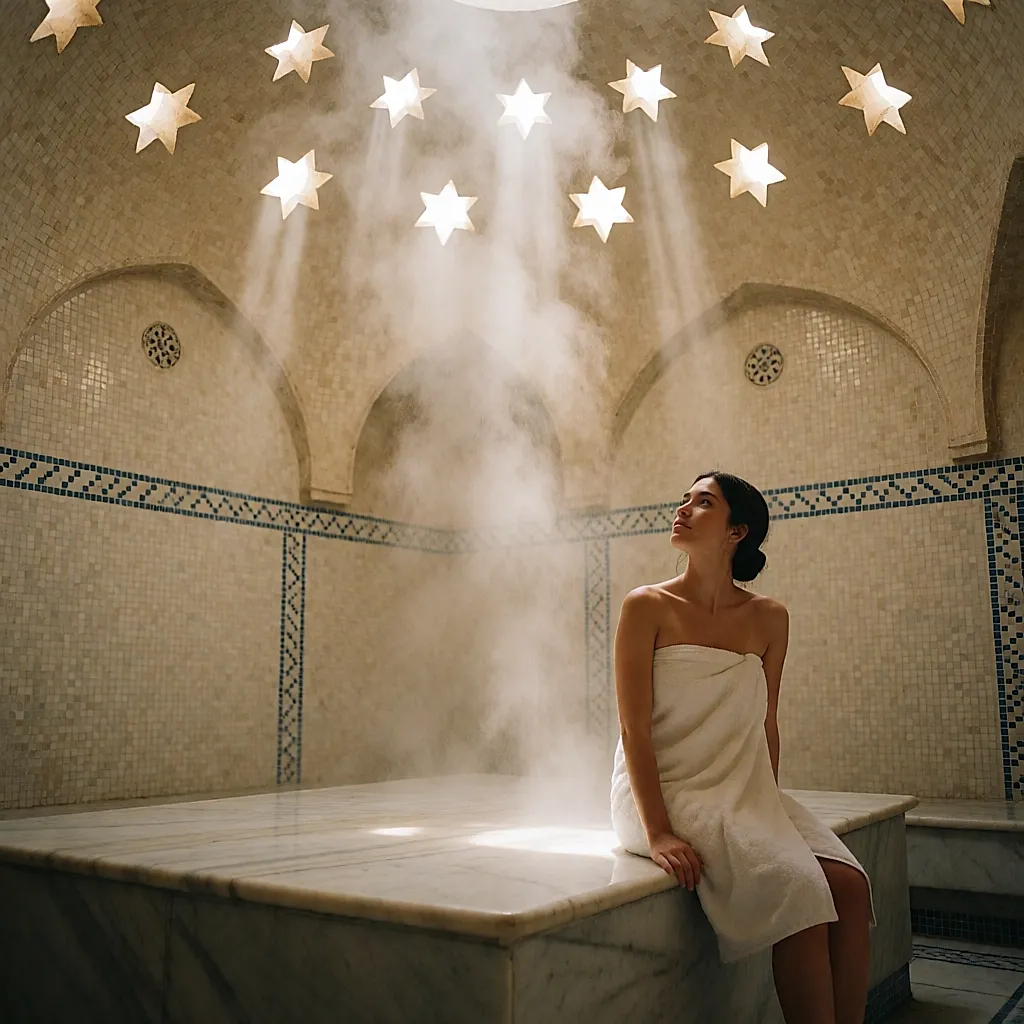
Unlike a sauna, a hammam is ruled by wet heat. Steam, soft light and Eastern-style mosaics transport you elsewhere, while the damp heat, almost tangible, soothes body and mind.
A hammam usually has three rooms: the coolest is for relaxation and rest; the second is warm rather than hot; while the third, filled with steam, is the hottest and very humid.
Move through the three rooms in order and at your own pace, so you enter the heat gradually and let your body get used to it and relax. Then go back and forth between the hottest room and the warm room, as you please.
To make the most of a hammam session, allow yourself plenty of time without a deadline: it would be a shame to be rushed by a deadline and tense when everything about the place invites you to relax. What is more, a hammam is particularly well suited to an Eastern beauty ritual, whether it is provided by staff or done yourself. Take time for an exfoliation, an essential treatment that complements the hammam: the hot steam helps loosen dead cells, and it is important to finish the job by removing them.
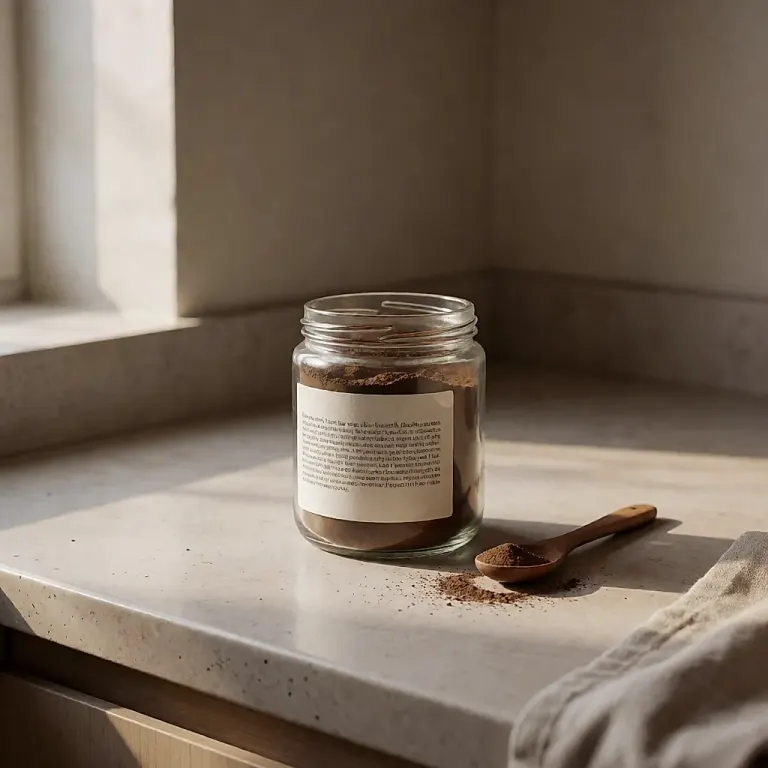
Use black soap to cleanse and remove excess oil from the skin, then an exfoliating mitt once you have fully enjoyed the hottest room. As you rub gently, you see the dead skin come away and your body feels softer.
Another pleasure is massage: done by expert hands, it is the finishing touch to these moments of relaxation. Worries ease, tension softens, and skin feels smoother and softer.
Before you go, check whether the hammam is single-sex, with reserved times or spaces, or whether the venue offers mixed sessions. Towels and sometimes sandals are provided, but not always, so ask ahead. It is also worth choosing your time carefully: while it is inevitable that you will be around other women enjoying the benefits too, it is far less pleasant to find yourself in packed rooms. Choose off-peak times, especially for a first try.
Finally, as with a sauna, ask your GP before using a hammam if you have circulatory problems, an infectious illness, heart problems or blood-pressure problems.
The two age-old rituals are often confused. Sauna and hammam certainly share heat and benefits for body and mind, but they are quite different and each has its own ritual. Hot steam and large tiled rooms for one; dry heat and the softness of wood for the other. The hammam is thought to have Greco-Roman origins, while the sauna comes from Finland, where it is a true institution. Liking one does not necessarily mean you will enjoy the other, but many people come out soothed, light and free of tension — simply feeling well. If you are tense, tired or drained and need a moment just for you, a way to step away from daily life for a while, you have two options, hammam or sauna. Either can be a pleasant pause; neither replaces medical advice if you have a health concern.
The essential point to remember is this: keep a water bottle within reach and take small sips before, during and after your session. Sweating means losing water and minerals; it is one of the common causes of feeling faint in a cabin or hot room, which is why hydration matters. Never stay alone if you feel you are about to faint; get out and sit down.
As for cost, in the UK a simple sauna or hammam session at an urban spa tends to cost somewhere between £15 and £30, while a fuller ritual with exfoliation and massage is more likely to be £45–£80. At a public pool or gym, access is often included in the membership, or charged a few pounds. Prices vary by city, time (off-peak or peak) and treatment.

Comments
Your opinion matters: rate the article, react and reply to comments.
Comments are moderated; AI-assisted comments are flagged. Text emoticons (8-), :-), <3…) are automatically shown as images.