
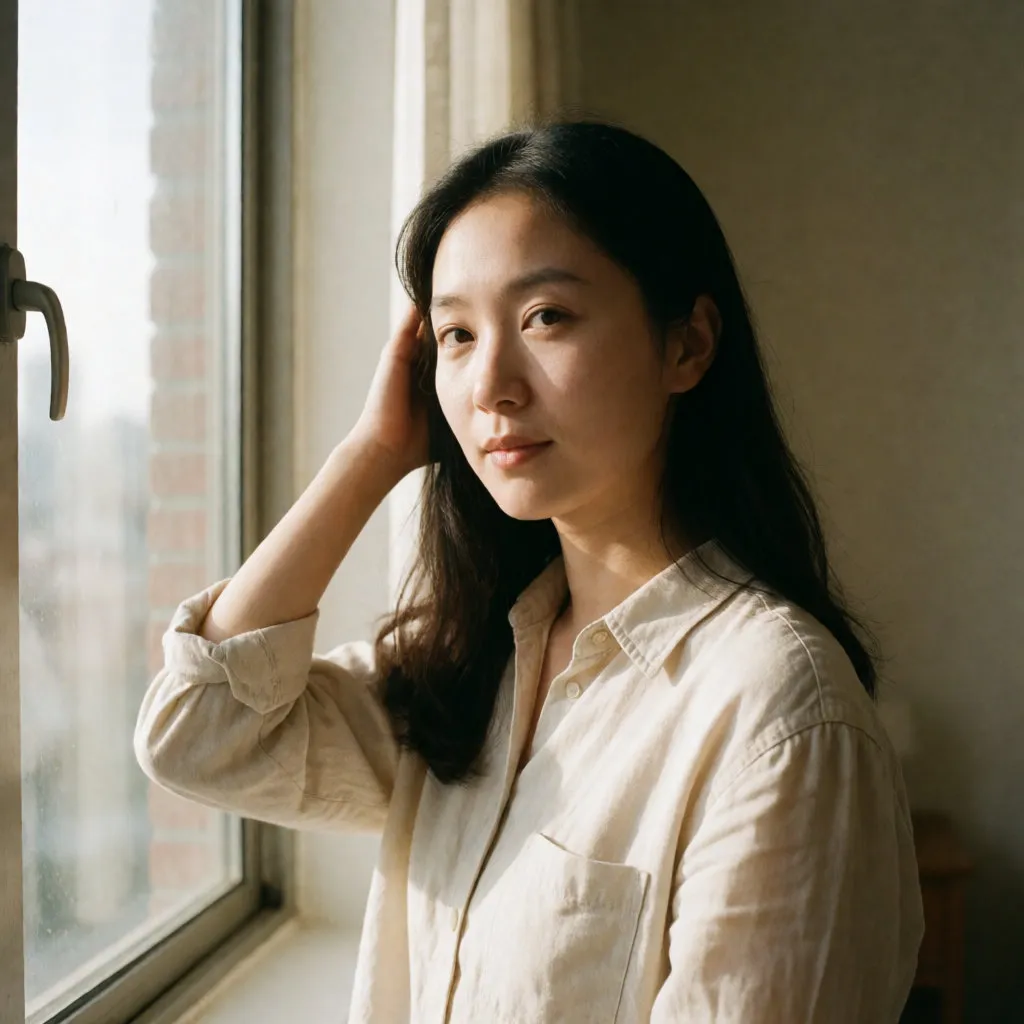
Why does hair fall out?
Autumn is here: the first chill, the tiredness and lack of sunlight, the stress and packed days, sometimes a dip in mood. None of that is especially cheering for our hair, which often looks a bit sorry for itself too. So it starts to mimic the turning leaves and begins to shed — never very pleasant and sometimes worrying, and it is not unusual to wonder whether you will have any left by the end of autumn. There can be plenty of reasons for hair loss, starting with genetics, and depending on the cause (or causes), there are good habits to adopt and a few practical steps that can help prevent, stop or slow it down.
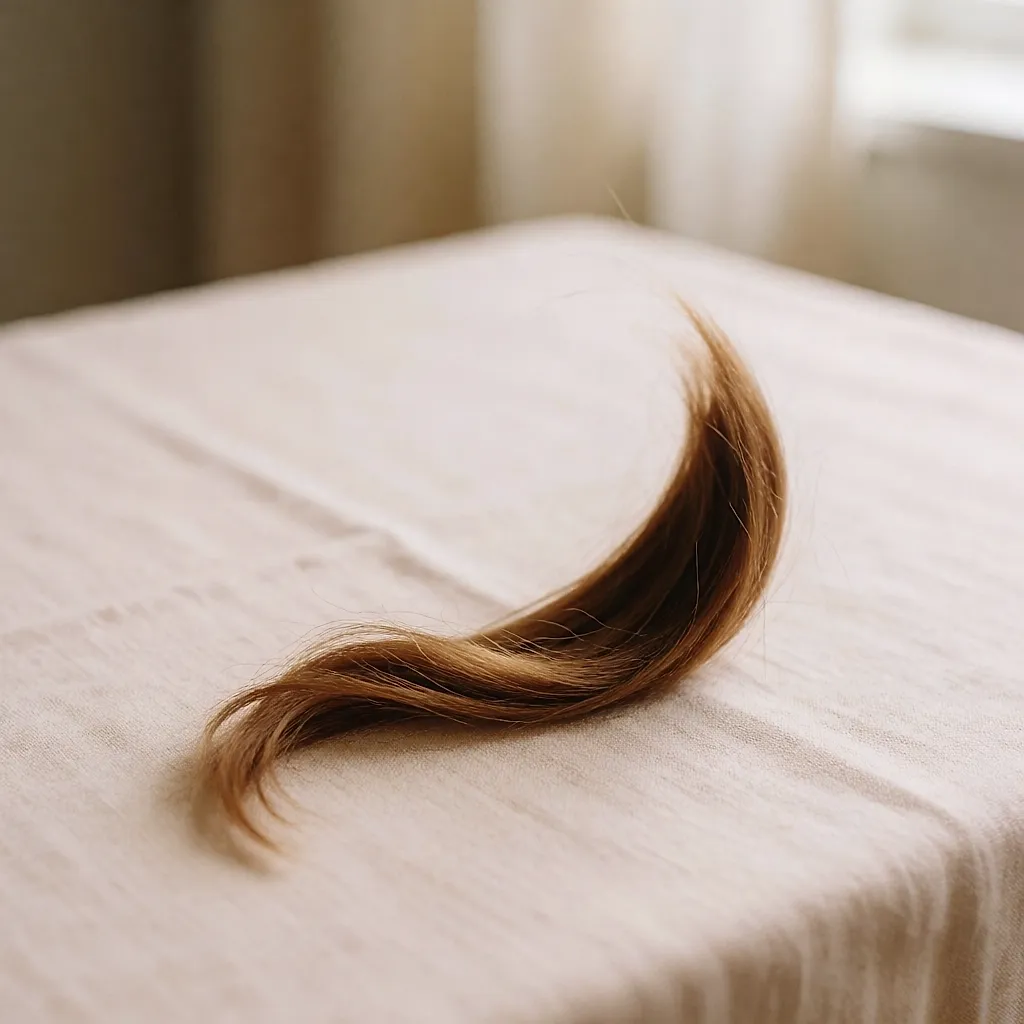
First, some reassurance: hair loss is natural. It is how hair renews itself. Each hair follows a life cycle that ends naturally in shedding — a growth phase lasting several years, then a resting phase of about three months, at the end of which the hair falls out.
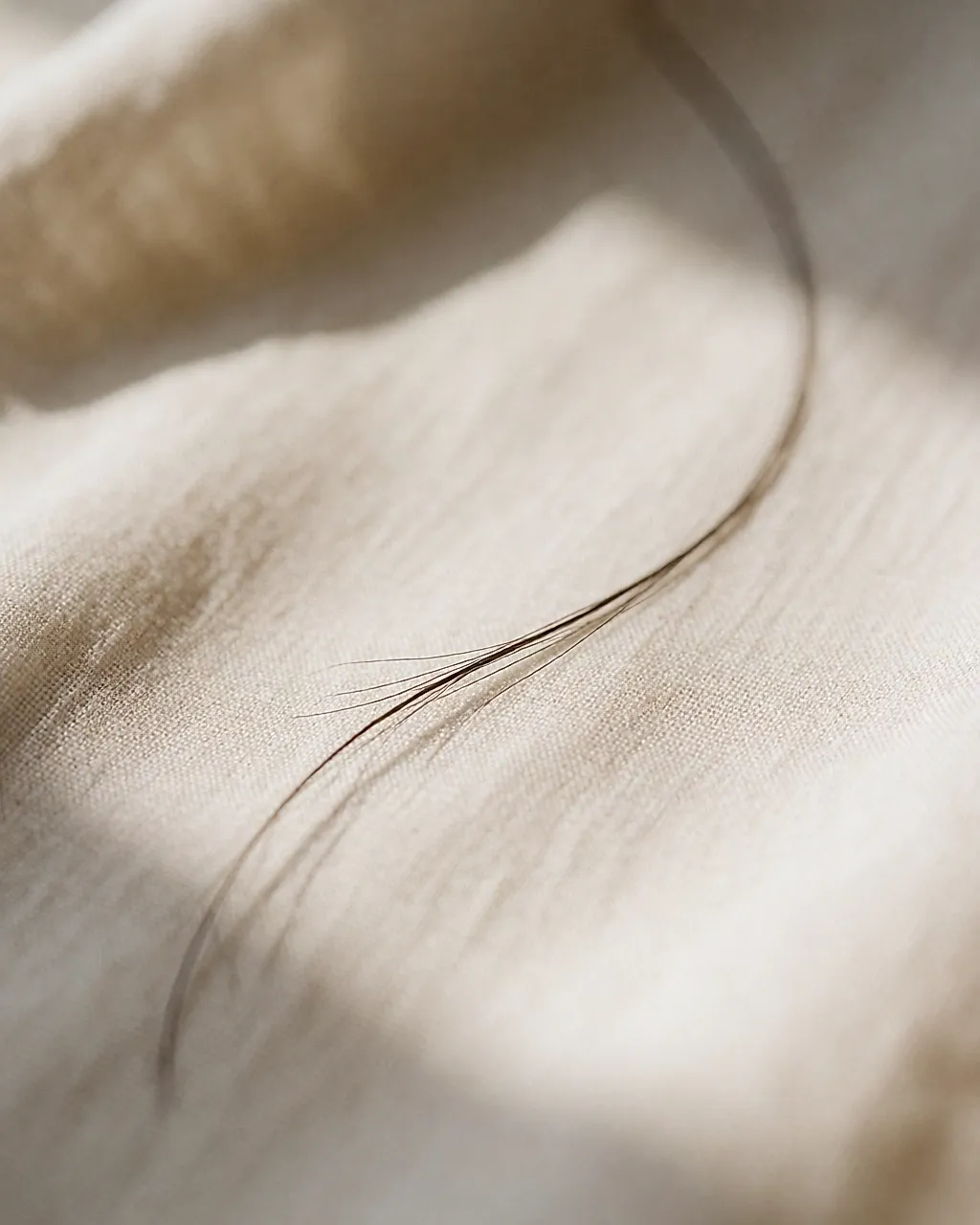
On average we lose between 50 and 100 hairs a day, and up to that point there is nothing abnormal; most of the time we do not even notice. On shampoo days you see more in one go, because the hairs that were being held in all come away together. That is mechanical, not a red flag.
Autumn, however, does seem to be a time when shedding increases. It is normal to notice more hairs on your brush or in the shower after washing. This seasonal shedding usually lasts a few weeks, rarely more than two months. Note it in your diary from one year to the next: if the same pattern comes back every autumn, you have your answer, and it is reassuring.
Beyond natural shedding, which is nothing to worry about, people can lose hair significantly over a long period. This 'abnormal' shedding can have various causes.
First on the list: stress and general fatigue. The link between our physical and psychological state and the state of our hair is well established; it is a fact that depression, overwork, stress and accumulated lack of sleep can cause significant hair loss. But the damage does not stop there: the quality of the hair itself can suffer under these conditions. It tends to break more easily, become drier and lose shine, and the scalp takes a hit too, sometimes becoming flaky or itchy, with red patches thrown in.
And the annoying thing is that when it comes to stress and the rest, there is no magic pill: you have to learn to manage stress and anxiety, whether with the help of a specialist or through outlets of all kinds — exercise, walks in the woods, creative activities and proper long nights' sleep, a whole way of living. It is less sellable than a lotion, but that is where the real work lies.
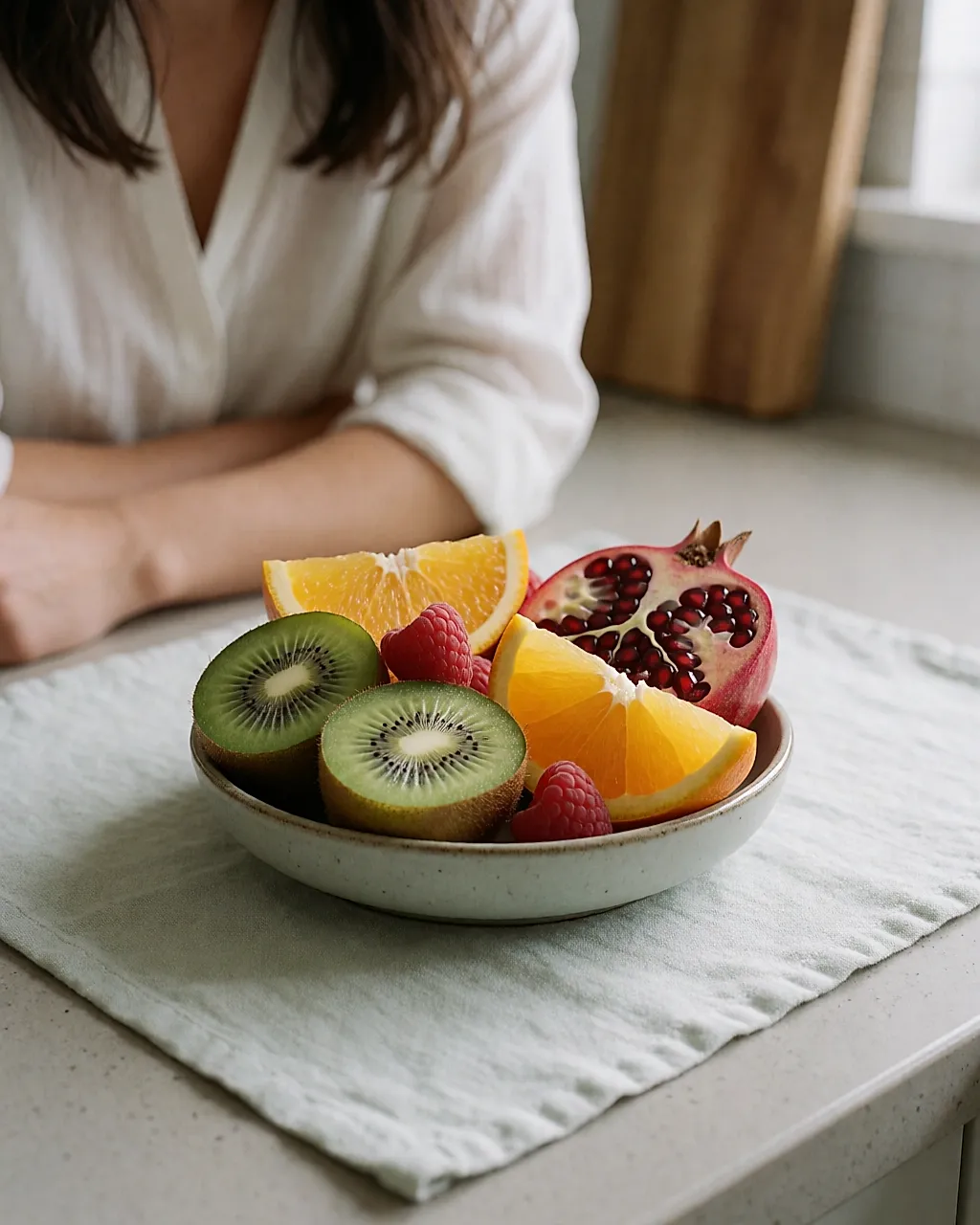
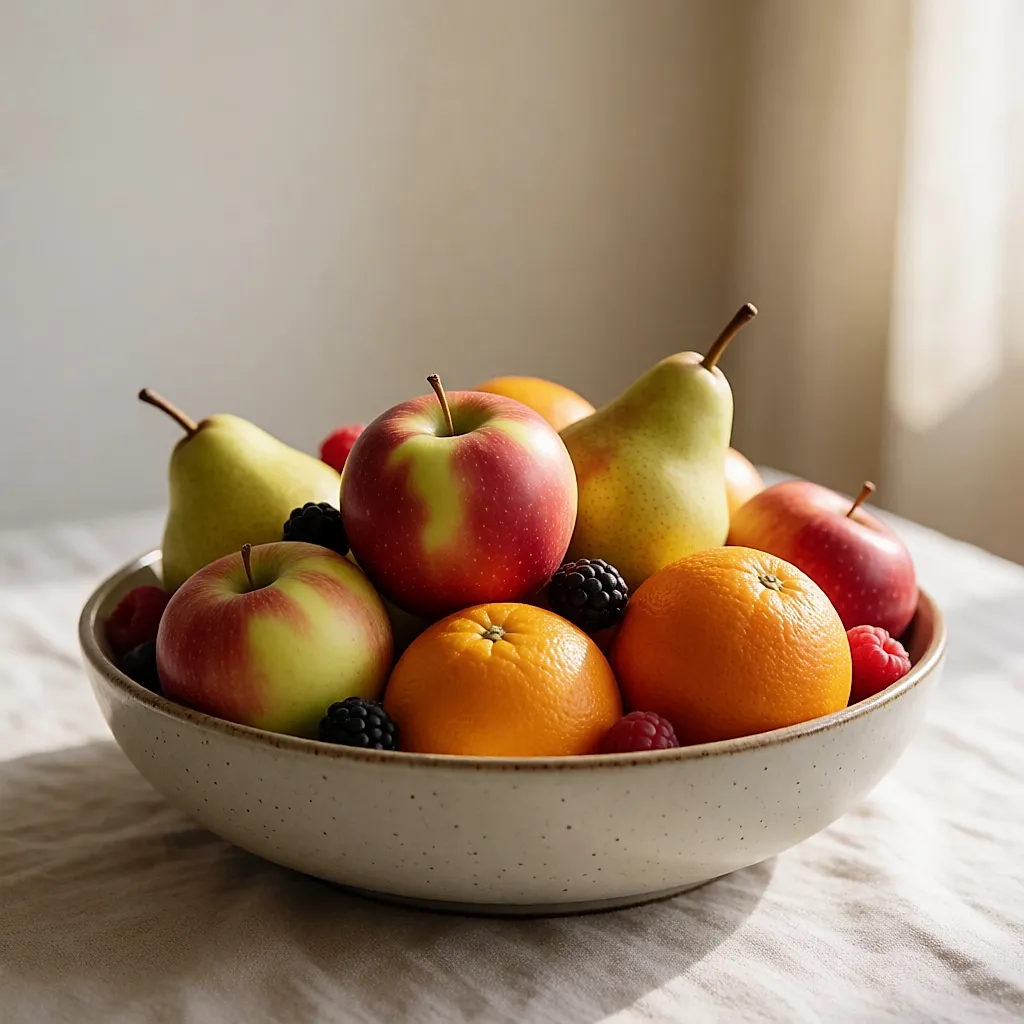
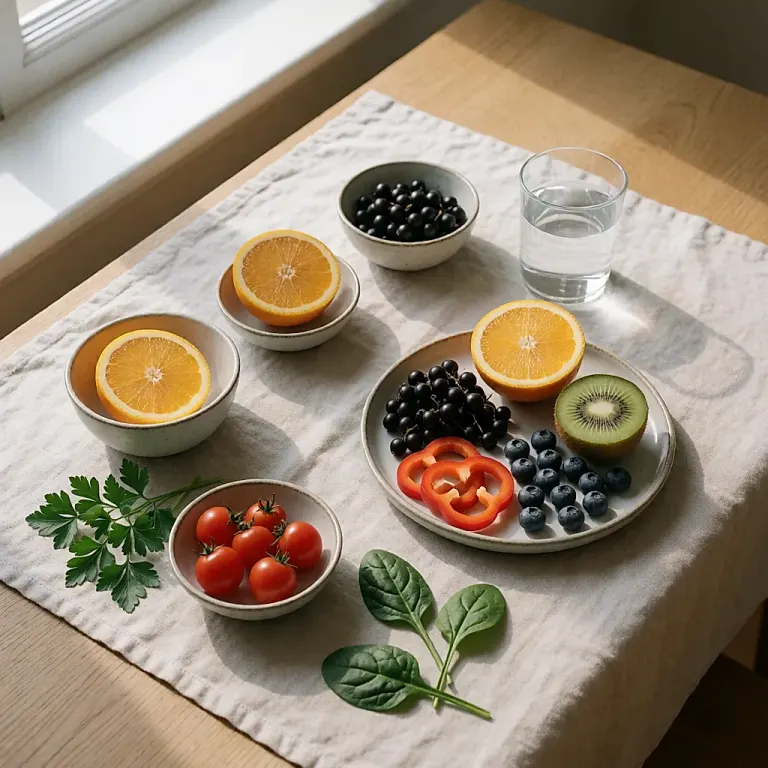
Then there are dietary deficiencies, which can also have a clear effect on shedding. Our hair is living and needs vitamins and minerals for growth and renewal. Iron, zinc, B vitamins and amino acids are all needed for hair, both to keep it healthy and to keep it looking good. To make sure you get enough, there is no secret: a balanced diet.
In the case of a deficiency confirmed by a blood test, a supplement may be suggested by a healthcare professional; outside that situation, there is no proof that it prevents seasonal shedding. Be careful with self-medication: taking iron or zinc 'just in case' is not innocuous, and supplementation should be decided on the basis of test results. Start by talking to your GP, who can arrange the relevant tests.
And that leads on to drastic diets, which are often unbalanced and can have a significant effect on hair. If you want to lose weight, it is better to turn to a dietitian or your GP, who can advise on food choices and good combinations for controlled weight loss without deficiencies.
The next point is aimed particularly at women: beware of harsh treatments. Colouring, bleaching and blow-drying can weaken and break the fibre; hairstyles that are too tight can, over time, cause traction alopecia, especially at the temples and hairline. So moderate your enthusiasm and let your hair breathe, whether between colour appointments or between blow-dries. Space out appointments, let the scalp breathe, choose a gentle shampoo and nourish the mid-lengths and ends once a week: it costs very little and makes a big difference.
Likewise, choose suitable hair-care products. Avoid overly aggressive formulas, invest in a good-quality shampoo suited to your hair's needs; that is the minimum. Also think about a nourishing oil to treat your hair at least once a week.
Also worth knowing: hormonal changes throughout life — adolescence, pregnancy, menopause and imbalances — can take a toll on our hair. It is normal, for example, to lose hair after pregnancy, and in principle the shedding stops on its own. At menopause, however, density can decrease more persistently, and medical advice is then useful. Again, do not hesitate to talk to your GP, who can point you in the right direction.
And on the subject of hormones, beware of certain contraceptive pills that do not suit you and can also trigger shedding.
Blood hormone tests can then be prescribed to detect any imbalance and, if needed, address it.
Finally, some people — men and women — have a predisposition to hair-loss problems and will be more prone to it. If that is your case — for example, if one of your parents has pattern baldness — do not hesitate to see your GP or a dermatologist, who can advise you. Bear in mind that there is no treatment that is 100% effective, and that everyone responds differently: some will see a clear improvement, others will not.
Whatever the case, do not hesitate to see a specialist if the state of your hair worries you, whether your concerns are founded or not: good advice and a few tests, if they are judged necessary, can only help.
Some foods to favour for hair health:
- Fruit and vegetables packed with vitamins.
- Brewer's yeast, rich in B vitamins, iron, magnesium and zinc, well known for its beneficial effect on skin and hair — take it in capsules or sprinkle it on your meals.
- Eggs, fish, shellfish and meat (in moderation and not too fatty) for iron and amino acids.
- Wholegrains and pulses, starting with lentils, for their zinc content in particular.
A gesture that costs nothing: a gentle scalp massage. With your fingertips, without rubbing hard, for a few minutes in the evening or during shampooing — it will not make hair grow back on its own, but it relaxes the scalp and makes you handle your hair gently. At the same time, avoid hairstyles that are too tight, as they pull on the roots over time.
Budget
The budget depends mostly on the route you take. A GP appointment is the most accessible starting point and is free at the point of use on the NHS; any blood test your GP prescribes is also covered. On the product side, a good gentle shampoo costs around £8–20, a nourishing oil £10–30 depending on brand and size, and a supplement around £15–30 a month. Prices vary with ingredients, format and where you buy them: pharmacy, chemist or health-and-beauty retailer.
Sources
- NHS, information on hair loss.
- British Association of Dermatologists, information on alopecia.
Food supplements do not replace a varied, balanced diet and a healthy lifestyle.


Comments
Your opinion matters: rate the article, react and reply to comments.
Comments are moderated; AI-assisted comments are flagged. Text emoticons (8-), :-), <3…) are automatically shown as images.