

Are you turning down invitations, noticing only what's off, and feeling interested in nothing? Many women go through this kind of dip, often as autumn sets in, when daylight fades and life speeds up. One distinction matters, though: a passing low mood and an episode of depression aren't managed in the same way. Before you order anything, it helps to know what you're dealing with.
What we know and what we don't yet know
What we know: mood fluctuates, and going through a period of fatigue or low motivation is not a personal failure. What is less well understood: exactly where the line lies between that and depression. Current evidence suggests that an episode of depression involves several symptoms most days for at least two weeks — sadness, loss of interest, sleep or appetite changes, difficulty concentrating. It isn't a matter of willpower.
The first useful step isn't a product, but a conversation: talk to your GP, who can assess how you are and refer you if needed. NHS Talking Therapies allows you to refer yourself directly, without a GP referral, although what's available depends on your local service. Samaritans is free on 116 123, 24/7, if you're having thoughts of suicide.

Moving more: more effective than you might think
Among the best-documented levers for mood, physical activity has a special place. The WHO recommends adults get 150 to 300 minutes of moderate activity a week, plus two strengthening sessions. In practice, that could mean five to ten brisk 30-minute walks, plus two 20-minute sessions of core work or bodyweight exercises.

And it's often the group that makes the difference. Running with a club, joining a group class, dancing or putting on boxing gloves: this social setting breaks isolation, a well-identified risk factor for mood disorders. If you're starting out, choose the activity you can keep up for three months, not the one that looks most impressive on paper.
Eating and sleeping: two pillars
As for your plate, nothing dramatic, but consistency: meals at roughly fixed times, with vegetables, wholegrains, protein, and some dairy if you eat it. The NHS Eatwell Guide remains a solid baseline — five portions of fruit and veg a day, pulses twice a week, water rather than fizzy drinks.
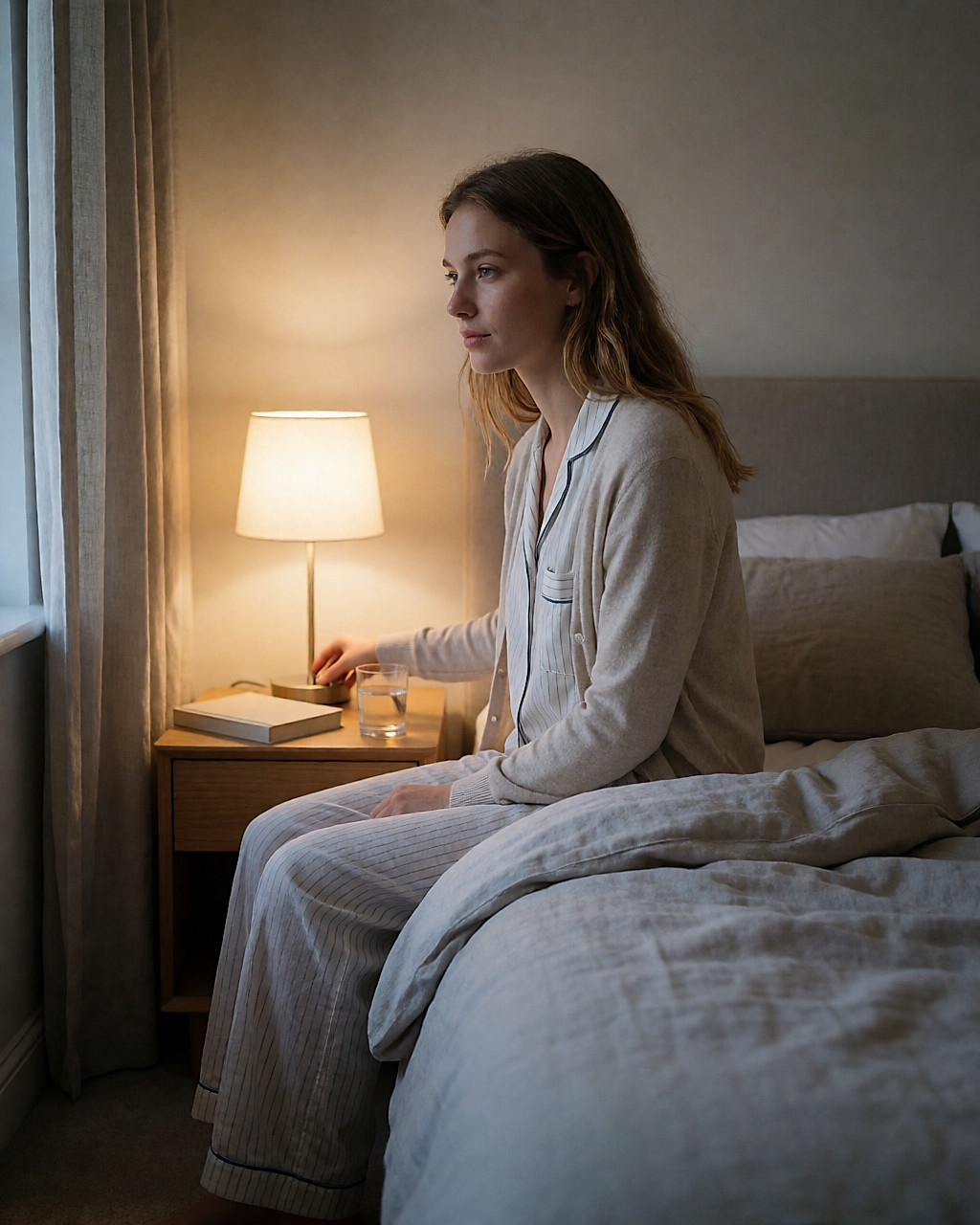
Sleep, too, can be worked on. Getting up at a regular time, daylight in the morning, screens off an hour before bed: three habits that matter more than you'd think. Most adults need seven to nine hours.
Herbs and supplements: caution before promise
This is where old articles age badly. A herb isn't harmless just because it's natural: St John's wort, for example, interacts with many medicines, including some contraceptives. Food supplements aren't regulated in the same way as medicines, and the UK Food Standards Agency and MHRA regularly remind people about the risks of interactions and overdosing.
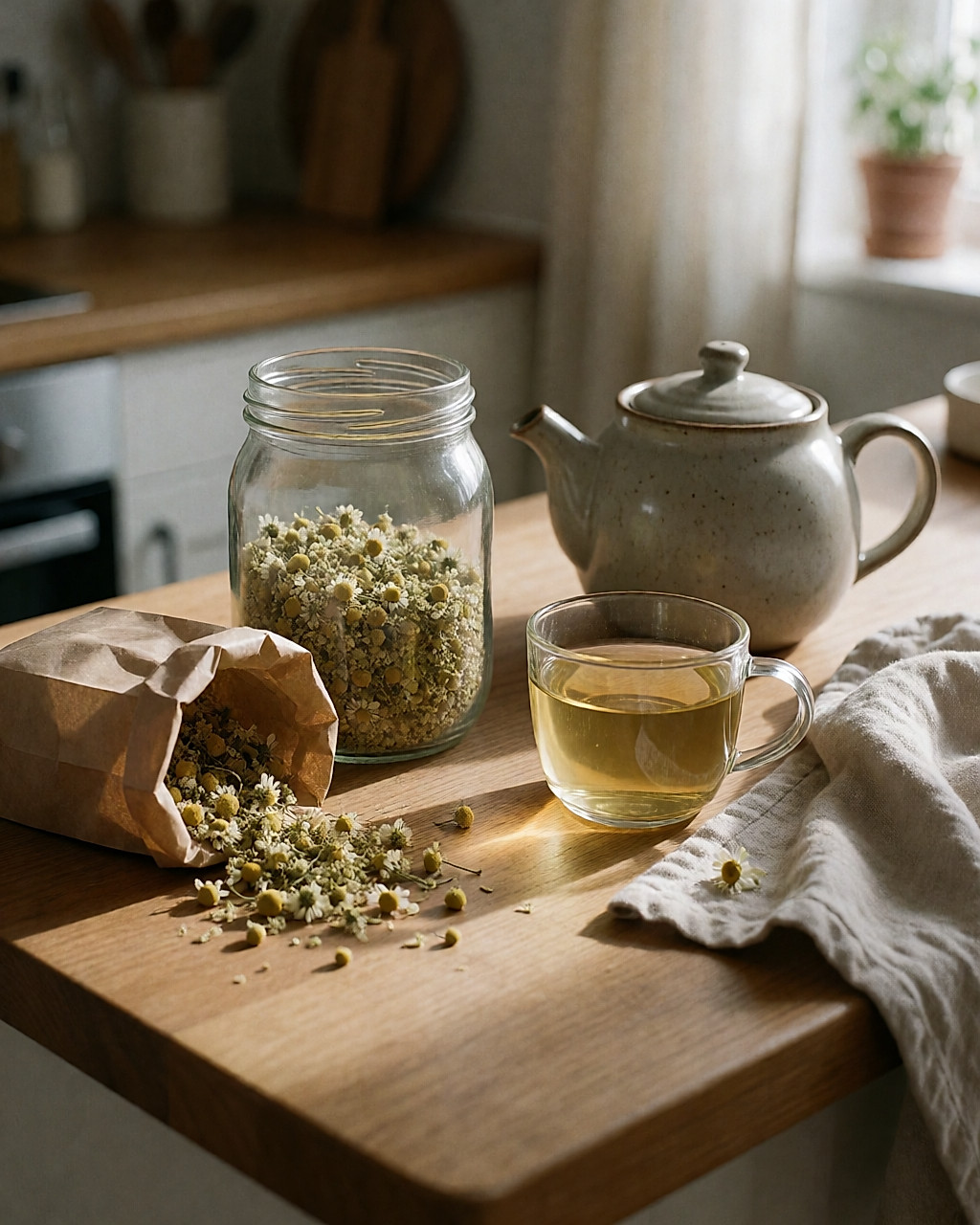
If you want to try something, focus on simple options: a loose vervain, lime flower or chamomile infusion — less packaging, recognisable plants, often lower prices — or a supplement in a glass bottle, refill, or from organic-certified herbs. Organic certification guarantees an organic production method; it says nothing about its effect on your mood. And none of this replaces proper support.
When to seek help without waiting. If sadness, loss of drive or sleep problems last more than two weeks, or if you have thoughts of harming yourself, talk to your GP. In an emergency, call 999 or go to A&E. For urgent mental health support, call NHS 111; Samaritans is free on 116 123, 24/7. No herb or supplement is a substitute for this advice.
Budget
Prices vary by city and practitioner.
- Private psychologist or counsellor session: often around £50 to £90, though fees vary widely. NHS Talking Therapies is free via the NHS, and some health insurance policies may cover part of private therapy.
- Sports club membership: often £100 to £300 a year; gym membership: more like £20 to £50 a month. Run clubs and walking groups are mostly free.
- Loose-leaf infusions: a few pounds per 100 g in a health food shop; a magnesium supplement is around £8 to £20 per month's course, from a pharmacy, health shop or supermarket.
- Meditation apps: free version, or an annual subscription of £40 to £80.
Before you buy, check the monthly cost and the ingredients. Ask a pharmacist for advice: they are often best placed to spot medicine interactions.
Sources
- NHS, 'Depression in adults' and 'NHS Talking Therapies'.
- NICE, 'Depression in adults: treatment and management' (NG222).
- Office for Health Improvement and Disparities / NHS Better Health, healthy eating and physical activity guidance.
- World Health Organization, guidelines on physical activity and sedentary behaviour.
- Food Standards Agency and MHRA, advice on food supplements and herbal medicines, including St John's wort interactions.
- Samaritans, 116 123.
Food supplements do not replace a varied, balanced diet and a healthy lifestyle.


Comments
Your opinion matters: rate the article, react and reply to comments.
Comments are moderated; AI-assisted comments are flagged. Text emoticons (8-), :-), <3…) are automatically shown as images.