
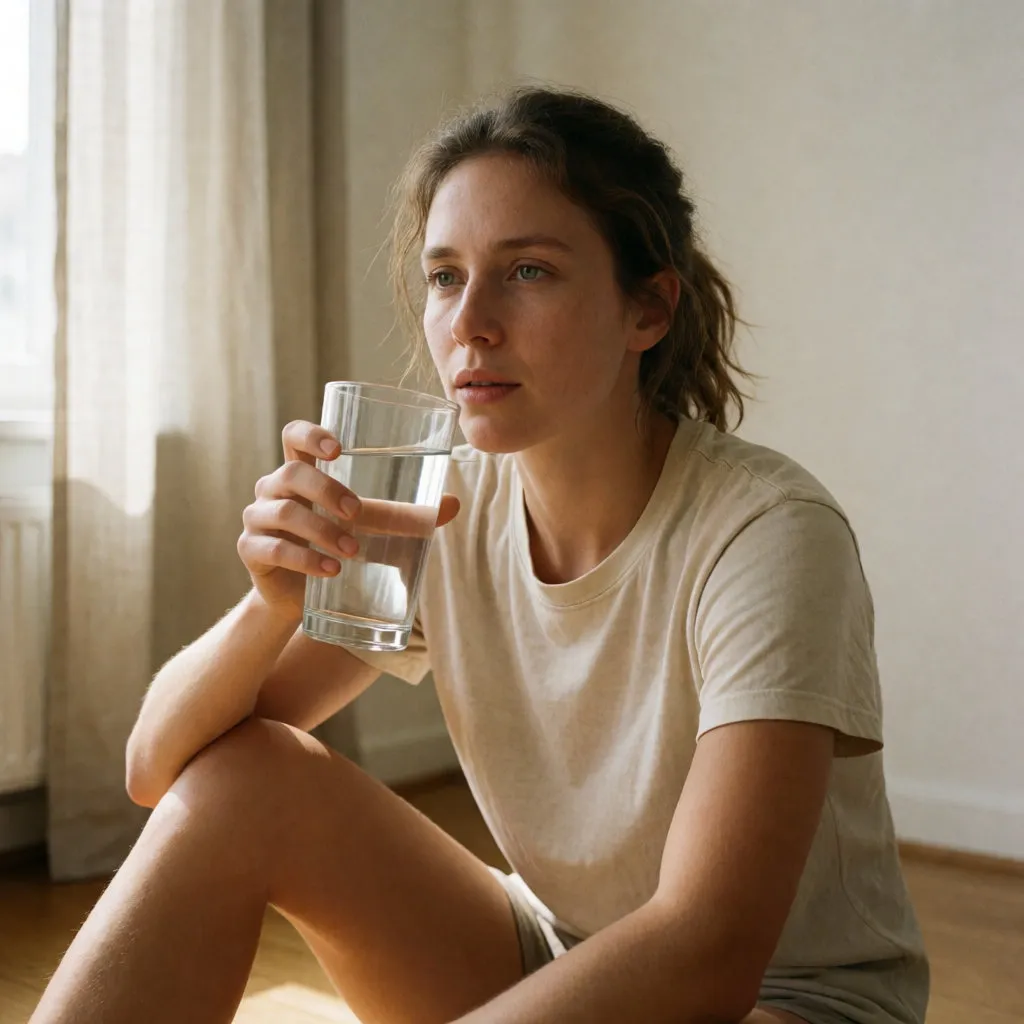
You've just finished a long ride, a match or a particularly tough session, and the signs soon show up: heavy legs, thirst, and a very clear urge to collapse onto the sofa. Recovery isn't a lottery. It comes down to three simple levers — drink, eat again, sleep — plus a few sensible habits that can help you avoid dragging soreness into the day after next.
In the hours afterwards: drink, then eat
During exercise, you sweat and use up your glycogen stores, the energy kept in your muscles and liver. First step: drink, before you're properly thirsty. Staying well hydrated helps you keep your performance and concentration, during the session and in the hours that follow. A useful trick: weigh yourself before and after a long session, once, to learn your typical fluid loss.
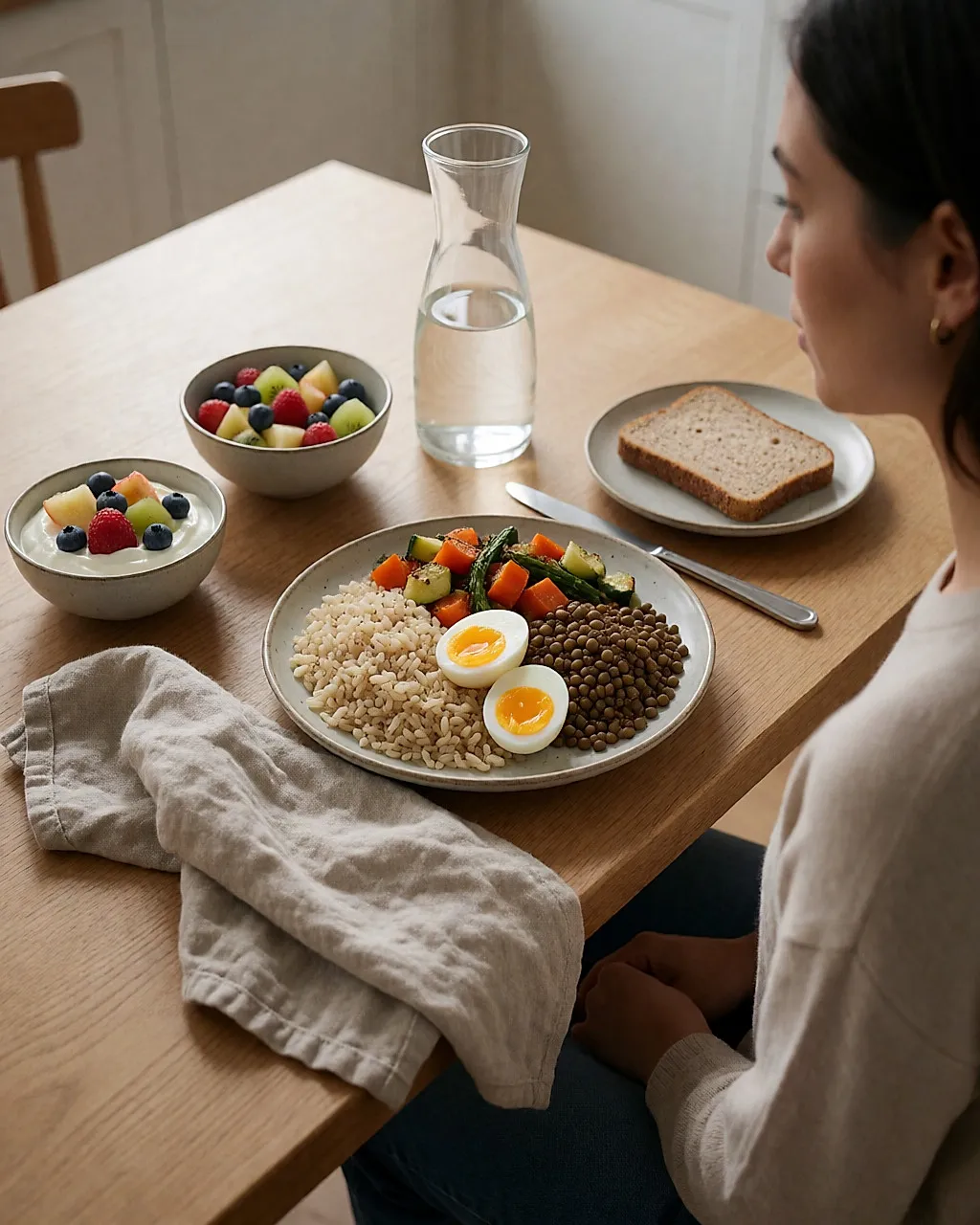
On the plate, go for carbohydrates — rice, pasta, potatoes, bread, fruit — with protein: eggs, fish, pulses, cottage cheese. With protein, you don't need to hit a precise time: current evidence mainly highlights total intake across the day, because the post-exercise window is wider than was once thought. Red meat and very fatty dishes, on the other hand, sit heavily on digestion.
Should you buy recovery drinks? Not automatically. In practice, they're often kept for days when the gap before the next session is short, because they provide water, sodium and fast-acting sugars at the same time. Otherwise, water and a proper meal do the job. And alcohol that evening doesn't help: it slows rehydration and fragments sleep.
Sleep, your best tool
No product can replace a full night's sleep. Most adults need 7 to 9 hours; if you train a lot, aim for the upper end, because tissues repair during deep sleep.

Keep regular sleep and wake times; in practice, many advise dimming the lights before bed. Move a late session if it stops you getting to sleep. When it comes to showering, there's no need to wait a precise 20 minutes: once you've stopped sweating, you're good to go. A warm bath is soothing, but it doesn't repair muscle fibres — it's comfort, not a treatment.
When muscles ache: what actually helps
This is where myths tend to hang on. Static stretching is often suggested, but its effectiveness on soreness after exercise is not established. In practice, gentle movement, sleep, enough protein and a bit of patience are what people come back to.
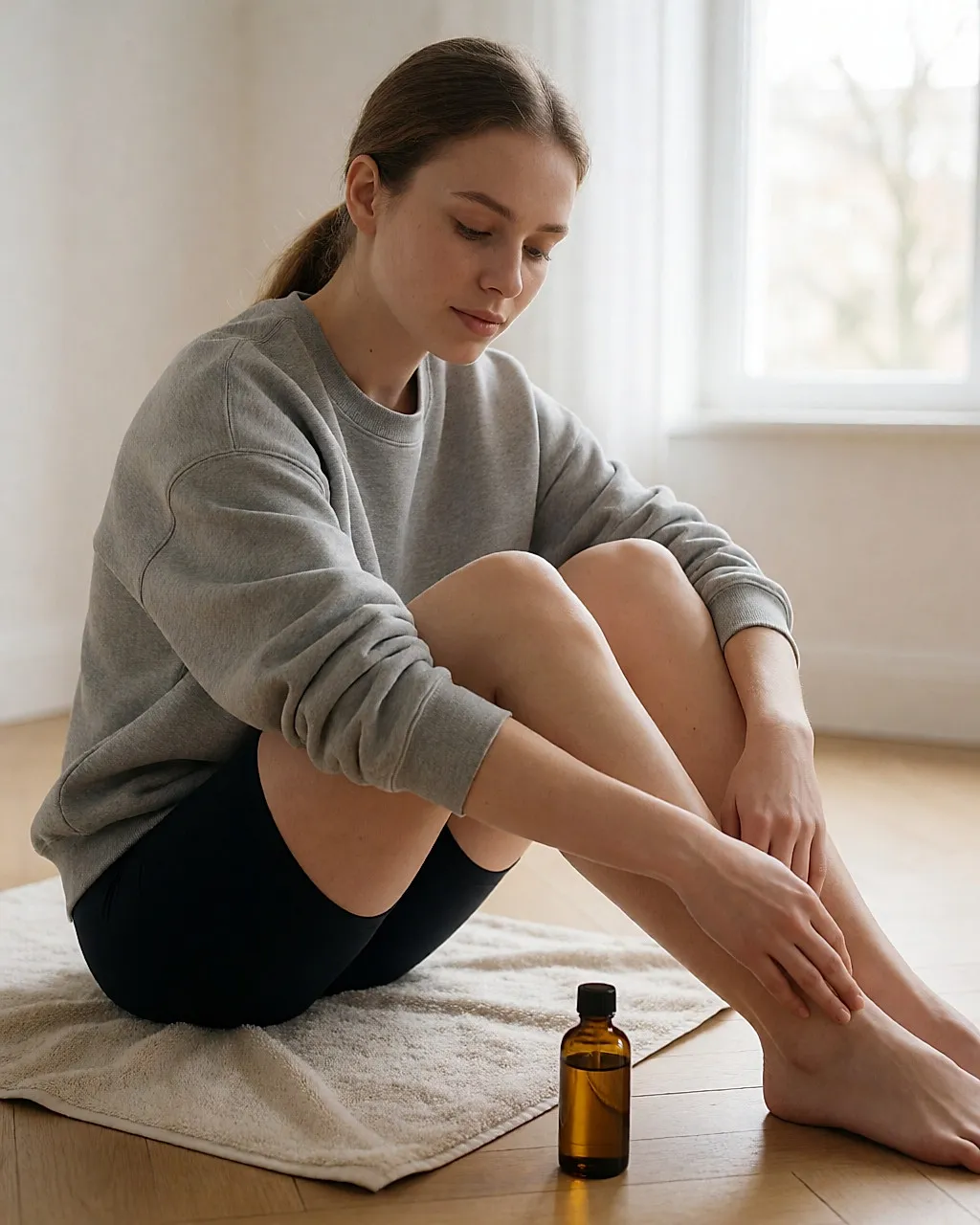
A light massage, though, is often the gesture people reach for when their legs feel heavy. Rub without pressing hard, using a plant oil — arnica, sweet almond, grapeseed — rather than a 'warming' oil loaded with menthol and fragrance. If you add essential oils, check with a pharmacist first: some are photosensitising or not advised during pregnancy.
For cramps, the causes are multifactorial and not fully understood: fatigue and a training load that ramps up too quickly are often mentioned. The available data don't allow us to conclude that mineral supplements, magnesium included, relieve cramps in well-nourished people; an excess isn't harmless. If you're unsure, speak to a healthcare professional.
Seek help promptly if, in the days following a very intense session, you have severe muscle pain alongside very dark urine, marked weakness or dizziness. These signs can suggest muscle damage or severe dehydration. This isn't a diagnosis: it's a reason to see a doctor.
The next day: move gently
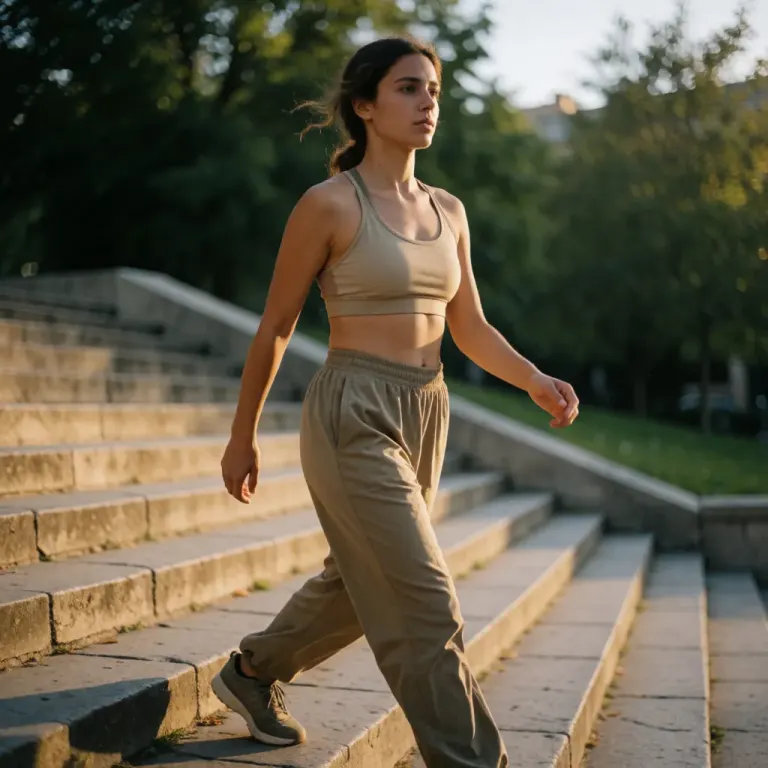
The classic active recovery session makes sense. An easy jog, gentle cycling or swimming increases blood flow and reduces stiffness. Stay at a conversational pace, and give the hard session a miss this time.

Budget
The basics of recovery — tap water, home-cooked meals, sleep — cost nothing. Everything else is optional.
- Isotonic drink powder: expect around £10–£30 for a 1 kg tub, from sports shops, supermarkets or online; £1–£2 for a ready-to-drink bottle. The price depends on brand, format and number of servings.
- Organic plant massage oil: £8–£20 per 100 ml, from a pharmacy, health and beauty retailer, health food shop or online. Look for a glass bottle, a single ingredient and a certification such as Soil Association organic or COSMOS Organic.
- Massage roller or ball: £10–£35 depending on density and brand. Useful if you train regularly, unnecessary otherwise.
- Massage by a physiotherapist: a recovery or wellness massage isn't routinely available on the NHS. NHS physiotherapy can often be accessed through self-referral; in some cases, a referral from a GP may be necessary. It focuses on rehabilitation rather than spa-style massage. A private sports or wellness massage typically costs around £45–£80 an hour.
A trade-off to know: ready-to-drink bottles are convenient, but they come in plastic; powder in a single tub creates less waste per serving. Tap water costs nothing — and is enough in most cases.
Sources
- NHS — Hydration and dehydration.
- NHS — Supplements: who needs them?
- WHO — Physical activity guidelines.
Food supplements do not replace a varied, balanced diet and a healthy lifestyle.


Comments
Your opinion matters: rate the article, react and reply to comments.
Comments are moderated; AI-assisted comments are flagged. Text emoticons (8-), :-), <3…) are automatically shown as images.