
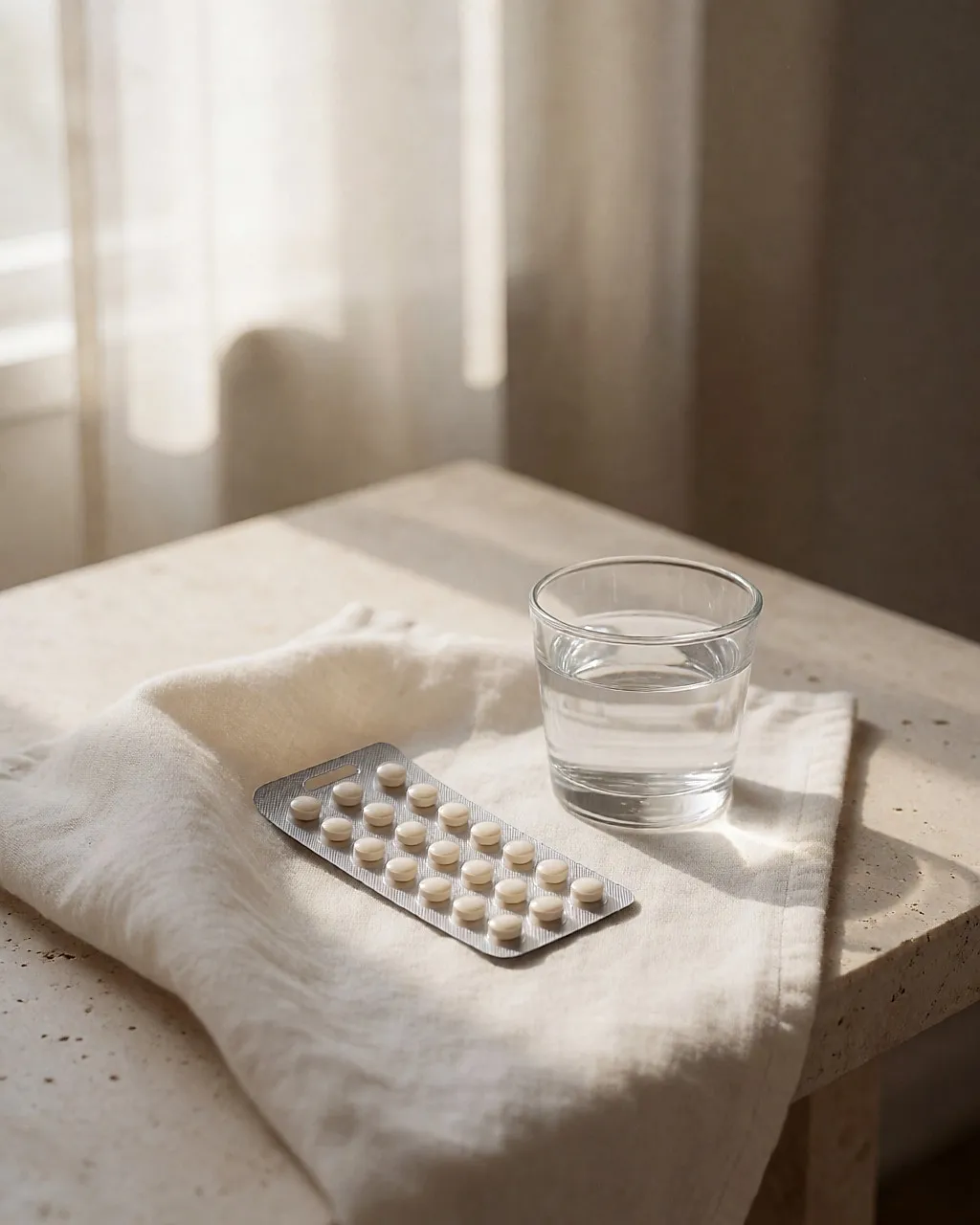
The pill and weight
Many of us have noticed weight gain after taking the pill regularly. Moderate weight gain is sometimes reported, but the data do not allow it to be attributed systematically to the pill. So we often wonder whether that weight gain can be blamed on the pill.
In principle, no. The data are mixed: a direct and systematic link has not been demonstrated, but weight gain or water retention can occur in some women. This is all the more true because the pill is generally started in adolescence and taken long term, while a woman’s body changes a great deal during that stage of life. It is not unusual to gain some weight, to a greater or lesser extent, as the body moves into adulthood.
On the other hand, gynaecologists find that, in practice, many of their patients complain about a few extra kilos that have appeared since they started this method of contraception.
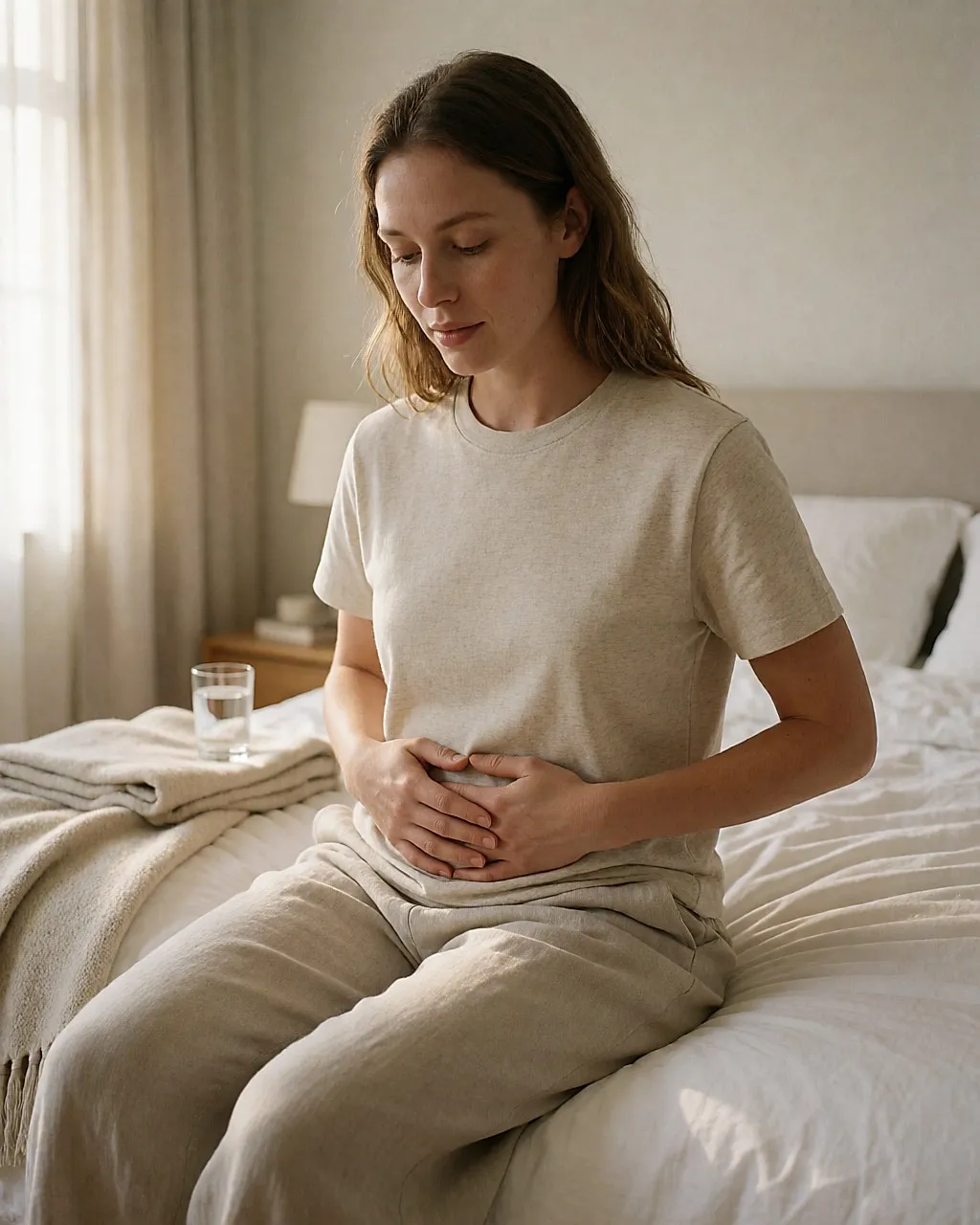
Weight gain that may have several causes:
First, it has been observed that in some women the pill tends to make water retention worse: oestrogens can increase angiotensinogen produced by the liver, which may encourage sodium and water retention. Legs feel heavier, the stomach easily bloats and so do the breasts, which are sometimes painful too. And more water stored in the tissues means a few extra kilos on the scales. If these symptoms affect you and feel bothersome, talk to your gynaecologist, who can prescribe a pill with a lower oestrogen dose or a progestogen-only pill.
But the pill may also affect the metabolism of some women – and let’s stress 'some', because we are not all equal when it comes to this. These effects are debated and vary from woman to woman; they are not established as a direct and systematic effect.
Add to that the fact that the two types of hormones in the pill, oestrogen and progesterone, are suspected of stimulating appetite, and it makes sense that the pill can sometimes be behind weight gain which, in principle, with a healthy lifestyle and a balanced diet, should remain fairly small. But do talk to your gynaecologist about the effects you have noticed on your body since starting a pill: the first one is not always the right one, and there are many pills with different hormone doses that may suit your body better.
The pill and PMS
Breasts feeling swollen, a tight and bloated stomach, acne appearing a few days before your period and period pain – again, many of us suffer from premenstrual symptoms, with varying intensity from one woman to another.

Today, for severe period pain or significant premenstrual symptoms, the pill is often prescribed, as it can ease these symptoms with varying degrees of effectiveness – because here too, we are not all equal.
The pill does have a noticeable effect on period pain in particular, and can significantly reduce premenstrual symptoms without making them disappear altogether. So tell your doctor or gynaecologist how severe your symptoms are and how they change after starting the pill: another pill may be prescribed if you do not see an improvement with your current one.
The pill and acne
Older pills tended to trigger acne flare-ups, but newer ones have made great progress in this area, so much so that the pill is now even recommended for recurrent acne. Some pills are used for acne in women, with effectiveness varying depending on the formulation; prescription is up to the doctor.
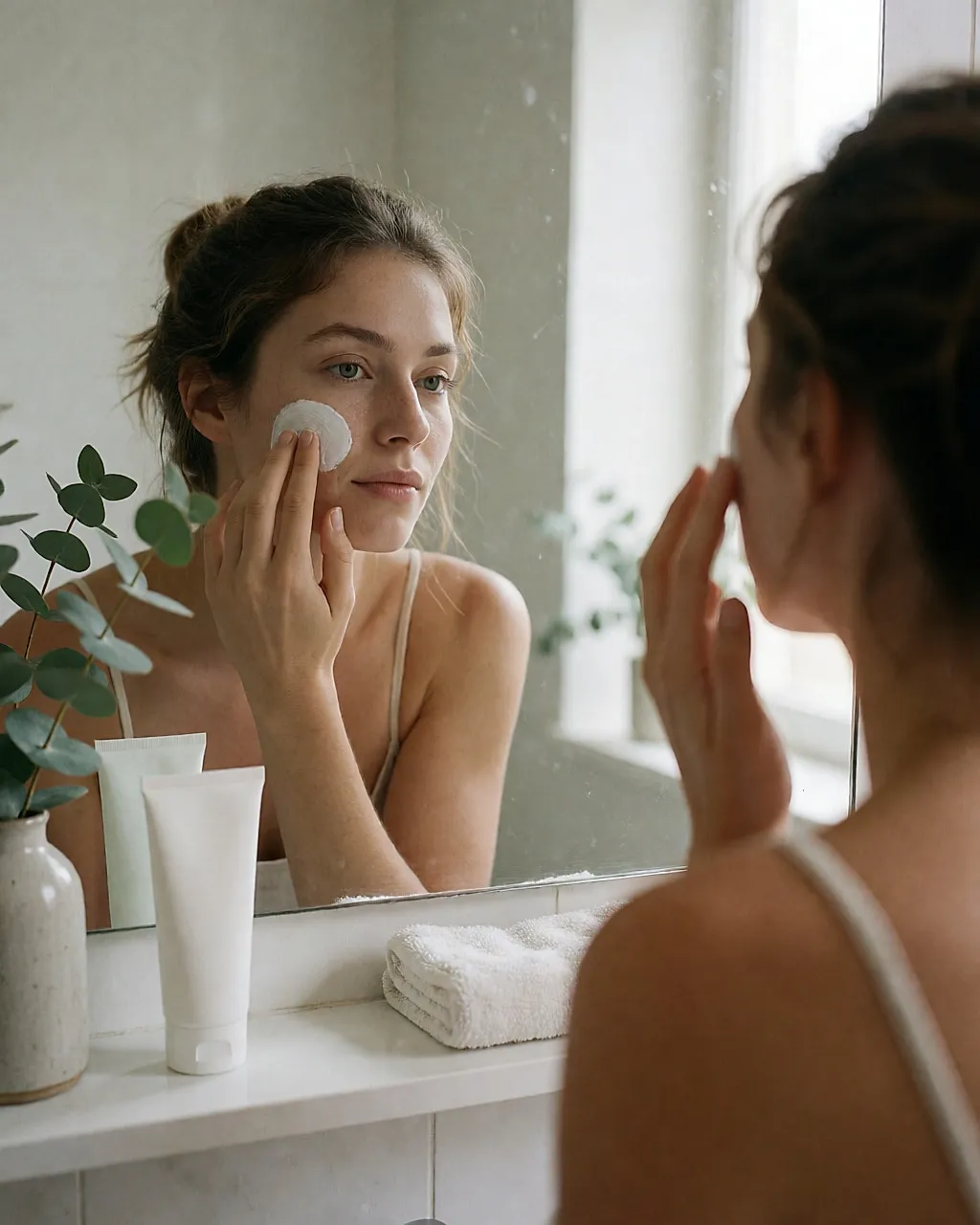
Be careful, though, with the pill plus sun combination: taking the pill can lead to greater melanin production when you are exposed to the sun and trigger the appearance of fairly large brown patches on the face, most often under the eyes and around the mouth. So remember to protect your skin with a high-factor sunscreen when you are exposed, and if you notice pigmented patches appearing on your face, changing your pill may be necessary, along with suitable topical treatment.
The pill and libido
Many women notice a drop in desire that seems linked to taking the pill. And it does seem that the pill can affect libido, although it is often not the only factor behind a lower sex drive: tiredness, stress, anxiety or conflict within a relationship can all explain it too.
However, by preventing ovulation, the pill also suppresses the phase when desire is stronger – a natural mechanism aimed at reproduction that disappears while you are taking the pill. Some pills have an anti-androgenic effect, which may contribute to lower libido in some women, among other factors.
The pill and health
The pill was long accused of causing cancer. Data suggest a slight increase in the risk of certain cancers (breast, cervical) and a decrease in the risk of ovarian cancer; the benefits and risks are assessed individually with a doctor.

As you will have gathered, the pill is neither wholly good nor wholly bad, and it should be used with care. Prescription depends on an individual assessment of benefits and risks with a doctor; it is not limited to women at lower risk of breast cancer.
Taking the pill also has an effect – a negative one this time – on the circulatory system: combined oestrogen-progestogen contraceptives can increase blood pressure and the risk of thrombosis; these risks need to be assessed with a doctor. These are significant effects to take into account, especially if you already have poor circulation and/or a family history.
Add to that the oestrogen plus smoking combination. Combined hormonal contraceptives and smoking increase cardiovascular risk, particularly after the age of 35; a medical consultation is essential. If you do not want to give up either the pill or smoking, talk to your doctor, who will assess the contraception best suited to your situation.
And after the pill, is there a risk you will not be able to conceive?
This is a question women who take the pill often ask, and the fear of not being able to conceive after several years on the pill is very real.

But there is no need to worry on this point: the pill does not permanently affect fertility; after stopping, fertility may take a few cycles to return, and other factors can play a part.
In principle, ovulation should occur in the cycle after you stop the pill, although it can sometimes take a little time for your natural cycle to settle back into a routine.
So there is no need to panic if pregnancy does not happen immediately after stopping the contraceptive; even without it, some women find it harder to conceive than others.
Finally, let’s remember that fertility declines with age: it is therefore not unusual for conception to take longer at 30 or 35 than at 20.
Many of us appreciate the convenience of the pill. Very reliable provided it is used responsibly, it saves us a lot of worry and is far from restrictive. It is also one of the most widely used contraceptives in the UK. But even when we are well aware of its many advantages, questions remain, and we readily blame this little tablet for all sorts of troubles: weight gain, circulation problems, increased cancer risks, skin problems… so is the pill not as harmless as it seems? What exactly do we know about the long-term effects of taking this contraceptive continuously?
Budget
In the UK, most contraceptive pills are free on the NHS, whether you get them from a GP, a sexual health clinic or a contraception service. A few progestogen-only pills can also be bought over the counter from pharmacies; prices vary, so check with your pharmacist. If you buy a progestogen-only pill over the counter, it usually costs under £20 for a three-month supply. Private prescriptions may cost more, and prices vary depending on the product and pharmacy.
Sources
- NHS: information on contraception, including the combined pill and progestogen-only pill.
- Faculty of Sexual & Reproductive Healthcare (FSRH): clinical guidance on contraception.
- Cancer Research UK: information on hormonal contraception and cancer risk.
- GOV.UK: sexual health and contraception services.


Comments
Your opinion matters: rate the article, react and reply to comments.
Comments are moderated; AI-assisted comments are flagged. Text emoticons (8-), :-), <3…) are automatically shown as images.