
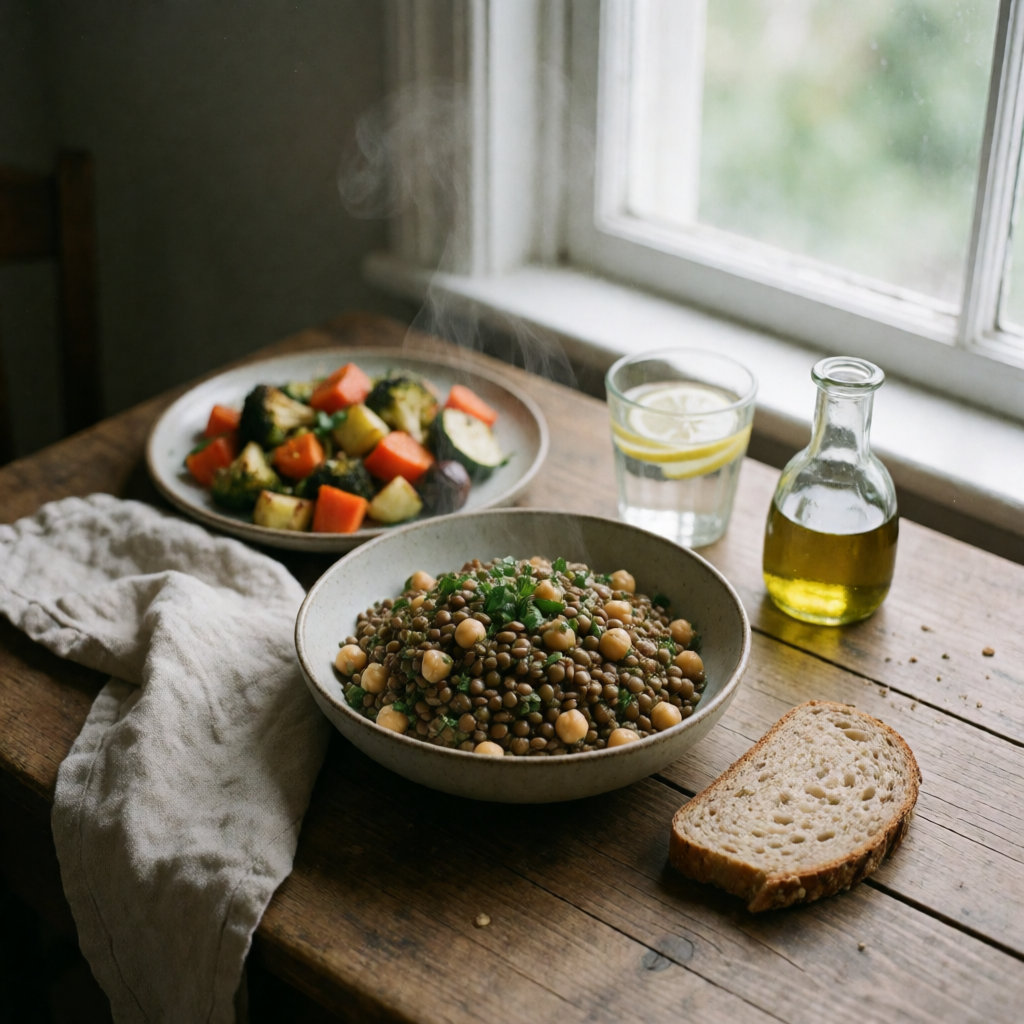
There are subjects we put off. This one often sits at the top of the list, and it is easy to see why: talking about cancer means talking about something frightening, and nobody wants to turn their plate into a battleground. Yet what research has been telling us for around twenty years is rather encouraging: your diet is not a verdict. It is one lever among others.
No single food, on its own, protects against cancer. But the way you eat — repeated week after week, over years — is one of the risk factors you can actually act on. It is neither a guarantee nor a promise. It is room to manoeuvre.

A multifactorial disease, and room for manoeuvre
Cancer is never down to a single cause. There is age, genetics, smoking, environmental and occupational exposures, and many other factors still poorly understood. Diet is only one piece of the puzzle. Saying this clearly avoids two traps: blaming those who become ill, and believing that one magic food would be enough to fix everything.
That said, current data suggest that a significant proportion of the most common cancers is linked to modifiable lifestyle factors, diet and physical activity chief among them. It is not an equation; it is a broad trend. And that margin is built as much at the market as in the waiting room.
Fibre: the one habit everyone agrees on
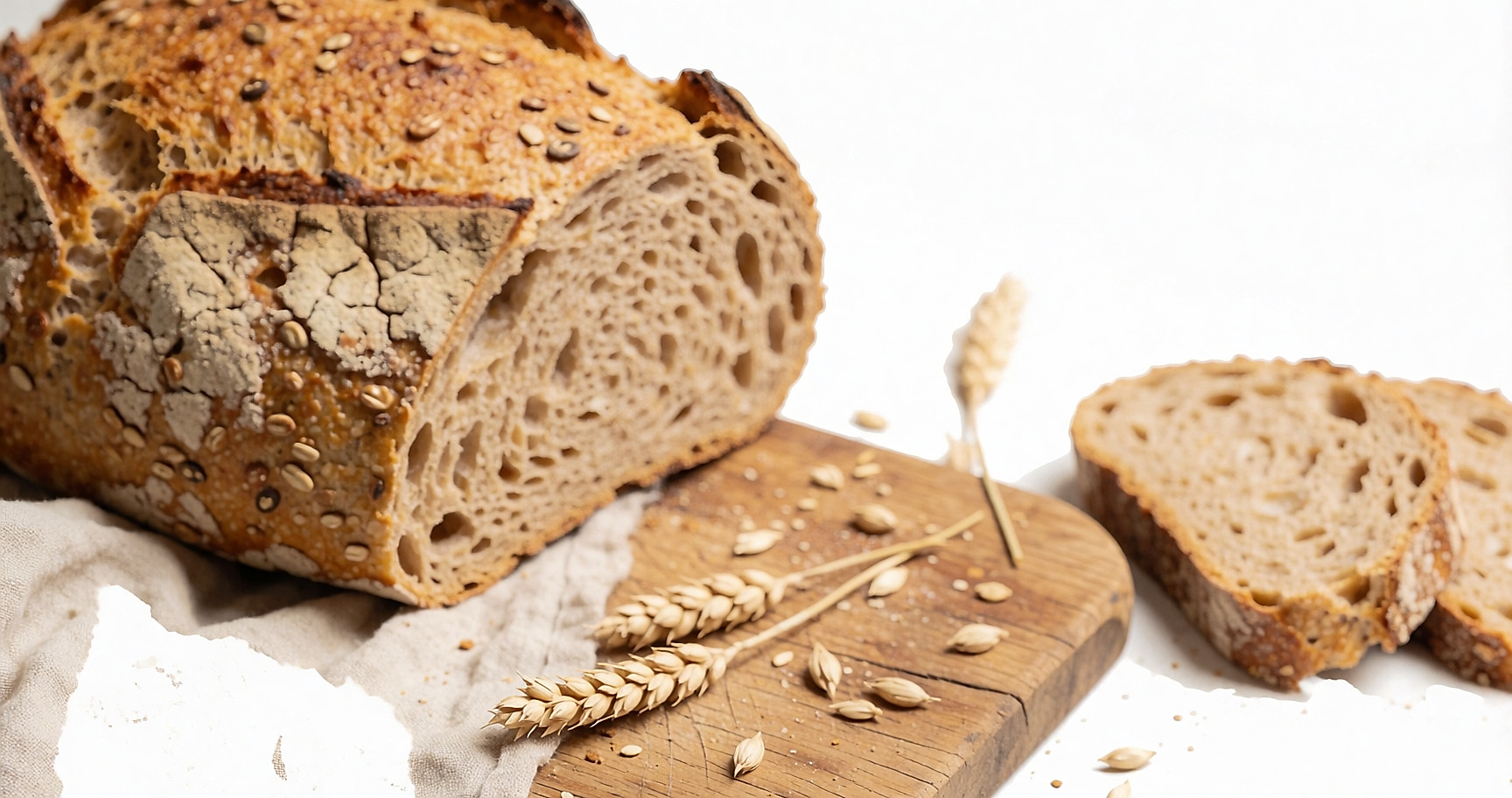
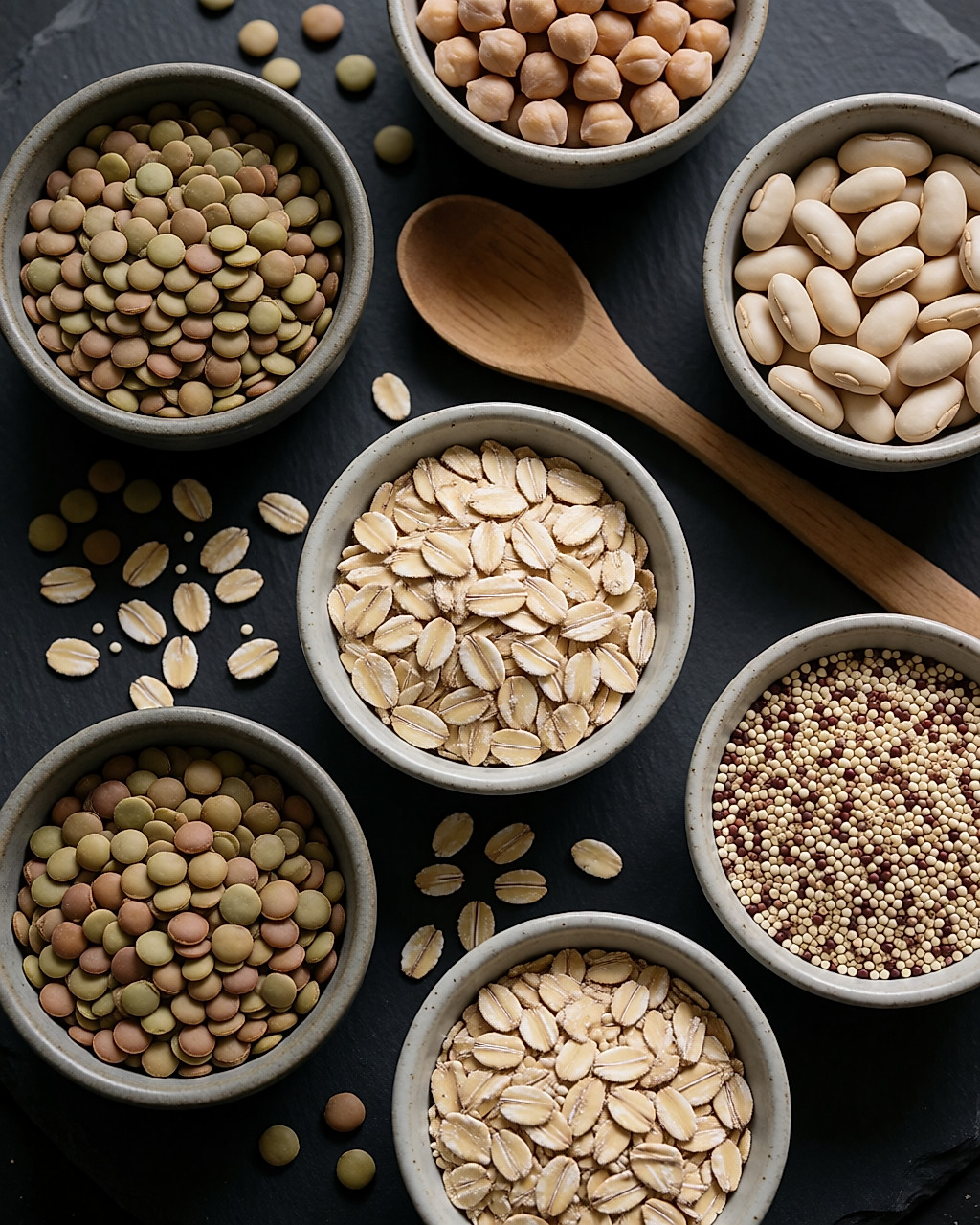
If you were to remember only one habit, it would be this one. Fibre is found in pulses (lentils, chickpeas, dried beans, broad beans), wholegrains and all plants. It speeds up digestion, reduces the contact time between the intestinal wall and certain substances, feeds the microbiome and smooths blood sugar spikes.
Yet we have somewhat lost sight of it. White bread, white pasta and white rice have been stripped of their outer layer and a good share of their minerals. The result: little fibre, and a high glycaemic index — in other words, sugar that rises quickly in the blood.
By contrast, lentils, chickpeas, beans, oats, wholegrains and quinoa retain all their value. The link between fibre, wholegrains and a lower risk of bowel cancer is one of the best established in nutrition. In practice, we aim for around 25–30g of fibre a day, and many people are far off that. Increase gradually to spare your gut: half white rice, half brown rice for the first few weeks, then one portion of lentils, then two.
Fruit and vegetables: variety rather than abundance
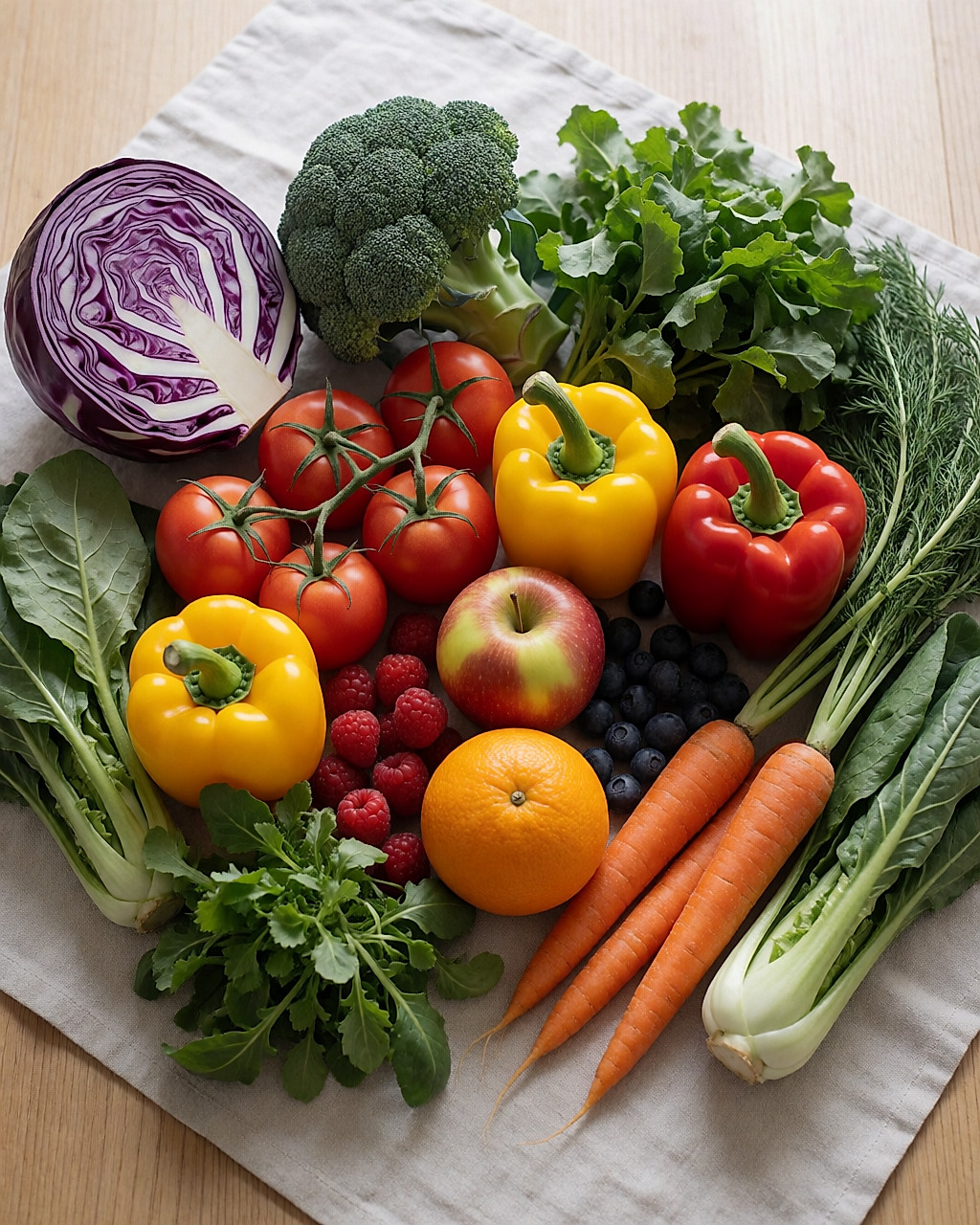
Be careful not to repeat the mistakes of the 2000s. No, eating five portions of plants does not make the risk of every cancer disappear. The strongest work shows a clear benefit mainly for cancers of the mouth, pharynx, larynx, oesophagus and stomach, linked to non-starchy vegetables and fruit.
Another point: isolated compounds — sulforaphane from cabbage, lycopene from tomatoes, polyphenols from berries — give interesting results in the laboratory, but do not translate into demonstrated protection in humans in capsule form. Whole tomatoes, yes. Supplements, we do not have solid evidence.
The watchword remains variety, at every meal if possible: a piece of fruit at breakfast, salad or soup at lunch, two vegetables in the evening. Whole fruit rather than juice, for its fibre and satiety. A freshly pressed juice now and then is still a small pleasure. And nuts or dried fruit to fill gaps, keeping an eye on the ingredients of shop-bought mixes, which are often very sugary.
Meat, processed meat, cooking: the numbers to know
Here there are genuine official benchmarks. The International Agency for Research on Cancer classifies processed meat — ham, sausages, bacon, charcuterie — as a proven human carcinogen, and red meat as probably carcinogenic, for bowel cancer.
Please do not read this as 'a ham sandwich is worth a cigarette'. IARC groups describe the strength of the evidence, not the size of the danger. In practice, UK guidance is clear: if you eat more than 90g of red or processed meat a day, cut down to 70g or less. That is about two slices of ham, or one small steak.
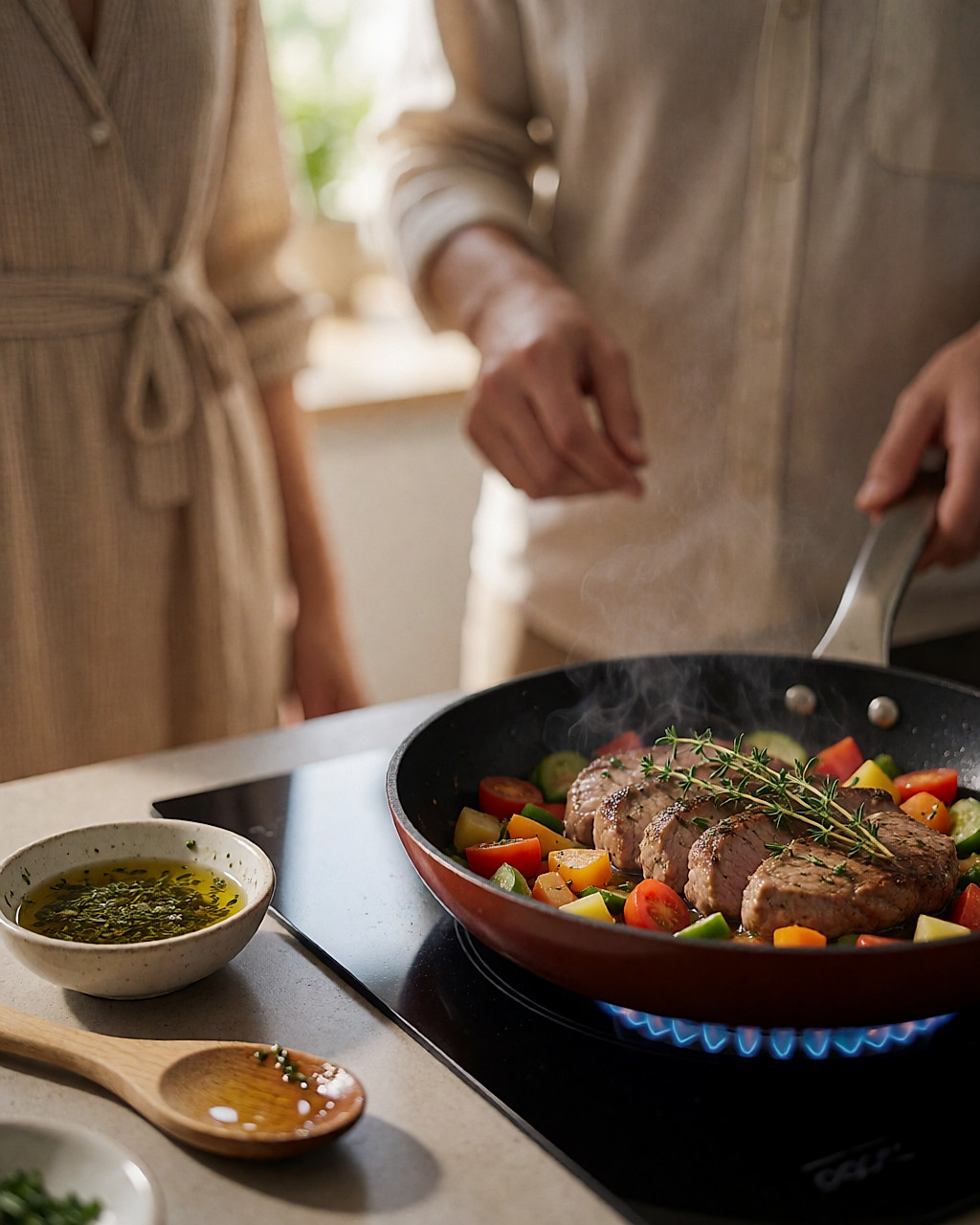
A word on cooking, often forgotten: very well-seared grills, direct-flame barbecues and smoked meats form compounds it is better not to accumulate. Cook at a lower heat, marinate, prefer the oven or steam, remove charred parts: four habits that cost nothing.
And to vary protein, there is more than steak. Eggs, fish, pulses, tofu and soya preparations do the job very well. Wholegrains plus pulses on the same day, and your plant protein intake is perfectly adequate.
Dairy and calcium: neither demonised nor excessive
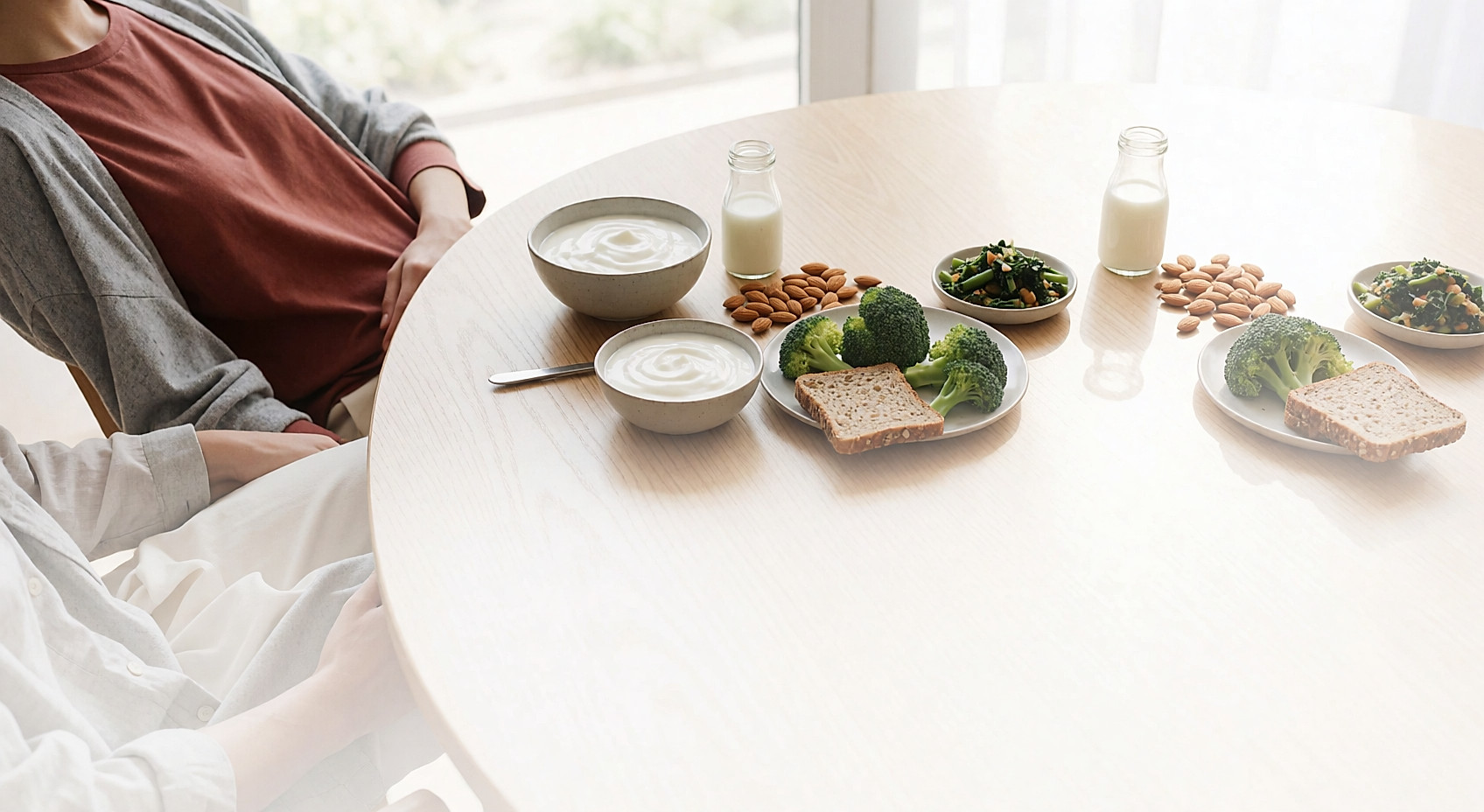
Dairy provides calcium, phosphorus and protein, and remains convenient. But several studies suggest that very high consumption is associated with a higher risk of prostate cancer. The level of evidence remains limited: this calls for moderation, not exclusion.
In practice, one to two dairy products a day cover most adults' needs. And calcium is not exclusive to them: calcium-rich mineral waters, almonds, green vegetables (broccoli, cabbage, cooked spinach), sardines with their bones and some tofu set with calcium sulphate also provide it. If you eat little or no dairy, talk to a professional — doctor or dietitian — to check your intake.
Alcohol: the most often forgotten factor
Much is written about foods, rarely about the glass that accompanies them. Alcohol is classified as a proven carcinogen by IARC, for cancers of the mouth, pharynx, larynx, oesophagus, liver, bowel and breast. Risk increases even at low consumption: there is no threshold below which you are completely protected.
UK Chief Medical Officers' guidance: no more than 14 units a week, spread over three or more days, with several alcohol-free days. As for the old slogan that 'a small glass of wine is good for the heart', it no longer holds: recent data do not confirm this benefit.

Weight, activity, and what monitoring adds
Excess weight is recognised as a risk factor for many cancers, which links the question of the plate to that of movement. Moving for thirty minutes a day, limiting sugary drinks and ultra-processed products: over ten years, the accumulation makes the difference.
Finally, a word on 'anti-cancer' supplements sold online. Not only is the evidence lacking, but some have turned out to be counterproductive: high-dose beta-carotene supplements increase the risk of lung cancer in smokers. Nothing replaces a varied plate, and nothing replaces medical follow-up.
What we can say, and what we cannot. You can act on your risk: more fibre, more plants, less processed meat, less alcohol, a stable weight, physical activity. You cannot, however, make yourself untouchable by eating well, and no food or supplement treats cancer. If a symptom lasts or you have a family history, it is to a healthcare professional that you should turn, not to a shop shelf.
Budget
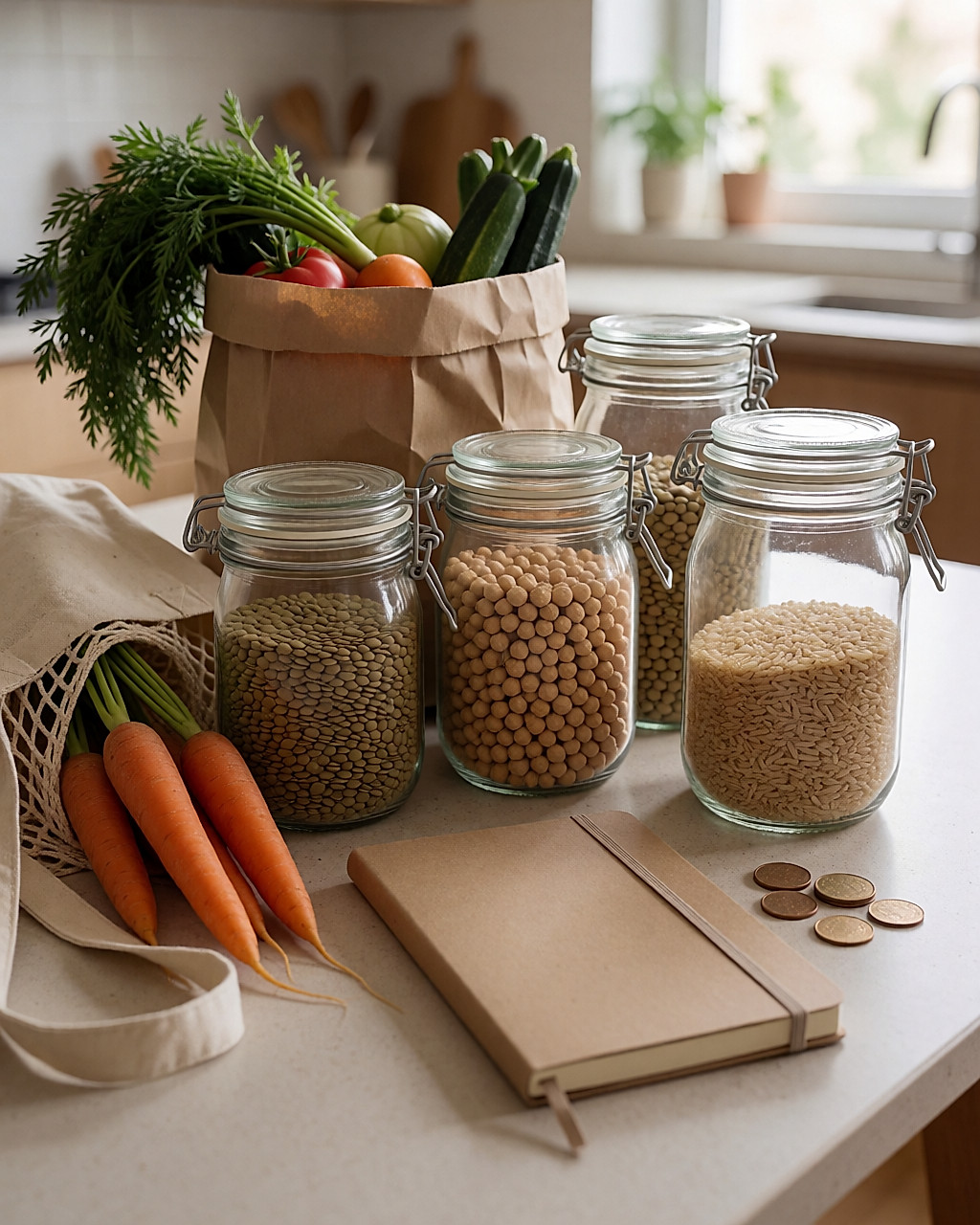
Eating in this direction often costs less than you might imagine. As a rough guide in the UK, dried pulses are around £2–£5 per kilo, 400g tins around 50p–£1.50, and wholegrains in a similar range. For fresh vegetables, count roughly £1.50–£4 per kilo depending on season, region and shop. Plain frozen vegetables, without sauce, have stable prices all year and keep their nutritional qualities well: a good option when the budget is tight in winter.
Organic usually adds a premium, very variable depending on the product and where you buy it. Farmers' markets, veg box schemes, community-supported agriculture, frozen aisles and supermarkets are often the best value; seasonal, local fruit and vegetables remain the best compromise between price, taste and vitamins.
Sources
- International Agency for Research on Cancer (IARC/WHO), Monographs on the Evaluation of Carcinogenic Risks — classification of processed meat and red meat — iarc.who.int
- World Cancer Research Fund International / American Institute for Cancer Research, Diet, Nutrition, Physical Activity and Cancer: a Global Perspective — wcrf.org
- NHS, Eat well and Alcohol support — nhs.uk
- Cancer Research UK, Diet and cancer — cancerresearchuk.org
- UK Chief Medical Officers' Low Risk Drinking Guidelines — gov.uk
- British Nutrition Foundation, fibre and healthy eating — nutrition.org.uk
Food supplements do not replace a varied, balanced diet and a healthy lifestyle.




Comments
Your opinion matters: rate the article, react and reply to comments.
Comments are moderated; AI-assisted comments are flagged. Text emoticons (8-), :-), <3…) are automatically shown as images.