
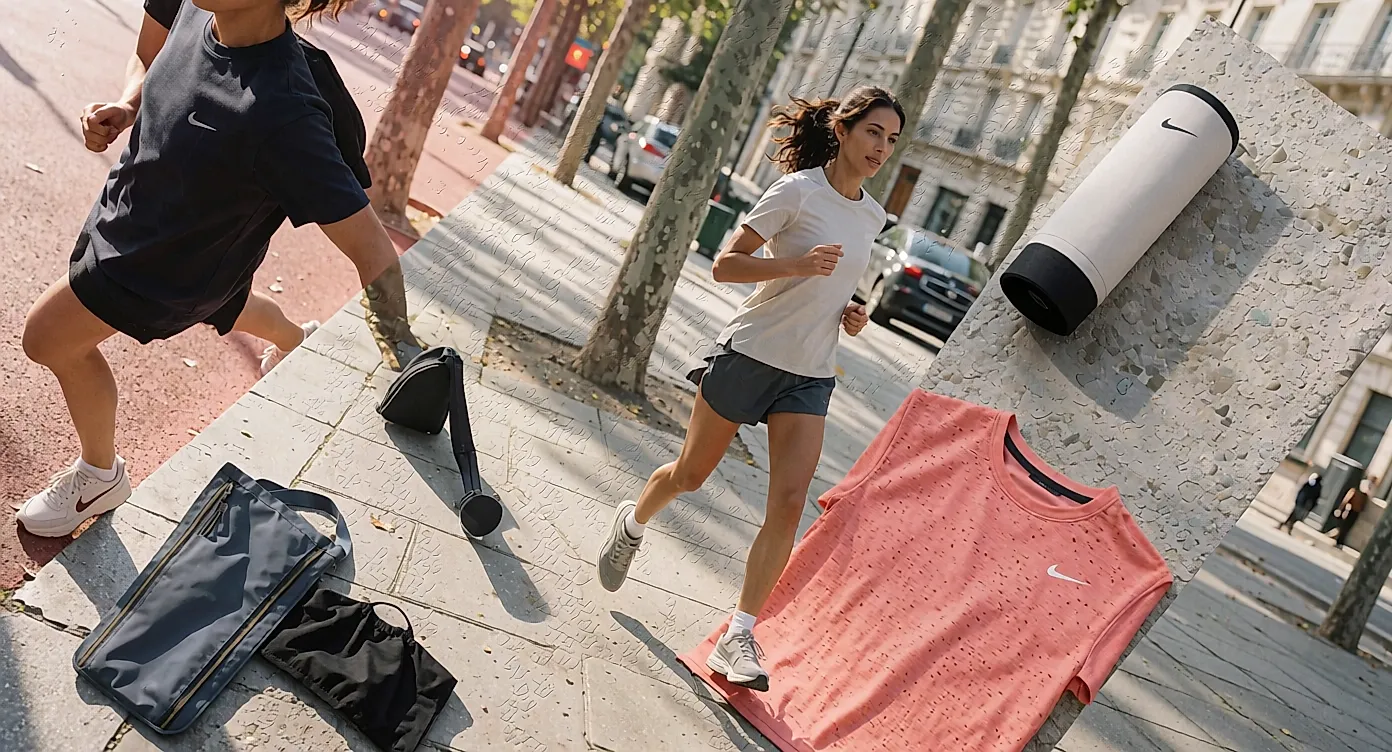
No licence to buy, no slot to book, no gym to join: a pair of shoes, a street, and off you go. That is why jogging is so popular — and also, often, why so many people get injured by rushing in without preparation.
Why running appeals so much
Current evidence suggests that running for a few tens of minutes a week may have an effect on sleep, mood and cardiovascular fitness. The World Health Organization recommends that adults get between 150 and 300 minutes of moderate-intensity activity a week: running can cover some of that, and so can brisk walking. Nothing obliges you to chase a time or train for a marathon — gentle running several times a week is enough to maintain fitness, for body and mind.
It is probably the most accessible activity there is: free, doable on the street, no club, no heavy kit, no fixed timetable. No one needs to approve you before you start.

Getting back into it without injury
Prevention starts here. If you have not exercised for months, or if you are over 40, a gradual return is not optional. In practice, start with a 30-minute walk, slip in a few minutes of running, then reverse the proportions week by week.
A check-up with your GP, especially after 40 or if you have risk factors — smoking, high blood pressure, high cholesterol — can help you start again with a clearer picture of your health. It is not an administrative formality: that monitoring is what makes a return sustainable.
Warming up matters too. Five minutes of brisk walking and a few ankle and hip movements are enough to reduce the risk of muscle or joint injury.
And if you have a history of heart problems, are taking medication, or get unusually breathless, speak to a healthcare professional before lacing up your trainers. Chest pain, feeling unwell, or breathlessness that does not settle at rest: seek medical advice without delay.
The myth of the presidential jog
About twenty years ago, Nicolas Sarkozy was regularly seen running in shorts and trainers, escorted by his bodyguards, with AFP reporting his outings from Fort de Brégançon. The 'republican jog' was born — the comedian Jamel Debbouze turned it into a punchline at the close of the Cannes Film Festival. At the time, the image of a president in sportswear was still up for debate.
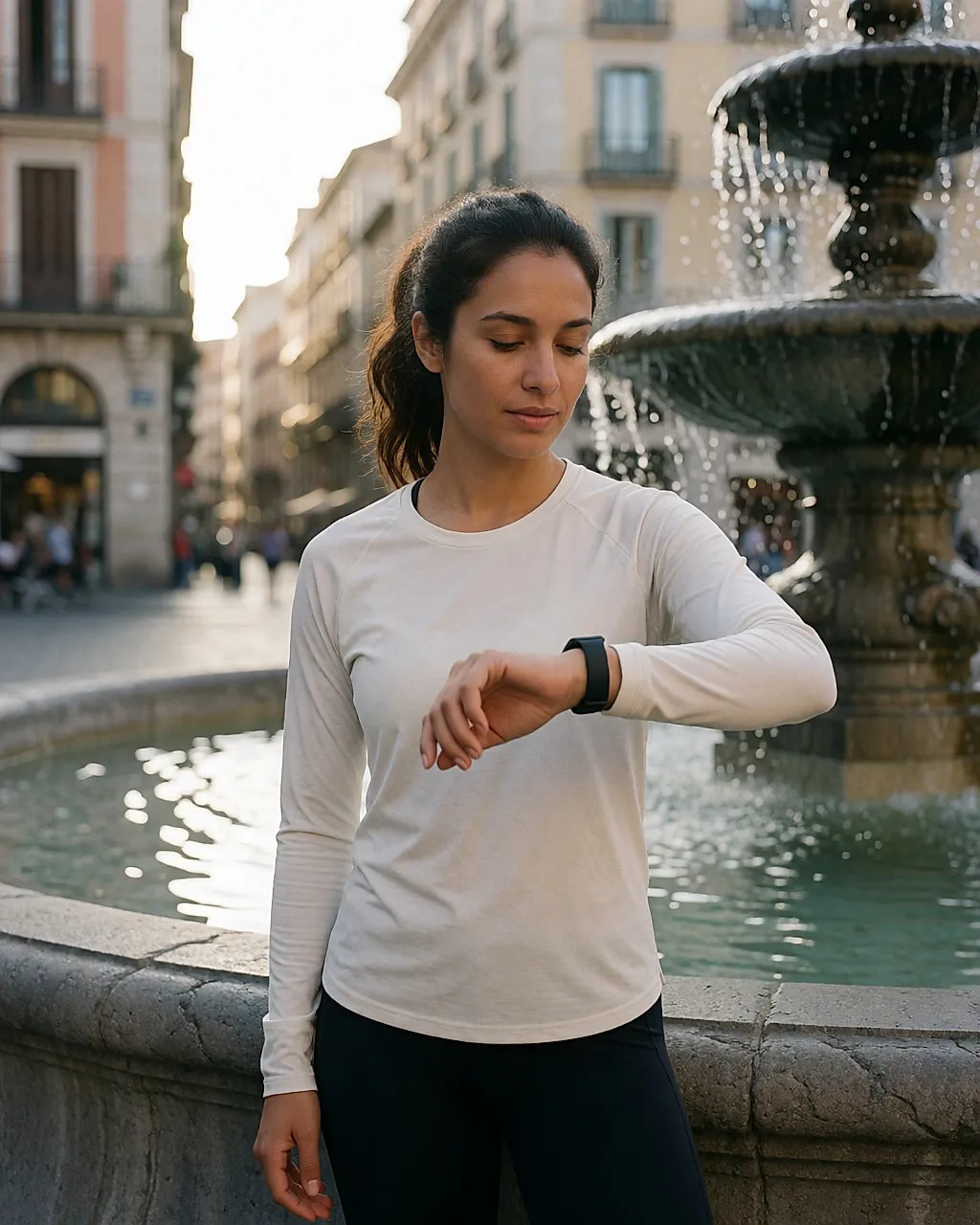
Since then, the practice has become mainstream and much more popular among women, and smartwatches have replaced the training diary. The principle has not changed: this sport is free, can be done anywhere, and asks for no permission beyond what your body gives you.
Three signals that should stop you and prompt you to seek medical advice: chest pain during exertion, breathlessness that is unusual for your pace, and palpitations. These are not diagnoses, just reasons to speak to a doctor before you start again.
Budget
The essentials come down to a pair of shoes suited to your gait and the ground you run on. Expect to pay around £50 to £110 in a specialist shop or sports superstore; above £130, you are mainly paying for upper technology and brand positioning. Mid-range models are more than enough for leisure running. Prices vary by region, available size, terrain (road or path) and time of year — end-of-season lines are often kinder to your wallet.
How to read a label without being caught out: the Global Recycled Standard (GRS) certifies the recycled content of a textile, while Oeko-Tex Standard 100 relates to the absence of harmful substances. Neither on its own guarantees that a shoe will be recycled at the end of its life — some retailers offer in-store take-back, so check case by case. And if no eco-friendly option exists in your size, a sturdy pair kept for several years remains the best compromise.
For clothing, a technical T-shirt costs around £13 to £35, and a supportive sports bra around £17 to £50, in sports superstores as well as specialist shops — and often much less on second-hand platforms, where barely worn pieces are plentiful. Free tracking apps are enough to get started; a club usually costs around £25 to £50 a month, and a road race entry around £13 to £30. Prices shift with region, brand and season.
Sources
- World Health Organization, recommendations on physical activity for health, 2020 — who.int
- NHS, Physical activity guidelines for adults — nhs.uk
- UK Chief Medical Officers, Physical Activity Guidelines, 2019 — gov.uk
Comments
Your opinion matters: rate the article, react and reply to comments.
Comments are moderated; AI-assisted comments are flagged. Text emoticons (8-), :-), <3…) are automatically shown as images.