
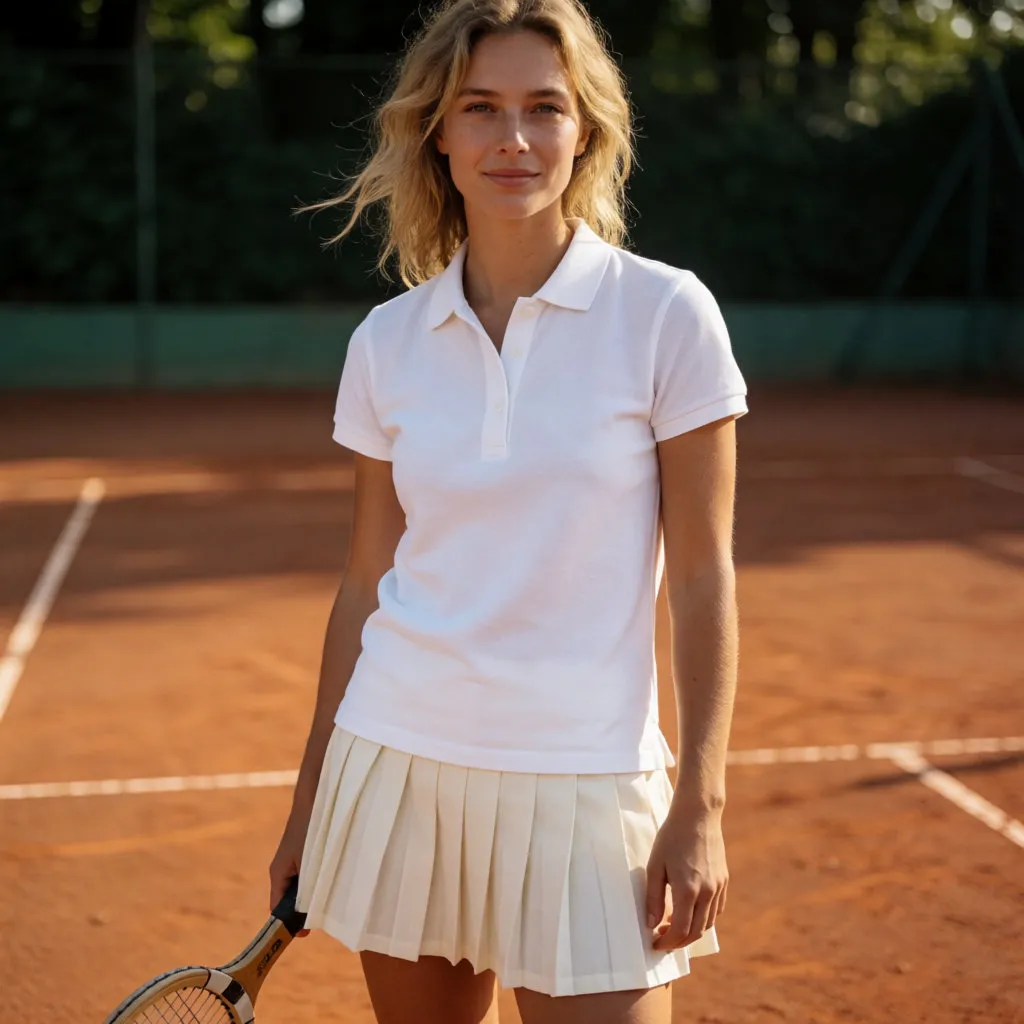
Open your wardrobe, take a look at the top shelf: chances are a little green crocodile is sleeping up there, embroidered on a folded polo or a cap. That reptile is nearly a century old and hasn't aged a day. How did a brand born on the tennis courts become a permanent fixture in our wardrobes? Its story is worth a look.
A lost bet, a nickname won
It all begins in 1923, at a tennis tournament in the United States. René Lacoste, a young player on the French team, makes a bet with Pierre Gillou, captain of the French Davis Cup team, over a crocodile-skin suitcase. He loses the match… but fights to the end. The American press nicknames him 'the Alligator', the animal that, they say, never lets go of its prey; in France, he becomes the Crocodile.
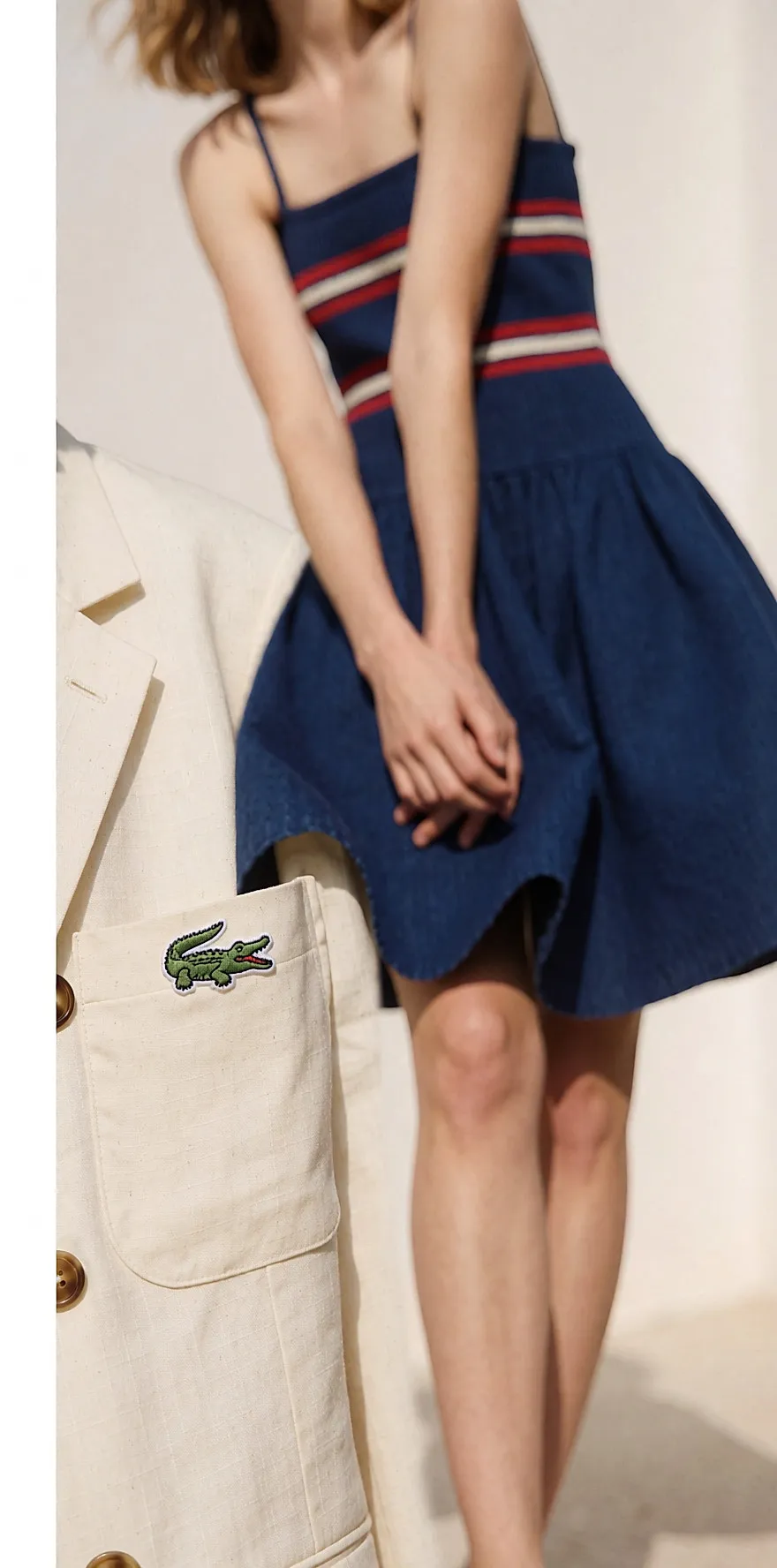
The detail that changes everything? His friend Robert George embroiders a small green crocodile on the pocket of his jacket. A stitched logo, clearly visible from the outside, at a time when the sports world was not used to that at all. Back then, nobody did that.
1933, the polo that laid the foundations
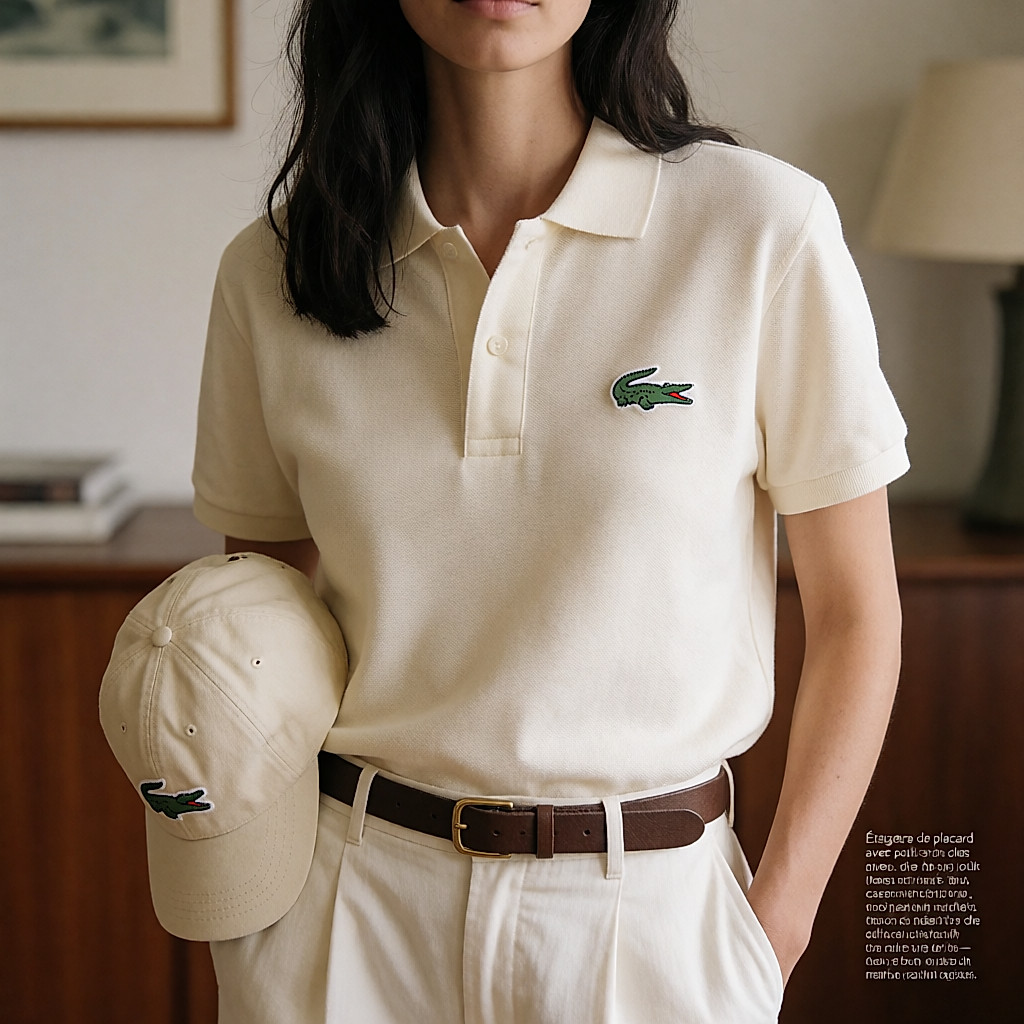
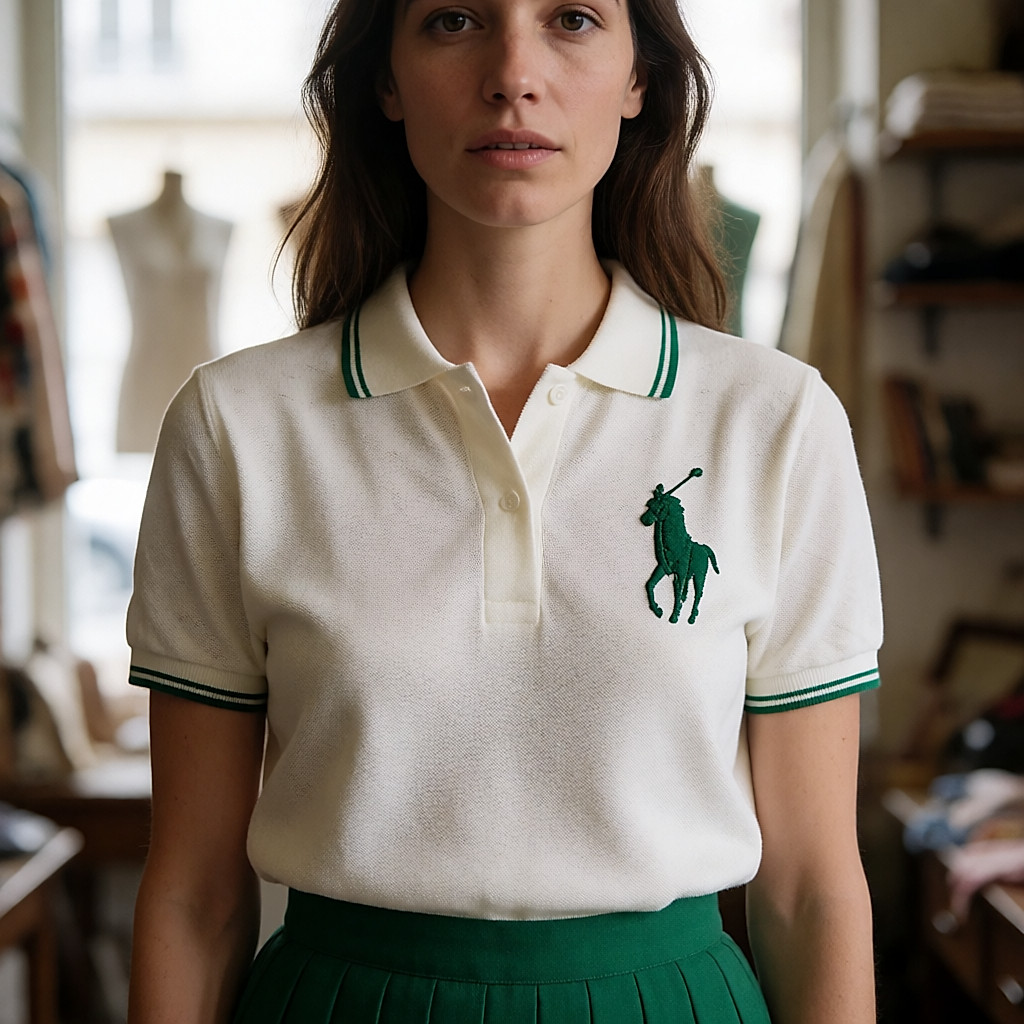
René Lacoste then ends his playing career for health reasons. Far from being discouraged, he goes into business: with manufacturer André Gillier, he founds La Chemise Lacoste and designs a polo made for tennis, golf and sailing. Piqué knit, cotton, ribbed collar, short sleeves, slightly longer back: the piece breathes, absorbs sweat and moves with the body. At the time, people still played in town clothes — the contrast is striking.
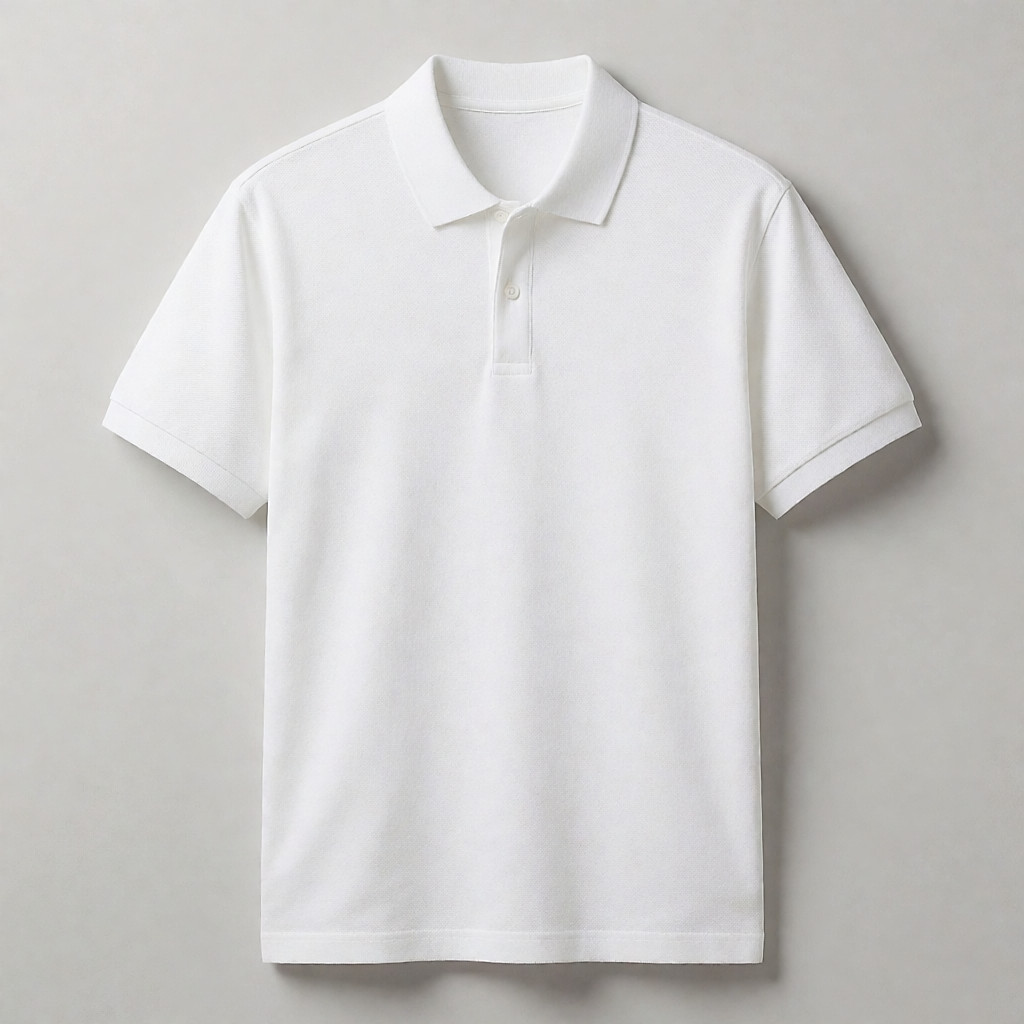
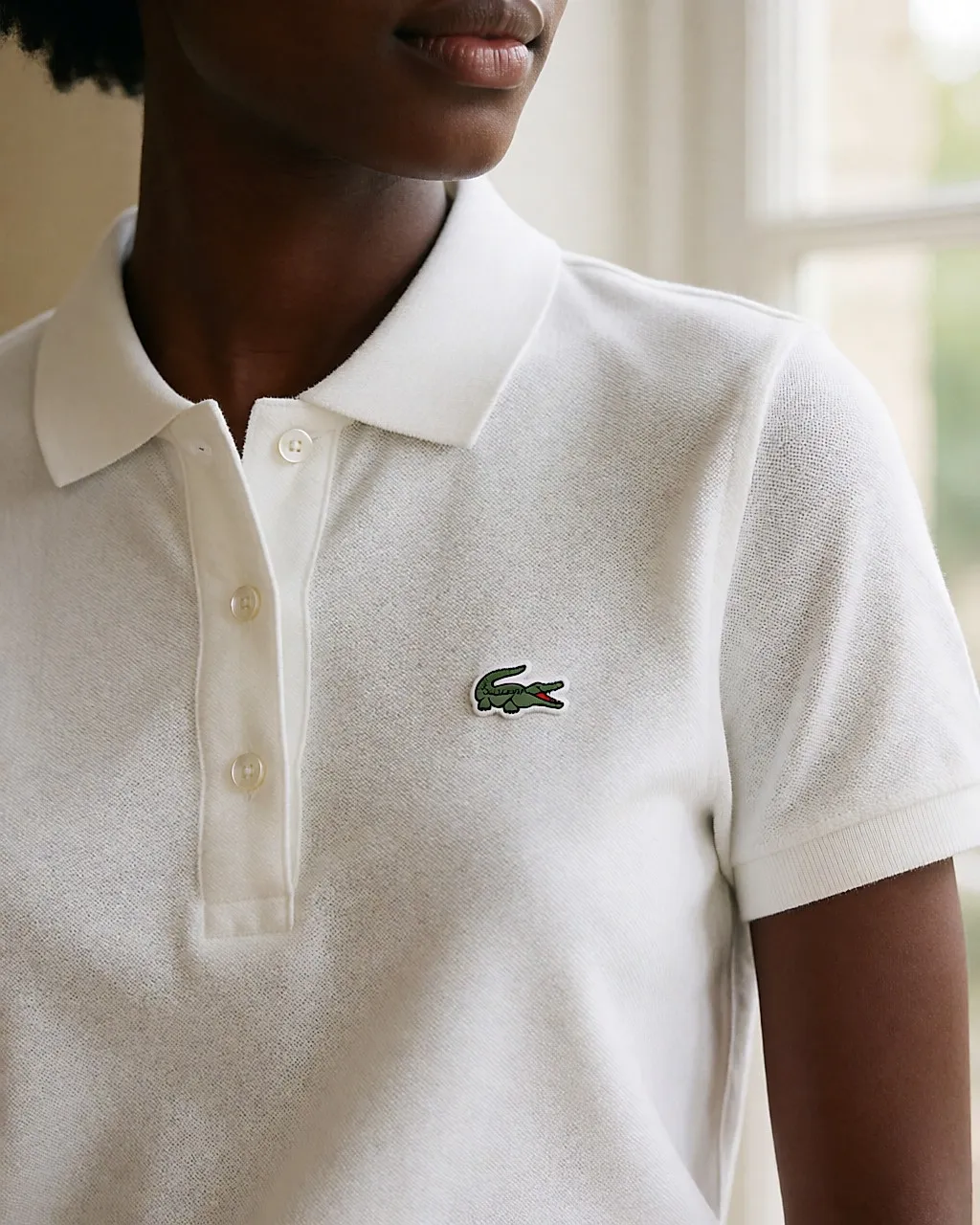
This garment is the future L.12.12: L for Lacoste, 1 for the petit piqué fabric, 2 for short sleeves, 12 for the number of prototypes made before approval. White reigns until 1951, the year the polo allows itself red, navy and sky blue.
From court to street
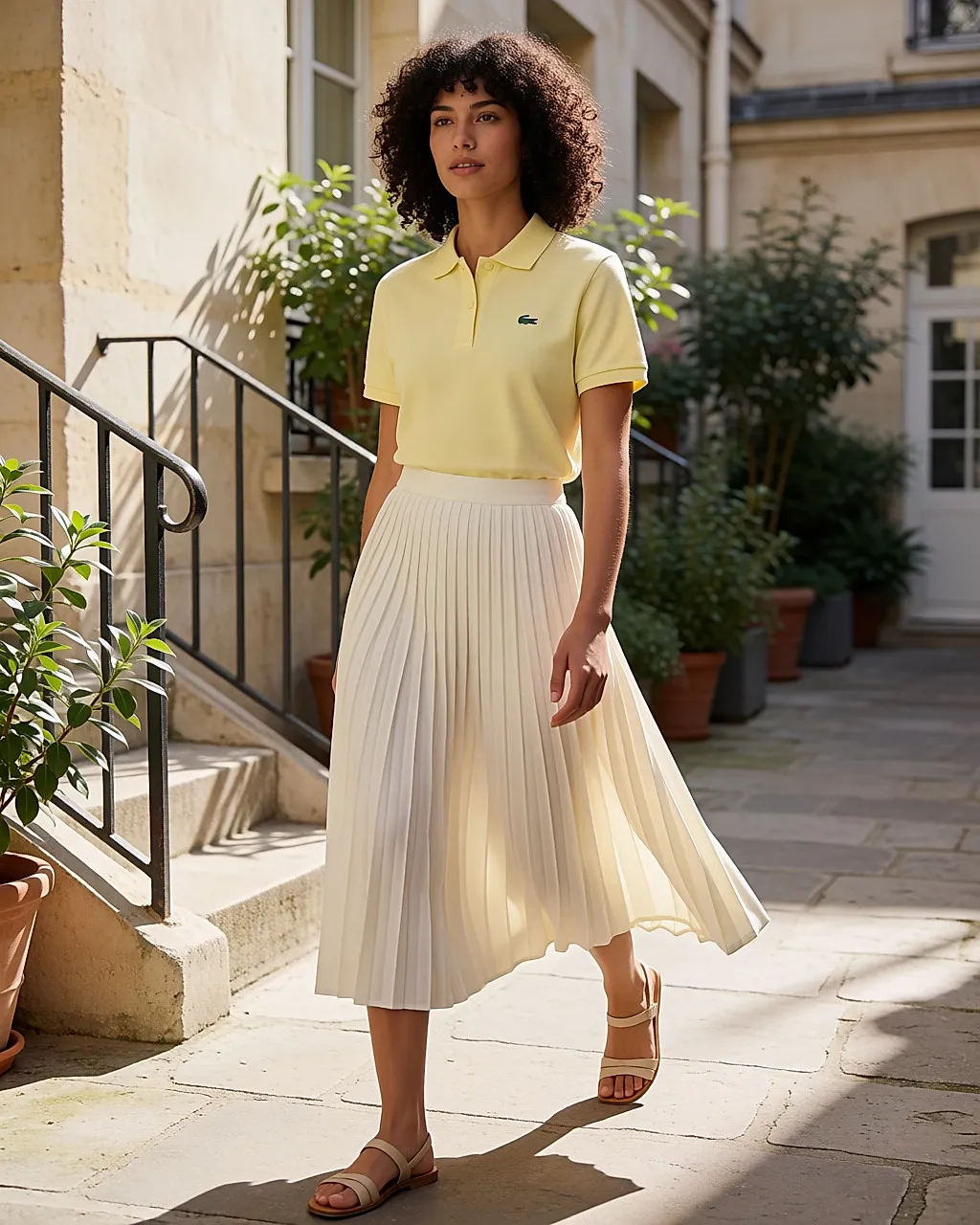
In the 60s, the boundary between sport and everyday life blurs. Worn for itself and no longer just to play in, the crocodile polo leaves the courts for the street, boosted by the emerging sportswear wave. In 1967, it comes in 21 colours, a women's line is born and the brand goes international. In 1989, Lacoste broadened its field: golf accessories, shoes, watches, home linen, luggage and small leather goods — fragrances had already existed since 1968.
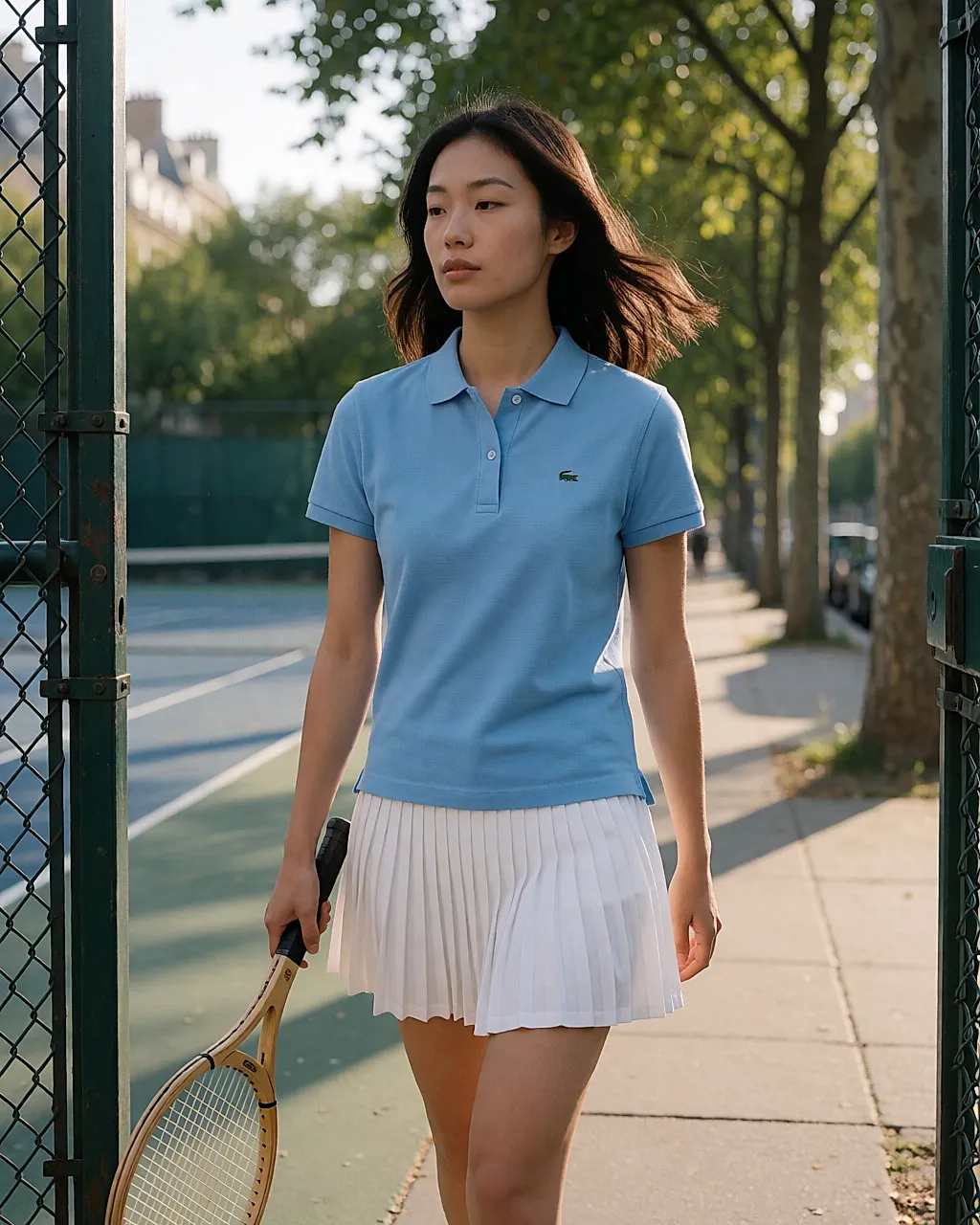
Then comes the fashion turn. In 2000, Christophe Lemaire takes over as artistic director and presents his first spring/summer 2002 collection in New York, in 2001. Since then, the house has passed through several creative visions: Felipe Oliveira Baptista from 2010 to 2018, then Louise Trotter, followed by Pelagia Kolotouros from 2023. On the collaboration front, the capsule with Supreme (from 2016) and the Golf le Fleur series by Tyler, the Creator made waves well beyond the courts.
How to wear it today
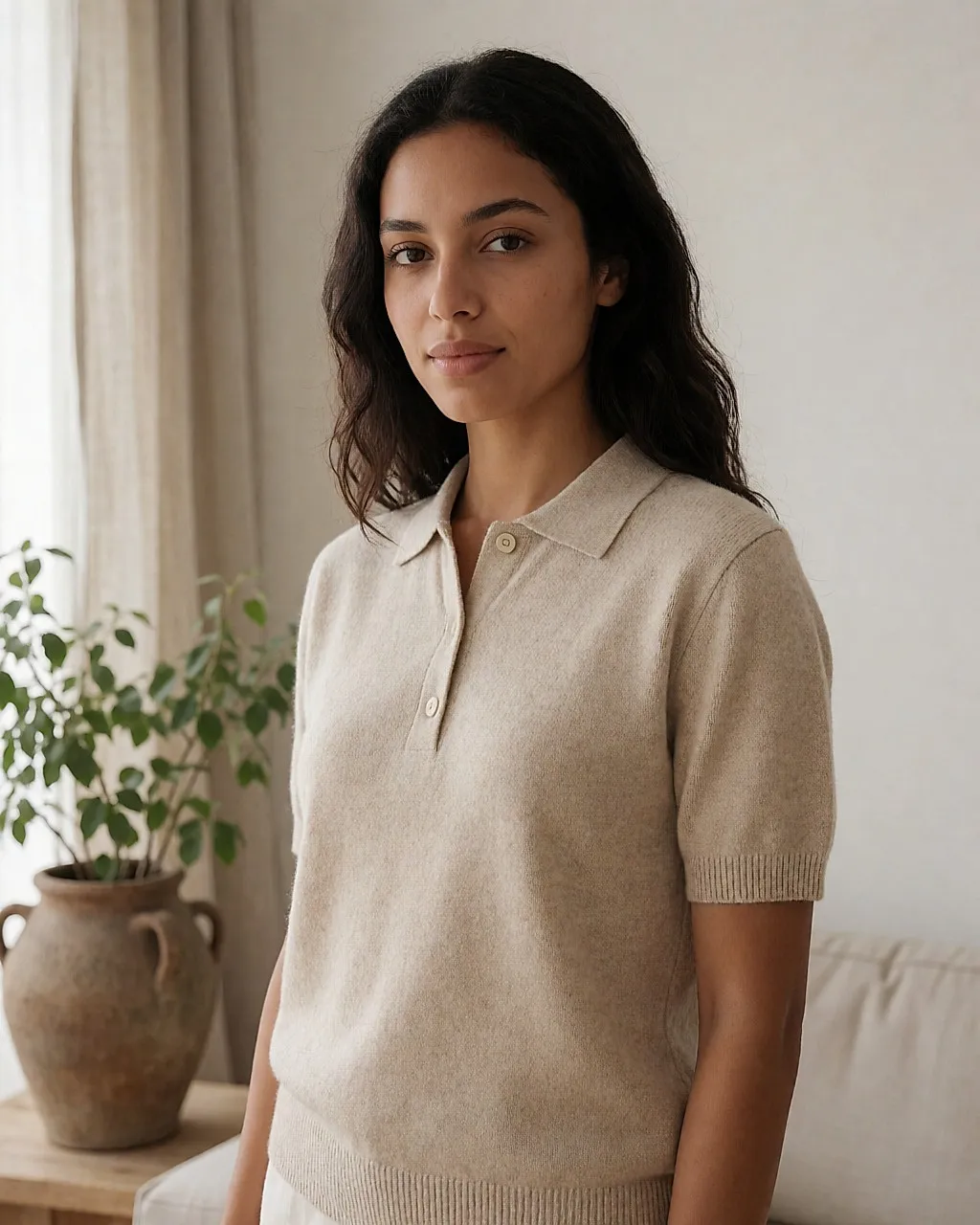
In practice, the polo is no longer a club uniform: it's a basic that forgives a lot, and a true pillar of a capsule wardrobe. For a clean total look, white or navy polo, straight jeans, loafers: nothing to add, it works! For a more streetwear version, go one size up and wear it open over a white tee, with a low-top trainer. For a smarter look, slip it under an unlined blazer and leave the collar visible: it's the simplest layering there is, and one of the most effective.
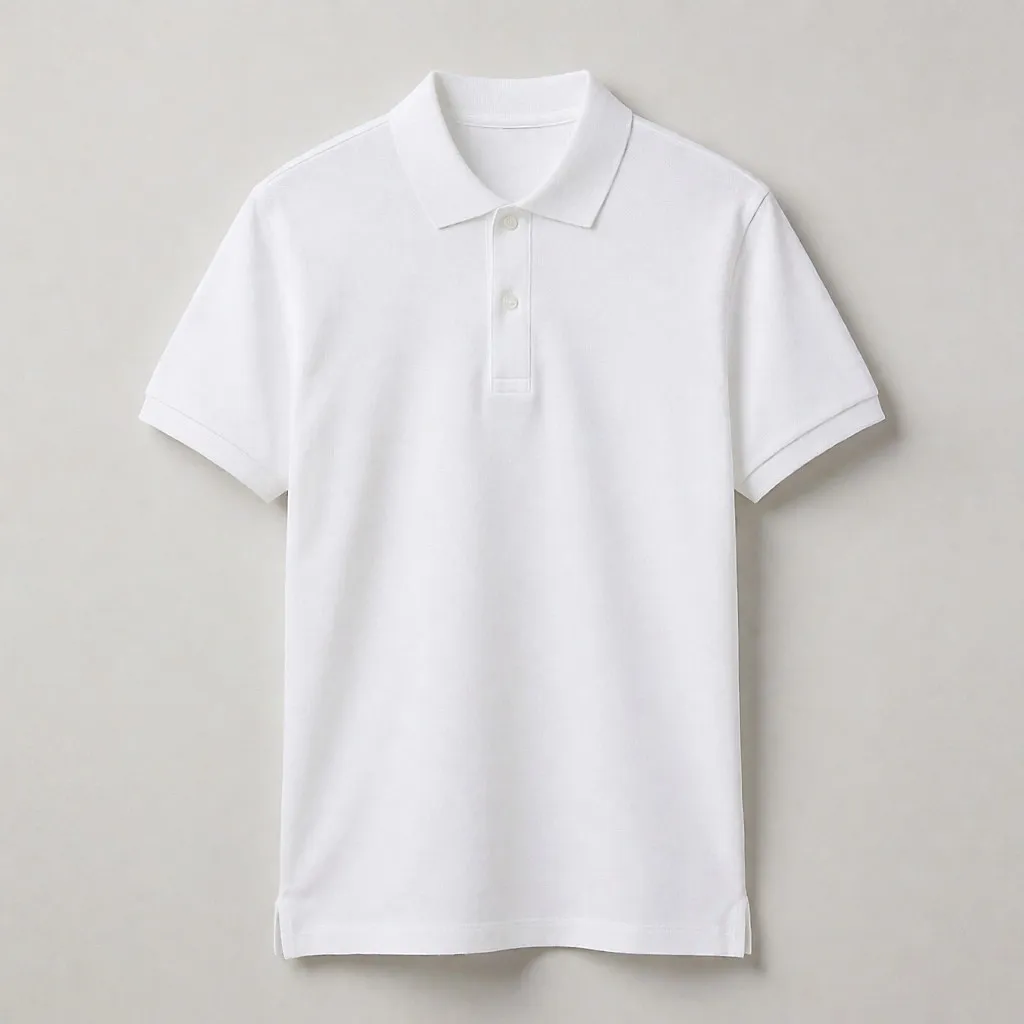

A tip before you buy: piqué knit relaxes with wear. If you're between two sizes, choose the smaller one — the polo quickly moulds to the body, and the drape settles after a few wears.
The game-changing step: wash your polo cold, inside out, and dry it flat. Piqué knit keeps its ribbing better and the collar won't pucker. Tumble dryer: avoid, no exceptions.
Budget
Budget-wise, a piqué polo from this house usually sits between £75 and £110 new, in store and on the official site. Outlets and clearance bring the piece down to around £45 to £70, especially at the end of the season and on less popular colourways. Second-hand — charity shops, resale between individuals — expect £17 to £50 depending on condition and rarity: that's where value for money is best. Two things to check before you buy: the condition of the collar (if it puckers, it's had it) and wear on the buttons.
If you want a comparable piece without spending that much, look at organic cotton knit brands: the feel is often similar and the material better traced. The trade-off? Generally less refined cuts. It's up to you to decide what matters most.
I haven't tested this polo on a tennis court, but I've worn it every day for years, and that's exactly where it's most convincing. Sport, fashion, heritage: the balance still holds, more than twenty years after the 2000 refresh. A wardrobe piece to watch closely, whatever your style.
Sources
- Lacoste, 'Our history', official site: lacoste.com
- International Tennis Hall of Fame, René Lacoste profile: tennisfame.com

Comments
Your opinion matters: rate the article, react and reply to comments.
Comments are moderated; AI-assisted comments are flagged. Text emoticons (8-), :-), <3…) are automatically shown as images.