
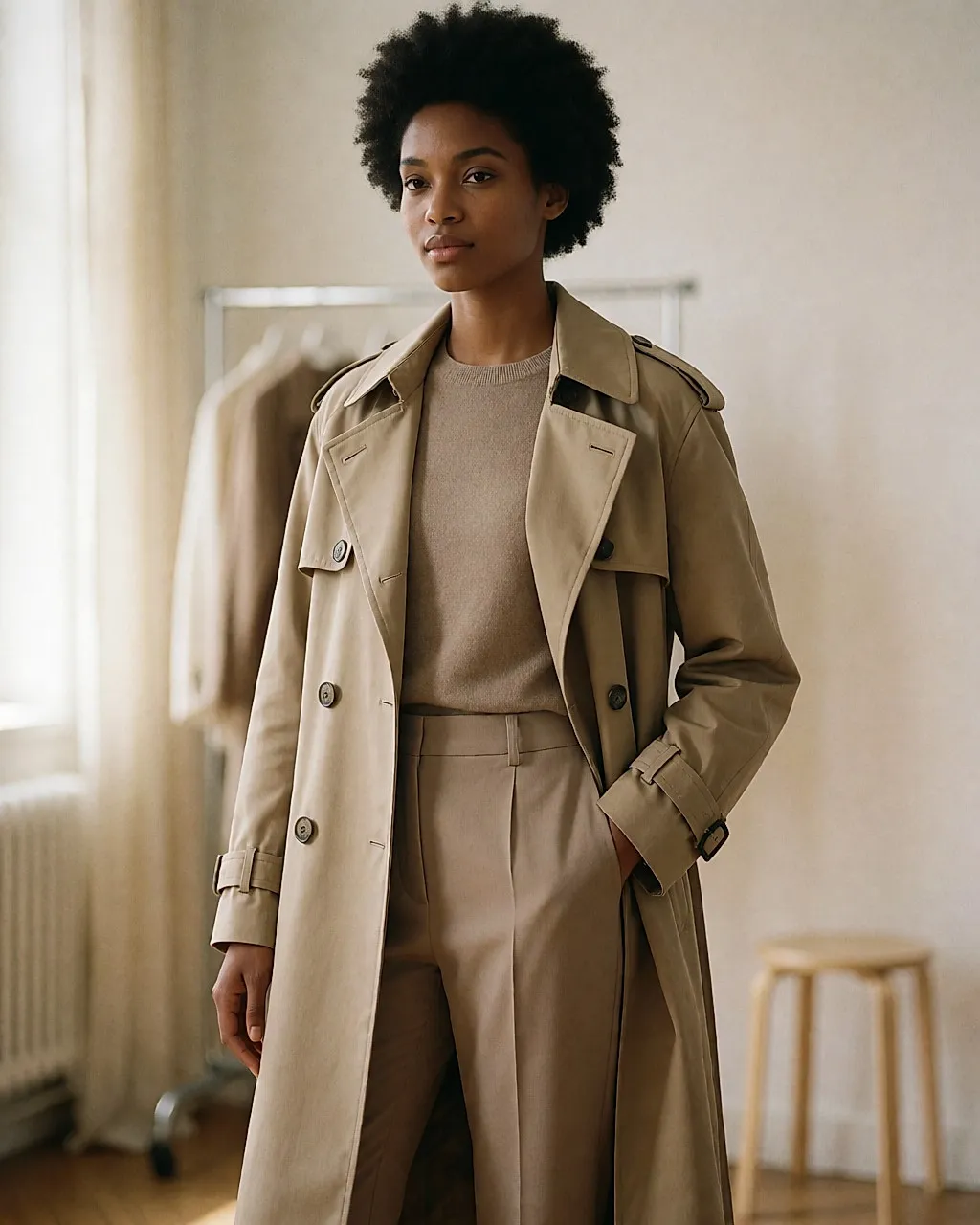
You are flicking through an August 1974 issue of American Vogue and the cover stops you: Beverly Johnson, the first Black woman to front the magazine. Seven years earlier, Naomi Sims had already pushed the door open. So has fashion changed its face since? Yes — though not at the pace you might assume. What has shifted isn't just the number of faces on the page; it's the part those faces play in a house's story.
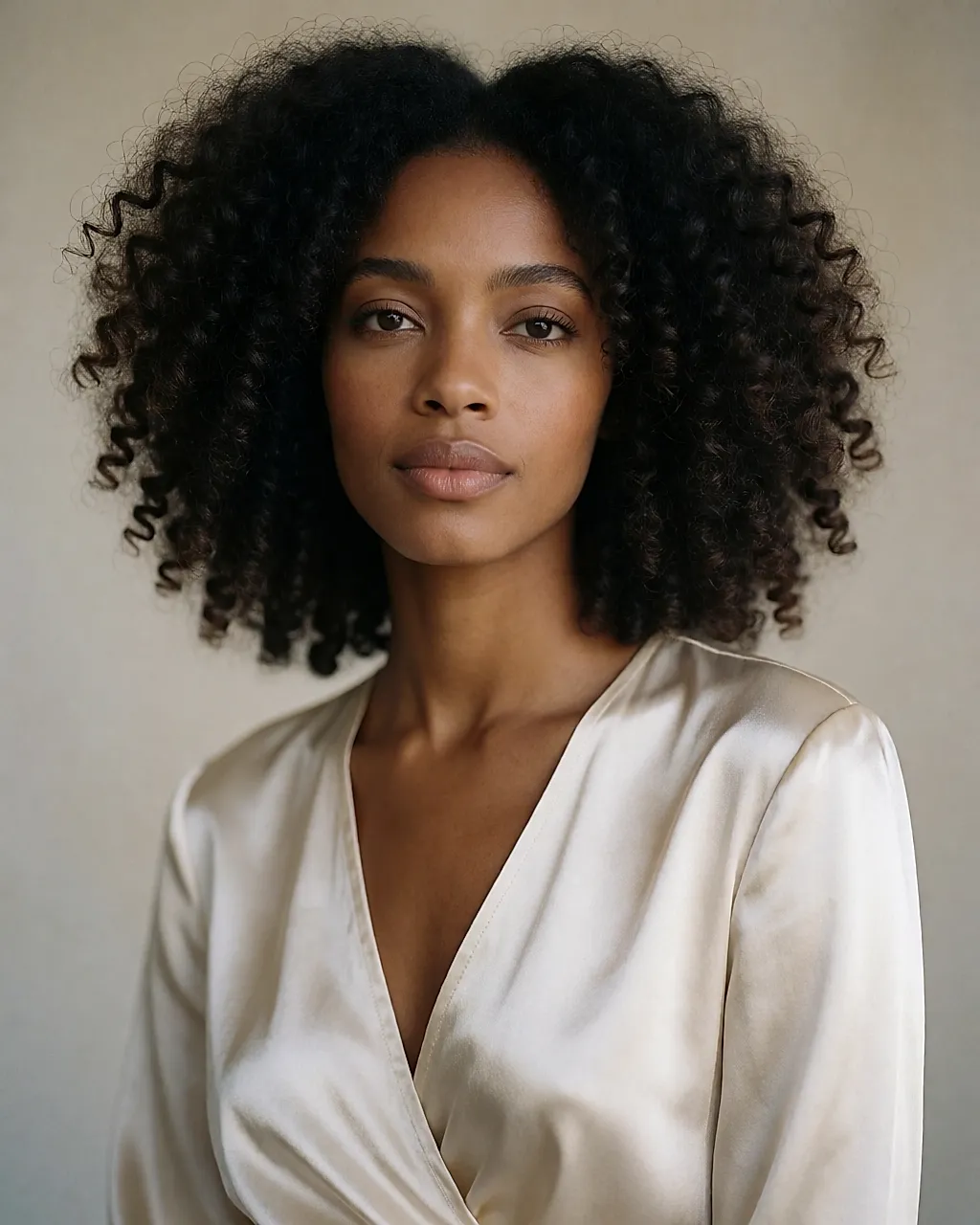
Naomi Sims, the first through the door
In 1967 Naomi Sims posed for the New York Times fashion supplement. The following year she took the cover of Ladies' Home Journal, then Life in 1969. Long-limbed, with a way of holding her head that commanded a room and a presence that never apologised for itself. She was also a serious negotiator: she turned down the paltry fees then offered to Black models. A statement in her own right.
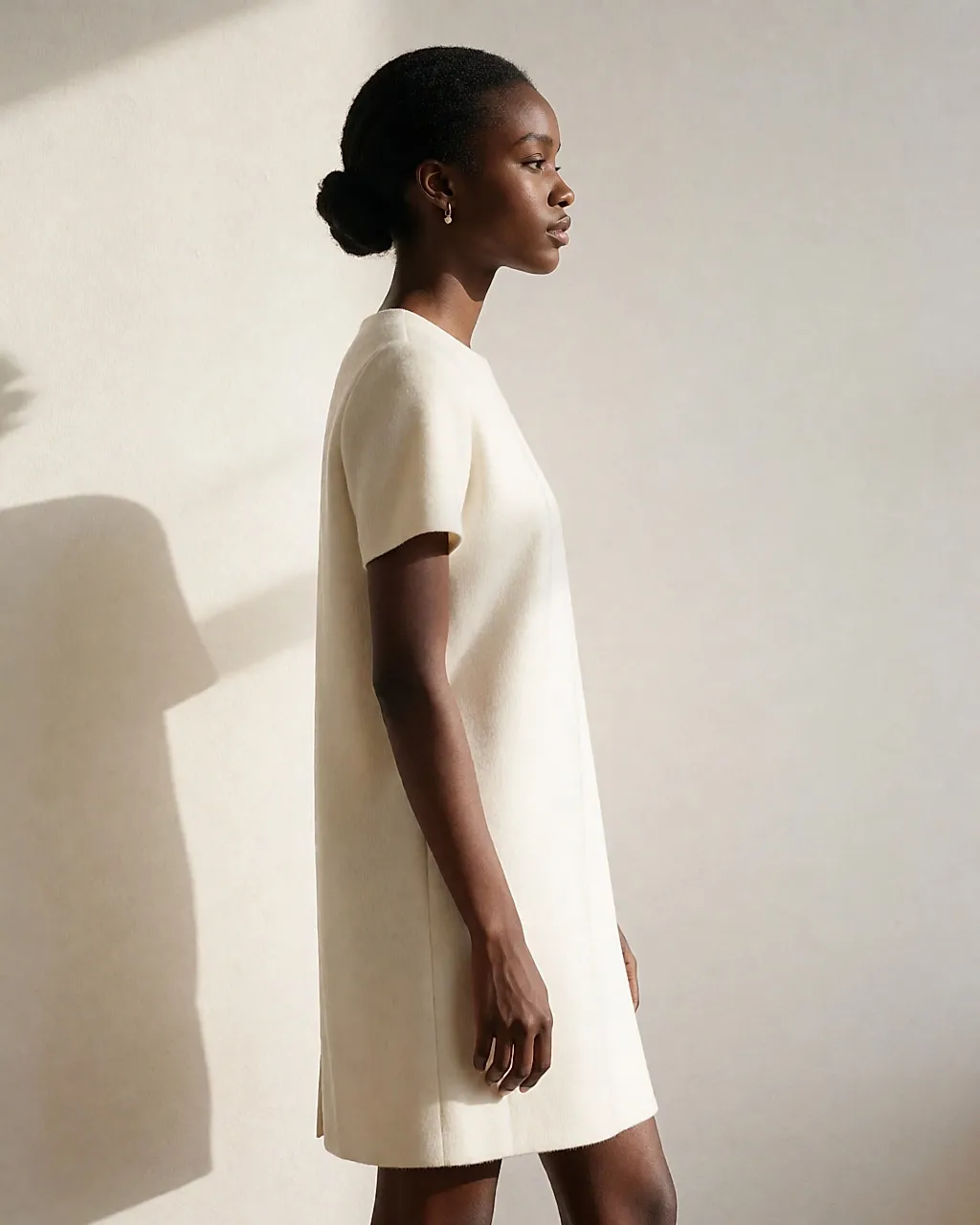
Beverly Johnson, Bethann Hardison, Pat Cleveland
Beverly Johnson opened up the covers (Vogue US and Vogue Paris, 1974). Bethann Hardison walked the shows and then became the voice of the campaign: in 2013, with Iman and Naomi Campbell, she challenged the houses over catwalks that were almost exclusively white. Pat Cleveland brought the movement — that knack of making a fabric come alive with every step. Grace Jones turned a full look into an image: instant presence, radical cut, no concessions.
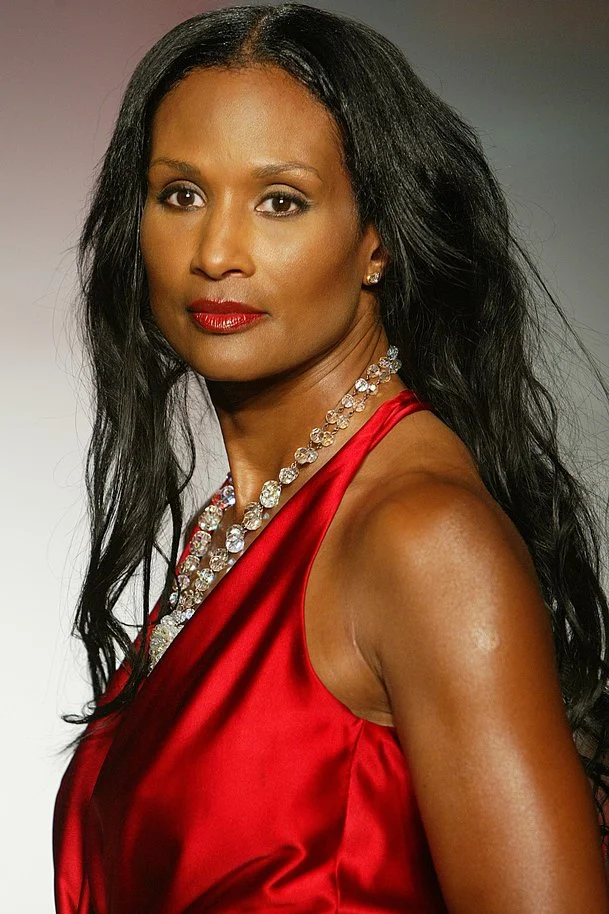
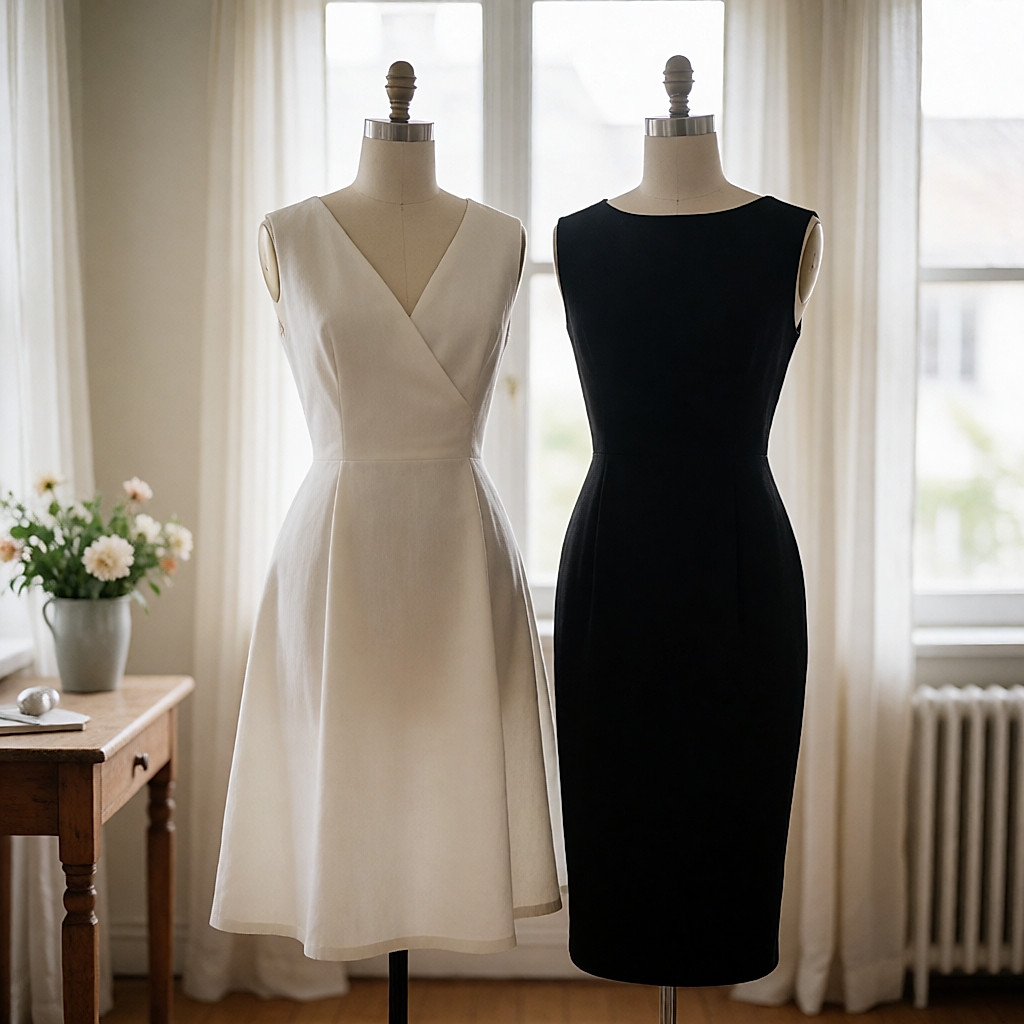
Naomi Campbell and Tyra Banks
Naomi Campbell appeared in a Bob Marley video in 1978, and then the work came: British Elle in 1987, Vogue Paris in 1988. Her signature? A walk, a feel for texture, a drape she imposed on the clothes. Tyra Banks landed the Sports Illustrated Swimsuit cover in 1997 — a first for a Black woman — and became a Victoria's Secret Angel. She stepped off the catwalk in 2005 to produce and present her own shows.
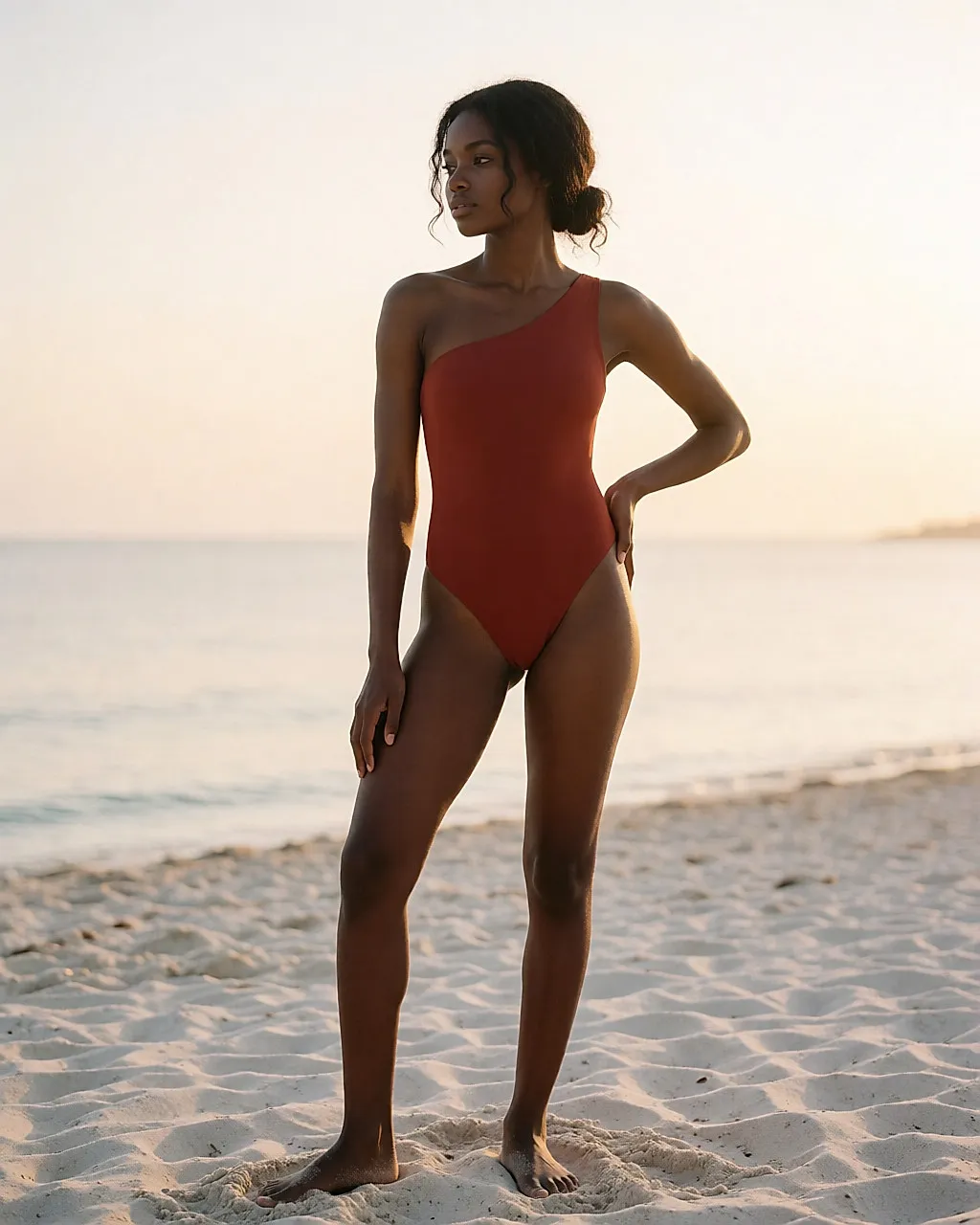
Arlenis Sosa and the 2010s
In 2008 Arlenis Sosa signed with Marilyn Models and, a fortnight later, appeared in Vogue. The same year Lancôme made her one of its ambassadors — a contract that was still rare for a Black model. She walked for Ralph Lauren, Hermès and Jean Paul Gaultier. The cut, the complexion, the wardrobe: you can't pull one apart from the others.
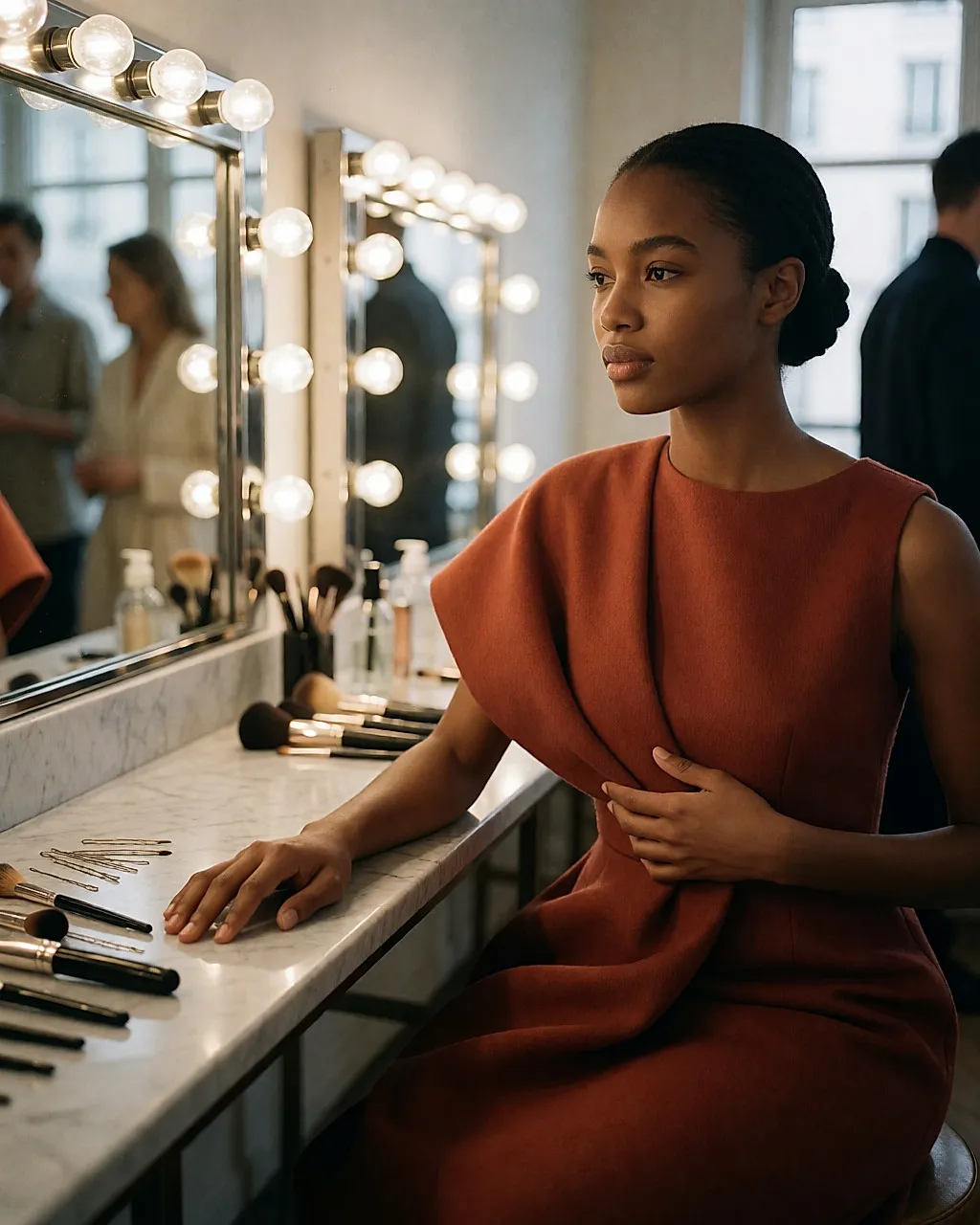
There are no official figures on catwalk diversity: the progress is tracked by independent counts, such as those published by The Fashion Spot. They show a marked advance from 2015 onwards, with parity still not reached.
Today: the new generation, and the count that still falls short
Anok Yai opened the Prada show in 2018 — a first for a Black model since Naomi Campbell. Adut Akech closed Karl Lagerfeld's final Chanel couture show in January 2019. Halima Aden wore a hijab in Sports Illustrated. Edward Enninful took the helm at British Vogue in 2017. One blind spot remains: senior roles and campaigns, where diversity moves more slowly than it does on the catwalk.
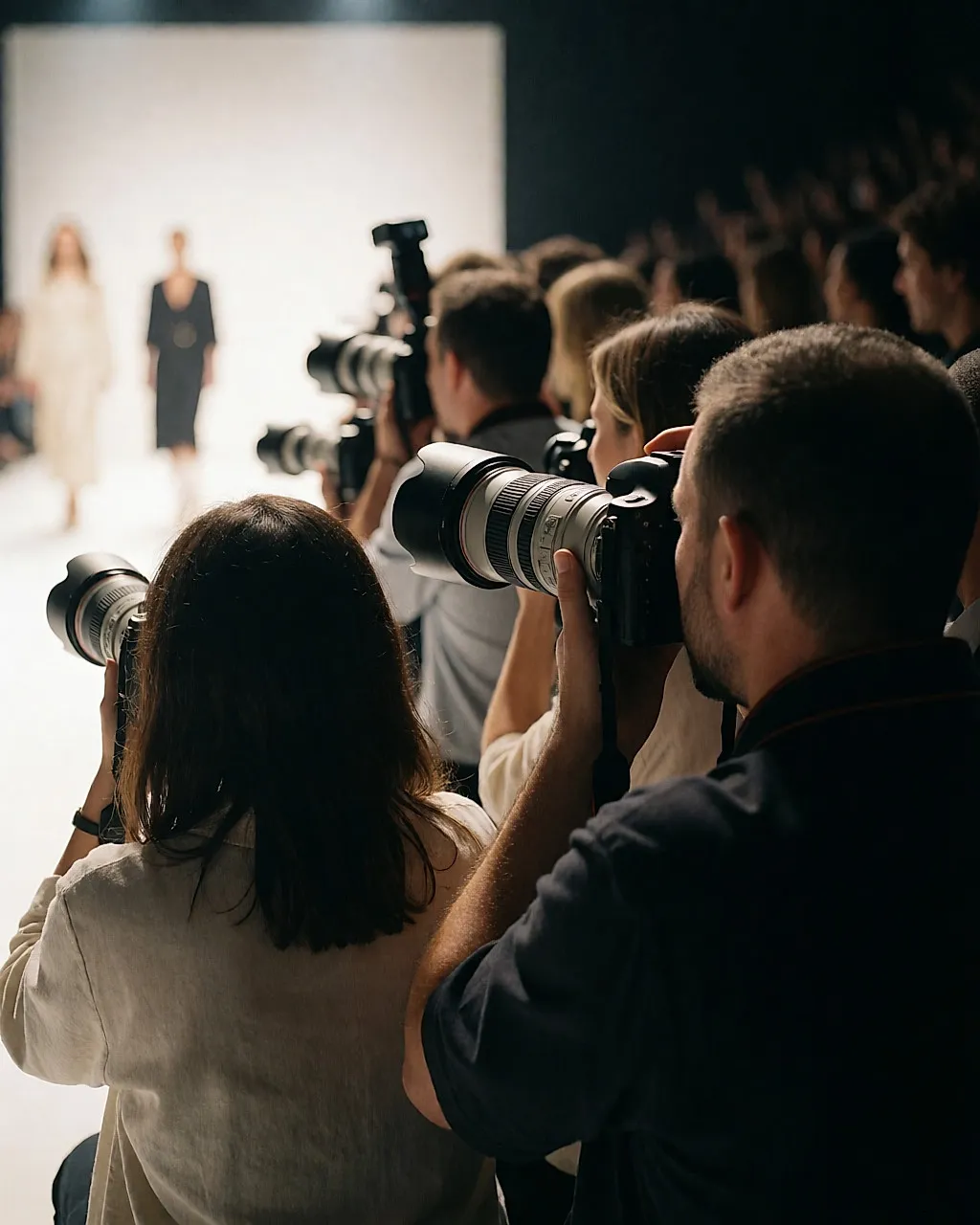
So what can you do? Before you share a look, notice who opens, who closes, who lands the campaign. Show casting lists are public — and that's where it's really decided.
Sources
- The New York Times, obituary of Naomi Sims, August 2009
- Vogue (vogue.com), cover archive, August 1974
- The Guardian, reporting on Bethann Hardison and the Diversity Coalition
- The Fashion Spot (thefashionspot.com), annual catwalk diversity reports
- British Vogue (vogue.co.uk), Edward Enninful's appointment as editor-in-chief, 2017
Food supplements do not replace a varied, balanced diet and a healthy lifestyle.
Comments
Your opinion matters: rate the article, react and reply to comments.
Comments are moderated; AI-assisted comments are flagged. Text emoticons (8-), :-), <3…) are automatically shown as images.