
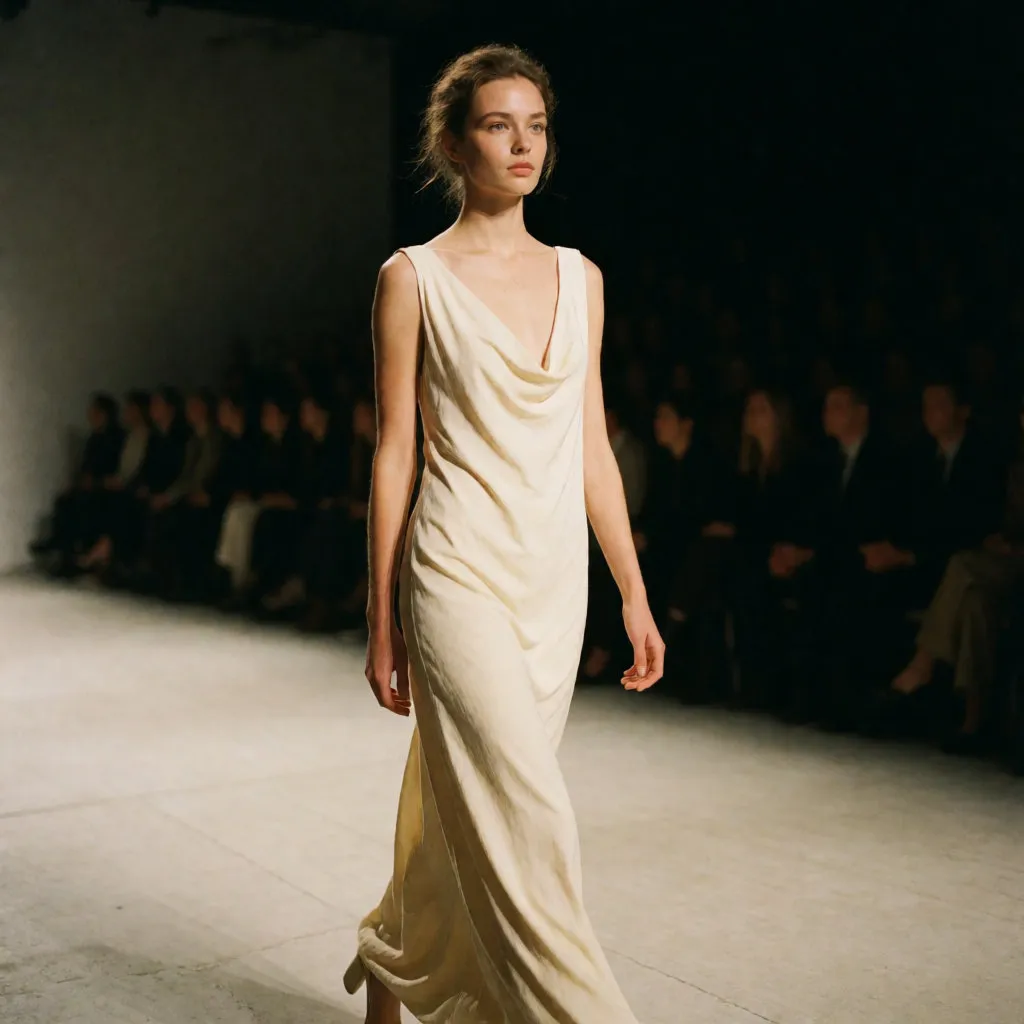
Casting became a spectacle within a spectacle: discussed, dissected, sometimes criticised before the first walk. Here's what counts on the catwalk today, and why the job has little in common with the one in the 2000s.
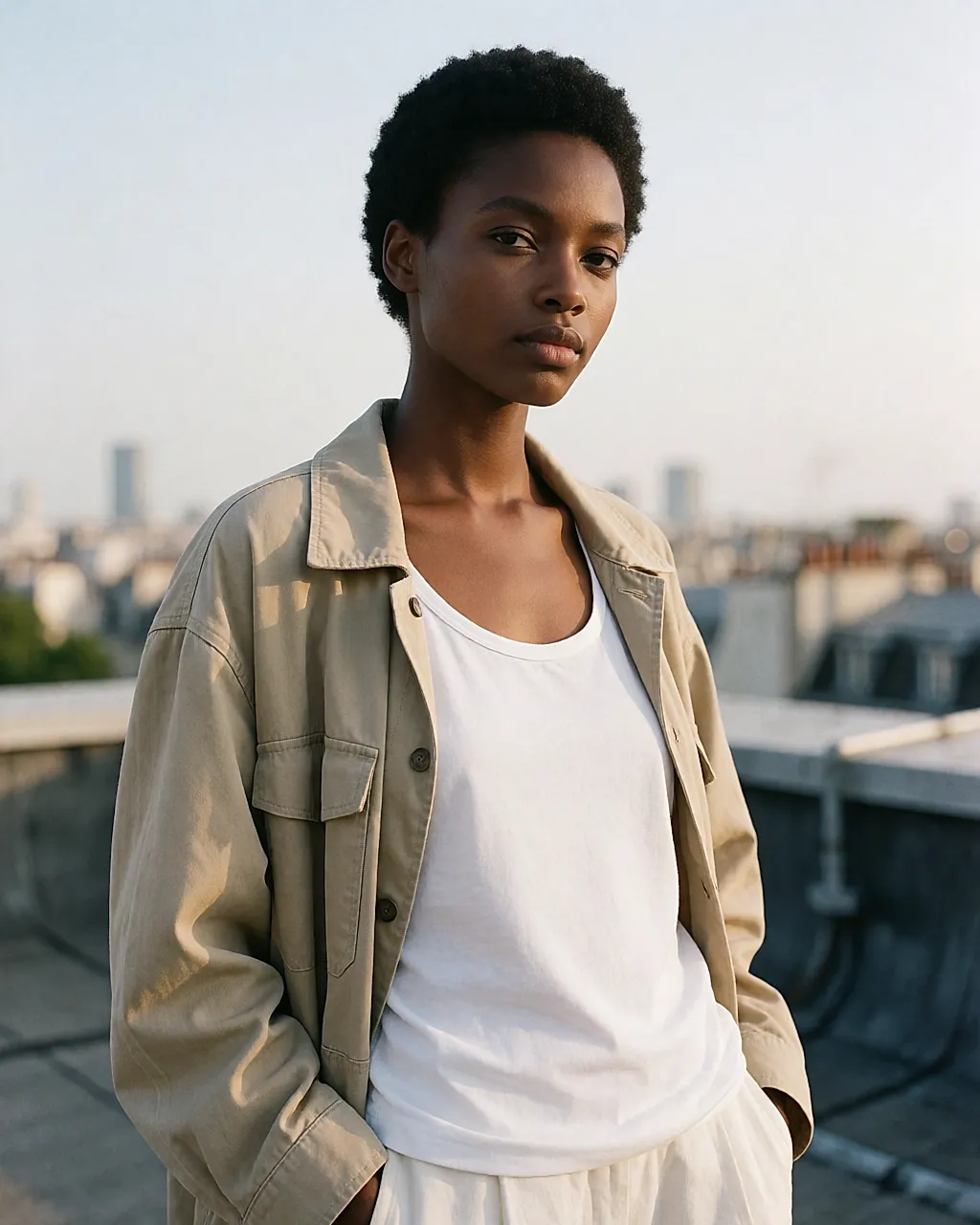
Faces scouted far from agency offices
Scouting no longer necessarily happens in the corridors of Paris agencies. Anok Yai, spotted on the Howard University campus in Washington in 2017 during homecoming, became the first Black woman to open a Prada show since Naomi Campbell in 1997; since then, she has racked up luxury campaigns and international covers. Adut Akech, who was born in South Sudan and arrived in Australia after several years in a refugee camp in Kenya, was scouted in 2016; her international debut came in September 2016 at the Saint Laurent spring/summer 2017 show, and her status as a muse for the most prestigious houses dates from 2017.
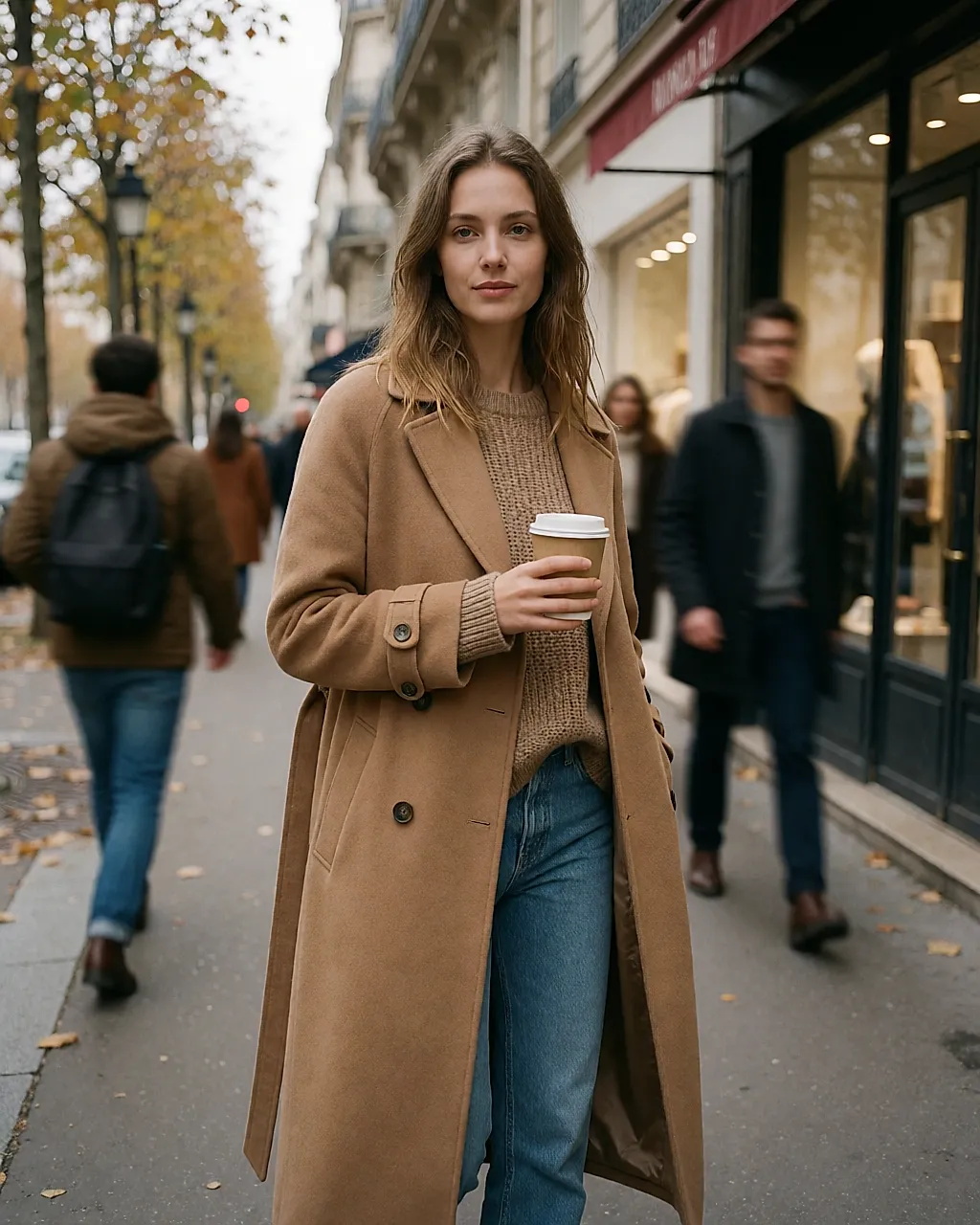
Another trajectory that made an impression: Alex Consani, the first trans woman to be named Model of the Year at the Fashion Awards in December 2024, who within a few seasons became a fixture on the Milan and Paris catwalks.
The silhouette as a casting decision
Representation is no longer a sentimental commercial add-on; it is an expectation. Silhouettes such as Paloma Elsesser and Precious Lee have brought bodies long kept invisible into luxury fashion — and you can see it in the cut of the clothes, not just in the talking points. Kaia Gerber, Cindy Crawford's daughter, embodies a generation of models from famous families, the so-called 'nepo babies', who have become a recurring debate every season.
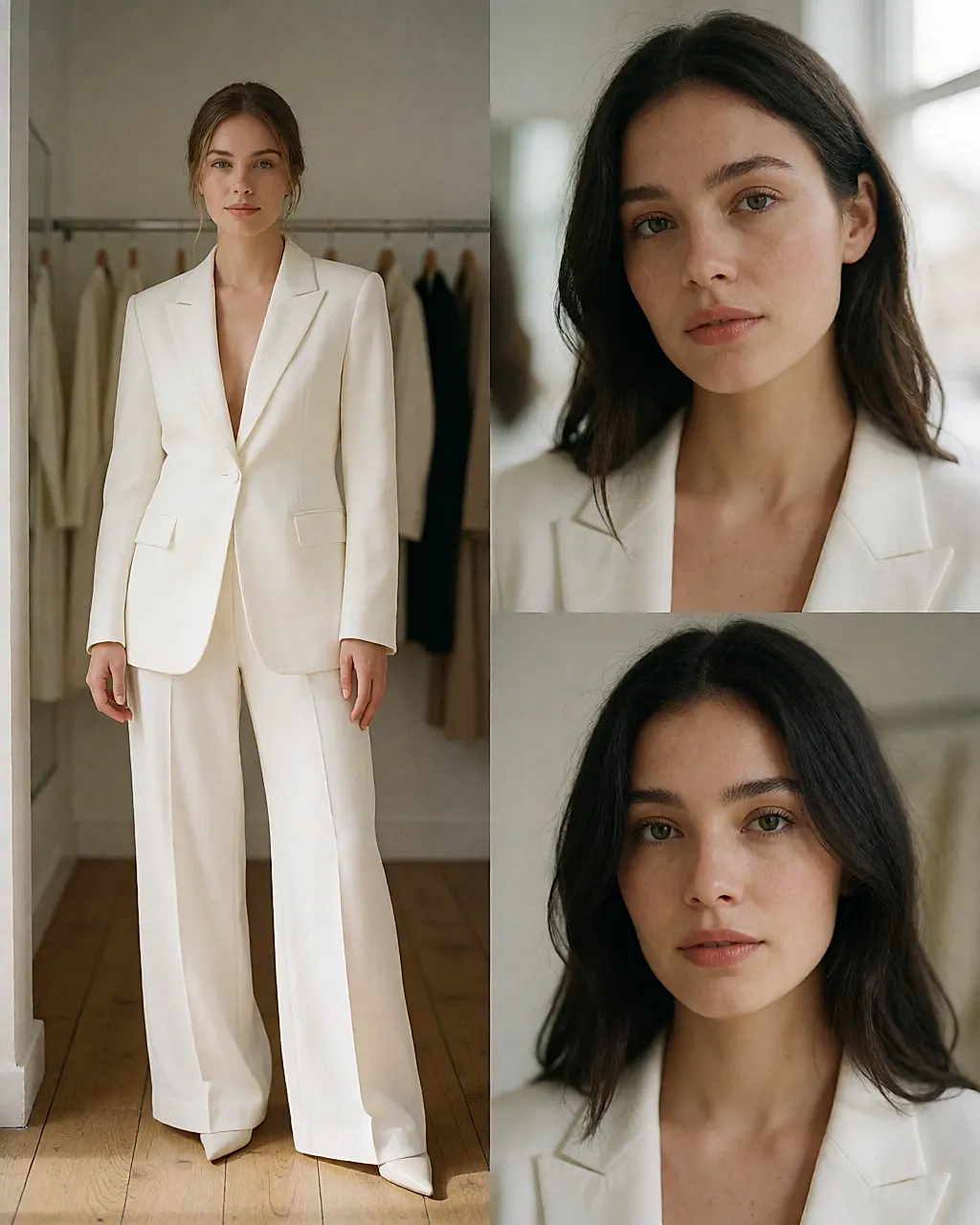
The return of singular faces
Fashion loves a comeback. Gemma Ward, the Australian with the doll-like face, is the most-cited example: scouted as a teenager by a TV competition she did not win, she was a muse for Prada and Miu Miu before putting her career on hold. Her gradual return to the catwalk through the 2010s and 2020s is a reminder that a singular face can outlast the seasons.
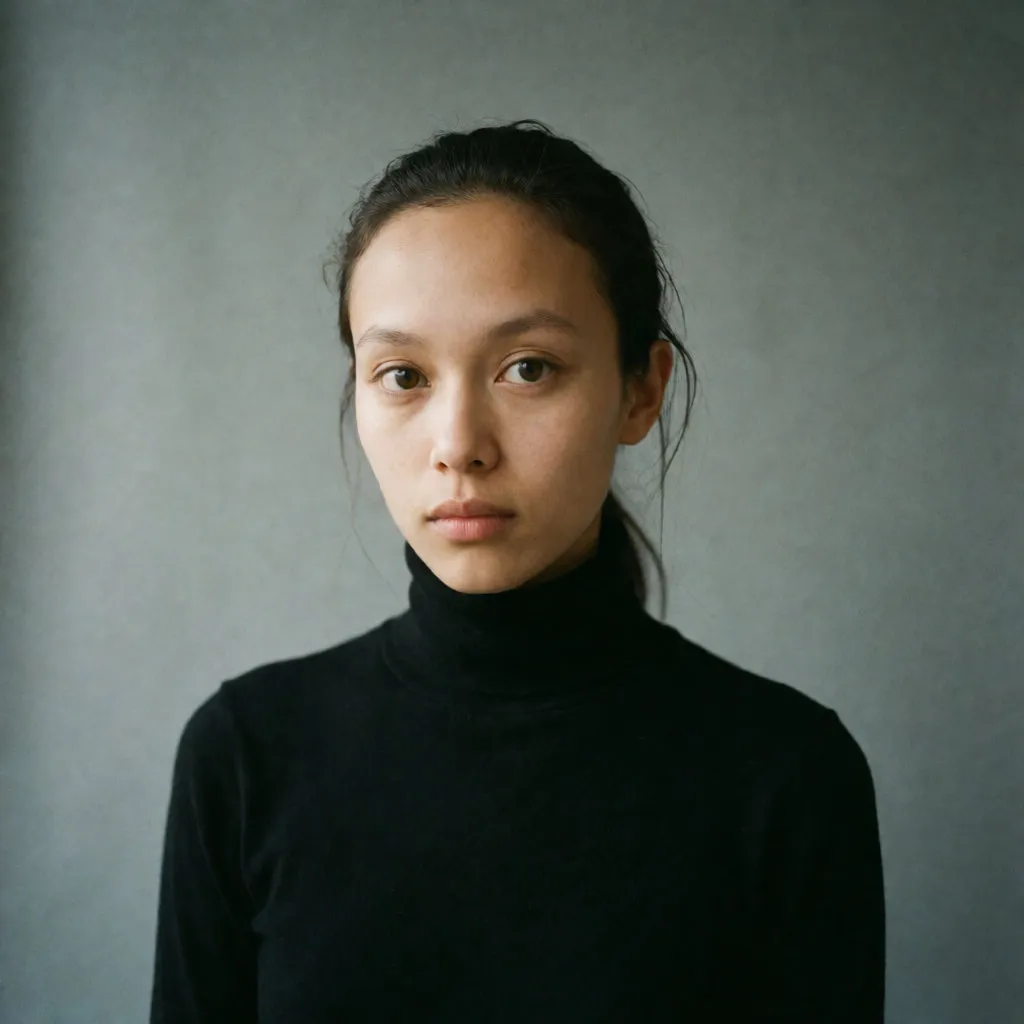
Devon Aoki belongs to the same family of outliers. Born in New York in 1982 to a Japanese father, founder of the Benihana restaurant chain, and a jewellery-designer mother, she is 1.68 m tall — an anomaly in an industry obsessed with centimetres. A Versace face at 16, then an actress in 2 Fast 2 Furious and Sin City, she too returned to the catwalk after a long break.
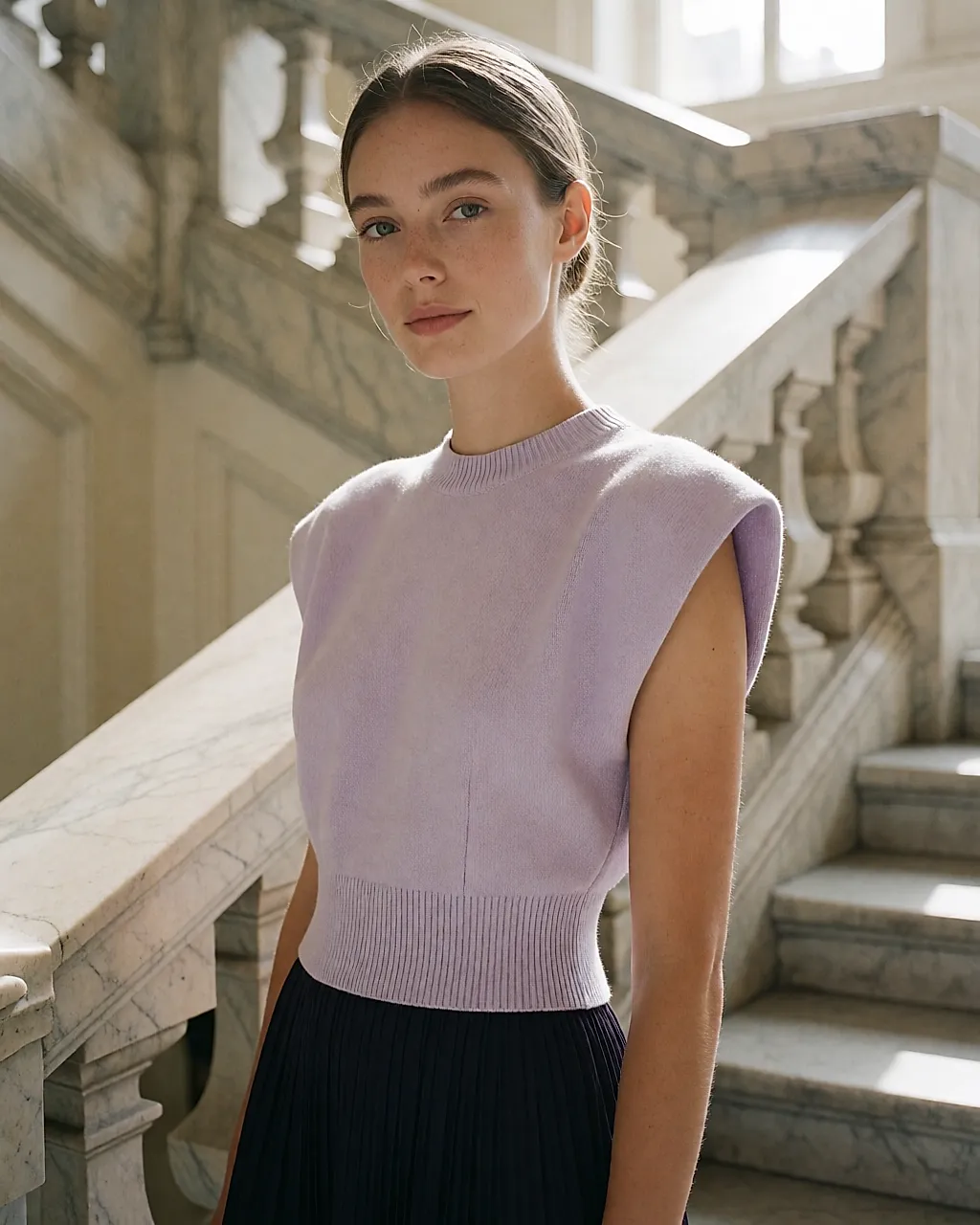
Gisele Bündchen: the icon who changed direction
You can't tell the story of the catwalk without her. Gisele Bündchen, born in southern Brazil in 1980 into a family of German origin, was spotted at 14 by an Elite agent in a São Paulo shopping centre, before taking part in the Elite Model Look competition. Remember the 2000s: fragrance contracts, lingerie campaigns, shows — until she became one of the highest-paid models in the world.
In 2015, she left the catwalk, choosing campaigns, her personal projects and her environmental commitments. Her book, published in 2018, showed the inner workings of a job where appearance is negotiated down to the millimetre. Twenty years on, her name remains synonymous with an era when a model could become a brand in her own right.
Amber Valletta: from catwalk to campaigning
Amber Valletta started at 15, encouraged by her mother to join an agency in Tulsa, before moving to Paris. A 1990s icon and face of several luxury houses, she combined campaigns with an acting career, notably in What Lies Beneath alongside Harrison Ford and Michelle Pfeiffer, and later in Hitch.
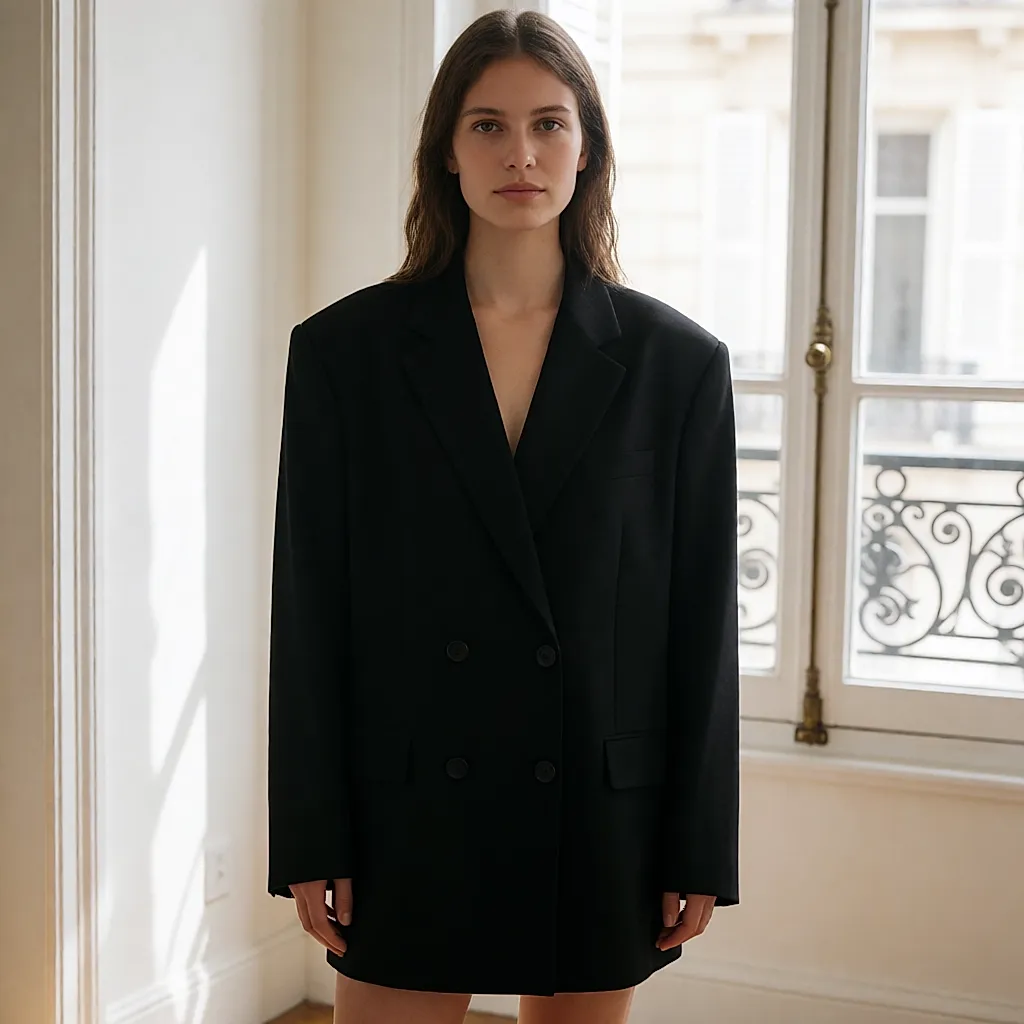
Today, she devotes most of her time to responsible fashion: she co-founded a platform dedicated to young sustainable brands and speaks regularly about supply-chain transparency. Her career sums up a shift: a model is no longer just a face, but also a voice.
A profession with new rules
Two decades separate these careers, and yet everything has moved. Castings are decided as much on social media as in art directors' offices, and some models sign contracts before they have ever walked a catwalk.
Agencies have to deal with unexpected competition: virtual, computer-generated models that some brands use in their campaigns. At the same time, working conditions are back on the table — schedules, pay, protection for very young models. The real difference from the 2000s? Information travels, and the public is watching.
Spotting the season's faces
- Follow the accounts of the houses and casting directors: discoveries often land there before they reach the magazines.
- Shows are frequently streamed live and for free, so you can train your eye without leaving the sofa.
- Watch who opens and who closes a show: those two slots attract the most comment and launch the most careers.
Budget
Good news: following the catwalks often costs less than you would think. Show streams are very widely available for free on brand websites and social media. For magazines, expect to pay around £3 to £12 for a fashion magazine at a newsstand, depending on the title and page count, and a few pounds a month for a digital subscription — packages vary a lot from one title to another.
If you fancy taking catwalk inspiration into your own wardrobe, second-hand remains the smartest route: from £5 to £30 in a charity shop for a basic or a piece you can alter, or more like £20 to £150 in a designer resale shop or on resale platforms for a statement piece from a named brand, depending on material, label and condition. A full look does not need to be expensive to work, either: three well-cut pieces, one strong texture, and you're done.
Sources
- British Fashion Council — The Fashion Awards, Model of the Year category (2024 edition).
- Prada — womenswear show archives (show opening, 1997).
Comments
Your opinion matters: rate the article, react and reply to comments.
Comments are moderated; AI-assisted comments are flagged. Text emoticons (8-), :-), <3…) are automatically shown as images.