
You know the feeling: a dress appears on your feed, you zoom in, and one question lingers — who made that? With Jeremy Bueno, curiosity follows quickly. We fell for his sculpted dresses, so here is his story.
From Corsica to London at 18
The story starts simply. A boy leaves his native Corsica at 18 to learn the craft where it really happens. Destination London, and London College of Fashion, part of University of the Arts London. There he studies fashion design and pattern cutting — patterns, short nights and very little glitter.
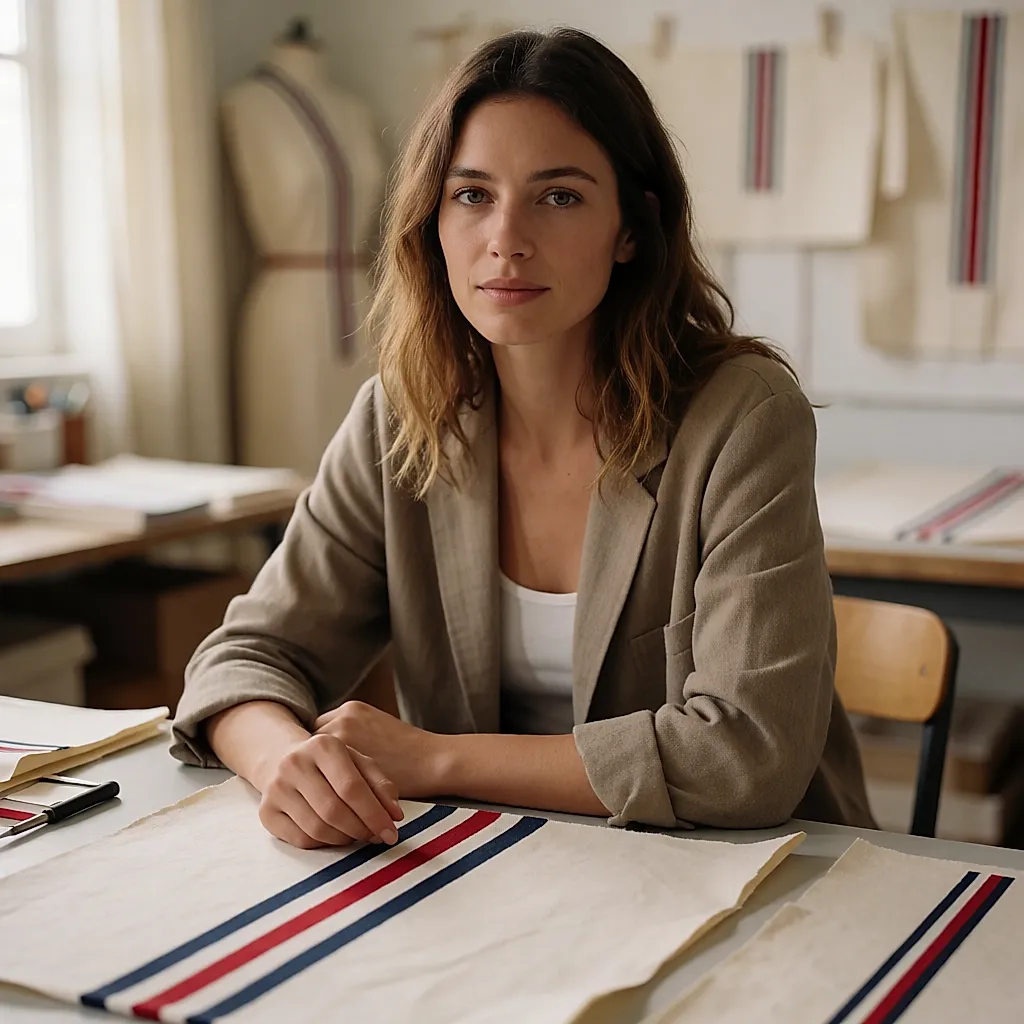
Alongside his studies, he joins the atelier at Thierry Mugler. There he touches both ends of the trade: ready-to-wear first, then haute couture. A proper lesson in high standards. And the name where he cut his teeth is part of fashion history too: Thierry Mugler died in January 2022, and the house is now designed by Miguel Castro Freitas. That gives you a sense of the level.
The 'Twisted' technique, his signature
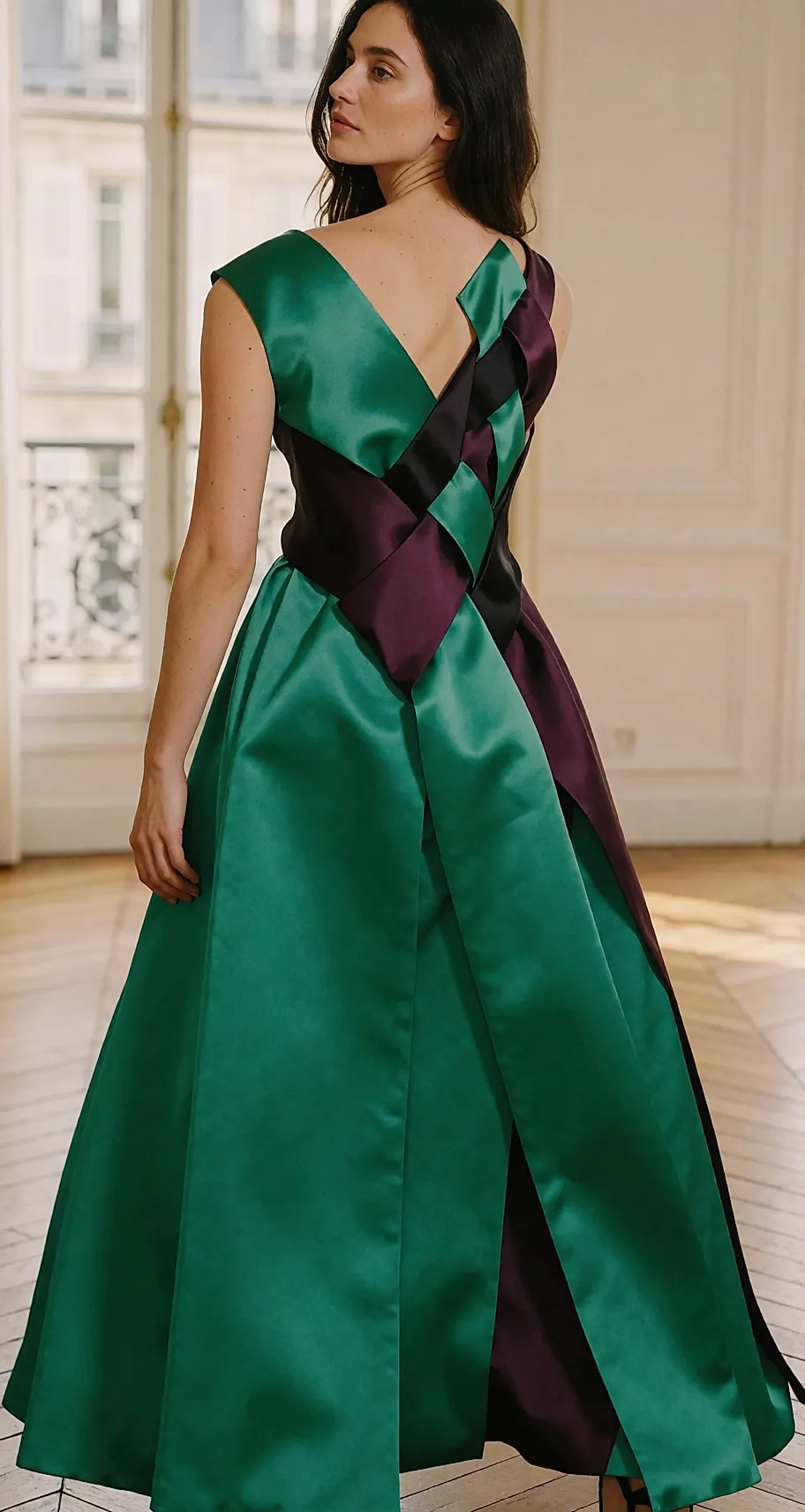
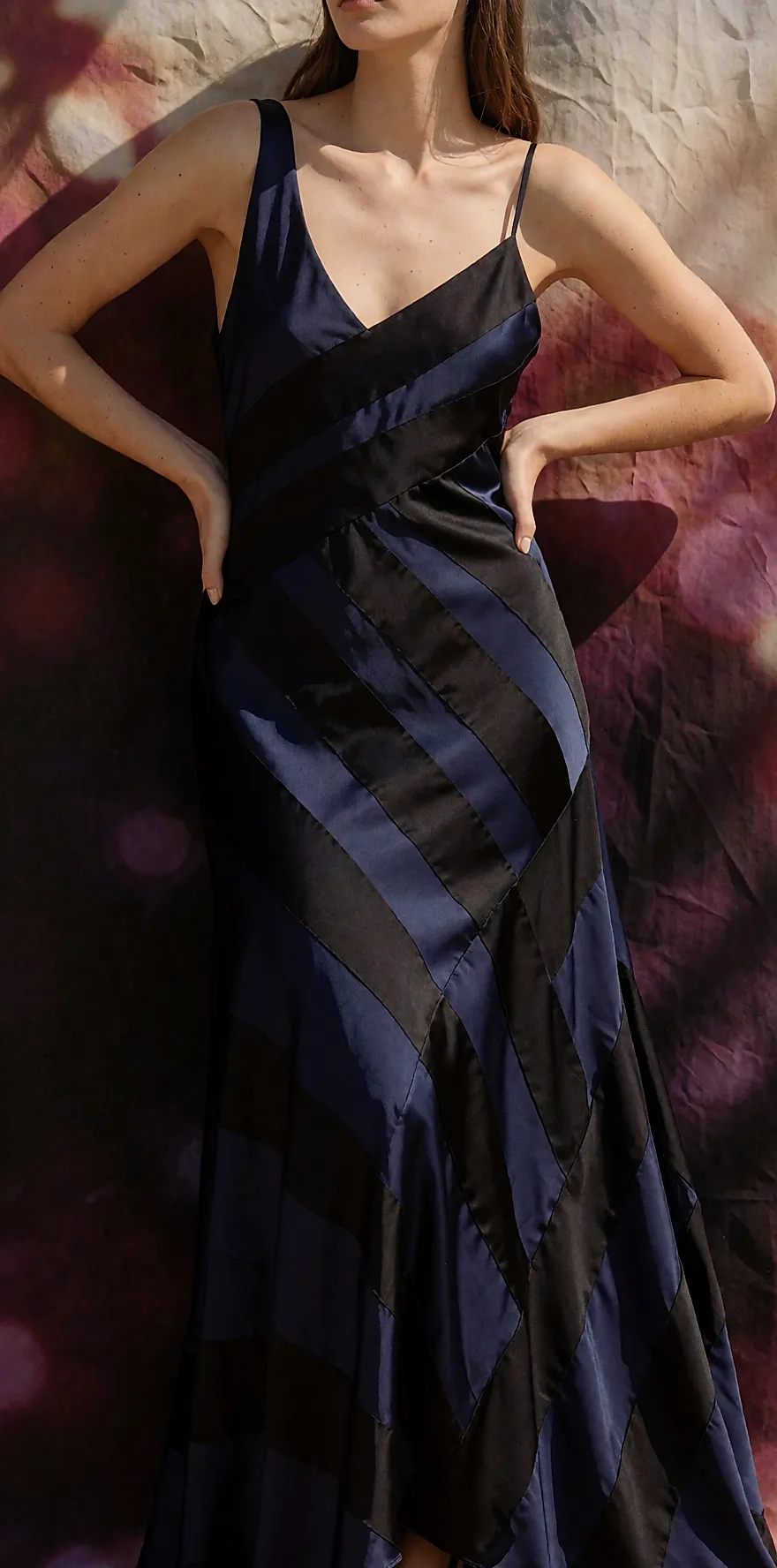
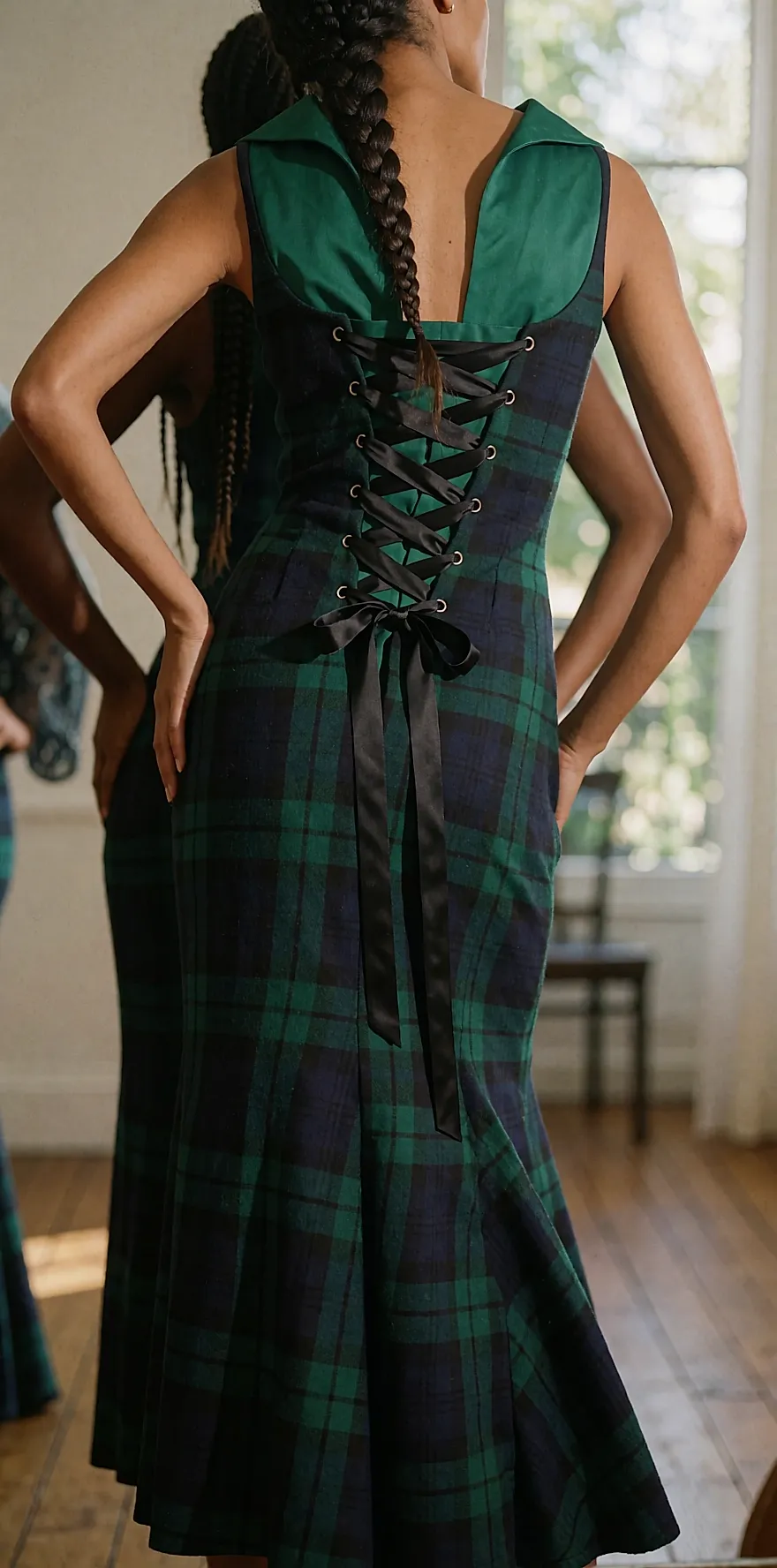
You cannot talk about him without mentioning his signature technique, 'Twisted'. The idea? He does not start with a ready-made fabric; he makes his own. Silk, satin, velvet and cotton ribbons are joined together, then cut again. The result is asymmetric lines, a little twisted, that follow the silhouette rather than plastering it down.
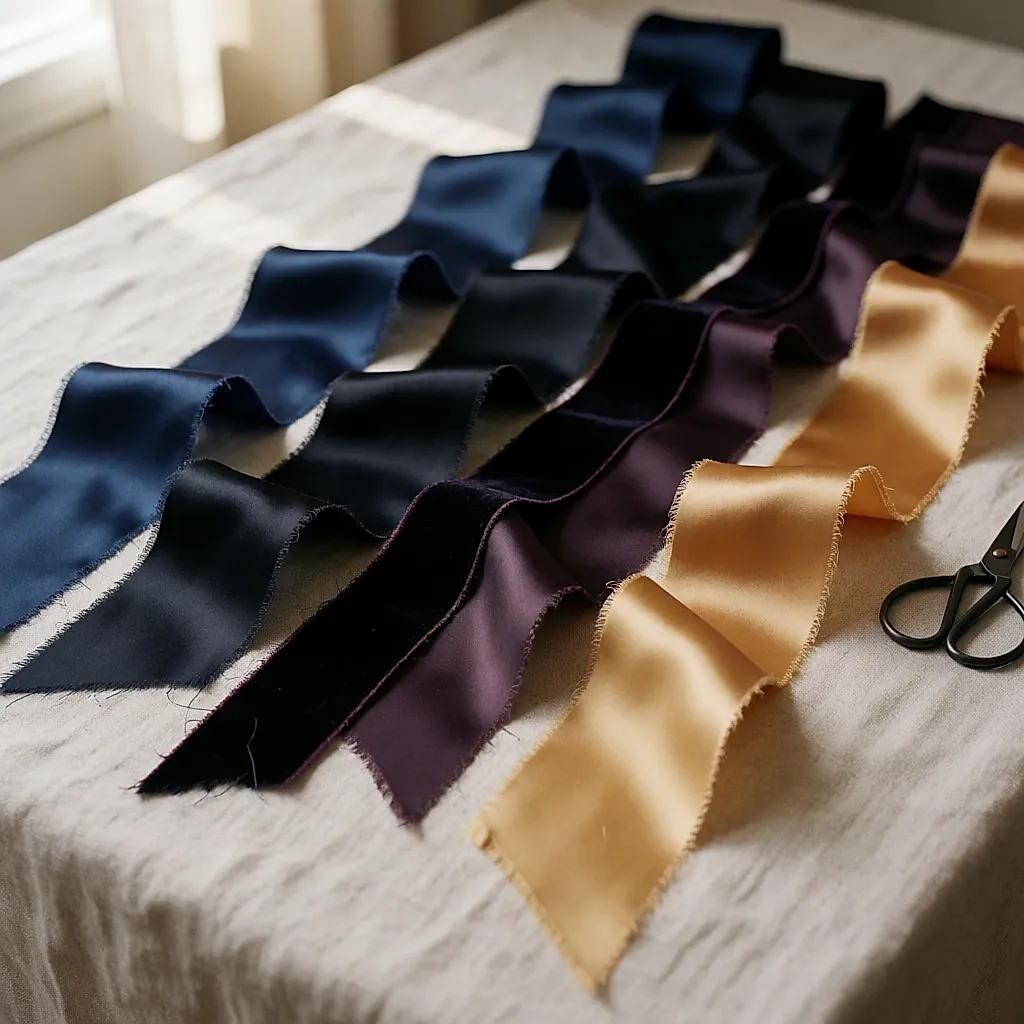
That is the move that matters. Rather than printing a motif onto cloth, he builds the material itself. His Twisted dresses have names that evoke Corsican botany — columbine, Laricio pine — and it soon becomes clear that the garment is sculpted rather than sewn. A whole run of collections rests on this idea: 'Mon Maquis', 'Fabriqué en Exil', 'Signs', 'Habit de Lumière', 'Les Hybrides de Lumières' and 'Délire d'Écosse'.
Dresses you can actually wear
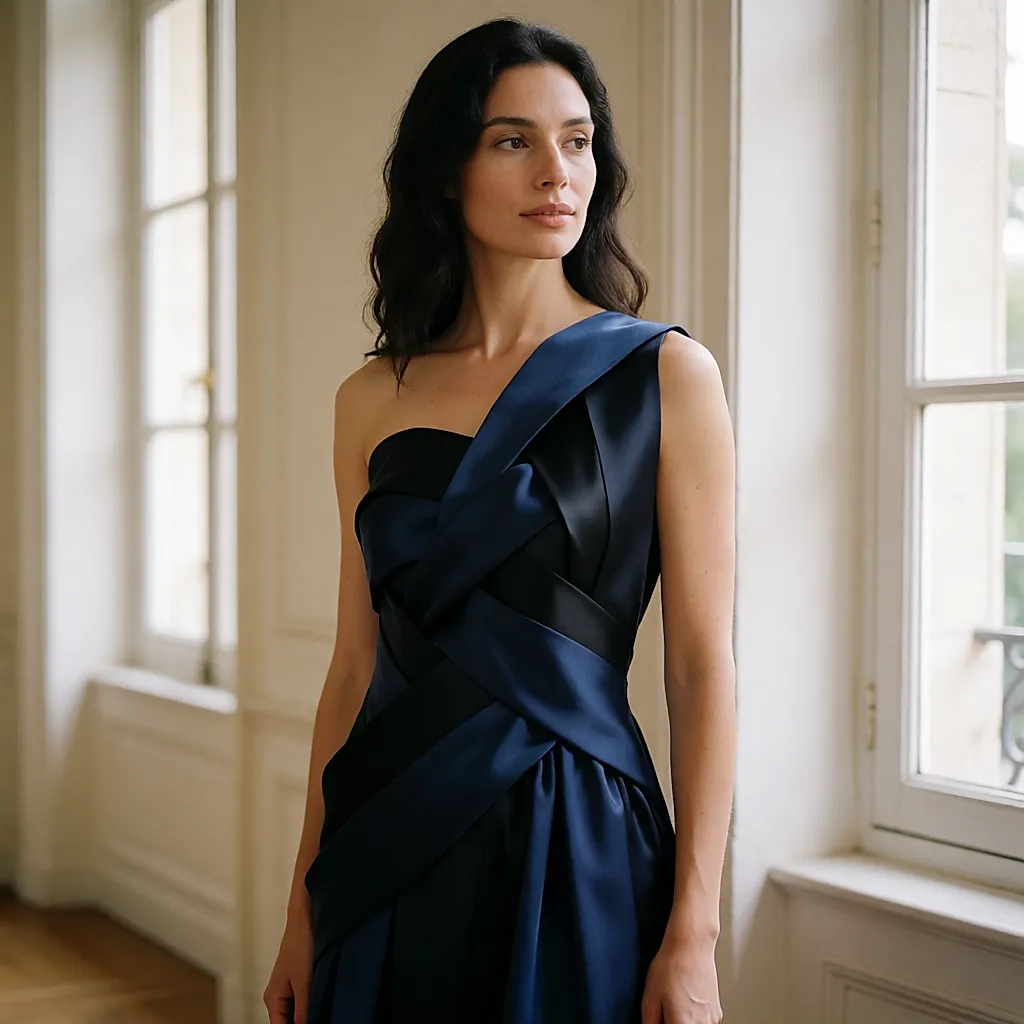
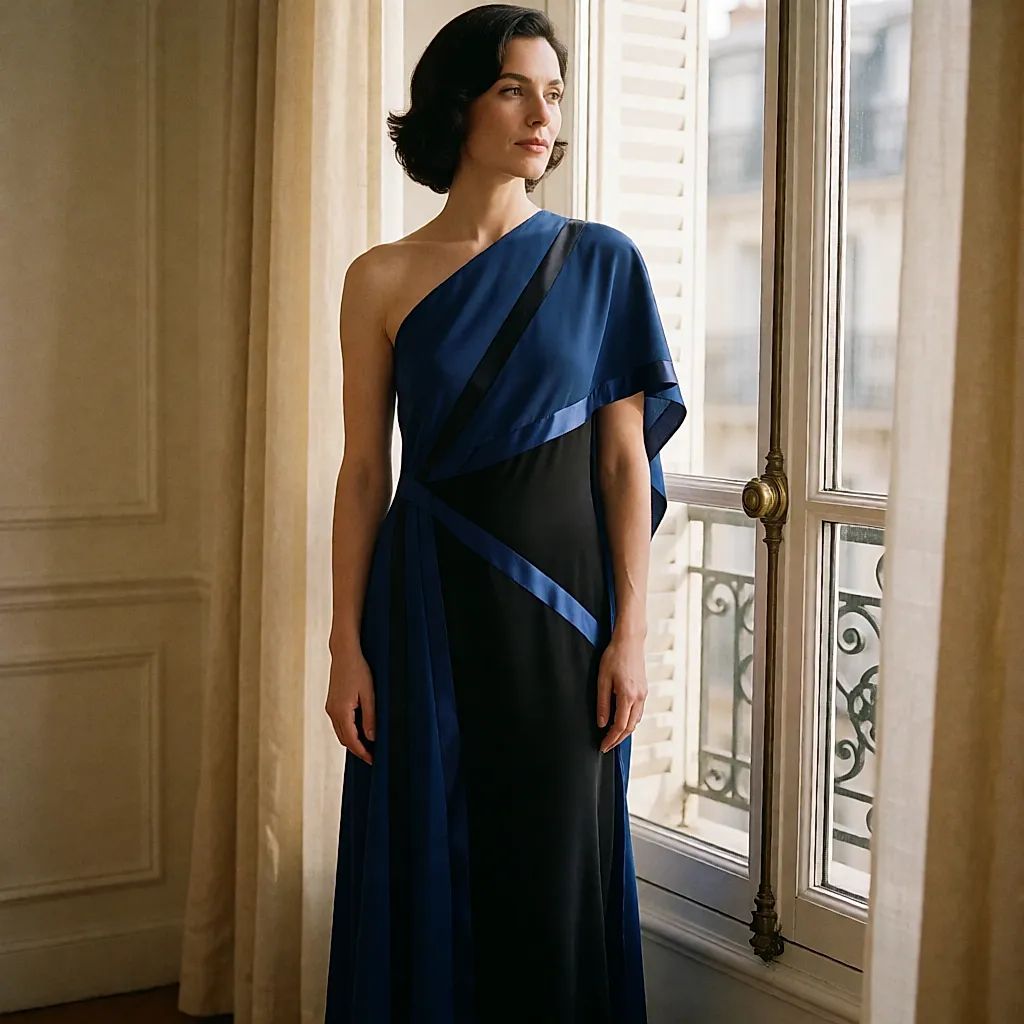
What returns season after season are the dresses. Shimmering fabrics, luxurious materials, bright colours, cuts that trace the hips, a fluid drape: we love them. The Légendes dress, shown at the Hyères Festival in 2008 for autumn/winter 2008–09, plays with blue, black and a tangle of ribbons in asymmetric cut-outs. A red-carpet look, clearly. His creations have also been exhibited at Galeries Lafayette, as part of its young-design programme.
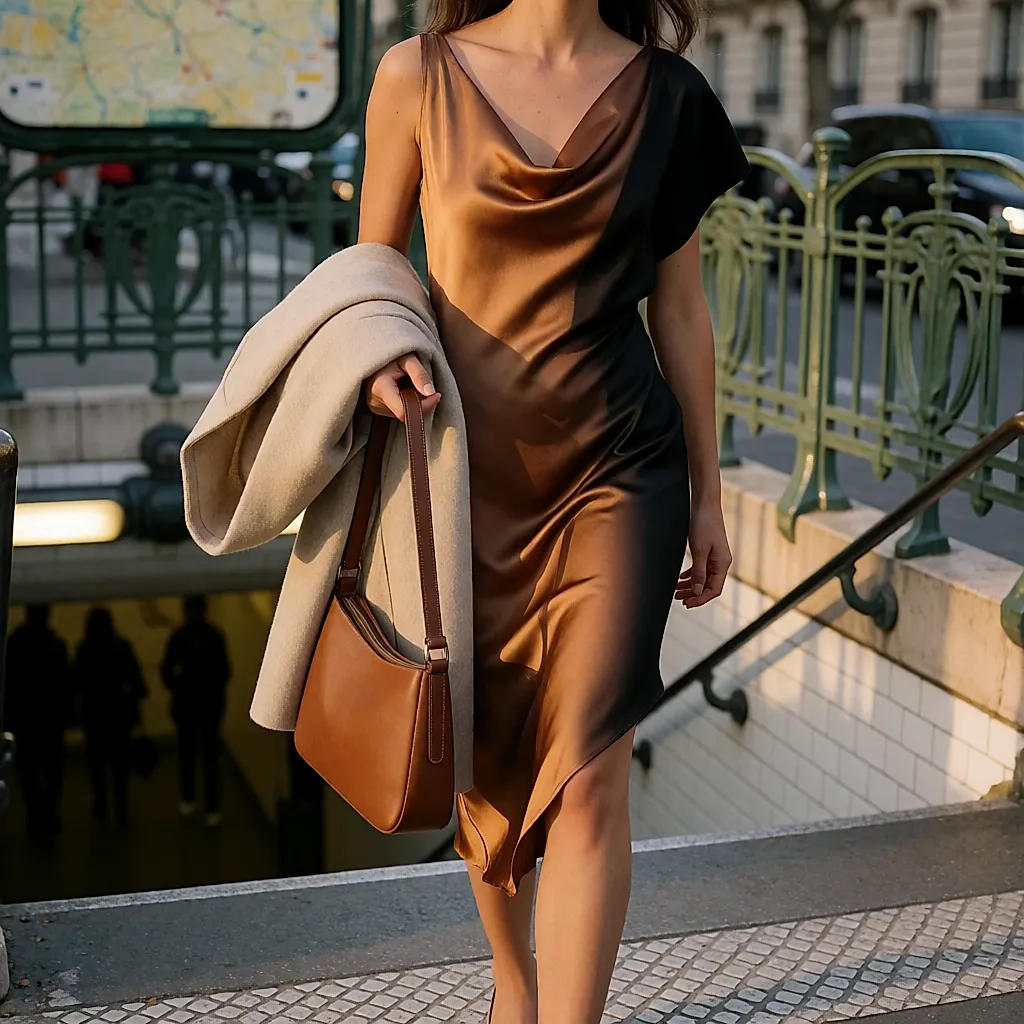
Except the designer has an obsession: making clothes wearable. Nothing too extravagant, no statement piece condemned to a shop window. You can wear his dresses to dinner, to a wedding, and then take the Tube home without looking as if you are in fancy dress. That is harder than it sounds — and it is exactly where many young labels come unstuck.
The trick to steal, even without a sewing machine
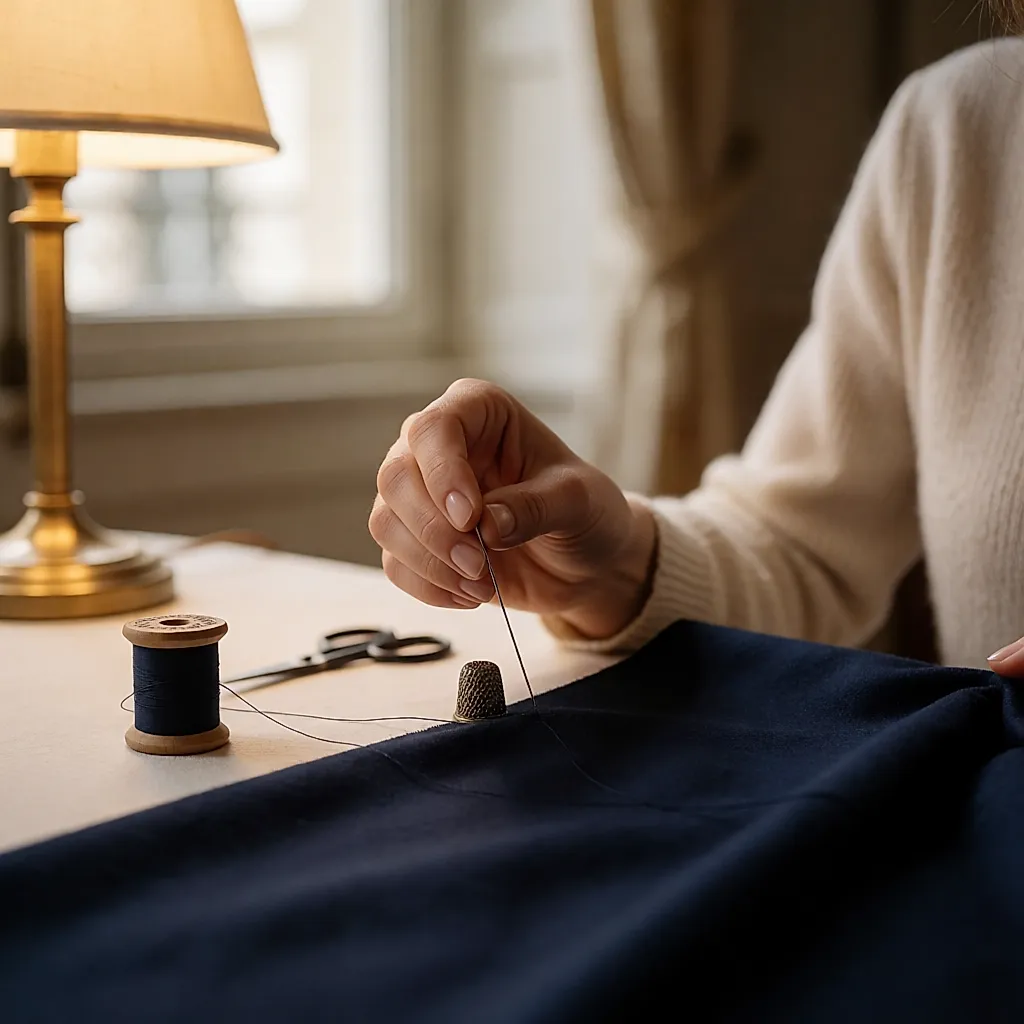
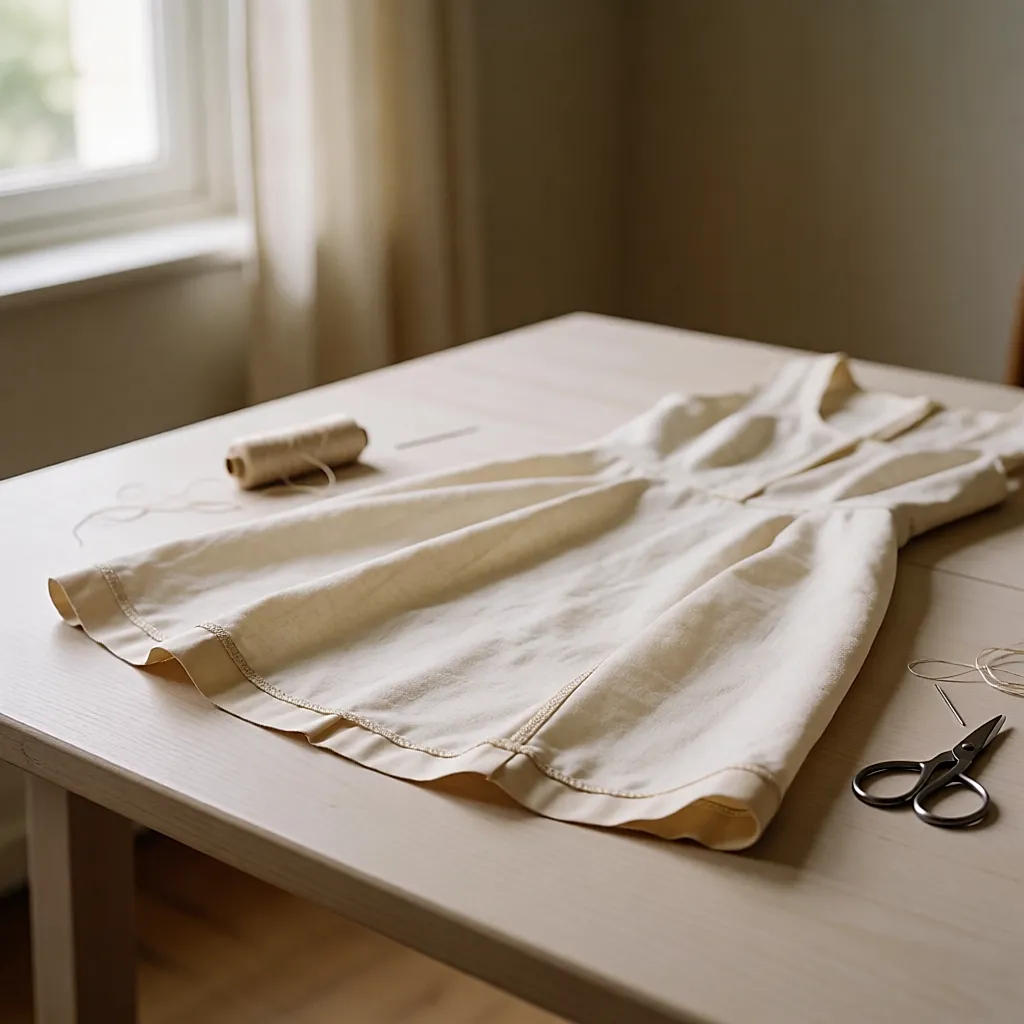
Take a plain, slightly dull piece from your wardrobe. Add a wide ribbon in a contrasting tone and stitch it by hand on one shoulder or along a seam. You can find ribbons at a haberdashery — silk, satin, velvet — and an alterations service can finish it if sewing bores you. An hour's work, no more. And if the mood takes you, try charity shops first: they are full of basics you can customise without regret.
Does this look still work in 2026?
Good question, and the answer leans towards yes. Ribbon used as a raw material, lace subverted, corsetry worn openly: these are directions many young labels are exploring today. Tartan returns every autumn, with or without a punk twist. And the long dress that is constructed rather than printed holds up well against the reign of 'quiet luxury', that elegant grey that has taken over wardrobes.
Something else has changed since 2008: second-hand fashion. A designer piece from the 2000s can now be found online, and archives have become a proper hunting ground. That is often where you find the most interesting cuts — and, where price is concerned, the best surprises.
Budget
A piece in this spirit can cover a very wide price range, and the final bill depends mostly on the fabric, condition, where you buy it and the hours of work involved.
- Charity shop or reuse shop: expect roughly £10–£35 for a dress to alter, ribbons included if you hunt well. The best value, provided you enjoy digging.
- Designer resale (Vinted, Vestiaire Collective): from around £50 to several hundred pounds depending on condition, season and rarity. Online, you often pay for the archive.
- Ribbon customisation: around £5–£25 for haberdashery ribbons, plus £20–£60 for alterations in a studio. Adjust according to length and complexity.
- Independent designer, made to measure: several hundred pounds, sometimes much more depending on the fabric and atelier hours.
How to take inspiration without getting it wrong
One last very practical tip. Before you buy, turn the piece inside out and look at the seams: a fabric that twists beautifully at the shoulder still needs clean finishing, or it will age badly. If you are customising, test the idea first on a piece you only half like. You always learn better that way.
The rest is a question of curiosity. Look at collections, note what speaks to you, let the idea settle — and if a piece catches your eye, ask yourself whether it will last more than one season in your capsule wardrobe. That is the best filter.
Comments
Your opinion matters: rate the article, react and reply to comments.
Comments are moderated; AI-assisted comments are flagged. Text emoticons (8-), :-), <3…) are automatically shown as images.