
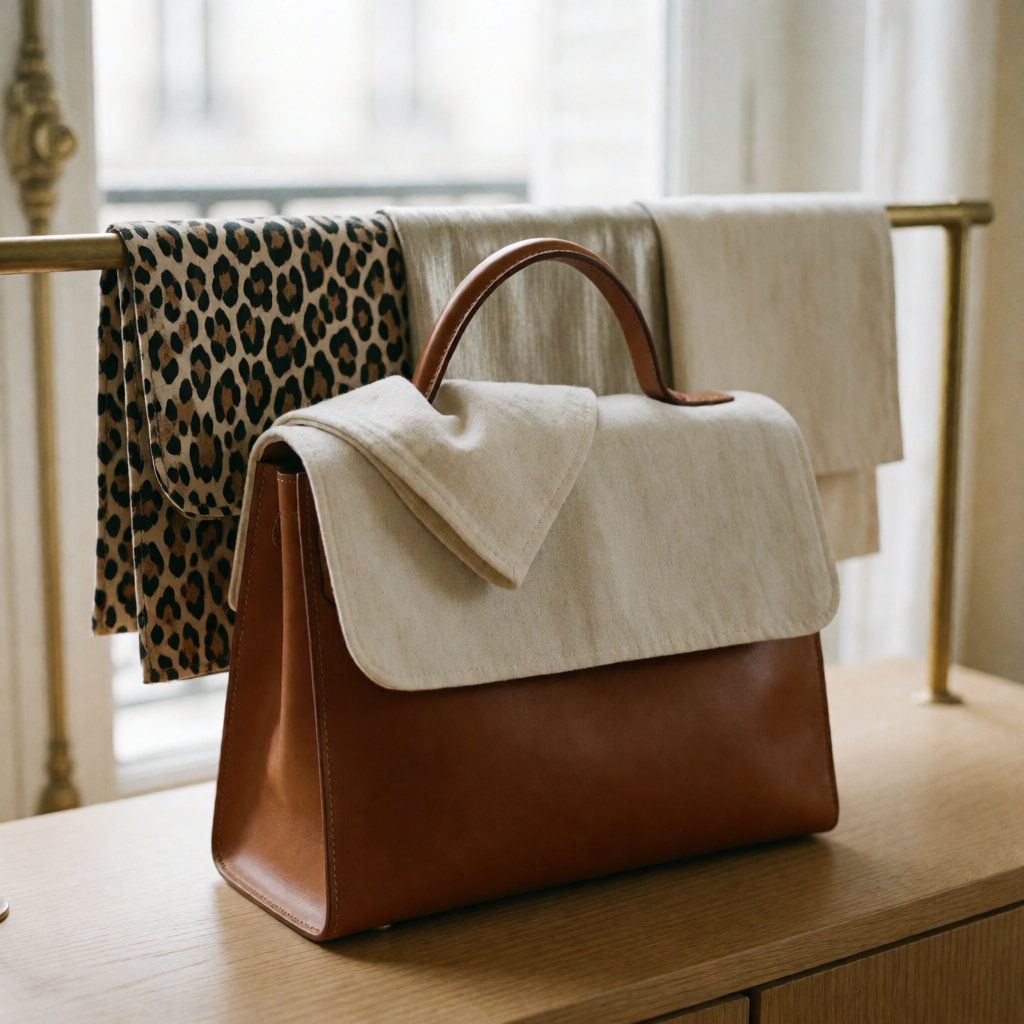
Bissac: the luxury bag you can personalise
Think about it: the big bag that goes with you to the office in the morning, the small one that follows in the evening, the cross-body bag you grab for the weekend. Two swaps a day, at the very least. And each time, the same exhausting ritual — empty, sort, transfer. We know the rest by heart: the travel card left in yesterday's bag, the key you fumble for, the lipstick that has vanished again.
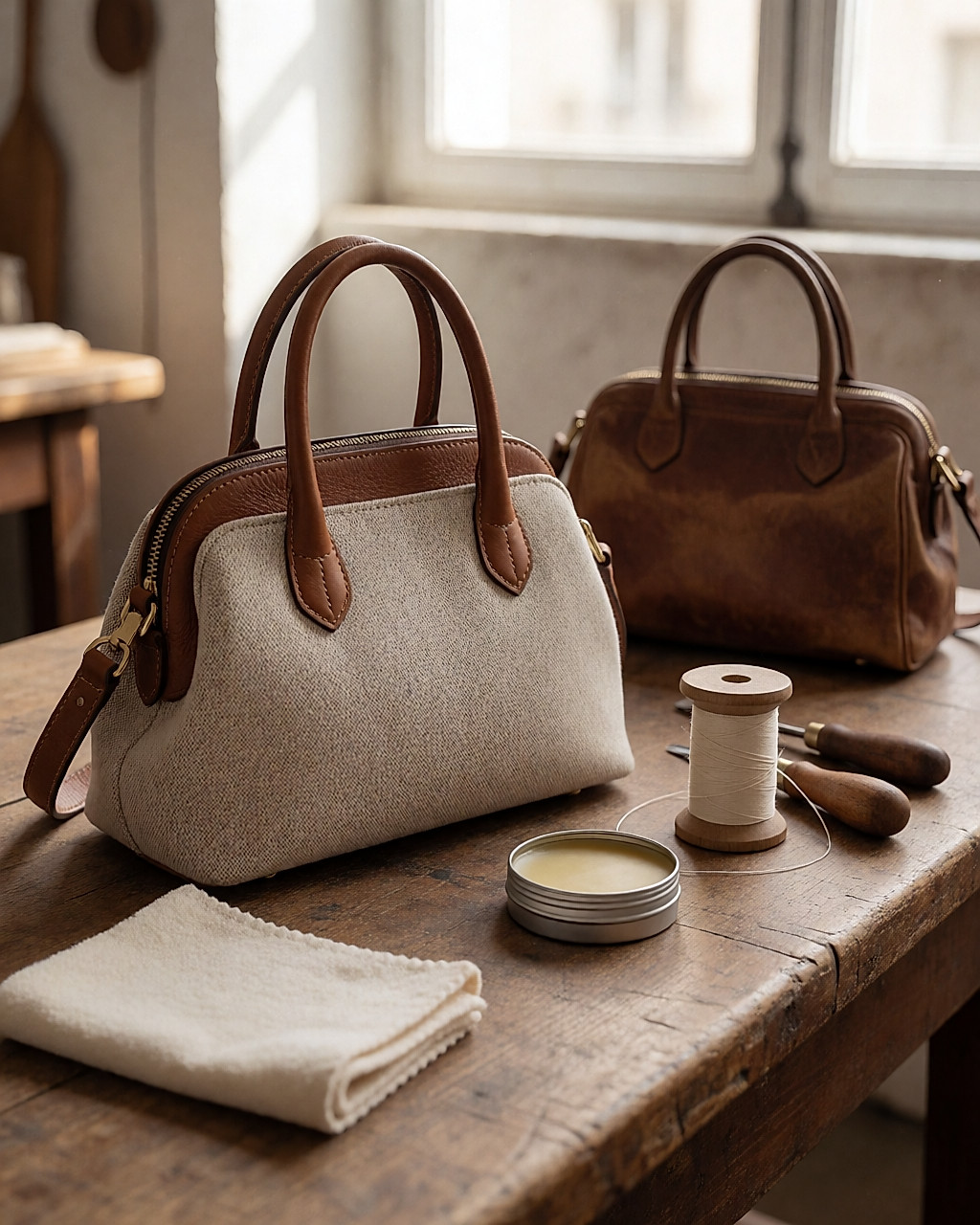
Well, it is out of that small everyday nightmare that Bissac was born, a French handbag brand with interchangeable covers. A simple idea that answers a gesture we repeat without thinking. Let's be honest from the outset: we haven't handled one of these bags. So we're telling you about the concept and what it means in practice — not a long-term test.
One base, several looks
The principle? Instead of piling ten bags into your wardrobe, you keep one base and change its cover. The shape stays, the look is reworked — that's the whole point.
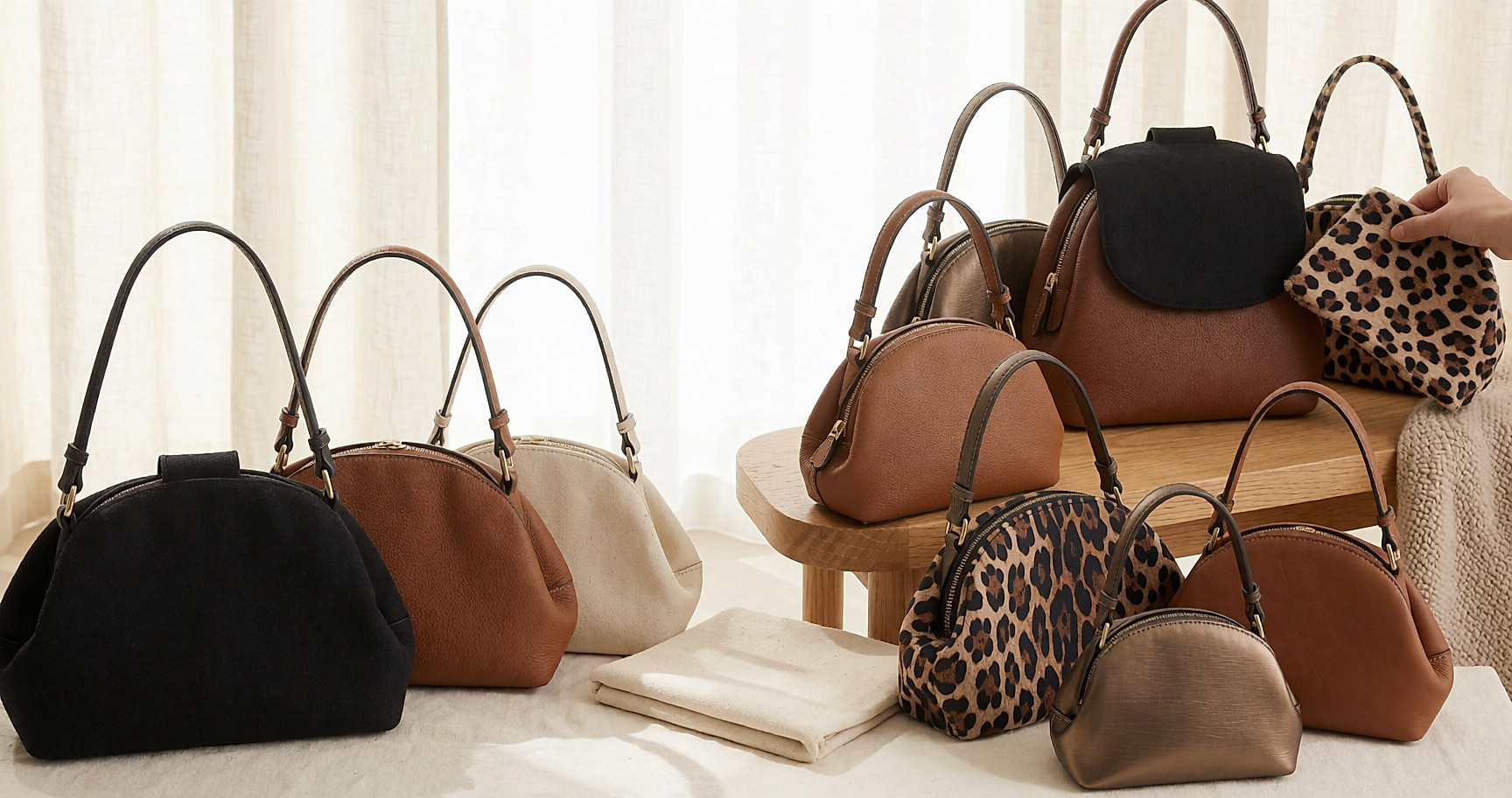
In practice, the bag can be worn bare or dressed with a cover that goes over the flap or the body. According to the brand, the leather is crafted in France, in a structured silhouette whose shape holds without collapsing. When it comes to the covers, the materials and textures vary beautifully: canvas, leopard print, metallic finishes, limited editions by a designer or artist. One object, then, but a total look that reinvents itself from one occasion to the next.
The idea isn't new, let's be honest — interchangeable watch straps, phone cases and coloured soles popularised it before. But it remains rare in well-made leather goods, where the finished, definitive object is still what's sold. And the practical argument holds: no more transferring contents every morning, no more forgotten keys. It's that gesture that changes everything, not the aesthetic promise.
Personalising without overloading
The trap with a customisable bag is accumulation. A cover works like a statement piece: a single element that draws the eye, with the rest of the outfit kept in the background.
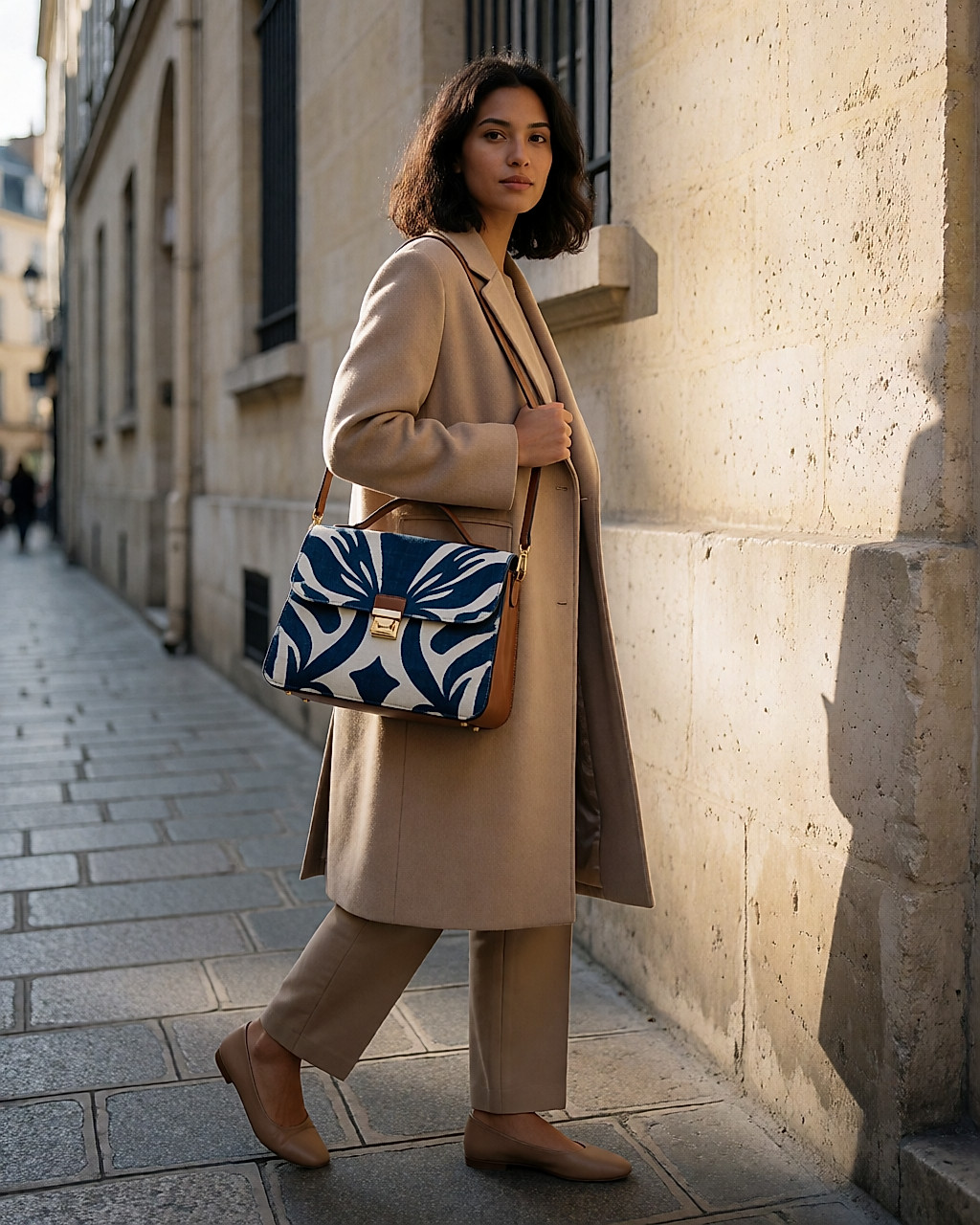
So if you fall for a bold print, leopard or metallic, keep your outfit in plain tones and matte fabrics — the contrast does all the work. You can also try bag layering, with a small size slipped inside the large one, as long as both stay in the same colour family. To accessorise a work look, a plain canvas cover is more than enough; by evening, a shiny finish lifts a dark silhouette effortlessly.
Before buying a cover, ask for the exact composition and origin of the textile. Organic cotton certified by GOTS meets controlled environmental and social criteria; locally woven canvas can also be verified. 'Natural' without a label means nothing. Finally, look at end of life: a canvas cover can be washed, repaired and replaced without throwing the bag away.
A word on care, while we're here, because we never think about it enough. Well-made leather needs little to last: a balm now and then, a soft cloth, and you're done. It costs less than a new cover, and it stops a beautiful piece from deteriorating at the back of a cupboard.
Budget
Budget-wise, a leather bag made in France usually sits between £220 and £600, depending on size, tanning and finish. Textile covers generally cost between £35 and £130 each; a limited edition by an artist can go higher. Routine care — balm, soft cloth — stays under £20, and a stitching or fastening repair at a cobbler is usually between £30 and £70.
These ranges vary depending on where you buy: a leather goods workshop, an arts and crafts fair, a multi-brand boutique, a designers' market or online. Good news for smaller budgets: second-hand, which is very active in quality leather goods, can halve the bill — but check the stitching, lining and condition of the leather before you decide. And if money is tight, start with the base: an extra cover can be added later, no rush.
Ultimately, the point of Bissac isn't to collect, but to simplify. One base you keep, covers you rotate according to mood and occasion — enough to lighten both your wardrobe and the famous morning transfer. Then it's just a question of choosing your first cover. For everyday use, plain canvas will go anywhere; for a piece that turns heads, dare to go printed.
Sources
- Global Organic Textile Standard (GOTS) — The reference standard for organic cotton and textiles, accessed 3 October 2026.



Comments
Your opinion matters: rate the article, react and reply to comments.
Comments are moderated; AI-assisted comments are flagged. Text emoticons (8-), :-), <3…) are automatically shown as images.