
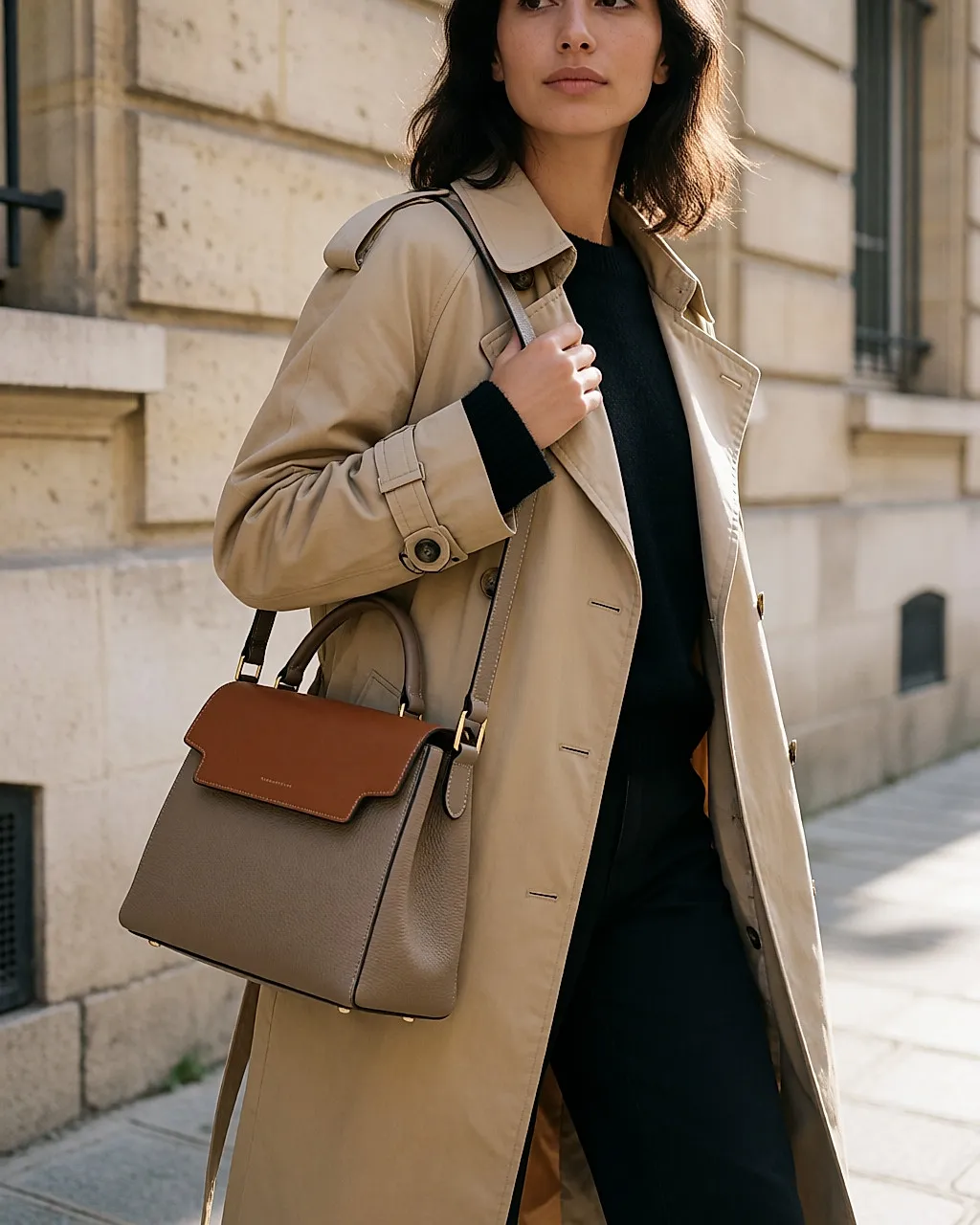
You know how it goes: you choose your bag carefully, wear it all summer, and then one morning it just looks… sensible. Buying a new one costs a fortune; keeping the same one gets dull. That's exactly the thinking behind BISSAC. The workshop sits in Graulhet, in the Tarn — French leather country — and the idea comes down to a single line: keep the base, change the trim. A capsule wardrobe, but for your shoulder.
One base, several trims
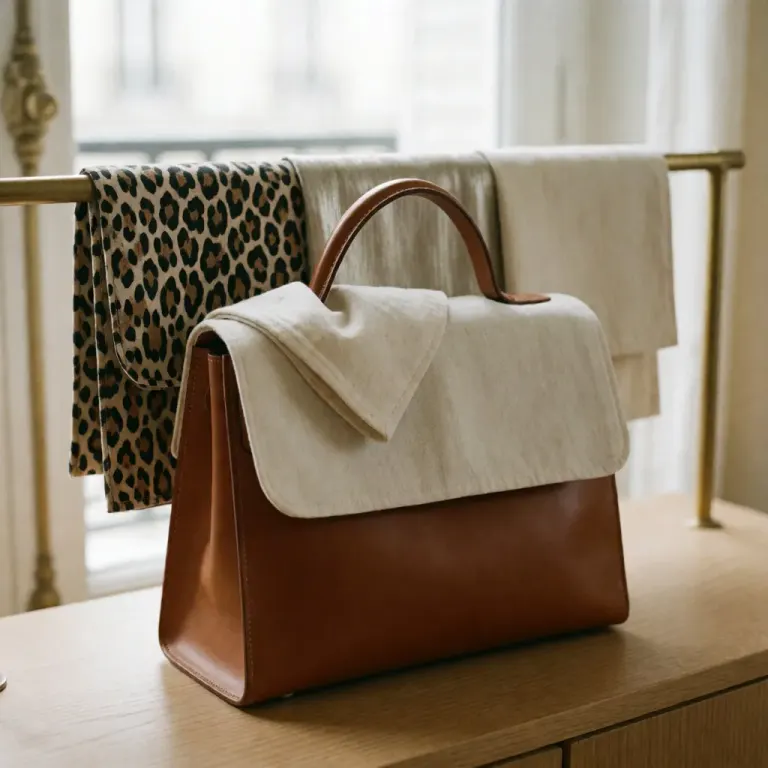
The concept is straightforward: a clean shape, a structured base, sturdy handles. On top goes a removable trim — a flap, a strap, a panel — that reshapes the piece. You go from classic to something much sharper in two minutes, in the evening, before heading out.
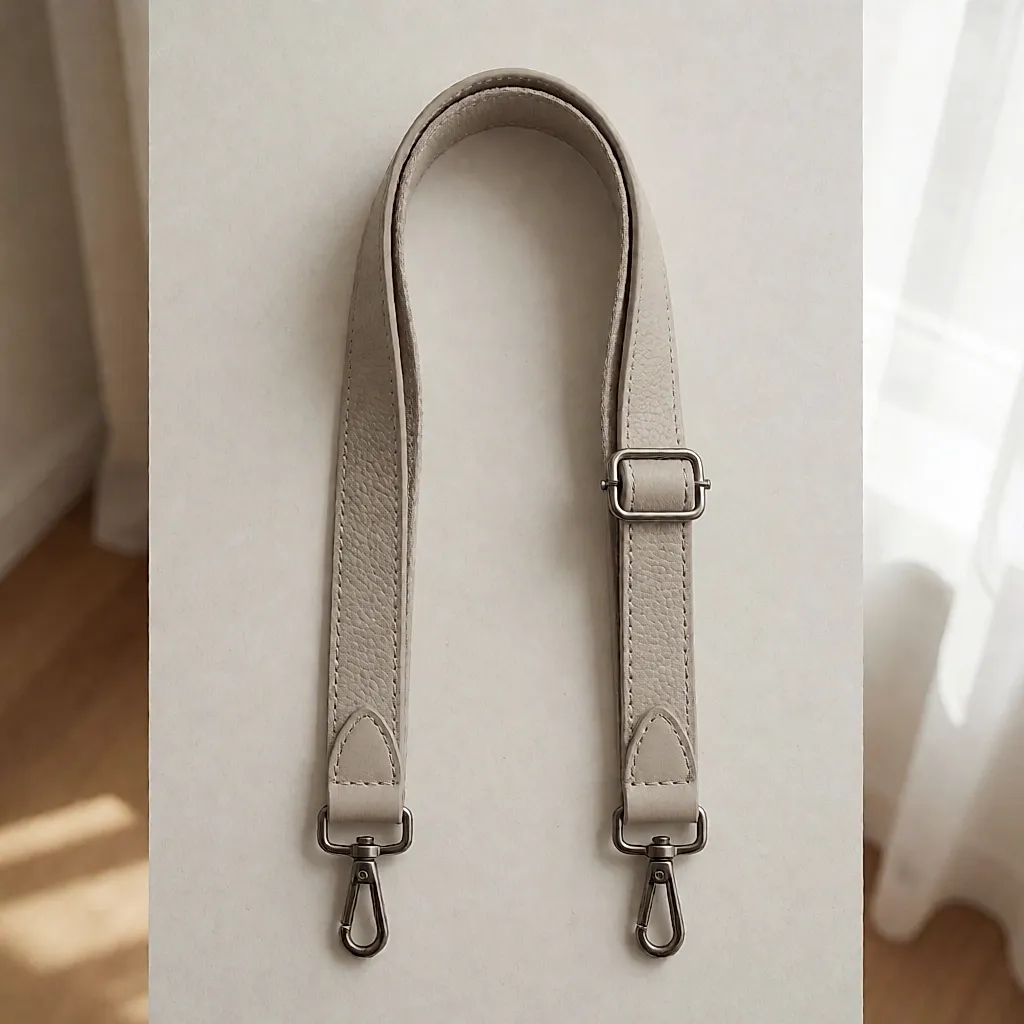
It pays off twice over. You can dress up a neutral outfit without reaching for a second bag, and your wardrobe stays lean: one base, a handful of trims, and it feels like you've changed your whole look. The budget works too, since a trim costs less than the bag itself: the silhouette moves on, your wallet barely notices.
What the trim really changes
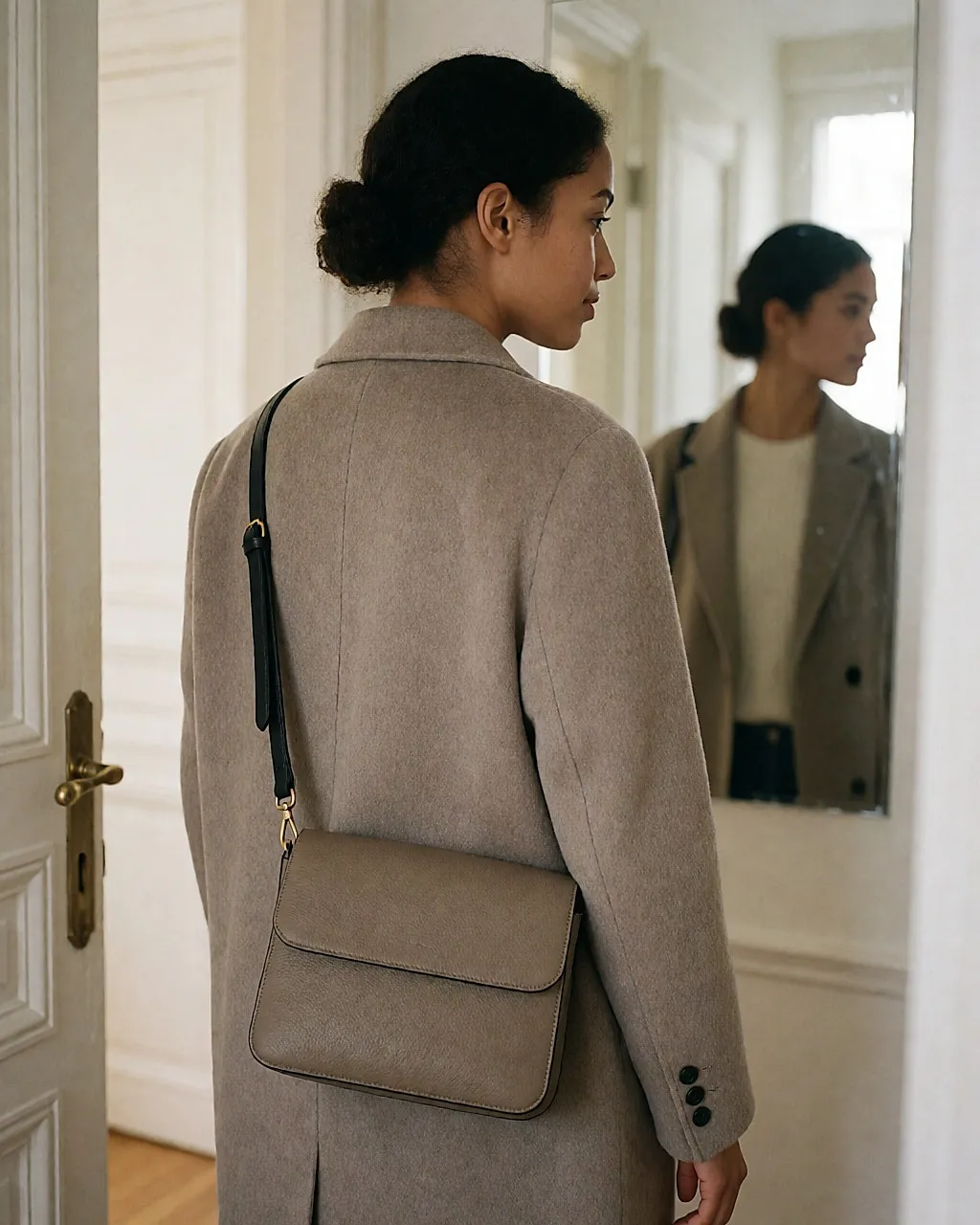
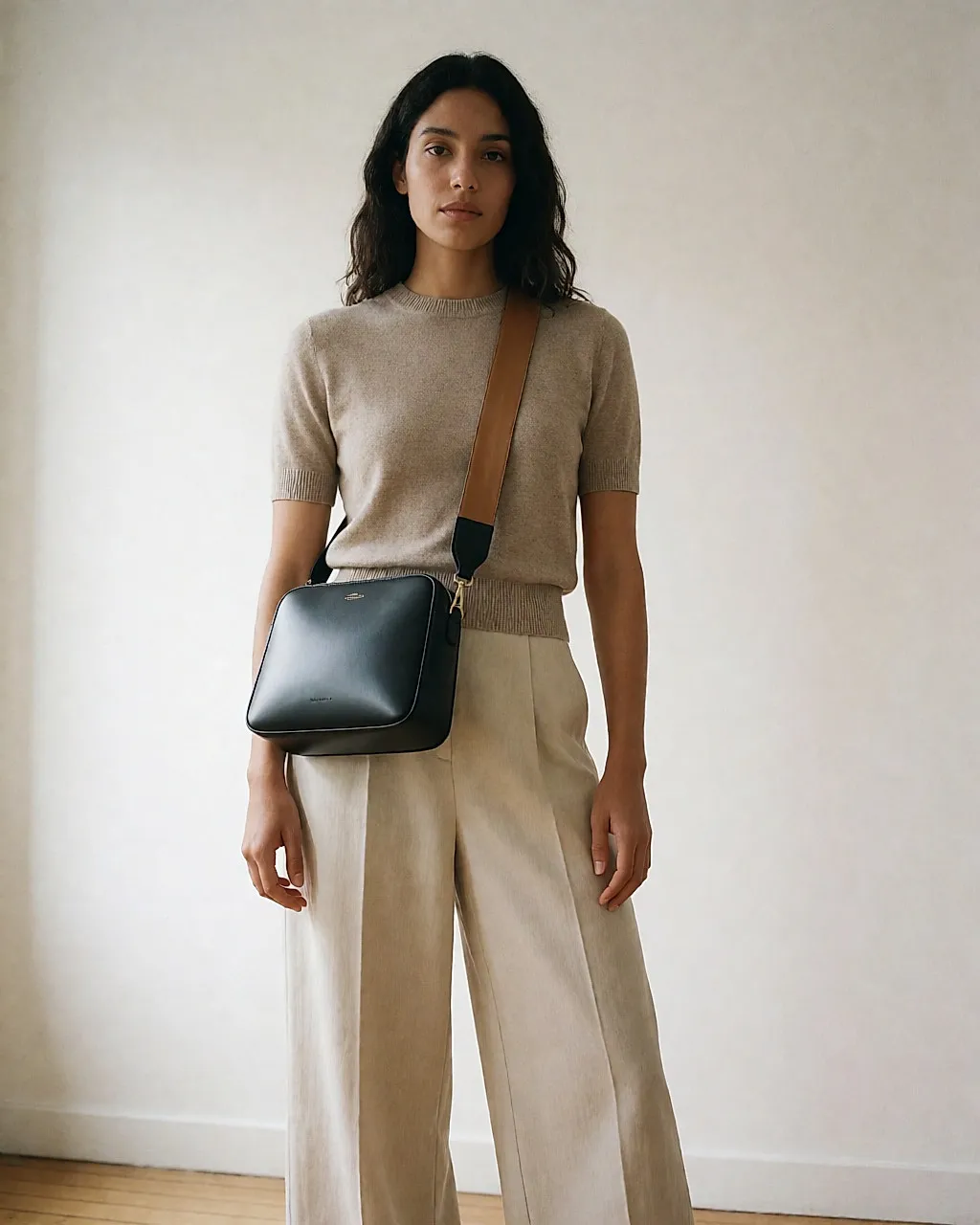
Choosing a trim is about working with the material and the drape. Smooth leather bounces the light back and refines the line; a grainier, matte finish reads as rawer, with a texture that catches the light completely differently. A contrasting strap breaks up the vertical and pulls the eye towards the hip; a trim in the bag's own tones quietly disappears.
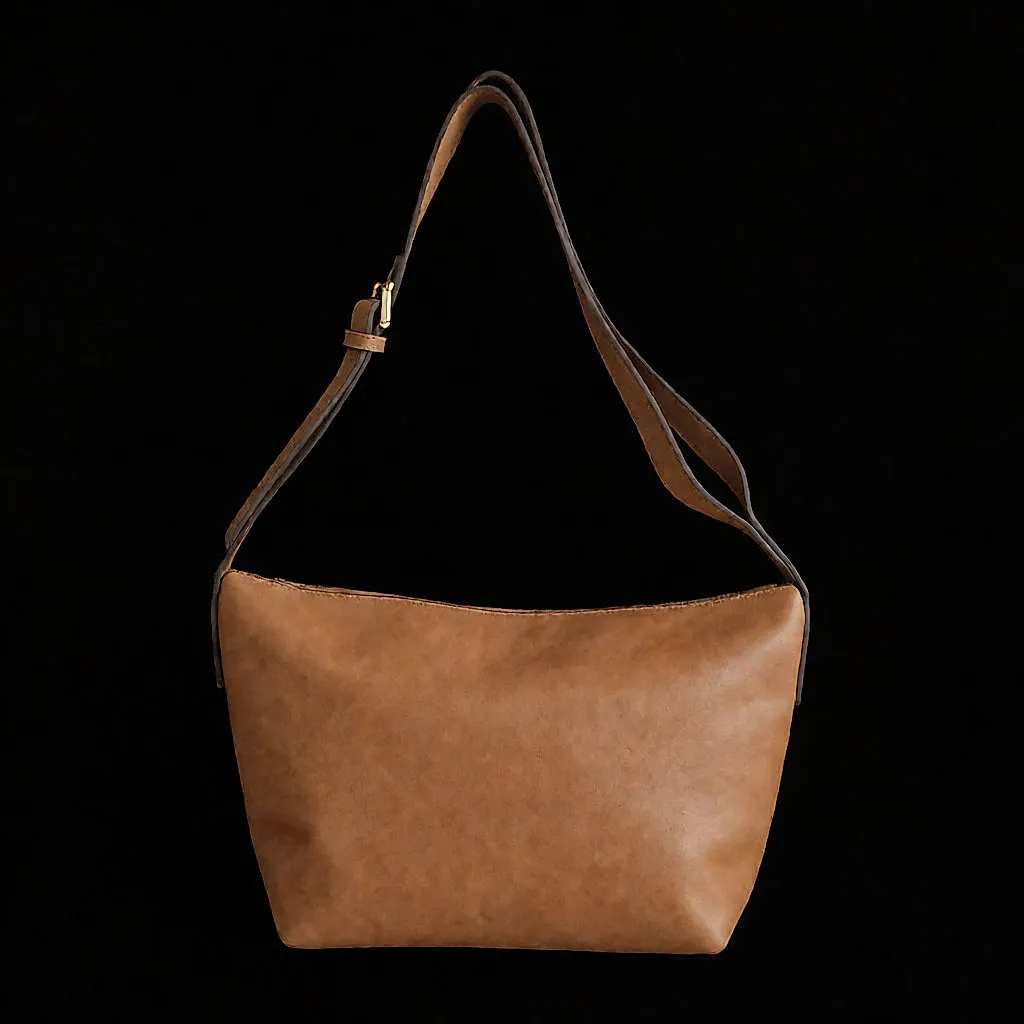
My advice: start with a base in a colour you'll wear twelve months of the year — black, camel, taupe — and then have fun with the trims. It's the same principle as good layering: one statement piece, everything else pulled back, and the whole look holds together on its own.
The leather: what to check
BISSAC highlights leather worked in France. On that front, keep your standards high. Vegetable tanning, done with plant extracts rather than chromium salts, limits the use of certain substances; it's the criterion to ask about in store. Some workshops carry Leather Working Group certification, which assesses the environmental management of tanneries — a useful marker, but one that covers the tannery site, not the end of life of the bag or how repairable it is.
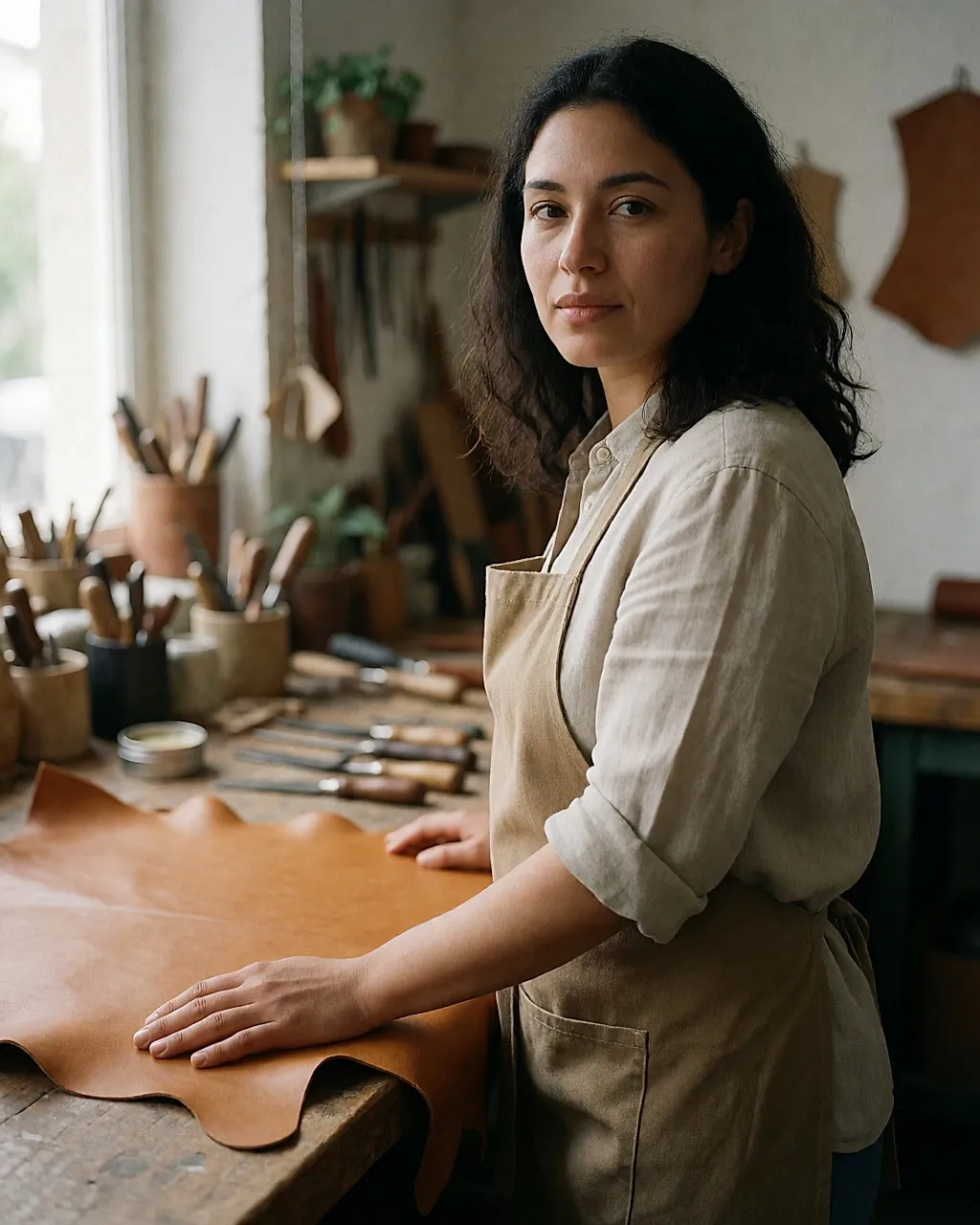
I haven't tested these bags myself: I'm setting out what the brand claims. Before you buy, ask about the origin of the leather, the type of tanning and the availability of spare parts. That's what separates an accessory you keep for ten years from a purchase you regret. For care, balms made with plant waxes or natural fats are the most common option: read the ingredients and always test on a hidden area before going in properly.
A customisable bag is only worth it if the trims hold up over time. Check the fixtures — magnets, poppers, stitching — and ask whether the trims are sold individually. A proprietary system that's no longer restocked turns a beautiful piece into an orphan bag.
Budget
In the UK, a leather bag of this type, with one or two trims, usually sits between £70 and £175. Above £250 to £350, you're into artisanal territory, with local tanning and hand finishing. The price shifts with the type of leather, the number of trims and where you buy: a workshop or designer fair, an independent leather goods shop, or the brand's own online store.
The move that changes everything: start with the base and save the trims for later. You'll see from use which ones you actually miss — and you'll avoid buying three flaps for nothing.
Sources
- Leather Working Group — leatherworkinggroup.com

Comments
Your opinion matters: rate the article, react and reply to comments.
Comments are moderated; AI-assisted comments are flagged. Text emoticons (8-), :-), <3…) are automatically shown as images.