
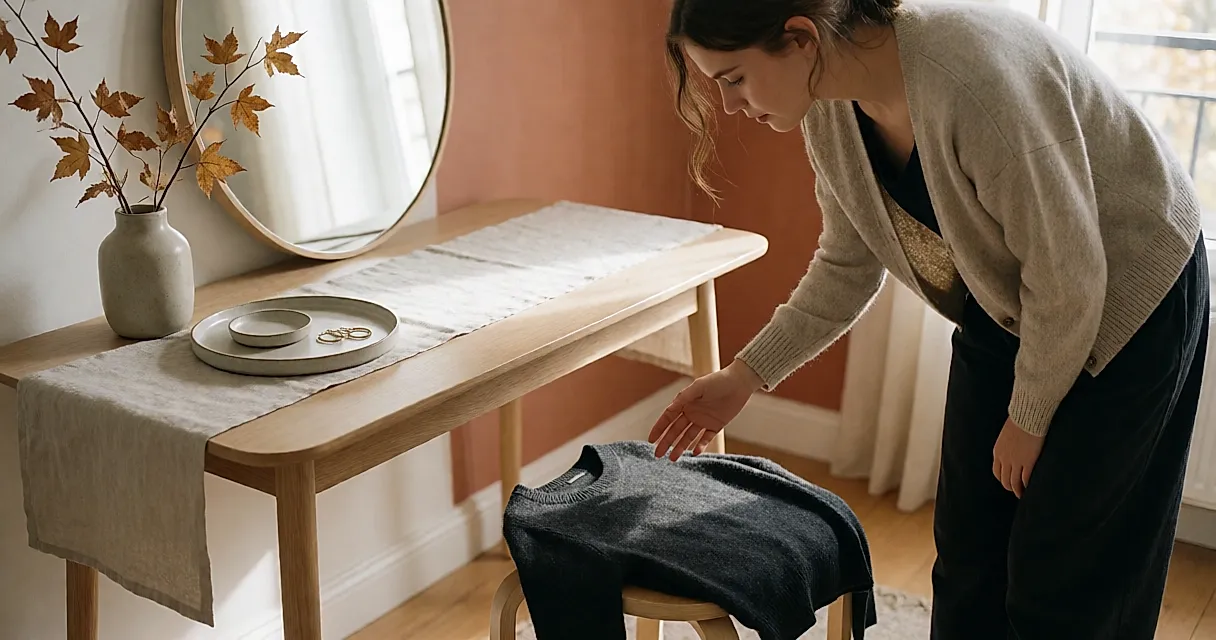
The box is still open on the bed, the tissue paper crumpled beside it, and the piece itself is lovely — except that nothing else in the wardrobe seems to come close. We all know that end-of-weekend silence. And maybe this is exactly the moment to change the question: not “what outfit?” but “which piece?”
The full look has lost its heat
Let’s be kind about it: the full look — same print, same brand, same colour from head to toe — has something of the stage costume about it. On a catwalk, it tells a story in three seconds. In real life, it demands constant logistics: the right bag, the right shoes and, above all, the desire to wear the same narrative from Monday morning to Sunday night.
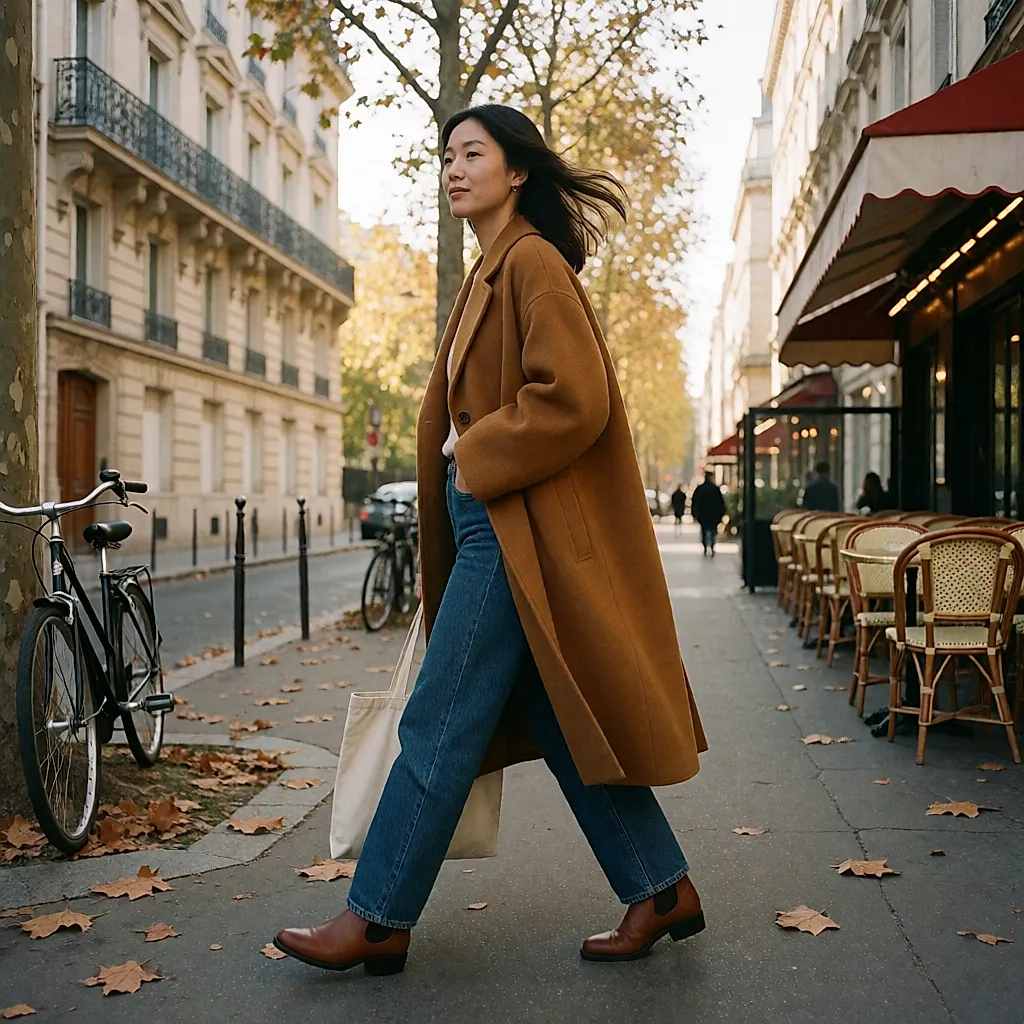
Our lives don’t look like a catwalk show. The coat thrown over jeans, the jumper that has to work in the office and then at dinner, the jacket slung over a dress at seven in the evening: that’s the real schedule. A full look negotiates those changes of scene badly; a strong piece takes them in its stride.
What exactly is a textural piece?
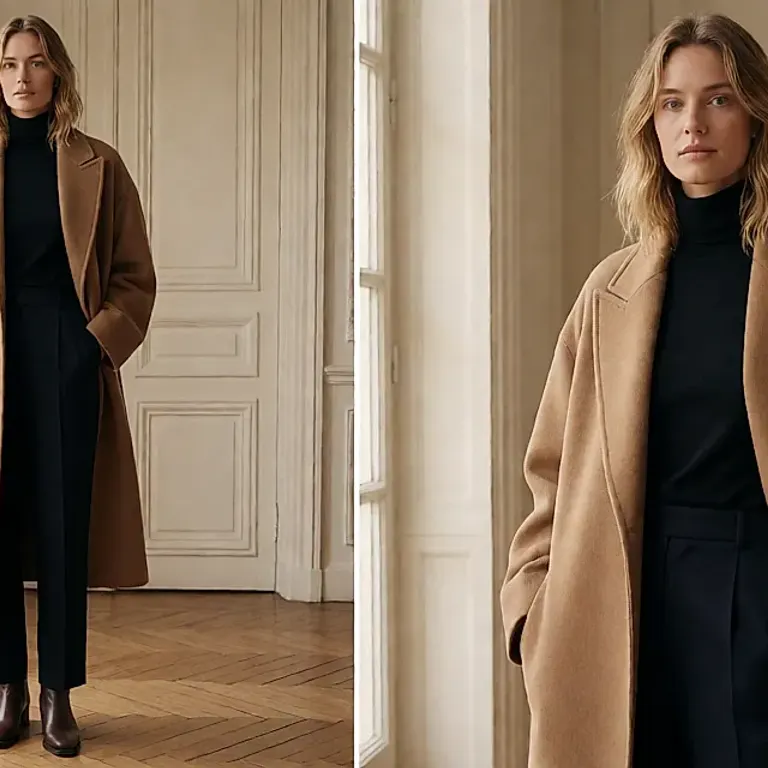
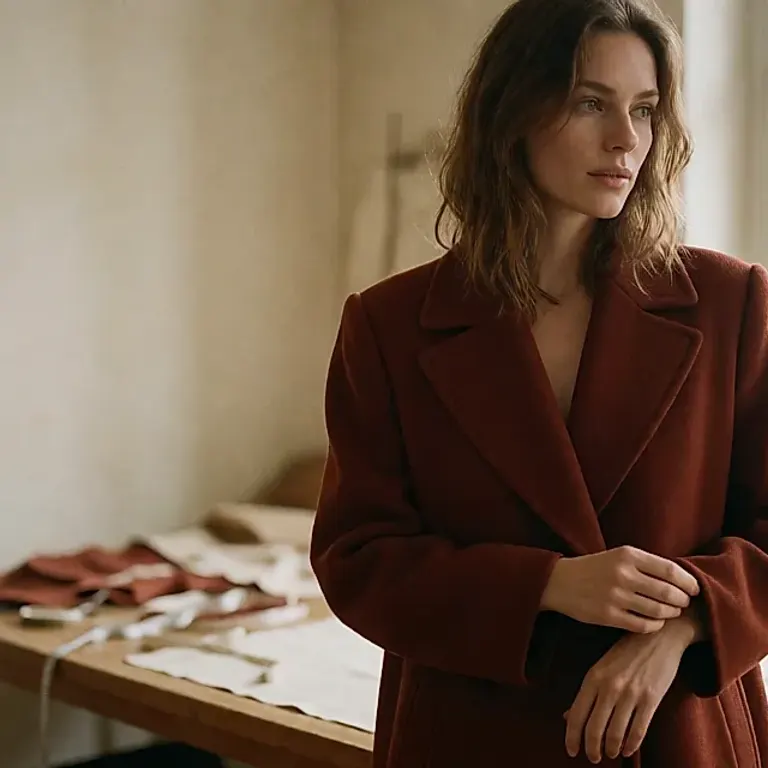
Let’s agree on terms. A textural piece is one where the fabric speaks before the print: boiled wool that holds its own shape, corduroy whose ribs you can follow with a finger, a chunky knit you grab by the collar, leather that develops a patina, silk that slips through your hands. The eye stops; the hand follows. And because it doesn’t need a print to exist, it works with far more than you might think.
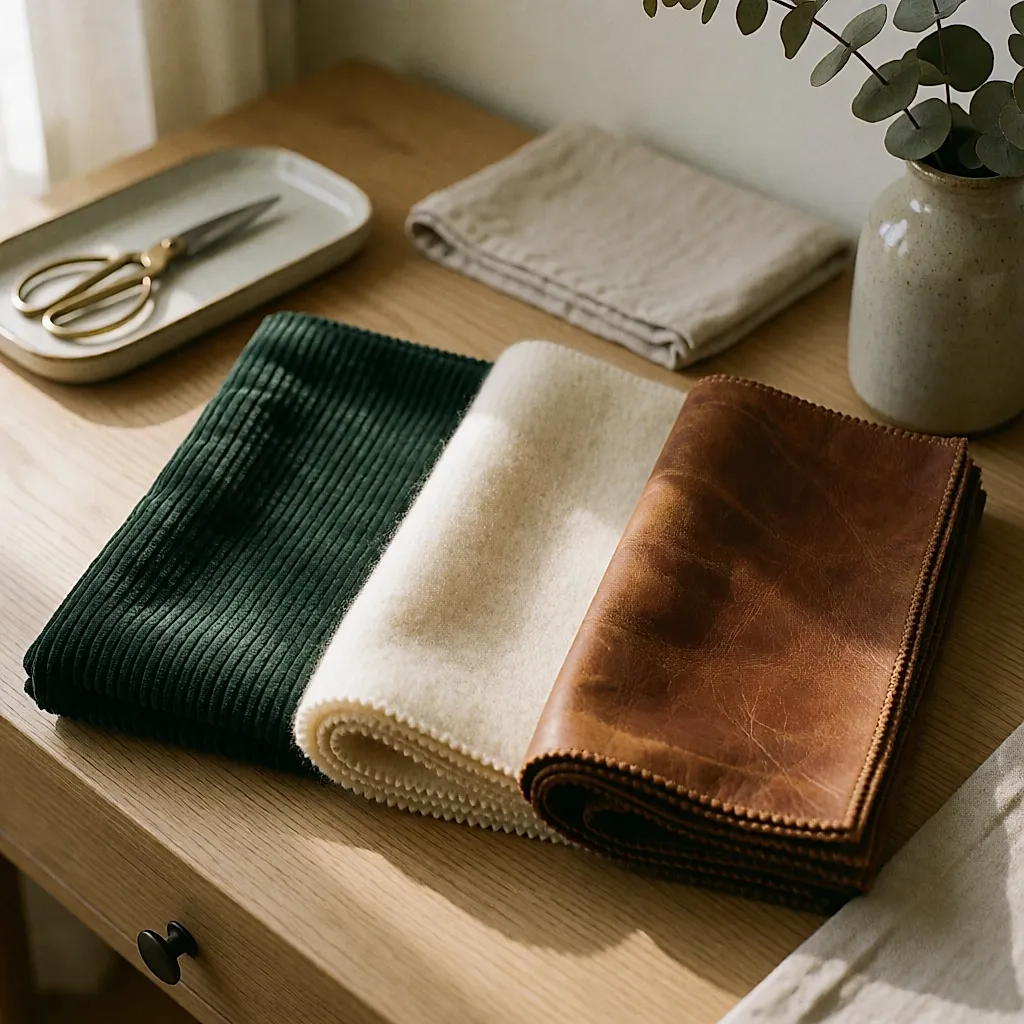
That’s the difference between this and the “statement” piece as we understood it ten years ago: the one that shouted a logo, a fluorescent colour or a giant motif. A textural piece doesn’t raise its voice; it changes the texture. The result: less effort to put an outfit together, more outfits to choose from. A fair swap, wouldn’t you say?
What it changes in the silhouette
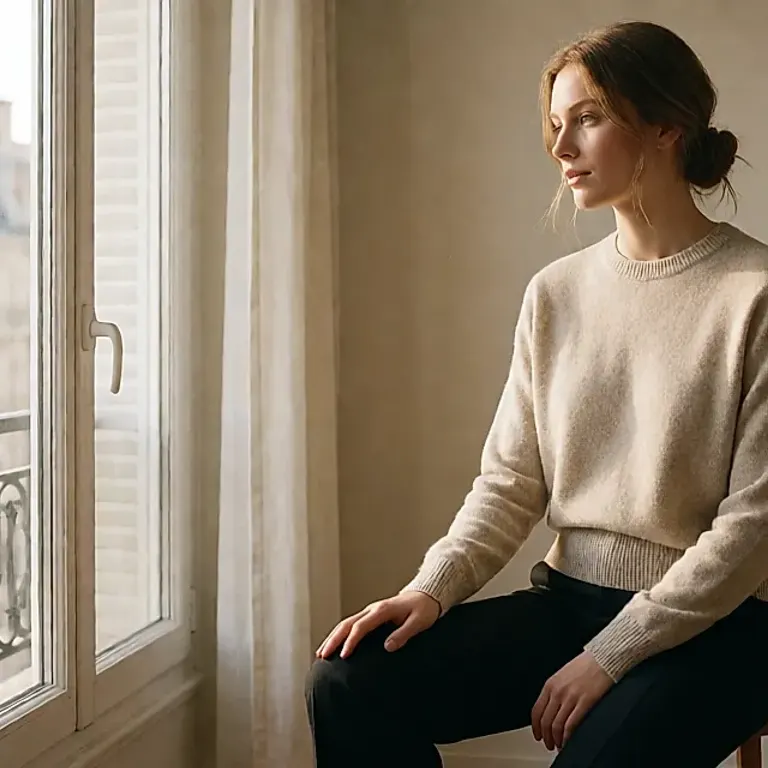
First instinct: contrast. A chunky merino wool knit with straight jeans and ankle boots — hard to beat. A corduroy skirt with a white cotton shirt and loafers: the fabric does the work, everything else can keep quiet. A clean-cut wool blazer over fluid trousers: structure on one side, drape on the other. You see the principle? One piece raises its voice; the others listen.
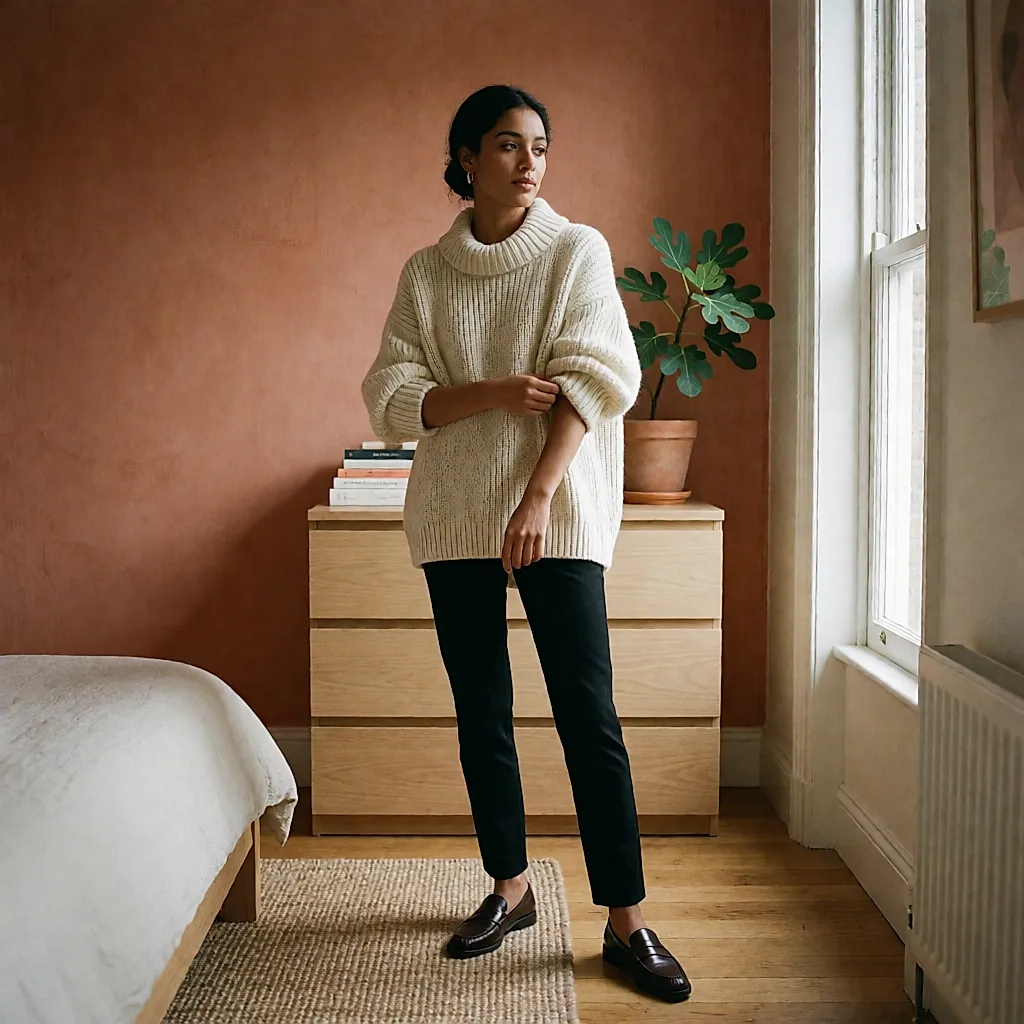
Second instinct: volume. A thick fabric can add weight to the area it covers. If you don’t like a bulky top half, put the texture on the bottom — a velvet skirt, leather, a chunky knit — and keep the top close-fitting. The reverse works just as well. It isn’t about the ideal silhouette; it’s about distribution.
And the trap? Poor-quality textural pieces that pill quickly. Check the synthetic fibre content on the label, choose a slightly denser knit over a soft, loose one, and look at the seams. A piece you keep for five years often works out cheaper than one you replace twice a year.
Budget
Prices in the UK depend on the fabric and the finish. A merino or recycled-wool knit is around £55–160, depending on the brand and thickness; a corduroy skirt or trousers, around £35–110; for a vegetable-tanned leather jacket, expect £220–520 new, and £55–175 for good-quality second-hand. Where you shop, the brand tier and the care required all make a big difference to the final figure.
Where to look? High-street chains and mainstream brands for knitwear and velvet, specialist leather brands, charity shops and resale platforms for pieces with character. A piece of advice that isn’t glamorous but pays off: try the piece with three outfits already in your wardrobe. If you can’t find three, put it back.
The hanger-and-hand test. Take the piece and gently scrunch the hem: if the fabric holds the crease, it may also mark when worn. Run your hand inside: a squeaky lining or rough seams are warning signs. Finally, ask yourself whether you would wear it three times in the next month — not three times in the next year.
The choice, ultimately
A textural piece isn’t just another purchase; it’s a shortcut. In the morning, you no longer have to build a look from A to Z: you start with a fabric, and the rest follows. Fewer pieces, more combinations — that’s probably the best calculation for autumn.
So what budget do you need to get started? The cautious version: a wool knit at £50–80, worn with what you already own. The ambitious version: the leather jacket or the velvet skirt, even if you have to hunt it down second-hand. Either way, the right question remains the same: which piece makes your hand reach out?
Comments
Your opinion matters: rate the article, react and reply to comments.
Comments are moderated; AI-assisted comments are flagged. Text emoticons (8-), :-), <3…) are automatically shown as images.