
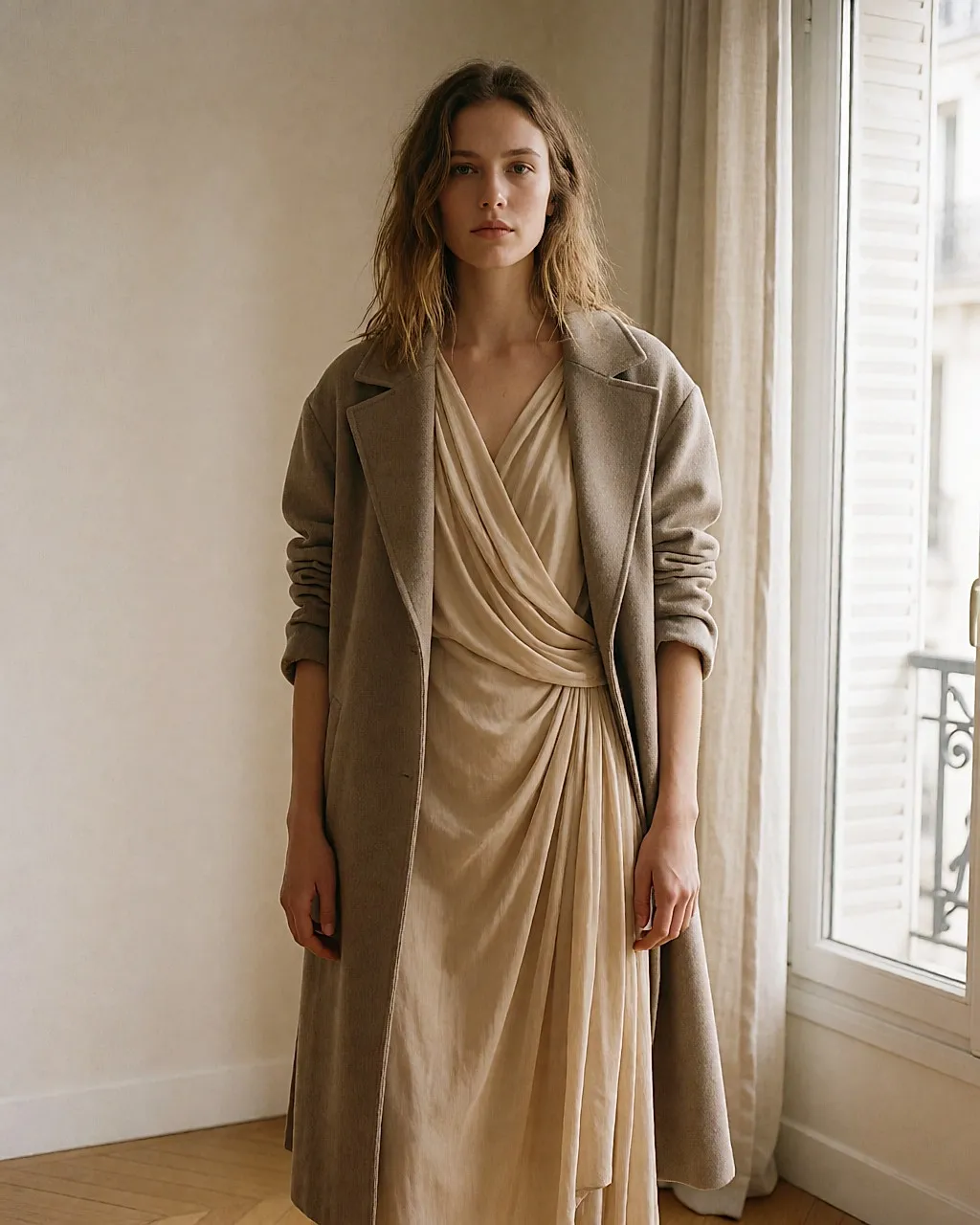
You pull on a sand-coloured jumper, stand in front of the mirror, and… nothing. No lift, no depth — just a silhouette that fades into the background. The truth is, nude is the easiest colour family to buy and the trickiest to wear. The good news: it comes down to a few well-placed habits, not a catwalk budget.
Nude isn't a colour
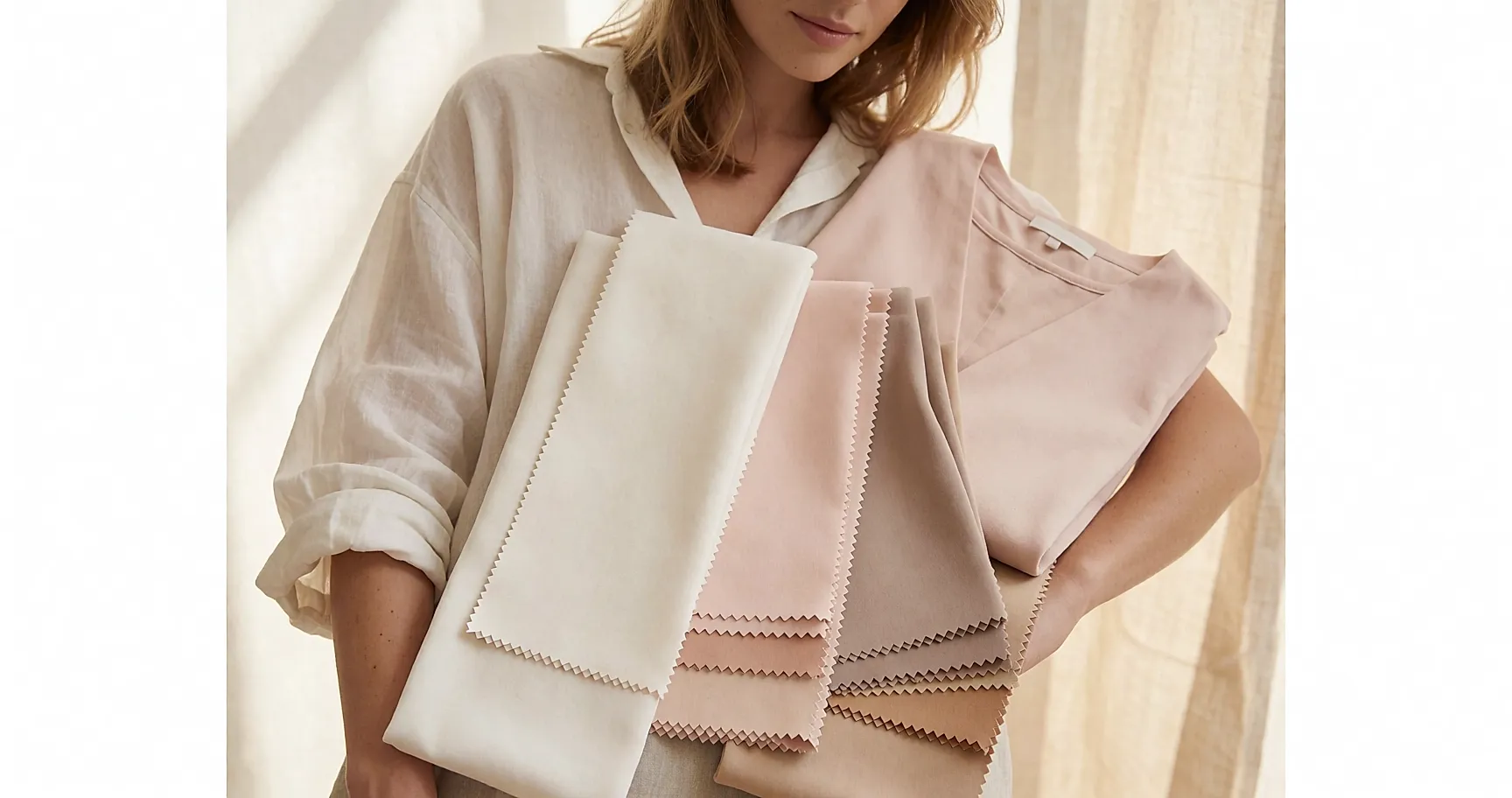
In fashion, nude doesn't mean one single beige. It's a spectrum: broken ivory, blush, taupe, rosy sand, pale caramel. What matters is the relationship between the shade of the piece and your own colouring. Too light, and the fabric drains your complexion; too dark, and it drags the silhouette down. The right nude melts into your skin without erasing the person wearing it.
Match the shade to your undertone, not your hair
The old rule — champagne for blondes, rosy tones for brunettes — doesn't really hold any more. What decides it is your skin's undertone. Look at the inside of your wrist in daylight: veins that read blue mean a cool undertone, and powdery, rosy or ash-grey nudes will flatter you. More green? That's a warm undertone — head for sand, honey and pale caramel. If you sit somewhere between the two, a neutral undertone can carry off either. And always test a piece next to your face, never on your hand.
The drape matters more than the shade
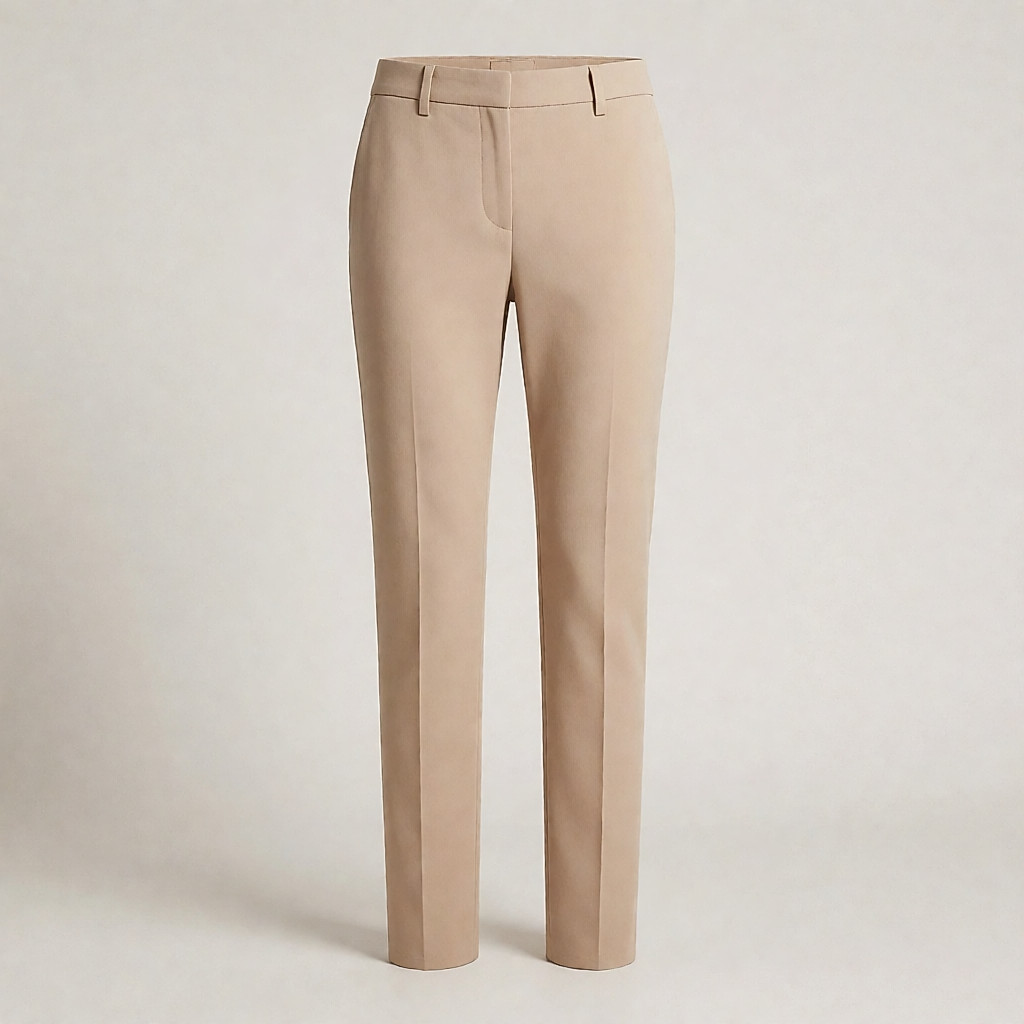
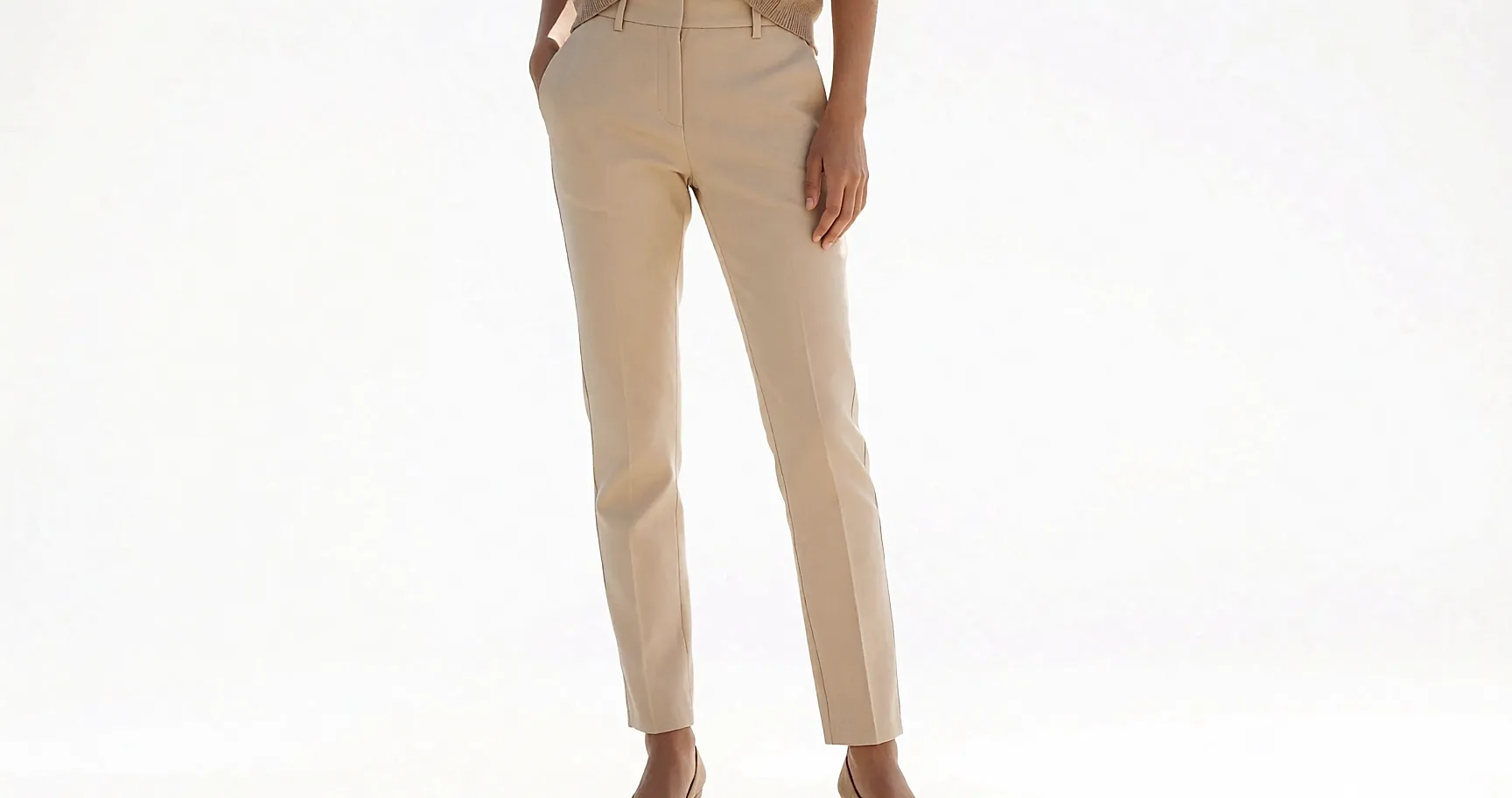
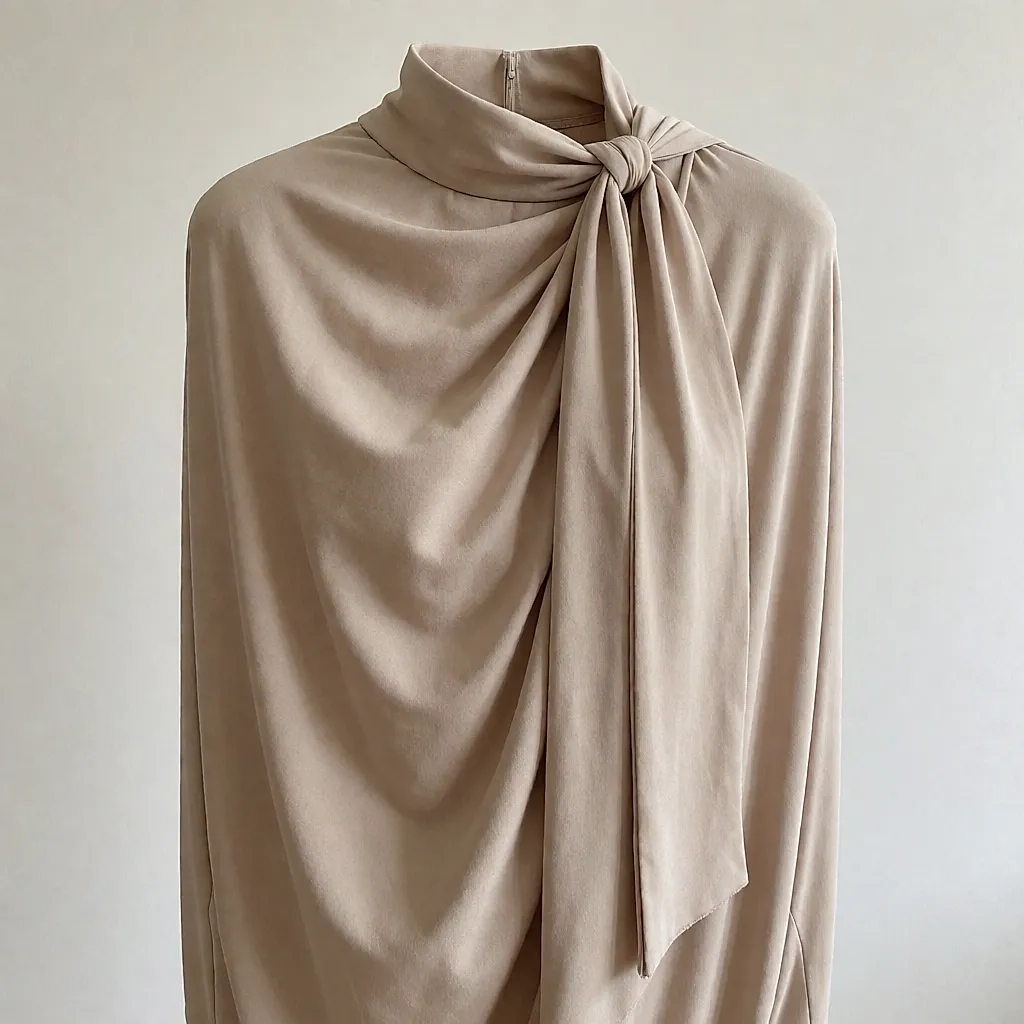
The second trap is fabric. A matte, heavy nude looks like cardboard; a fluid nude catches the light. Look for crepe, heavy viscose, washed linen, fine knit — textures that move with you. The one move that changes everything: layer two similar fabrics, satin under a dry wool, jersey under cotton poplin, to build depth without shifting shade.
Head-to-toe nude: mix textures, not shades
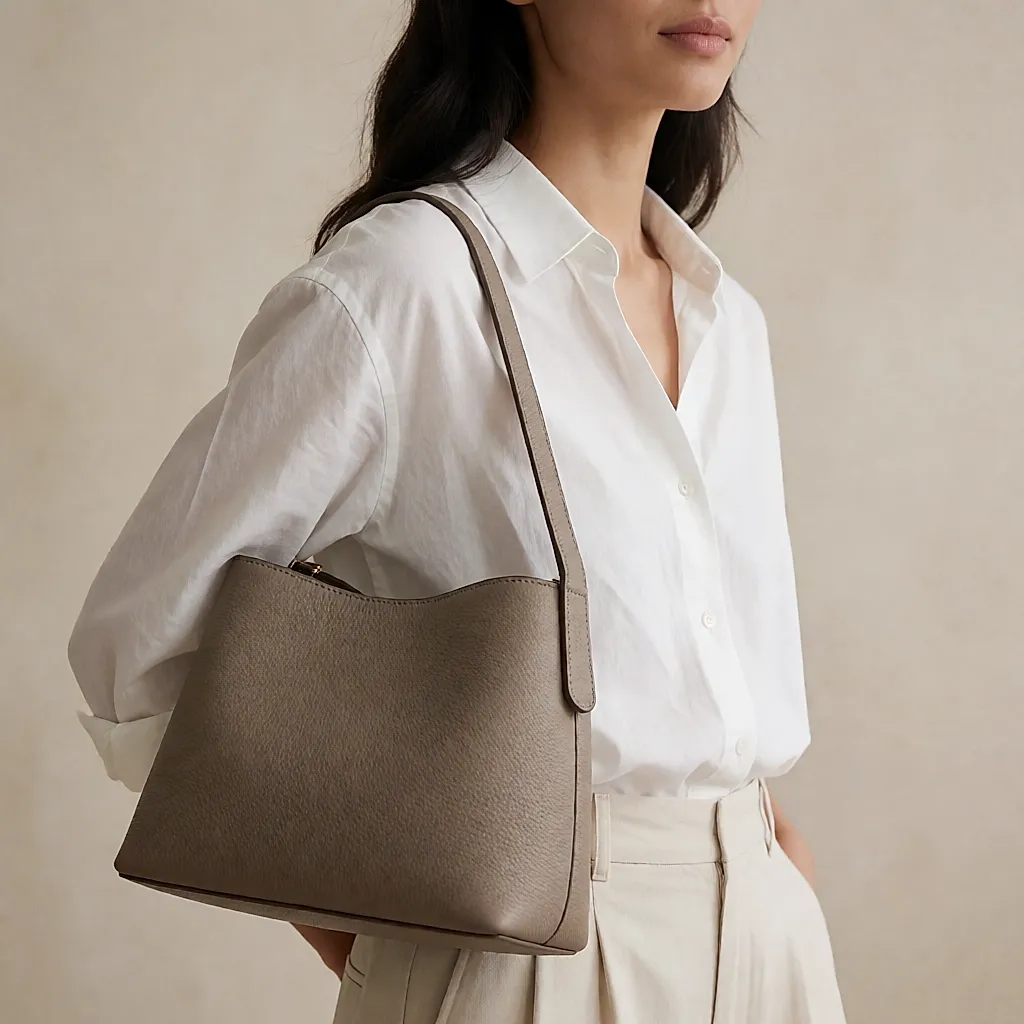
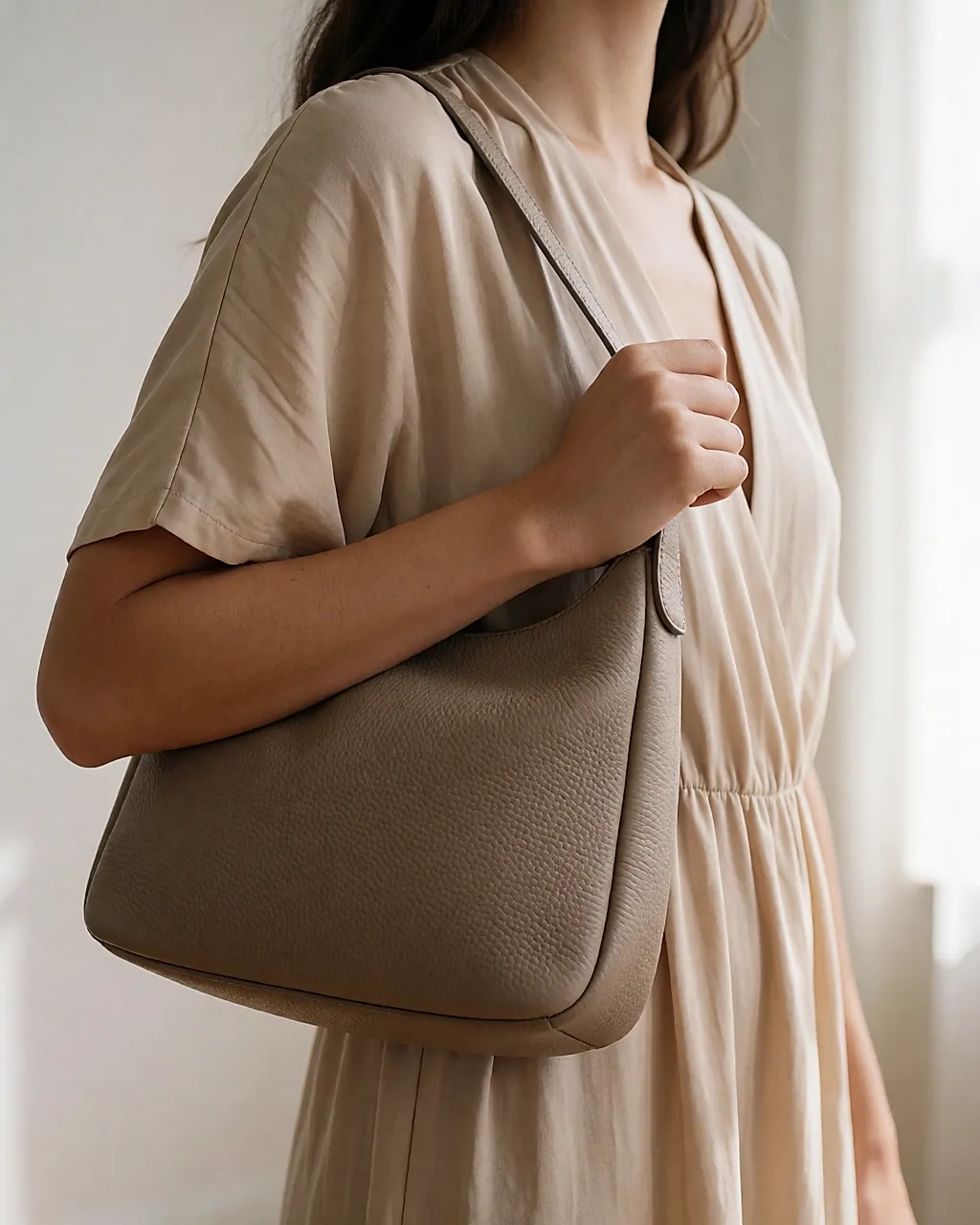
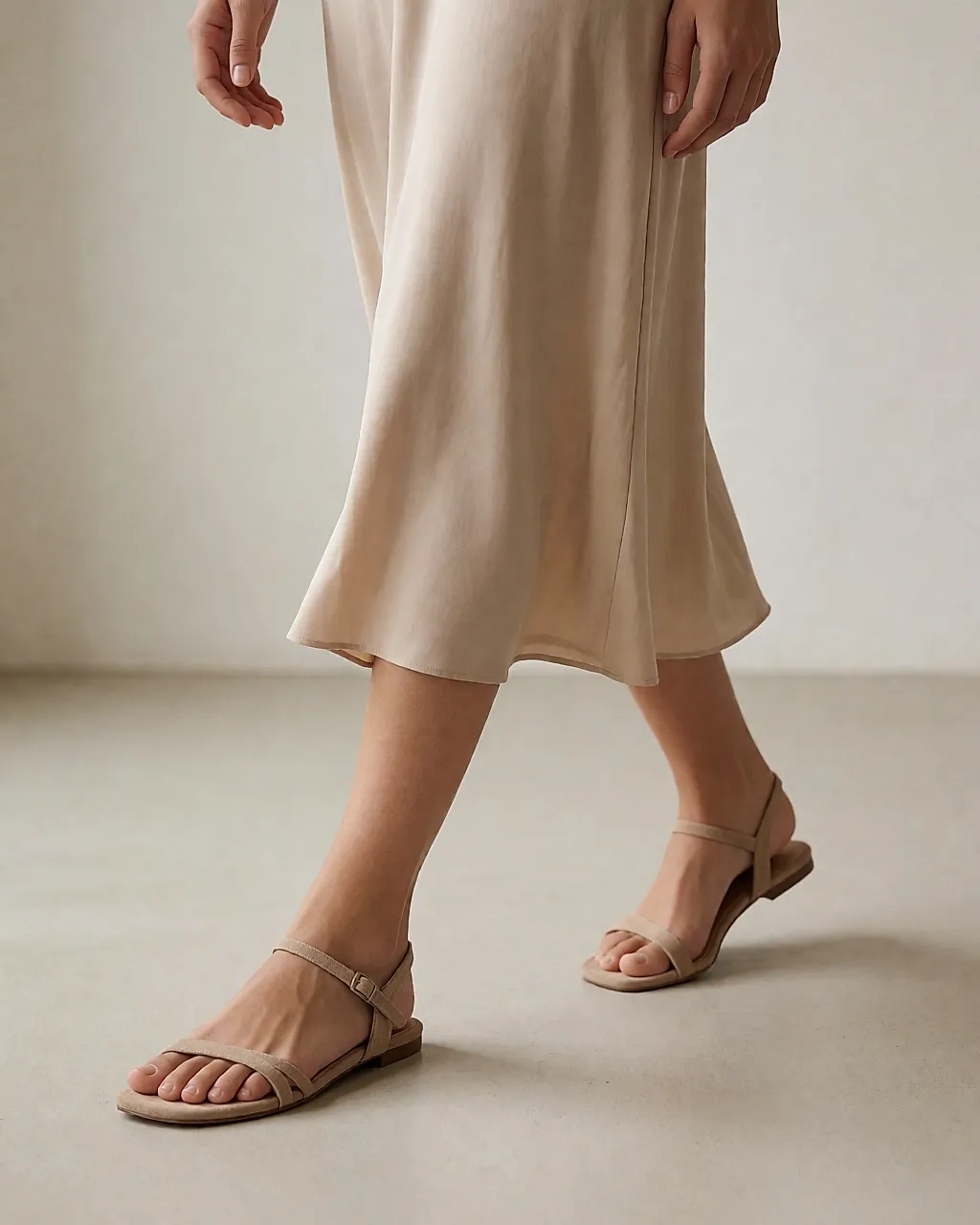
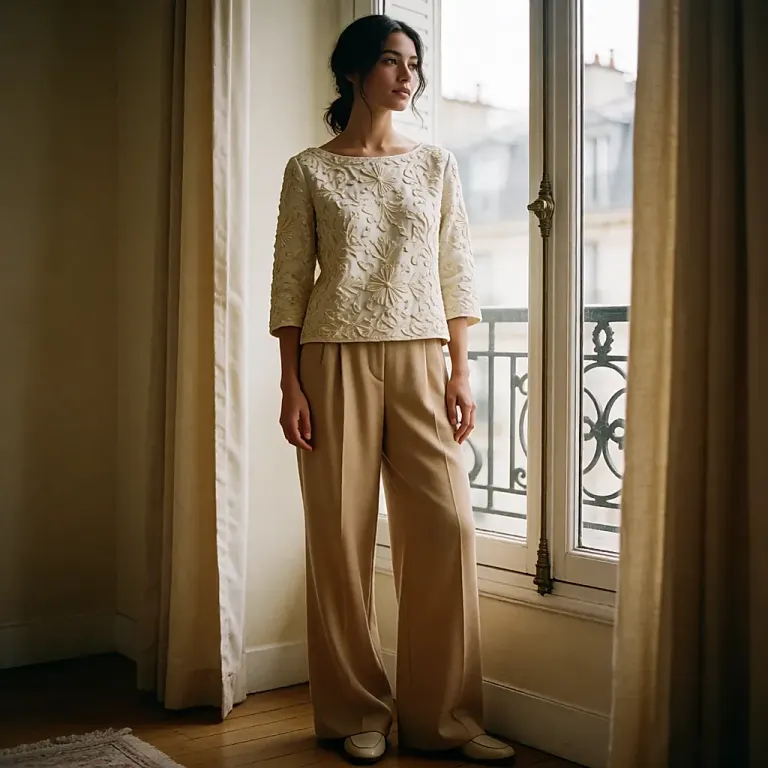
A full nude look works when the shades are slightly offset and the textures contrast sharply. A draped matte-viscose dress, a grained-leather clutch, suede sandals: three textures, one colour family, and a look that stands up on its own. On the beauty side, keep skin fresh and make-up light — cream blush, lips barely deeper than your natural colour. Without that minimum, the whole thing goes flat and uniform.
One nude piece, one bold contrast
Head-to-toe too much? Keep a single nude piece and pair it with a strong colour: a black blazer, deep green trousers, a midnight-blue bag. In transitional weather, nude trousers stand in beautifully for white — as long as the cut is right. With accessories, pick just one, and definitely not a nude one if you're already wearing nude elsewhere. The contrast does all the work.
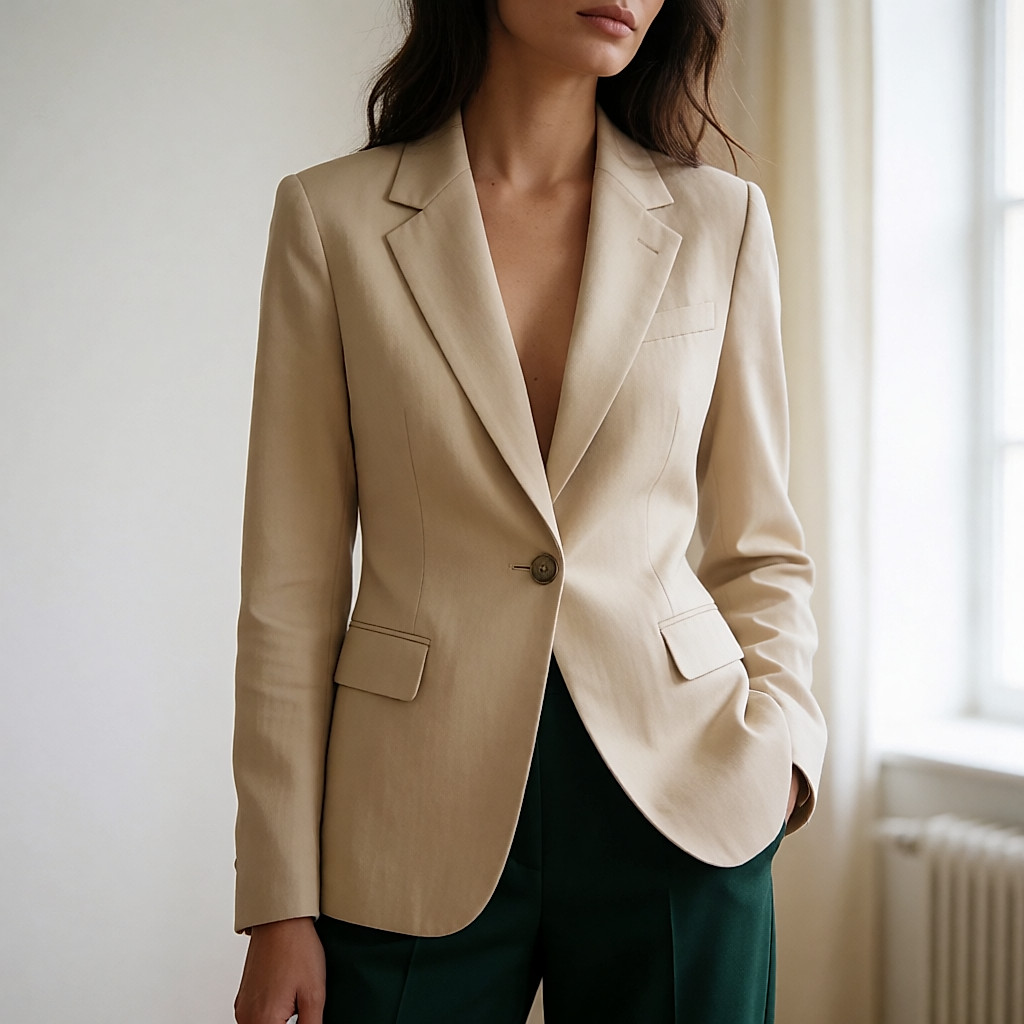
Before you get to the till, three checks on the label. First, the exact composition: linen, lyocell, viscose from responsibly managed forests. Then the certification — GOTS for organic fibre, Standard 100 by OEKO-TEX for the absence of unwanted substances, the EU Ecolabel for criteria across the whole life cycle. Finally, where the piece ends up: in-store take-back, a charity shop or a textile bank. A well-chosen nude lasts for years, and that's what makes it genuinely good value.
Budget
UK prices vary mainly with the fabric, the certification and where you buy. Expect roughly £25–£70 for a blouse or top in natural fibres, £35–£130 for trousers, £45–£220 for a fluid dress, £20–£80 for a bag or a pair of sandals. Prices climb with certified fibre, European manufacturing and small runs; they come down in resale and at end of season. High street and online for basics; specialist brands, charity shops and resale platforms for the better fabrics.
Sources
- WRAP — Textiles 2030 and clothing sustainability (wrap.ngo)
- Recycle Now — clothing and textile recycling (recyclenow.com)
- GOTS — Global Organic Textile Standard (global-standard.org)
- Standard 100 by OEKO-TEX (oeko-tex.com)
- European Commission — EU Ecolabel, textiles category (ec.europa.eu)
- British Vogue — trends and catwalks (vogue.co.uk)
Comments
Your opinion matters: rate the article, react and reply to comments.
Comments are moderated; AI-assisted comments are flagged. Text emoticons (8-), :-), <3…) are automatically shown as images.