
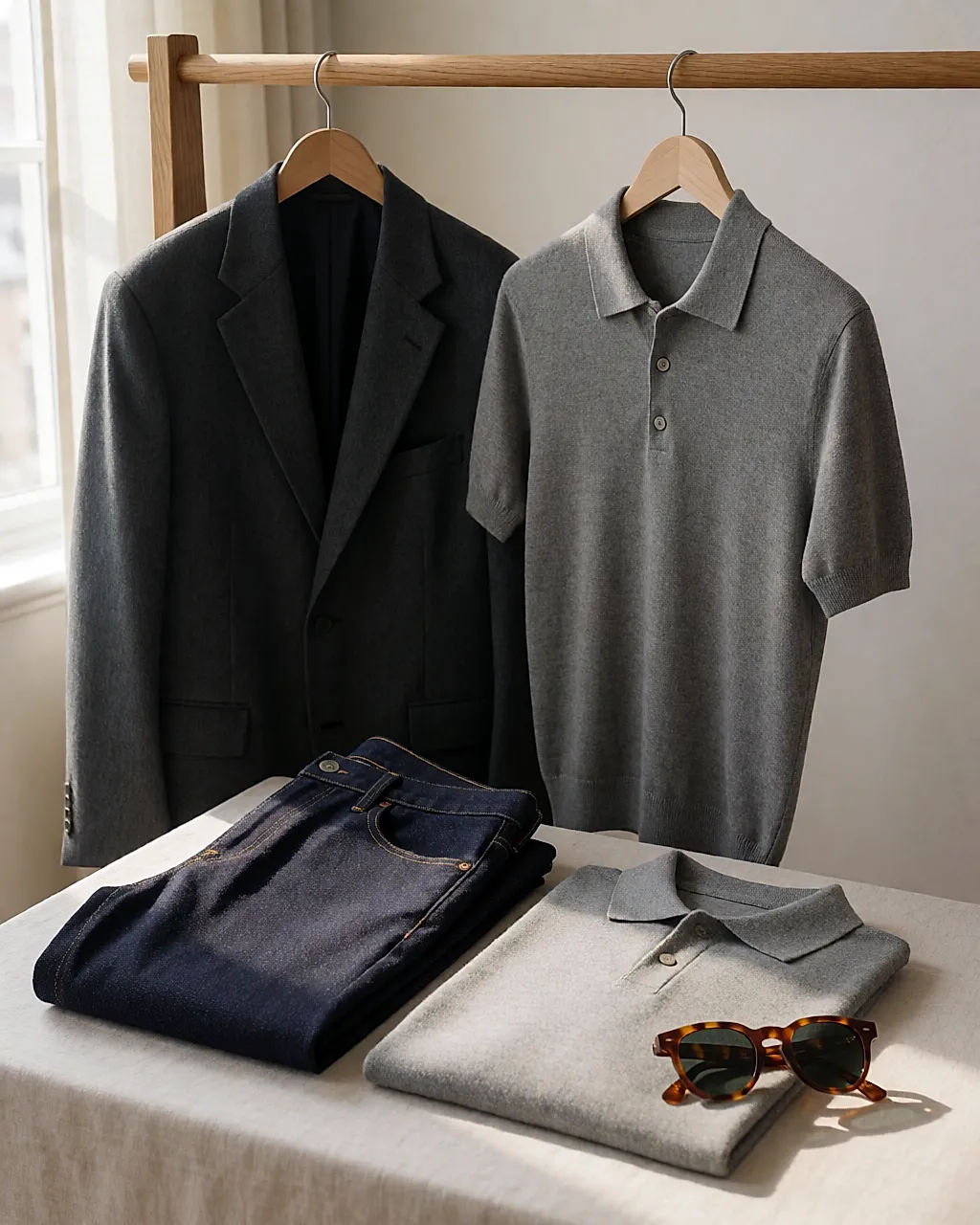
You open your wardrobe and hesitate between the slim shirt you wore at school and the shapeless sweatshirt you live in on Sunday nights. Here's the thing: men's fashion in 2026 isn't asking you to replace everything. It's asking you to pick three or four pieces that work together.
The soft blazer replaces the rigid jacket
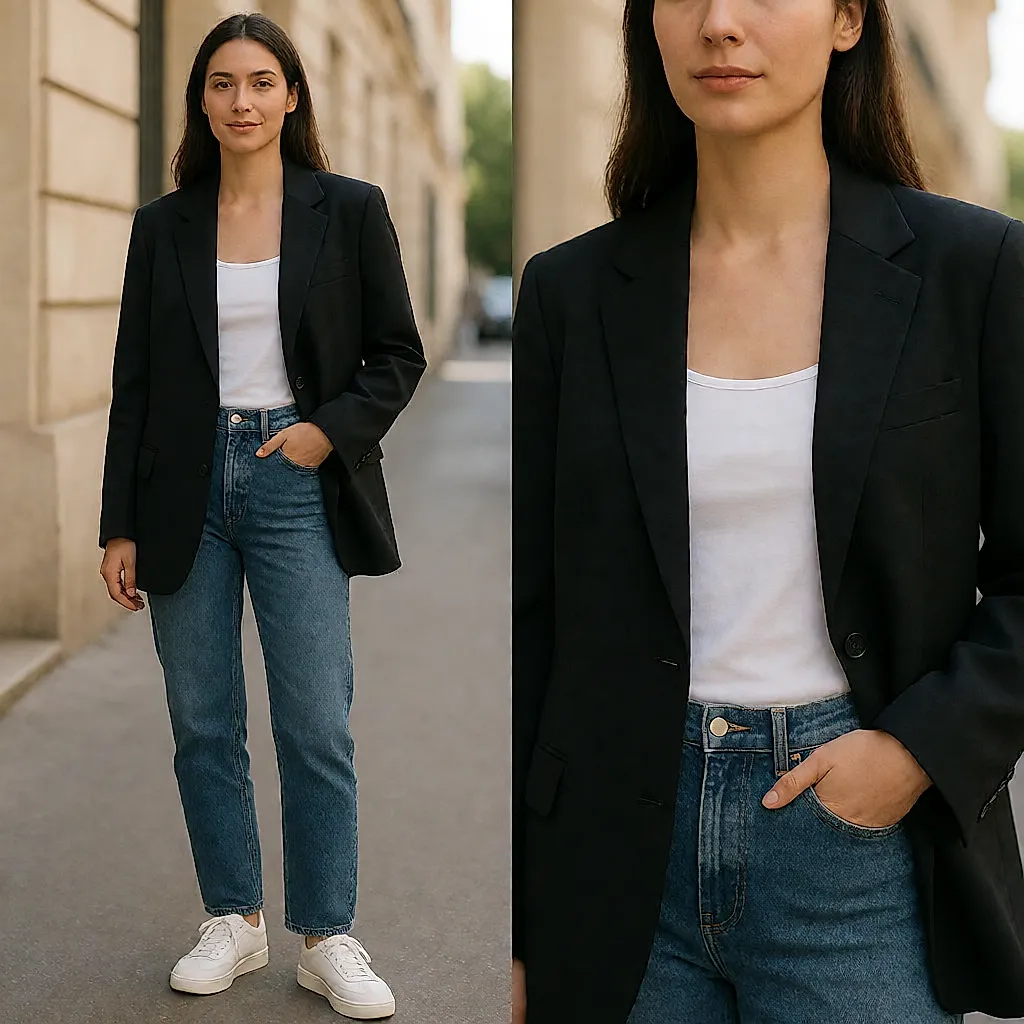
The real shift of recent seasons is the move away from stiff tailoring towards an unstructured jacket. No heavy lining, no overbuilt shoulder: a straight line, a bit of room through the chest, a fabric with life — linen, lightweight wool, cotton blends. The drape does all the work.
Wear it over a heavyweight T-shirt and straight-leg jeans and you're done. From charcoal grey to tobacco brown, this silhouette is everywhere, from designer labels to the high street. Why it works? It follows the shoulder rather than trying to correct it, which flatters almost every frame.
Raw denim is still a safe bet
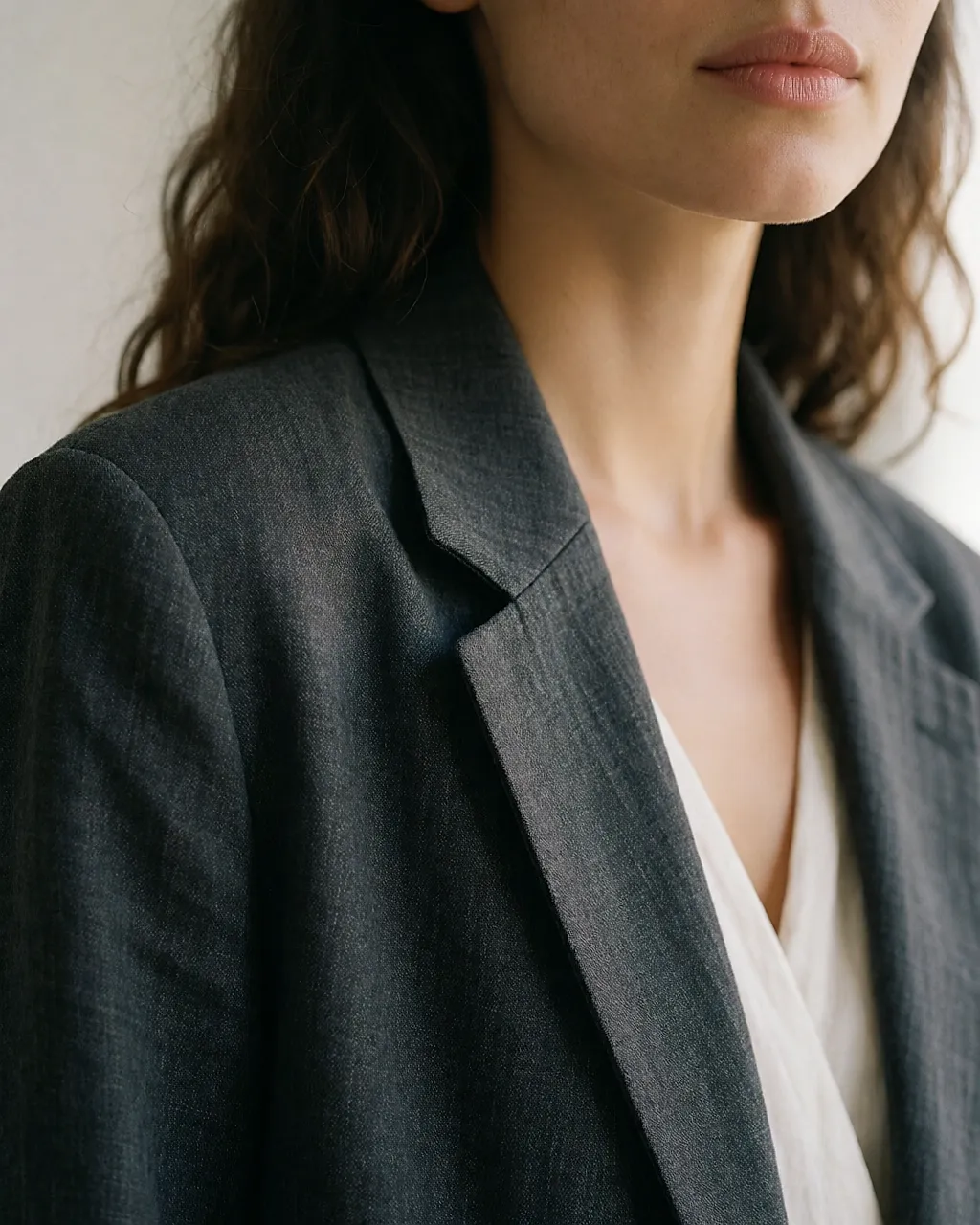
Jeans haven't lost any of their power. What has changed is the cut: low-rise slim is out, straight or slightly relaxed legs are in. Raw, unwashed denim that fades at your own pace remains the most versatile piece in a men's wardrobe — smart enough for a full denim look, easy enough for a Sunday.
Carewise, the rule is simple: turn them inside out, wash cold, and as rarely as you can get away with. American and Japanese labels have brought back their selvedge denim, and second-hand sites are full of barely worn pairs. It's a smart move before buying new.
The knitted polo, 2026 edition
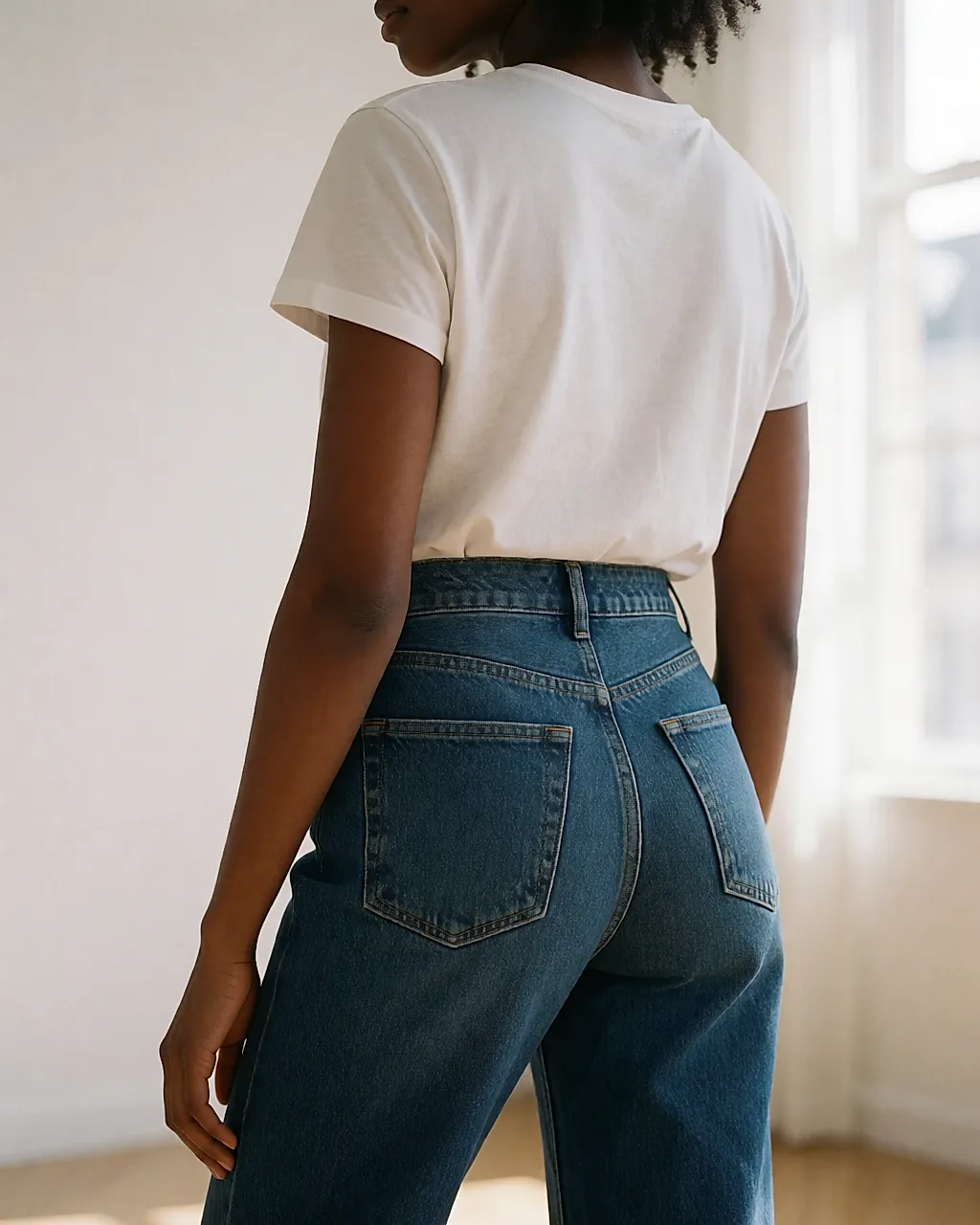
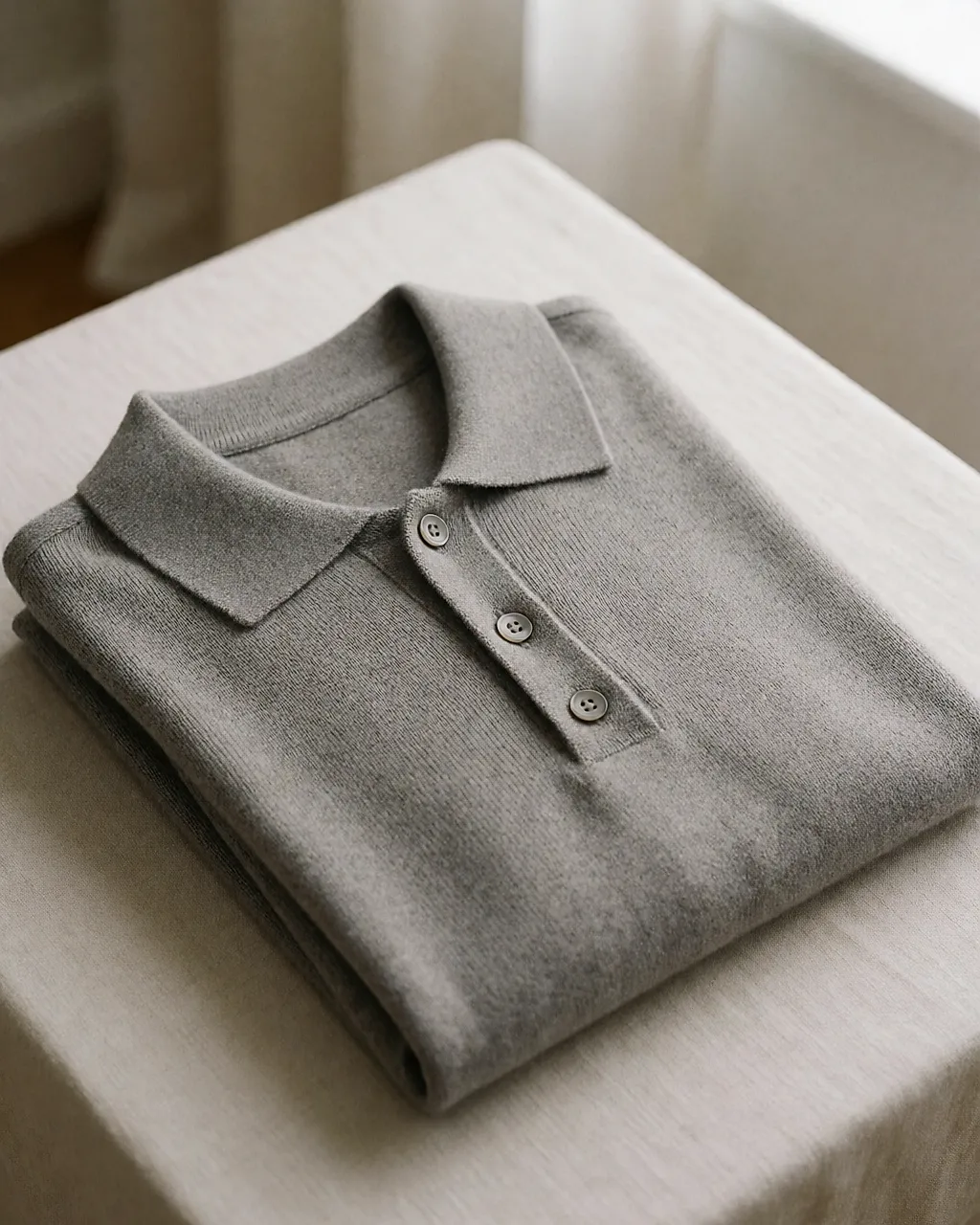
The polo has never really left our wardrobes. Lacoste, which popularised it in the 1930s, still offers a revisited version. But the current mood is for fine knits: combed cotton, merino wool, a two-button open collar, a straight cut.
Tuck it into pleated trousers for dinner, or wear it loose over linen shorts at the weekend. It's the styling that makes the difference: a polo in your true size looks sharper than an oversized one you swim in.
Skin and scalp: grooming is no longer taboo
The men's grooming aisle long offered a cream and a shower gel, full stop. Lightly fragranced face moisturisers, lightweight textures and daily sunscreens have become mainstream. Here, frankly: I haven't tested these products; I researched them.
In pharmacies and beauty retailers, dermatology brands cover the basics: a gentle cleanser, a moisturiser, SPF 50 for the face. If your priority is a short ingredient list and a refillable or glass container, there are oils and balms of natural origin — but check the formula rather than the word 'natural' on the label, which guarantees nothing by itself. And for reactive skin, a conventional, dermatologically tested product is sometimes the best choice: a compromise, not a surrender.
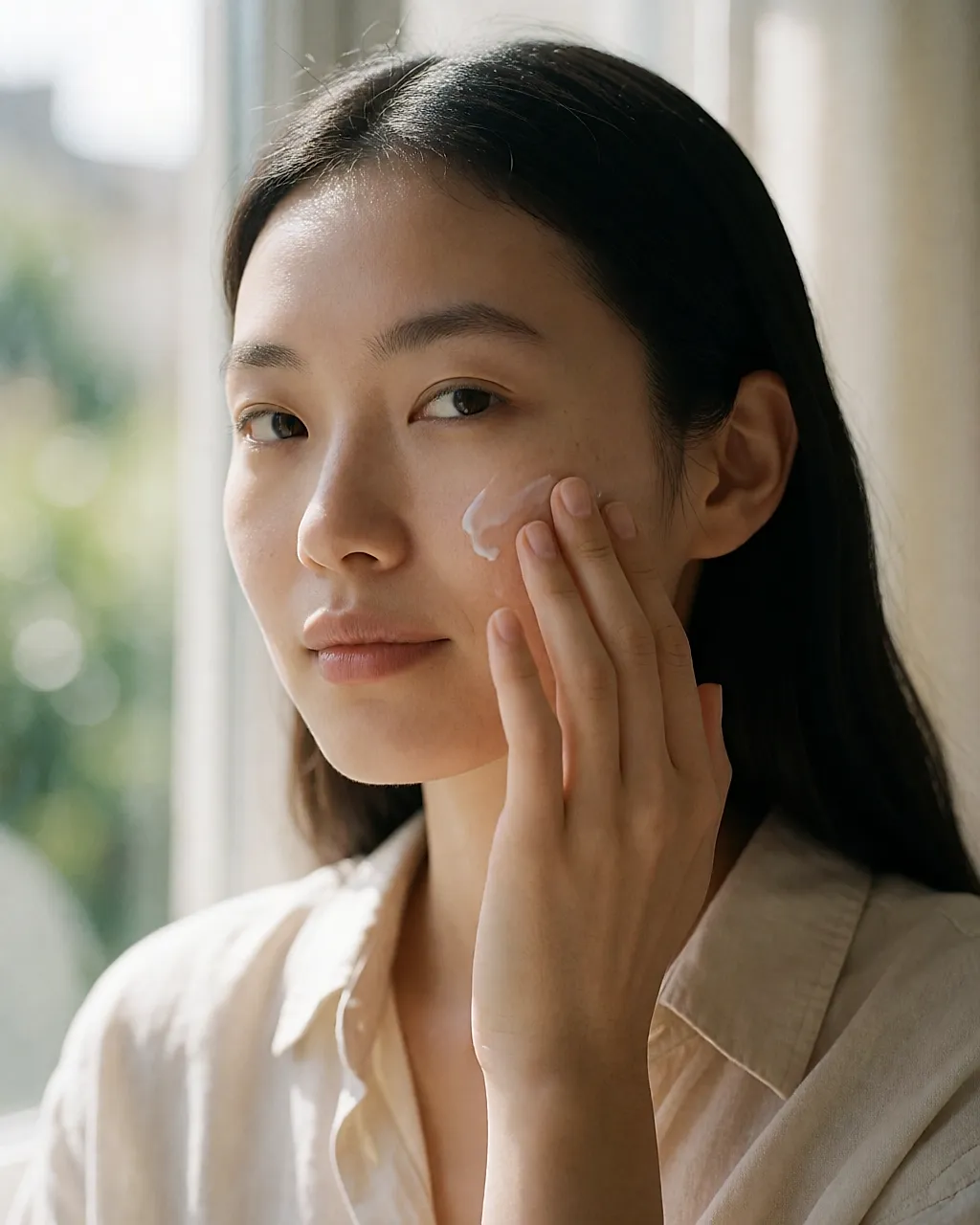
If your scalp feels tight, a pre-shampoo oil can add a little comfort. If itching persists, speak to a pharmacist or GP, who can advise on seeing a dermatologist.
Accessories that sharpen the silhouette
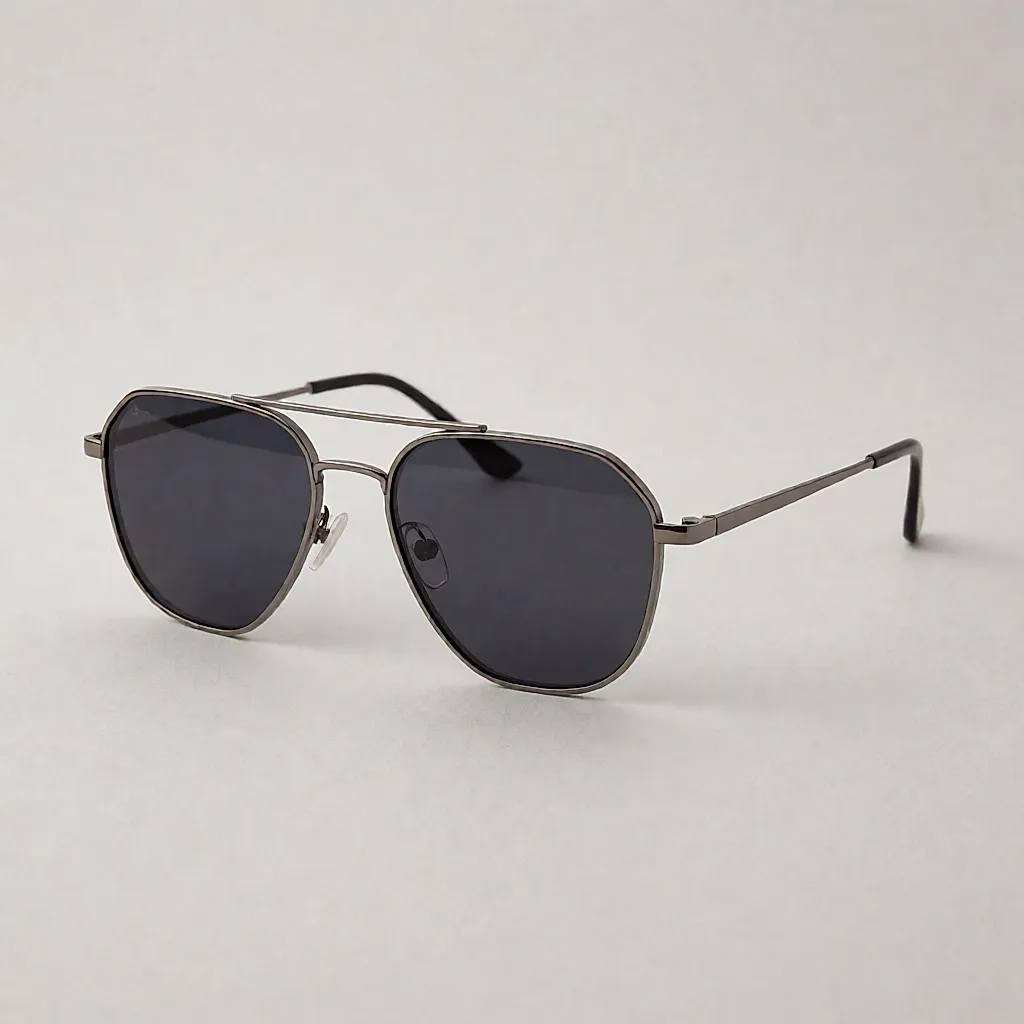
A well-chosen pair of glasses does more than a blazer. The rule hasn't changed: the frame balances the shape of your face. Round face, angular frame; long face, wider frame.
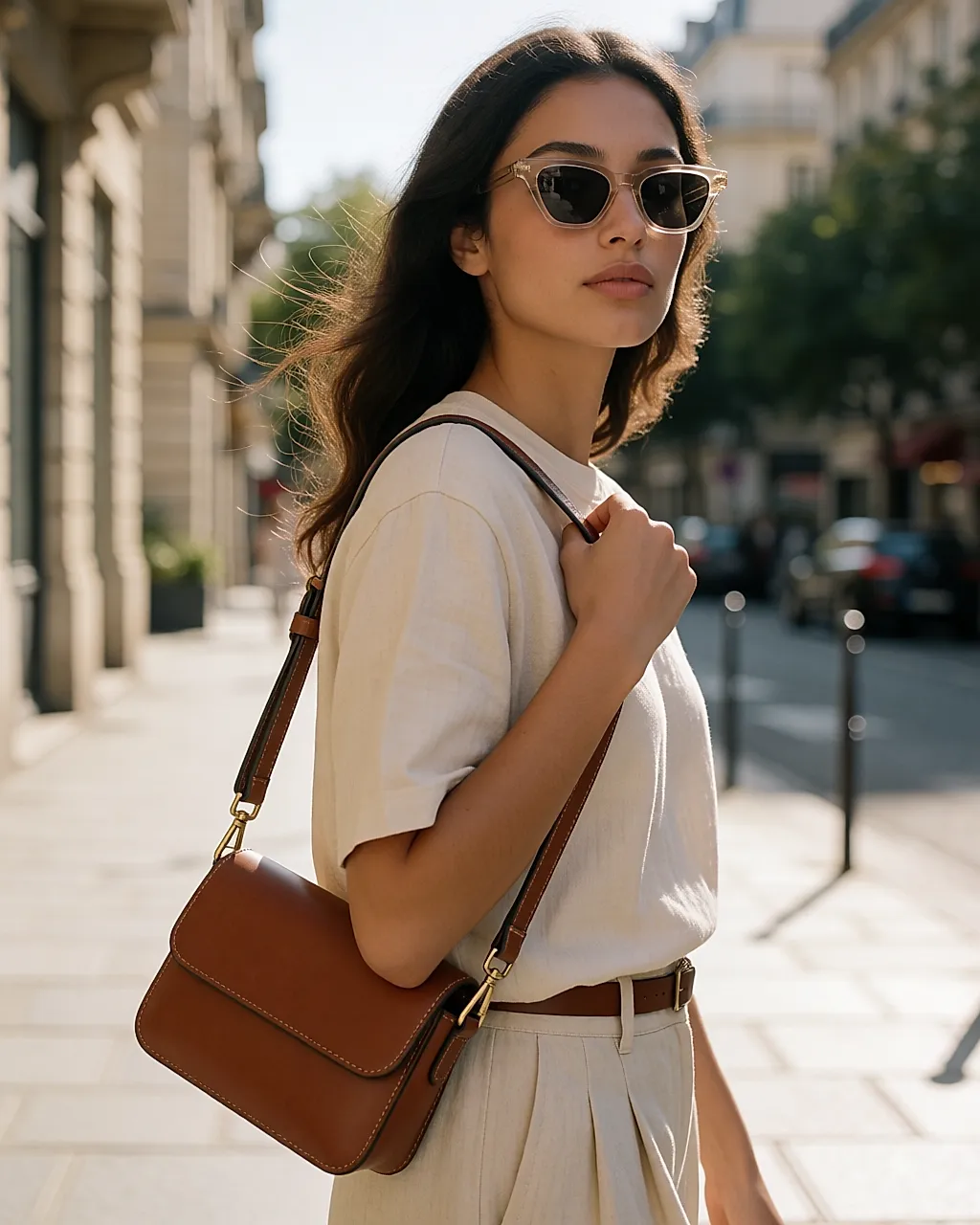
On your feet, trainers inspired by 1970s and '80s running shoes are still leading the way, often worn with wide-leg trousers to balance the volume. And the crossbody bag, once the preserve of travellers, has become a regular men's accessory.
My tester's tip: before you buy, take a photo of your three favourite pieces and check that they work together. A wardrobe that works is rarely ten new pieces; it's five that talk to each other.
Budget
How much does all this cost? The ranges below are rough guides based on UK prices, not official prices.
- Cotton knitted polo: expect £20–£50 in supermarkets or entry-level brands, £70–£130 in high-street fashion.
- Unstructured blazer: £80–£180 in accessible high-street, £220–£450 from designers. Linen often costs more than cotton.
- Raw denim: £50–£110 for a classic pair, £130–£220 for Japanese selvedge.
- Sunglasses: £20–£55 on the high street, £80–£220 at an optician.
- Face care: £8–£22 in a pharmacy, beauty retailer or supermarket for a moisturiser or SPF, up to £45 in premium ranges.
- Pre-shampoo hair oil: £12–£40 depending on size, from a pharmacy, health-food shop or online.
- Cut at a salon or barber: £20–£55 in town, more in a premium salon.
What moves the price: the fabric, where it was made, the city, the season and, above all, buying second-hand. On resale platforms you can find branded pieces at half price, sometimes never worn. Start there before blowing your budget on a trend.
Sources
- Institut Français de la Mode (IFM) — economic publications on the clothing market.
- ADEME — public information on the environmental impact of textiles and clothing care (French agency for the ecological transition).
- Refashion — French eco-organisation for the textile, linen and footwear sector.
- Légifrance — French law no. 2020-105 of 10 February 2020, known as the AGEC law, on environmental labelling for textile products.
- Lacoste official site for the history of the polo.
Comments
Your opinion matters: rate the article, react and reply to comments.
Comments are moderated; AI-assisted comments are flagged. Text emoticons (8-), :-), <3…) are automatically shown as images.