
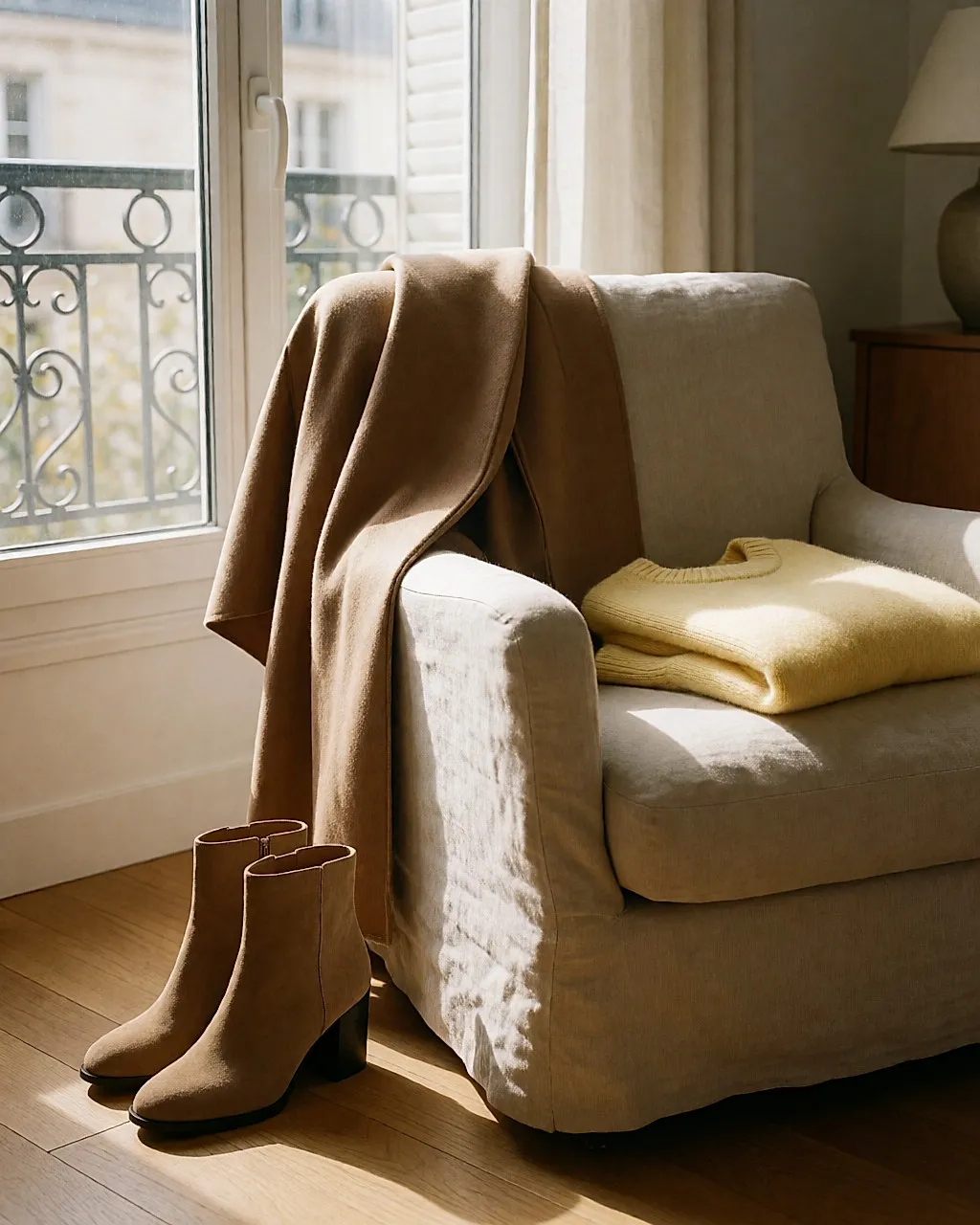
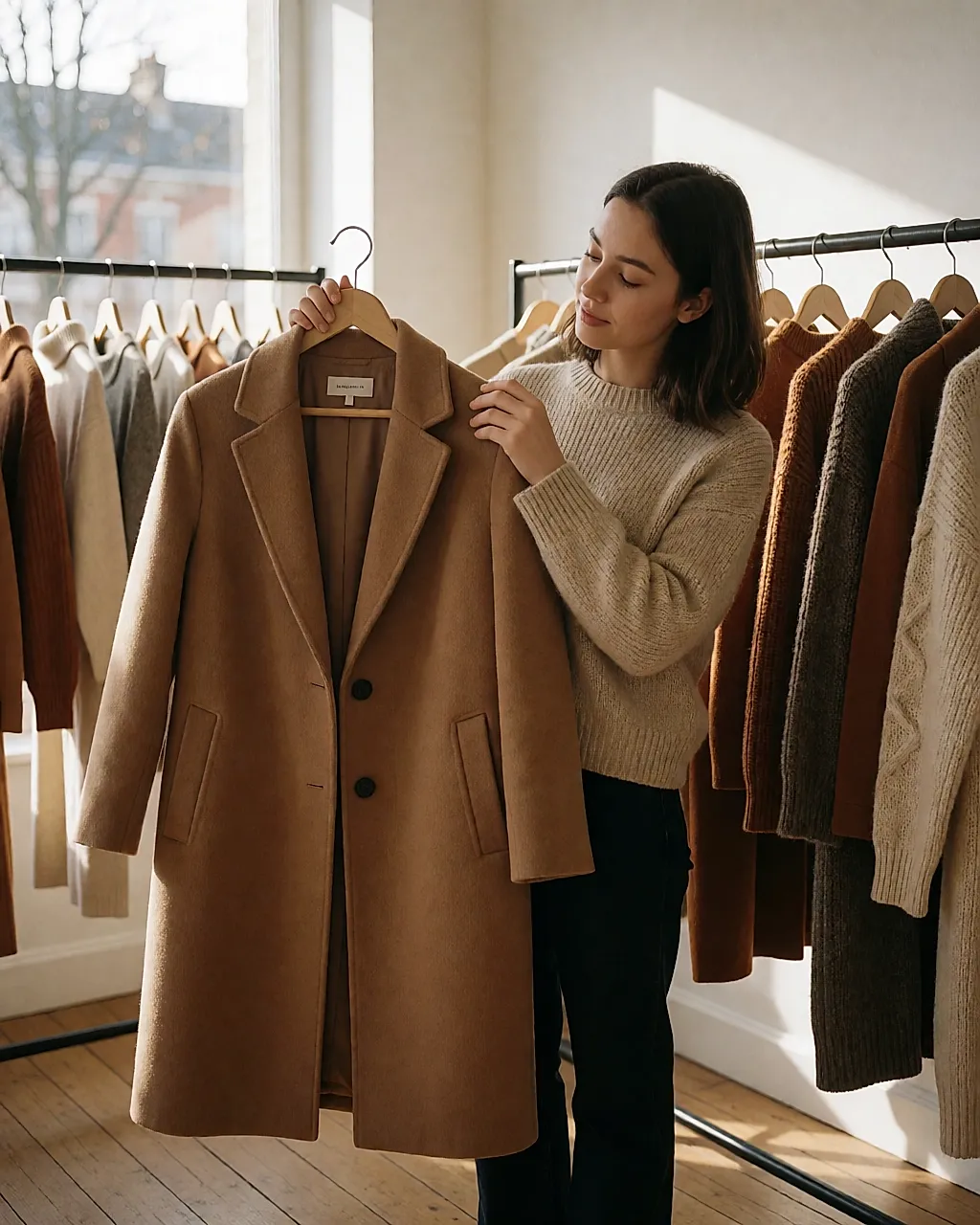
You open your wardrobe on a September morning and nothing in it feels right. It's the classic new-season feeling: the urge to replace the lot, when what you're really short of is two or three pieces. Last year I caved and bought a cape in the sales — I wore it once. Too short, too thin, and whatever look I'd had in mind was gone by the second outing. This year I'm doing it differently: I'm only keeping things that are warm, that work with the rest of my wardrobe and that will still be going in three autumns' time.
The outer layer: ponchos and capes
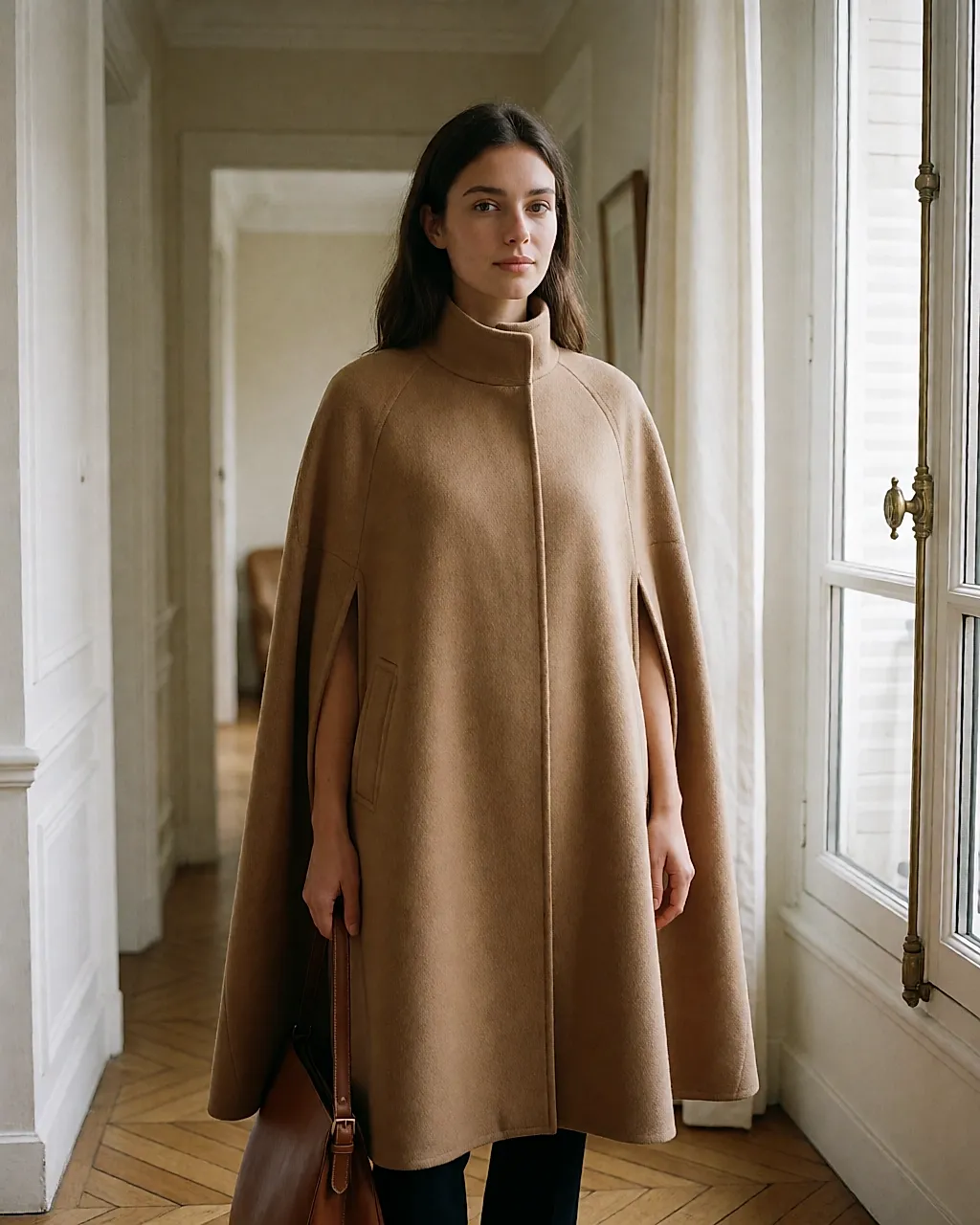
The poncho never really settled into our wardrobes, which is a shame. Today's versions are more structured: a funnel neck, buttons at the shoulder, ribbed knit, in cream or camel. Its little sister, the cape, plays the retro card with a stand collar, faux-leather straps or a tie to knot at the waist.
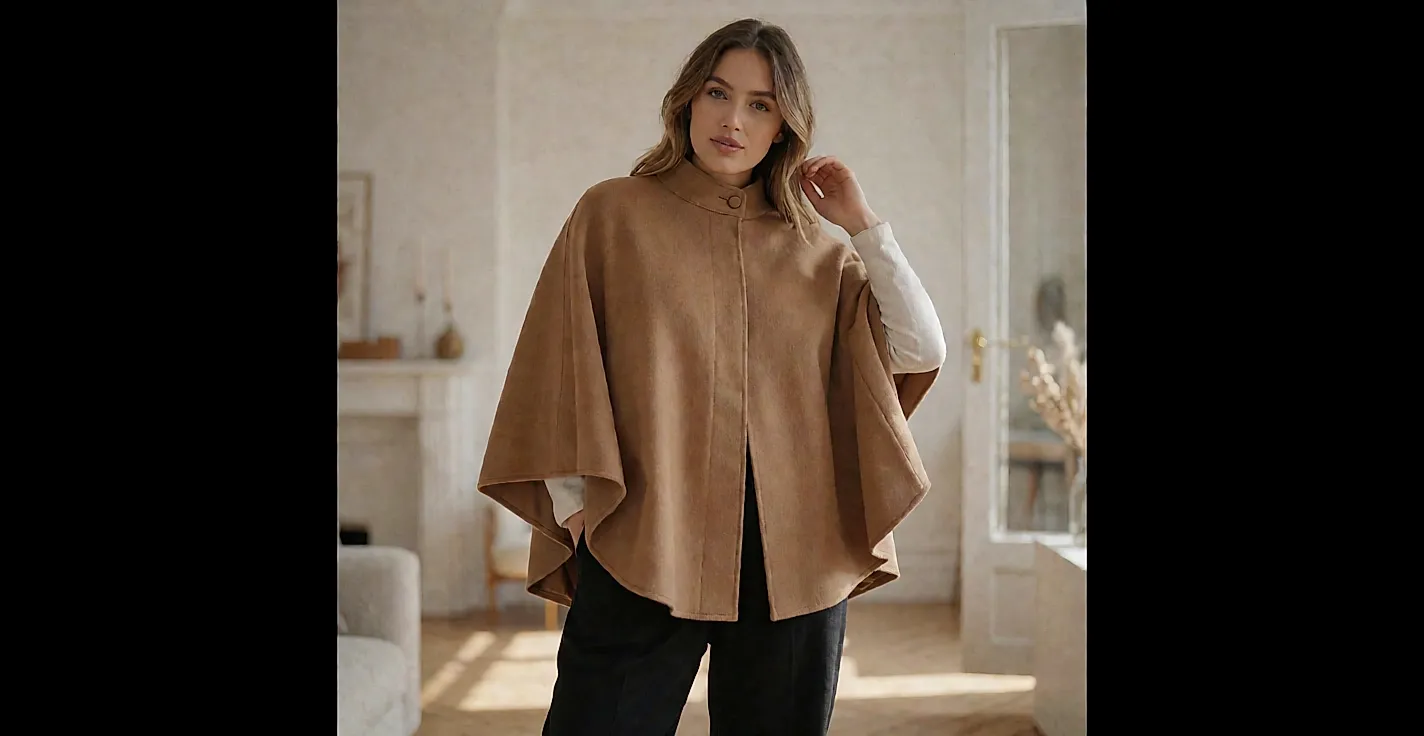
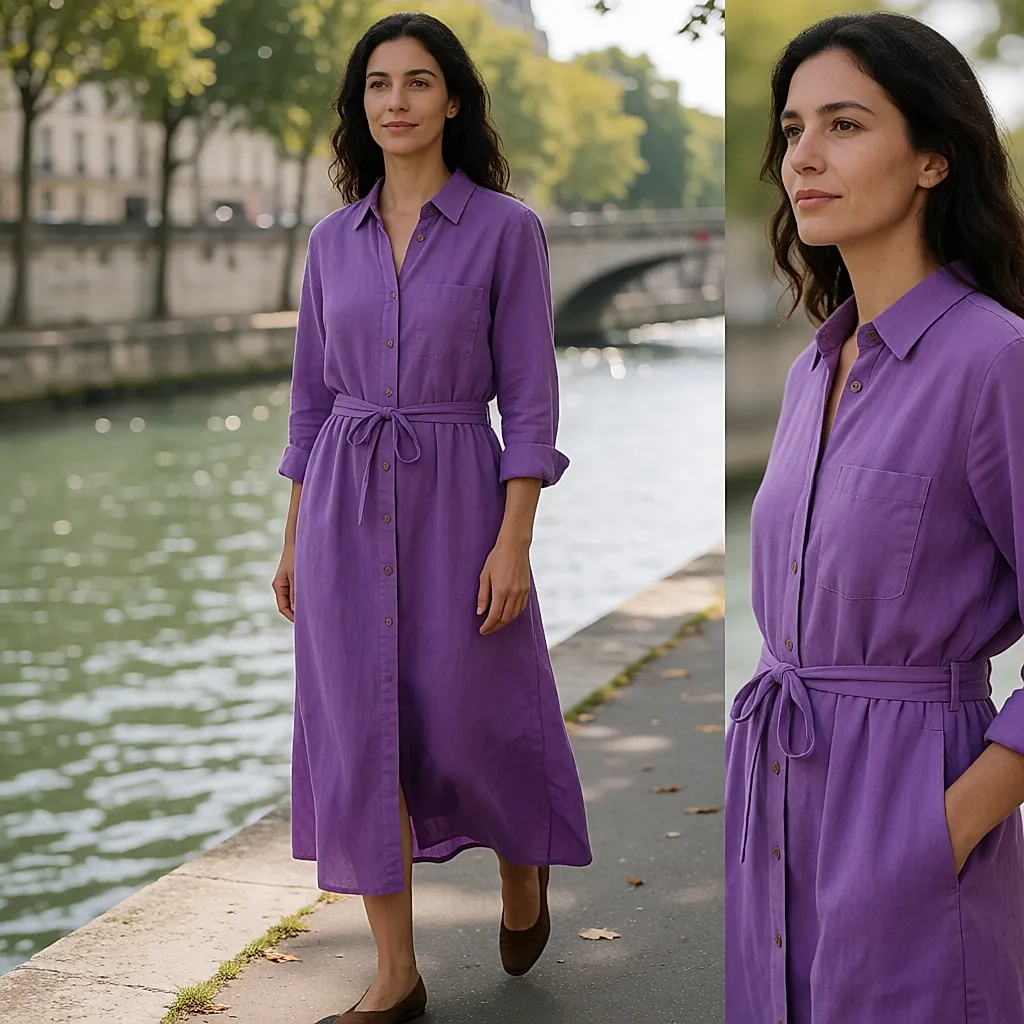
The detail that changes everything is length. A cape that stops at the waist cuts you in two; one that falls below the hip lengthens the line. In practice it's a forgiving piece — but it doesn't forgive fine knits: if it pills within a fortnight, the look is gone.
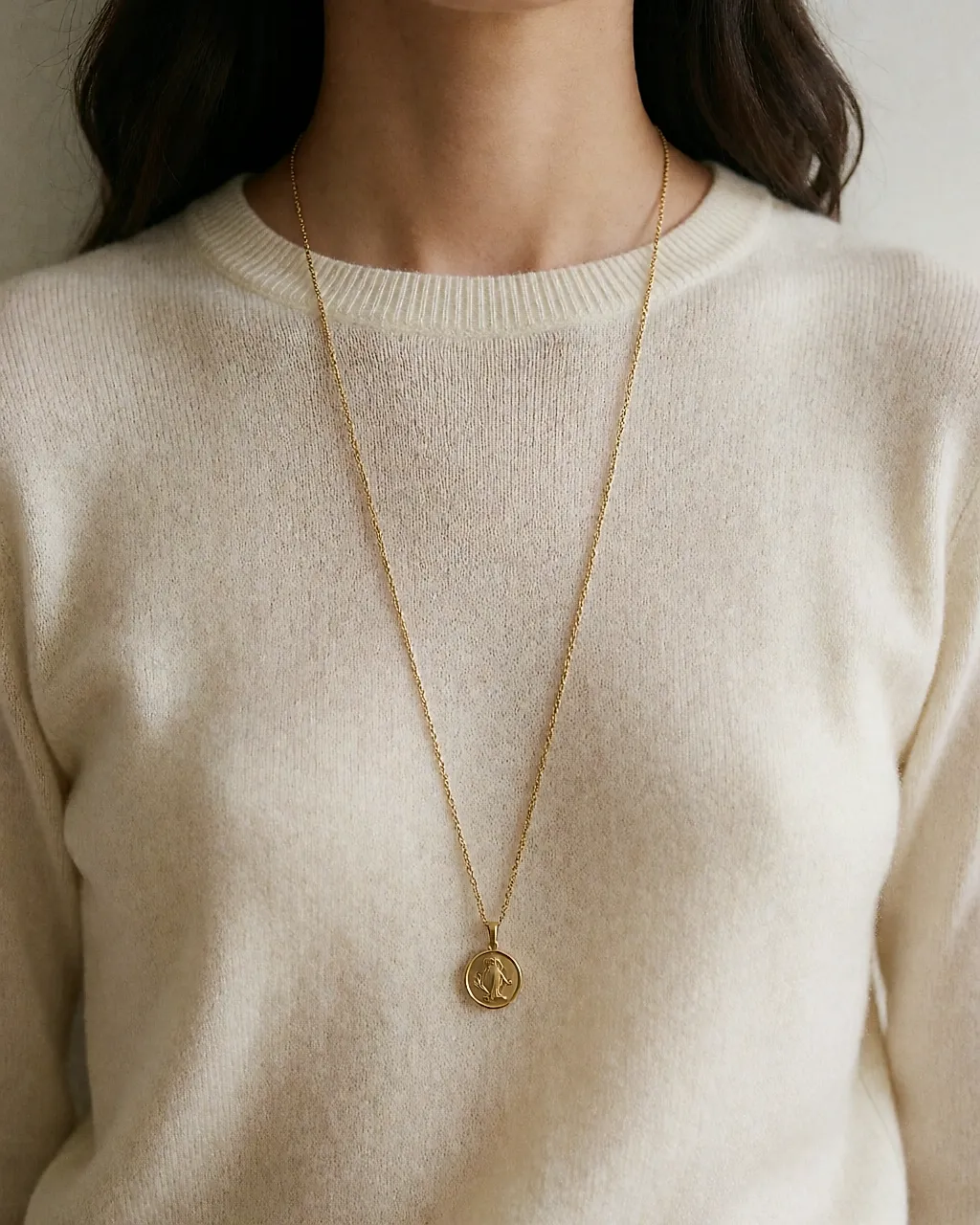
Camel leather, an easy safe bet
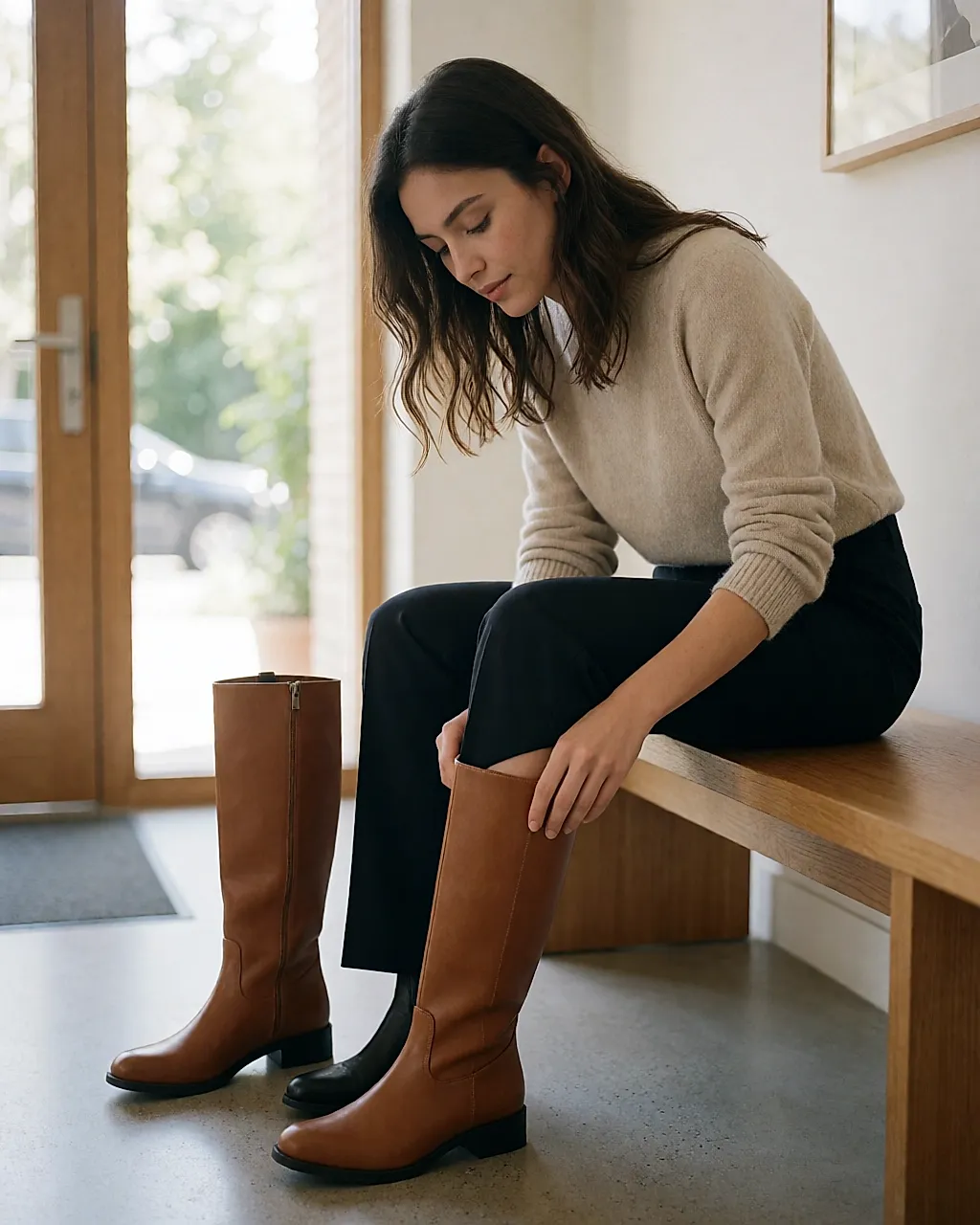
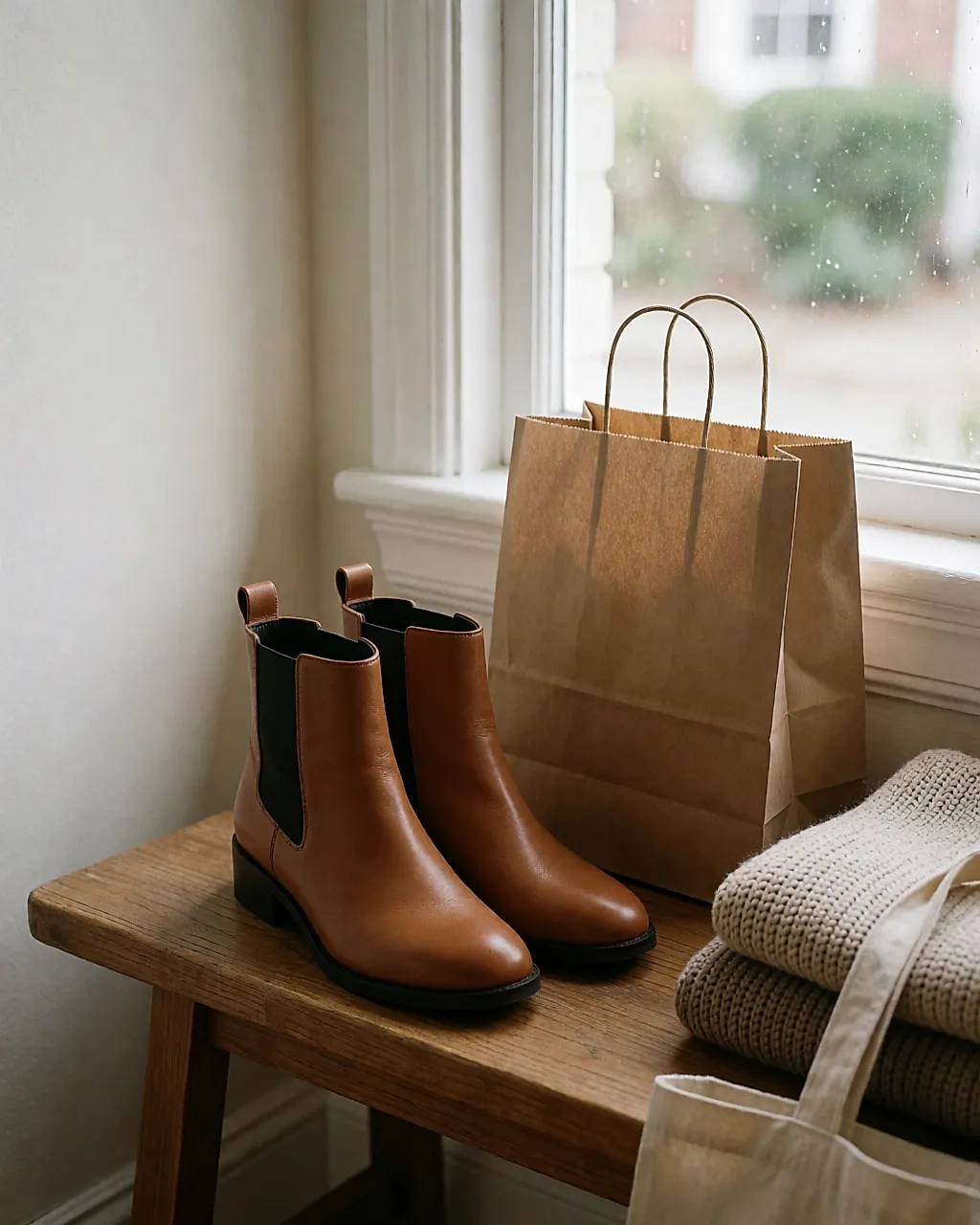
Camel leather comes back every autumn, and it's no mystery why: the shade sits happily with raw denim, black and grey, which makes it very easy to accessorise. On the footwear front, you've got choices. Square-heeled suede boots with a lace tied around the ankle. Western boots if you want something more full-on. Or flat boots with a knitted shaft, lined and buckled — perfect for wet days.
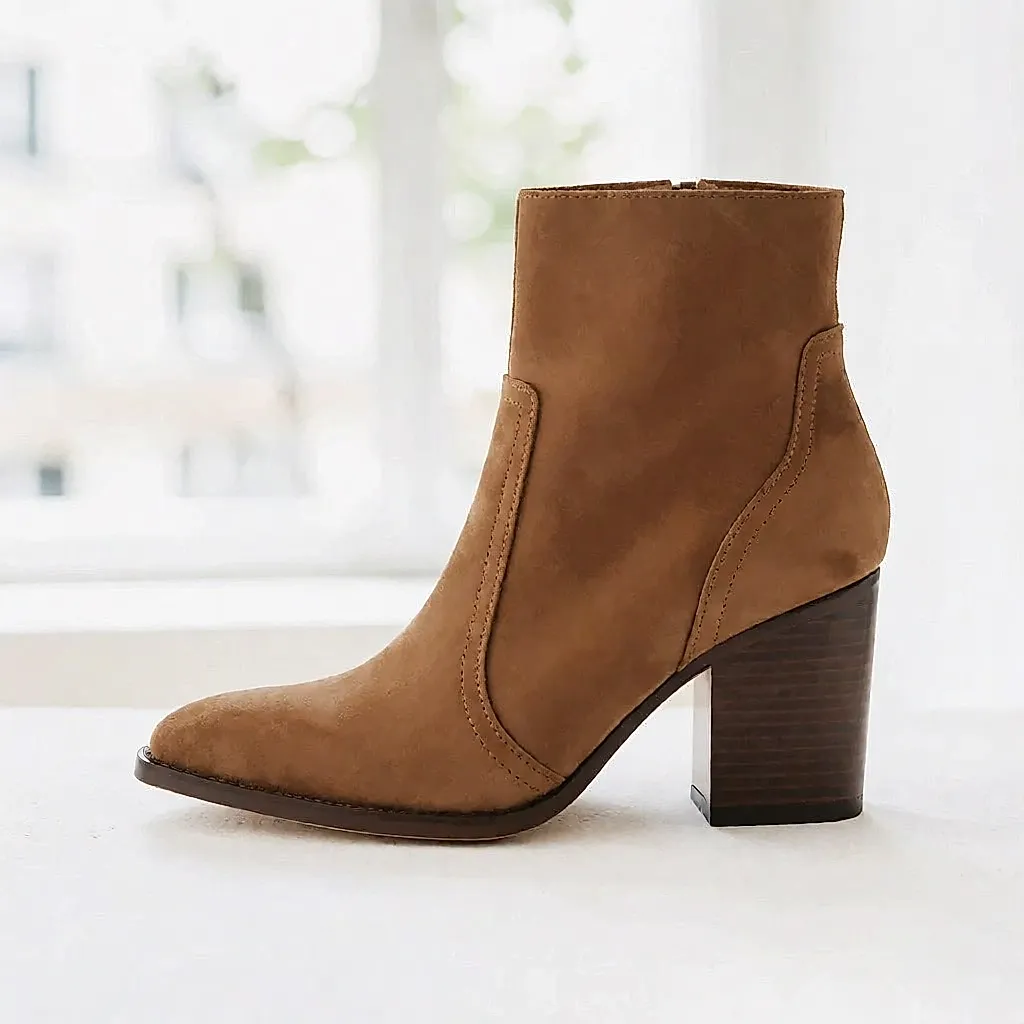
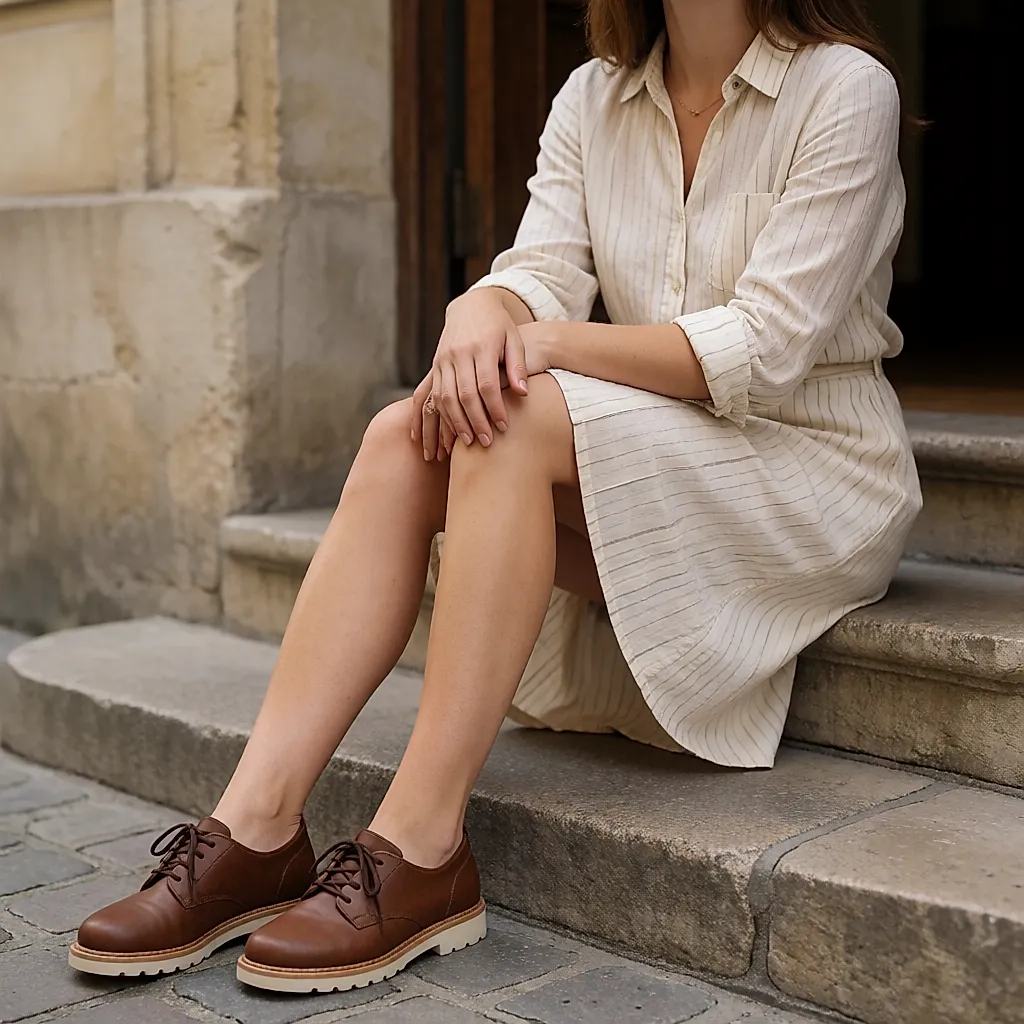
Before you buy, look at the sole and the lining. A textile lining won't keep you as warm as a thick synthetic fur, and a glued sole will give up long before a stitched one.
Jumpers and jackets: put the pattern where it works
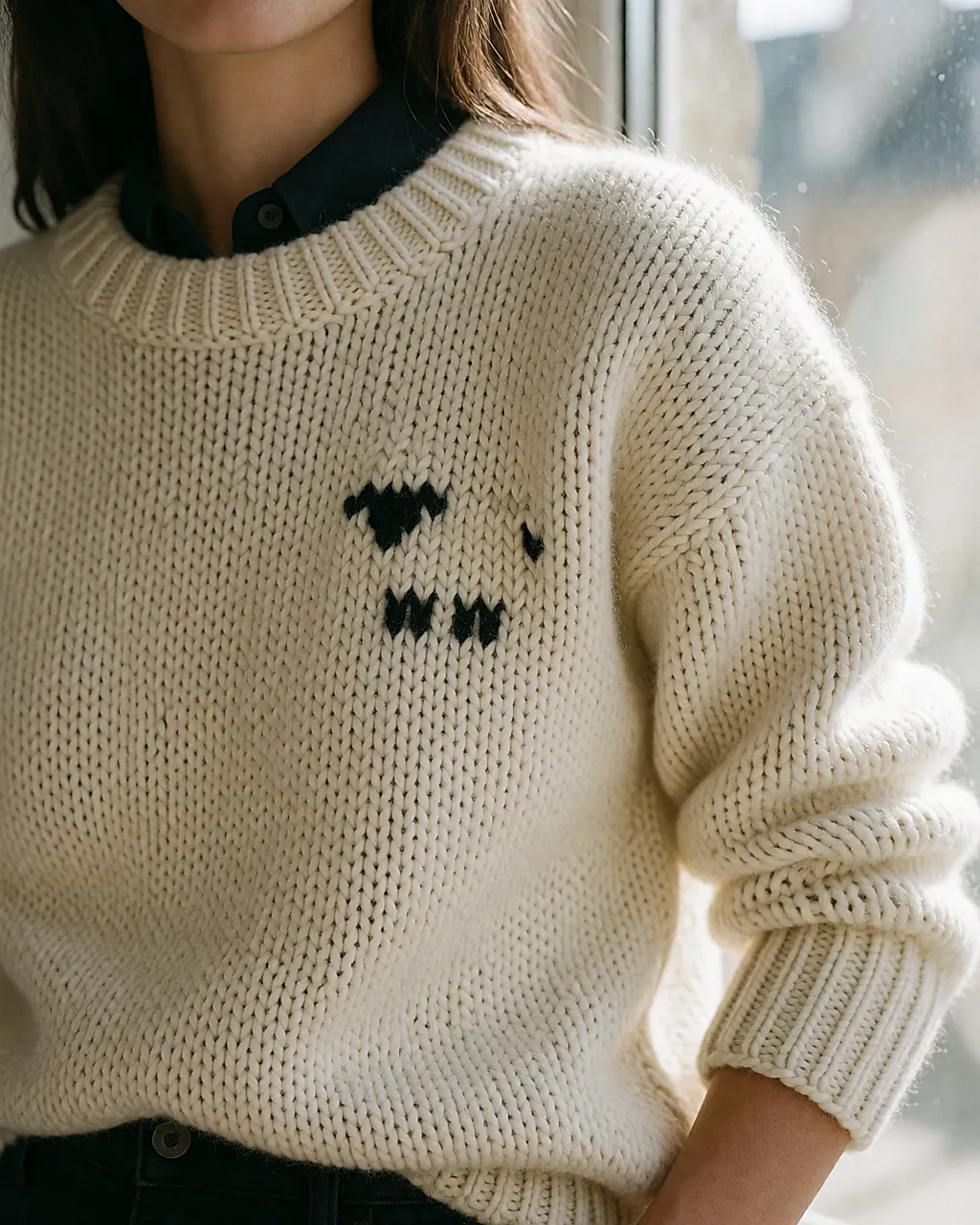
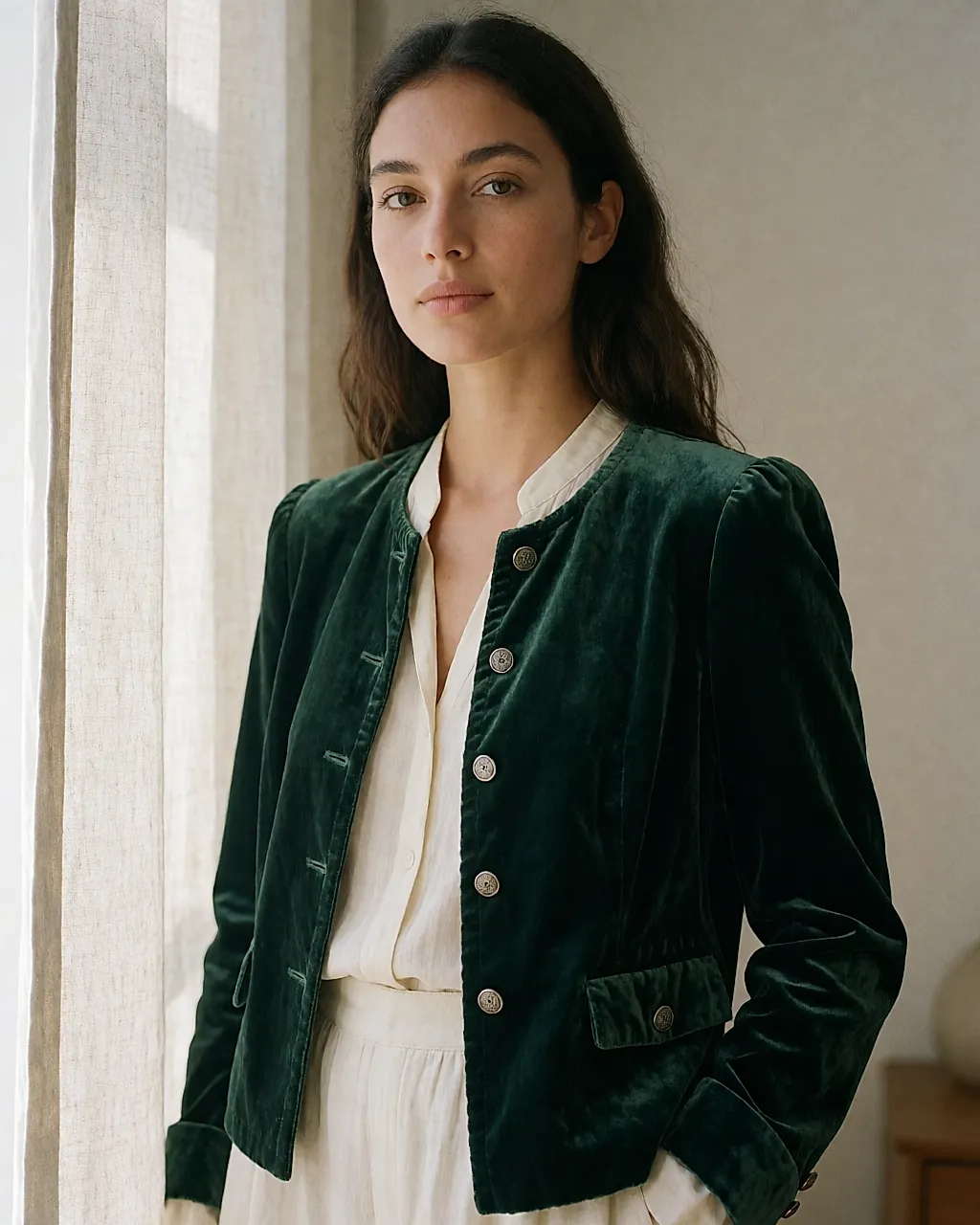
A jumper on its own can lift a plain outfit. Sheep motifs, contrast elbow patches, flecked knits: wear the pattern on the top half and keep the bottom half plain. Same rule for jackets. An officer-style jacket in plum, a boho green velvet jacket with silver buttons, a wool pea coat with an off-centre button placket — each one works as long as the rest of the outfit stays quiet.
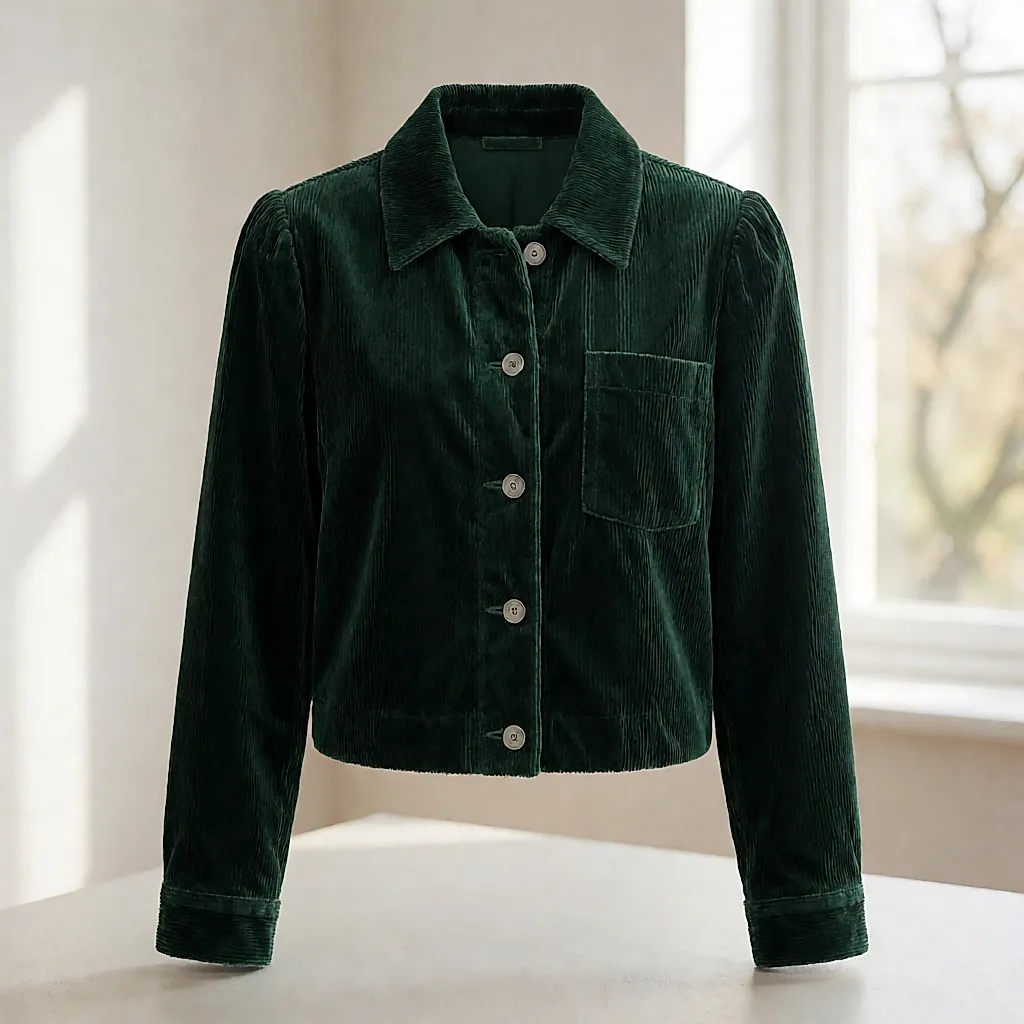

My tester's tip: with a bold piece, turn it inside out and look at the seams. That's where you spot the difference between something that will last and a one-season buy.
Dare to wear colour
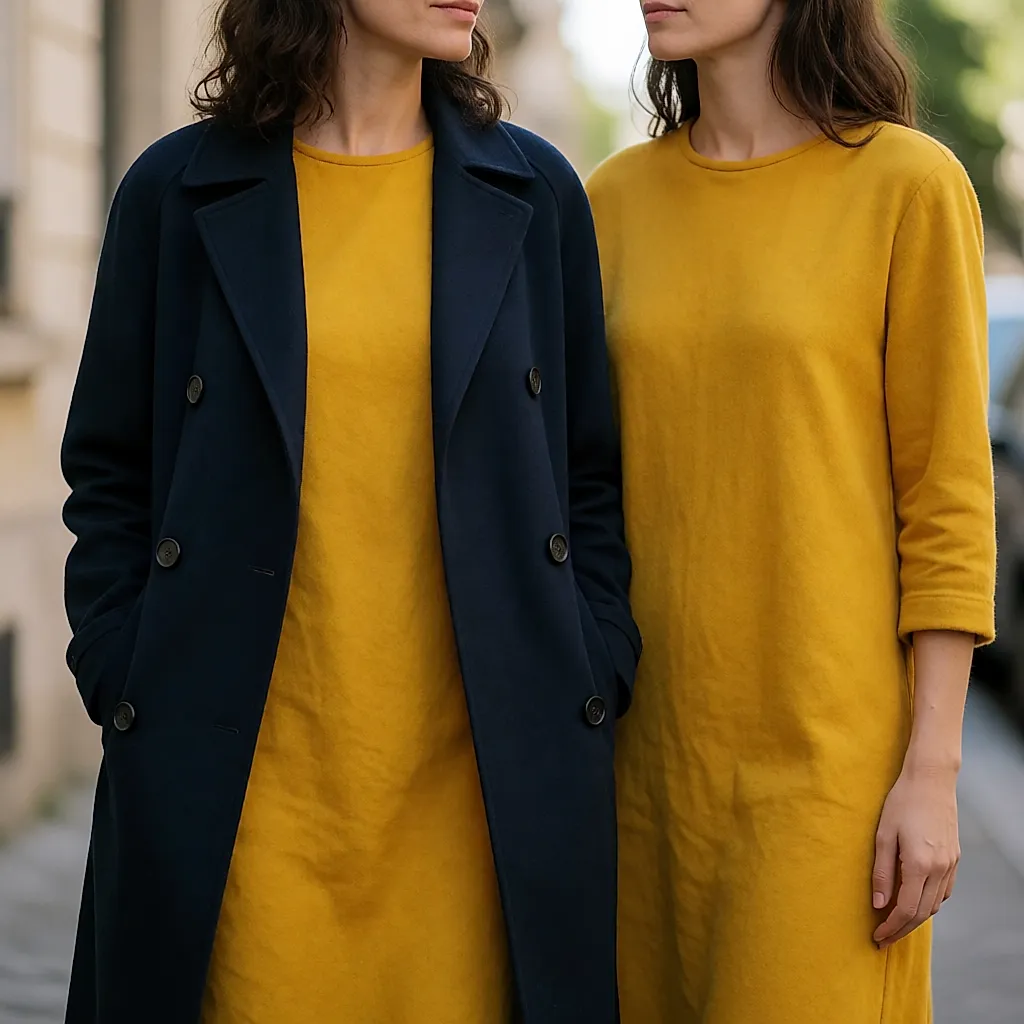
Yellow and deep purples are back in the autumn collections. A yellow jumper under a dark jacket is a no-risk way in. A purple or military-inspired coat with black buttons becomes the statement piece on the coat rail — the one you won't be replacing for several winters.
Fabric is the real test
Before you look at the cut, read the label. The share of natural fibre — wool, alpaca, cotton, linen — does more for how a garment wears than any line in a shop window. On labels, two marks are worth knowing. GOTS covers organic cotton from the field right through to the finished product, and OEKO-TEX Standard 100 certifies the absence of unwanted substances in the textile — note that it says nothing about where the fibre came from. For linen, the European Flax label guarantees European-grown fibre. There's nothing magic in any of this: a well-knitted wool jumper, washed cold, will usually outlast a cheaper synthetic that you end up replacing every autumn.
Three questions before you pay
- Can I wear this with three things I already own?
- Will the fabric survive ten washes?
- If I see it in the sales in six weeks, will I regret it?
Three yeses and you buy it. Two nos and you put it back.
Budget
The ranges below are what you'll typically see on the UK high street. I haven't test-worn every piece mentioned here; these figures come from collections seen in shops and from fabric information.
- Wool or alpaca jumper: around £25 to £100 (acrylic, more like £18 to £40).
- Poncho or cape: £35 to £125.
- Wool pea coat: £75 to £300, depending on the wool content and the lining.
- Leather boots: £70 to £210; faux leather, £35 to £75.
- Second-hand: £10 to £50 at charity shops, vintage shops or resale platforms.
What moves the price: the share of natural fibre, where it was made, the sole (stitched or glued) and when you buy. New arrivals are full price in September; the same pieces drop noticeably in January.
Where to look: high-street chains and department stores for basics, mid-range labels for coats, independent shoe shops if you want to try a real size on. And don't overlook second-hand — there's plenty of autumn stock out there that has barely been worn.
Sources
- Office for National Statistics, consumer price inflation, clothing and footwear — ons.gov.uk
- WRAP, Textiles 2030 — wrap.org.uk
- Love Your Clothes (WRAP), guides on making clothes last longer and caring for fabrics — loveyourclothes.org.uk
Comments
Your opinion matters: rate the article, react and reply to comments.
Comments are moderated; AI-assisted comments are flagged. Text emoticons (8-), :-), <3…) are automatically shown as images.