
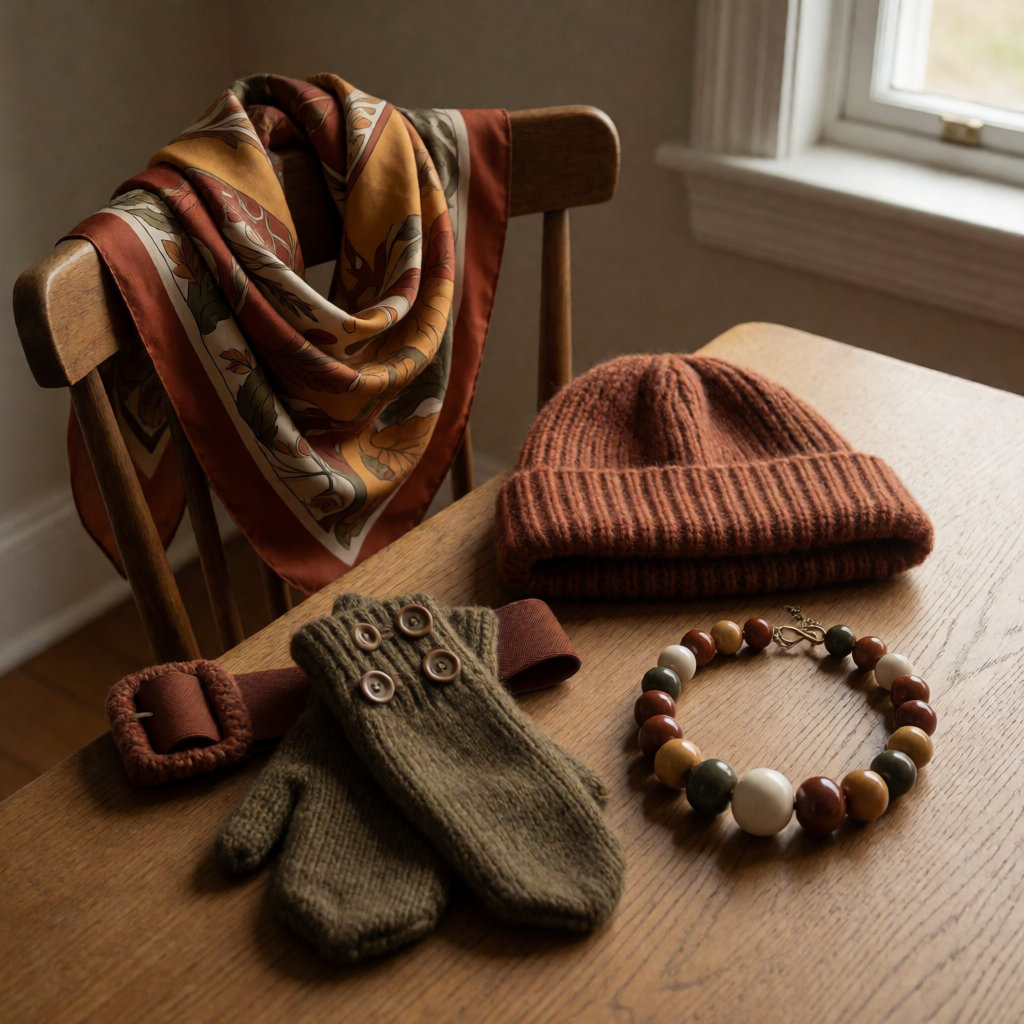
Autumn accessories: a lovely mix of pieces
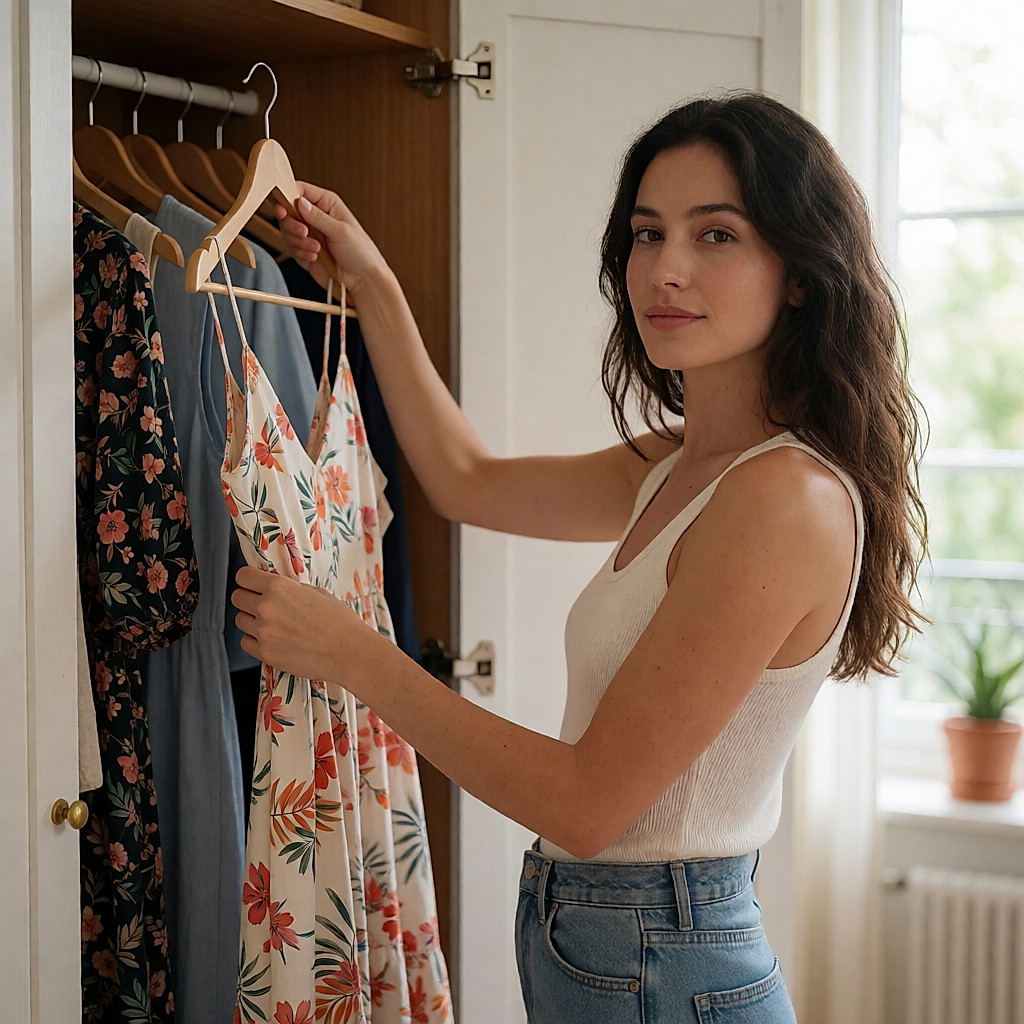
You open your wardrobe one September morning and the verdict is immediate: your summer outfits no longer tell the same story. Flowing dresses have lost their edge, sandals are waiting for their box, and yet the cold has not truly set in. Does that mean you need to start from scratch and rebuild your entire wardrobe? Absolutely not!
An autumn wardrobe is often reinvented at the edges, by changing accessories before the main pieces. A well-tied square scarf, a pair of gloves, a belt placed in the right spot, and suddenly a silhouette that looked tired has real flair again. Let's be clear: nothing here has been tested. What follows are material and label pointers that you can check for yourself in store, label in hand. So let's dive into the great inventory of lovely pieces that will transform your wardrobe!

The scarf: the statement piece that can transform a whole look
It's one of the season's best-value accessories, often the least expensive considering how much it can transform. A printed square, a jersey wrap, a wool scarf: in all three cases, the drape depends entirely on the material. Silk slips, ties thinly, doesn't hold volume. Wool, by contrast, holds volume and structures the collar. As for cotton jersey, it forgives clumsy knots — which is no small thing when you're getting dressed in three minutes in the morning! The move that changes everything? Tie the square to the side rather than at the centre, to break the vertical line of a parka and bring a little movement to the whole look.

On materials, three markers are really worth checking. The GOTS label covers the organic chain from cotton growing through to manufacturing, not just the raw fibre: that difference matters. Oeko-Tex Standard 100 limits substances of concern in the finished product, which counts for a piece that spends hours against your neck. For recycled content, the Global Recycled Standard (GRS) requires a minimum amount of recycled material and checks the supply chain. That's enough to check the label without being taken in by yet another marketing promise.
Fingerless gloves, gloves and knee-high socks: start with the extremities
Double-button fingerless gloves remain a safe bet: your fingers stay free for your phone, which is really not a small detail in October! You can find them in traceable merino wool or recycled wool. The RWS (Responsible Wool Standard) label certifies animal welfare and wool traceability, from farm to yarn.

On materials, this is where the essentials are decided: merino or recycled wool, cotton, silk, vegetable-tanned leather — natural fibres that develop a patina, can be repaired and are kept. And if your wardrobe already contains older pieces, there's no need to replace everything: the most understated piece remains the one you already wear, winter after winter.

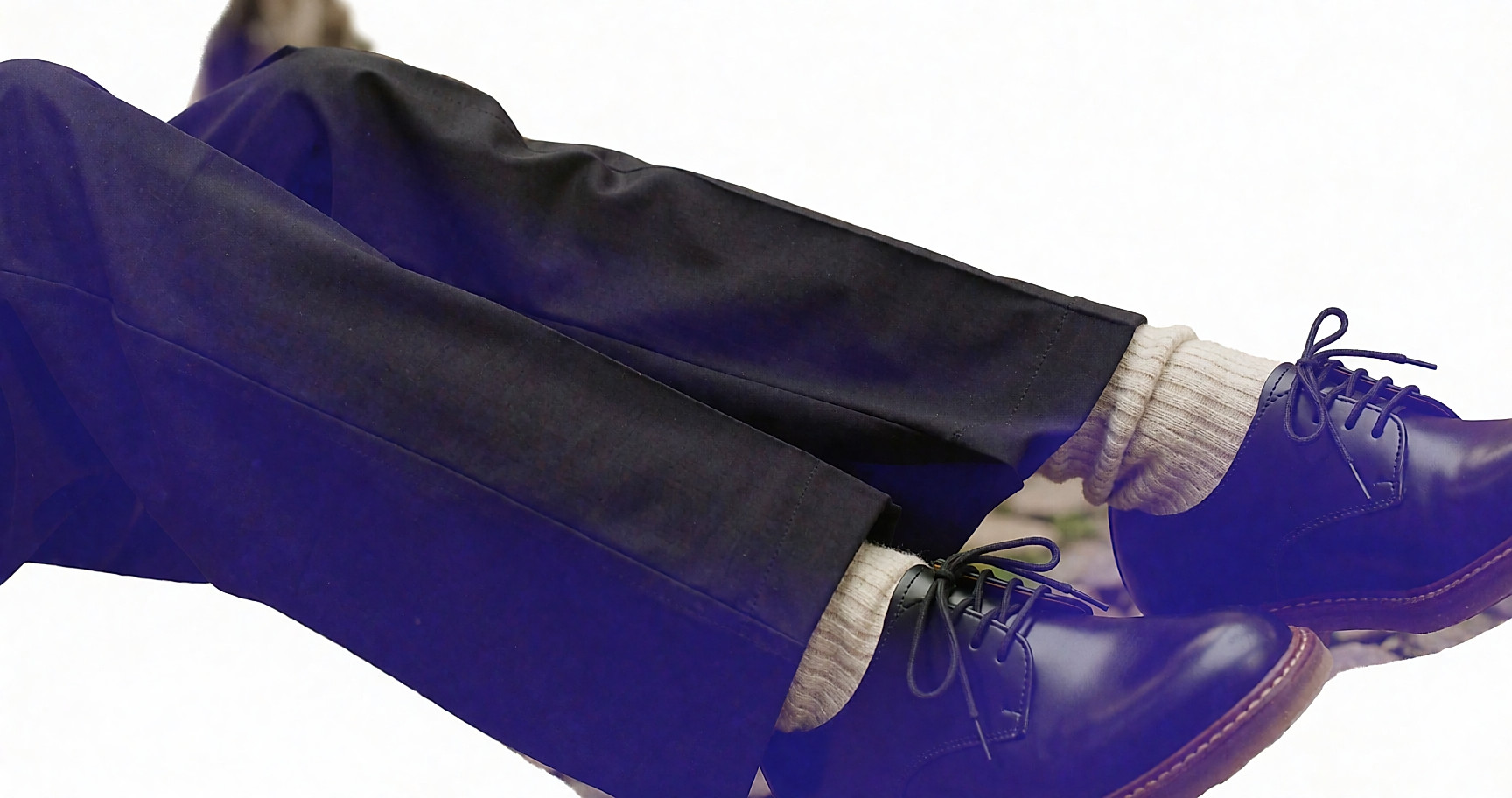
For feet, studded ballet flats have given way to Derby shoes and lug-sole loafers, better suited to rain. Look for leather from an LWG (Leather Working Group) certified tannery: the standard audits water and energy use and effluent treatment. Vegetable tanning, based on tree bark, also exists, but it remains in the minority and is more expensive. For socks, a knee-high wool style keeps ankles warm under a skirt or wide-leg trousers, and finishes the leg line neatly. A detail that does not look like much, but changes everything visually!

Jewellery: waking up a simple outfit in seconds
A chunky enamelled ceramic or recycled brass necklace is enough to accessorise a plain roll-neck! That's the whole point of a statement piece: one strong element, with the rest of the look kept low-key. No need to overdo it — quite the opposite.

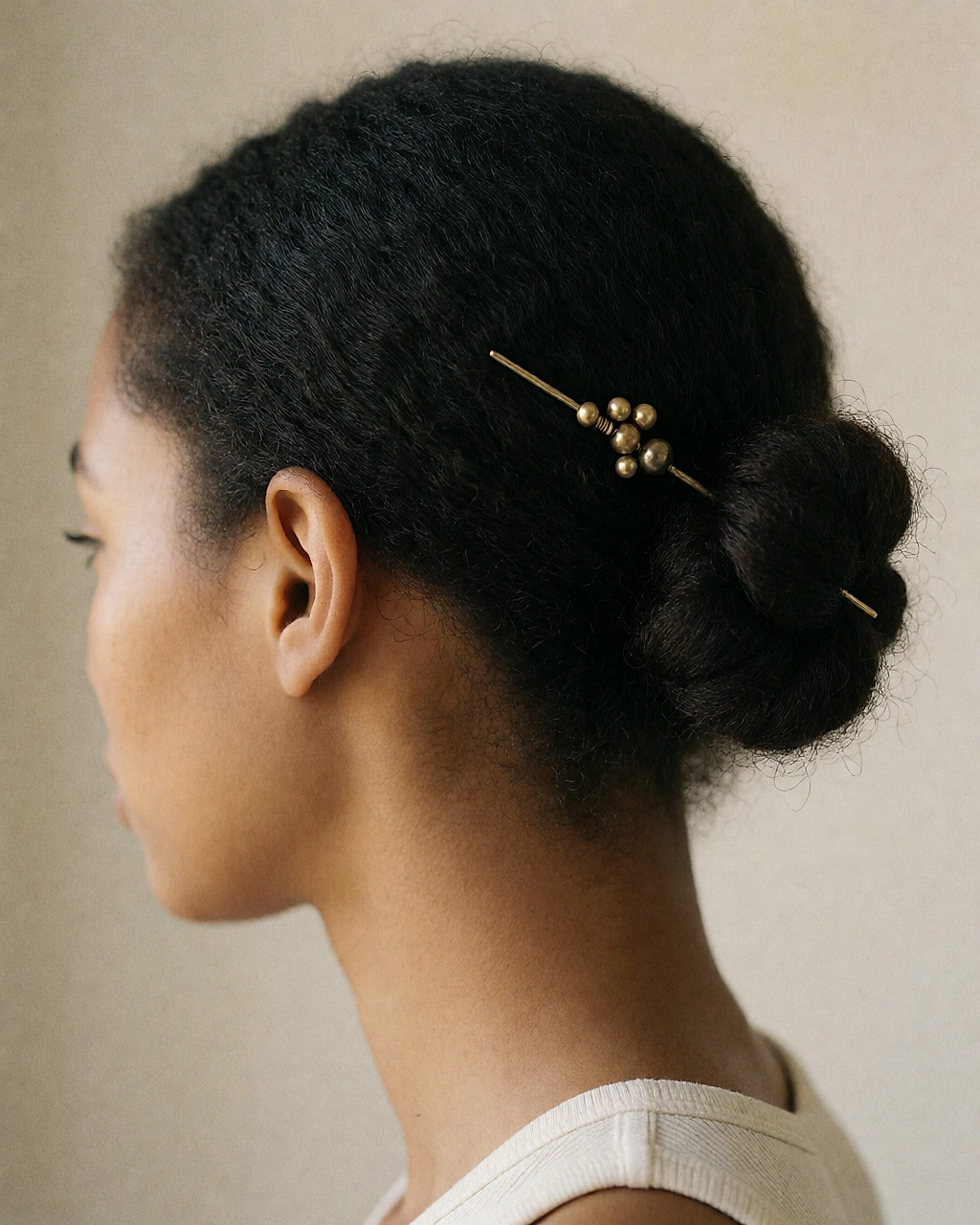
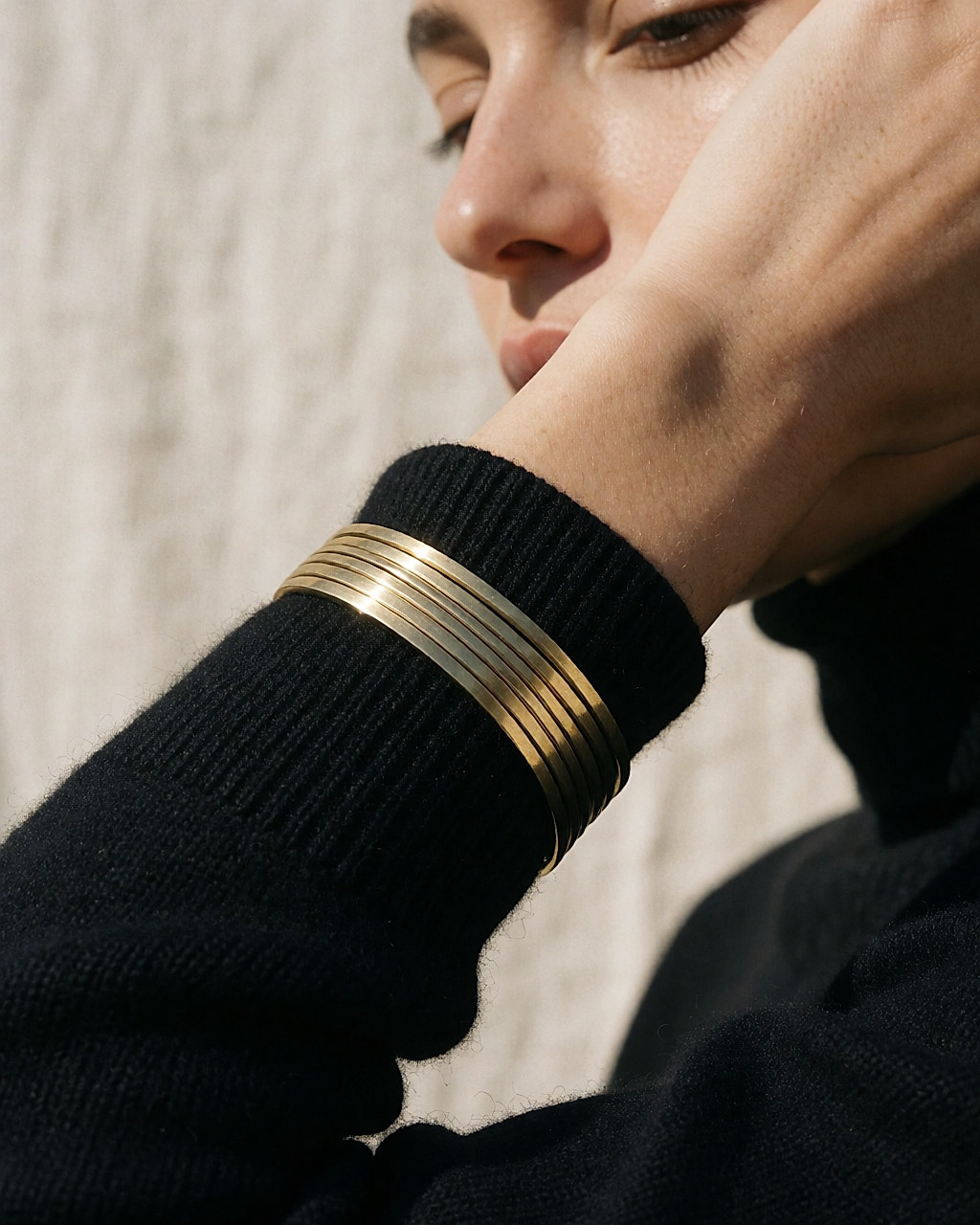
Watch out for quality, because cheap costume jewellery oxidises quickly and shows its age through wear. Three criteria to keep in mind: recycled brass rather than an anonymous alloy, thick gold plating rather than too-thin gilding, to limit wear, and limited nickel release — something EU regulation controls for items in prolonged contact with the skin. A hair clip or headband follows exactly the same reasoning on a smaller scale. Stacked at the wrist, three fine bracelets are enough to wake up a black roll-neck effortlessly!
The bag: XXL shape, material worth questioning
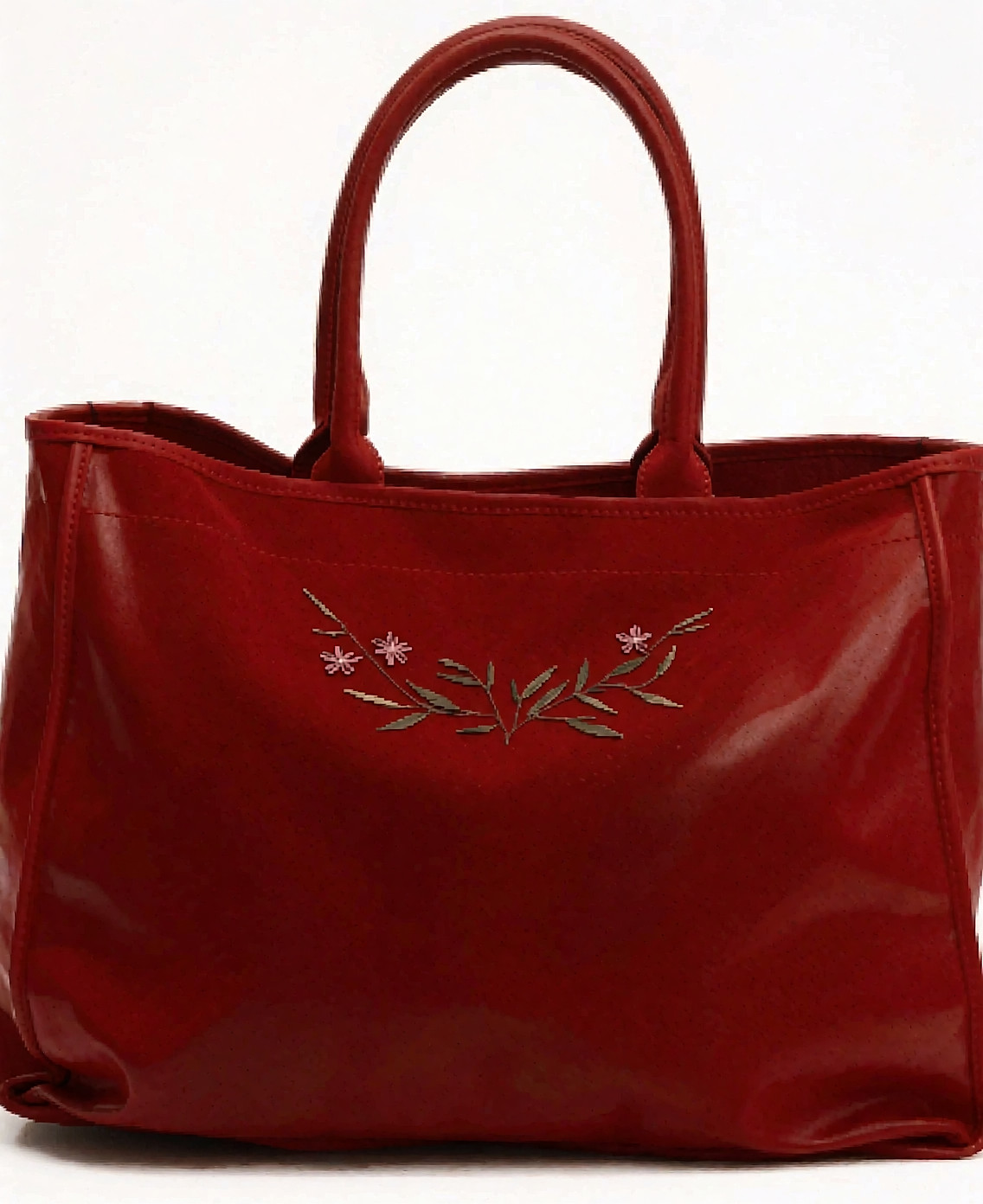
The large structured tote bag never goes out of style. Its material, however, deserves serious scrutiny. Vegetable-tanned leather and LWG-certified tanneries are solid options, with durability that shows after a few seasons. So-called 'plant-based' alternatives — grape, apple, cactus — are appealing on paper, except that some are actually polyurethane mixed with plant waste. The renewable share then remains in the minority, and the end of life is that of a plastic. Worth knowing before paying a leather price.

This is the kind of information you won't find in a shop window, yet it changes everything when choosing. If a plant-based alternative tempts you, look at the exact composition: if PU dominates, you're buying plastic with a nice story.

Hats and headwear: taking layering to the top
A recycled wool or merino beanie generally keeps you warmer than a synthetic knit, and often itches less on the forehead. A faux-fur pom-pom adds decoration without farming. Cable knit, meanwhile, brings texture to an all-plain look — the kind of detail that separates a polished look from an outfit that simply covers you up.

A knitted headband is also a good find when you don't want to crush your hairstyle: it covers the ears without ruining a low bun. Ribbed and without a pom-pom, a merino beanie stays discreet under a coat collar, while a more textured version embraces the cocooning side. It's up to you, depending on the look you want!

Belts: cinch without compressing
A wide elastic belt with a detailed buckle defines the waist on a flowing dress and instantly gives a retro feel. In leather, opt for vegetable tanning: the leather develops a patina instead of wearing out. And to avoid the cinched effect that ruins everything, a simple guide: a flat hand should pass between the belt and your body. If it resists, it's a size too small!

On an oversized blazer, a fine belt redraws the waist without breaking the line. On a flowing dress, a wide elastic style does the job. In short, an accessory that costs little and changes a lot — we love it!

Three questions before buying an accessory
Can I wear it with at least three outfits I already own? Do I know the main material? Will it survive next season? Three noes, and you have your answer. The criteria mentioned above are documented, not laboratory-tested: it's up to you to check the label in store.



Budget
Indicative UK price ranges:
- Cotton or jersey scarf: £8 to £25 on the high street and online; £45 to £100 for printed silk from accessible brands.
- Recycled wool or merino beanie: £12 to £40. At the cheaper end, check the synthetic fibre content!
- Leather gloves and fingerless gloves: £25 to £80; vegetable tanning often sits at the top of the range.
- Costume jewellery: £8 to £35; £45 to £130 for thick gold plating or recycled brass.
- Leather bag: £70 to £220 for decent tanning. Plant-based alternatives often sit in the same range, with no guarantee of longevity.
- Leather or elastic belt: £12 to £55 depending on the buckle and tanning.
What changes the price: the raw material, where it was made, whether there is an audited label, and how repairable it is. Where to look? Designer fairs and second-hand markets for wool or leather pieces, department stores and concept stores for silk scarves, the high street and e-commerce for knit basics. End-of-season sales remain a good moment to treat yourself to a quality accessory: same material, lower price. For smart budgeting, don't forget resale apps to hunt down a silk square or a pair of leather gloves at a lower price.
Sources
- ADEME — insights on the environmental footprint of textiles, 2024.
- GOTS (Global Organic Textile Standard) — organic textile standard, from fibre to manufacturing, 2024.
- Textile Exchange — RWS (wool) and GRS (recycled material) standards, 2024.
- Oeko-Tex — Standard 100, certification limiting substances of concern, 2024.
- Leather Working Group — tannery audit standard, 2024.
- Refashion — eco-organisation for the French textile sector, 2024.
- EU REACH regulation — limits on nickel release in items in prolonged contact with skin, 2024.
There you have it: all the keys to move from a summer wardrobe to an autumn look that holds up, without breaking the bank. Changing accessories first is the right move: a few pounds spent wisely, and your summer outfits stretch into the first cold snaps. Happy shopping, and remember to check the label — it's the best guide you've got!




Comments
Your opinion matters: rate the article, react and reply to comments.
Comments are moderated; AI-assisted comments are flagged. Text emoticons (8-), :-), <3…) are automatically shown as images.