
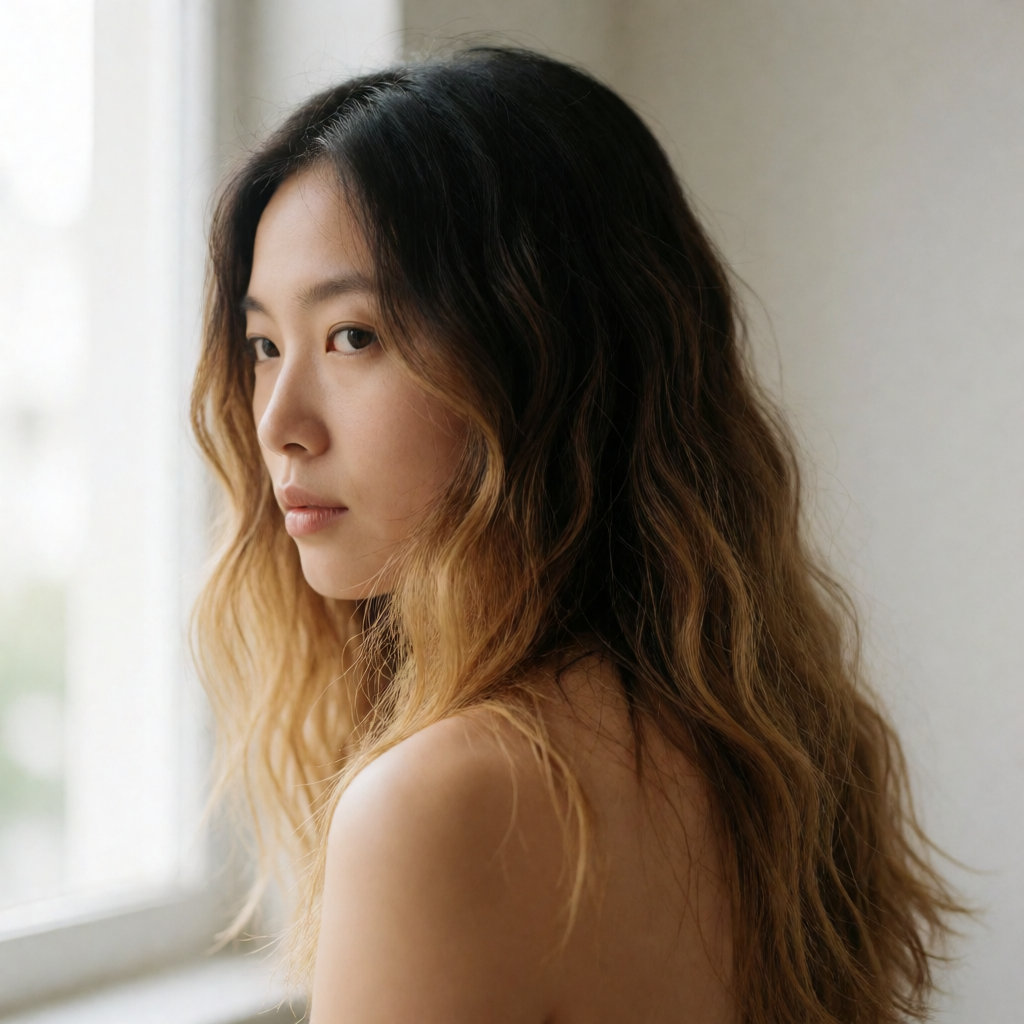
Hair colour: ombré hair and tie-dye highlights
Have you ever put off your colour appointment by two or three weeks, then a whole month? If so, you know the scene by heart: the regrowth marking your roots, the shade turning, that feeling you'll have to start all over again. That's exactly where ombré hair, or tie-dye colour, has earned its place. The idea is simple: leave the roots alone, gradually lighten the lengths, and end up with something that looks more like late summer by the sea than an abandoned colour job. The question is whether the gradient suits you — and whether the bill fits your budget.
What exactly is ombré hair?
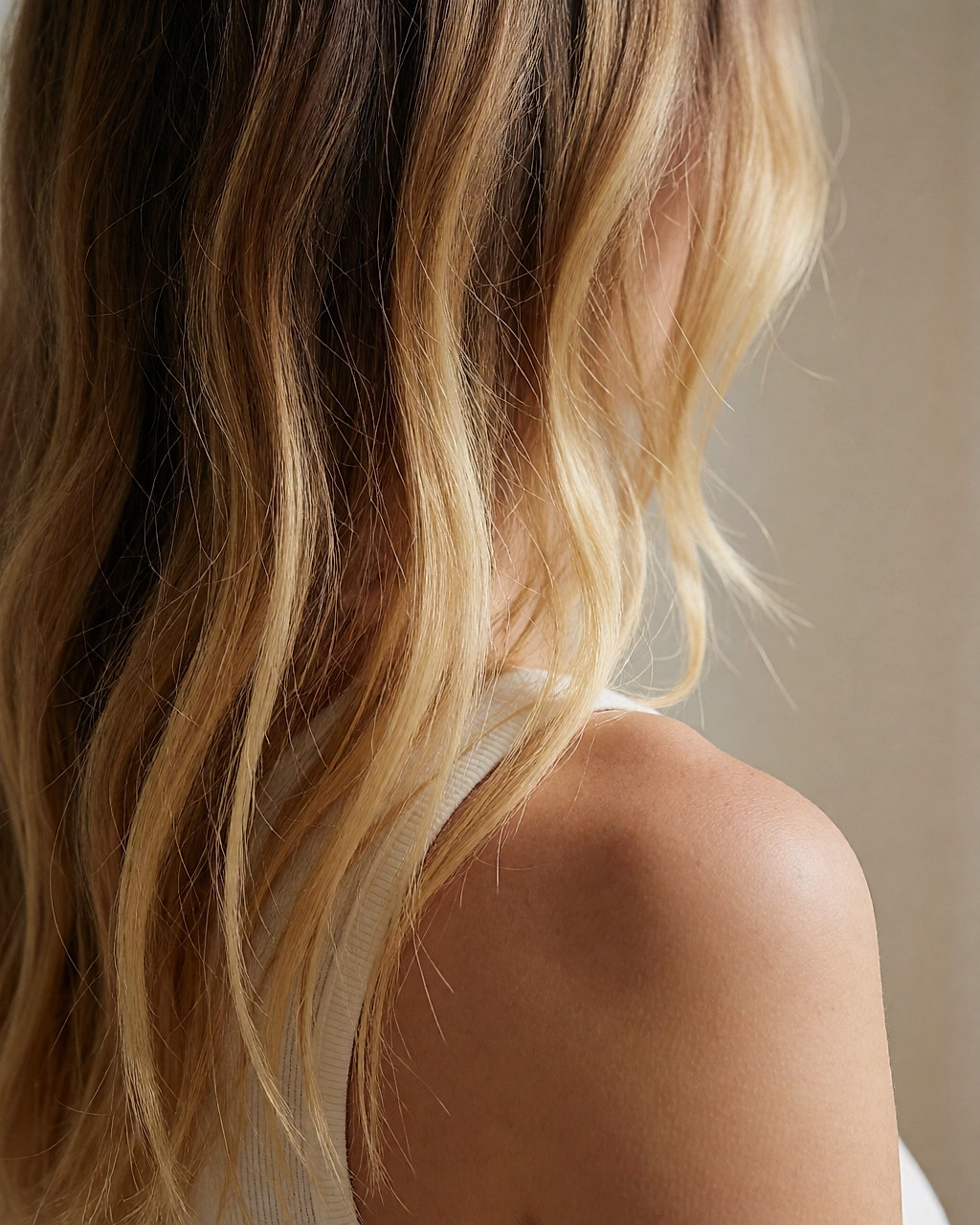
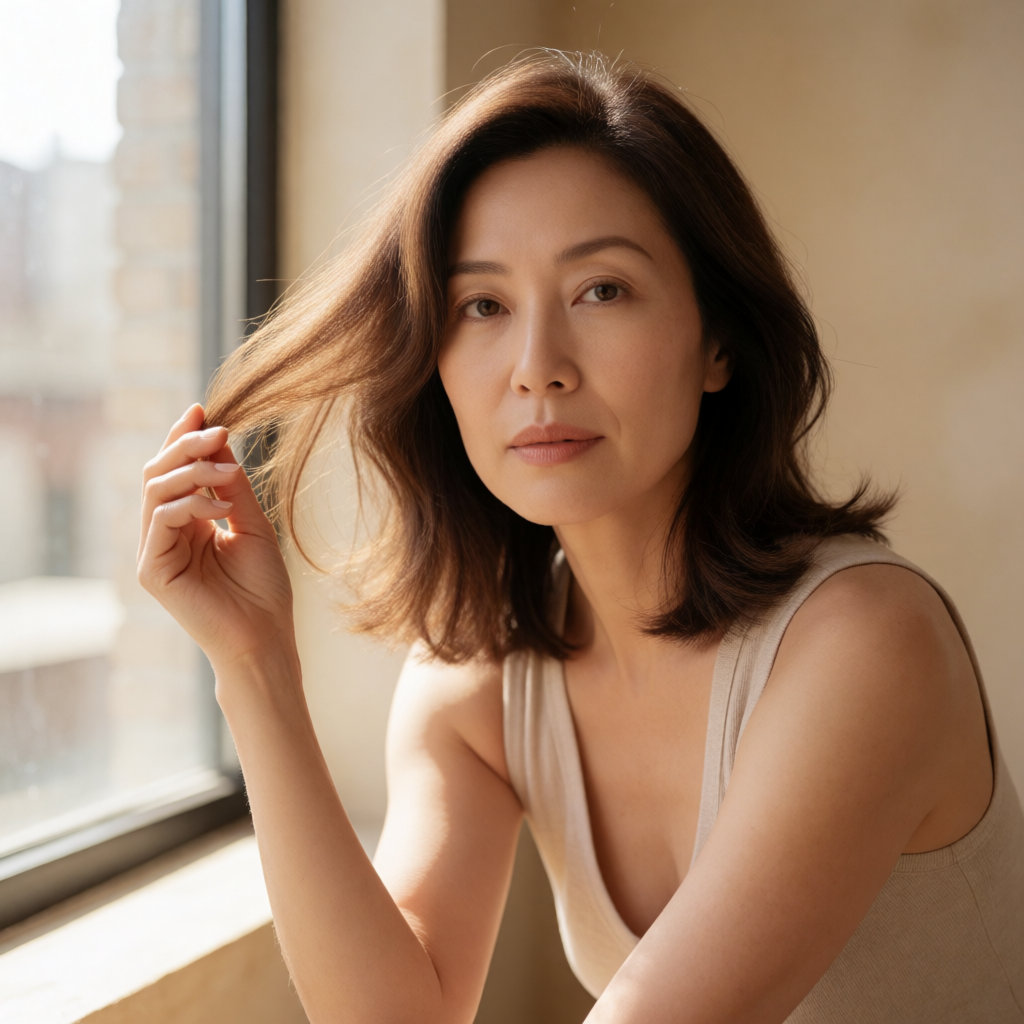
Don't picture the uniform balayage we saw fifteen-odd years ago. Here, the base stays your natural colour, or very close to it, and light arrives in touches through the lengths and ends, with no visible line. The whole point is that there is no boundary: you shouldn't be able to say where the colour begins.
Salons have also sharpened the vocabulary, which is a good thing. You'll hear lived-in colour, blended balayage, root melt when the roots are melted into the rest, or money piece for those two lighter sections framing the face. Same logic, updated words — and a real help when you're discussing your colour in the chair without feeling like you're reciting a catalogue.
Why it works on almost any base colour
Good news: blondes, light browns, brunettes, curly or straight hair, the gradient can adapt. On one condition — and it's a big one — stay within your shade, two to three tones above your base. Too light, and the whole thing can look patchy and drift towards bleached straw; too subtle, and you won't see anything, having paid for a salon appointment for nothing.
Let's be honest: it's the dosage that takes a real eye. No one wants to leave with a colour they no longer dare wear. Your best reference is your reflection in daylight, not the flattering lighting in the salon.
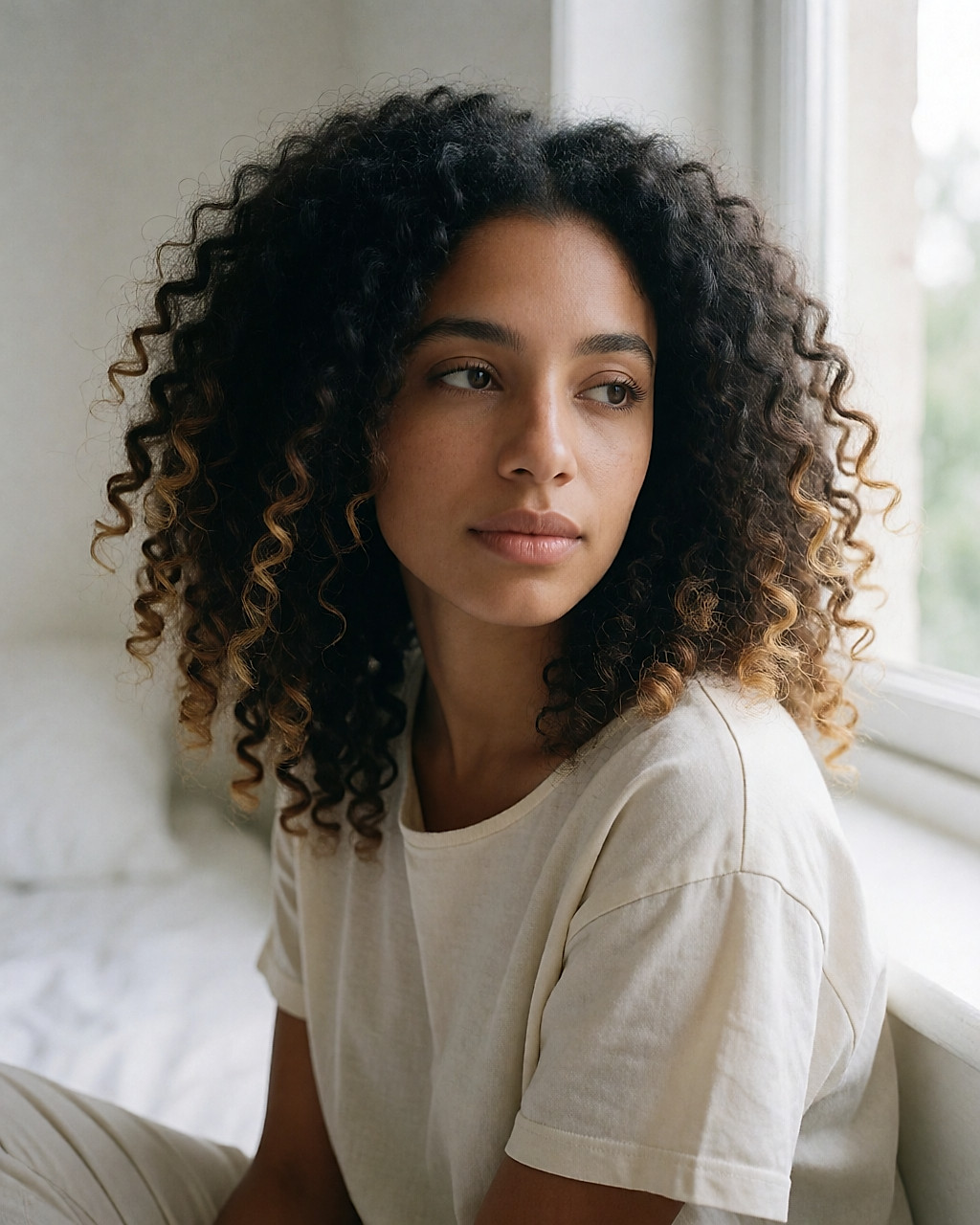
Another argument is maintenance. Dark regrowth meeting lighter lengths is much less noticeable than a uniform colour growing out — we've all seen that demarcation in the mirror, the one that can make the face look drawn. As a result, you can stretch out touch-ups, often six to ten weeks, sometimes longer depending on the technique chosen and how quickly your hair grows.
The technique that changes everything
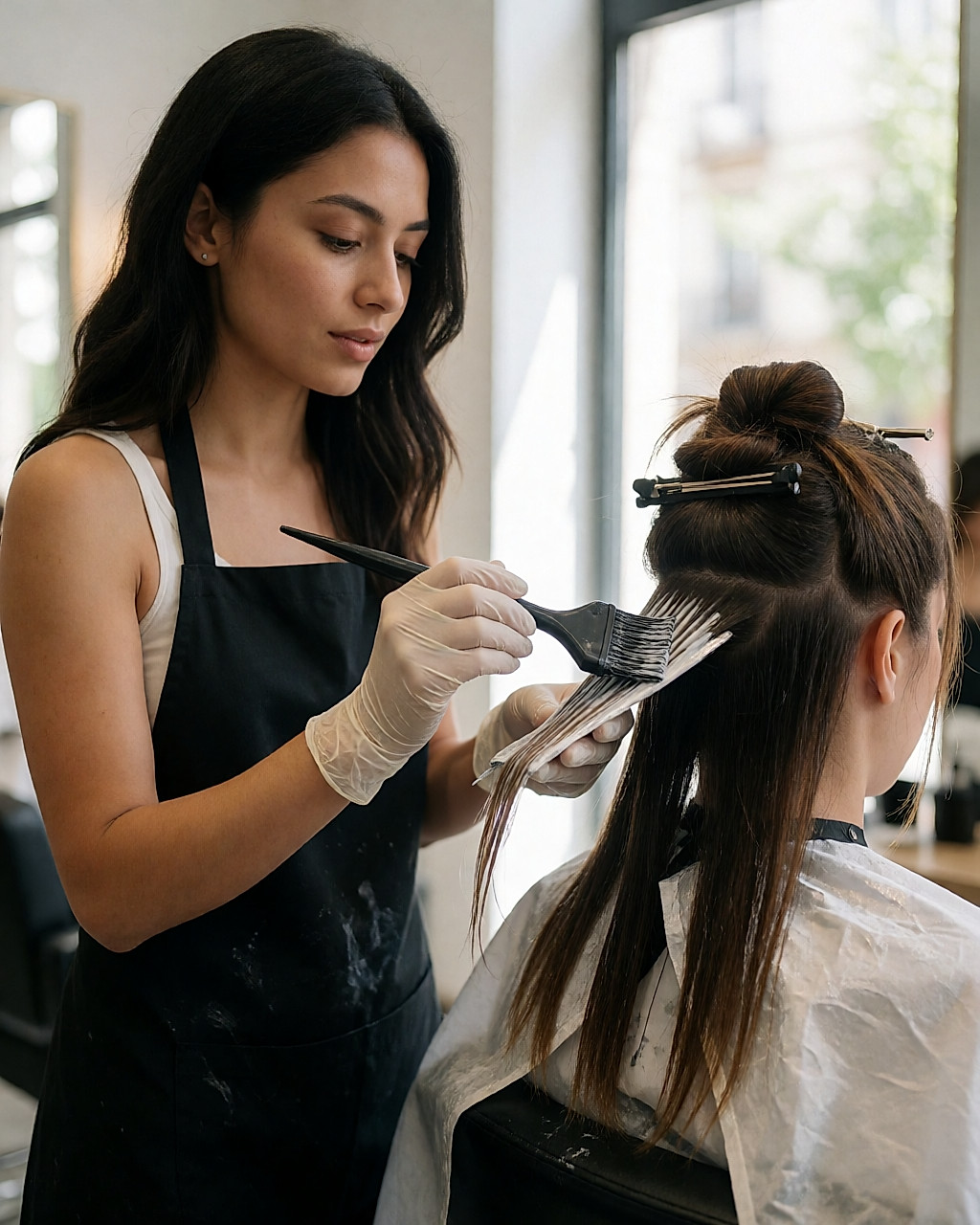
That's where the bathroom can't compete. Lightener is applied with a brush, section by section, tapering the product upwards. That gradual stroke decides everything: a successful blend or a hard line across the middle of your hair. Without a view of the back and control of the dosage, it's hard to recreate cleanly — more on that below.
Another decisive step, often forgotten when people talk about ombré: toning, or gloss. After lightening, the stylist applies a translucent pigment to neutralise brassy reflections. This is often what separates an ash blonde from a straw yellow, and you only see it once it's on the head, not in an inspiration photo.
Useful reminder, even if it's a bit of a downer: hair colour is still a chemical product. The tolerance test, forty-eight hours beforehand, on the inside of the elbow, is the basic rule. If you have a history of allergy to hair dye, it's better to speak to a dermatologist before trying anything in the salon.

Looking after it. With colour-treated hair, use a nourishing mask once a week, choose a sulphate-free formula to wash more gently, and apply a heat-protection veil before blow-drying. I haven't tested bond-builder treatments; I've only documented their claims — you can judge for yourself on your own hair.
Salon or bathroom?
We've all tried the DIY balayage kit at some point. The result is inconsistent as soon as hair goes past the shoulders: no view of the back, approximate dosage, too long a processing time. Honestly, for a clean gradient, head to the salon. If you really want to go DIY, test on a few less visible sections first, so you don't commit your entire mane.
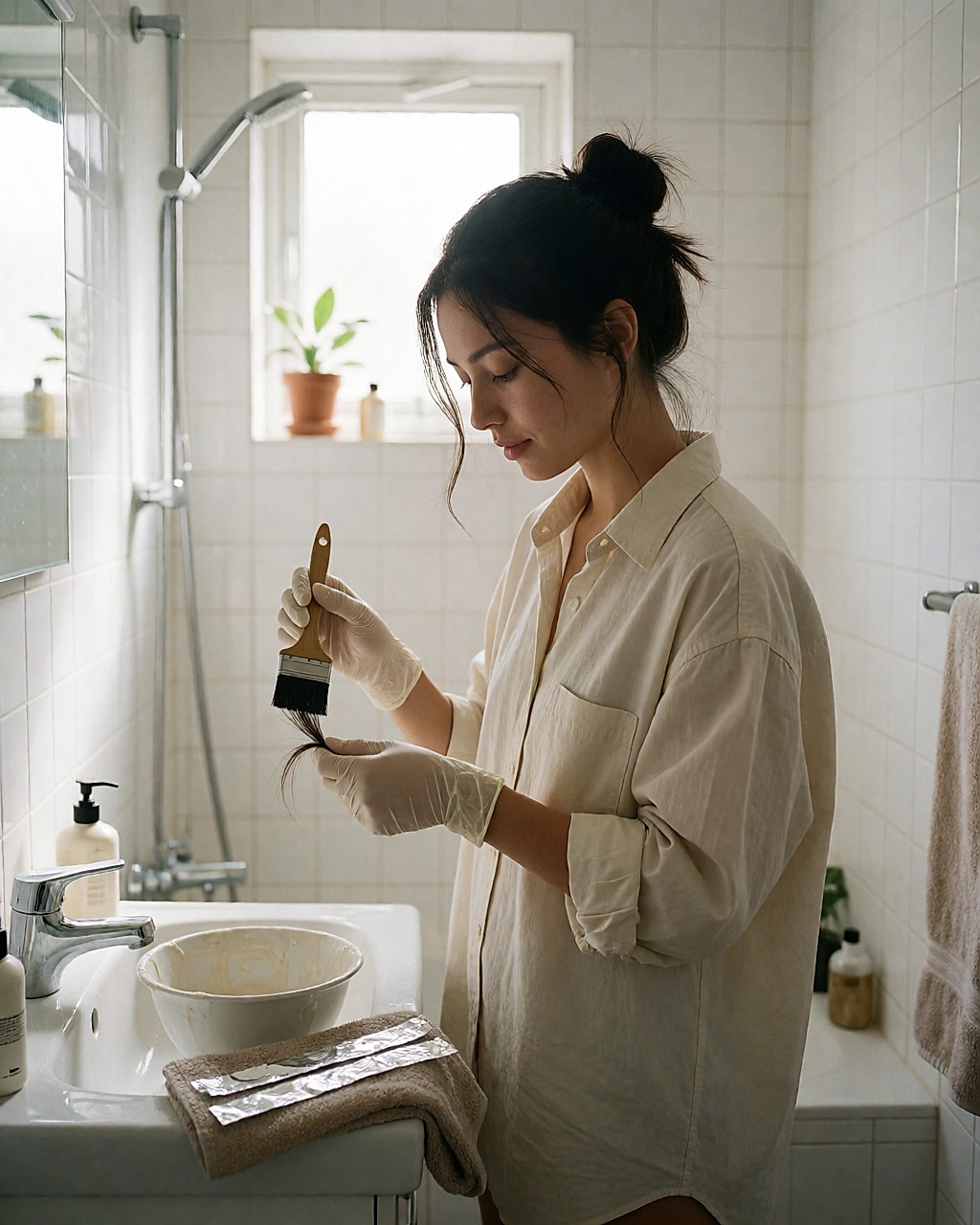
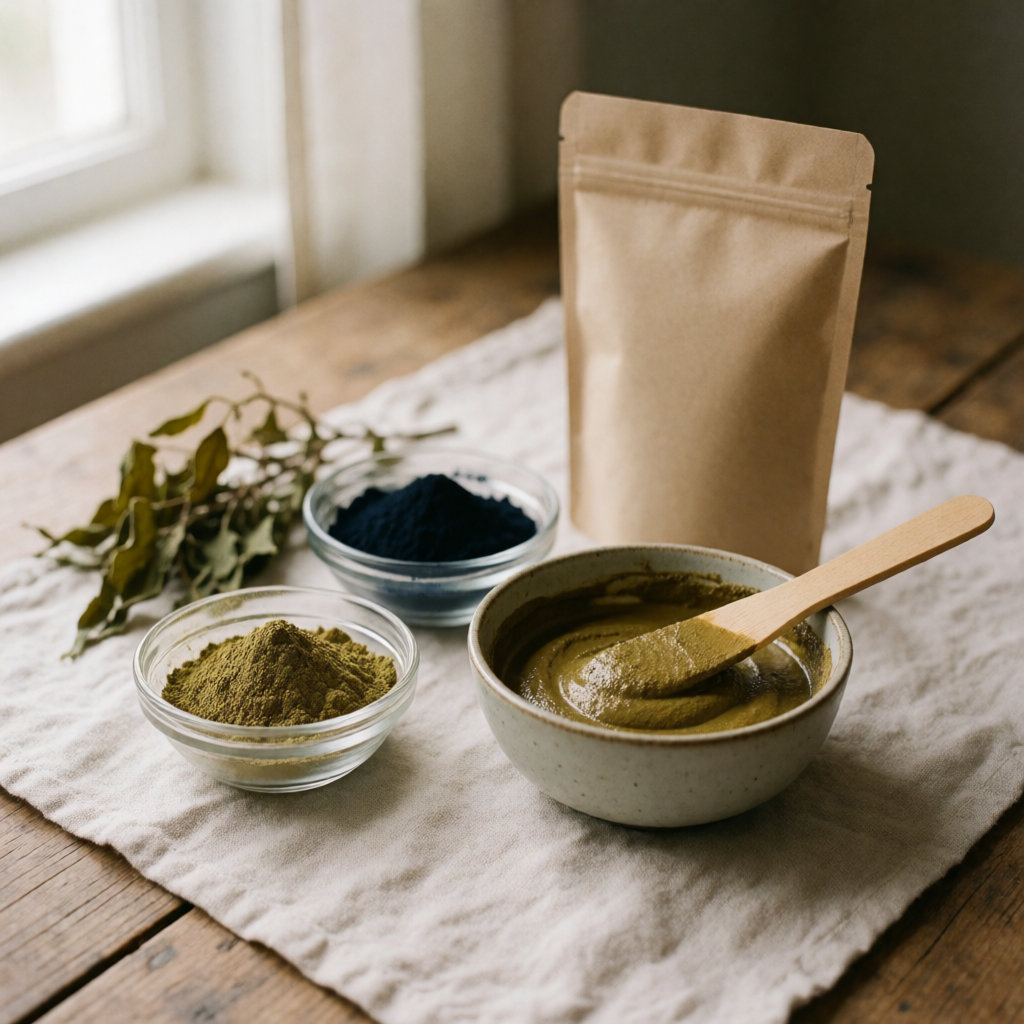
Plant-based colours exist too, but beware the misunderstanding: henna colours and coats the fibre, it does not lighten. You won't get light blonde with henna alone. Worth knowing before you discuss it with your stylist, who will probably confirm it.
Budget
In the UK, typical ranges:
- Full balayage or ombré: expect around £90 to £220, depending on length, density and city. Major cities, and London especially, sit at the top of the range.
- Root touch-up: £50 to £95.
- Toner or gloss: £25 to £55, often charged as an extra, so ask before the colour is applied.
- At-home care: £8 to £30 for a mask or conditioner for colour-treated hair, from supermarkets, high-street beauty shops or online.
- DIY balayage kit: £10 to £25, for a stopgap, not for a precise finish.
What makes the bill vary? The stylist's skill, the time spent in the chair, and the length and density of your hair. Asking for a quote before the appointment is not unusual: most salons offer one, and it's the ideal moment to ask your questions.
The eco compromise is easier on the care side than the colour side. Certified organic brands — look for COSMOS Organic or Ecocert — in refillable bottles or glass jars, offer formulas without silicones or sulphates. These labels require a minimum proportion of ingredients of natural origin and from organic farming — that's what they really guarantee, not the performance of the lightener. Ammonia-free formulas, meanwhile, are generally presented as gentler on the fibre, with a lightening power that is often more limited — so there's a compromise to accept, or stay close to your base colour.
The real luxury of ombré hair may be this: a colour that forgives busy weeks and postponed appointments.


Comments
Your opinion matters: rate the article, react and reply to comments.
Comments are moderated; AI-assisted comments are flagged. Text emoticons (8-), :-), <3…) are automatically shown as images.