
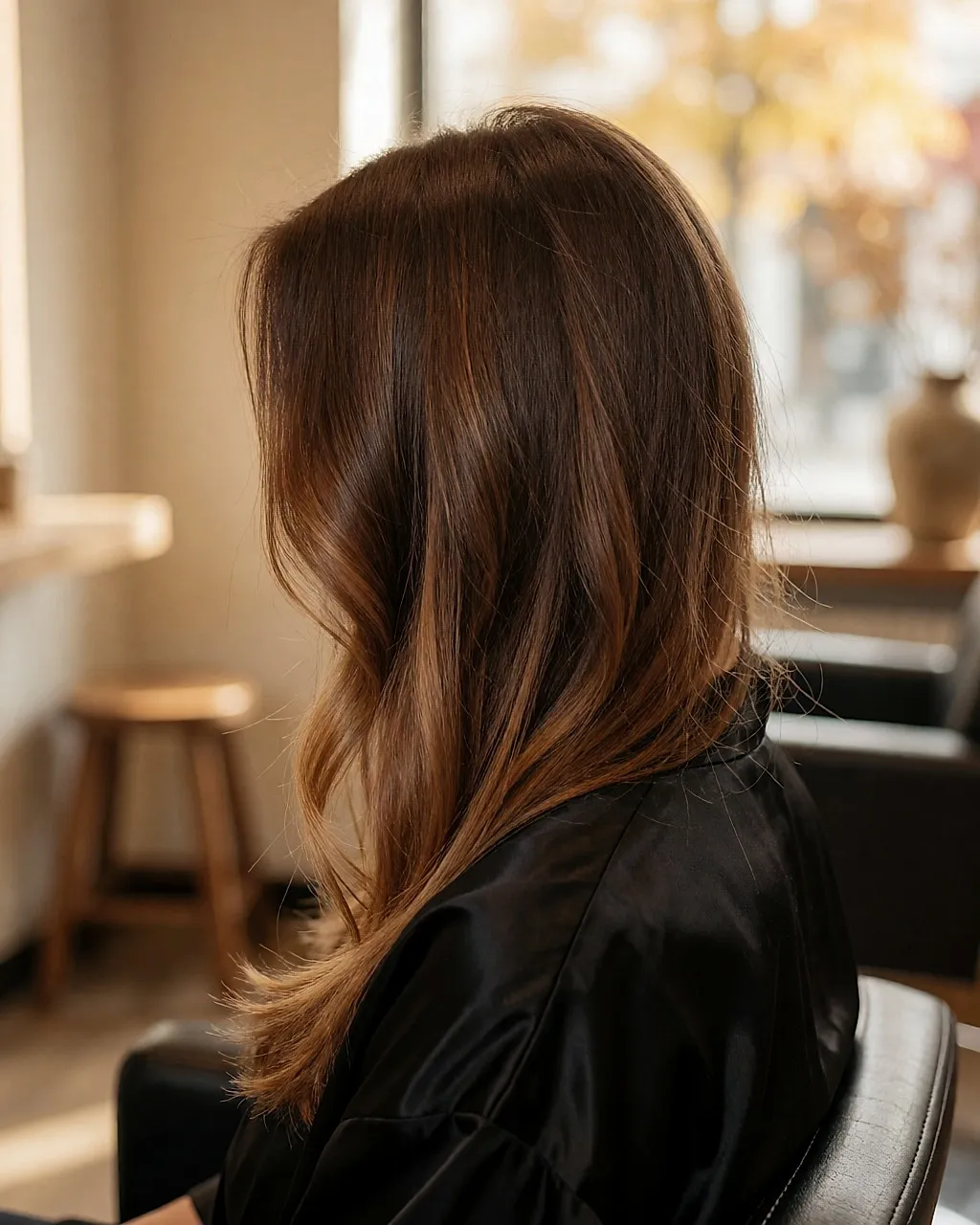
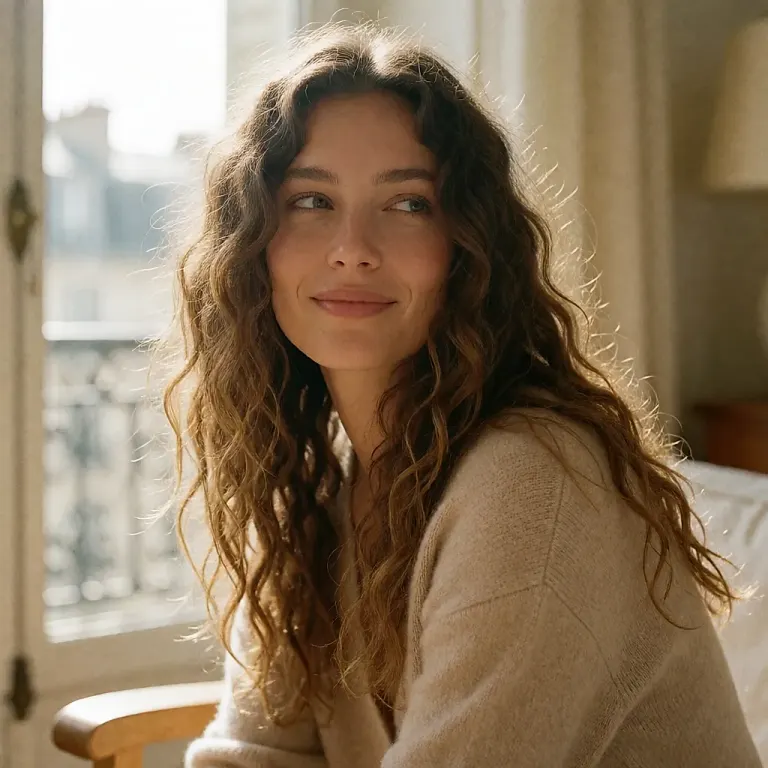
Brunettes and chestnuts are still one of the season's biggest stories, but the colour is warmer now, running from caramel to auburn. A good example is a dark chestnut base lit up with caramel highlights that gradually lift through the mid-lengths and ends: the gradient stays soft, and root regrowth is barely visible.
Trends shift with every season, and in fashion as in beauty, they are nothing if not changeable; even the smallest category has its own. Hair is a case in point. We have talked about haircut trends before, but a cut is one thing and colour is another. So today it is all about colour. Darker or lighter, then—what are the hair colours to have on your radar? Here is a quick tour of the shades doing well, with the hair that sets the tone.
For a sexy brunette look, we love a brown with mahogany-auburn tones, which works beautifully on caramel skin.
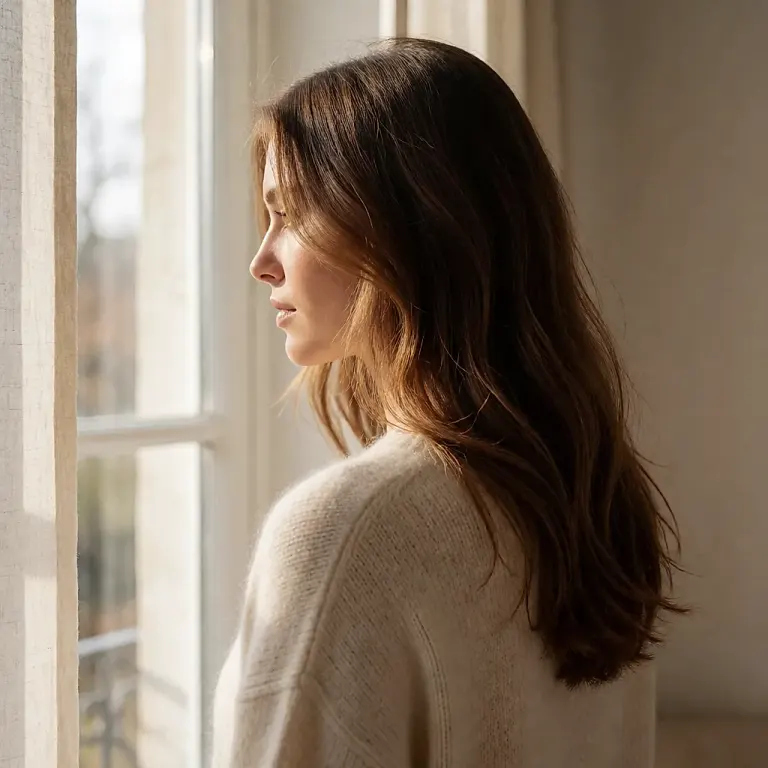
A warm, natural brown—neither too dark nor too light, with pretty chocolate tones—is probably the softest shade to wear, whatever your skin tone.
Caramelised chestnut, with a few tones that lean blonde but a hazelnut base, gently warms hair that tends to go dull.
And if you spent a while opting for chestnut-blonde balayage, it is back to natural colour: a classic chestnut whose lengths look only faintly lightened… naturally?
Blondes: platinum is out, and a more natural, slightly toned blonde is in. You can feel this shift everywhere, and that is exactly what makes the shade easy to live with between appointments, with regrowth far less obvious. In the salon, clients no longer ask for 'a blonde'; they ask for light.
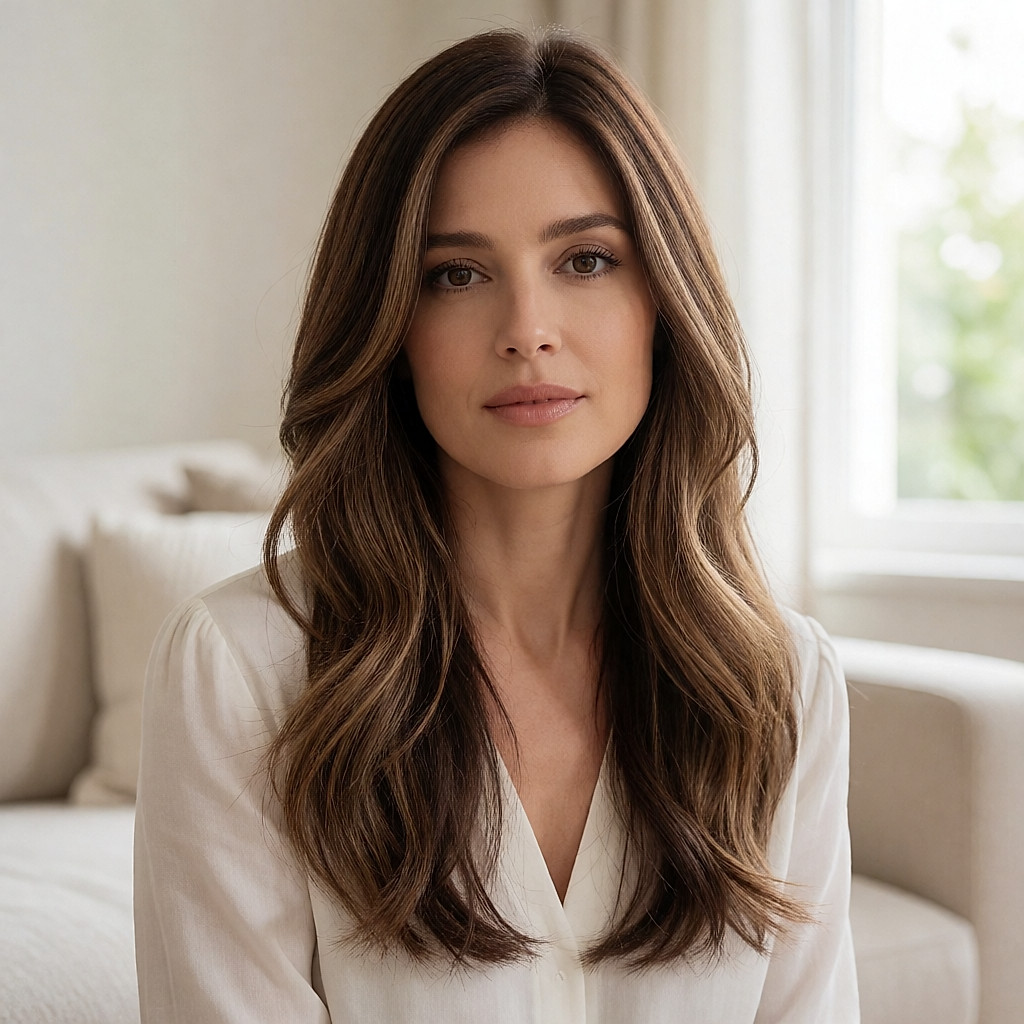
No need to fix what isn't broken: the classic California blonde—soft, as if sun-toned—remains a safe bet. On fair skin tones, add a lighter face-framing section to brighten the face: in the salon, this is called a 'money piece', and it changes the overall look without touching the rest of the hair—a simple gesture, an immediate effect.
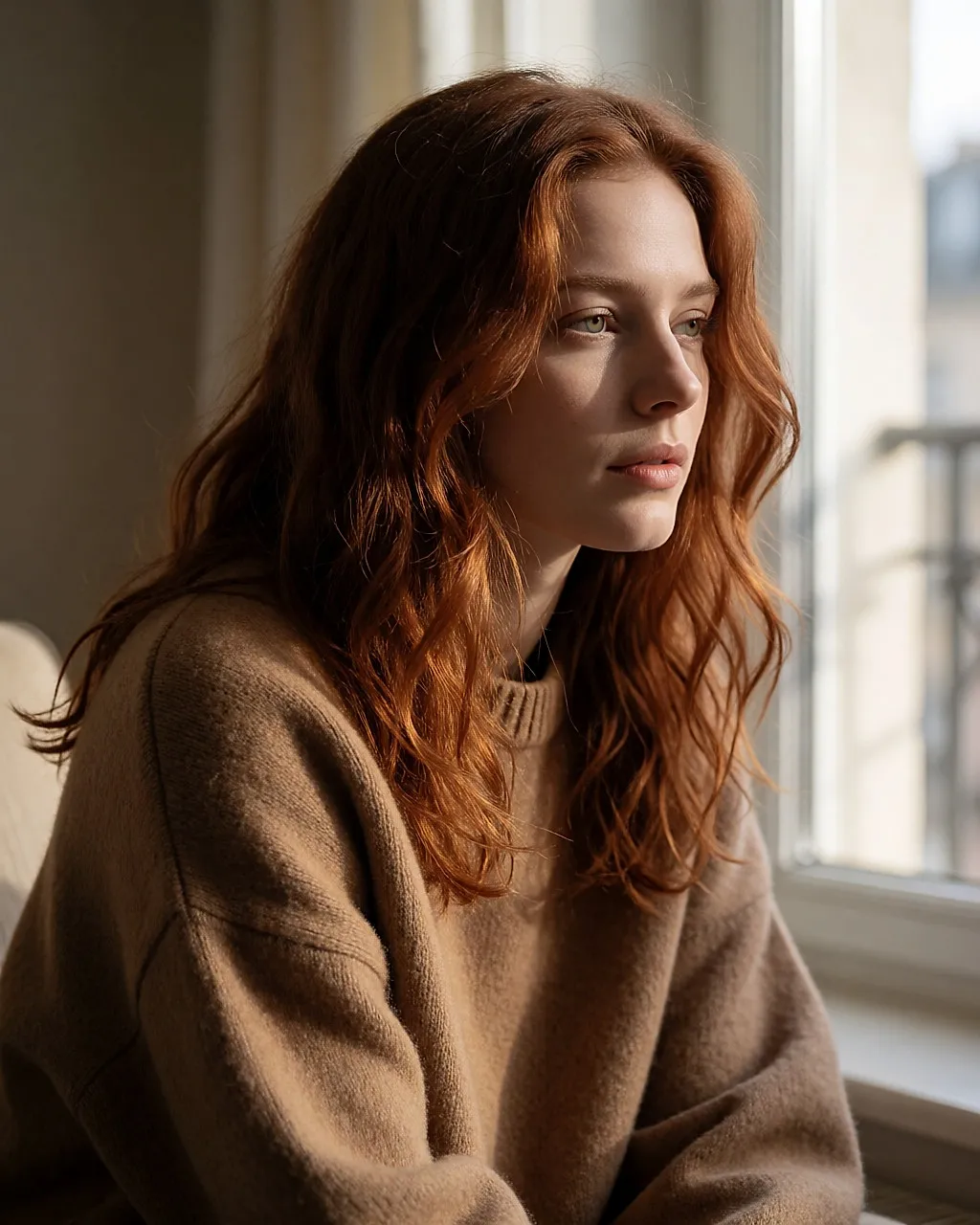
Golden, wheat-blonde hair is not something we give up lightly—and quite right too. Whether you are naturally blonde or not, you can lift your base with highlights for an ultra-natural effect—and it is better to have three spaced-out appointments than one single session: it protects the hair, and the result lasts longer. A blonde achieved too quickly often turns yellow or breaks the ends: that is not inevitable, it is a question of method.
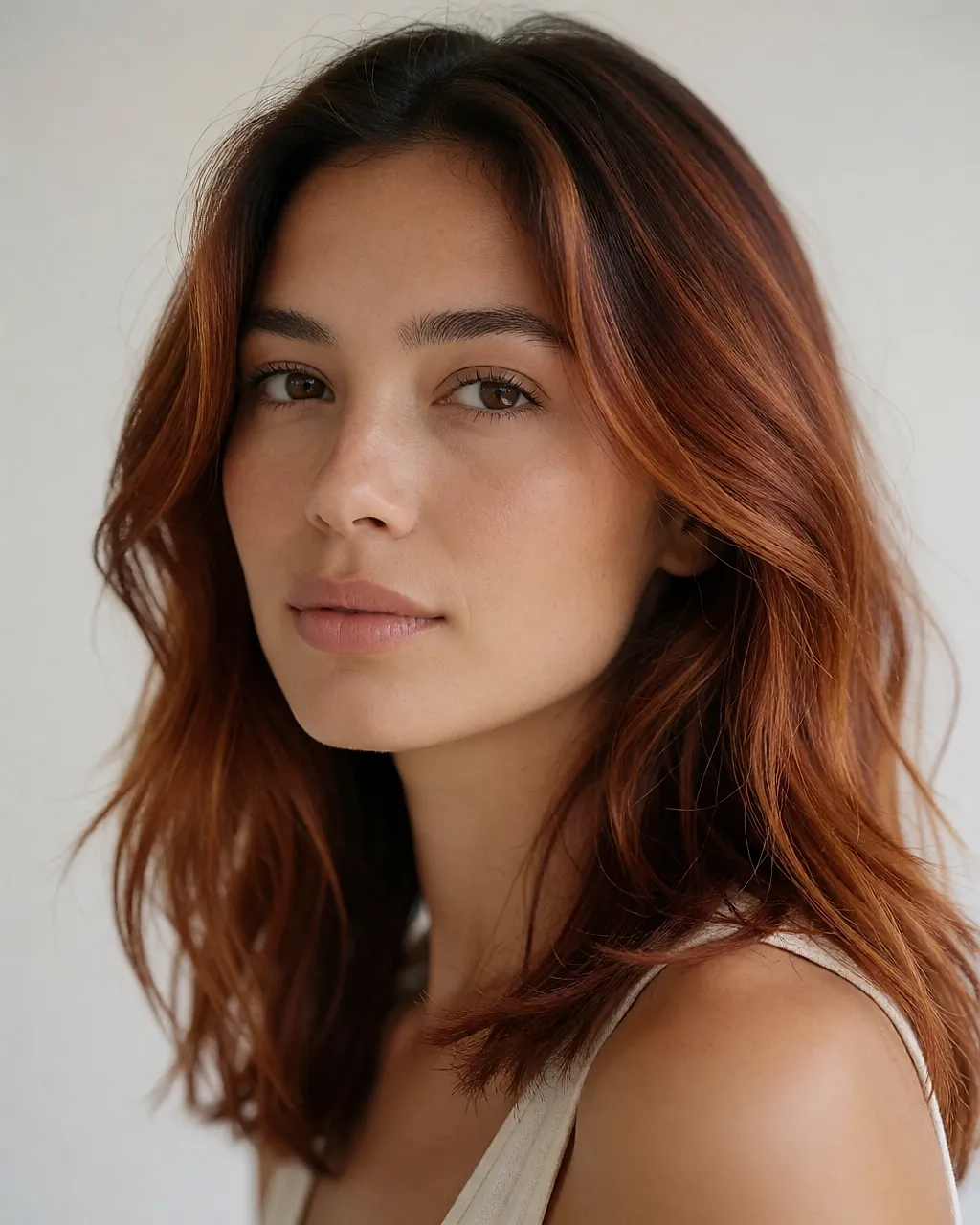
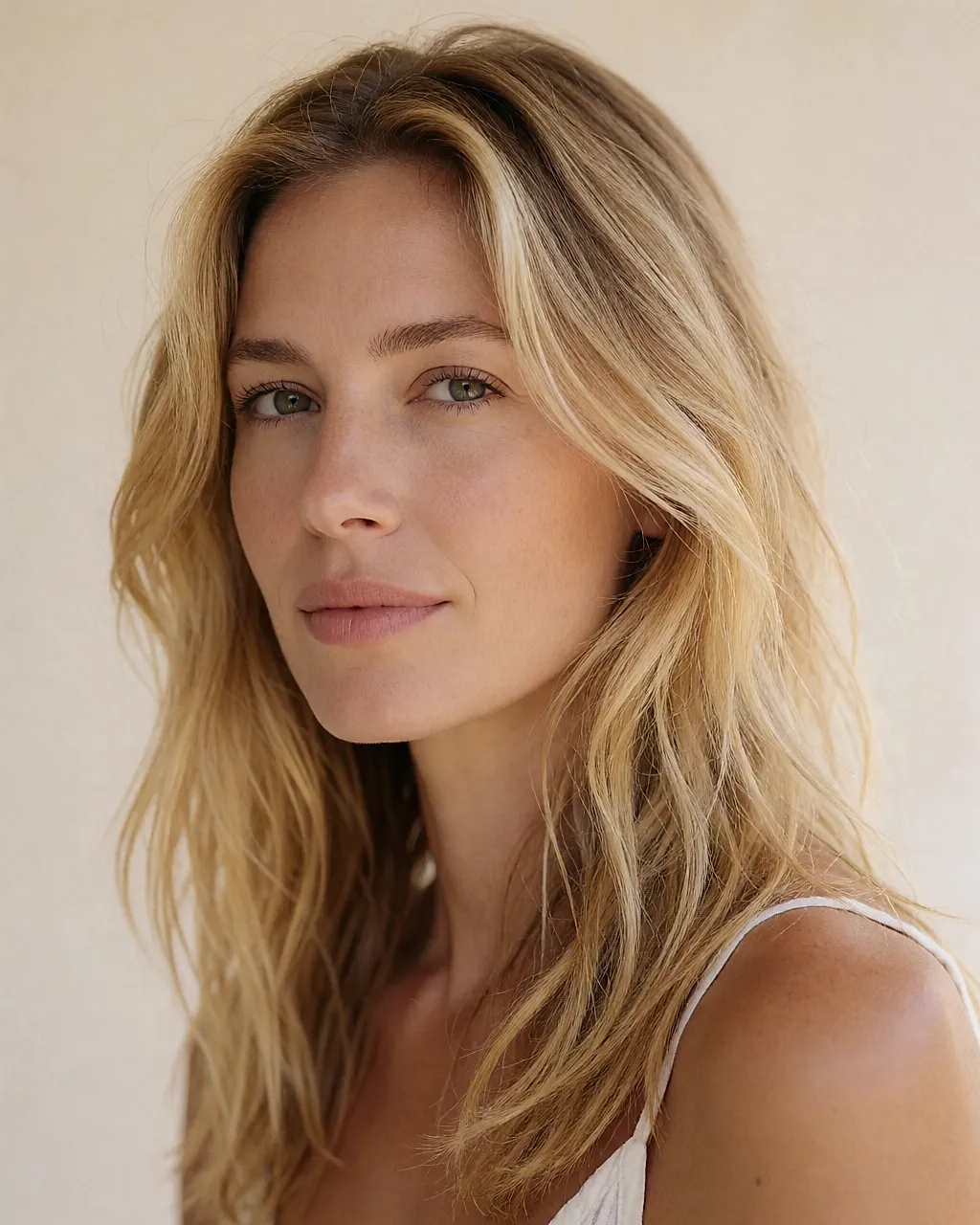
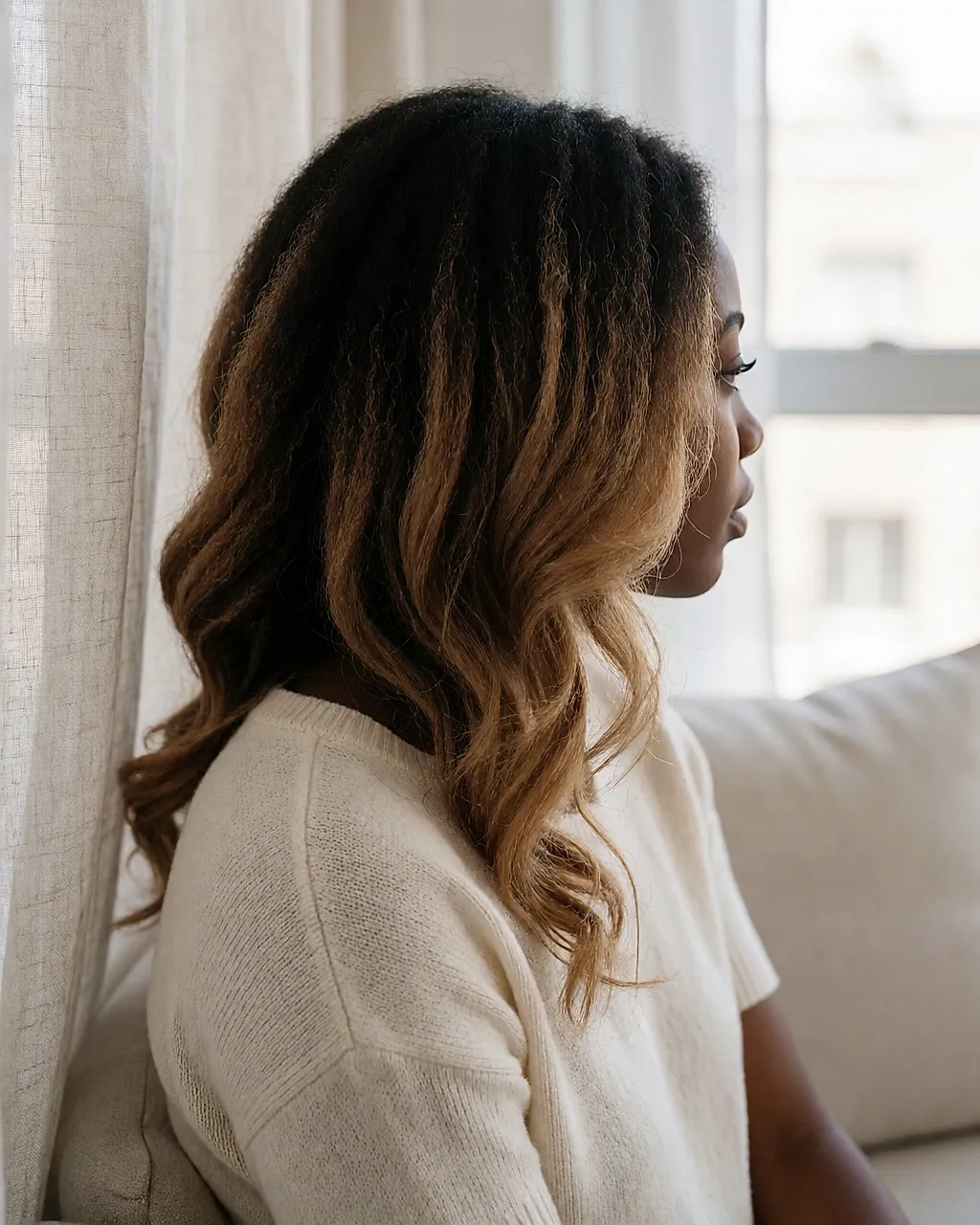
Toned honey blonde replaces platinum and blends into the roots: you become a 'blonde by adoption' as colour appointments go on, and this fairly natural shade suits almost everyone.
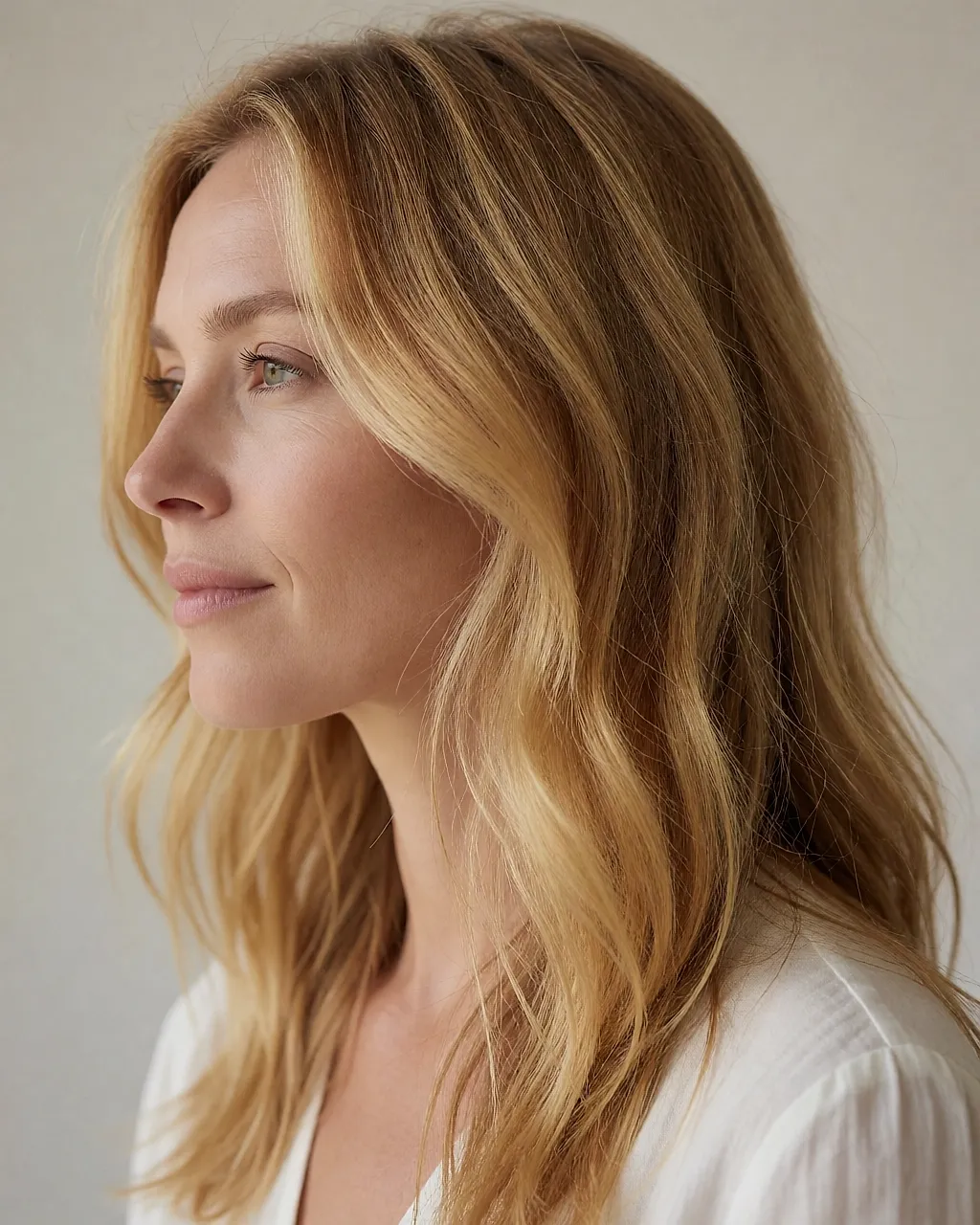
And the former brunette going blonde? Lighten gradually, step by step, and wear a caramel lifted with blonde highlights while the base catches up. The result takes time when appointments are spaced out! One word of caution, though: on some bases, this shift takes several months and an honest diagnosis from your colourist. If you are promised a complete transformation in a single session, be suspicious.
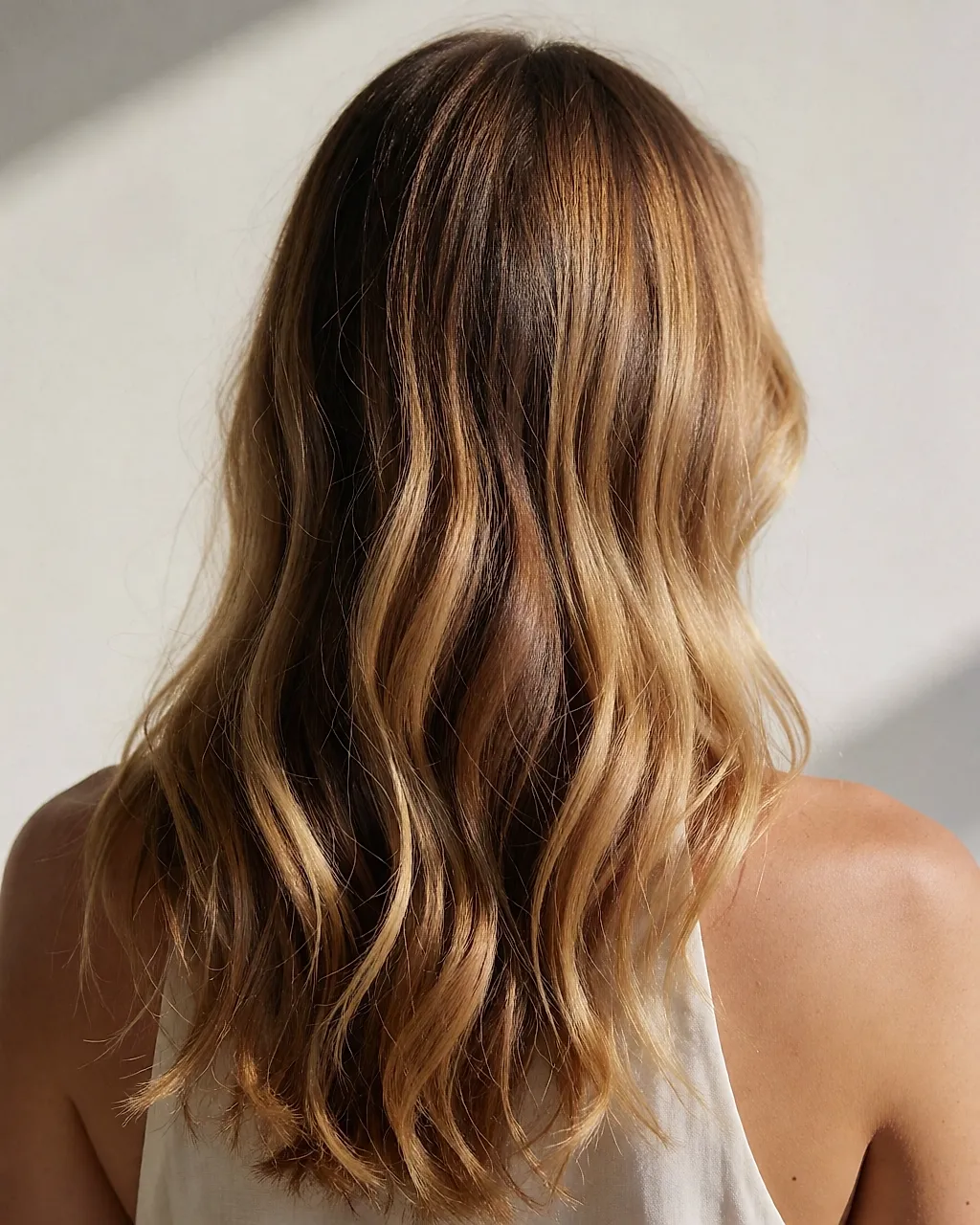
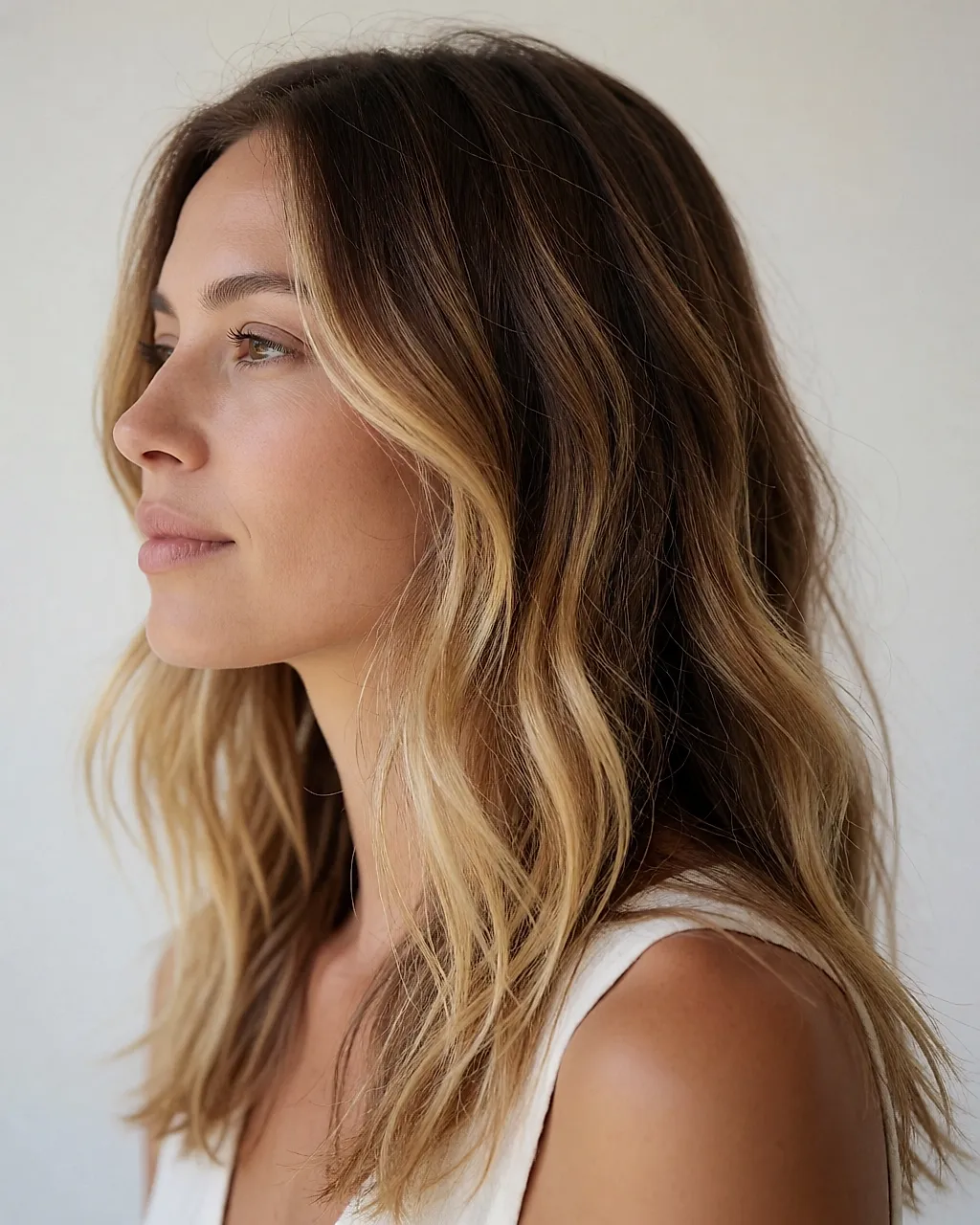
Then there is the toner—the veil of colour that revives everything: it is amazing what it can do. A slightly dull colour suddenly looks luminous! How long it lasts depends on your base, how often you shampoo and how well you look after it—which is why a maintenance appointment is worth more than an emergency touch-up.
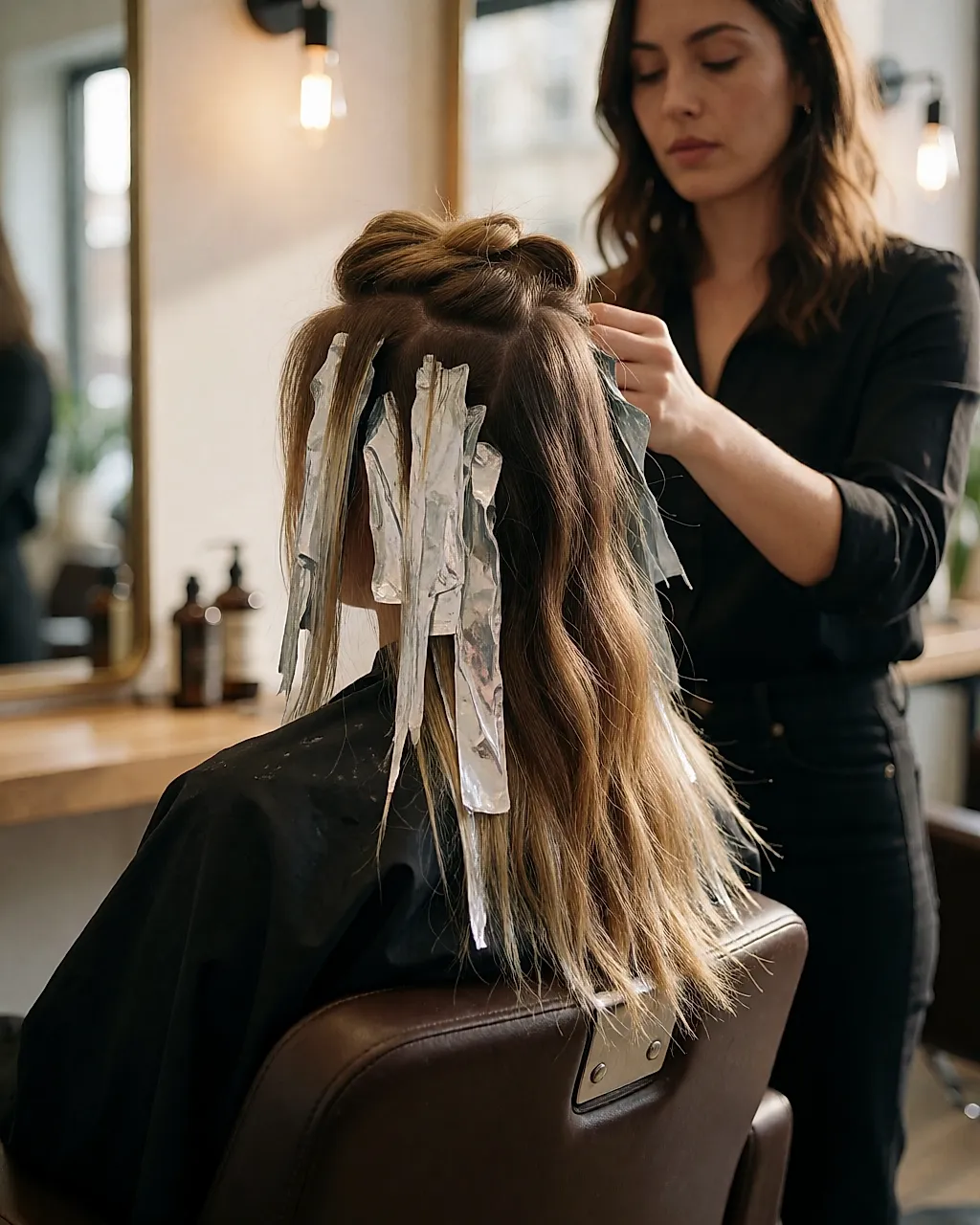
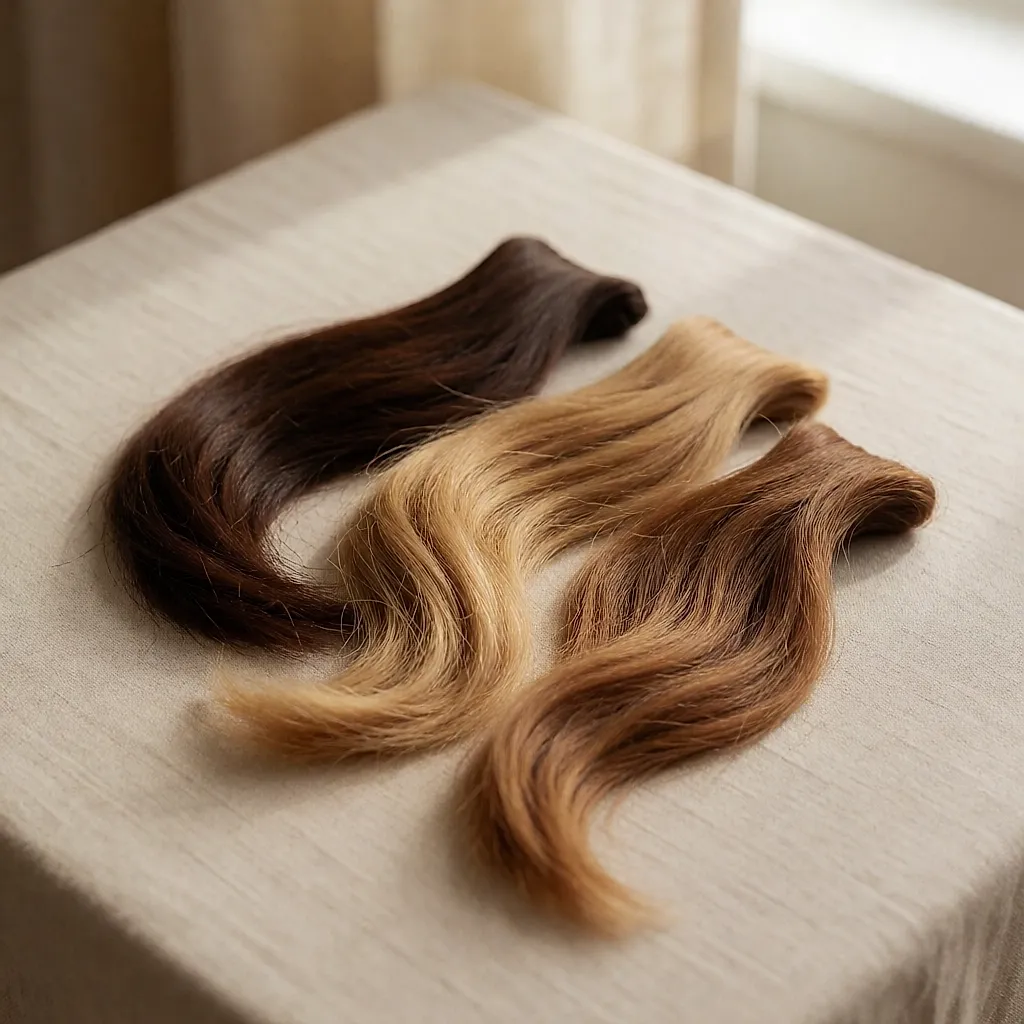
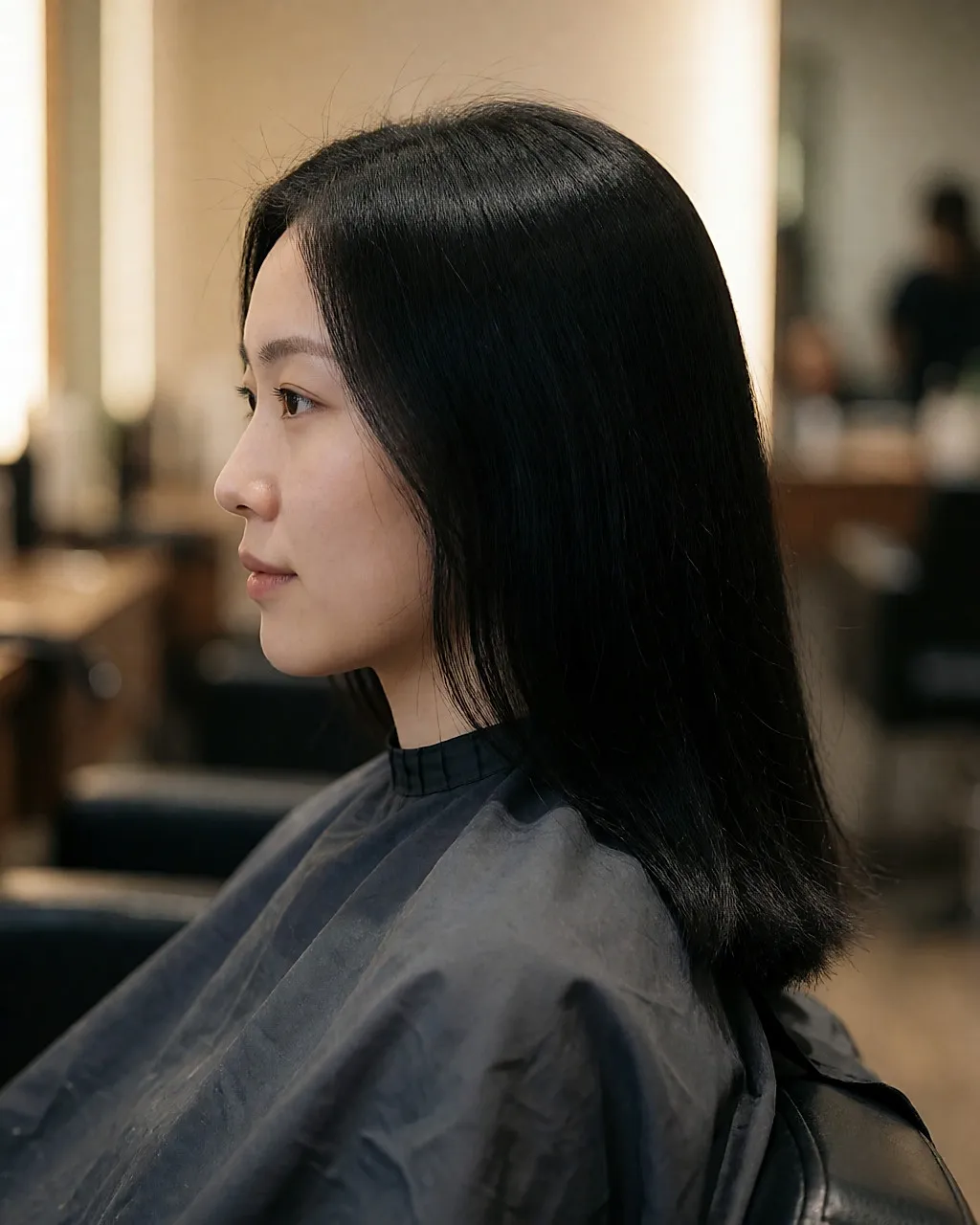
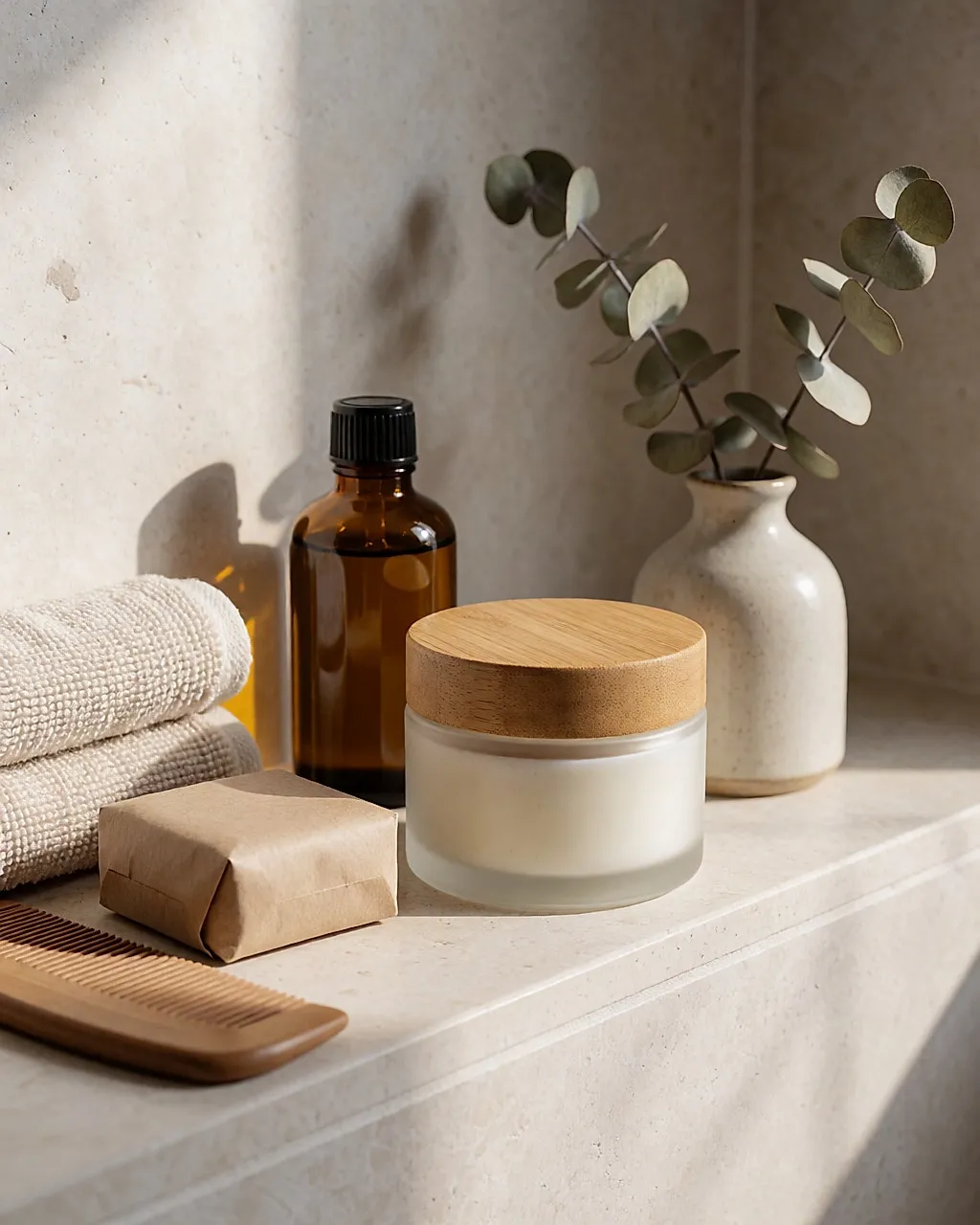
On the product side, it is worth looking at what you leave behind, too: refills and glass or cardboard containers limit waste when the brand offers them; with pigmented shampoos, the options are still mostly conventional, and that is the compromise to accept if you want a precise shade.
What to budget
Expect to pay in the region of £50 to £100 for a salon colour, and more like £100 to £220 for a balayage or lightening followed by a toner, depending on length, how thick your hair is and the salon. A maintenance appointment often costs less than a full redo.
Comments
Your opinion matters: rate the article, react and reply to comments.
Comments are moderated; AI-assisted comments are flagged. Text emoticons (8-), :-), <3…) are automatically shown as images.