

You leave the salon with a colour you love, promise yourself you will look after it, and three weeks later the roots have taken over again. That is when the real question appears: rebook, or try it yourself? Both can work, as long as you know what you want.
Salon or box: the real match
At the salon, you are not only paying for colour. You are paying for a diagnosis, a mix measured for your base, application, rinsing. That is exactly what makes it possible to correct a very dark base or build a blonde without wrecking the hair. At home, the box is far cheaper, but it does not sort out complicated cases: it applies a formula designed for the many, not for your colour history.
The rule is simple: to lighten by two shades or more, see a professional. To refresh a colour, cover a few greys or add a tone, the at-home format does the job very well.
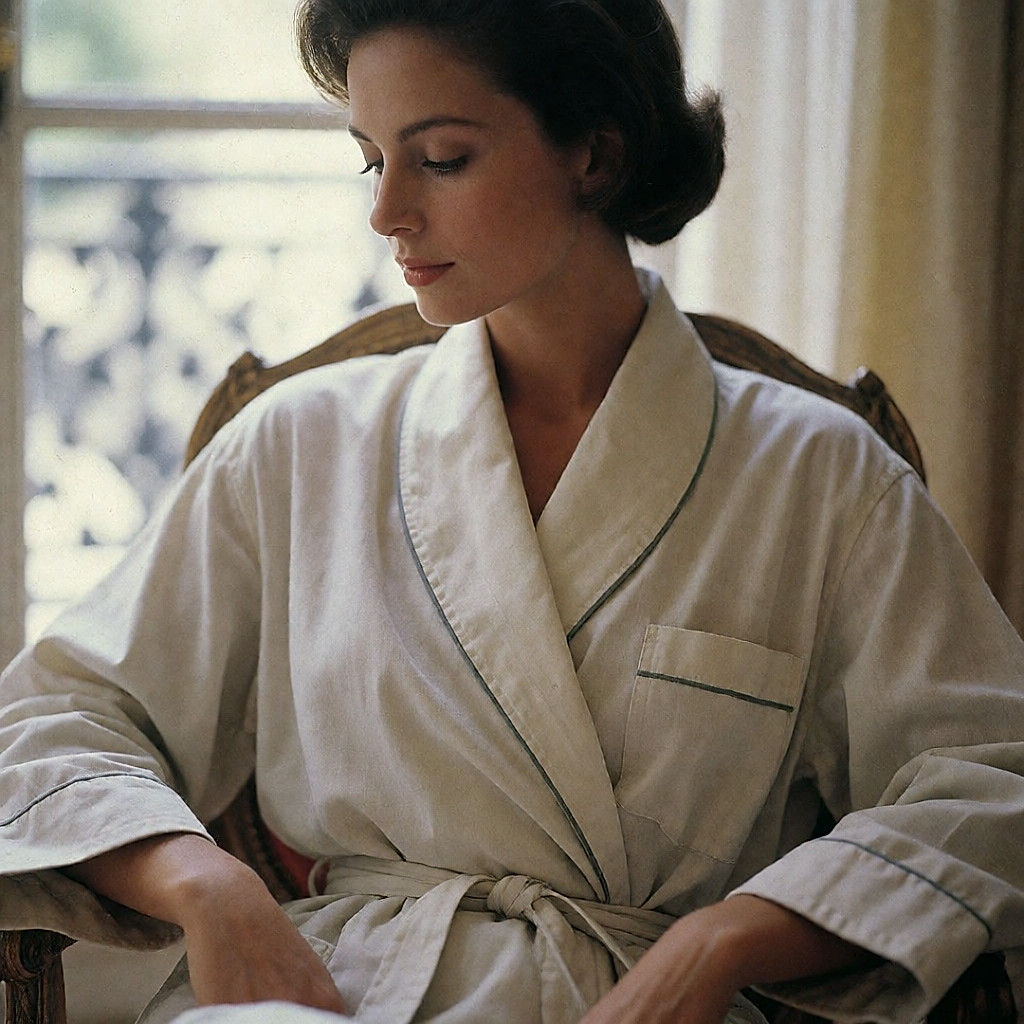
Warm or cool: the drape test
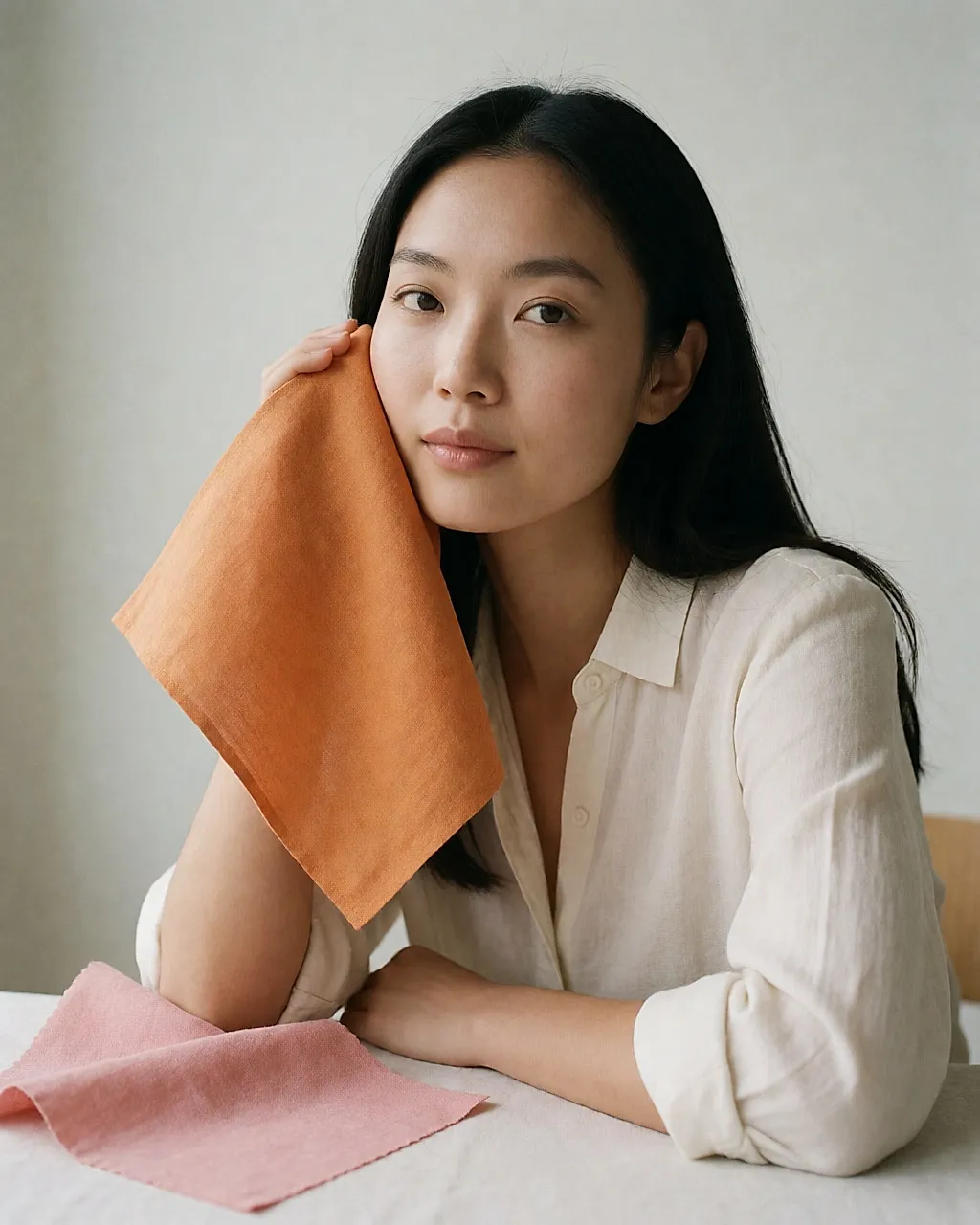
Before choosing a shade, look at your skin tone. The trick is very simple: hold an orange fabric, then a pink one, near your face — no makeup, in daylight. If orange lights you up, you are probably on warm tones: golden, copper, caramel, auburn. If pink wakes up your complexion, you are on cool tones: ash blonde, light brown, violet.
It is not an exact science, but it helps you avoid the shade that turns your complexion grey.
The shades in favour
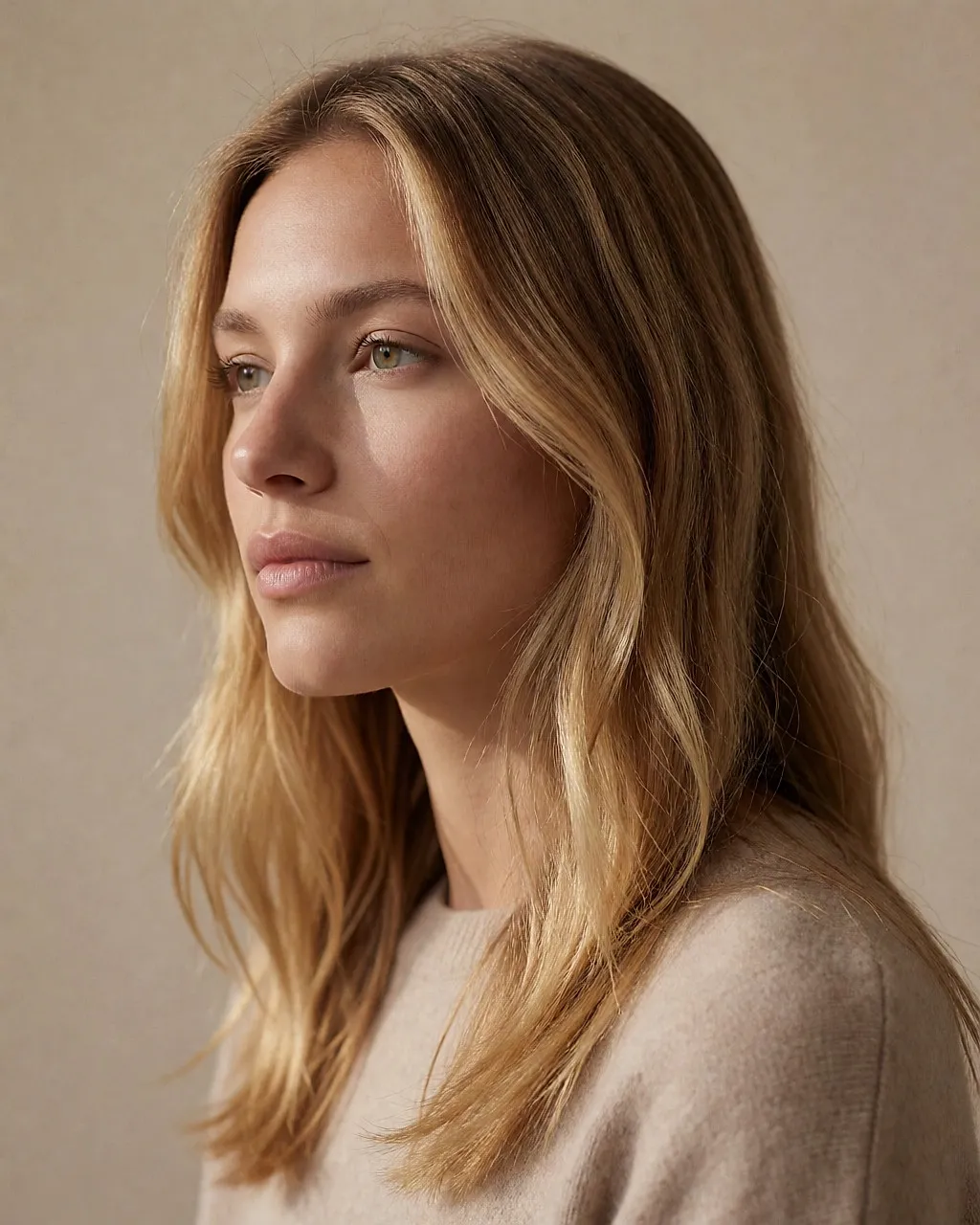
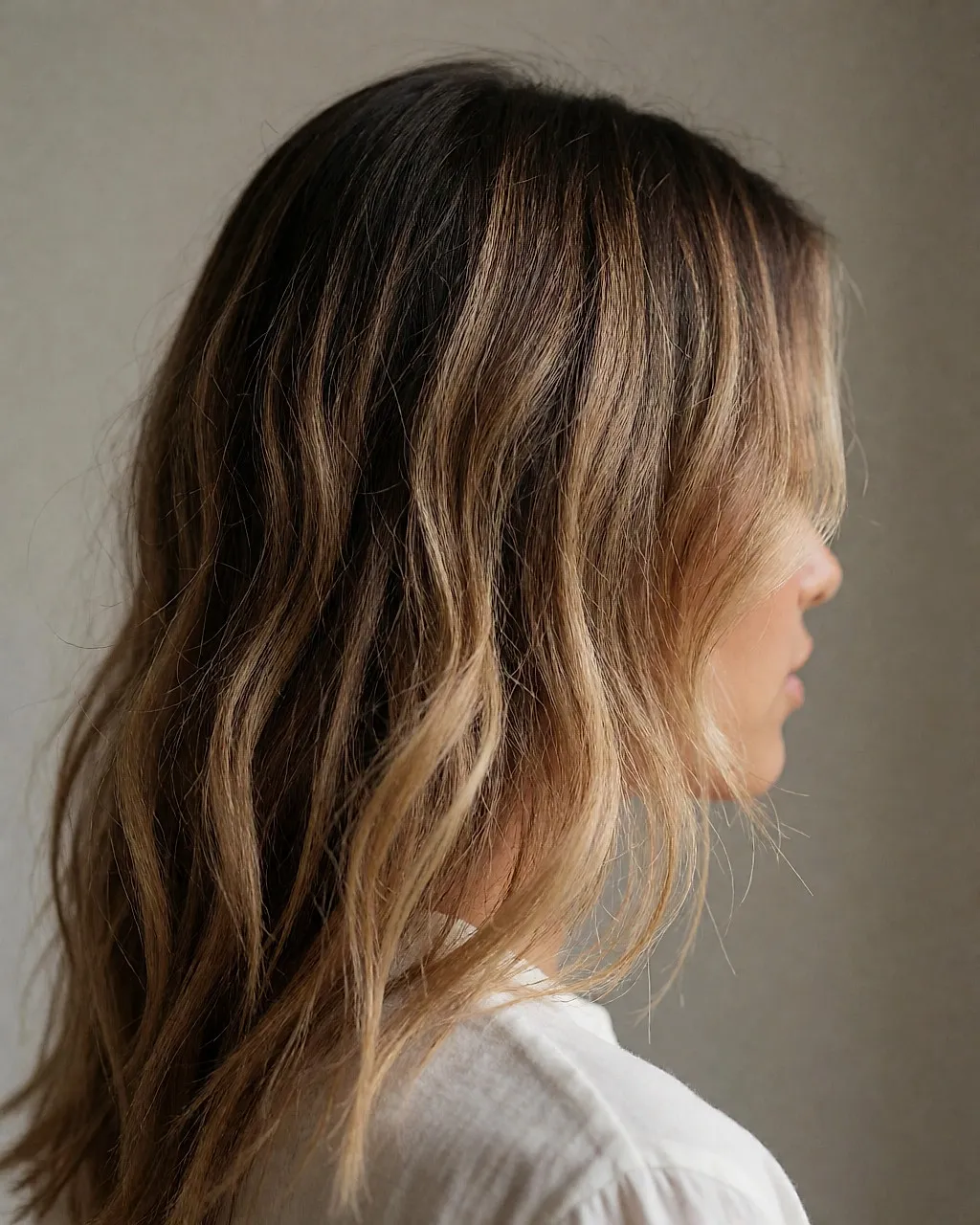
You see a lot of uniform, glossy colours with a glass-like effect: heavy balayage is taking second place. Depth comes more from the light than from visible lines of regrowth.
For blondes, honey blonde and luminous caramel are at the top. For mid-brown hair, a glossy chocolate brown, with a soft root melt to make regrowth less obvious. For dark brunettes, cherry cola and deep blacks with a very slight blue undertone.
The step that changes everything: gloss. Ten to fifteen minutes on, twice a month, and the colour comes back without touching the hair structure. In practice, it is often better value than a full retouch — I have tested it on coloured hair. Bonus if you find a refillable format: same step, less plastic.
Feeding the colour
Colour, even a gentle one, works on the hair fibre. Choose ammonia-free formulas or those enriched with oils (argan, shea, floral oils). Add a weekly mask and a leave-in treatment on the lengths. Coloured hair does not need ten products: it needs hydration and protection from heat.
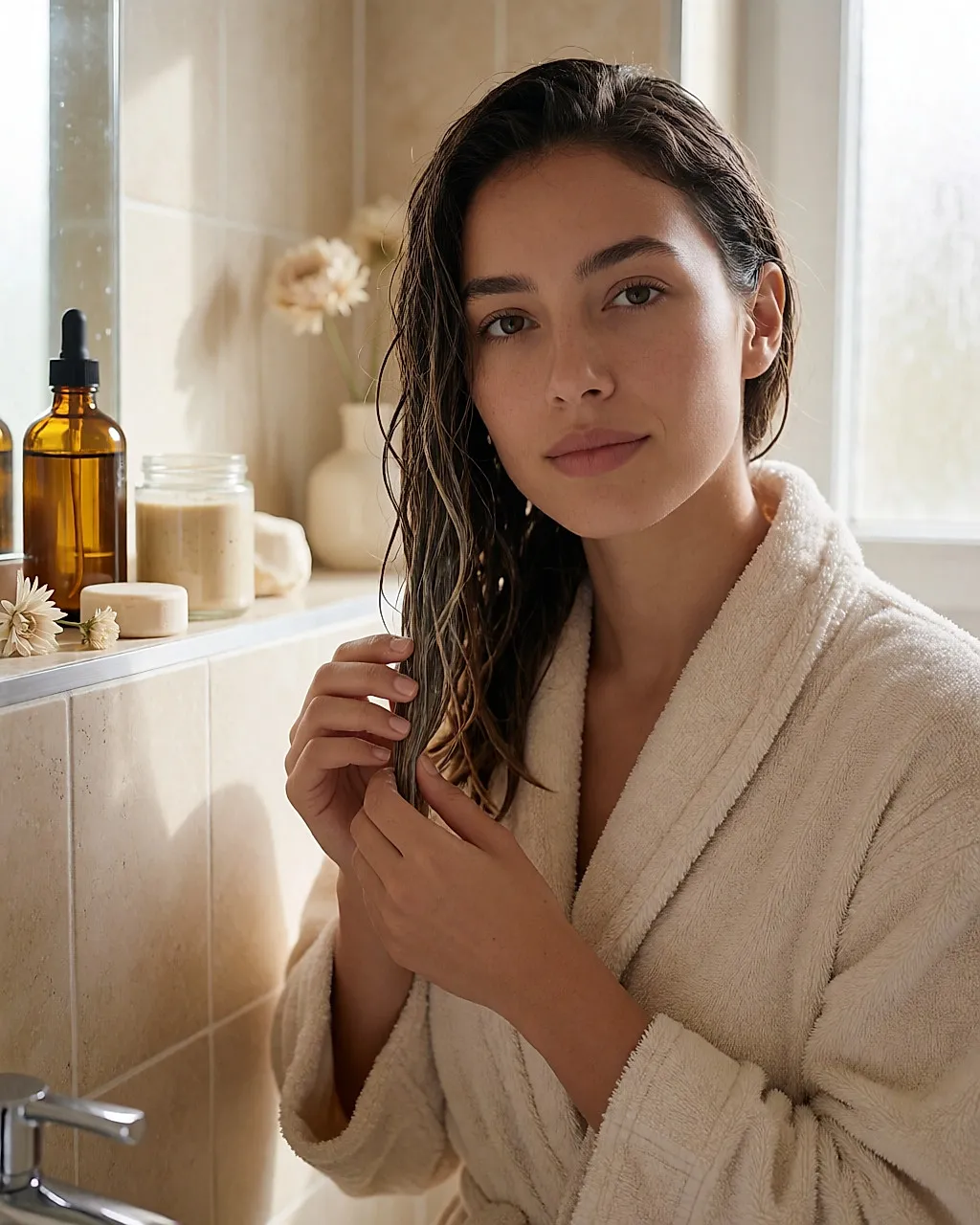
On ingredients, a label such as Cosmos Organic sets a minimum percentage of naturally derived ingredients and a share of organic content in the formula — useful for sorting, but it does not predict your personal tolerance. A glass jar, a refill or a solid format, when that option exists, lightens the bathroom bin without changing the routine.
A word on permanent dyes: they contain allergens, notably PPD. A 48-hour patch test on a small area is not a formality — it is the only way to know beforehand. If there is a reaction, do not try to work it out: rinse and seek medical advice.
The step that protects regrowth
You can stretch out touch-ups without giving up a clean colour. A blended root melt shows regrowth less than a block colour, and a light balayage lasts longer than a sharp root match. If your base allows, ask for a gradual fade rather than a hard line: in practice, it is what buys you a few weeks between appointments.
Budget
- At-home box colour (supermarket, pharmacy): around £5 to £15.
- Salon colour, block colour: more like £50 to £120 depending on length and density.
- Salon gloss or toner: around £25 to £50.
- Plant-based or ammonia-free salon colour: often £70 to £180.
- Root touch-up: usually about half the price of a full colour.
What changes the price: hair length, technique, salon reputation and location. Online, boxes are sometimes cheaper, but you lose the diagnosis — and that is often where everything is decided.
Sources
- British Association of Dermatologists – bad.org.uk (hair dye allergy, including PPD)
- L’Oréal Paris UK – official site (at-home hair colour ranges)
- Garnier UK – official site (ammonia-free and oil-enriched ranges)
- The Cosmetic, Toiletry and Perfumery Association (CTPA) – UK cosmetics industry body

Comments
Your opinion matters: rate the article, react and reply to comments.
Comments are moderated; AI-assisted comments are flagged. Text emoticons (8-), :-), <3…) are automatically shown as images.