
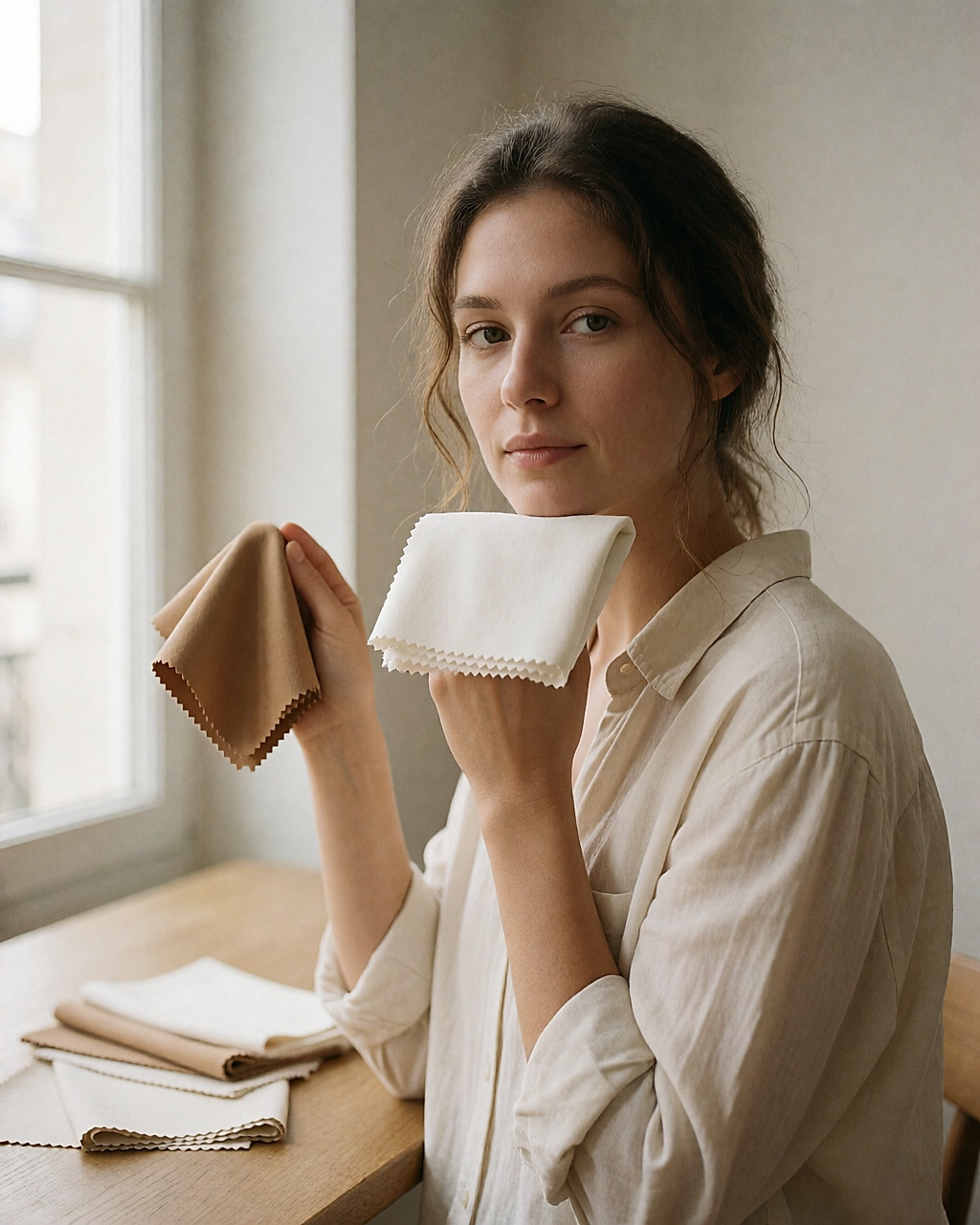
Make-up and clothes: choose the colours that suit you!
Have you ever stood in front of your wardrobe one morning and wondered why that jumper which looked so good on the hanger made you look as if you had been up all night? Or the opposite: a slightly faded scarf, thrown on by chance, and suddenly your face looks rested, your eyes sparkle and someone asks if you have just come back from holiday? There is no mystery here, don't worry. Some colours flatter us, bring out the colour of our eyes and brighten our complexion; others drain us and leave our skin looking sallow. In short, they are far from being our friends.
Image consultants, coaches and other appearance specialists have identified profiles based on hair colour, eye colour and complexion, matching each to a season — even a personality. Knowing your 'friend' and 'enemy' colours is a real advantage, especially at a time when appearance carries so much weight in first impressions. We are not suggesting your look should be calculated at all times, far from it, but on certain occasions you may as well stack the odds in your favour. Here is a quick tour of the profiles (physical ones, we mean) and their flattering colours, for both make-up and clothing.
Spring women, the lucky ones
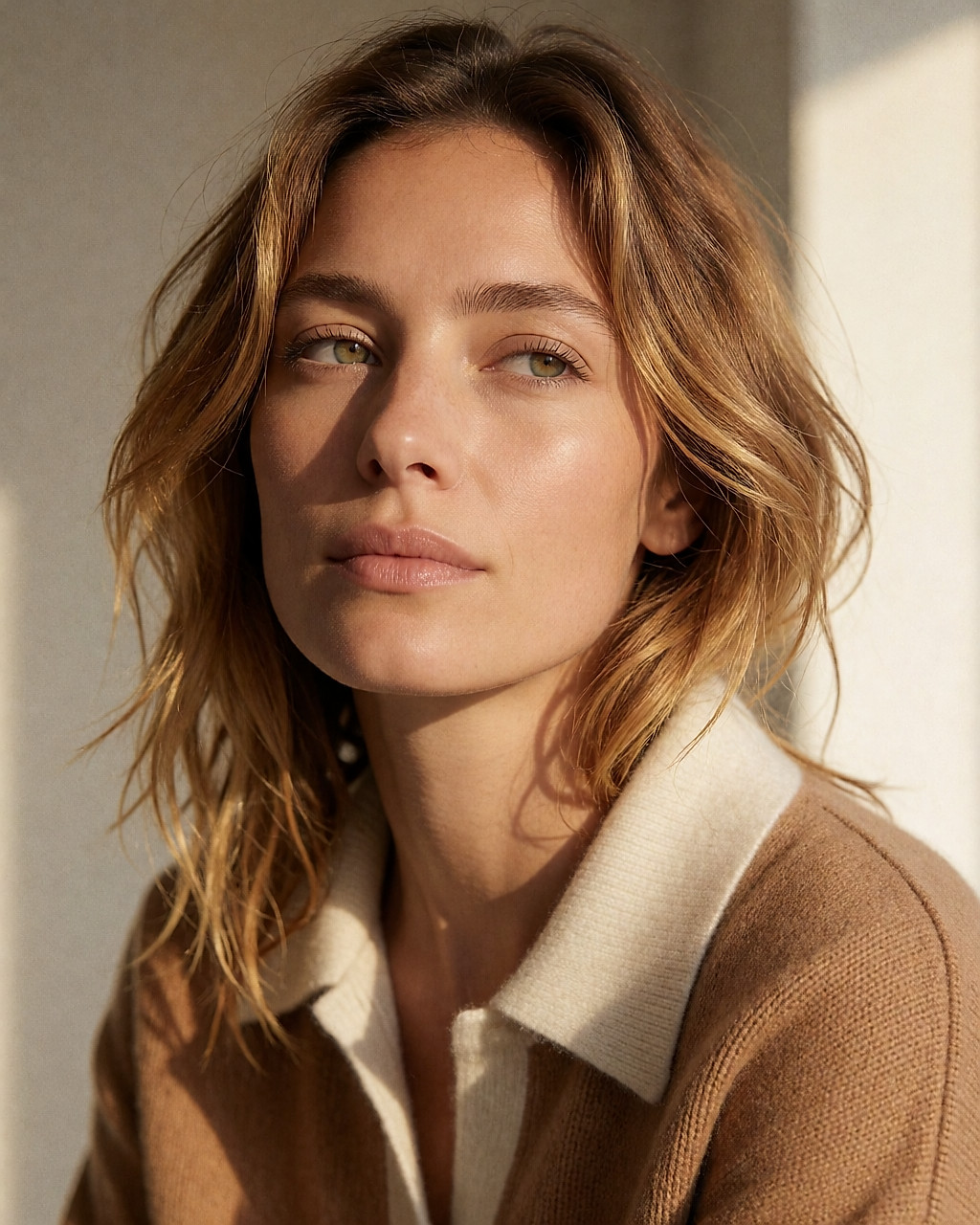
They have light golden-brown to honey hair, fairly fair skin and blue, green or hazel eyes. Imagine light golden brown hair, fair skin, hazel eyes: that is the typical portrait of a Spring woman. Are you one of them? Lucky things, you are among those who can get away with plenty of eccentricity.
For your wardrobe, many colours are open to you: sky blue brightens you whatever your eye colour; beiges and ivory, and every brown-toned shade, suit you beautifully; gold brings out your eye colour; and let's not forget grey, orange, green... and many more. On the other hand, avoid black, which would dull your complexion, and very dark shades, especially navy and burgundy. White also needs care: choose cream or ivory instead.
For make-up, dip into warm tones: gold, brown, mocha, coffee and similar, as well as every shade from beige to rosy. Try a brown pencil around the eyes too; it will bring out your eye colour and brighten your complexion.
Summer women, all softness
Blonde hair, very fair skin and equally light eyes, sky blue or even very light hazel. Baby blonde hair, fair skin, sky-coloured eyes: that is the typical portrait of a Summer woman.
For you, ladies, it is white, black, yellow (preferably the shade of your hair), grey, raspberry, mauve, beiges, blues and especially navy, which brightens your light eyes and blonde hair. On the other hand, avoid orange and greens in general.
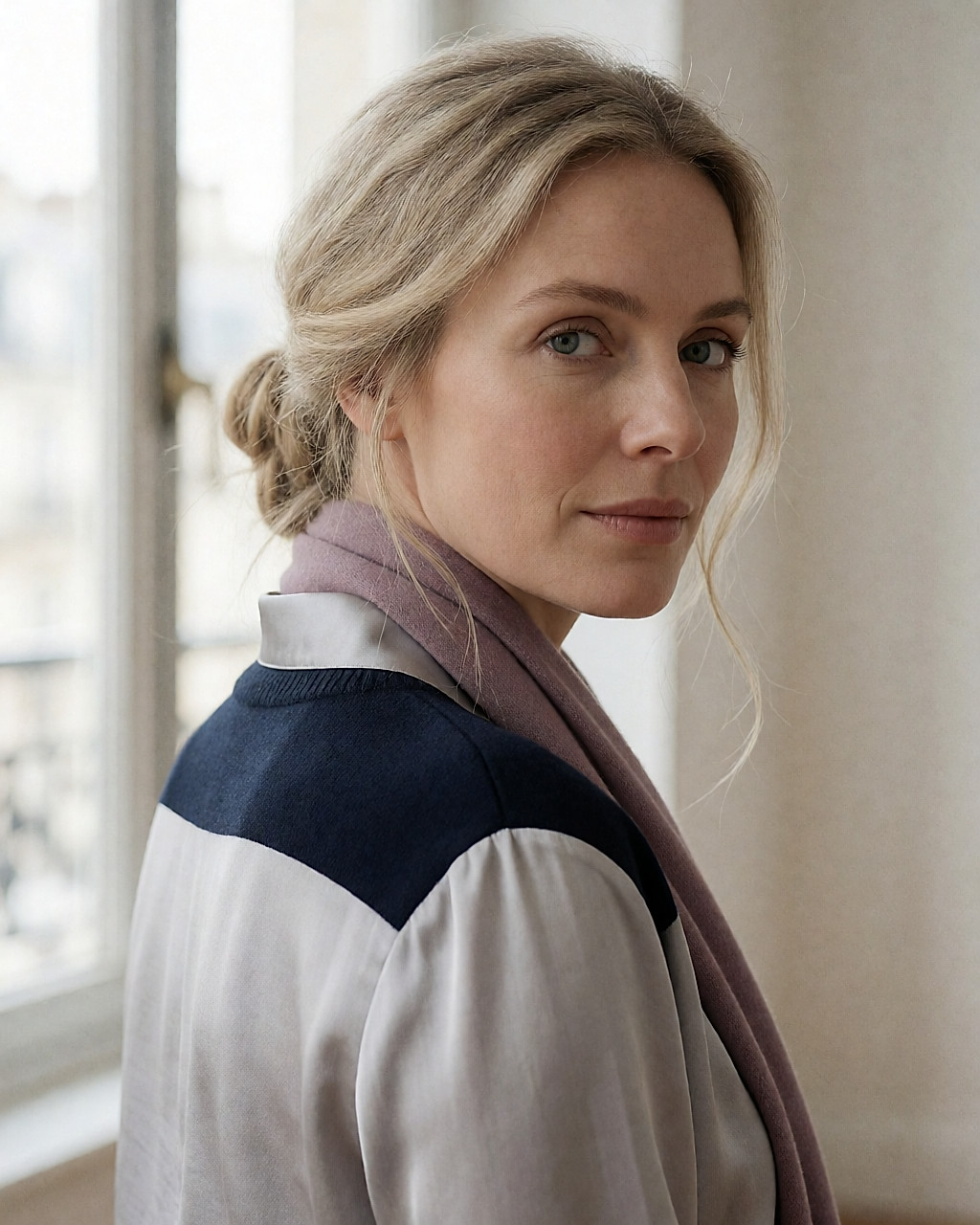
For make-up, reach for cool colours: midnight blue, black, brown, and beiges can be pretty for a light make-up, provided you lift them with a touch of mascara on the lashes to add a little character. Avoid colours that are too light or flashy, which would wash out your complexion: turquoise, pale green, orange, pale pink...
Autumn women, warm and flamboyant
They display warm, even flamboyant hair — auburn to red — and attractive warm eyes, from dark brown to hazel or fairly light green. Red to Venetian blonde hair, translucent skin, light eyes: that is how to spot an Autumn woman at first glance. They also generally have very fair skin, sometimes scattered with freckles.
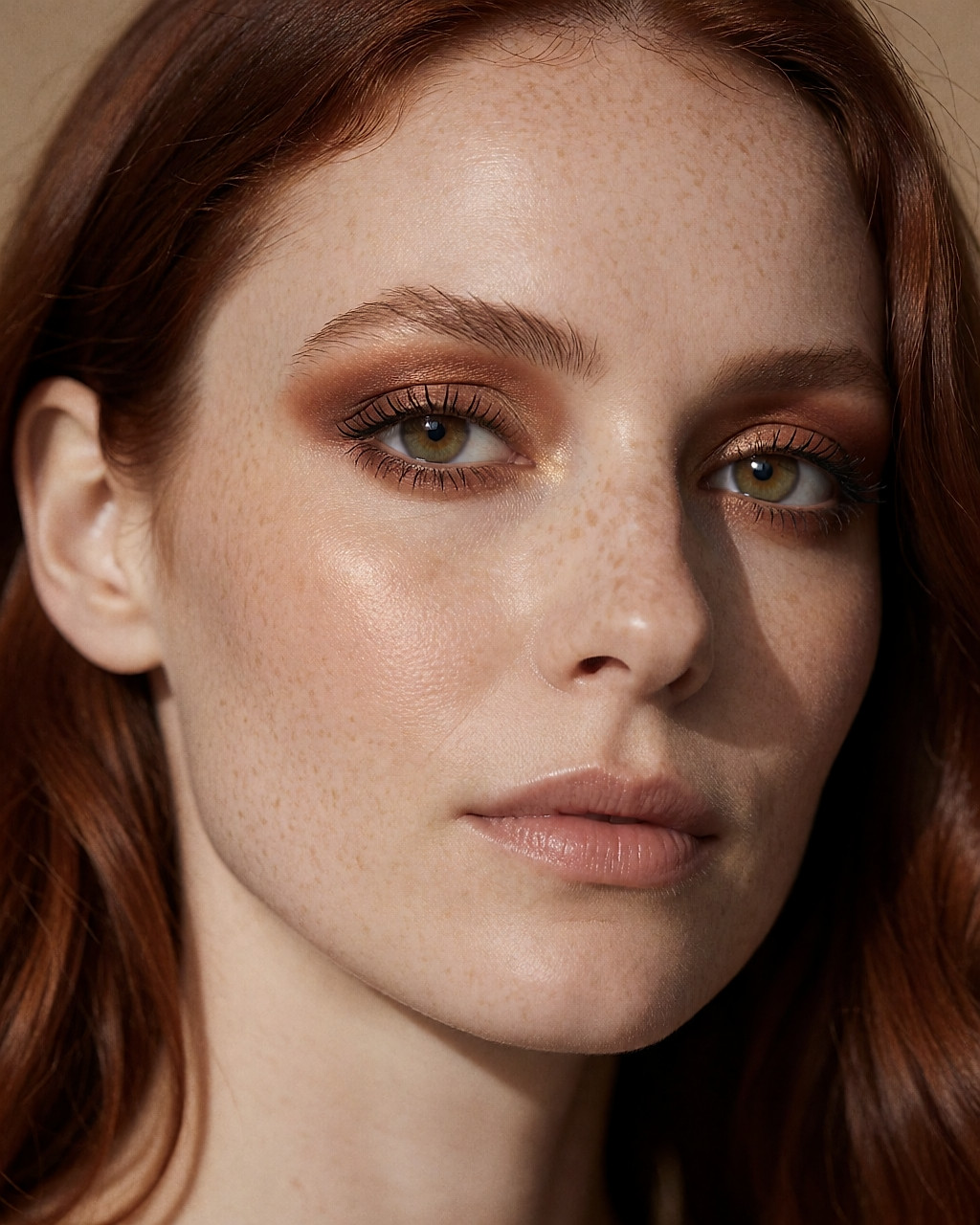
For them, it is every colour of the season: red, ochre, browns and caramels, coral, beiges of all kinds, light blues and khaki green. Note too that leather suits you particularly well in its wide range of shades, as do emeralds, turquoises and jade. On the other hand, avoid black, which darkens the face, and pink, which does not flatter you at all.
For make-up, as for clothes, choose warm shades, but avoid mixing colours. Vary the pleasure between different shades of brown and beige, and if you feel like it, risk a touch of khaki or gold to brighten you up.
Winter women, dark and luminous
They can range from pale ivory or rosy complexions to matte skin, with generally dark hair: dark brown to brown or jet black, including salt and pepper. Their eyes are also rather dark: brown, midnight blue, blue/grey or blue/green. Matte skin with hazel eyes, or conversely fair skin with blue eyes and dark hair: both profiles often meet in Winter women.
Are you one of them? You can choose your clothes in all kinds of colours, both bright and dark: black, grey, navy, but also white; pinks brighten you, red flatters you particularly, and even orange suits you as long as it is not too flashy. What should you avoid? Hmm, not much! Olive green can look dull on some while suiting others, and yellow is not your best friend, although you can risk it.
For make-up, it is cool tones as much as you like! Black, grey, blues, silver, even a few touches of brown and gold. Avoid: pastel colours if you have a fair complexion, and the rainbow look!
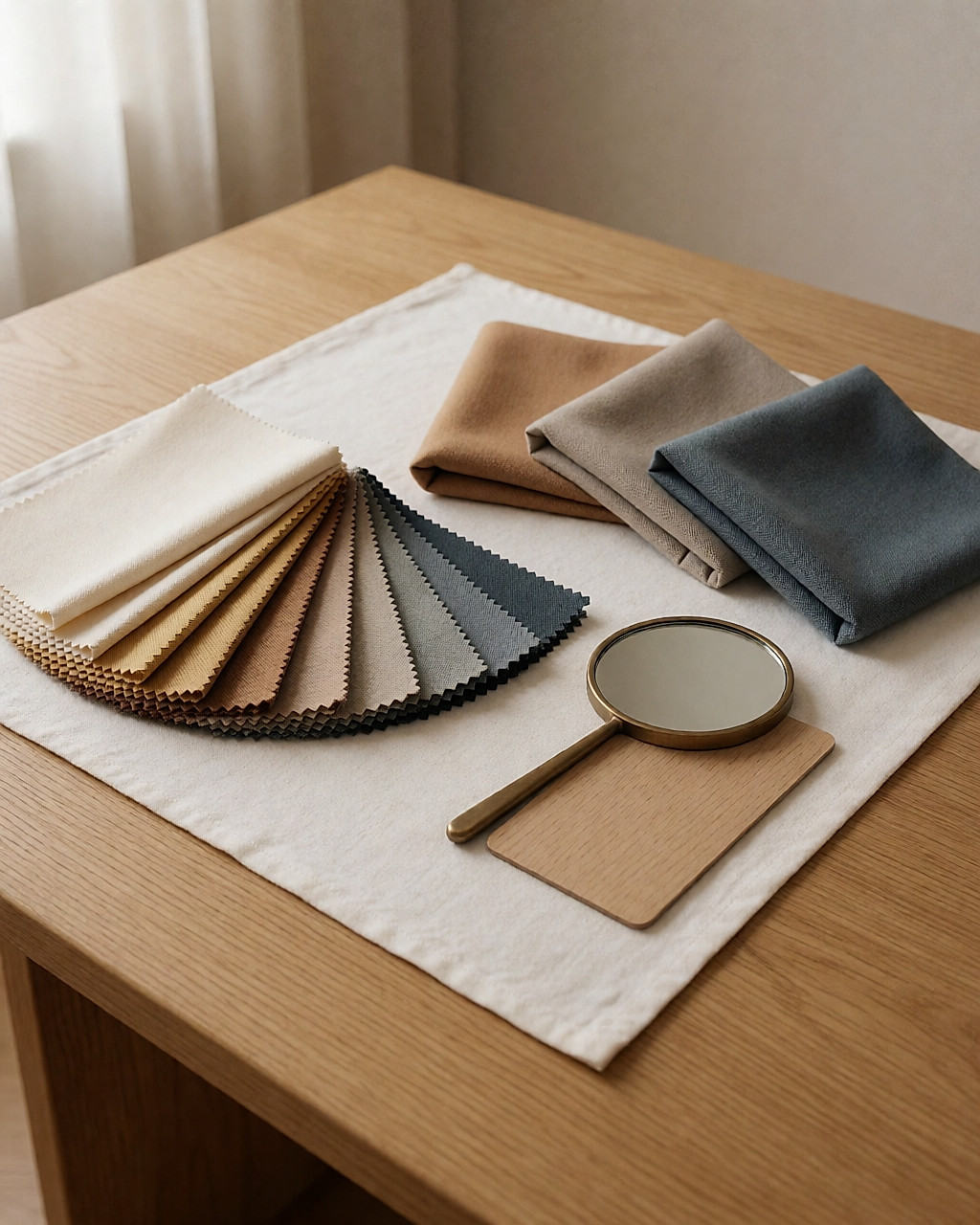
The window test, free of charge: wash your face, tie your hair back and sit facing a window in full daylight — never under a ceiling light, as yellow light distorts everything. Hold up, one at a time, under your face: a black garment, a white one, a beige one, a navy one. Note what erases shadows and revives your complexion, and what makes it look grey. Repeat the test a few days apart before deciding, and trust your own impression above all, not theory.
Budget
If you fancy exploring the subject with a professional, expect to pay roughly £90 to £220 for a one-to-one colour analysis appointment with an image consultant — one to two hours, with a written summary or personal palette depending on the consultant, and more in larger cities. Group workshops of two to three hours, often run by makeover schools or shops, tend to be around £25 to £70. The price varies according to the method used — fabric drapes placed under the face, a printed palette, sometimes photo analysis — the duration, and whether you leave with something you can actually use for shopping.
Good news if you would rather spend nothing: a home draping session with your own clothes in front of a window, in daylight, already gives a very good indication. Before booking, check exactly what the service includes and whether an appointment in natural light is possible. And bear in mind that no colour-analysis grid is a diagnosis — these are practical guides, not absolute rules, and nothing obliges you to give up a colour you love.
There you are: it is over to you to work out your profile and choose your colours — who said looking your best had to be complicated?!
Sources
- Carole Jackson — Color Me Beautiful, 1980: the book that popularised the four-season method, the basis of most colour-analysis advice given today.

Comments
Your opinion matters: rate the article, react and reply to comments.
Comments are moderated; AI-assisted comments are flagged. Text emoticons (8-), :-), <3…) are automatically shown as images.