
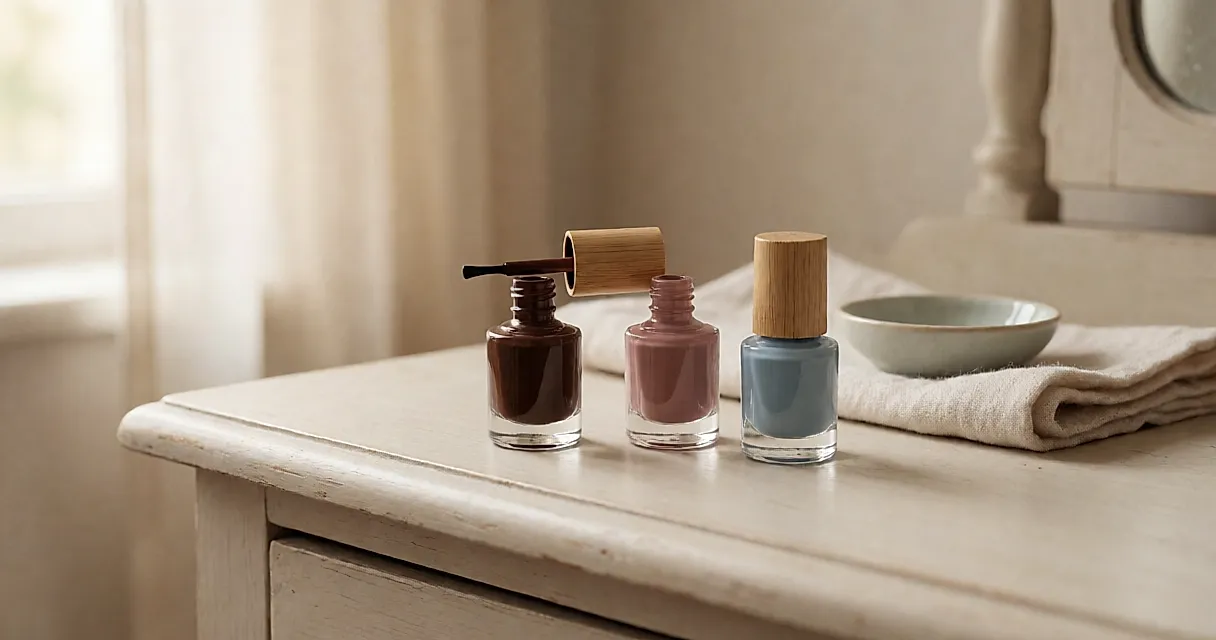
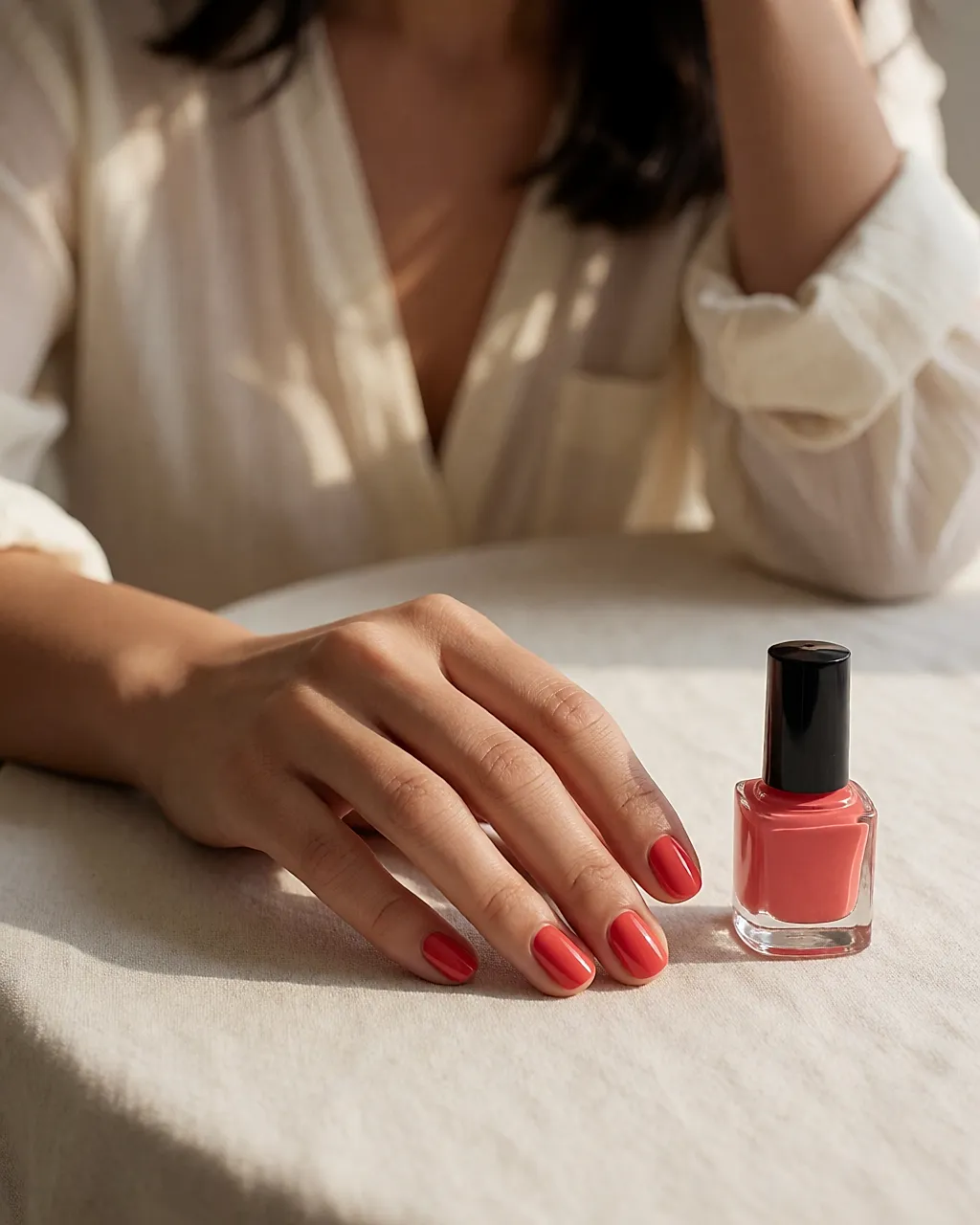
My friend Camille sent me a photo the other day: ten nails painted a deep, almost chocolate brown. 'It makes my hands look dirty,' she wrote. Two days later, the same manicure was on her Stories and she was talking about it as if it were the most obvious choice in the world. Which just goes to show that a colour sometimes needs time to grow on you.

For a long time, nail polish came down to two options: red or pink. Lovely, timeless, a little repetitive. Now the shades we didn't expect are taking over: brown, taupe, caramel, grey. Colours that dress the hand without shouting, and make your fingertips look anything but familiar.
Brown, the shade that's here to stay
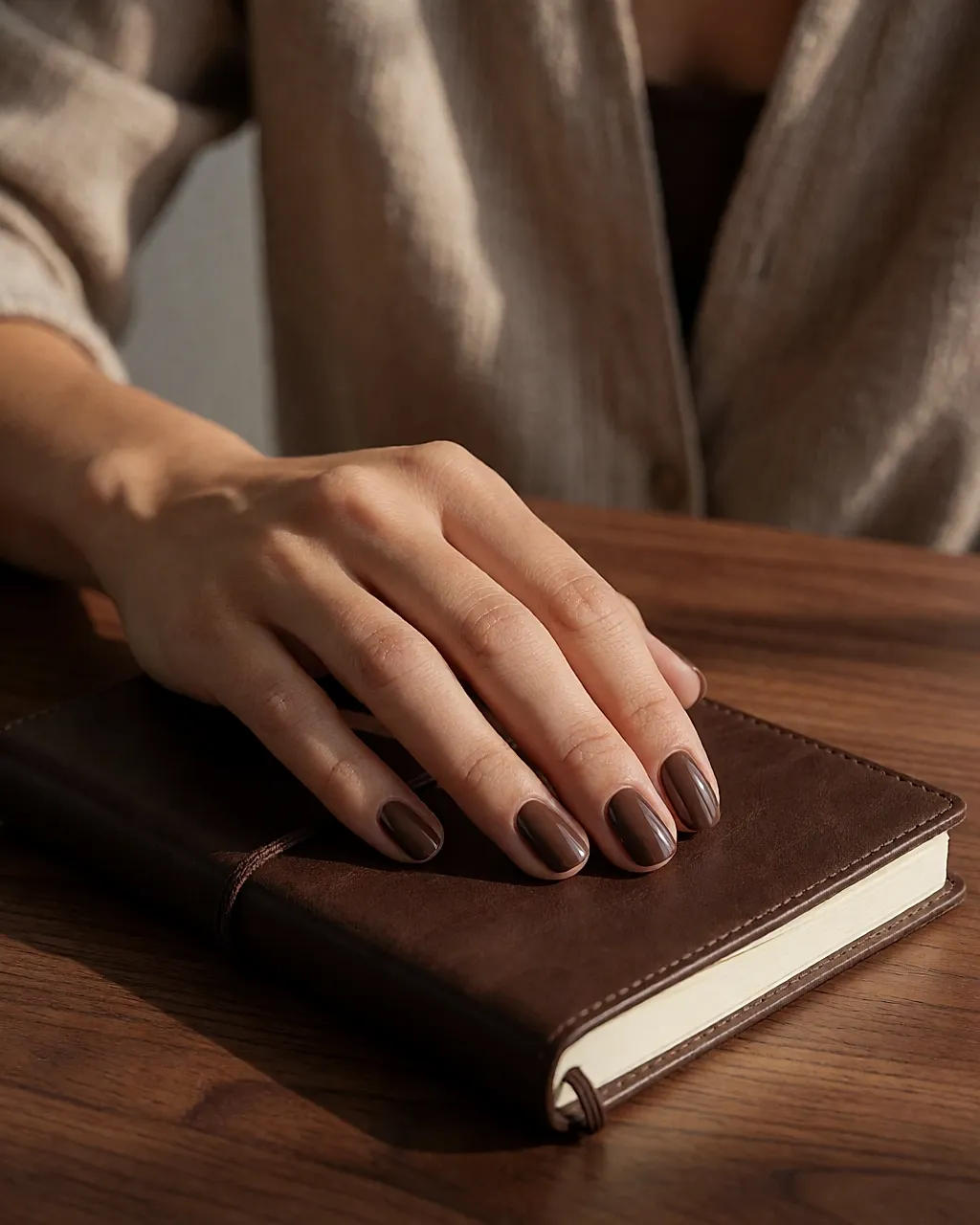
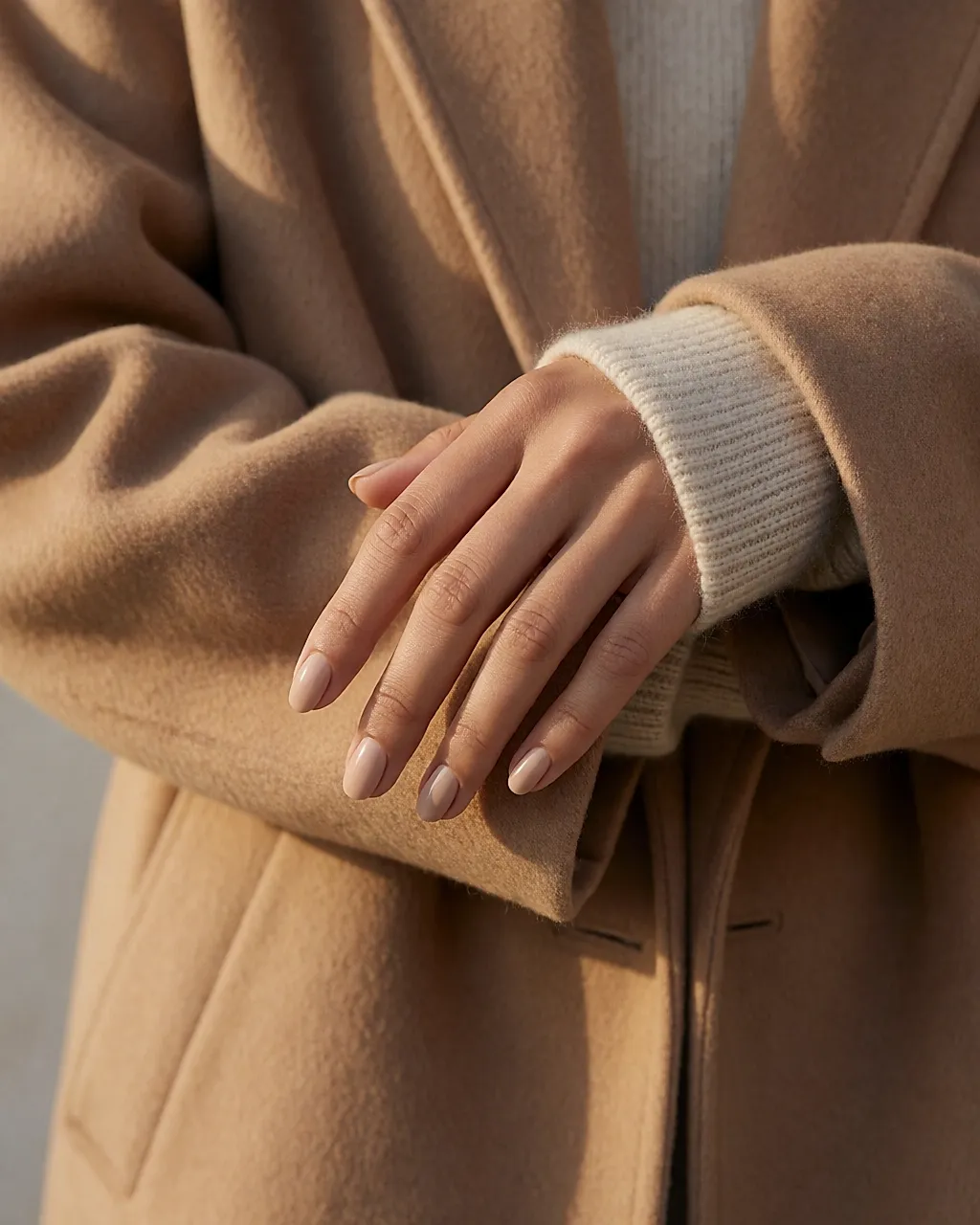
Let's be honest: brown is no longer a default choice. When Pantone named Mocha Mousse its Colour of the Year for 2025, the shade gained a new kind of prestige. Since then, latte and chocolate manicures have flooded social media, from creamy beige to the darkest praline.
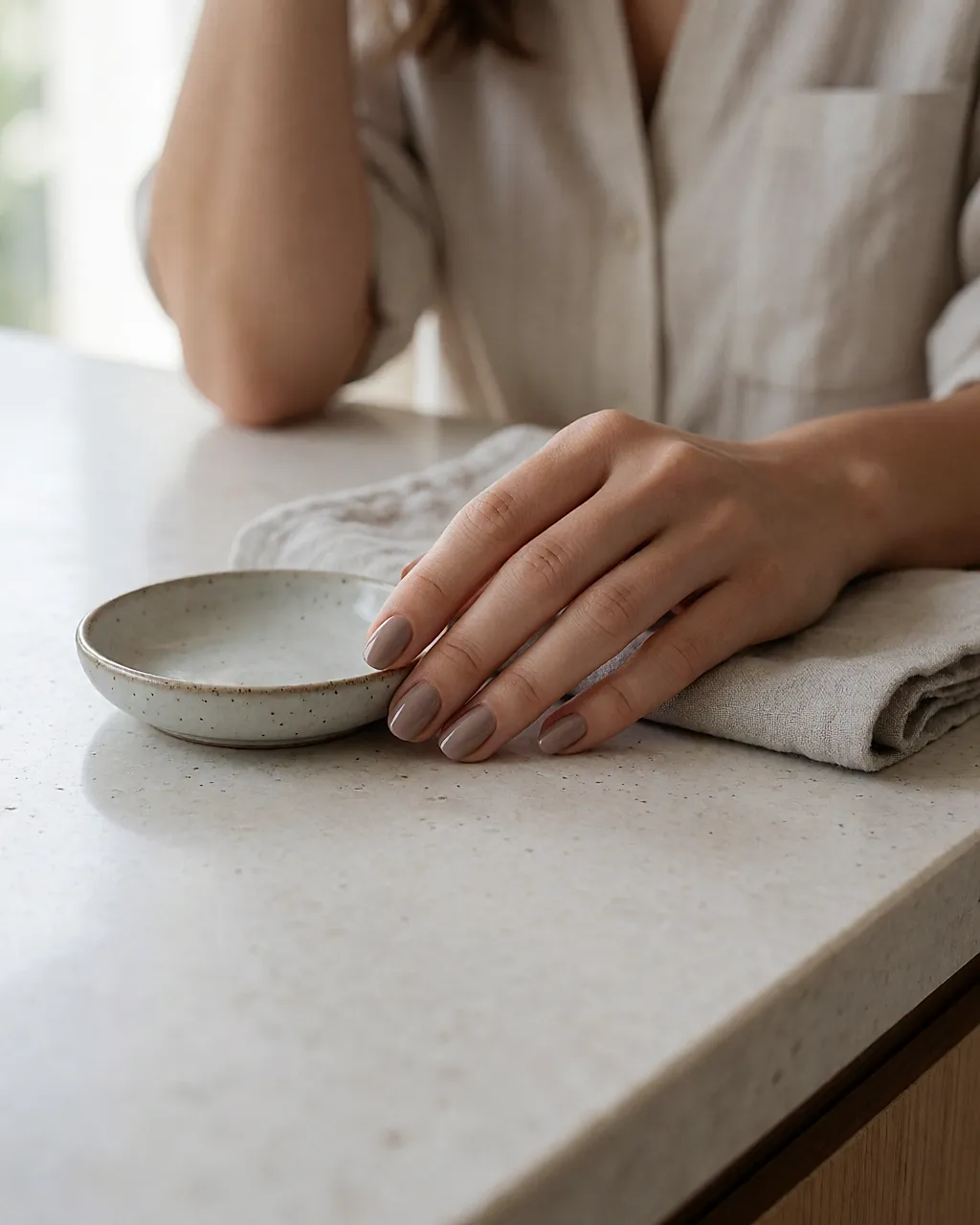
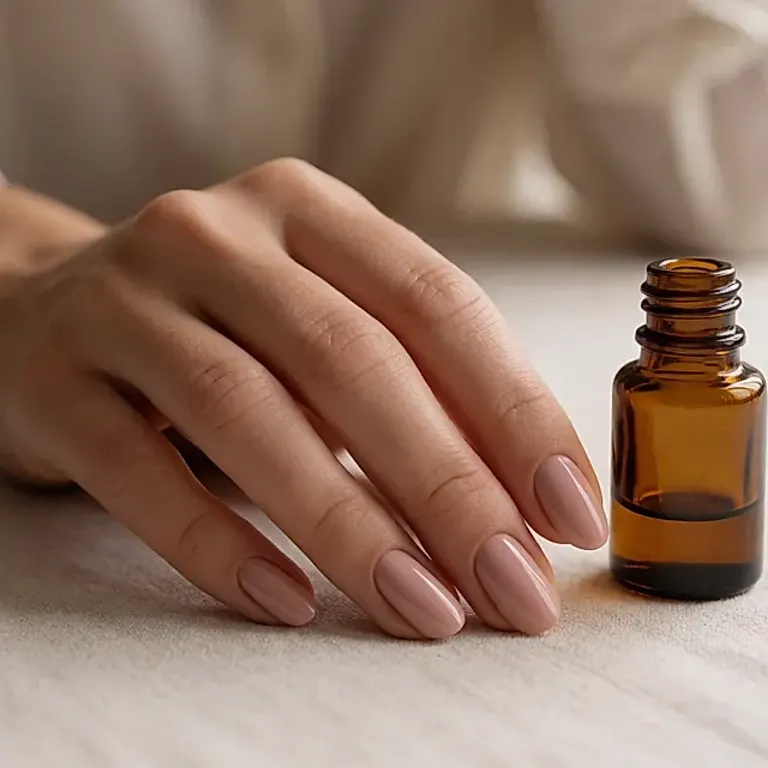
The reason is simple, and you've probably noticed it on your own hands: a well-chosen brown doesn't make hands look dirty; it warms them up. The key is getting the depth right. A brown that's too grey can dull a fair complexion; one that's too red quickly turns burgundy. The benchmark? An opaque texture in two coats, with no milky transparency: the 'I can go straight into a meeting without thinking about it' effect.
From taupe to grey, the neutrals that give shape
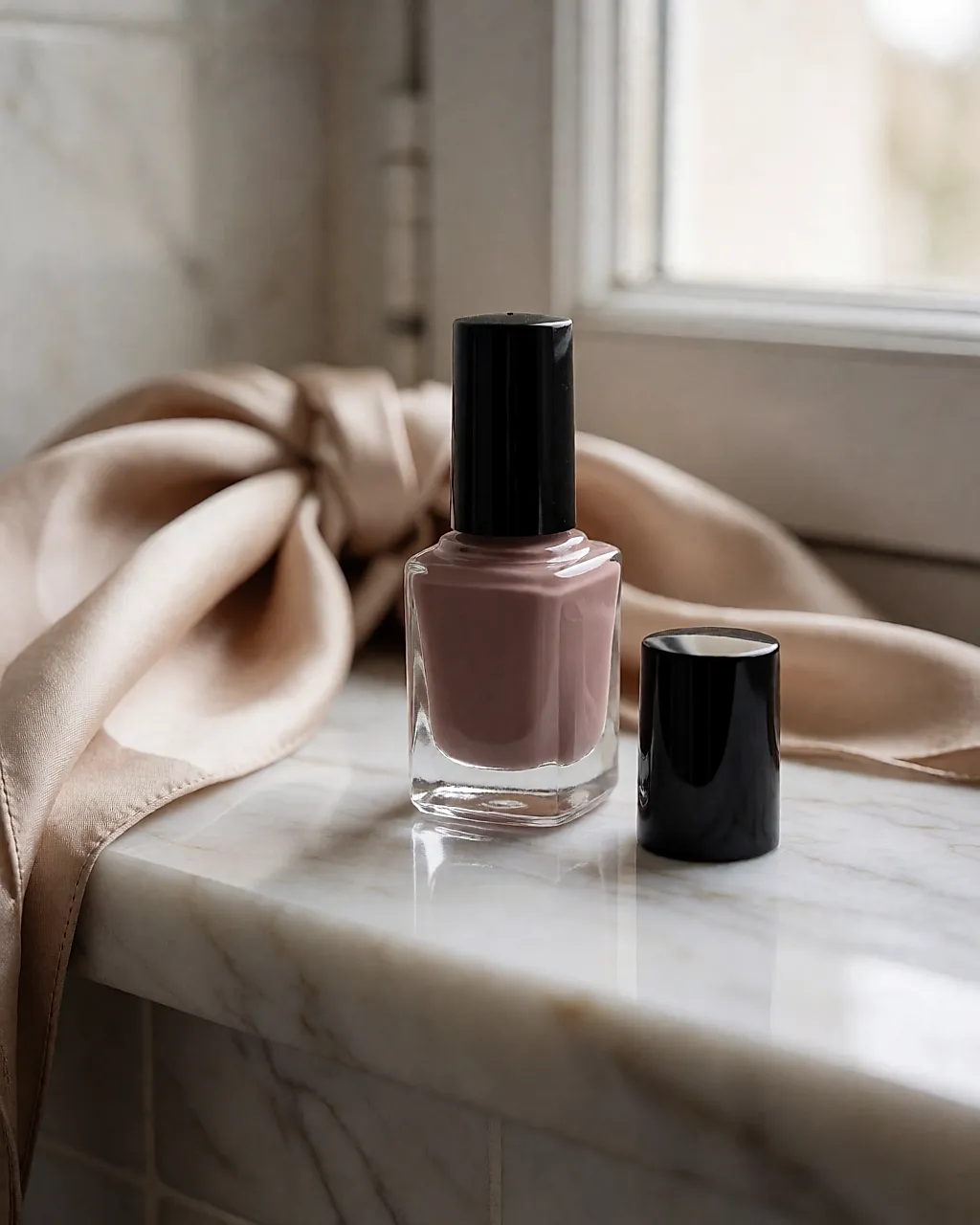
Taupe is the clever compromise between grey and brown. It suits almost everyone, goes with any outfit and forgives a slightly damaged nail. Its one flaw: it doesn't stand out much. If you want a sharper finish, lean towards grey.
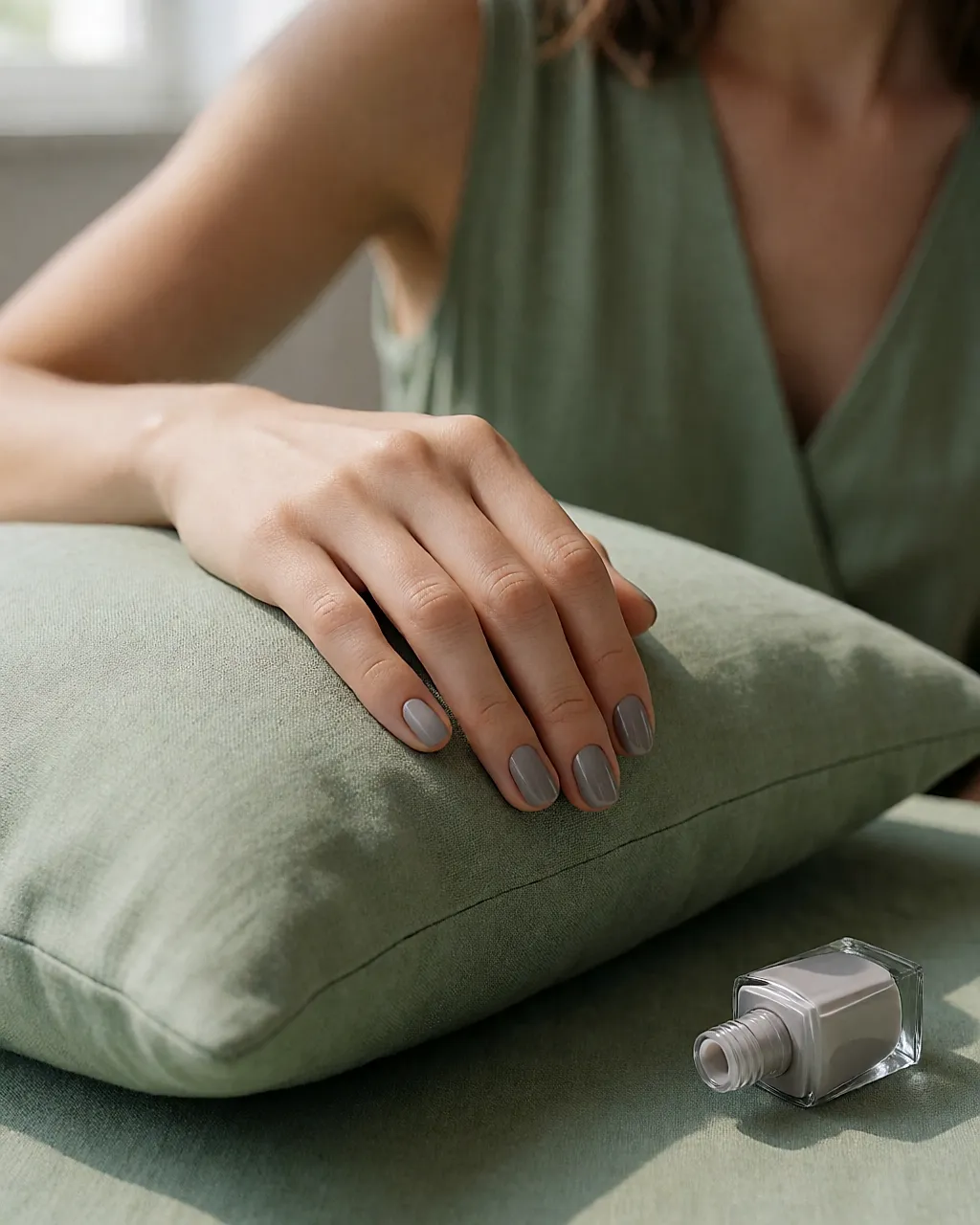
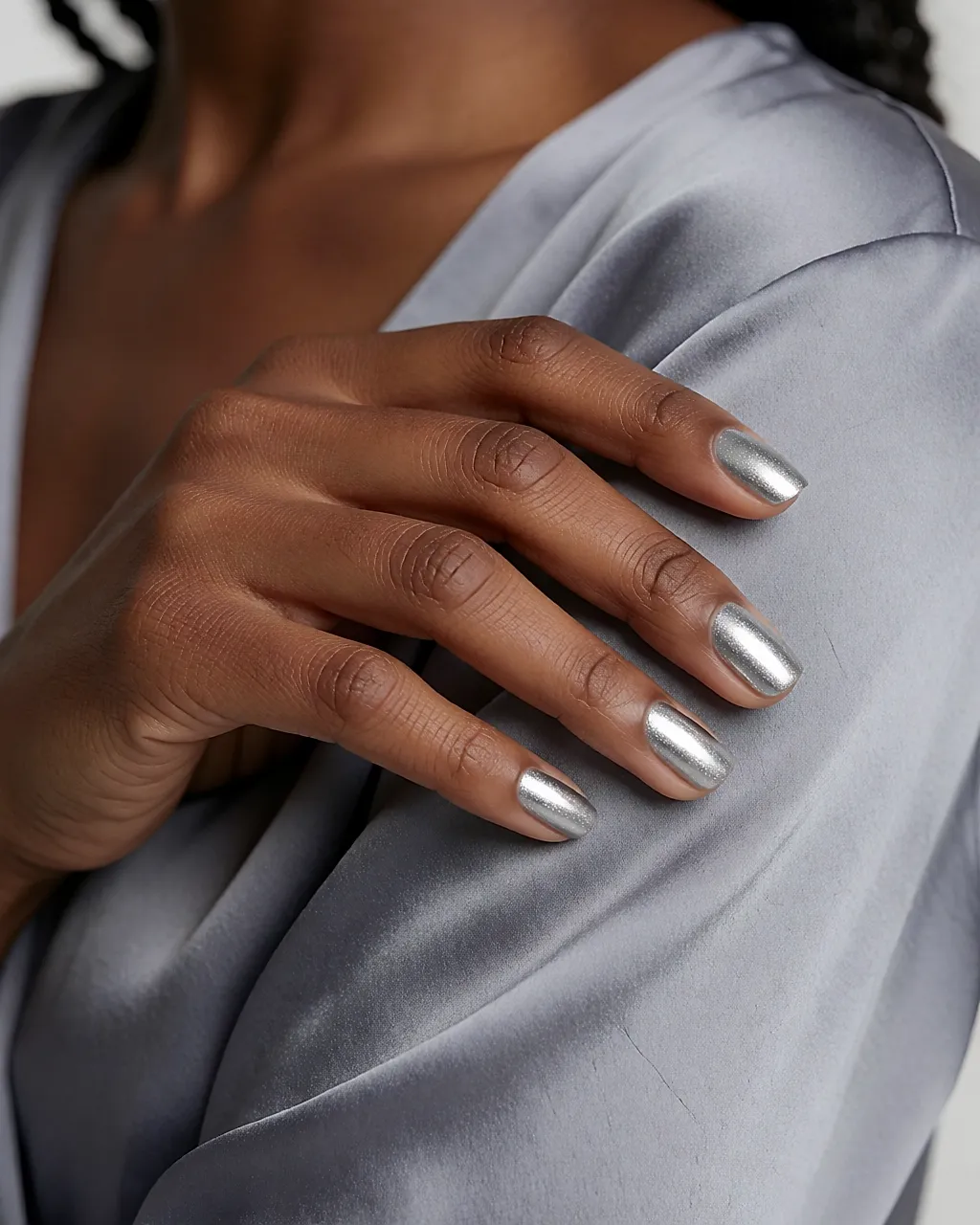
Grey, meanwhile, has long had a bad reputation, linked with tired-looking nails. And yes, it can be, when it's badly chosen. But a slightly blue-toned grey, properly opaque, looks clean and almost graphic. It's the shade I recommend when you're unsure: it gives the hand structure without weighing it down.
The routine that makes all the difference
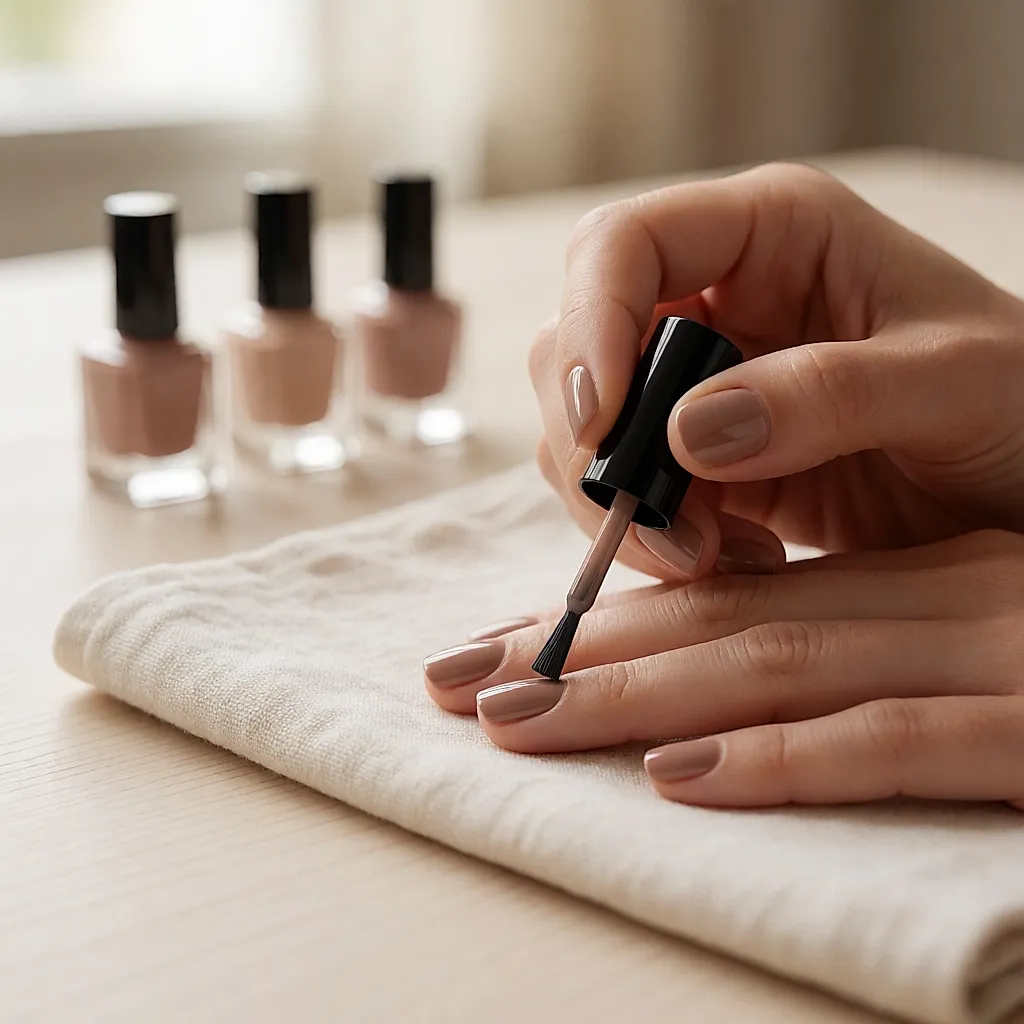
Colour does half the job; application does the rest. Start with a smooth base coat: it protects the nail and blurs unevenness. Then two thin coats rather than one thick one: that's what prevents streaks and helps polish dry faster. Finally, a top coat, which adds a few days' wear and revives shine. This routine takes a few minutes and really does make a difference to the finished result.
As for texture, today's formulas are more fluid than they used to be and often dry faster, but they are still cosmetic products: ventilate the room and close the bottle tightly.
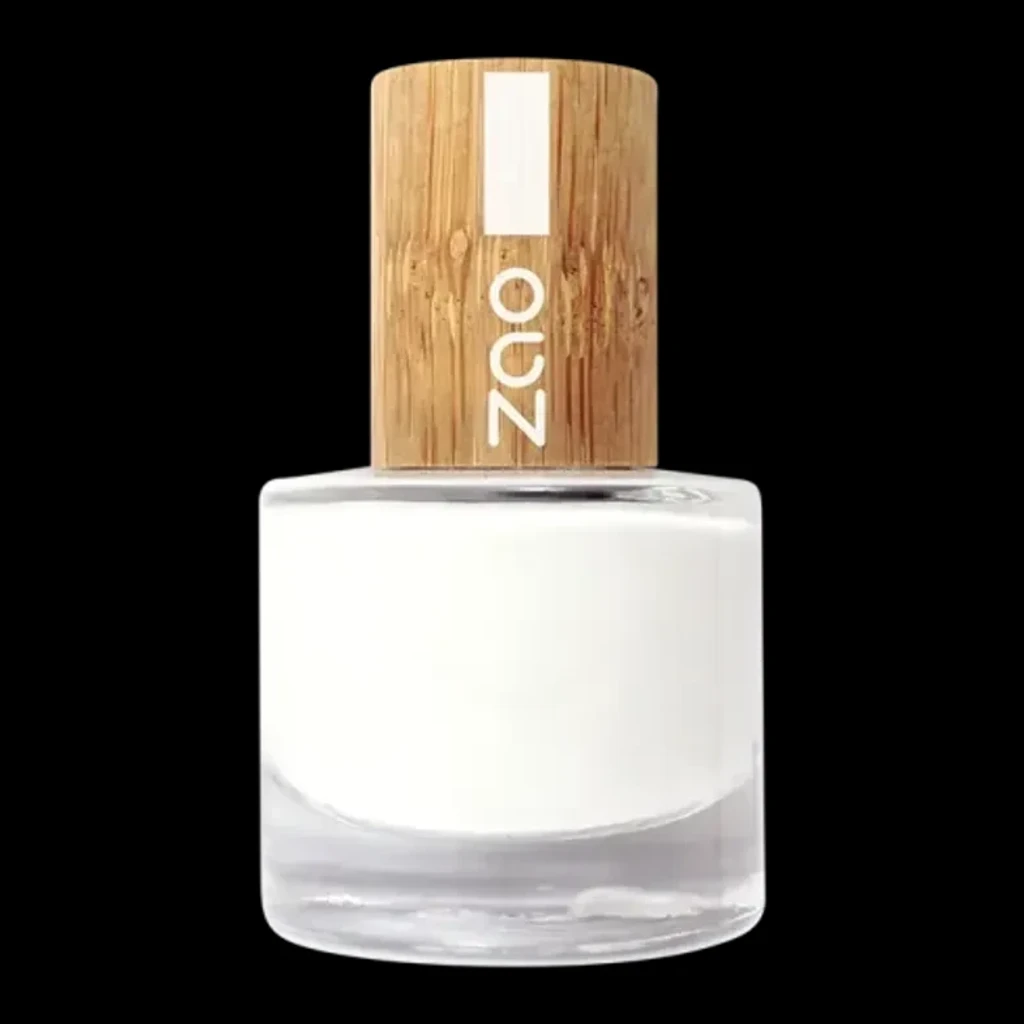
Want a cleaner option? Several French brands make so-called '10-free' or '12-free' formulas. These terms have no single regulatory definition: they vary from brand to brand. They often exclude certain controversial ingredients, including toluene, formaldehyde or formaldehyde resin, and some phthalates; check the exact list on the bottle. I haven't tested all of these products over time, so treat this as a well-researched starting point, not a verdict. Kure Bazaar and Manucurist claim plant-derived bases; Zao Makeup offers refillable nail polishes with a bamboo cap (glass bottle). And always check the ingredients on the bottle: 'natural' is not a label, it's a marketing argument. Availability in the UK varies, so check stockists and delivery before you commit to a particular brand.


Budget
Nail polish is still one of the cheapest beauty buys, as long as you know where to look. In supermarkets or own-brand ranges, expect to pay a few pounds a bottle. At chemists, beauty retailers or from 'clean' French brands, it's more likely to be around £10 to £20. At big names such as Chanel and Dior, expect £25 to £35.
In a salon, a classic manicure is around £15 to £40 depending on the treatment and the city; a semi-permanent or gel manicure can quickly cost more. What affects the price: the range, the formula (shine and wear), whether a refill is available and where you buy it. Online, prices are often lower than on the high street, but factor in delivery charges.
Sources
- Pantone Color Institute, 'Color of the Year 2025: PANTONE 17-1230 Mocha Mousse' — pantone.com
- Kure Bazaar, official site — kurebazaar.com
- Manucurist, official site — manucurist.com
- Zao Makeup, official site — zao-makeup.com
- Regulation (EC) No 1223/2009 on cosmetic products — eur-lex.europa.eu (EU framework; UK cosmetics rules apply separately)
Food supplements do not replace a varied, balanced diet and a healthy lifestyle.

Comments
Your opinion matters: rate the article, react and reply to comments.
Comments are moderated; AI-assisted comments are flagged. Text emoticons (8-), :-), <3…) are automatically shown as images.